
Carpentry
Shelving, door repairs, trim work, deck building, and furniture fixes.
29 guides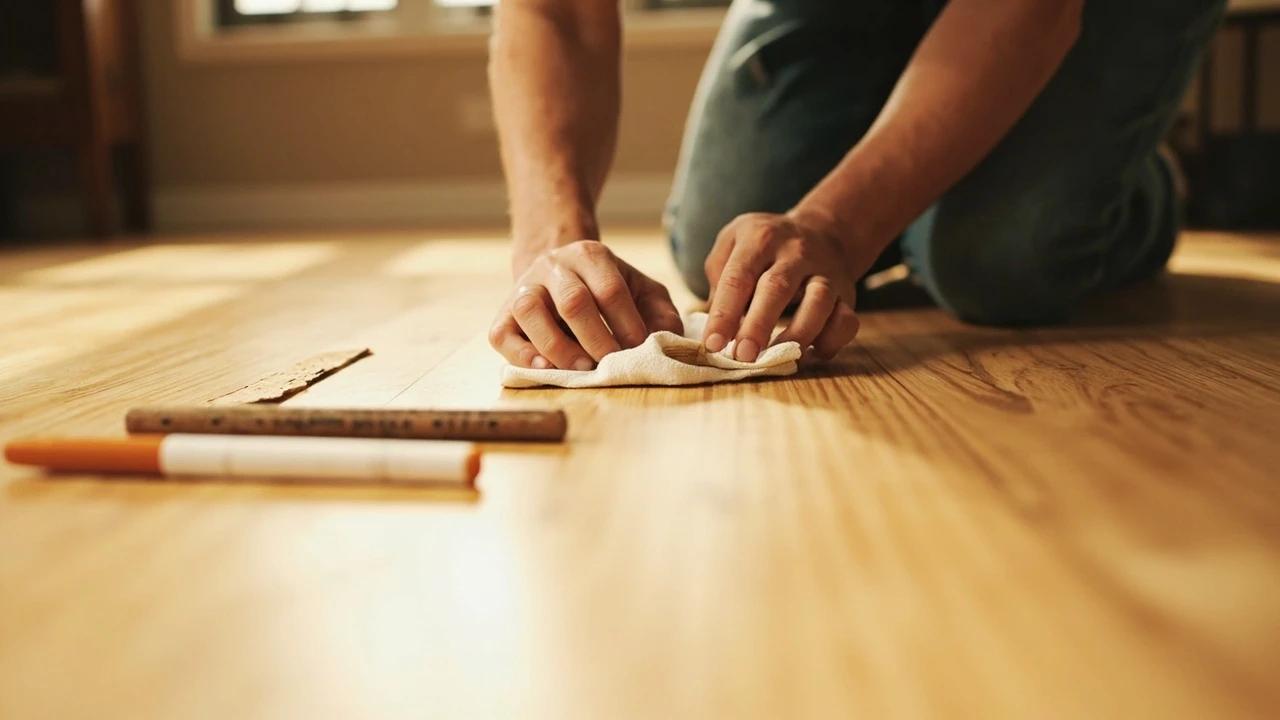 Medium1 hr
How to Repair Scratches in a Hardwood Floor
Scratched hardwood almost never means refinishing the whole floor. This guide shows you how to match the fix to the damage — a touch-up marker for finish-level scratches, a wax fill stick for shallow ones, and stainable wood filler with stain and polyurethane for deep gouges — all for under $40 in supplies and about an hour of work.
 Easy2 hrs
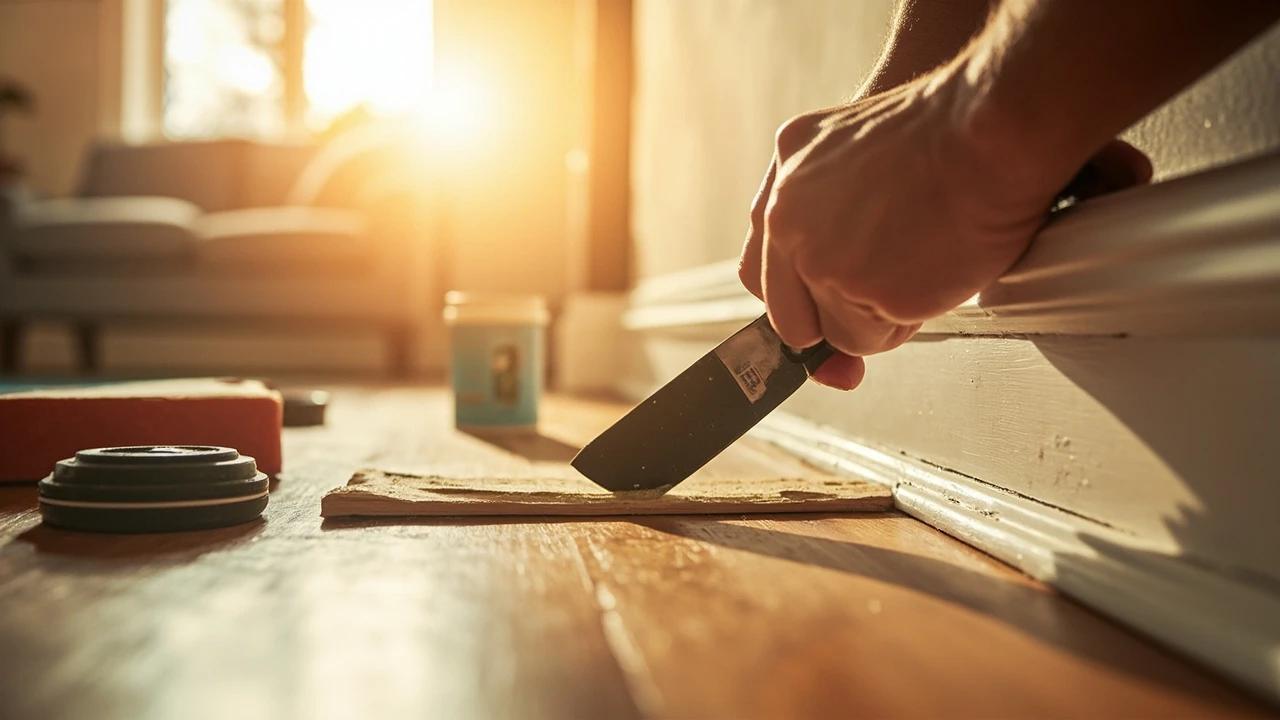
How to Repair Damaged Baseboard Trim
Dented, chipped, and gouged baseboards are one of the most visible signs of a neglected home — but they are also one of the easiest things to fix. With $10-20 in filler and a few hours of work (mostly drying time), you can make battered trim look factory-fresh without pulling a single board off the wall.
 Medium2 hrs
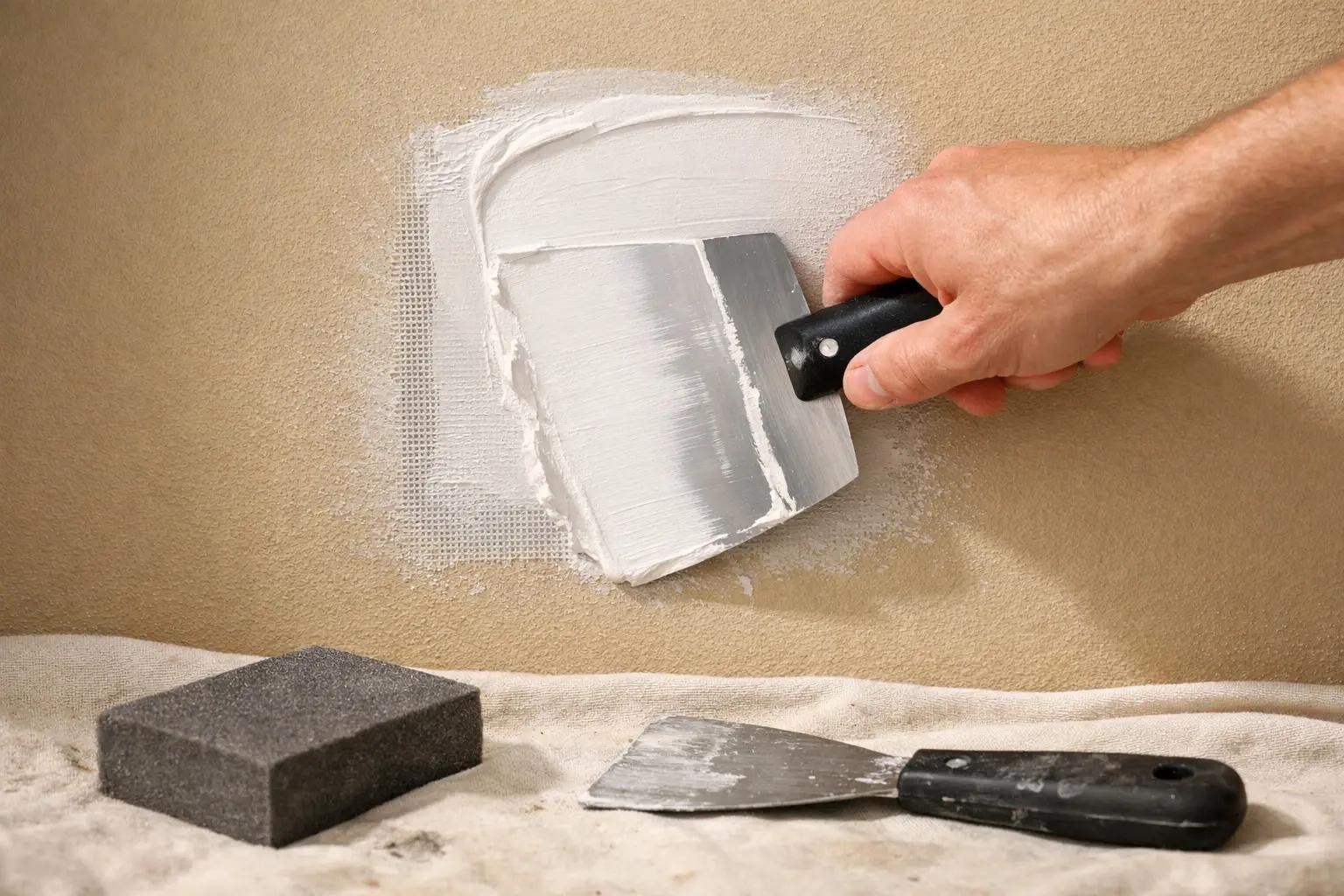
How to Patch a Hole in Drywall (Any Size)
A nail hole, a doorknob punch-through, and a fist-sized hole from moving furniture each need a different repair. Match the hole to the method: spackle under 1/2 inch, a self-adhesive mesh patch up to 4 inches, a California patch from 4 to 8 inches, and a backer strip with a new drywall piece beyond that. Every method finishes with the same thin coats, sanding, and primer, and the materials cost under $40.
 Easy30 min
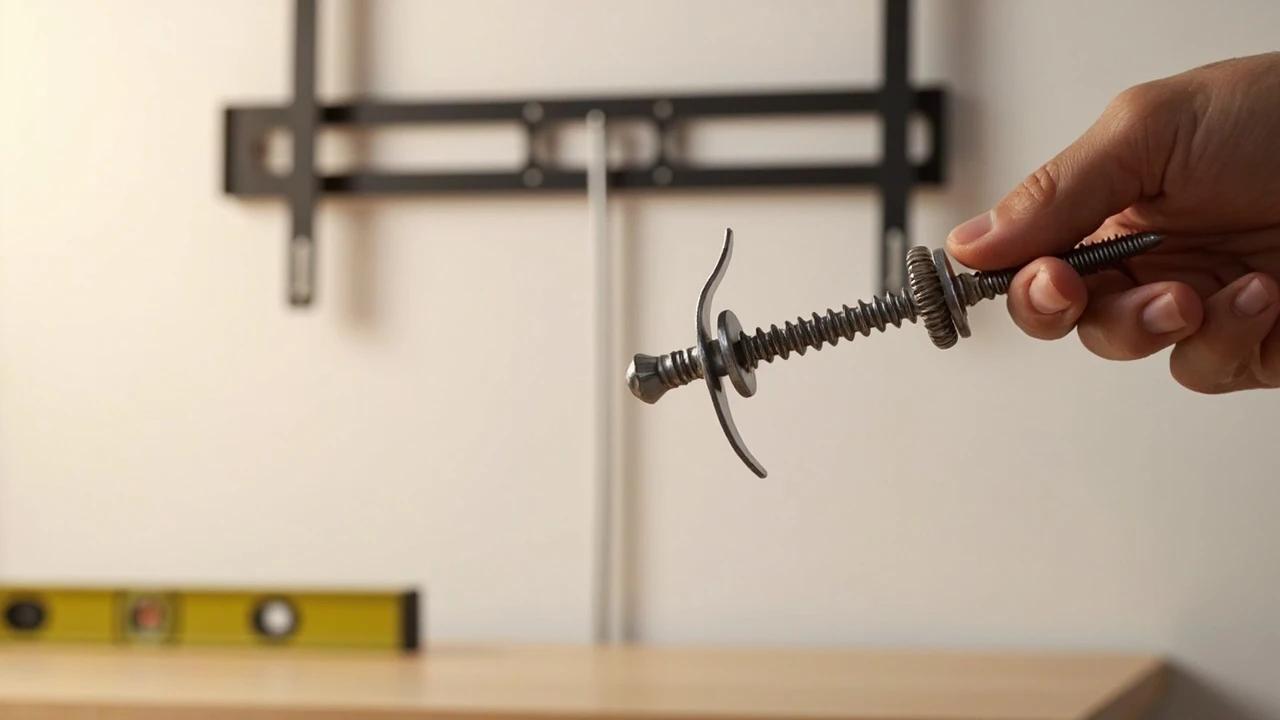
How to Use Toggle Bolts to Hang Heavy Loads Without a Stud
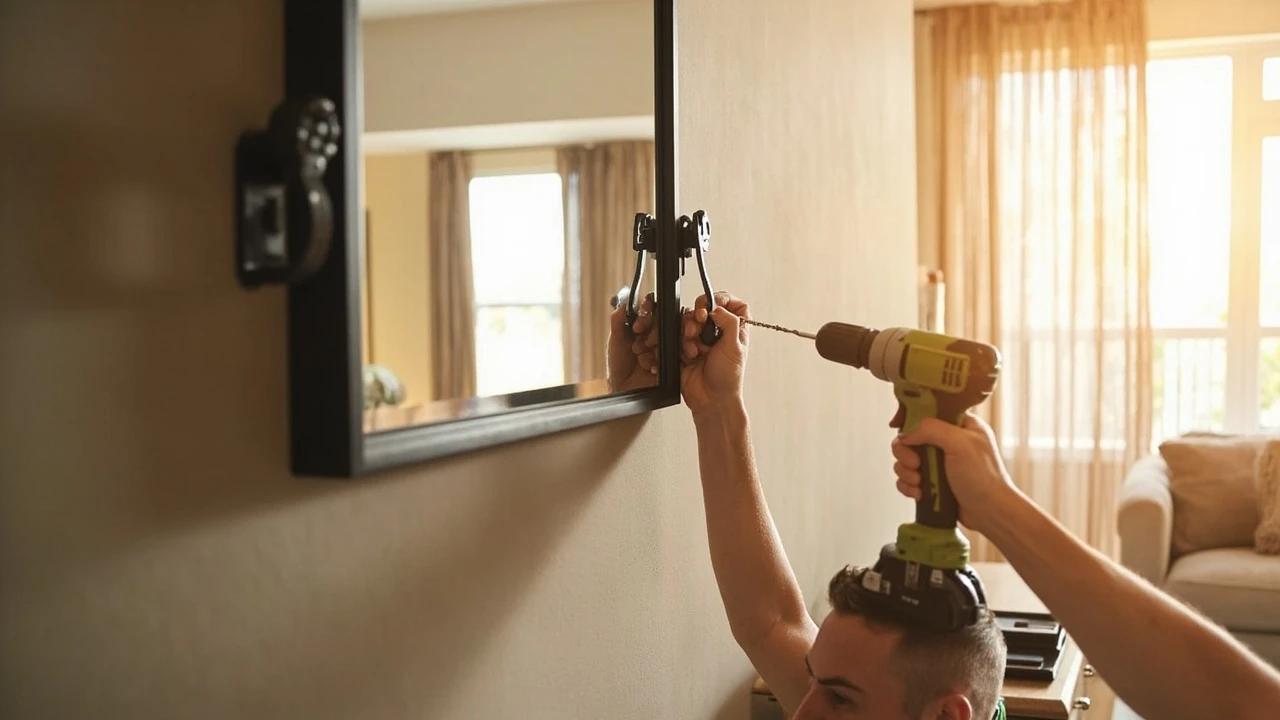
When the stud isn't where you need it, a toggle bolt is the strongest thing you can put in bare drywall — a 1/4-inch toggle holds several times what any plastic anchor manages, and modern strap-style toggles hold 200+ pounds in half-inch drywall. This guide covers both types end to end: sizing the toggle to the load, drilling the right hole, the put-the-bolt-through-the-bracket-first rule that saves you from the classic one-way mistake, and the ceiling math that keeps things off your head.
 Hard4 hrs
How to Install Crown Molding
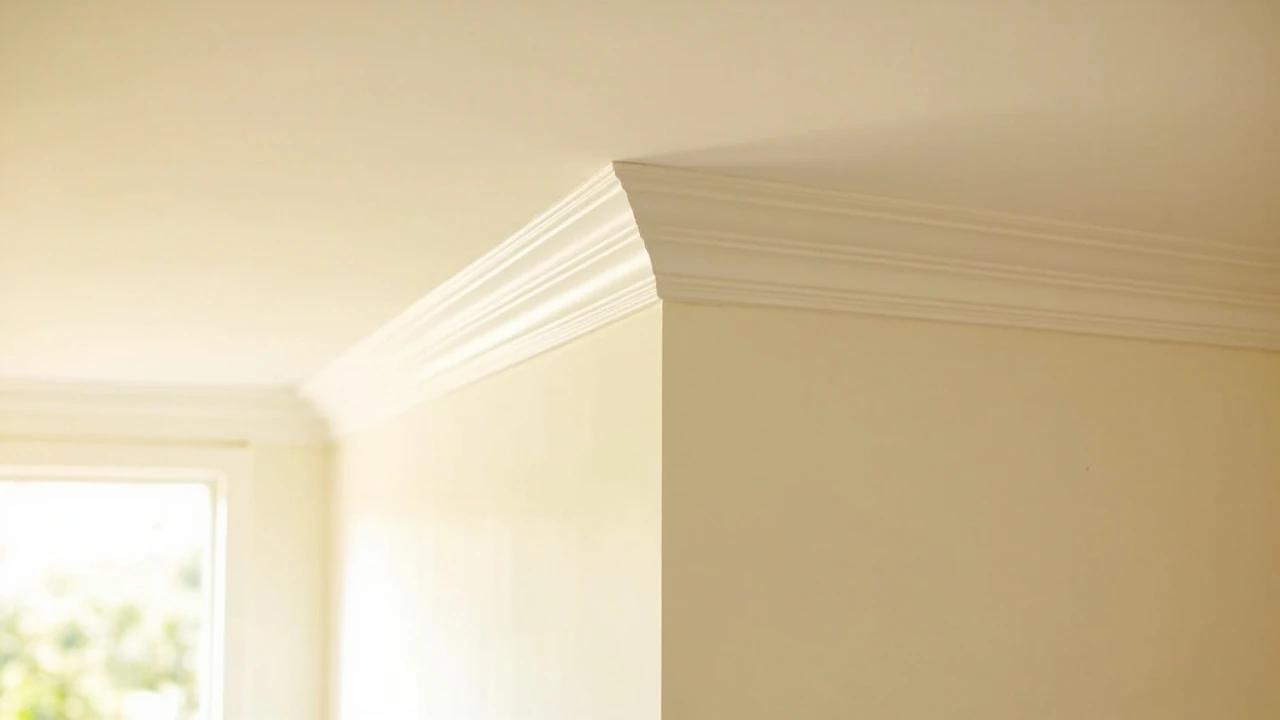
Crown molding turns a plain room into a finished one — but it is the trickiest trim to cut, thanks to corners that are never quite square and a profile that has to be cut upside down. This guide walks through the whole job the way a finish carpenter does it: coping inside corners so they stay tight, mitering outside corners, and fastening into framing instead of bare drywall. Expect about half a day for a typical room and roughly one to six dollars per linear foot in materials.
 Easy2h 30m
How to Clean and Seal Bathroom Grout
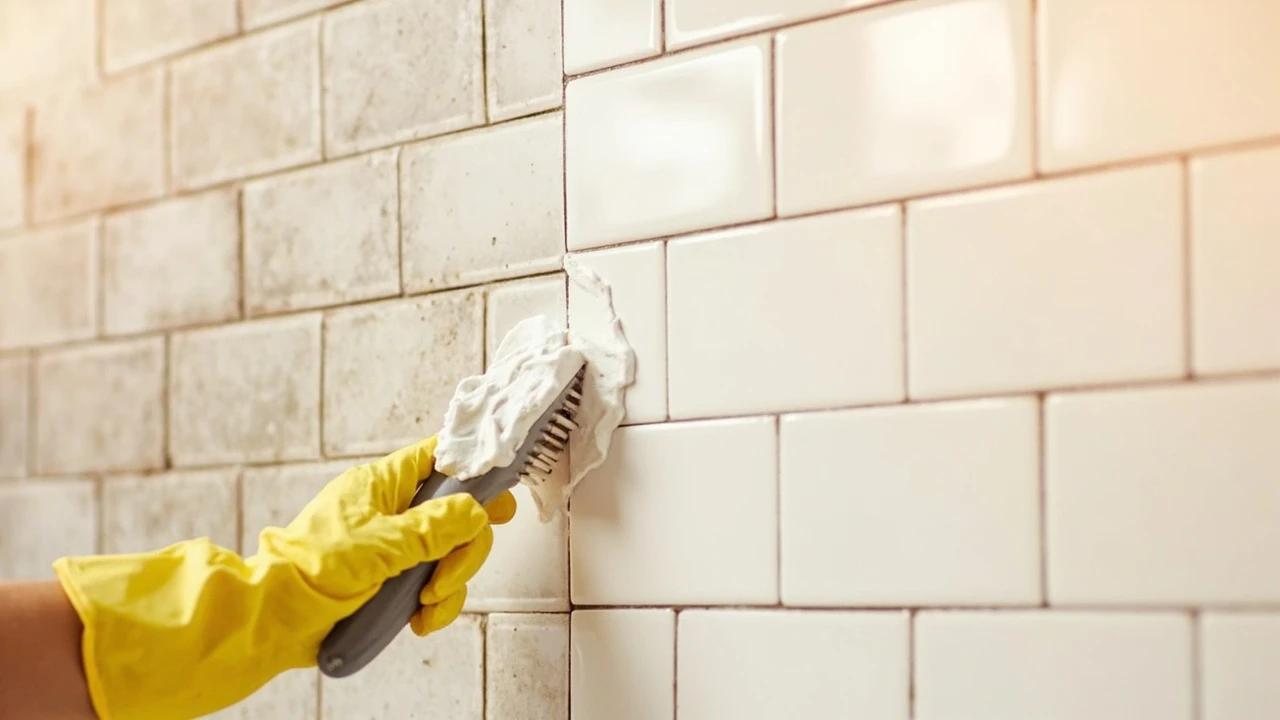
Dingy grout lines can make a freshly scrubbed bathroom look dirty, and porous unsealed grout drinks in soap scum, body oils, and mildew a little deeper every month. For about $25-60 in supplies you can deep-clean the lines with an oxygen-based paste and lock out future stains with a penetrating sealer — no regrouting required. This guide covers the cleaner that actually works, the popular ones that quietly destroy grout, and how to seal without hazing your tile.
 Easy30 min
How to Install Drywall Anchors for Heavy Items
A failed wall anchor doesn't just dent your drywall — it can drop a 60-pound TV onto a coffee table. This guide explains the five anchor types, when to use each, the stud-first rule that pros follow, and the pull-test that catches a bad install before your TV does. For the holes left behind by failed anchors, a $5 tub of spackle and ten minutes covers the cleanup.
 Medium5 hrs
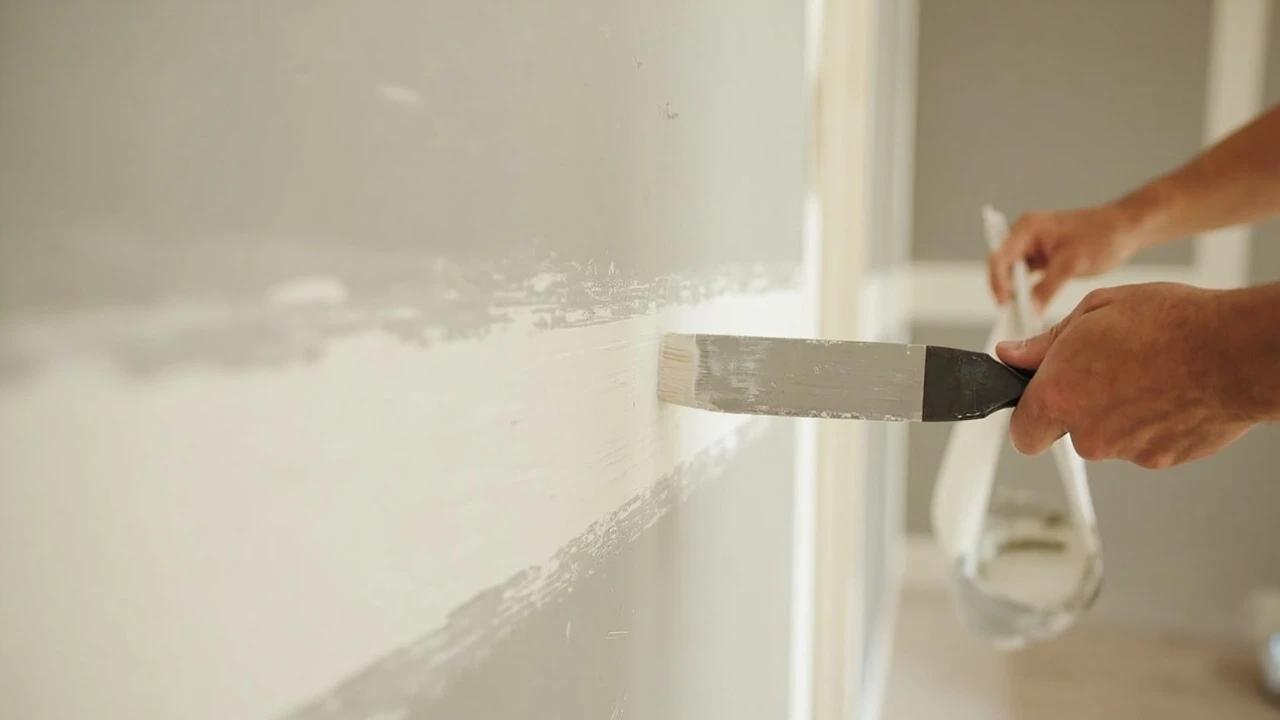
How to Skim Coat a Textured Wall Smooth
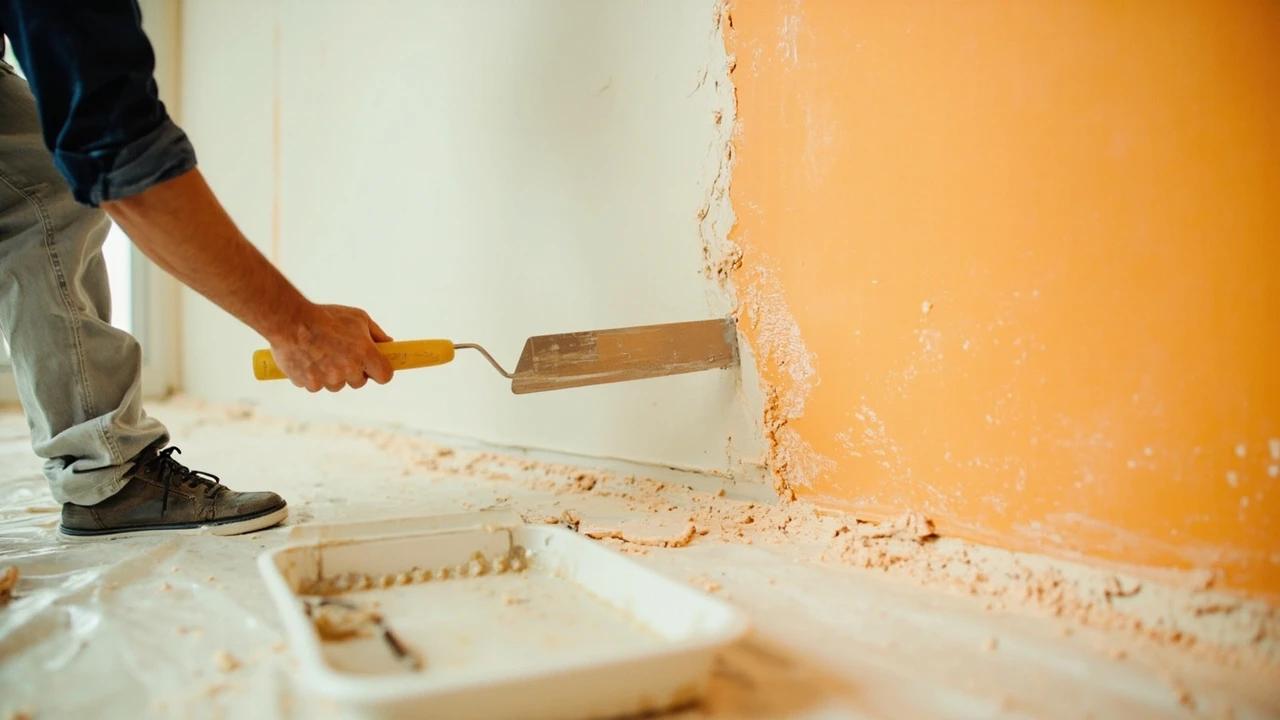
Flat, smooth walls are the look everyone wants now — but you don't have to tear out dated orange-peel or knockdown texture to get there. Skim coating buries the texture under a couple of thin layers of joint compound for a fraction of the $1.50-3.50 per square foot a pro charges, using a paint roller and a wide knife instead of a spray rig. This guide covers the roller-and-blade method that makes it DIY-friendly, how many coats your texture actually needs, and the raking-light trick pros use to catch every ridge before paint.
 Medium1h 30m
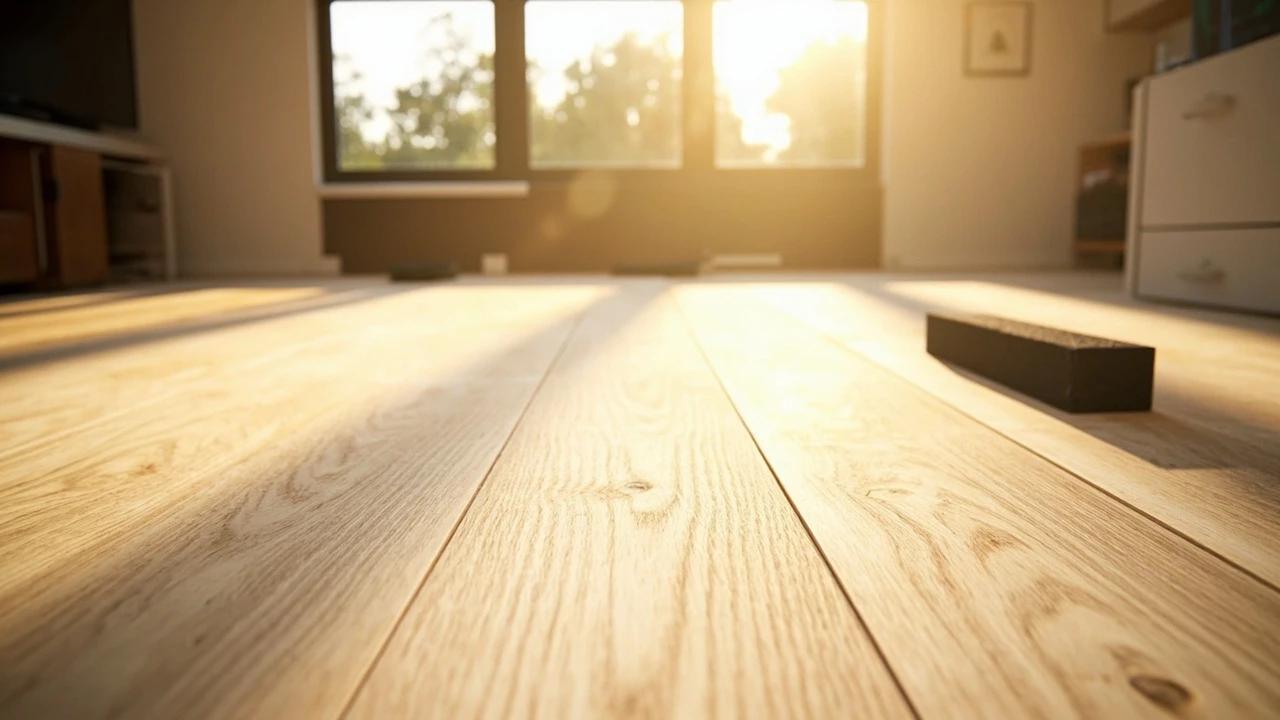
How to Tape and Mud a Drywall Seam
Taping and mudding is the skill that separates walls that look professional from walls that show every sheet of drywall behind the paint. The system is simpler than it looks: bed the tape, then two progressively wider coats with progressively wider knives, feathered to nothing. About $30 in materials finishes a room's worth of seams — the trade you're really making is three short sessions across three days.
 Medium8 hrs
How to Install Vinyl Plank (LVP) Flooring
A floating click-lock luxury vinyl plank floor is the most beginner-friendly way to replace a tired floor — no glue, no nails, just angle-click-and-tap planks that cut with a utility knife. The catch is everything that happens before the first plank: acclimation, a dead-flat subfloor, a balanced layout, and a perimeter expansion gap. Get those right and a room takes a day and $2-7 a square foot; skip them and the floor buckles. This guide walks the whole job in order.
 Medium1h 30m
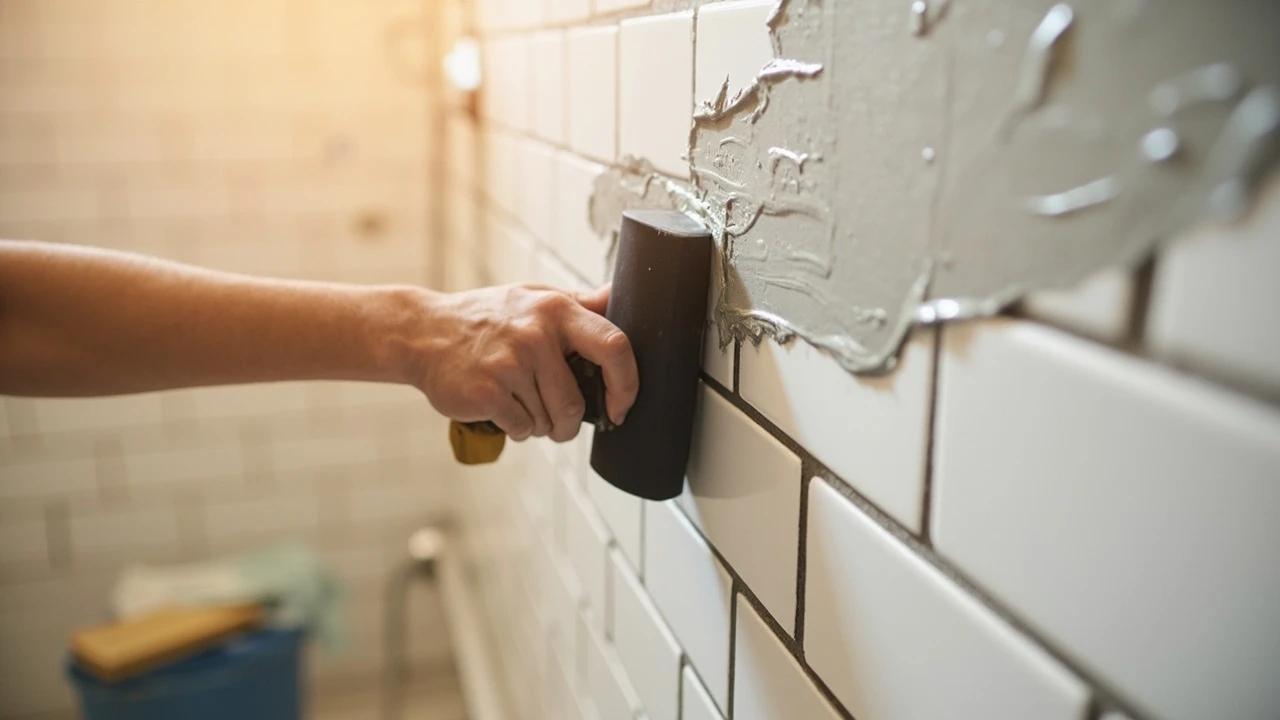
How to Fix a Squeaky Stair
That one step everybody in the house learns to skip isn't a structural problem — it's almost always a tread rubbing against a riser or a stringer as the wood shrinks with age. A few dollars of glue blocks, shims, and trim-head screws silences it for good, and if you can reach the underside of the staircase you can fix it permanently without leaving a single mark on the finished side. This guide covers pinpointing which joint is actually moving, the from-below and from-above repairs, the carpet-safe method, and why the can of spray lubricant under your sink is the wrong tool.
 Medium3 hrs
How to Regrout Bathroom Tile
Cracked, stained, or crumbling grout makes a whole bathroom look tired — and worse, it lets water seep behind the tile where it rots the backer board. Regrouting is a weekend job that costs under $40 and makes old tile look brand new, no demolition required. This guide covers grinding out the old grout to the right depth, picking sanded vs. unsanded, floating in the new grout cleanly, beating grout haze, and the one spot you should caulk instead of grout.
 Easy15 min
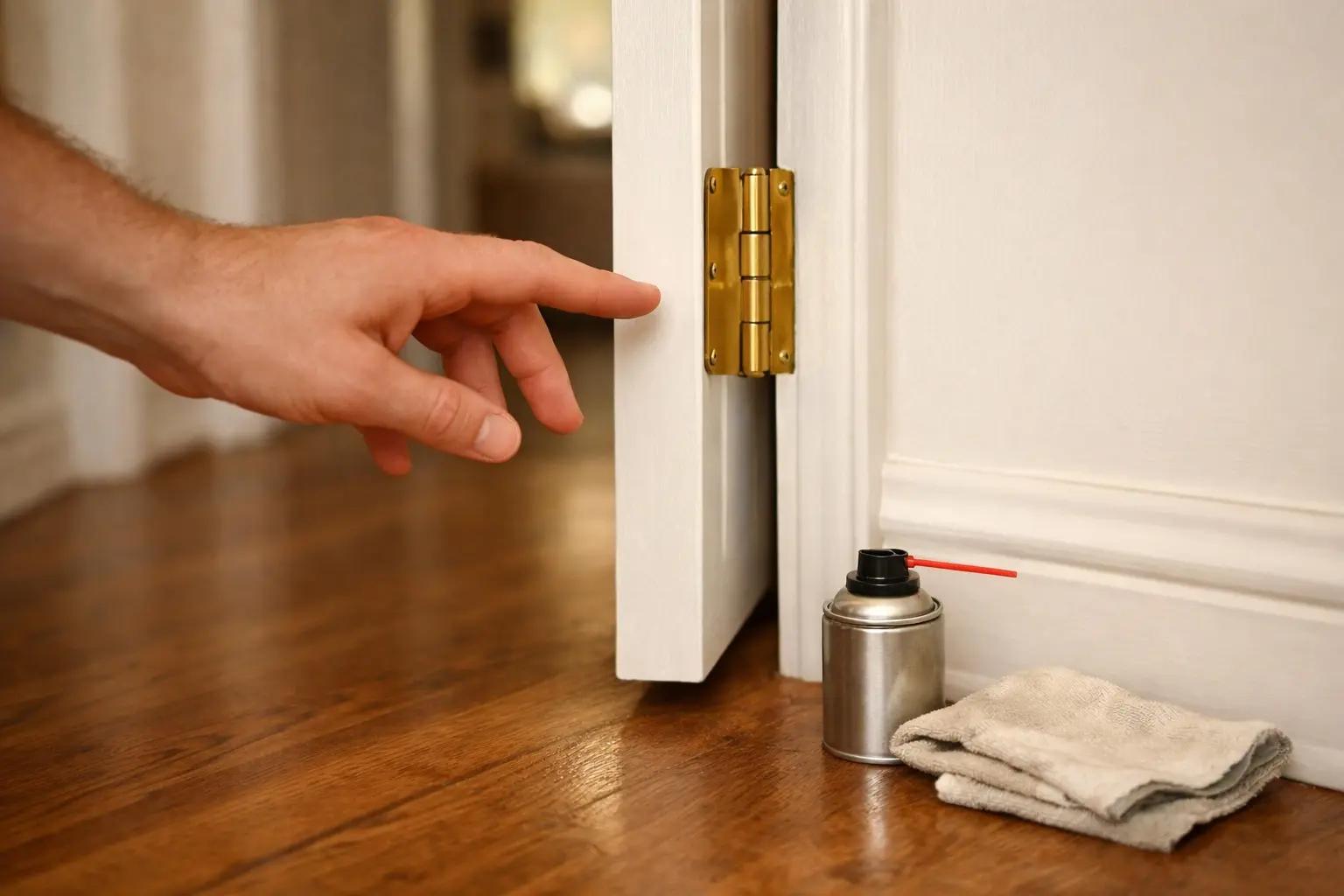
How to Fix a Squeaky Door
A squeaky door is one of the most annoying household problems — and one of the easiest to fix. In most cases you can silence the squeak in under 10 minutes with lubricant you probably already have at home, no special tools required. This guide covers quick lubrication fixes, hinge pin cleaning, and what to do when the squeak keeps coming back.
 Easy1 hr
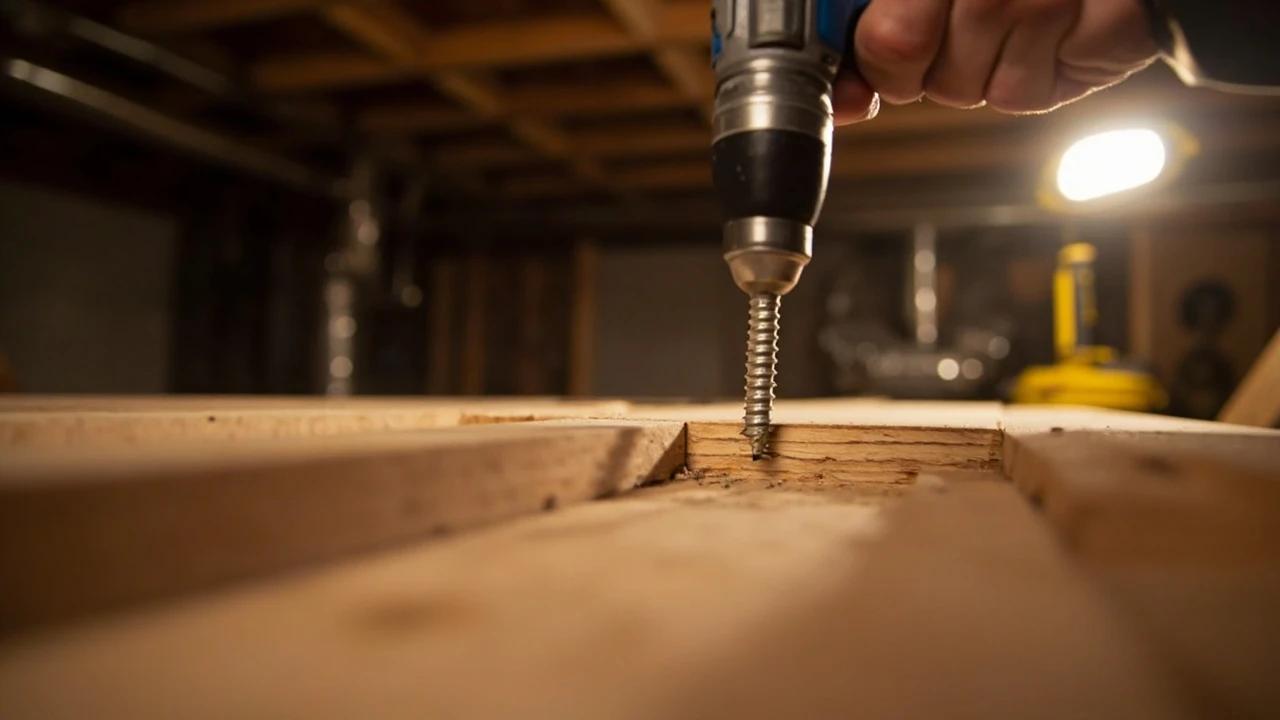
How to Fix a Squeaky Floor (From Above and Below)
A squeaky floor isn't a structural problem — it's the subfloor lifting off the joists by a hair every time you step. From a basement or crawlspace, you can fix it permanently with a $5 shim and a $0.10 screw. From above (carpet, hardwood, or vinyl) the Squeeeek No More kit drives a scored screw that snaps off below the surface — no exposed hardware. This guide covers both approaches.
 Medium8 hrs
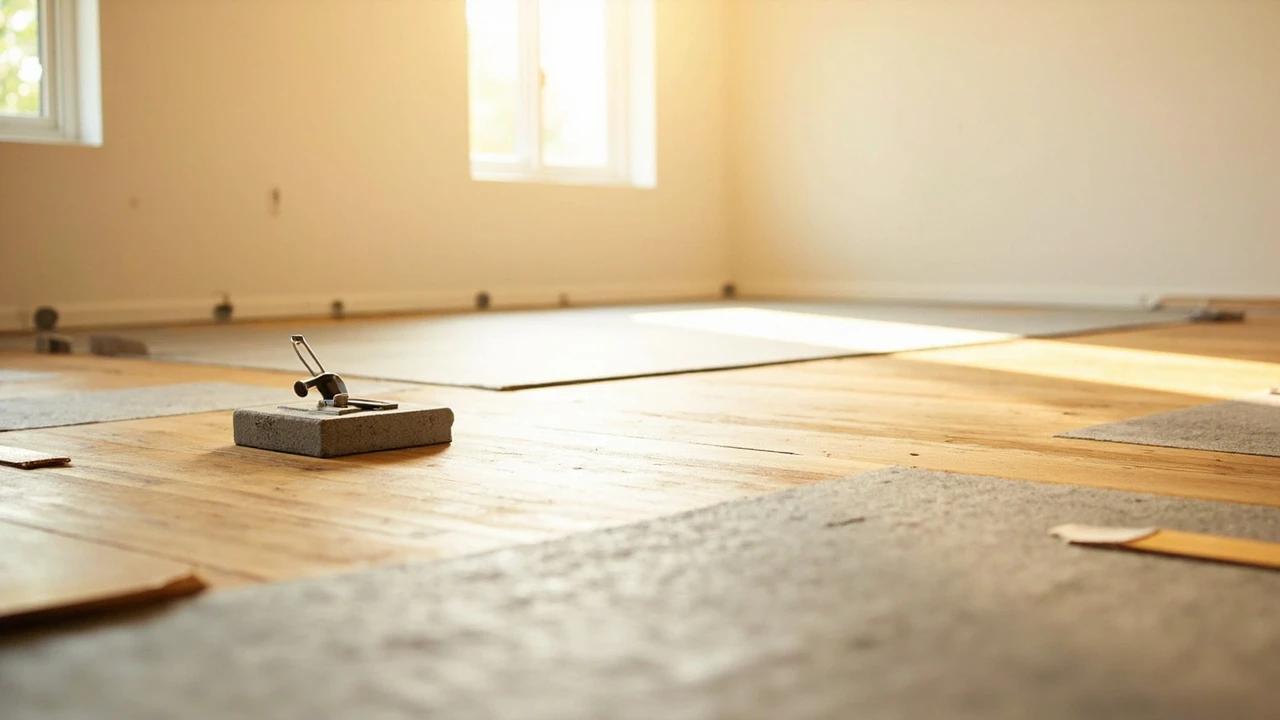
How to Install Laminate Flooring
Click-lock laminate is the most beginner-friendly floor you can lay — it floats over an underlayment with no nails, no glue, and no wet saw. This guide walks the full job: acclimating the planks, flattening the subfloor, getting a dead-straight first row, staggering the joints, and finishing the edges. Expect about a day of work for a typical room and roughly $2 to $5 per square foot in materials, a fraction of a pro install.
 Easy45 min
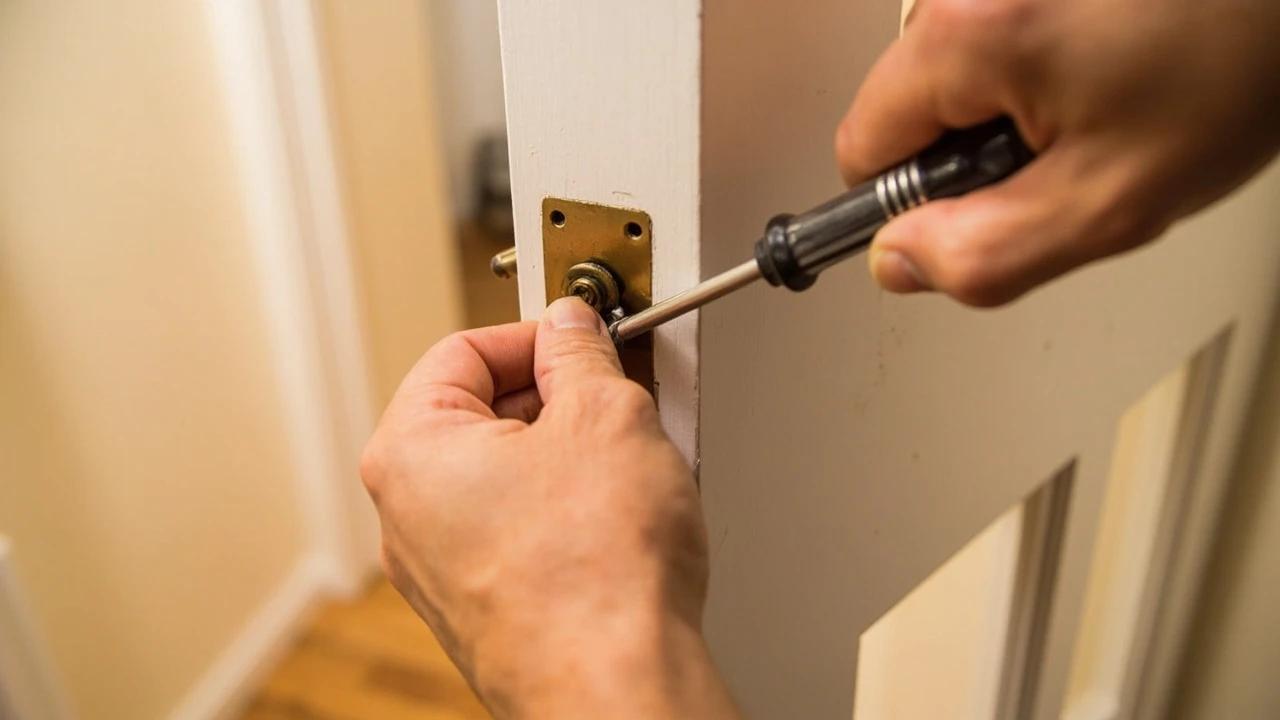
How to Fix a Sticking Door
A sticking interior door is one of the easiest "I have to call somebody" jobs you can quietly fix yourself — most of the time, the entire repair is tightening a single hinge screw or swapping it for a longer one. The full diagnostic and fix takes 30 to 60 minutes with tools you already own, and the total material cost is usually zero. Save planing the door edge for last; nine times out of ten you do not need to take a single shaving off the wood.
 Hard16 hrs
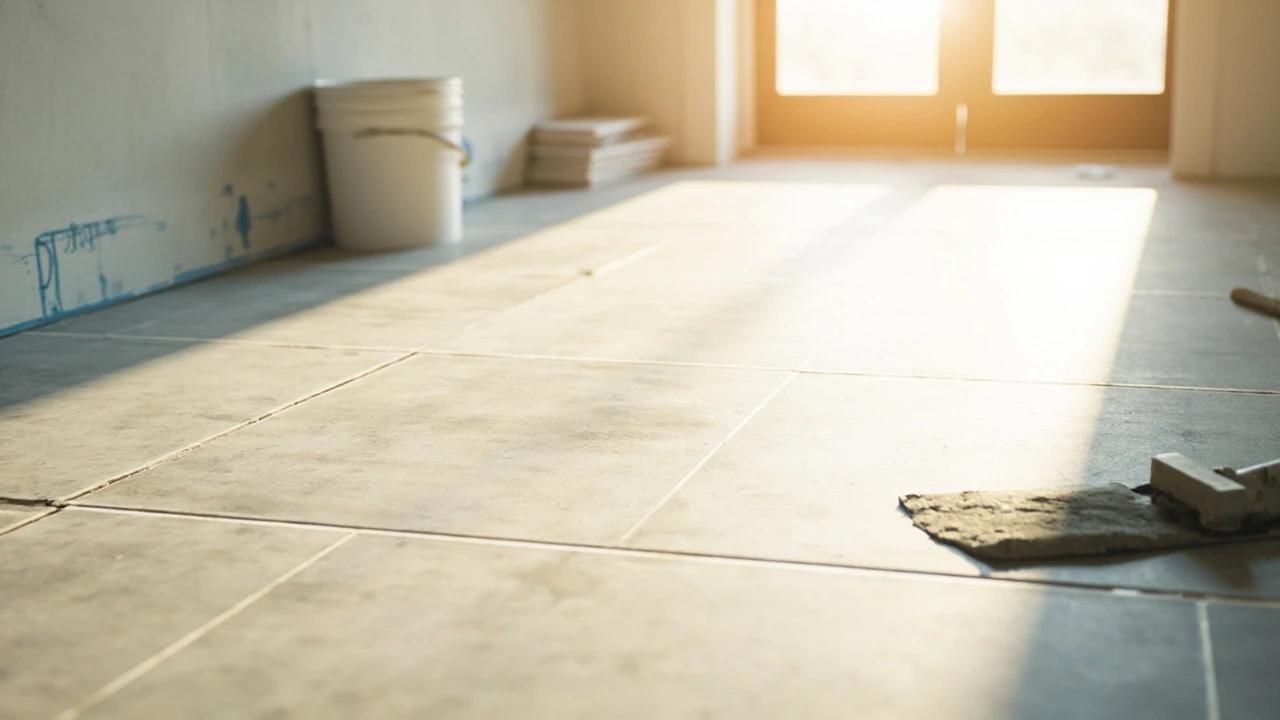
How to Tile a Floor
A tile floor outlasts every other surface you can put down — but it's the least forgiving to install, because tile only stays put if the base under it is stiff, flat, and properly prepped. This guide walks the whole job the way a pro sequences it: checking the subfloor, laying cement backer board or an uncoupling membrane, snapping center lines for balanced cuts, combing thinset for full coverage, controlling lippage, cutting, and finally grouting, caulking, and sealing. Plan on $3 to $10 per square foot in materials and a multi-day project around the mortar and grout cure windows.
 Easy15 min
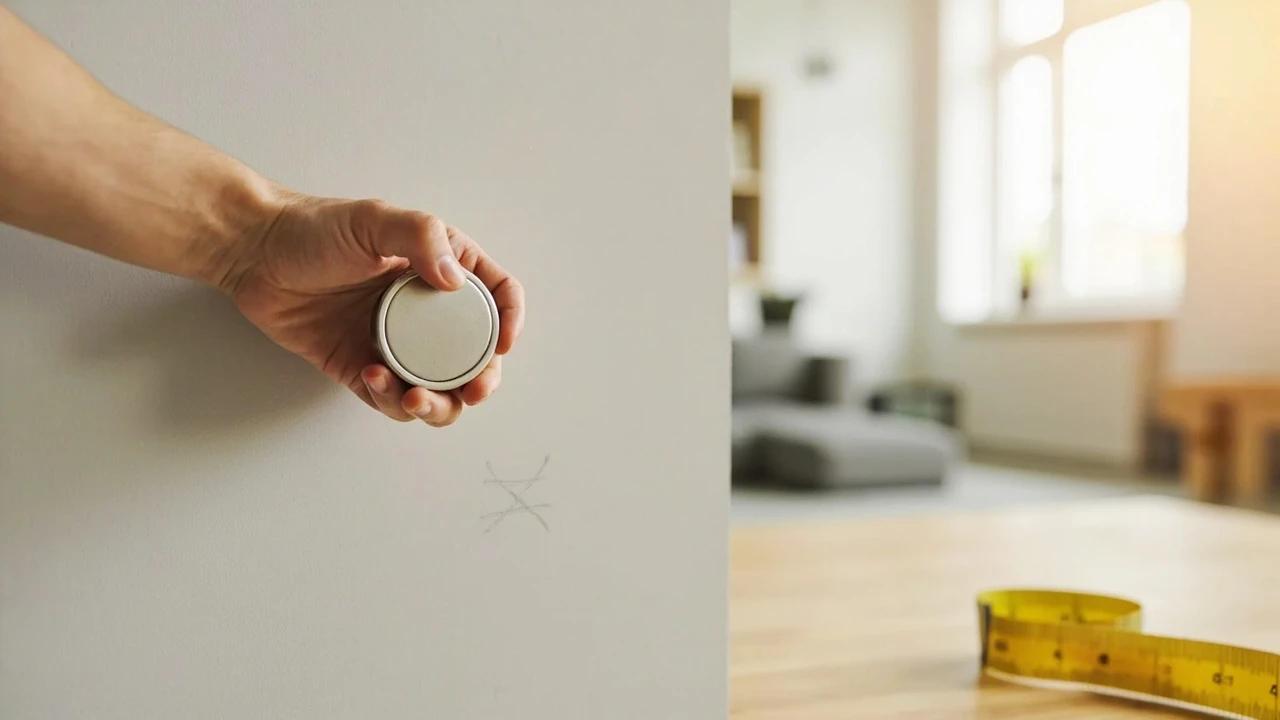
How to Find a Stud Without a Stud Finder
No stud finder? No problem. You can locate the wooden studs behind your drywall with things you already own — an outlet, a tape measure, and a strong magnet — in about ten minutes. This guide walks through every reliable method, from the quickest starting point to a foolproof way to confirm a stud before you drill a single hole.
 Medium1 hr
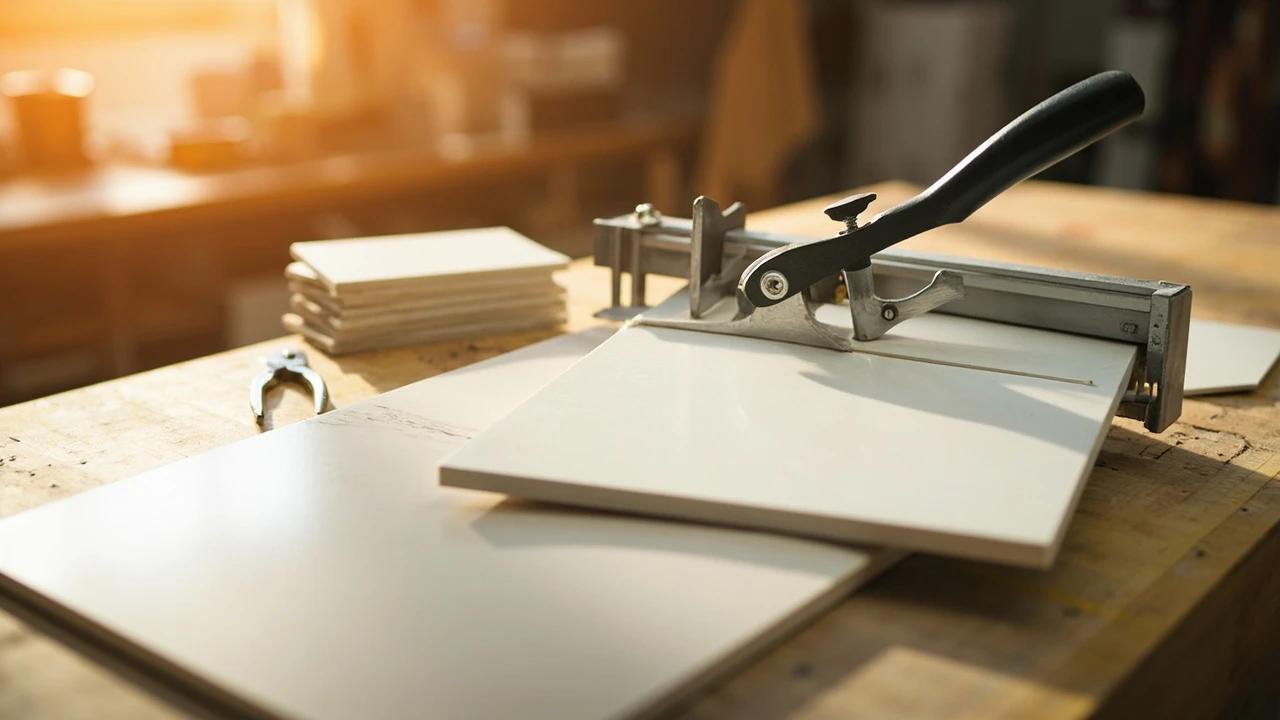
How to Cut Tile Without a Wet Saw
You don't need to rent a $60-a-day wet saw to cut tile for a backsplash or a small floor. A $25 snap cutter handles every straight cut in ceramic, nippers eat notches and curves, and an angle grinder with a diamond blade covers the hard stuff — porcelain, stone, and holes. This guide matches each cutting method to your tile type so you buy one cheap tool instead of renting a big one.
 Medium1h 30m
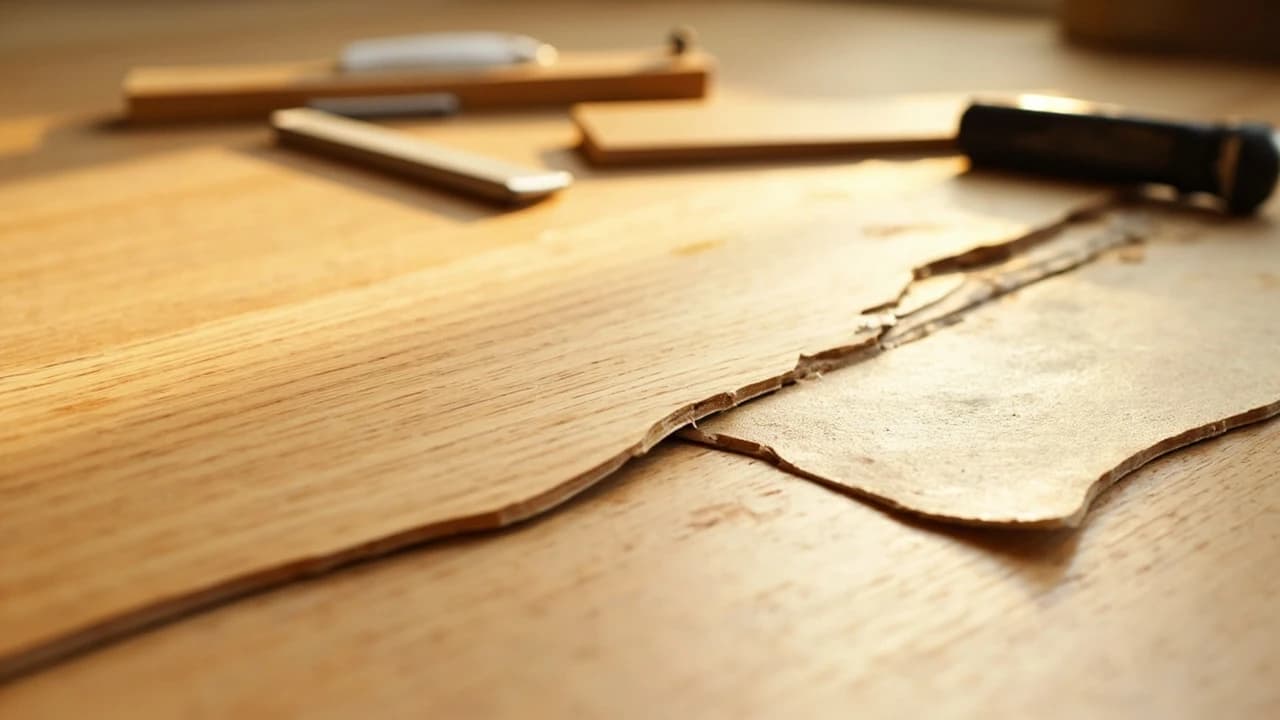
How to Replace a Damaged Laminate Plank
One chipped, swollen, or gouged plank does not mean relaying the floor. There are two ways to swap a single plank, and which one you use comes down to a number you can count in ten seconds: how many rows sit between the damage and the nearest wall. This guide covers that decision, both methods, and the checks that tell you whether the plank is even the real problem.
 Easy45 min
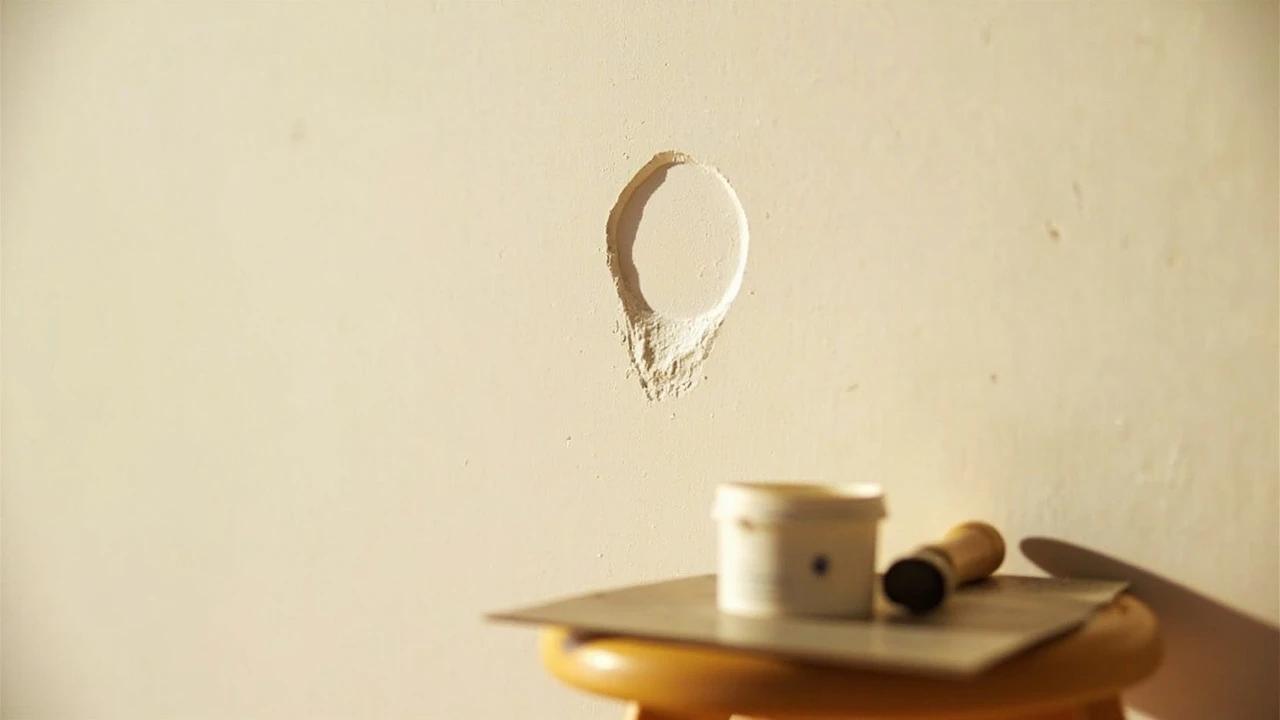
How to Fix a Nail Pop or Screw Pop in Drywall
That little round bump or crescent crack in your wall is a nail pop — the framing lumber dried and shrank, and the fastener stayed put while the wood moved around it. Hammering it back in is a two-month fix; the permanent repair takes twenty minutes and about ten dollars: re-anchor the drywall with new screws above and below the pop, deal with the old fastener, and fill. This guide covers walls, the ceiling version, and how to tell a harmless pop from a symptom worth investigating.
 Medium1h 30m
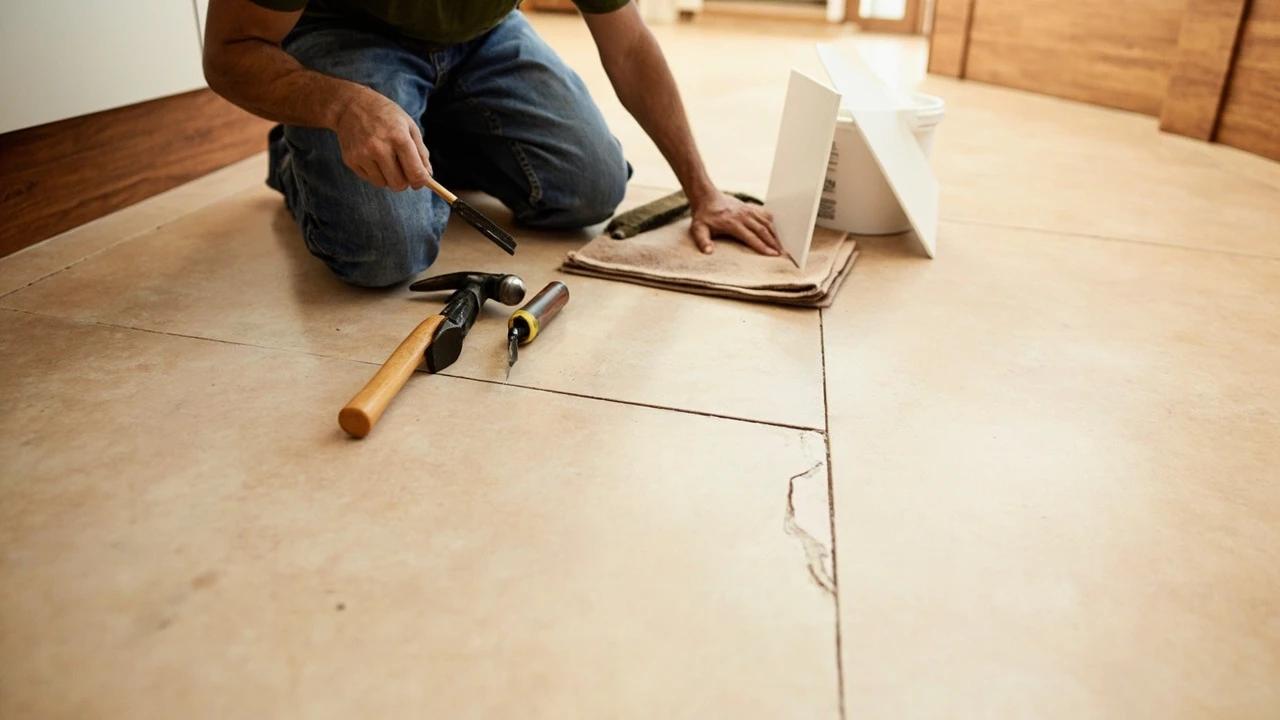
How to Replace a Cracked Floor or Wall Tile
One cracked tile can nag at you for years because the fix looks riskier than the flaw — one bad pry and you've turned a single replacement into five. The real method protects the neighbors from the start: free the grout, break the damaged tile from its center, and never lever against the tiles you're keeping. About 90 minutes of work, $20 to $60 in materials, and the crack is gone without a trace.
 Easy45 min
How to Install Floating Shelves
Floating shelves add storage and style to any room without bulky brackets — and installing a pair takes about 45 minutes with basic tools. A quality floating shelf kit costs $20-60, versus $100-200 for a handyman visit. This guide covers finding studs, leveling the bracket, and mounting the shelf so it holds up to 50 pounds per stud without sagging.
 Easy1 hr
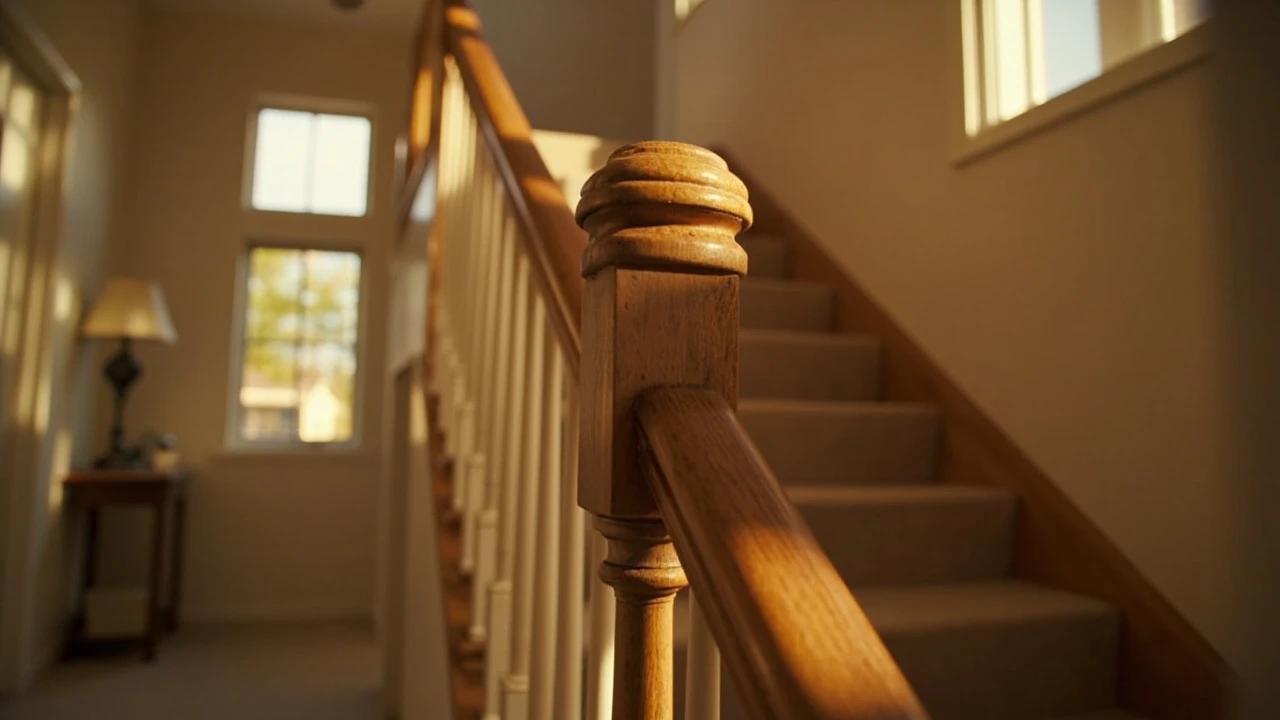
How to Fix a Loose Stair Railing or Wobbly Handrail
A wobbly stair railing is more than an annoyance — it's a genuine fall hazard, especially for children and older adults. Most loose railings are caused by stripped screw holes, worn brackets, or loose newel post connections, and the fix typically takes under an hour with basic hand tools. This guide walks you through diagnosing the source of the wobble, reinforcing the fasteners, tightening balusters, and securing the entire assembly so it feels rock-solid again.
 Easy30 min
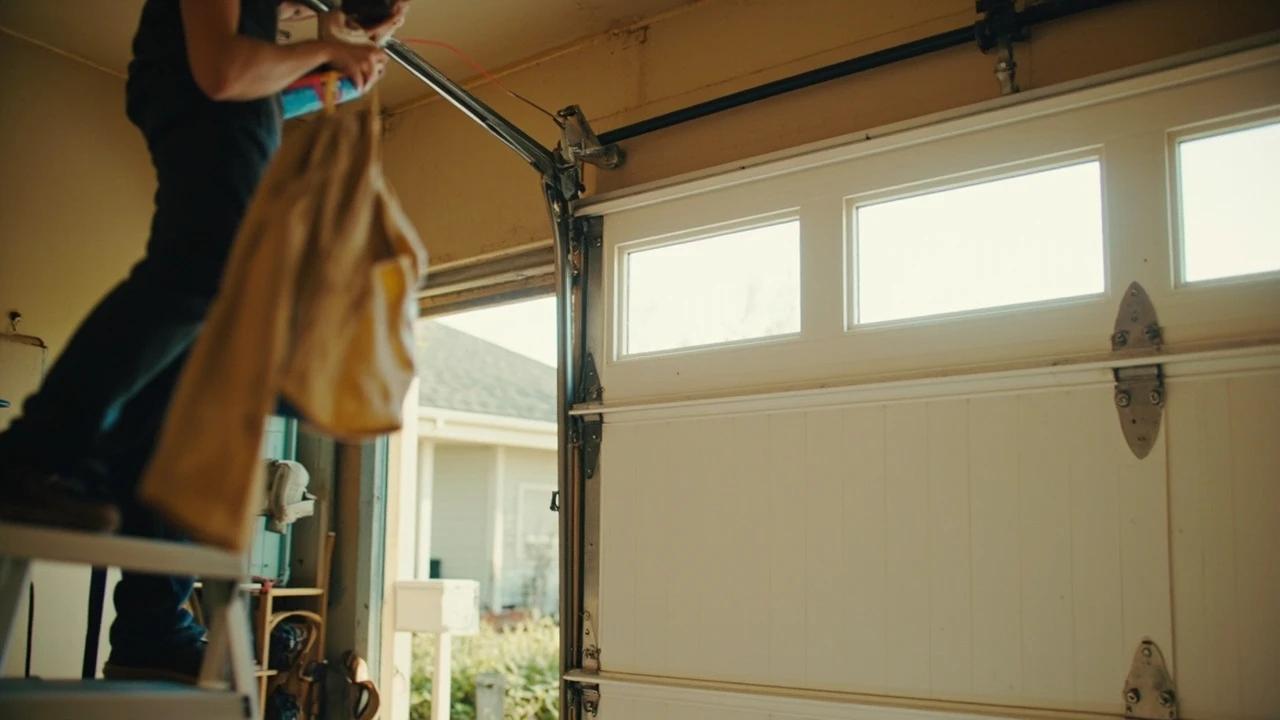
How to Lubricate a Noisy Garage Door
A squealing, rattling garage door is almost always a dry garage door — and twenty minutes with a $10 can of the right lubricant fixes what sounds like a $300 repair. This guide covers exactly which parts get lubricated (hinges, rollers, springs, the opener rail), which part never does (the tracks), and the one product family to avoid.
 Medium8 hrs
How to Install a Tile Backsplash
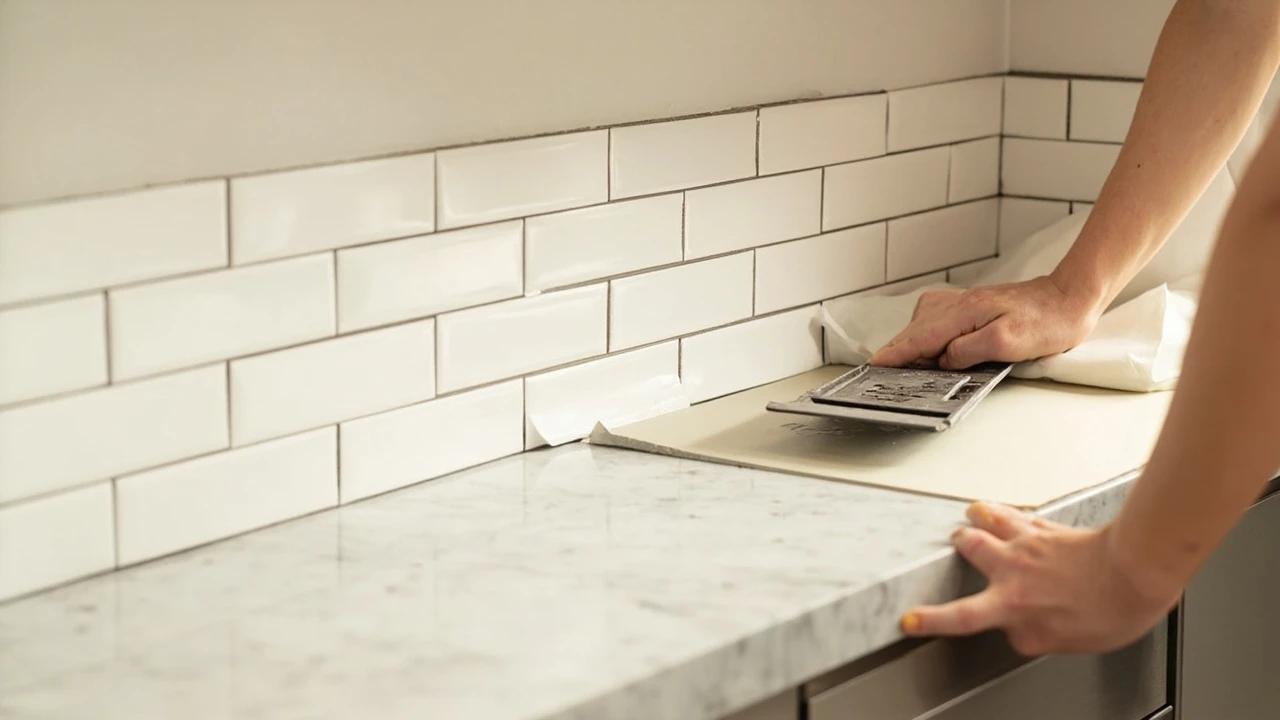
A tile backsplash is the highest-impact weekend upgrade in a kitchen — it transforms the room for $150 to $400 in materials, far less than the $800-plus a pro charges to install one. The work is genuinely DIY with patience: the secret isn't artistic skill, it's a level ledger board, the right adhesive, and caulking the corners instead of grouting them. This guide walks the whole job over painted drywall, from dry-laying the layout to the final bead of caulk.
 Easy30 min
How to Replace a Window Screen
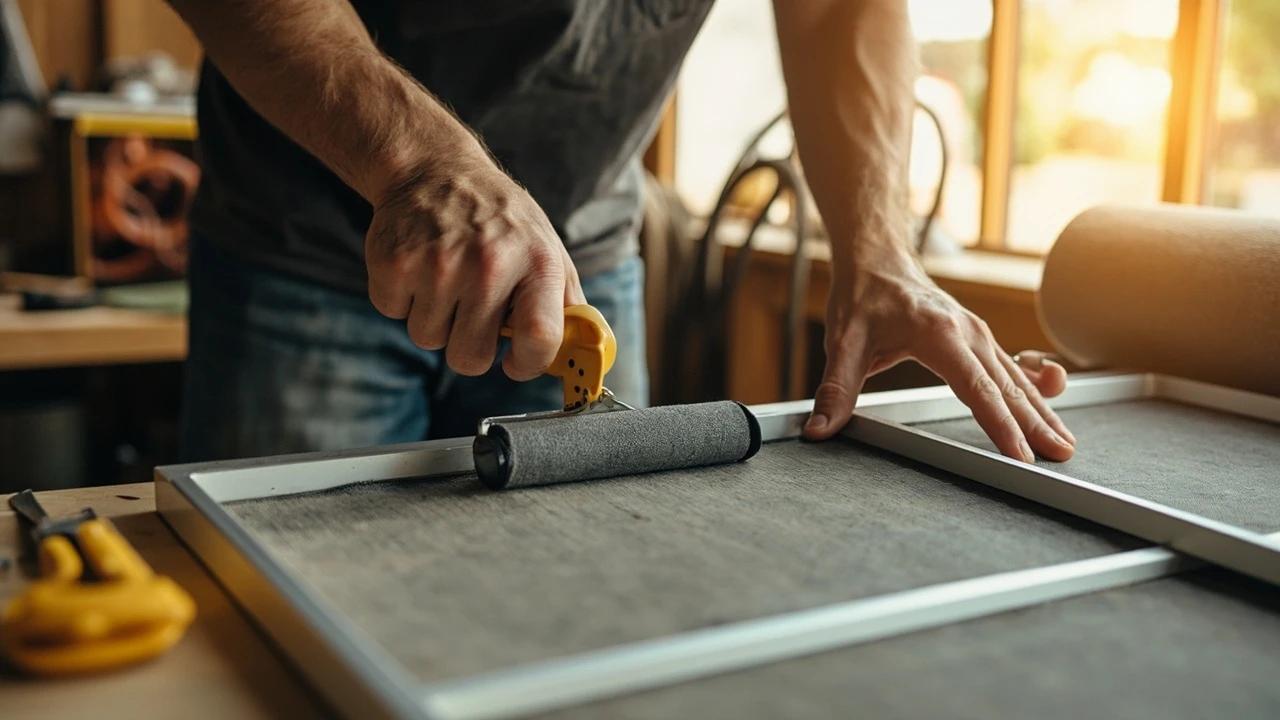
A torn window screen is a bug highway all summer, and the fix is one of the best value-for-effort repairs in the house: about $15 in mesh and spline, a $6 roller tool, and 30 minutes at a table. This guide covers the patch-or-rescreen decision, matching spline size to mesh type, and the rolling technique that gets a drum-flat screen without bowing the frame.
 Hard30 hrs
How to Refinish a Wood Floor
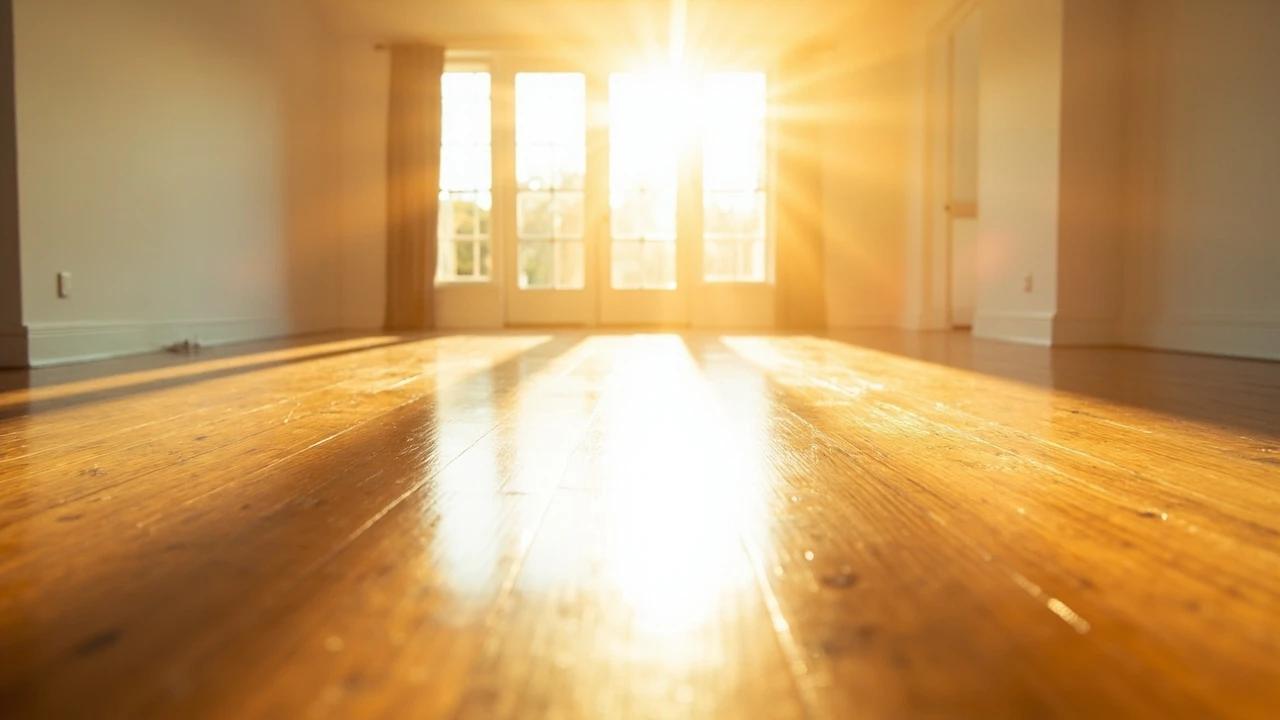
Refinishing a tired, scratched-up hardwood floor is the single highest-impact upgrade you can make to a room — it strips away decades of wear, reveals the wood's original color, and adds years of life to the boards. A professional job runs $3-8 per square foot ($900-2,400 for a 300 sq ft room), but a dedicated DIYer with a rental drum sander can do the same work for $200-400 in rentals and materials over a long weekend.
 Medium4 hrs
How to Install a Closet Organization System
A well-designed closet organizer can double your usable storage space and turn a frustrating pile-and-dig situation into a calm, everything-has-a-place wardrobe. This guide walks through installing an adjustable shelf-and-rod system — the most popular DIY option — in about half a day for $150-400 in materials, saving $500-1,500 over professional installation.