How to Lubricate a Noisy Garage Door
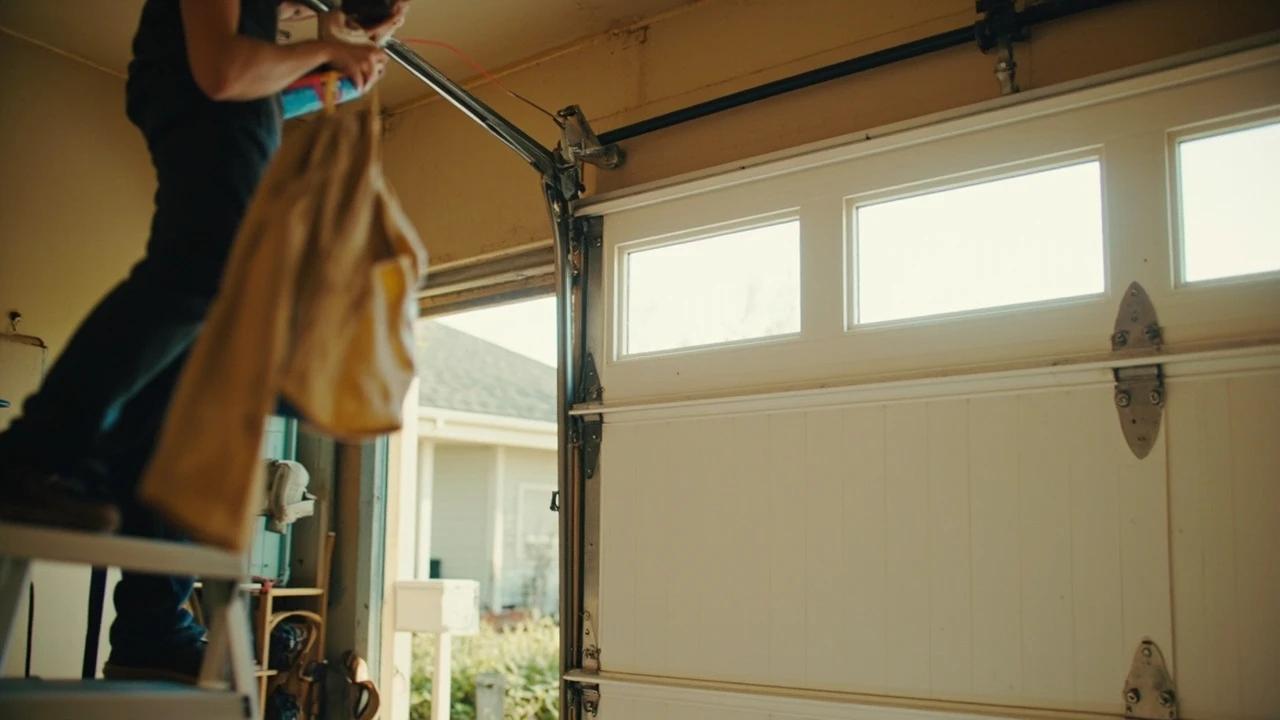

A squealing, rattling garage door is almost always a dry garage door — and twenty minutes with a $10 can of the right lubricant fixes what sounds like a $300 repair. This guide covers exactly which parts get lubricated (hinges, rollers, springs, the opener rail), which part never does (the tracks), and the one product family to avoid.
What You'll Need
🛠 Tools
📦 Materials
Safety First
- •Never loosen, adjust, or unbolt the torsion springs, lift cables, or bottom roller brackets — they are under extreme tension and can cause serious injury. Spraying them is fine; wrenching on them is a pro-only job.
- •Unplug the opener before you start so nobody can trigger the door while your fingers are near the hinges and track.
Step-by-Step Instructions
Close the Door and Unplug the Opener
Lower the door fully, then unplug the opener from its ceiling outlet so a family member with a remote can't cycle the door while your hands are near the hinges and track. Working with the door closed puts every hinge, roller, and the full length of both tracks within easy reach, and the door can't drift while you work.
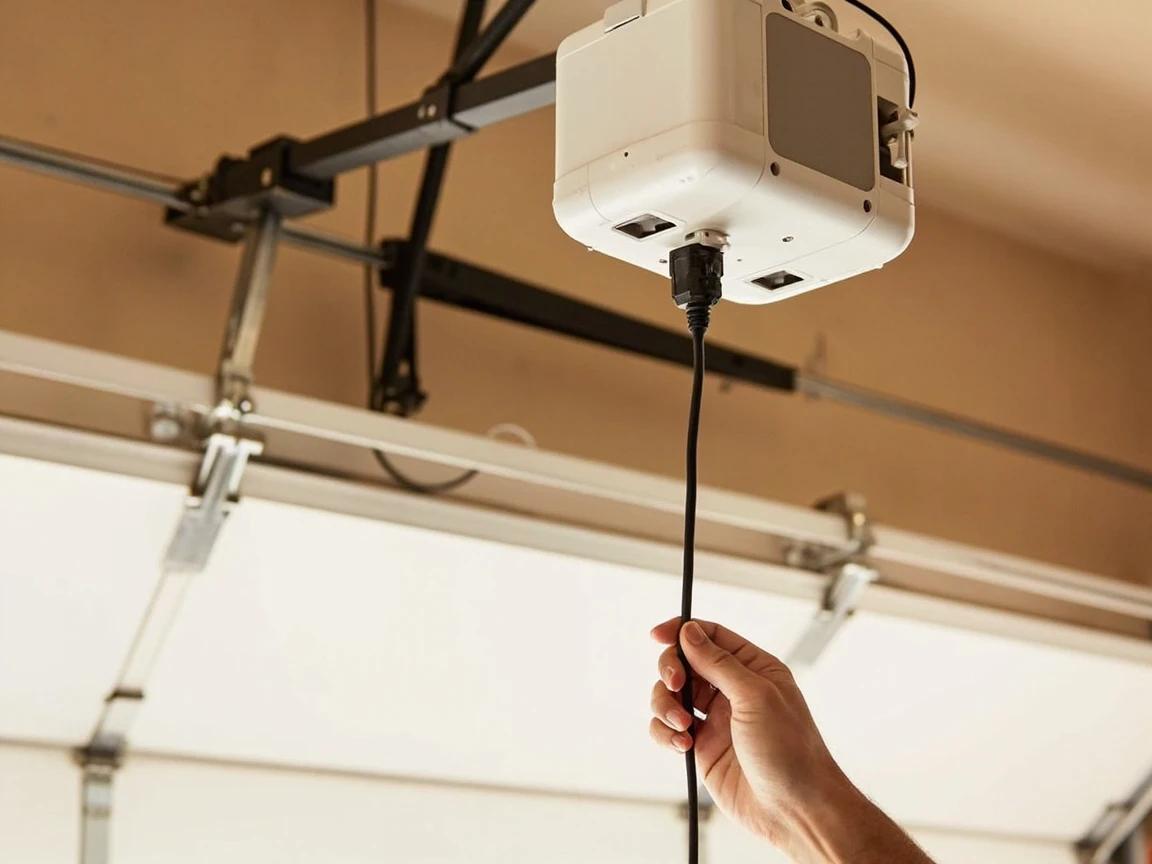
While you're up there, note the opener's drive type — chain, belt, or screw — because step 7 treats each one differently.
Clean the Tracks — Never Grease Them
Vacuum leaves, cobwebs, and grit out of both vertical tracks, then wipe the inside channel with a rag dampened in warm water with a squirt of dish soap, using an old toothbrush on the curved lip where debris packs in. Dry the channel with a clean rag. The tracks are the one part of the door that must stay dry: rollers are designed to roll along them, and grease in the channel collects grit, makes rollers skid, and can bind the door.
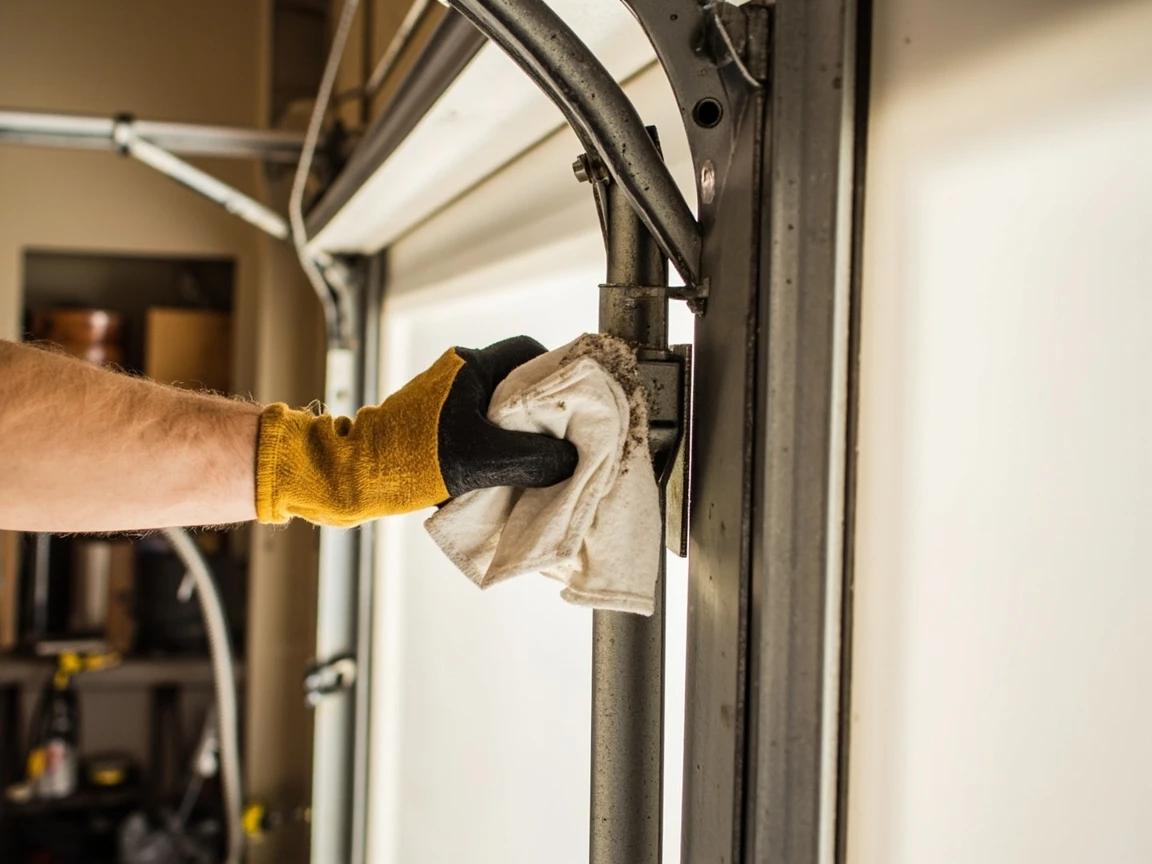
Skip solvent sprays inside the track — residue attracts dust, and overspray can reach the rollers' contact surface and make them slide instead of roll.
Pick the Right Lubricant
Use white lithium grease or a silicone-based spray sold specifically for garage doors — both come in aerosol cans with a straw for aiming into bearings. Lithium grease clings best to metal-on-metal parts like hinges, steel rollers, and springs; silicone stays flexible in freezing climates and is the safe choice on nylon parts. Do not use general-purpose penetrating oil: it's a degreaser that strips lubricant, evaporates fast, and leaves a dust-catching film.
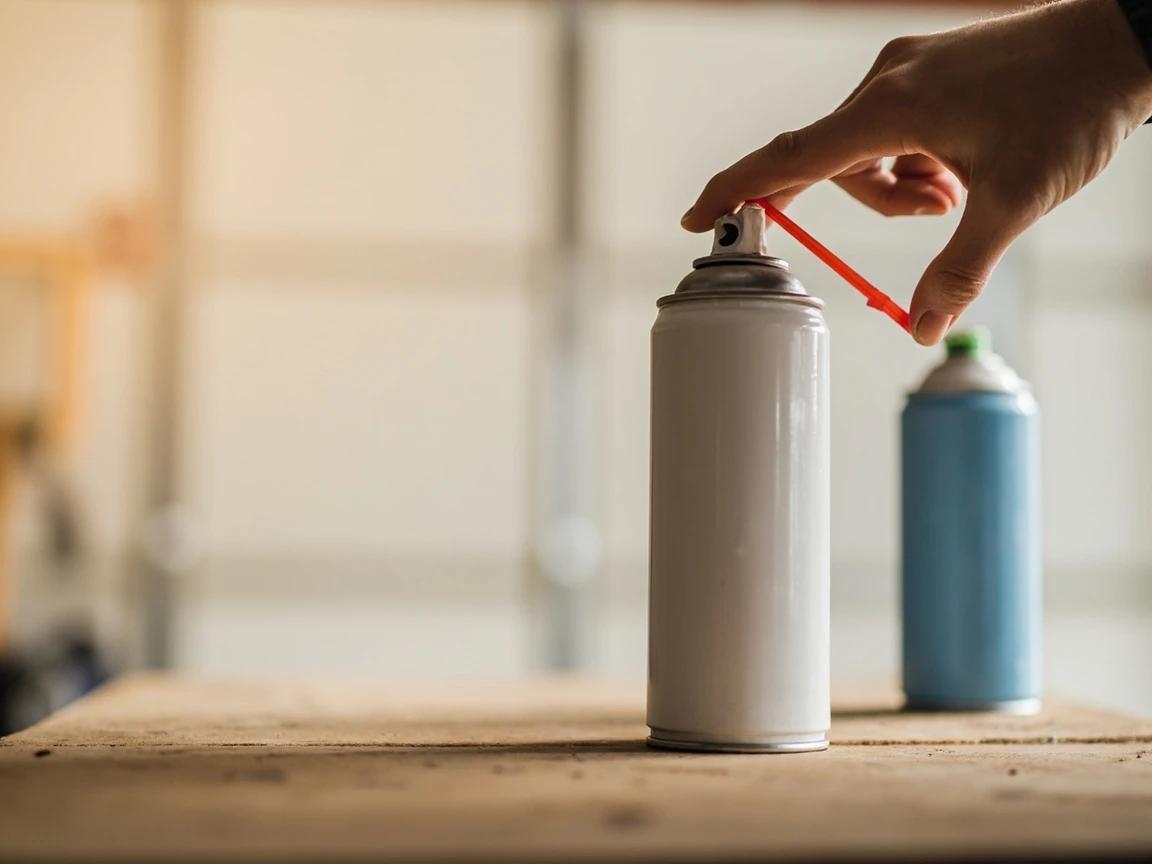
One 10-ounce can handles a double door twice over — buy a single can and keep it on the garage shelf for the six-month repeat.
Lubricate Every Hinge Pivot
Working across the door one panel seam at a time, put the straw against each hinge's pivot pin — the barrel where the two halves rotate — and give it a one-second burst, then wipe the drip. Hit every hinge, including the end hinges that also hold the roller stems; a sectional door has ten to fifteen of them, and one dry hinge is enough to keep the door crackling. It's the same cure that works for a squeaky interior door, just repeated across the whole panel face.
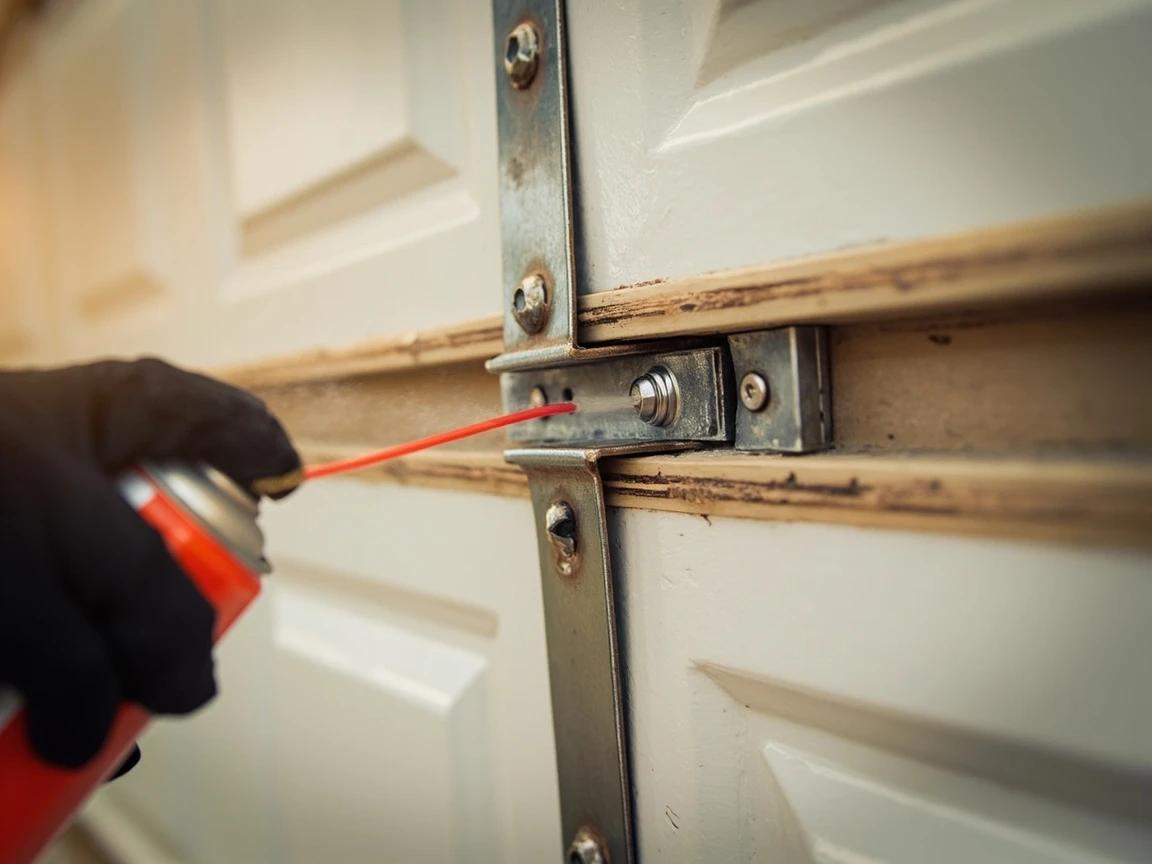
Hinges are stamped with a number (1, 2, 3...) that matches their row position on the door — if you ever replace one, buy the same number, not just the same size.
Lubricate the Roller Bearings
Aim the straw into the small ball bearings where each roller wheel meets its stem and give a short burst, then spin the roller with a finger to work the lubricant in. If your door has nylon rollers with sealed bearings — a solid wheel face with no visible balls — skip them entirely; they're maintenance-free, and spray only attracts grit. Wipe any overspray off the roller's rolling surface so it doesn't transfer into the clean track.
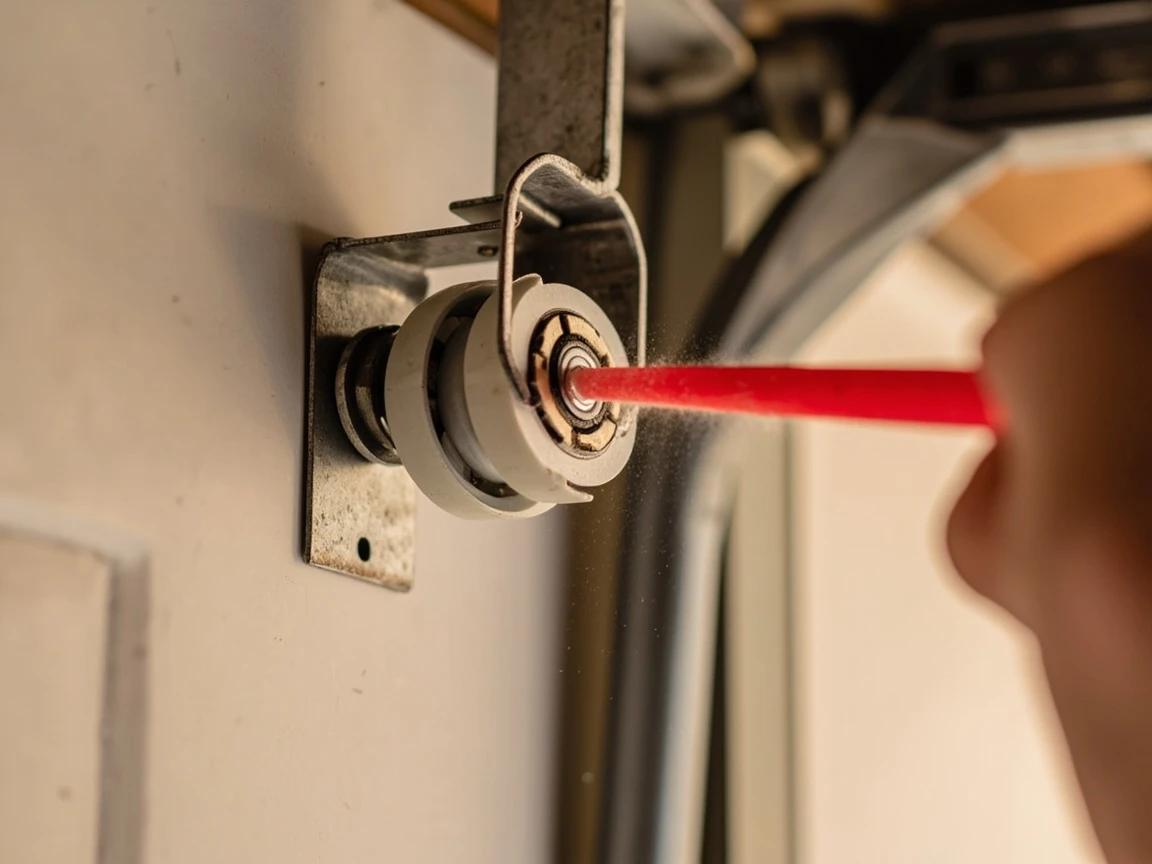
Rollers with visible flat spots, cracks, or a wobble on the stem are past saving — sealed-bearing nylon replacements are about $40 a set and are the single biggest noise upgrade a garage door can get.
Mist the Springs and Bearing Plates
From the step ladder, sweep a light mist across the full length of the torsion spring (the tight horizontal coil above the closed door) and hit the center and end bearing plates where the shaft passes through. You want a thin film that seeps between coils as the door cycles — not a soaked, dripping spring. If your door instead has extension springs stretched along the horizontal tracks, mist those the same way.
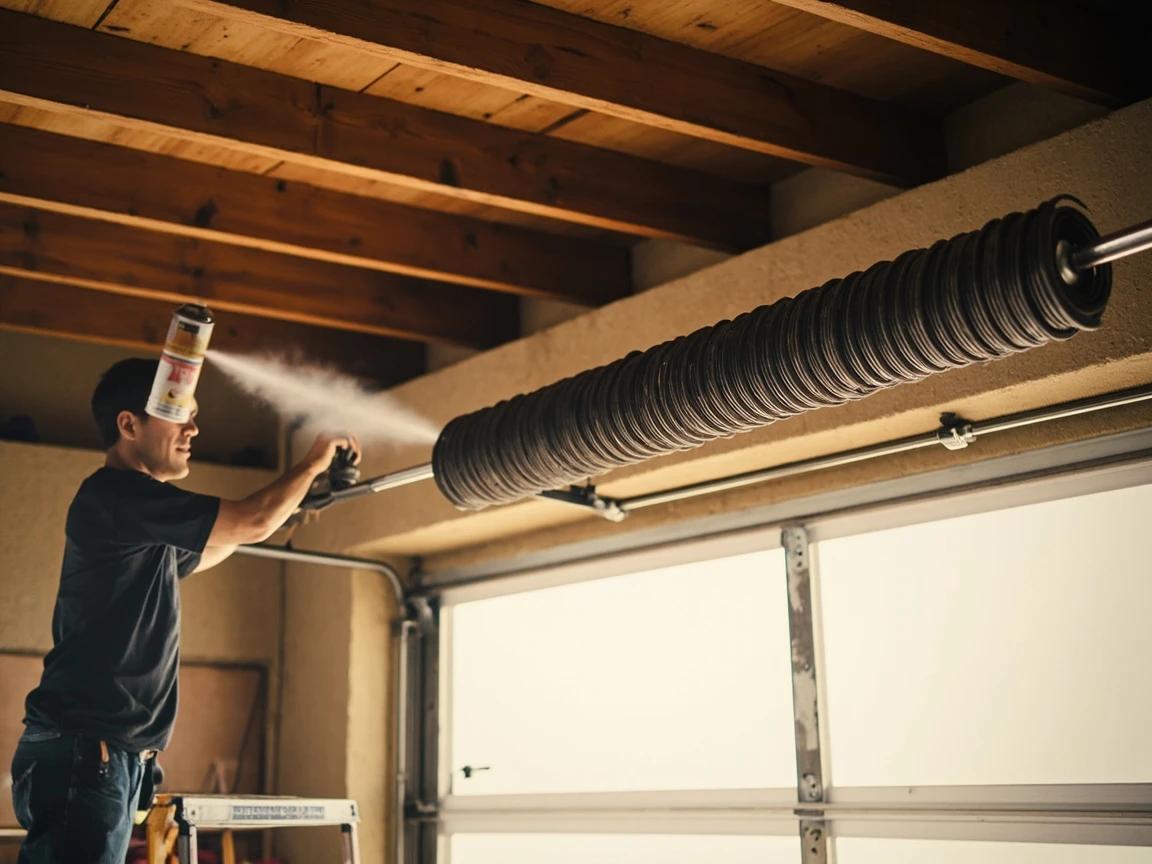
Spray is the only thing that should ever touch these springs. Never adjust, tighten, or unbolt a torsion spring, its winding cone, or the lift cables — they store enough energy to cause life-changing injuries, and adjustment is strictly a pro job with winding bars.
Grease the Opener Rail — If You Have a Chain Drive
For a chain-drive opener, wipe the old grease off the top of the rail, then spread a thin bead of white lithium grease along the upper surface where the trolley slides, working it in with a gloved finger; a light shot on a dry, rusty chain is fine, but a properly tensioned chain needs very little. For a screw-drive opener, dab a pea-sized amount of lithium grease every couple of feet along the threaded rod inside the rail. For a belt drive, leave everything dry — grease degrades the rubber belt and the rail is designed to run without it.
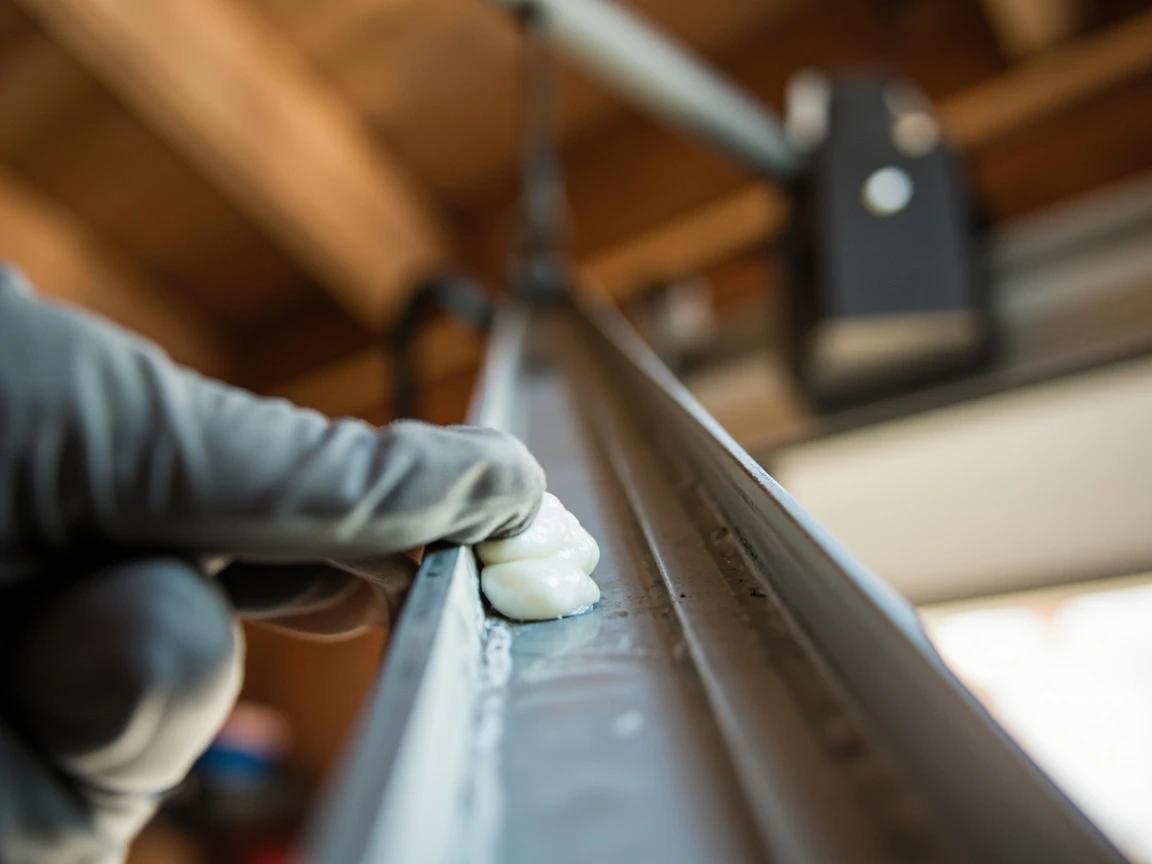
A chain that sags more than a half inch below the rail or slaps when the door reverses needs tensioning per your opener manual — lubricant won't quiet a loose chain.
Cycle the Door and Run a Balance Test
Plug the opener back in and run the door through three or four full cycles to spread the lubricant into every bearing — it should already sound dramatically quieter. Then unplug it again, pull the red release cord, and lift the door by hand to waist height: a healthy door glides easily and stays put when you let go. If it slams down or rides up on its own, the spring tension is off; stop using the opener and have a technician rebalance it.
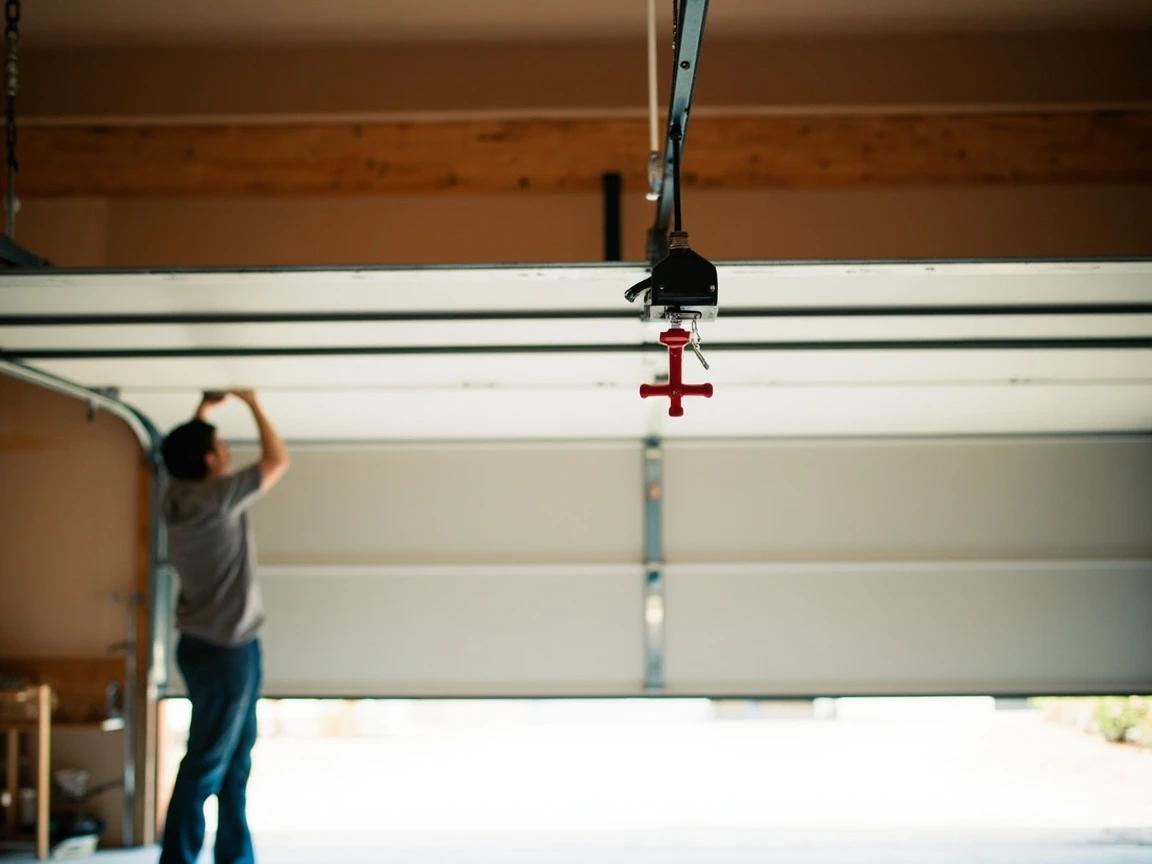
An out-of-balance door makes the opener drag the door's full weight every cycle — it will burn out the motor or strip the drive gear months before its time.
Wipe Up and Repeat Every Six Months
Wipe drips off the door panels and floor, snug any hinge or track bolts that turned easily by hand while you were up close, and put the can where you'll find it again. Lubricate on a twice-a-year schedule — the spring and fall time changes are an easy reminder — or quarterly in coastal, dusty, or hard-freeze climates. Any new noise between services is the door telling you which part to check first: crackling means hinges, rumbling means rollers, and a bang on startup usually means the chain or a loose bolt.
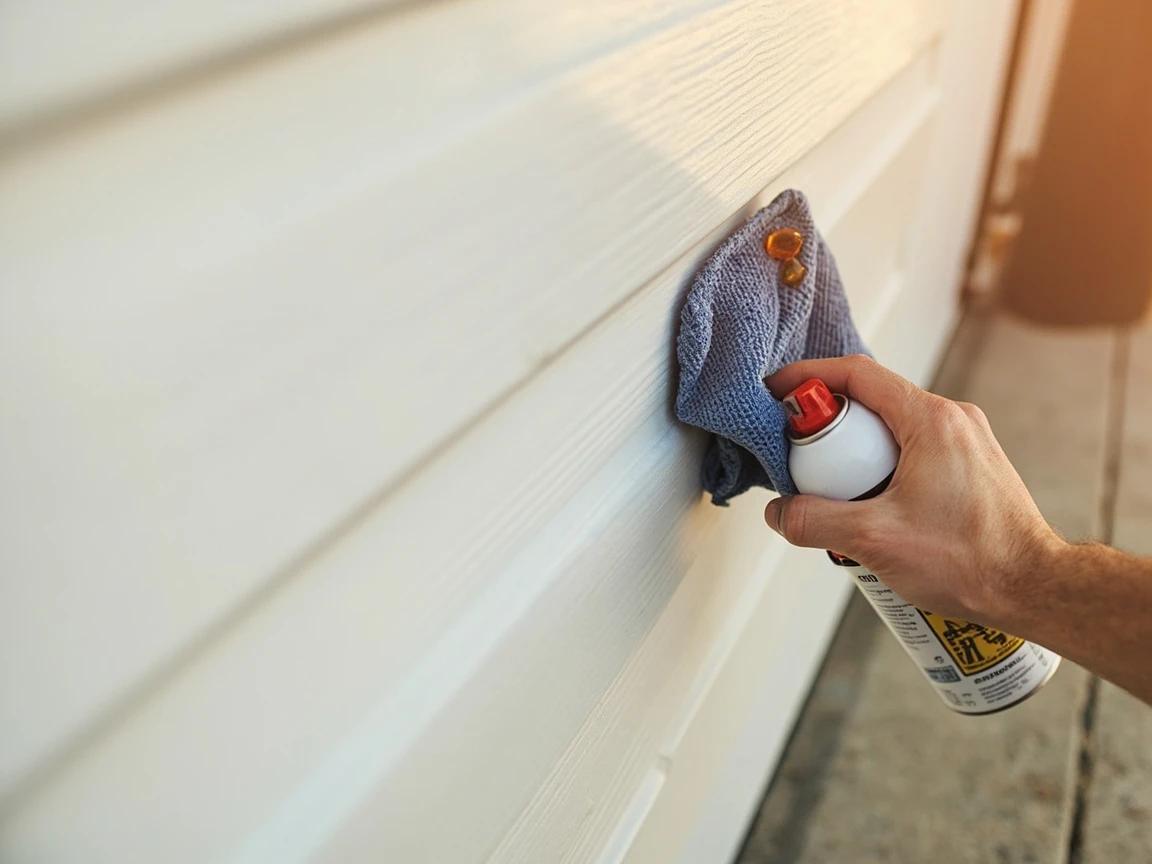
Date the bottom of the can with a marker each time you lubricate — it answers "when did I last do this?" forever.
Frequently Asked Questions
Can I use WD-40 to lubricate my garage door?
+
Not the classic blue-and-yellow multi-use formula — it's a penetrating oil and water displacer, not a lasting lubricant. It strips away existing grease, dries out quickly, and leaves a film that attracts dust, so the door often gets noisier within weeks. Use white lithium grease or a silicone-based spray labeled for garage doors instead; the same company sells both under its specialist line, which is fine.
How often should I lubricate my garage door?
+
Every six months is the standard schedule — many people tie it to the spring and fall time changes. Lubricate quarterly if you live in a coastal, dusty, or hard-winter climate, or sooner any time the door starts squeaking or grinding. A door that cycles more than four or five times a day also earns the quarterly schedule.
Why is my garage door still noisy after lubricating it?
+
The usual suspects, in order: worn rollers (flat spots or wobbly stems rumble and can't be fixed with spray — replace them with sealed-bearing nylon rollers), loose hinge and track bolts (snug every one with a wrench), a slack opener chain slapping the rail, or failing spring bearings. If the door also feels heavy or slams shut during a balance test, the springs are the problem, and that's a professional repair.
Should you lubricate garage door tracks?
+
No — tracks should be clean and dry, never greased. The rollers are meant to roll along the track, not slide, and lubricant in the channel collects grit that grinds against the rollers and can make the door bind or jump the track. Wipe the inside of the tracks with a damp rag, and save the spray for the hinges, roller bearings, and springs.
What is the best lubricant for a garage door?
+
White lithium grease and silicone spray are the two right answers. Lithium grease clings to metal-on-metal parts — hinges, steel rollers, springs, and the opener's chain rail — and lasts months. Silicone spray is better for nylon rollers and plastic parts, stays flexible in freezing weather, and won't gum up. Aerosol garage-door-specific sprays are one of these two chemistries in a can with a straw, which is exactly what you want for aiming into bearings.
Sources & further reading
- How to Properly Lubricate Garage Door Components — Clopay
- How to Fix a Noisy Garage Door with Garage Door Lube and Other Tips — Family Handyman
- How to Lubricate a Garage Door: Complete Guide — CRC Industries
More Carpentry Guides
View all →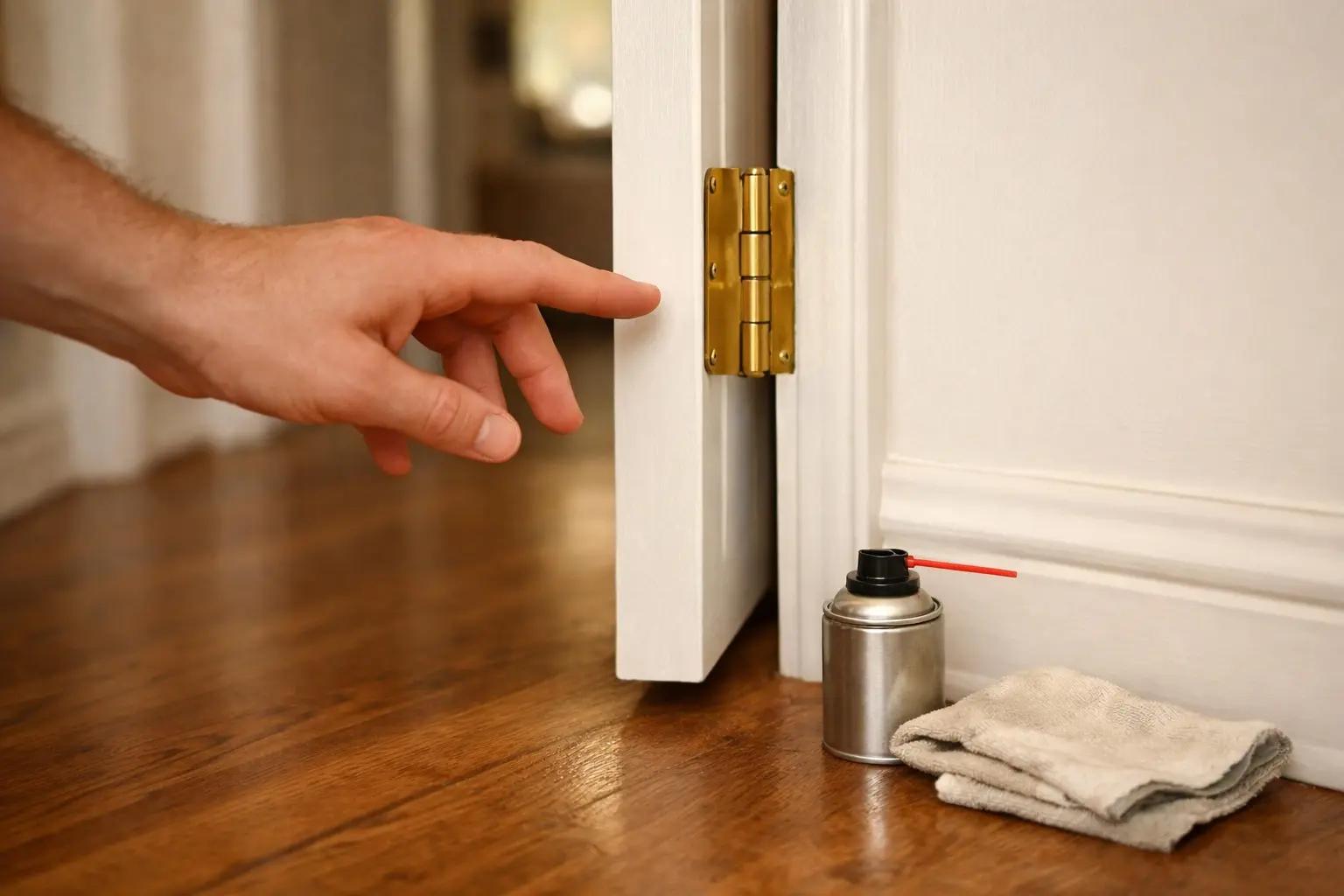 Easy15 min
How to Fix a Squeaky Door
A squeaky door is one of the most annoying household problems — and one of the easiest to fix. In most cases you can silence the squeak in under 10 minutes with lubricant you probably already have at home, no special tools required. This guide covers quick lubrication fixes, hinge pin cleaning, and what to do when the squeak keeps coming back.
 Easy45 min
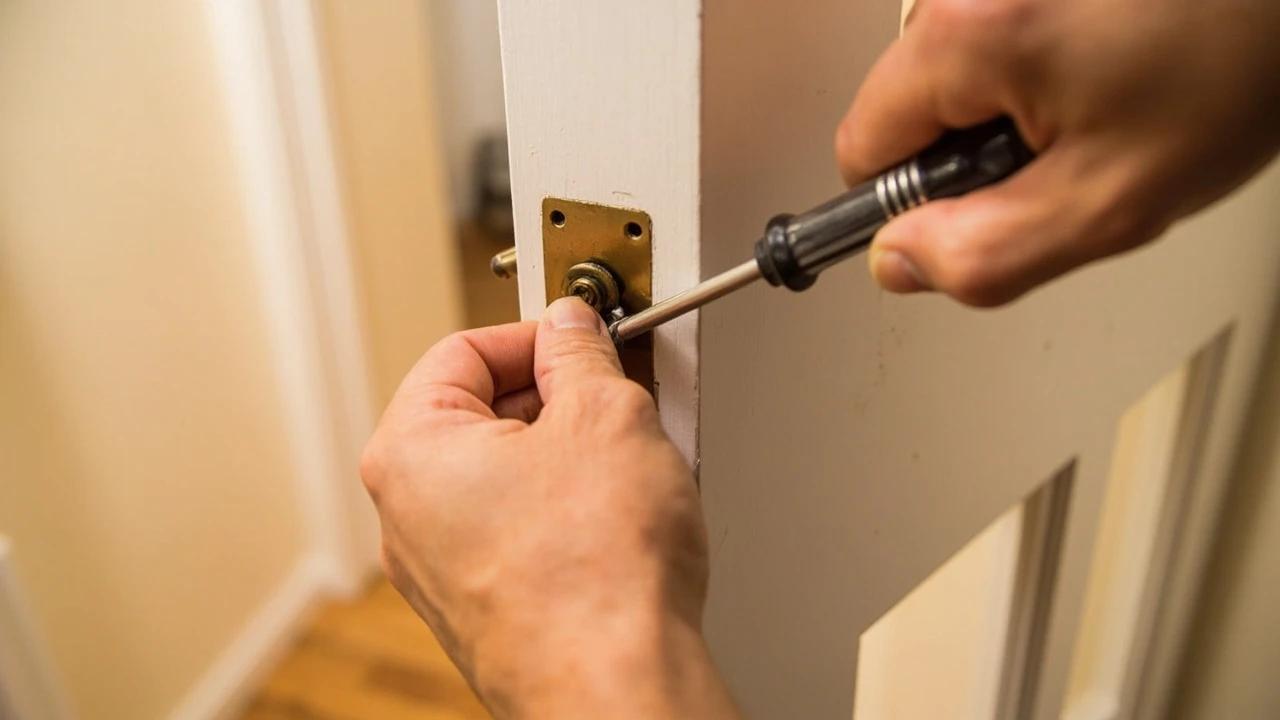
How to Fix a Sticking Door
A sticking interior door is one of the easiest "I have to call somebody" jobs you can quietly fix yourself — most of the time, the entire repair is tightening a single hinge screw or swapping it for a longer one. The full diagnostic and fix takes 30 to 60 minutes with tools you already own, and the total material cost is usually zero. Save planing the door edge for last; nine times out of ten you do not need to take a single shaving off the wood.
 Easy45 min
How to Install a Smart Lock on an Exterior Door
A smart lock is the rare upgrade that's both safer and more convenient — keypad or phone entry, no spare key under the mat, and a log of who came and went — and on a standard pre-bored door it's a 45-minute swap with a single screwdriver, no electrician needed. The catch isn't wiring (there usually isn't any); it's buying a lock that actually fits your door and getting the bolt to line up so it never jams. This guide covers the compatibility check that prevents a costly return, the install itself, and the alignment and app setup that make it reliable.
You Might Also Like
 Hard8 hrs
How to Paint Kitchen Cabinets
A professional cabinet refinish costs $3,000-8,000, but painting them yourself with the right prep and materials delivers the same transformation for under $200 in a long weekend. The secret is thorough degreasing, a bonding primer, and thin coats with proper dry time between each — skip any of those and the paint will chip within months. This guide walks through the full process from door removal and labeling to final reassembly, covering both brush and roller techniques for a smooth, factory-like finish.
 Medium6 hrs
How to Paint a Room
A fresh coat of paint is the fastest, cheapest way to transform any room — and doing it yourself saves $400-800 in labor for an average 12x12-foot bedroom. The job takes a weekend from prep to final coat, and the difference between an amateur-looking result and a professional finish comes down to technique, not talent. This guide covers prep, cutting in, rolling, and cleanup so you get clean lines and even coverage the first time.
 Easy30 min
How to Replace an Electrical Outlet
A worn-out or discolored electrical outlet is one of the simplest electrical repairs you can tackle yourself — swapping one takes about 15-30 minutes and costs under $5 in parts versus $75-150 for an electrician visit. This guide walks you through safely replacing a standard duplex receptacle, including how to handle the wiring correctly and avoid the most common DIY mistakes.