How to Install Vinyl Plank (LVP) Flooring


A floating click-lock luxury vinyl plank floor is the most beginner-friendly way to replace a tired floor — no glue, no nails, just angle-click-and-tap planks that cut with a utility knife. The catch is everything that happens before the first plank: acclimation, a dead-flat subfloor, a balanced layout, and a perimeter expansion gap. Get those right and a room takes a day and $2-7 a square foot; skip them and the floor buckles. This guide walks the whole job in order.
What You'll Need
🛠 Tools
📦 Materials
Safety First
- •In a home built before the 1980s, do not sand, grind, or tear up old sheet vinyl or 9x9 tile and its black 'cutback' adhesive until it has been tested for asbestos — disturbing it releases fibers, and removal is a licensed abatement job.
- •A floating floor has to stay free to move. Always leave the 1/4-inch perimeter expansion gap, never fasten the planks down, and nail trim to the wall only — pinning the floor causes buckling that forces a full tear-out.
- •Boxes of vinyl plank are heavy (40-70 lbs) — lift with your legs. When power-cutting planks, wear safety glasses and a dust mask in a ventilated area; sawing rigid vinyl throws fine PVC dust.
Step-by-Step Instructions
Acclimate the Planks and Gather an Install Kit
Buy about 10% more flooring than your room's square footage (15% if the room has lots of angles or it's your first install), and let the unopened boxes sit flat in the room for at least 48 hours so the planks adjust to its temperature and humidity. Skipping this is the number-one cause of a floor that buckles or gaps weeks later. While you wait, pick up a vinyl-flooring install kit — a tapping block, a pull bar, and 1/4-inch spacers — for about $30-40.
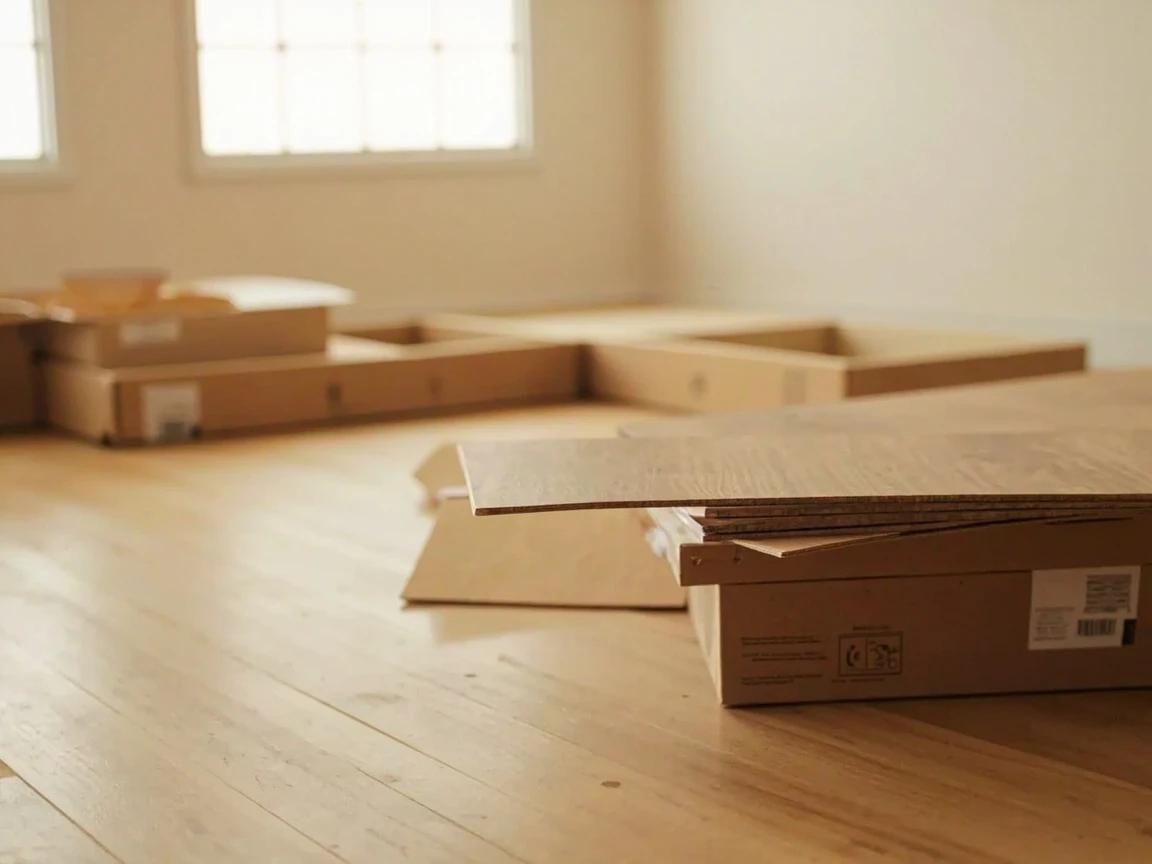
Open and mix planks from several boxes as you work. Dye lots vary slightly between boxes, and blending them keeps a single off-color box from standing out as a stripe across your finished floor.
Prep and Flatten the Subfloor
The floor is only as good as what's under it. Vacuum the subfloor spotless, then drag a long straightedge or level across it in several directions — it must be flat to within 3/16 inch over any 10-foot span. Grind down high spots and fill low spots with floor-leveling compound, feathering the edges smooth. Pry off the base shoe or baseboards, and over a concrete slab roll out a 6-mil poly vapor barrier; add a thin 1-2 mm underlayment only if your planks don't already have a pad attached.
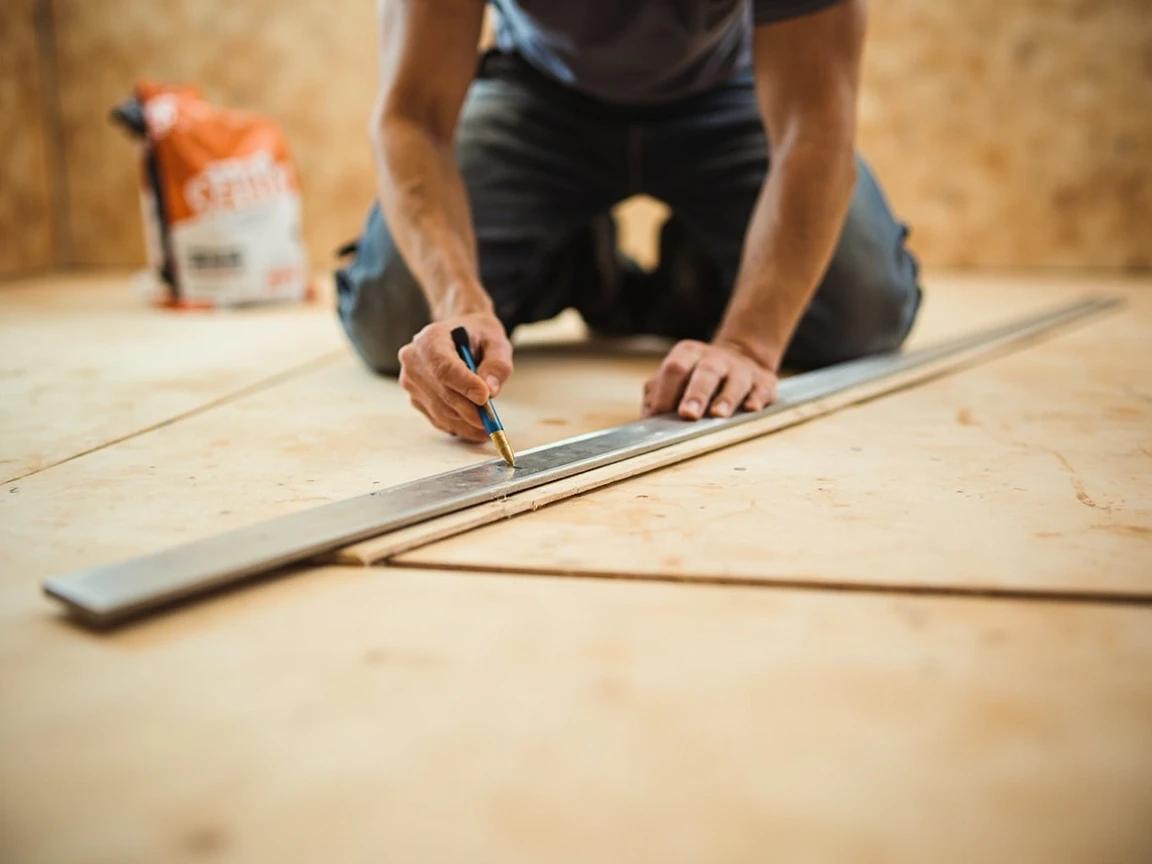
Don't sand, grind, or rip up old sheet vinyl or 9x9 tile in a pre-1980s home until it's tested for asbestos. The flooring and its black 'cutback' adhesive can contain it, and disturbing it releases fibers.
Plan the Layout and Plank Direction
Measure the room and choose direction: planks generally look best running parallel to the longest wall and toward the main source of natural light, which makes the space feel larger. Divide the room's width by the plank width to see how wide the last row will land — if it comes out a thin sliver (under about 2 inches), rip the first row narrower so the first and last rows are balanced and both look intentional. Dry-lay a few rows to preview the seam pattern before you commit.
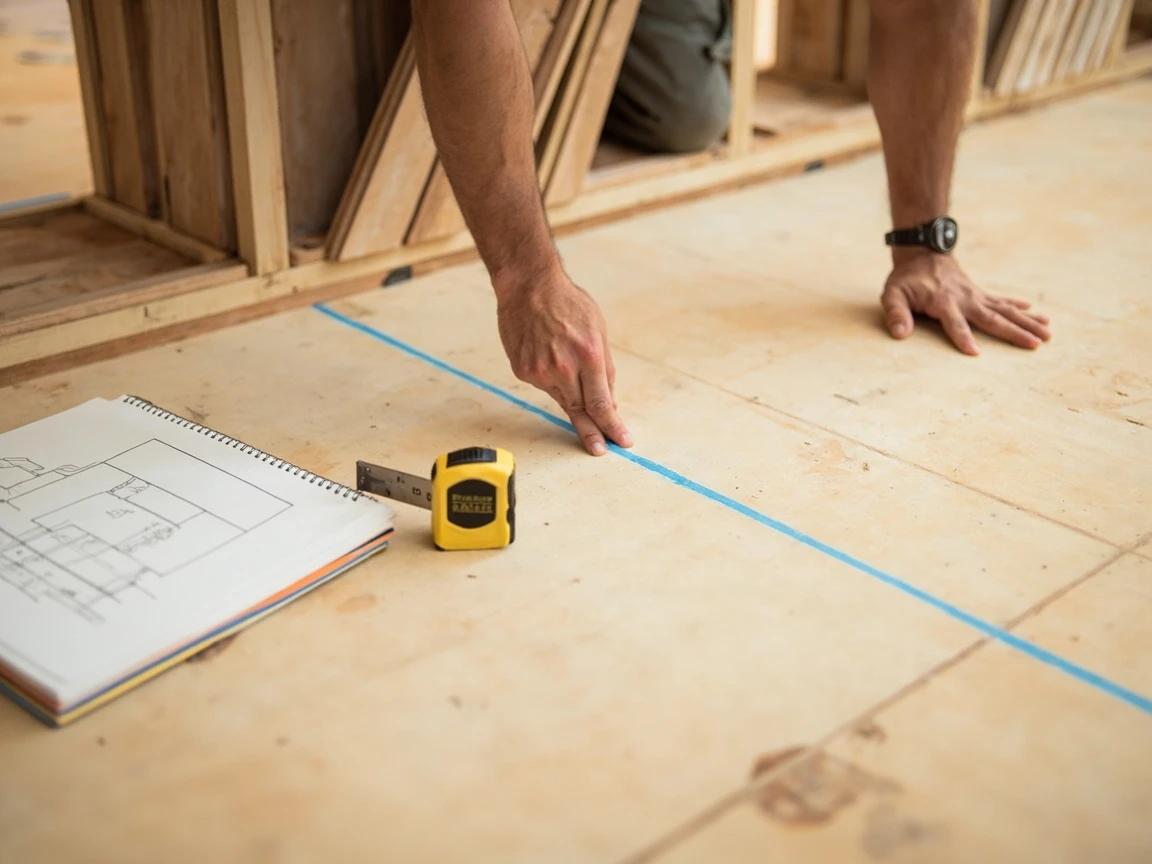
Stagger end seams at least 6 inches — ideally 8-12 — from row to row, and never line two seams up or create a tight 'stairstep.' Random, well-spaced joints are both stronger and better-looking.
Lay the First Row With an Expansion Gap
Start along the longest, straightest wall. Set the first row with 1/4-inch spacers between the planks and the wall on all sides — vinyl expands and contracts with temperature, and this perimeter gap is what keeps the floor from buckling. Connect planks end-to-end down the row, keeping the cut or tongue side toward the wall and the groove facing out into the room. If the wall isn't straight, scribe and trim the back edge of the first row to follow its contour.
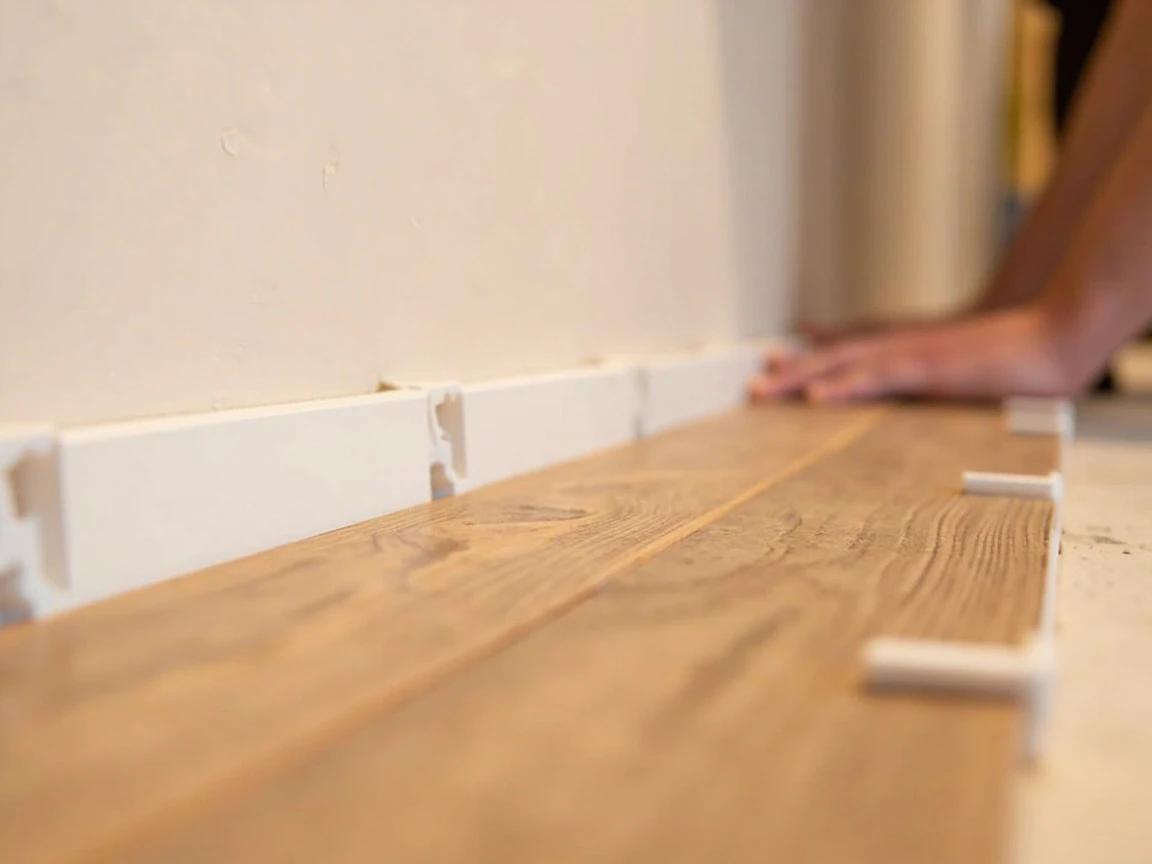
Never skip the 1/4-inch expansion gap or trap the floor under a doorway or cabinet. A floating floor must be free to move; pin it and it buckles in the first warm, humid stretch — and the only fix is pulling the whole floor up.
Lock Each Row and Stagger the Seams
Start the second row with the offcut from the end of the first (as long as it leaves at least a 6-inch stagger) to cut down on waste. Angle each plank's long edge into the row above and press until it clicks, then snug the end joints with the tapping block and a rubber mallet — tap the block, never the bare plank edge. Work across and up the room, keeping spacers against every wall and mixing planks from different boxes as you go.
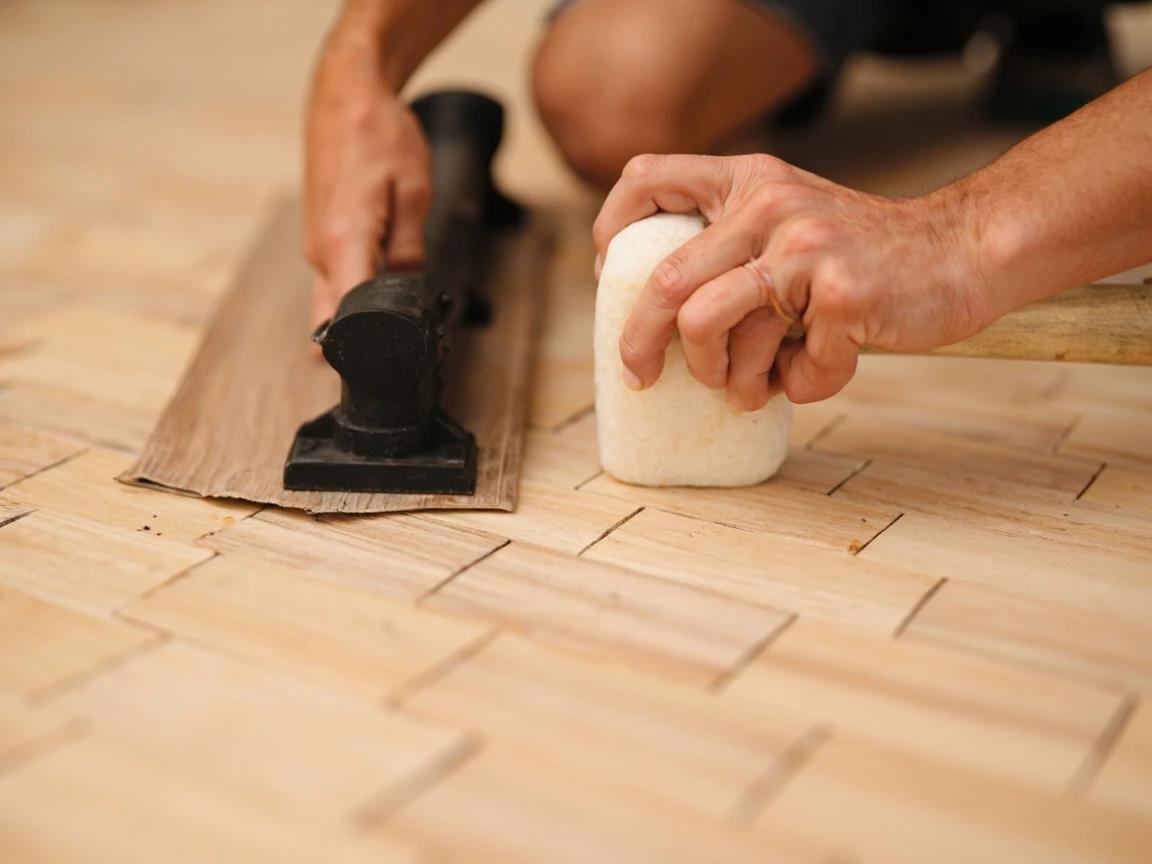
If a long-edge joint won't sit flush, a crumb of debris is usually trapped underneath. Pop the plank up, sweep the joint clean, and re-click it rather than mallet-forcing it down — forcing it chips the locking edge.
Cut Planks and Notch Around Obstacles
For straight cross-cuts, score the plank face deeply along a square with a utility knife and snap it — no power saw needed. For lengthwise rips and for notches around corners, door casings, floor registers, or pipes, use a jigsaw or an oscillating multi-tool. Leave the same 1/4-inch gap around pipes and any fixed object; a little extra is hidden later by trim or pipe escutcheon rings.
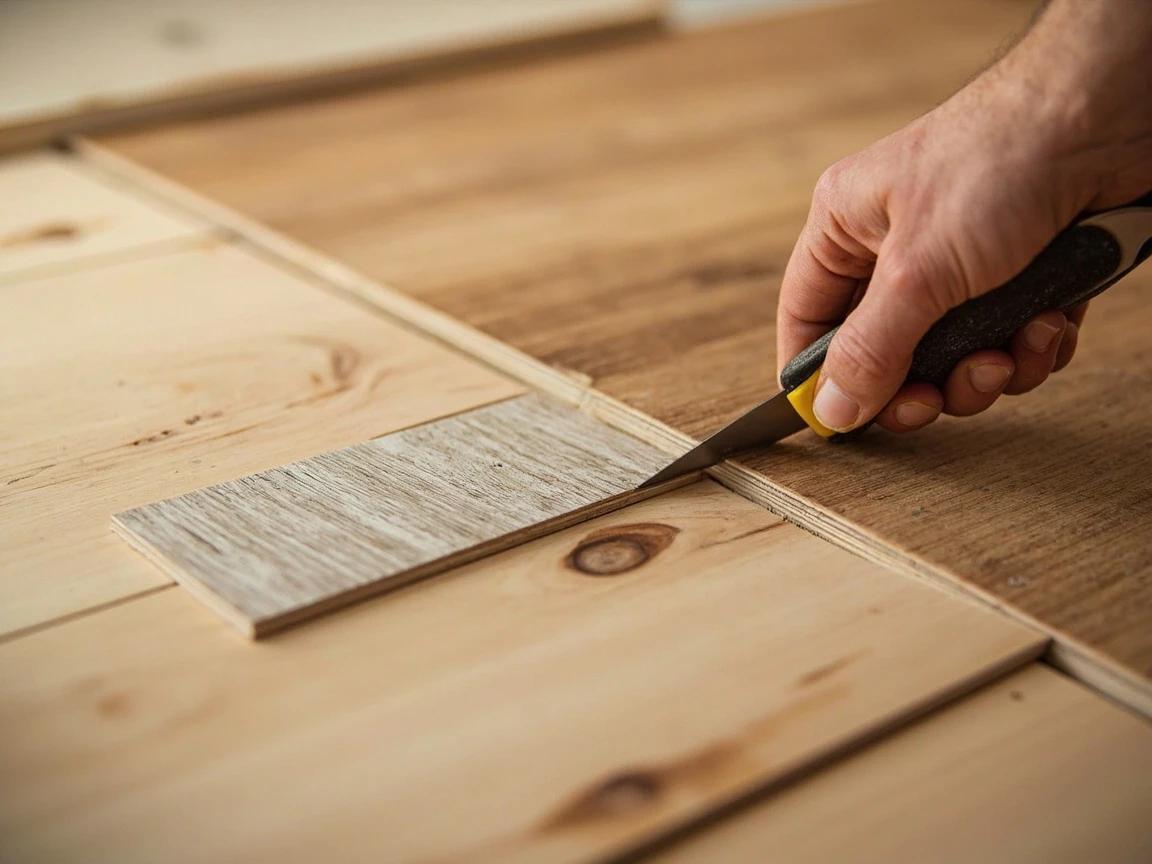
Cut planks in a ventilated space and wear eye protection and a dust mask when using power tools — sawing rigid vinyl throws fine PVC dust that hangs in the air.
Undercut the Door Jambs and Casings
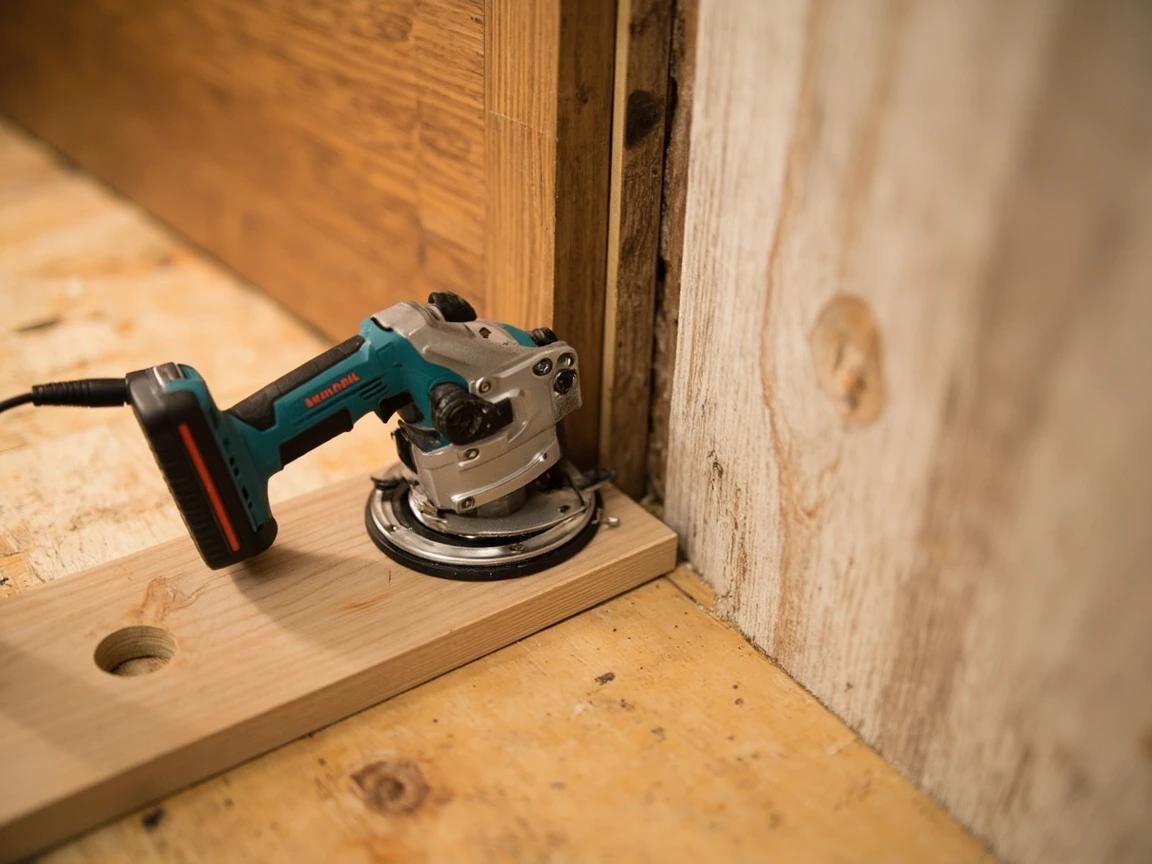
Instead of fussily notching planks around every door casing, undercut the wood so the plank slides underneath for a clean, factory look. Lay a scrap plank face-up next to the jamb as a height guide, rest a flush-cut or oscillating saw flat on it, and trim the bottom of the jamb and casing. Vacuum the sawdust and test that a plank slips under with a hair of room to spare.
Rip and Fit the Final Row
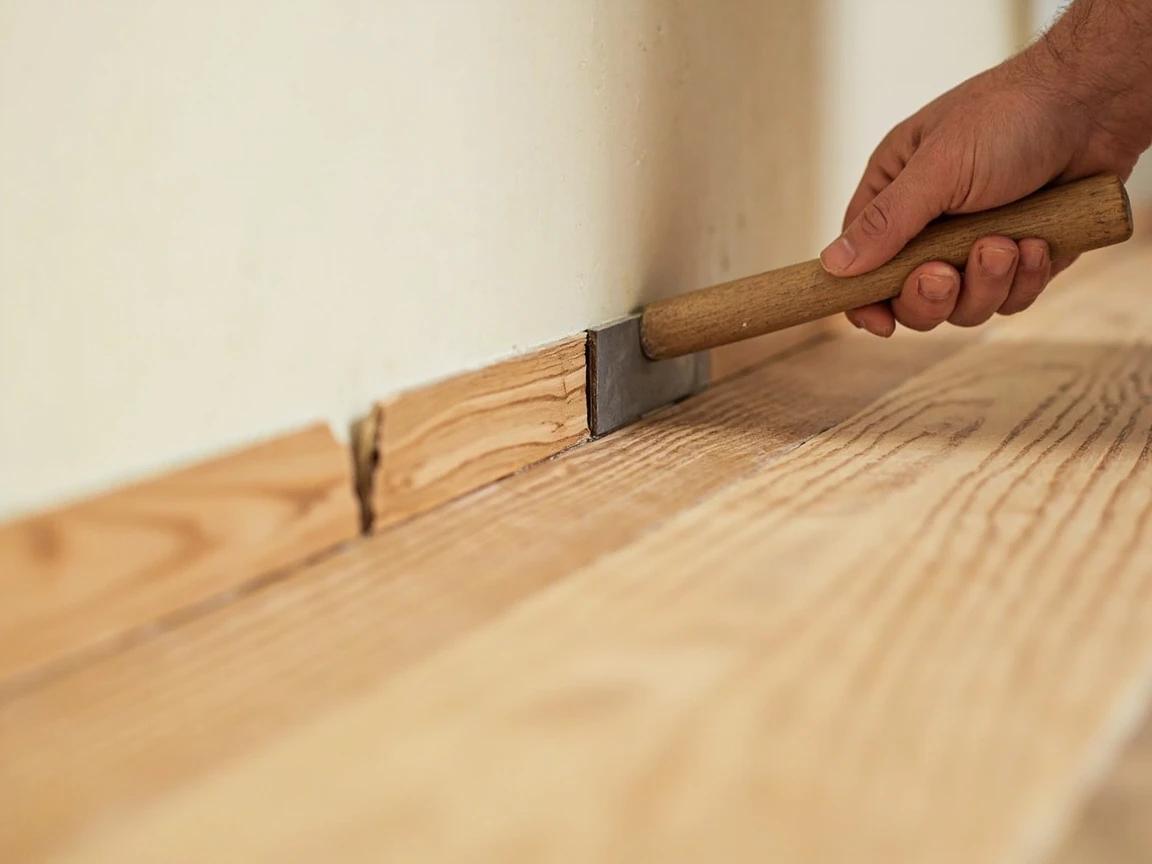
Measure the gap for the last row at several points — walls are rarely parallel — subtract 1/4 inch for the expansion gap, and rip the planks to width lengthwise with a circular saw, table saw, or repeated utility-knife scoring. Click the long edge in at an angle, then reach over the top with the pull bar and tap its hooked end to draw each plank tight against the row before it. The cut edge tucks against the wall where trim will cover it.
Finish With Transitions and Trim
Pull every spacer. Install transition strips — T-molding, a reducer, or a threshold — wherever the floor meets a doorway or a different floor height. Then reinstall the baseboards or add quarter-round to hide the expansion gap, and here's the critical part: nail the trim into the wall, never down through the planks, so the floor underneath can still float. Finally, walk the whole floor and press for any spot that clicks or shifts.
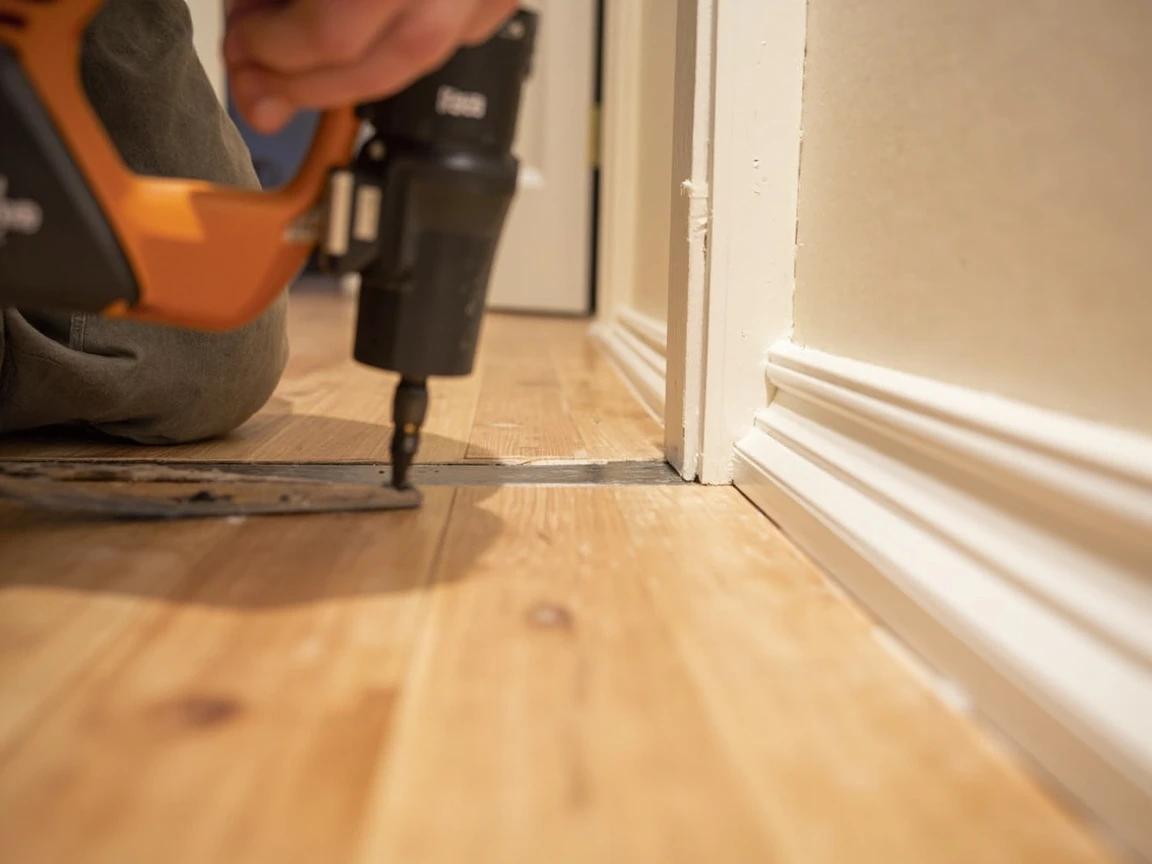
Hold a coin against the baseboard as a spacer while you nail quarter-round, leaving a hair of clearance above the planks. Pinning the trim tight to the floor defeats the expansion gap you worked to leave.
Frequently Asked Questions
Do I need underlayment under vinyl plank flooring?
+
If your planks have an attached pad (most rigid-core SPC planks do), you don't add a separate underlayment — and you should never stack two pads, because the extra softness flexes the locking joints apart. If the planks have no pad, lay a thin 1-2 mm IXPE underlayment. Over a concrete slab, always put down a 6-mil poly vapor barrier first, pad or not.
Which direction should I run vinyl plank flooring?
+
As a rule, run the planks parallel to the longest wall and toward the main source of natural light — both make a room feel larger and longer. In a hallway, always run the planks lengthwise down the hall. The locking direction of the planks doesn't force your hand here; layout and looks do.
Can I install vinyl plank flooring over existing tile?
+
Yes, if the tile is flat (within 3/16 inch over 10 feet), firmly bonded with no loose or popping pieces, and the grout lines are shallow. Grout joints deeper than about 1/8 inch will telegraph through thin planks, so fill them with leveling compound first. Thicker rigid-core (SPC) planks bridge minor grout lines better than flexible glue-down vinyl.
How much extra vinyl plank flooring should I buy?
+
Buy about 10% more than the room's square footage to cover cuts and the occasional mistake, or 15% for rooms with lots of angles, closets, and doorways, or if it's your first install. Keep several leftover planks afterward for future repairs — matching the dye lot years later is nearly impossible.
Do I have to remove the baseboards to install LVP?
+
No. You can leave the baseboards in place and cover the expansion gap with quarter-round or base shoe molding, which is faster. Pulling the baseboards and reinstalling them gives a cleaner, trimmer look but is more work. Either way, nail the trim to the wall, never down into the floating floor.
Sources & further reading
- How to Lay Vinyl Plank Flooring — Today's Homeowner
- 11 Common Mistakes When Installing Vinyl Plank Flooring — Angi
- How Much Does It Cost to Install Vinyl Plank Flooring? — Bob Vila
More Carpentry Guides
View all →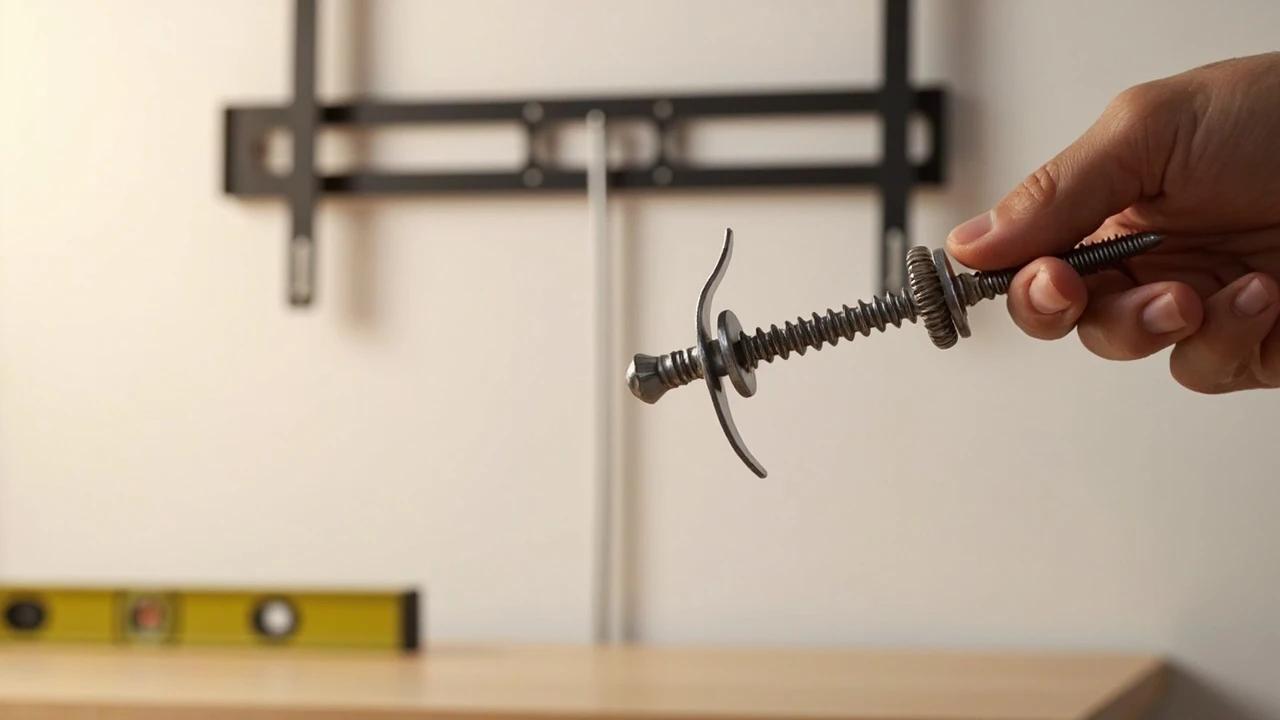 Easy30 min
How to Use Toggle Bolts to Hang Heavy Loads Without a Stud
When the stud isn't where you need it, a toggle bolt is the strongest thing you can put in bare drywall — a 1/4-inch toggle holds several times what any plastic anchor manages, and modern strap-style toggles hold 200+ pounds in half-inch drywall. This guide covers both types end to end: sizing the toggle to the load, drilling the right hole, the put-the-bolt-through-the-bracket-first rule that saves you from the classic one-way mistake, and the ceiling math that keeps things off your head.
 Medium2h 30m
How to Install a Dishwasher
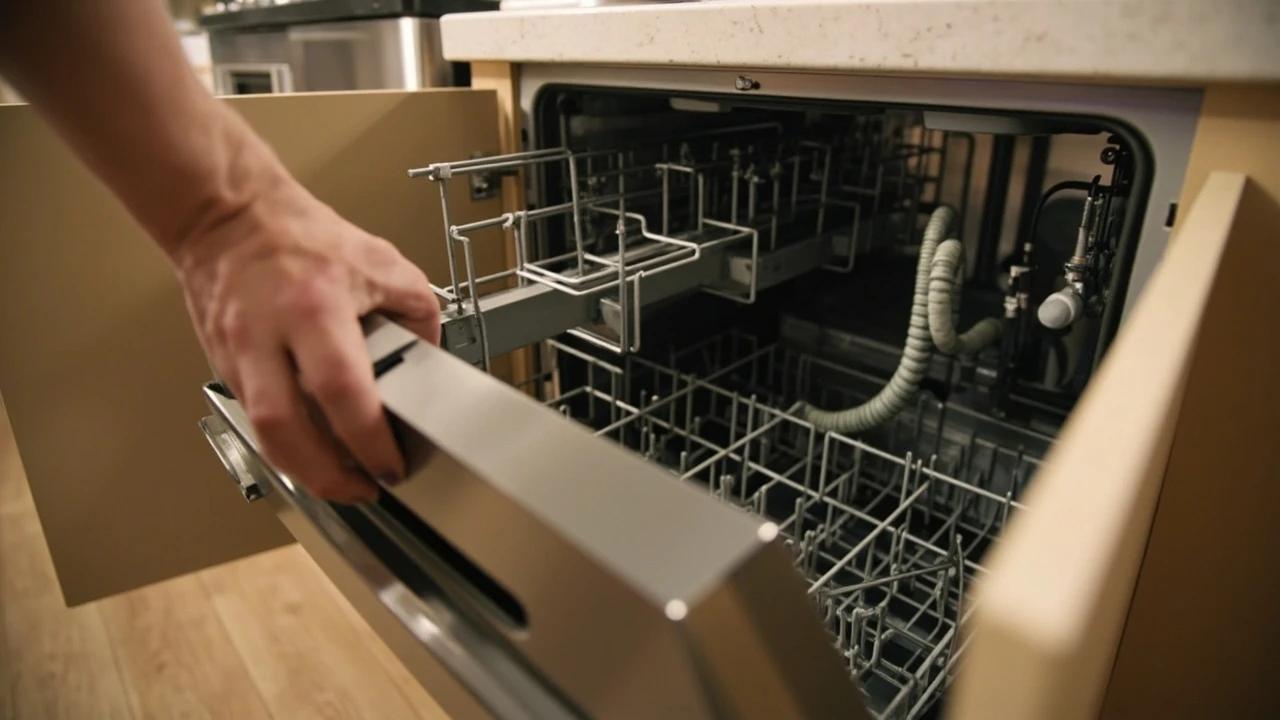
Installing a dishwasher yourself saves the $150 to $250 that delivery crews charge for hookup, and once the cabinet opening already has water, drain, and power, it's a roughly two-hour job that comes down to three connections. The catch is the small details that cause callbacks — forgetting the disposal knockout plug, skipping the drain-hose high loop, and overtightening the fittings. This guide walks the full replacement: pull the old unit, prep the new one, make the three connections, level it, secure it, and leak-test so it runs dry and quiet the first time.
 Medium2 hrs
How to Install a Garbage Disposal
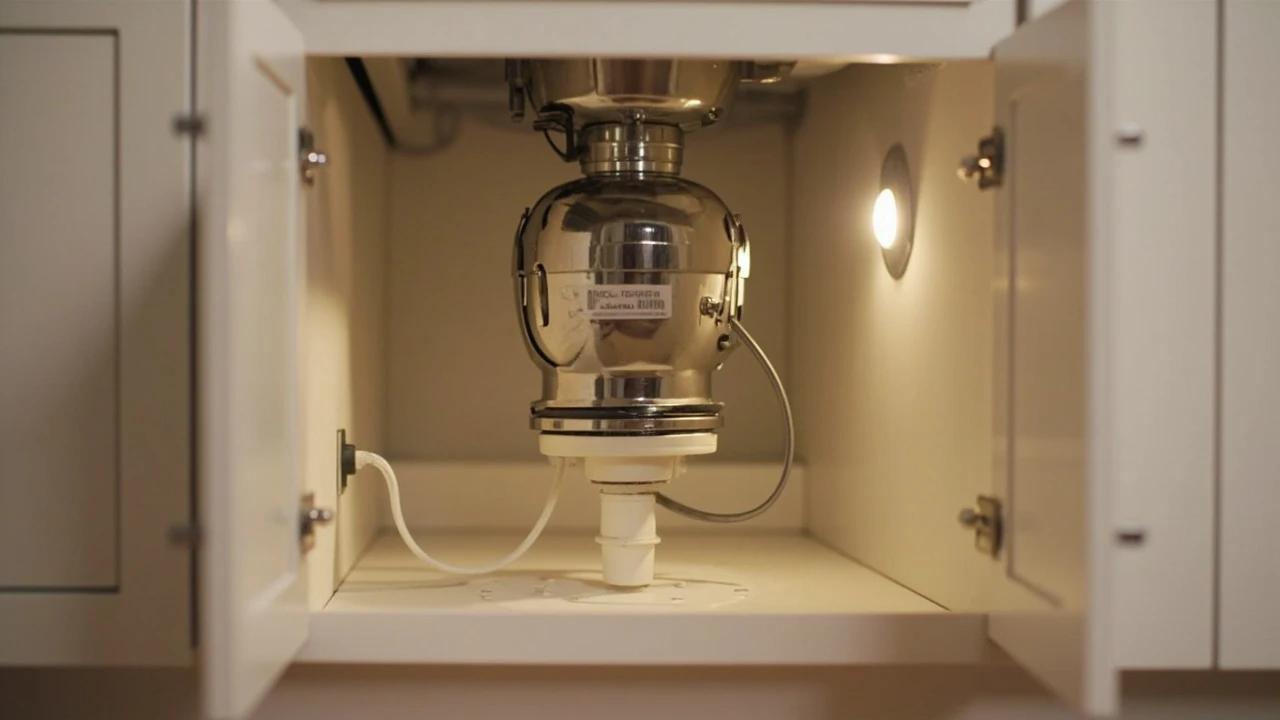
A garbage disposal turns food scraps into a non-issue and keeps your kitchen drain smelling clean — a new unit costs $80-200 and you can install it yourself in about two hours versus $200-500 for a plumber visit. The job combines basic plumbing and a simple electrical connection, but a loose mounting ring, a forgotten dishwasher knockout plug, or a bad P-trap slope will leave you mopping up under the sink. This guide walks you through removing the old drain (or disposal), mounting the new flange and ring assembly, wiring the unit, connecting the discharge to the P-trap, and testing everything leak-free.
You Might Also Like
 Easy30 min
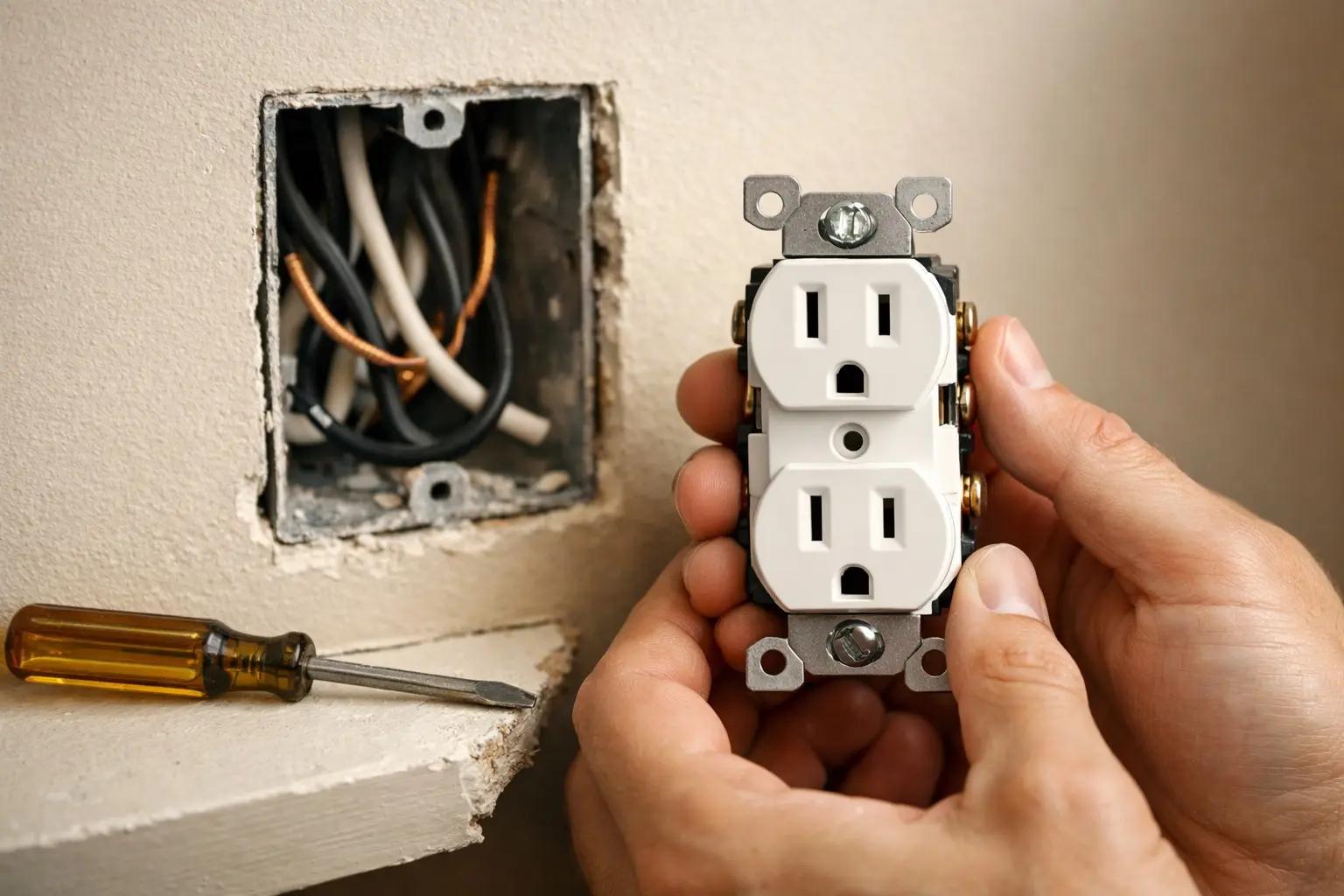
How to Replace an Electrical Outlet
A worn-out or discolored electrical outlet is one of the simplest electrical repairs you can tackle yourself — swapping one takes about 15-30 minutes and costs under $5 in parts versus $75-150 for an electrician visit. This guide walks you through safely replacing a standard duplex receptacle, including how to handle the wiring correctly and avoid the most common DIY mistakes.
 Medium6 hrs
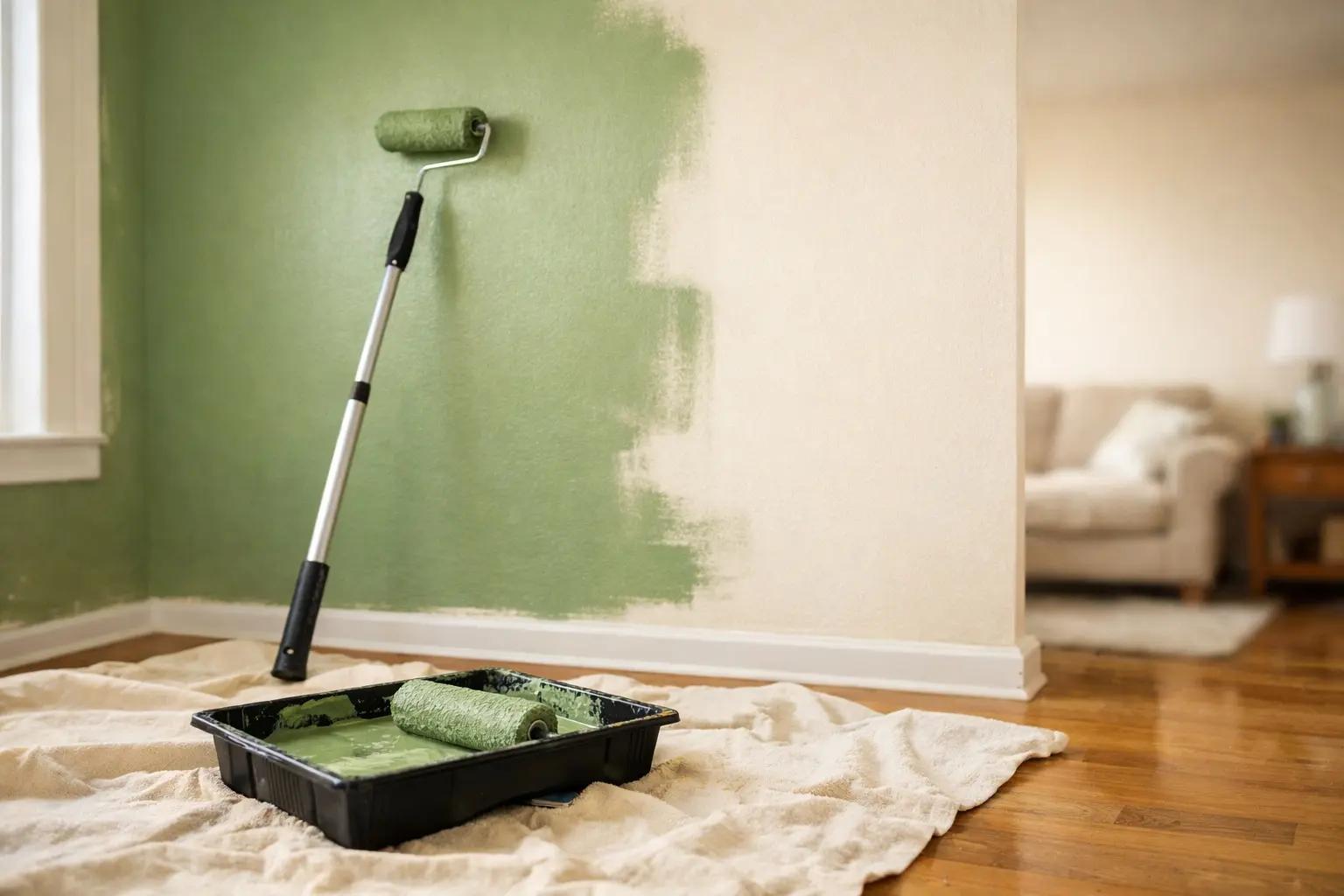
How to Paint a Room
A fresh coat of paint is the fastest, cheapest way to transform any room — and doing it yourself saves $400-800 in labor for an average 12x12-foot bedroom. The job takes a weekend from prep to final coat, and the difference between an amateur-looking result and a professional finish comes down to technique, not talent. This guide covers prep, cutting in, rolling, and cleanup so you get clean lines and even coverage the first time.
 Medium30 min
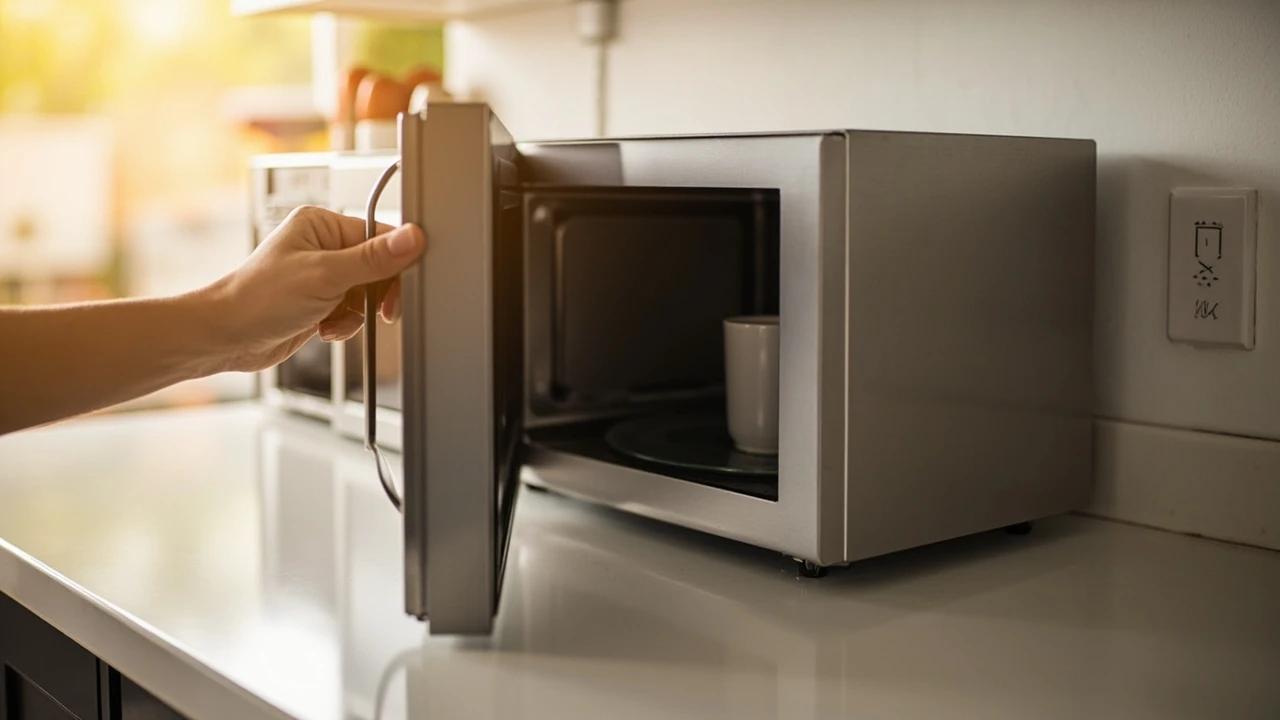
How to Troubleshoot a Microwave That Won't Heat
A microwave that runs — light on, turntable spinning, timer counting down — but leaves food stone cold is one of the most common appliance failures, and about half the time the cause is something you can fix in five minutes for free. This guide walks the diagnosis from the easy stuff (demo mode, power level, a tripped GFCI, a dirty door latch) to reading the failure signature that tells you the high-voltage circuit is gone, then helps you make the repair-or-replace call with real numbers.