How to Install Drywall Anchors for Heavy Items
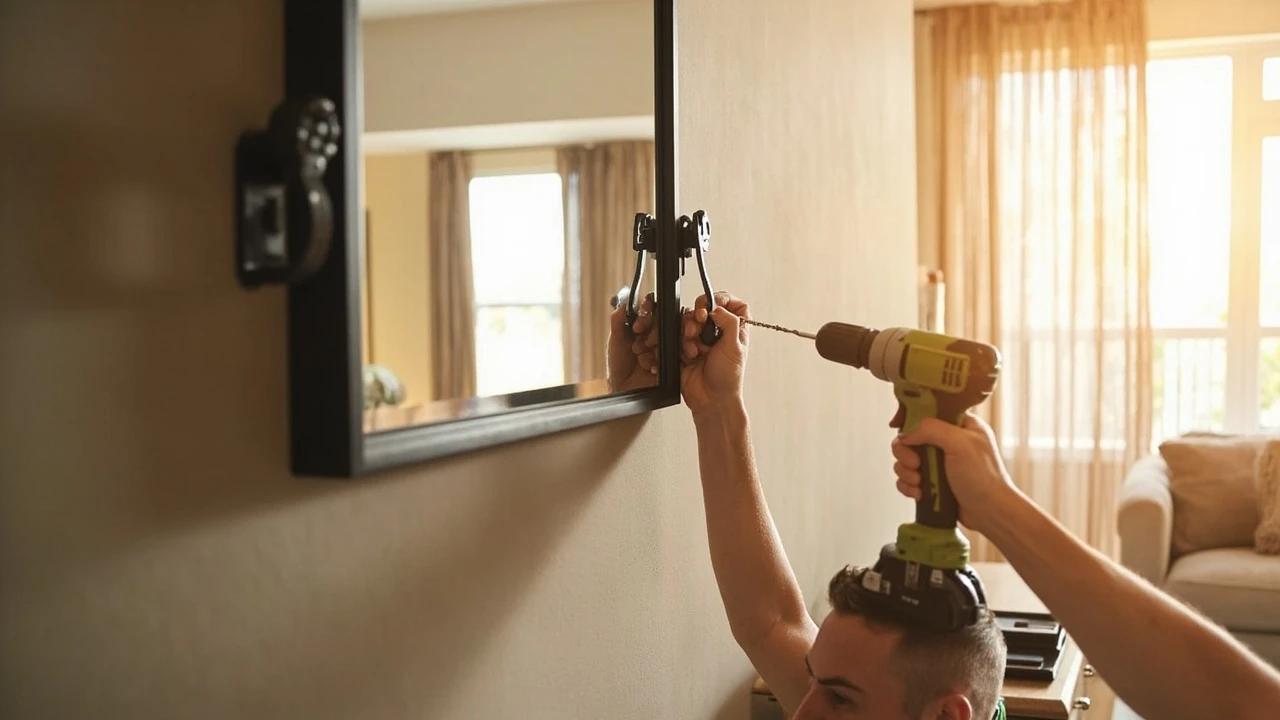

A failed wall anchor doesn't just dent your drywall — it can drop a 60-pound TV onto a coffee table. This guide explains the five anchor types, when to use each, the stud-first rule that pros follow, and the pull-test that catches a bad install before your TV does. For the holes left behind by failed anchors, a $5 tub of spackle and ten minutes covers the cleanup.
What You'll Need
🛠 Tools
📦 Materials
Safety First
- •Never trust a manufacturer's weight rating as a hard limit — drywall thickness, install quality, and dynamic loads (bumps, tugs) easily double the effective load. Always apply a 4× safety multiplier.
Step-by-Step Instructions
Find a stud first — anchors are plan B
Run a stud finder horizontally across the wall at the height you plan to mount — or, if you don't own one, an outlet and a magnet will find the stud just as reliably. Studs are usually 16 inches on center (24 inches in some homes) and 1.5 inches wide. When you locate one, drive a 3-inch wood screw directly into the stud — it holds 80-100 pounds per screw, more than any drywall anchor, and costs nothing. Only fall back to anchors when your mount geometry doesn't land on a stud or when a multi-point bracket has hole spacing that misses framing.
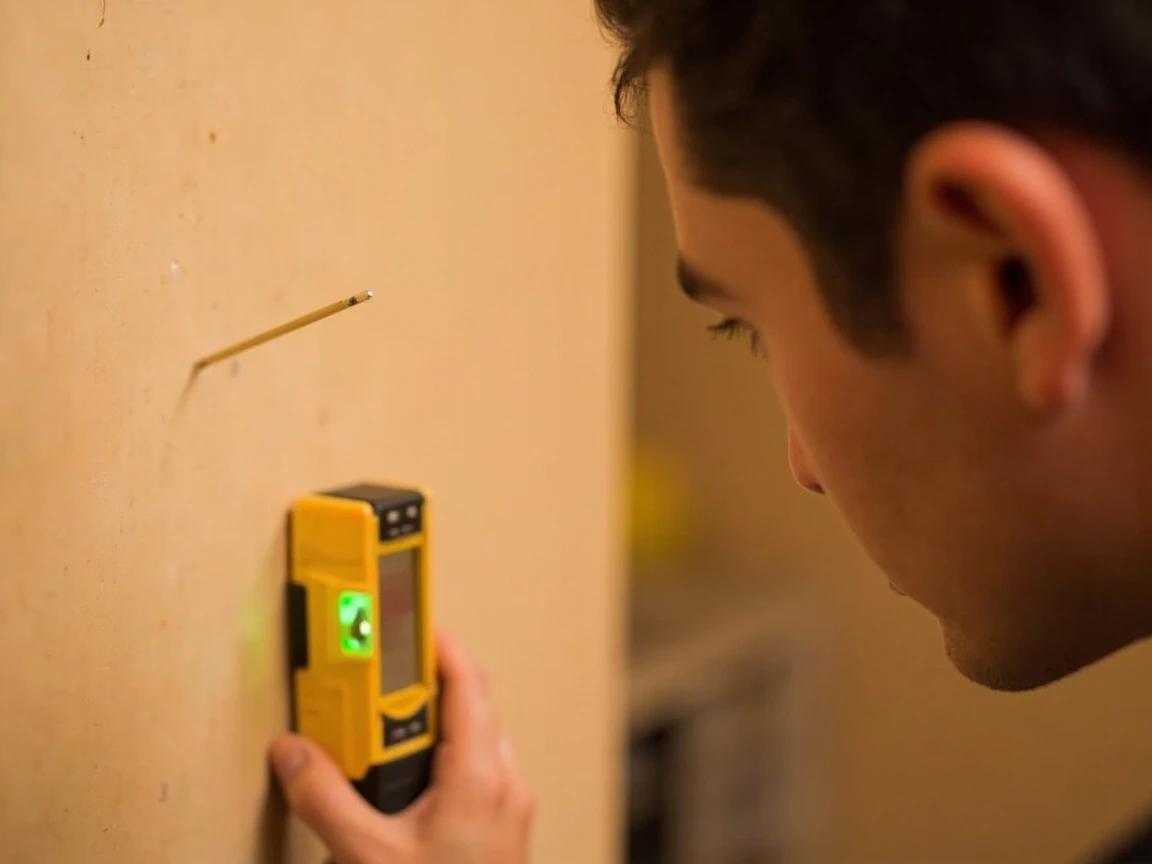
No stud finder? Look for outlet boxes — they're nailed to a stud on one side, so the stud is within 3/4 inch of the box. From there, studs march 16 inches on center in both directions.
Weigh the item and apply a 4× safety multiplier
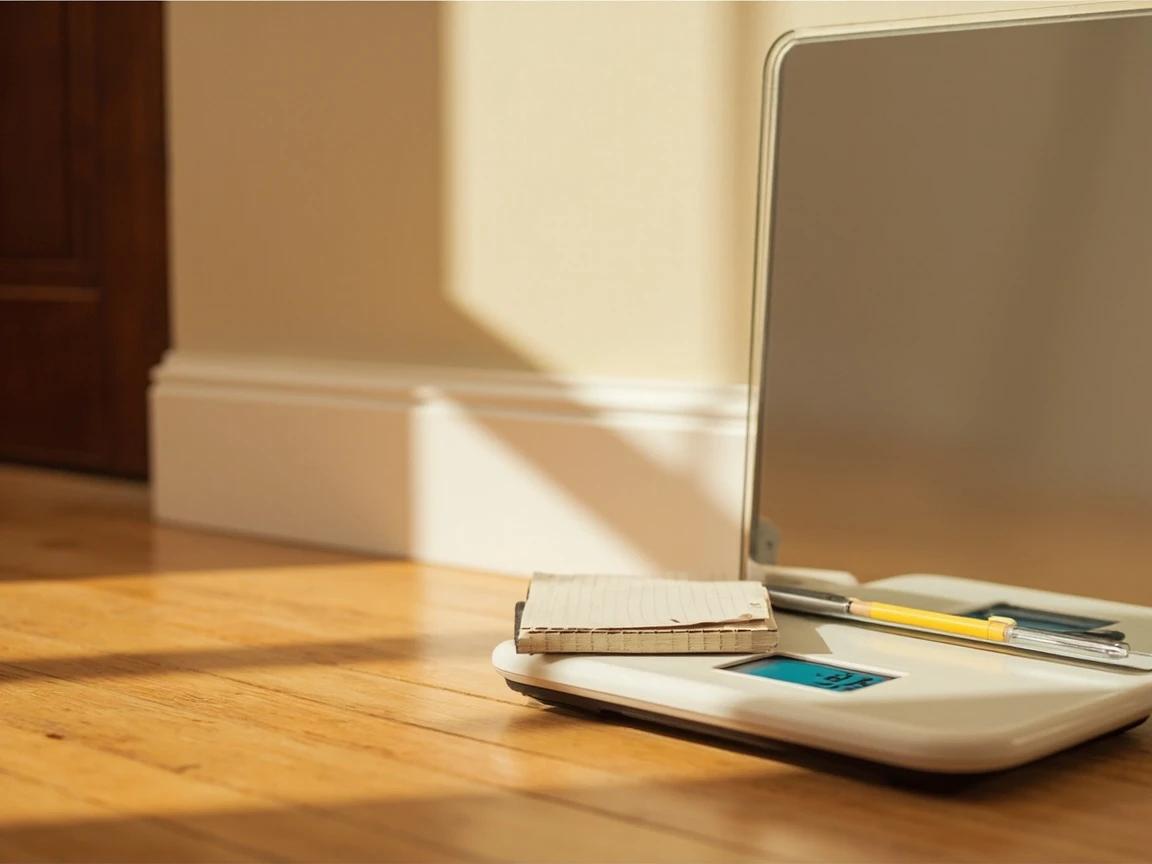
Find the actual weight from the manufacturer's spec or a bathroom scale. Multiply by 4 to get your required anchor rating — drywall anchor numbers are static load only, and dynamic forces from bumping, kids tugging, or articulating arms easily double or triple the effective weight. A 25-pound mirror needs an anchor (or combination of anchors) rated for at least 100 pounds total. If using N anchors, the per-anchor requirement is (weight × 4) ÷ N, but only if every anchor is seated in good drywall away from torn paper or old holes.
Pick the anchor by load — five common types
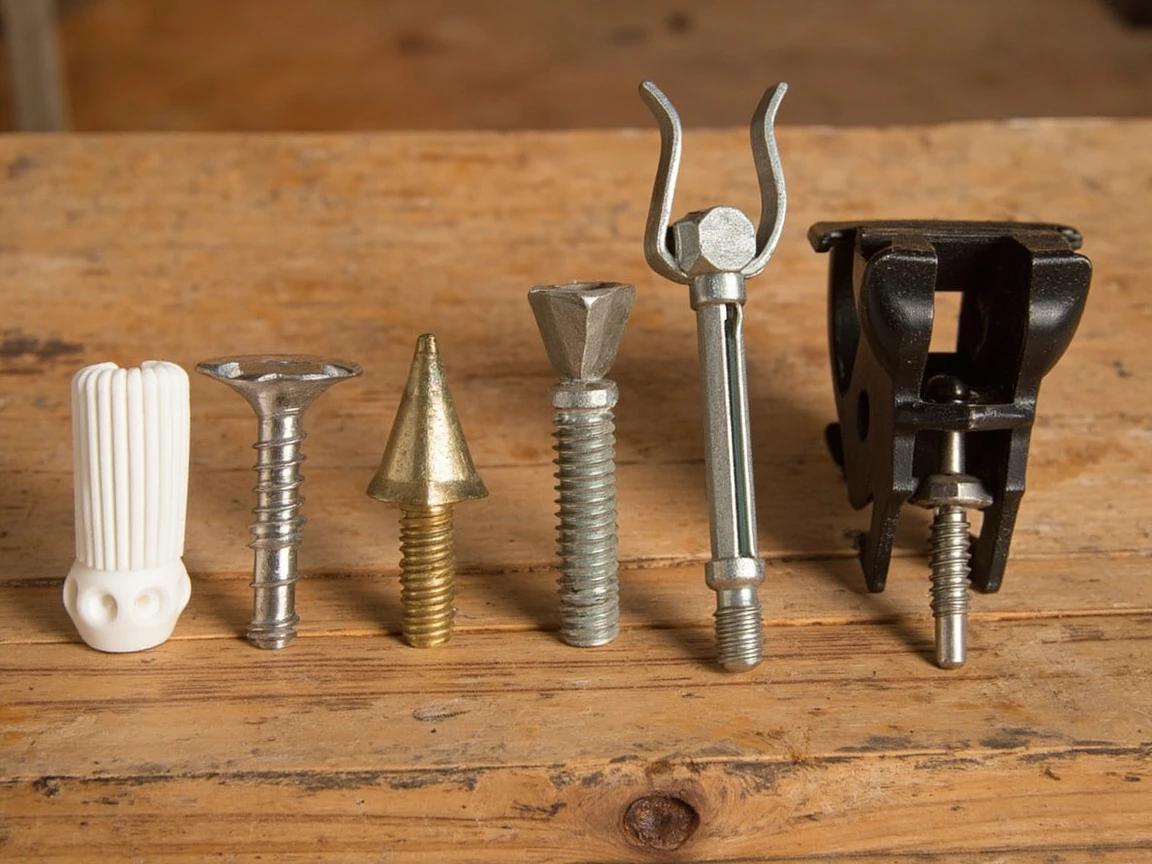
Match anchor type to the rated-load number from step 2. Under 10 lbs: plastic expansion anchor (cheap, fast, fine for pictures). 10-25 lbs: ribbed plastic or threaded anchor. 25-50 lbs: self-drilling threaded anchor or small molly bolt. 50-100 lbs: large molly bolt or 3/16-inch toggle bolt. Over 100 lbs: 1/4-inch toggle bolt or strap-style SnapToggle (rated up to 238 lbs). For anything over 50 lbs, prefer toggle-style anchors — they spread the load across a much larger area of drywall and fail more gracefully than expansion-style anchors.
Drill the pilot hole — match bit size to anchor exactly
Every anchor's packaging specifies the pilot-bit size — use that exact bit. Too small and the anchor splits or crushes the drywall paper as you drive it. Too large and the anchor spins in the hole with no grip. For threaded self-drilling anchors, skip the bit and drive directly with a Phillips driver (a 1/8-inch pilot helps in dense walls). For toggle bolts, the pilot hole needs to be wide enough for the folded toggle wings to pass through — typically 1/2 inch for 3/16-inch toggles and 5/8 inch for 1/4-inch toggles.
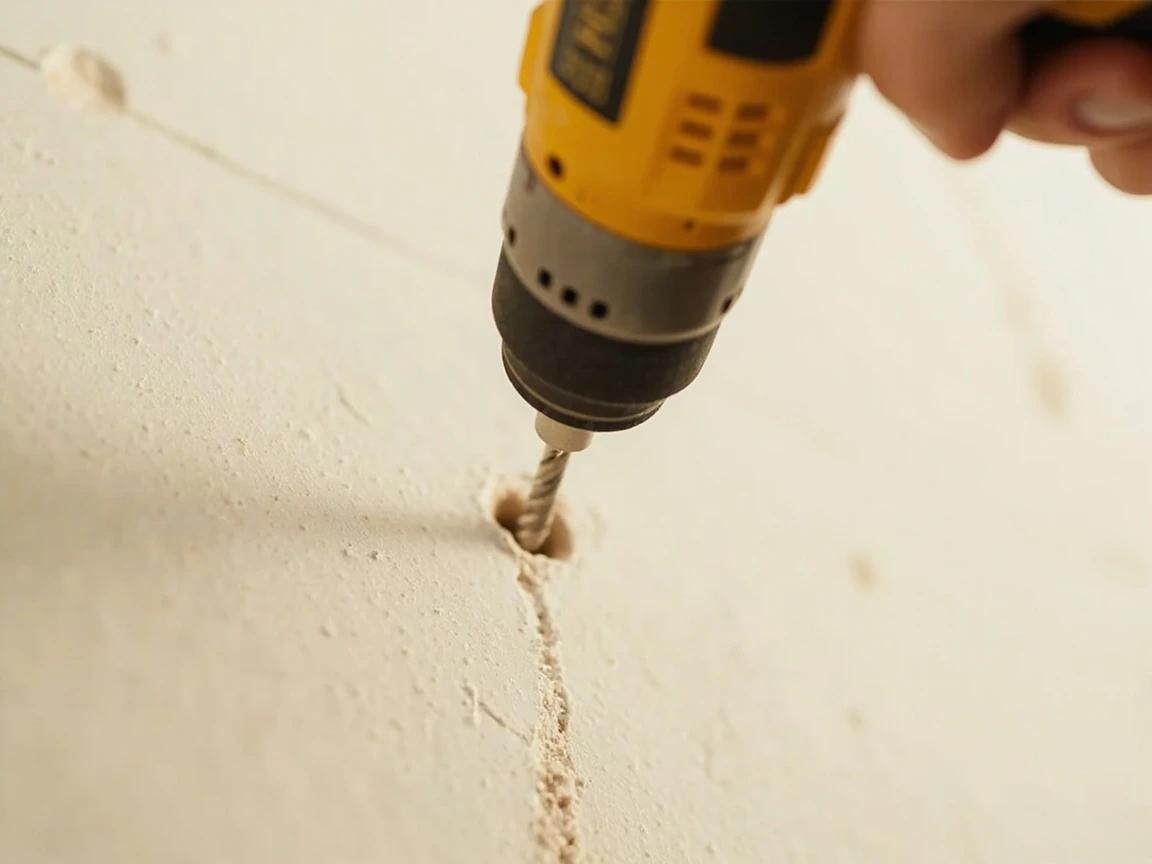
Avoid drilling blind into a wall with plumbing or electrical inside. Behind a kitchen backsplash, bathroom wall, or near outlets, scan with a stud finder that detects live wiring (most modern ones do) before drilling.
Install the anchor flush — method depends on type
Three install methods cover all five anchor types. Plastic expansion or ribbed: tap into the pilot with a rubber mallet until the head is flush with the wall. Threaded self-drilling: drive in with a Phillips bit until the shoulder seats flush — don't over-spin once it's flush or you'll strip the threads. Molly bolt: insert into the pilot, then tighten the bolt with a screwdriver until you feel the wings collapse behind the wall and grip firmly. Toggle bolt: thread the screw through your bracket FIRST, then through the toggle, fold the wings flat, push through the hole, and pull back firmly on the screw while you tighten — the wings spring open inside the wall.
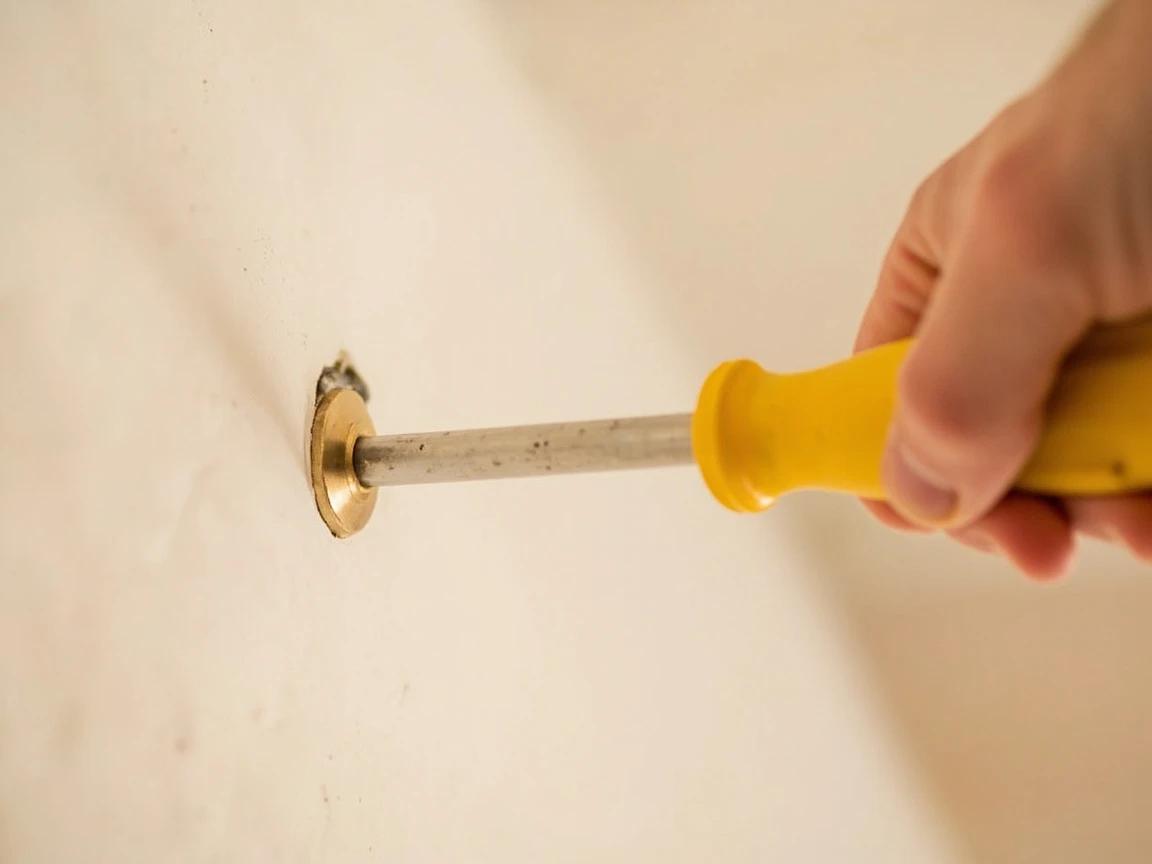
Toggle bolts can be tricky on a first install. Tip: pre-thread the screw through your bracket BEFORE you collapse the toggle wings and push them into the wall. If you push the toggle in first, you can't put the screw through the bracket without losing the toggle inside the wall. For the full technique, see how to use toggle bolts to hang heavy loads.
Drive the screw — stop when snug, never crank
Drive the screw with steady pressure until the bracket pulls flush against the wall — then stop. Cranking past snug crushes the gypsum core behind the anchor and dramatically reduces holding strength. If the screw suddenly turns easy (no more resistance) before the bracket is tight, you've either stripped the anchor or crushed the drywall — back out the screw, remove the anchor, patch the hole, and start over two inches away.
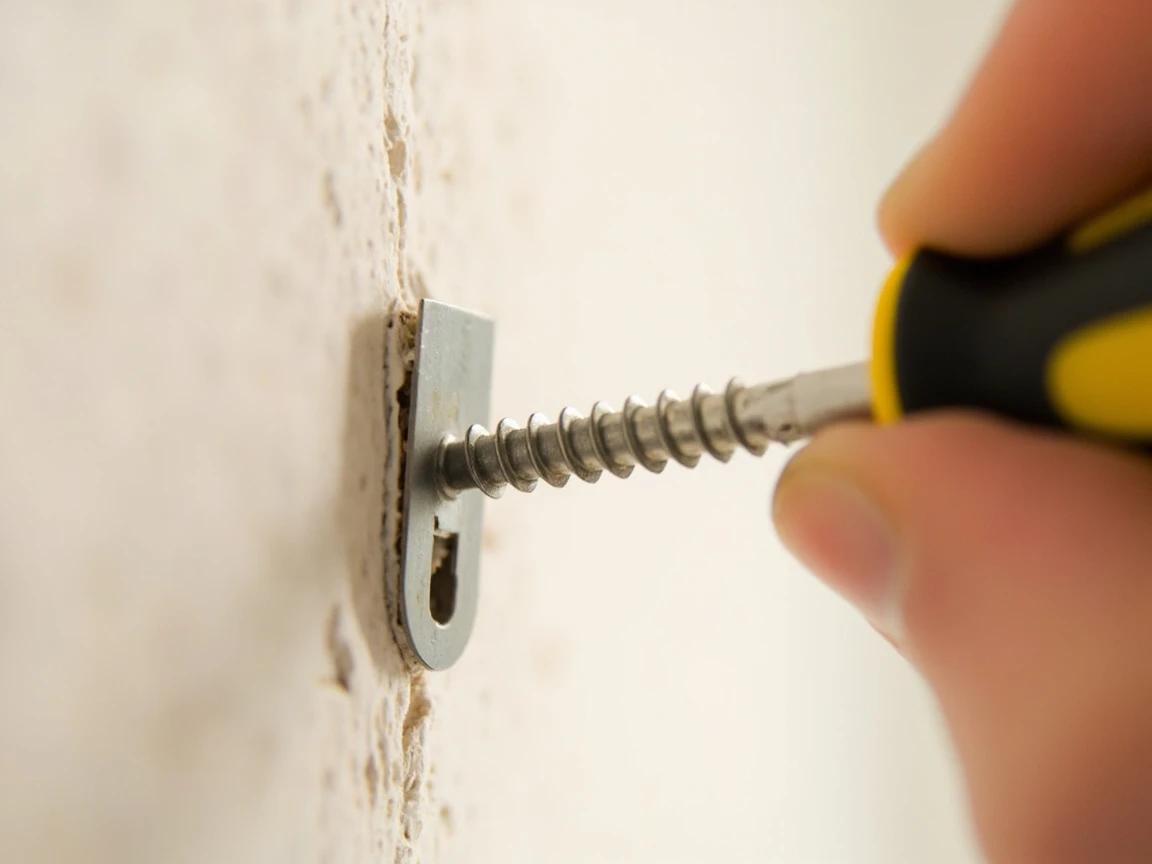
Pull-test before you mount your item
With the anchor and screw installed but before mounting the item, hook a finger through the bracket and pull straight out with steady, firm force — not a jerk. For higher-weight installs, hang a bag of books or a hand weight equal to about half the item's expected weight from the bracket and let it sit for 15 minutes. The bracket should not move at all. Any movement, sagging drywall, or crumbling around the anchor means the anchor needs to come out, the hole gets patched, and you start over with a larger anchor an inch or two over.
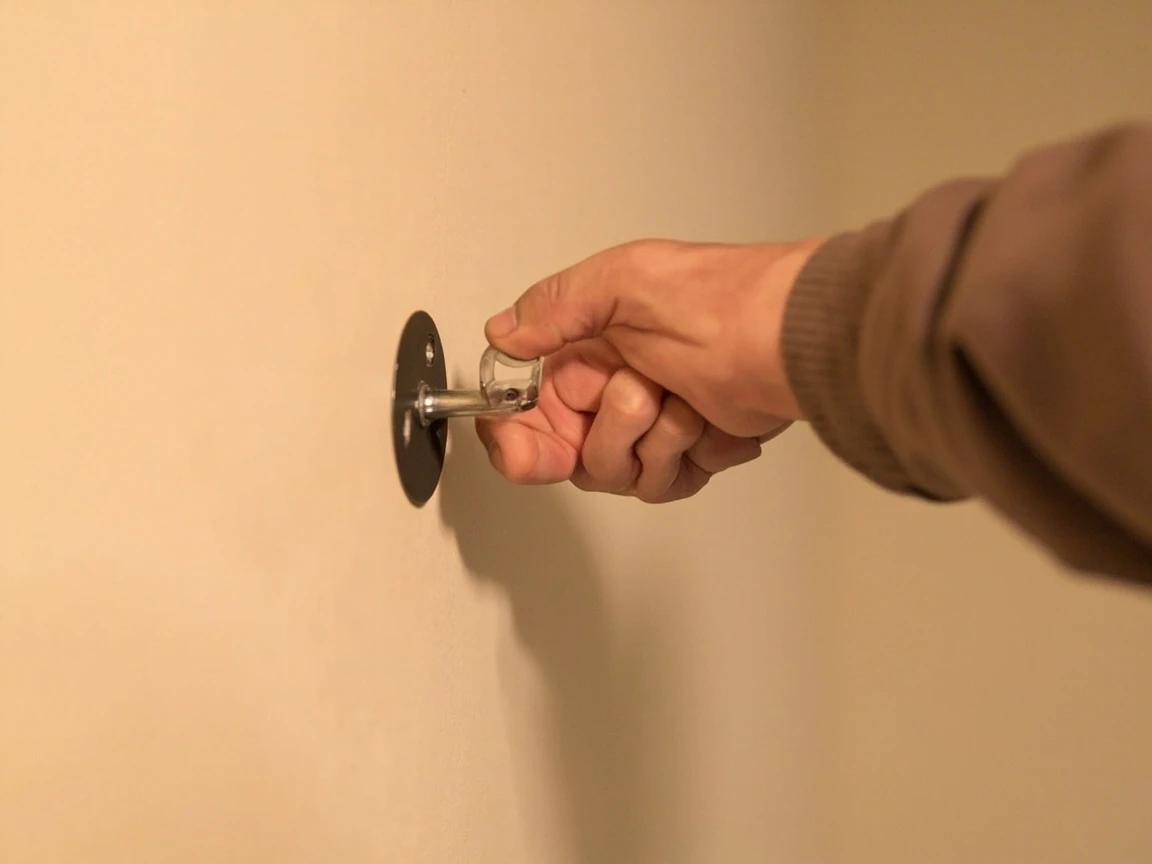
Mount the item — tighten the multi-anchor pattern evenly
With all anchors tested, lift your item onto the bracket. For multi-anchor mounts like TV brackets and floating shelves, drive each screw partway in first to align everything, then tighten in a star or cross pattern (not corner-to-corner) just like lug nuts on a car wheel. Uneven tightening loads one anchor harder than the others and can pop the weakest one. Once snug, give the item a final firm tug at top, bottom, and each side before you trust it with anything valuable hanging from it.
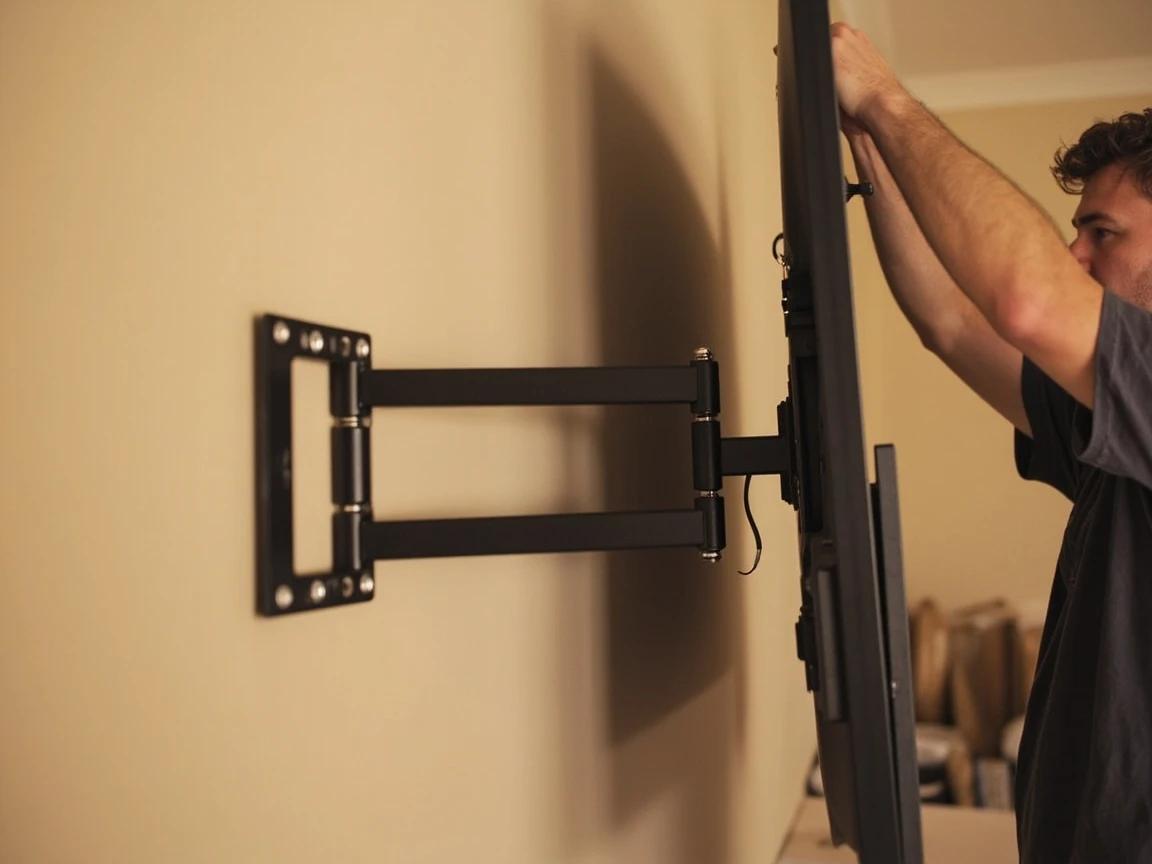
For TVs and large mirrors, do the test-tug while standing to the side, not directly underneath. If the anchor is going to fail, it fails on the first hard pull — not while you're staring up at it from below.
Frequently Asked Questions
What's the strongest drywall anchor?
+
The strap-style SnapToggle (TOGGLER brand) and 1/4-inch metal toggle bolts are the strongest, rated 150 to 240 pounds in 1/2-inch drywall. They work by passing a metal bar through the wall that pivots flat against the back of the drywall, spreading the load across a much larger area than expansion-style anchors. Nothing else in the residential-anchor category comes close.
Can I mount a TV on drywall without hitting a stud?
+
Yes, but only for smaller TVs and only with toggle bolts or SnapToggles — never plastic anchors. For a TV under 50 pounds with a fixed (non-articulating) mount, four 1/4-inch toggle bolts will hold it safely. Anything heavier, anything with an articulating arm (which multiplies pull-out forces), or anything in a high-traffic area should go into at least one stud — find a stud finder or use the magnet trick to locate screws in the wall.
How much weight can a plastic drywall anchor really hold?
+
The numbers on the package are optimistic. In real-world 1/2-inch drywall, plain ribbed plastic expansion anchors hold 10-25 pounds before pulling out, and even that assumes a perfect install. The expansion force can crack the gypsum around the hole, so the failure mode is often a slow loosening rather than a clean pull-out. Use plastic anchors only for pictures, light mirrors, and small decor — anything heavier deserves a threaded anchor, molly, or toggle.
Why is my drywall anchor spinning in the hole?
+
Three causes, in rough order of likelihood: the pilot hole is too big (drop the bit one size and try a fresh anchor an inch over), the drywall paper tore when the anchor was set (use a larger-diameter anchor or upgrade to a toggle bolt), or you over-tightened the screw and crushed the gypsum core (any further turning just chews the hole bigger — back out and patch). Patch the failed hole per the drywall hole patching guide — spackle for a small hole, or its mesh-patch method if the anchor tore out a chunk bigger than a quarter — and move 1-2 inches over for the next attempt.
Do I need to pre-drill for self-drilling threaded anchors?
+
By design, no — the threaded tip cuts its own hole when you drive the anchor with a Phillips bit. But on harder or older drywall, a tiny 1/8-inch pilot hole helps the tip start without tearing the paper face, which is what gives the anchor its grip. If the threaded anchor wobbles or tilts as you drive it, stop, back it out, and start a fresh hole with a 1/8-inch pilot.
Sources & further reading
- How To Use Drywall Anchors (DIY) — Family Handyman
- Advanced Framing: Minimum Wall Studs — Building America Solution Center (DOE/PNNL)
More Carpentry Guides
View all →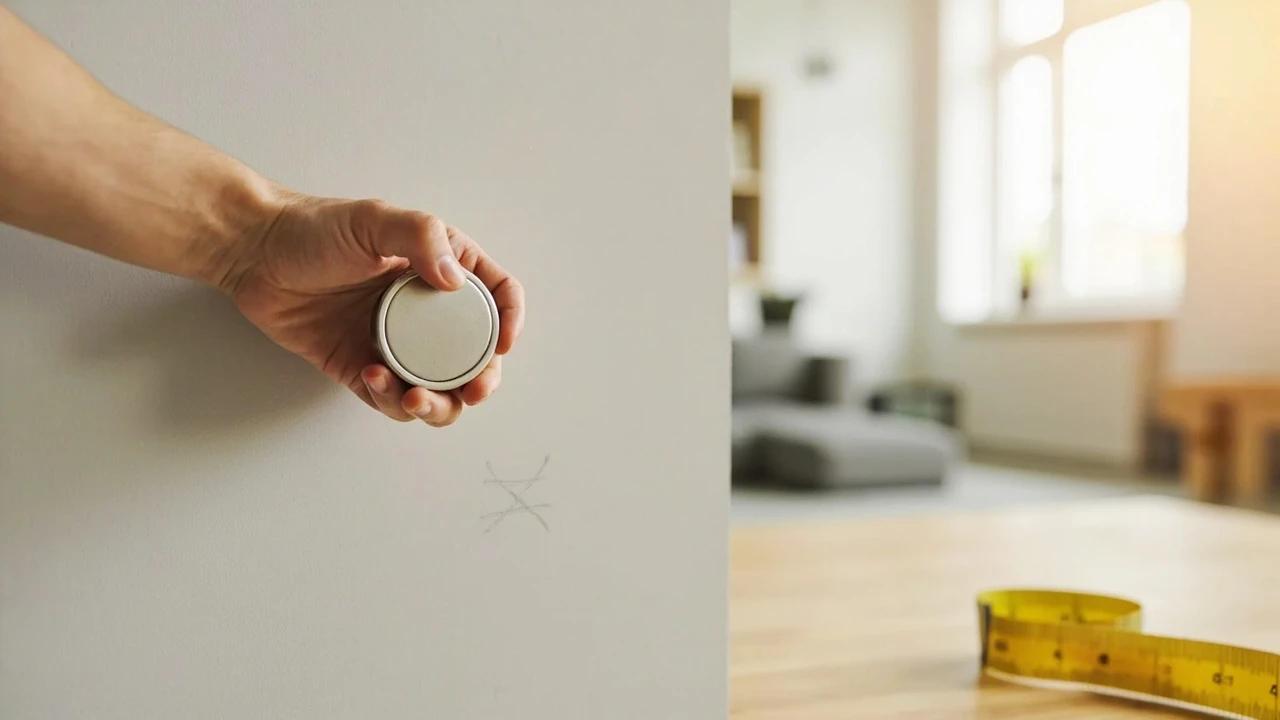 Easy15 min
How to Find a Stud Without a Stud Finder
No stud finder? No problem. You can locate the wooden studs behind your drywall with things you already own — an outlet, a tape measure, and a strong magnet — in about ten minutes. This guide walks through every reliable method, from the quickest starting point to a foolproof way to confirm a stud before you drill a single hole.
 Medium2 hrs
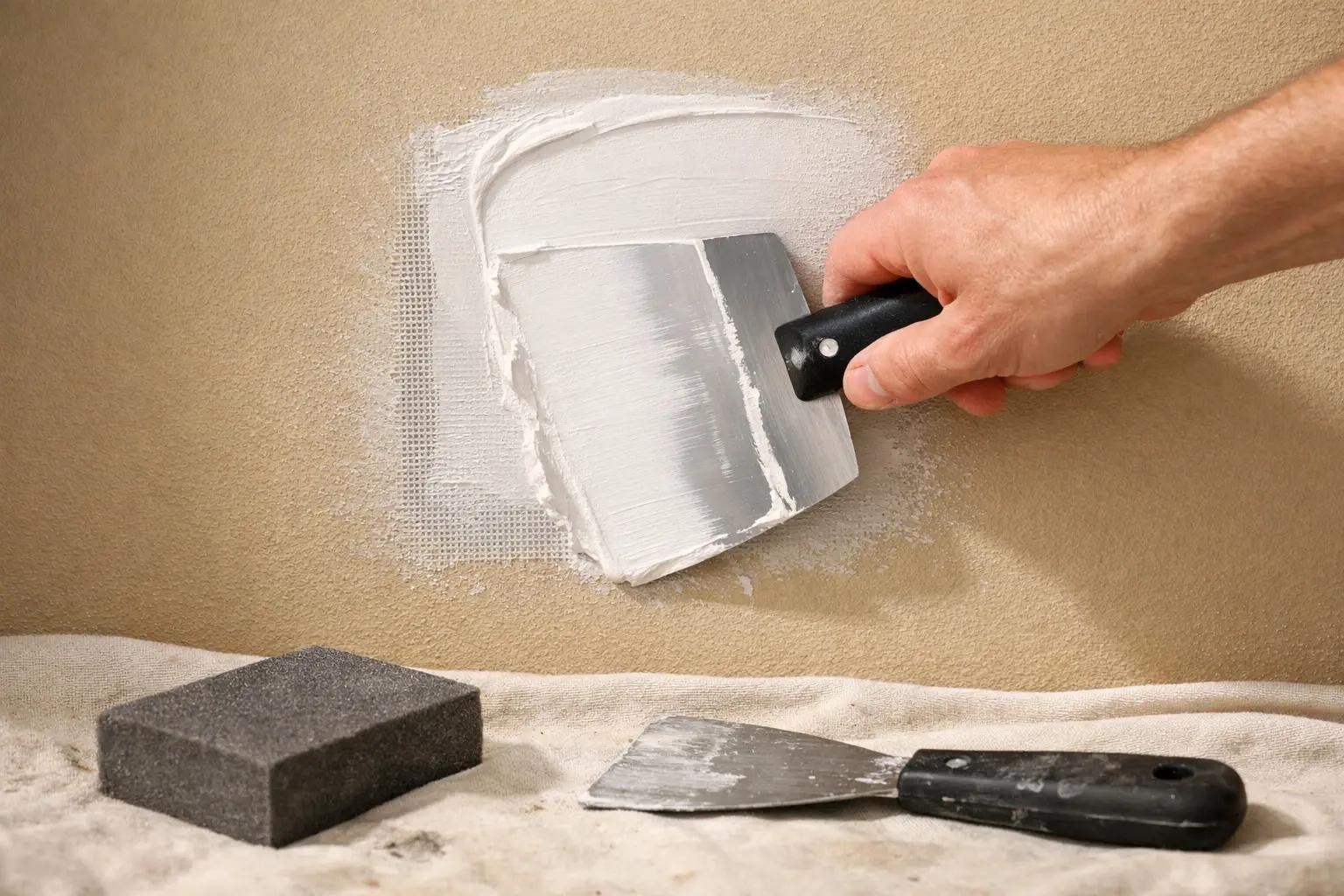
How to Patch a Hole in Drywall (Any Size)
A nail hole, a doorknob punch-through, and a fist-sized hole from moving furniture each need a different repair. Match the hole to the method: spackle under 1/2 inch, a self-adhesive mesh patch up to 4 inches, a California patch from 4 to 8 inches, and a backer strip with a new drywall piece beyond that. Every method finishes with the same thin coats, sanding, and primer, and the materials cost under $40.
 Easy30 min
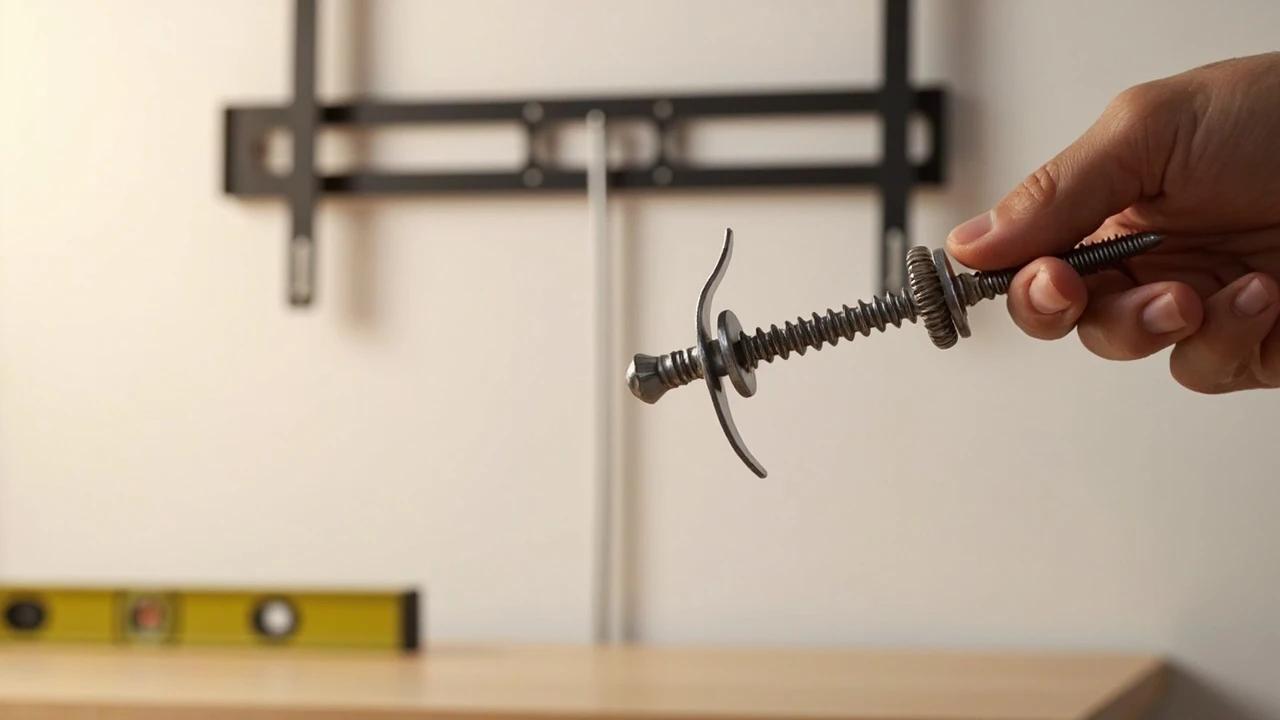
How to Use Toggle Bolts to Hang Heavy Loads Without a Stud
When the stud isn't where you need it, a toggle bolt is the strongest thing you can put in bare drywall — a 1/4-inch toggle holds several times what any plastic anchor manages, and modern strap-style toggles hold 200+ pounds in half-inch drywall. This guide covers both types end to end: sizing the toggle to the load, drilling the right hole, the put-the-bolt-through-the-bracket-first rule that saves you from the classic one-way mistake, and the ceiling math that keeps things off your head.
You Might Also Like
 Easy25 min
Best Deck Stain: Transparent vs Semi vs Solid
There is no "best" deck stain — there is the right stain for your sun exposure, wood condition, and how often you want to redo the job. Transparent stains last 1-2 years but let the natural grain show. Solid stains last 4-7 years but look like paint. This guide walks the four opacity levels and the oil-vs-water choice so you pick the one that matches your deck and your tolerance for re-staining.
 Easy45 min
How to Install a Smart Thermostat
A smart thermostat is one of the highest-ROI upgrades you can make to your home — it learns your schedule, adjusts automatically when you're away, and typically saves about 8% on heating and cooling bills — the figure ENERGY STAR verifies from real-home data, roughly $50 a year — so the $120-250 device usually pays for itself within a few years. If your old thermostat has labeled wires behind it, the swap takes about 30-45 minutes with nothing more than a screwdriver and your phone. This guide covers checking compatibility, labeling wires, mounting the new base, connecting everything, and walking through the app setup so your system is running smart the same day.
 Easy30 min
How to Fix a Dripping Faucet
A dripping faucet wastes more than 3,000 gallons of water per year and can add $20 or more to your monthly water bill. The fix is almost always a worn cartridge, washer, or O-ring — parts that cost under $10 and take 20-30 minutes to replace with basic tools.