Gardening
Lawn care, pruning, composting, seasonal planting, and pest control.
17 guides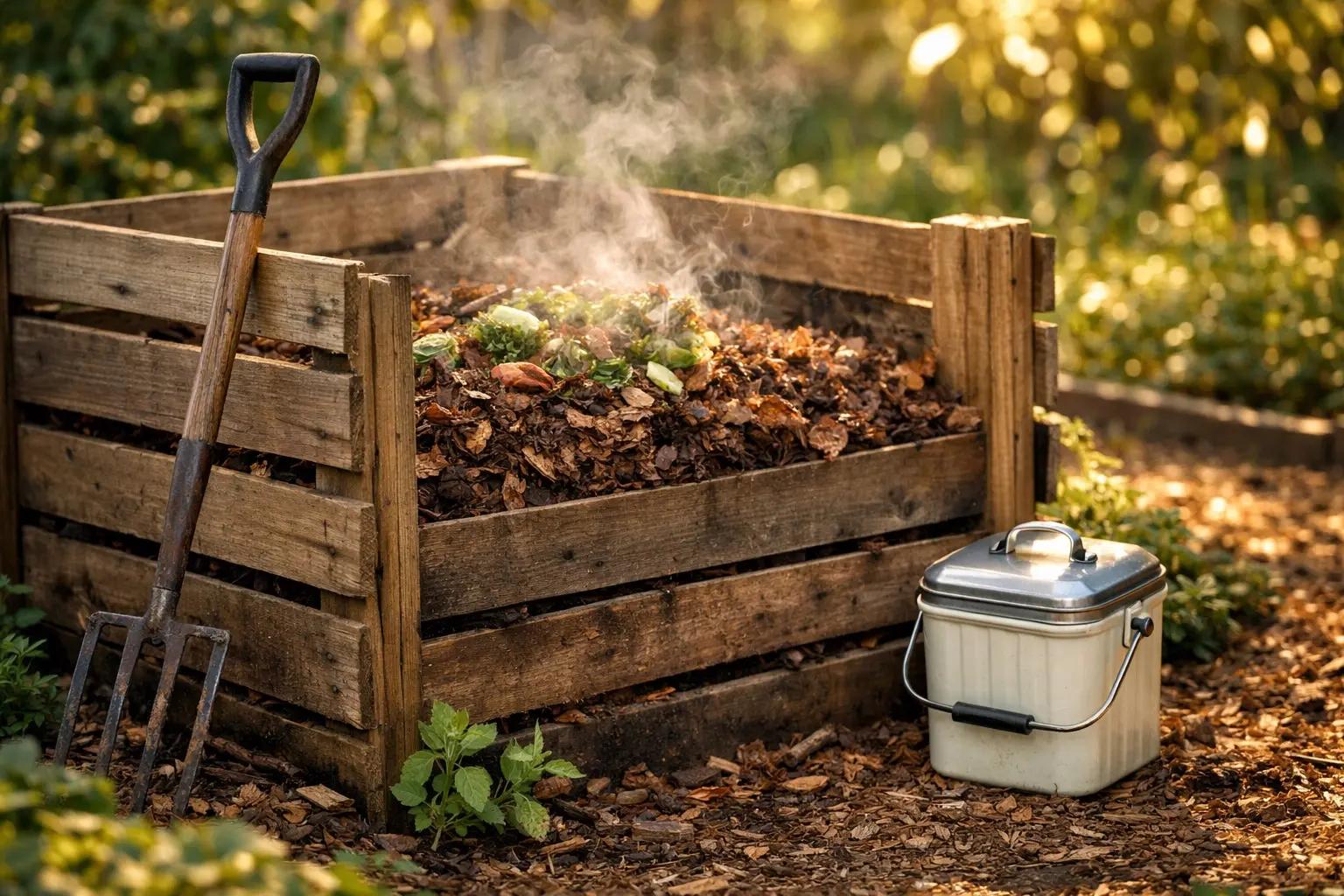 Easy1 hr
How to Start a Compost Bin
Composting converts kitchen scraps and yard waste into rich, free fertilizer that dramatically improves garden soil. Setup takes under an hour and once running, the bin requires minimal effort for big rewards.
 Easy3 hrs
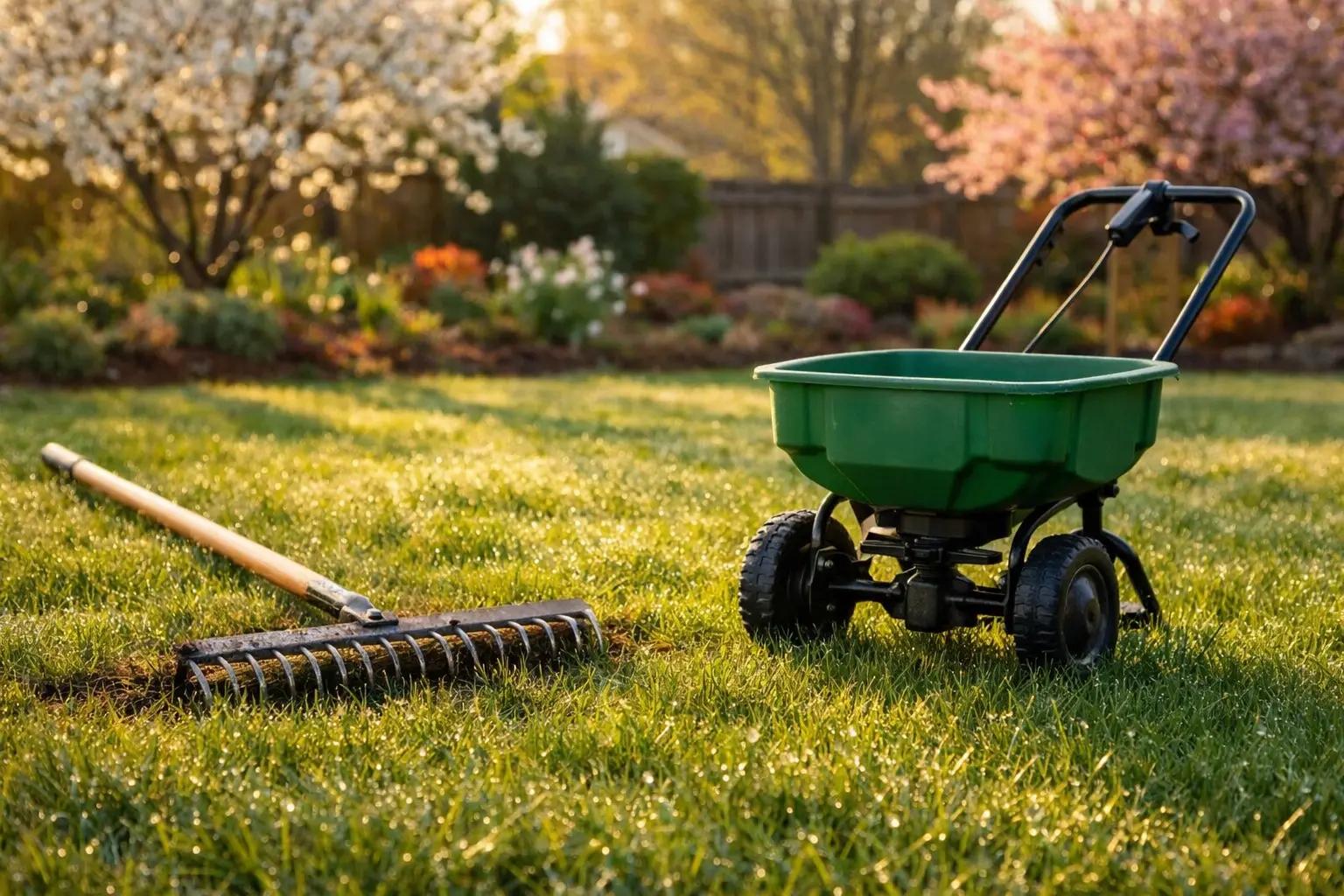
Spring Lawn Care Checklist
What you do to your lawn in the first six weeks of spring determines its health for the entire growing season. Follow this sequence to fix winter damage, encourage deep roots, and crowd out weeds before they establish.
 Easy1h 15m
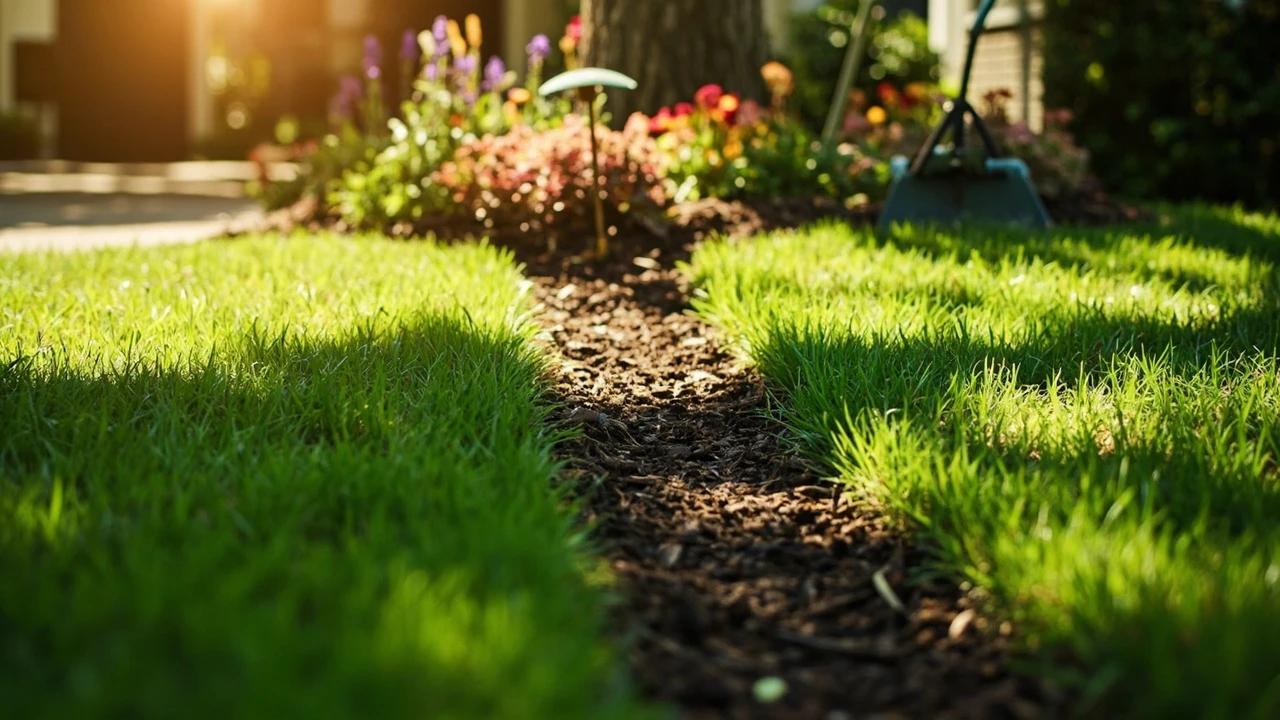
How to Edge Garden Beds Cleanly
Crisp bed edges are the single fastest way to make a yard look professionally maintained — yet most homeowners never re-cut them after the original landscaping. A clean spade-cut trench takes about an hour per 50 linear feet, costs nothing beyond a sharp edger, and instantly separates turf from mulch so grass stops creeping into your plantings. This guide walks you through marking a smooth line, cutting a defined trench, removing sod, and maintaining the edge all season.
 Medium3 hrs
How to Build a Simple Garden Trellis
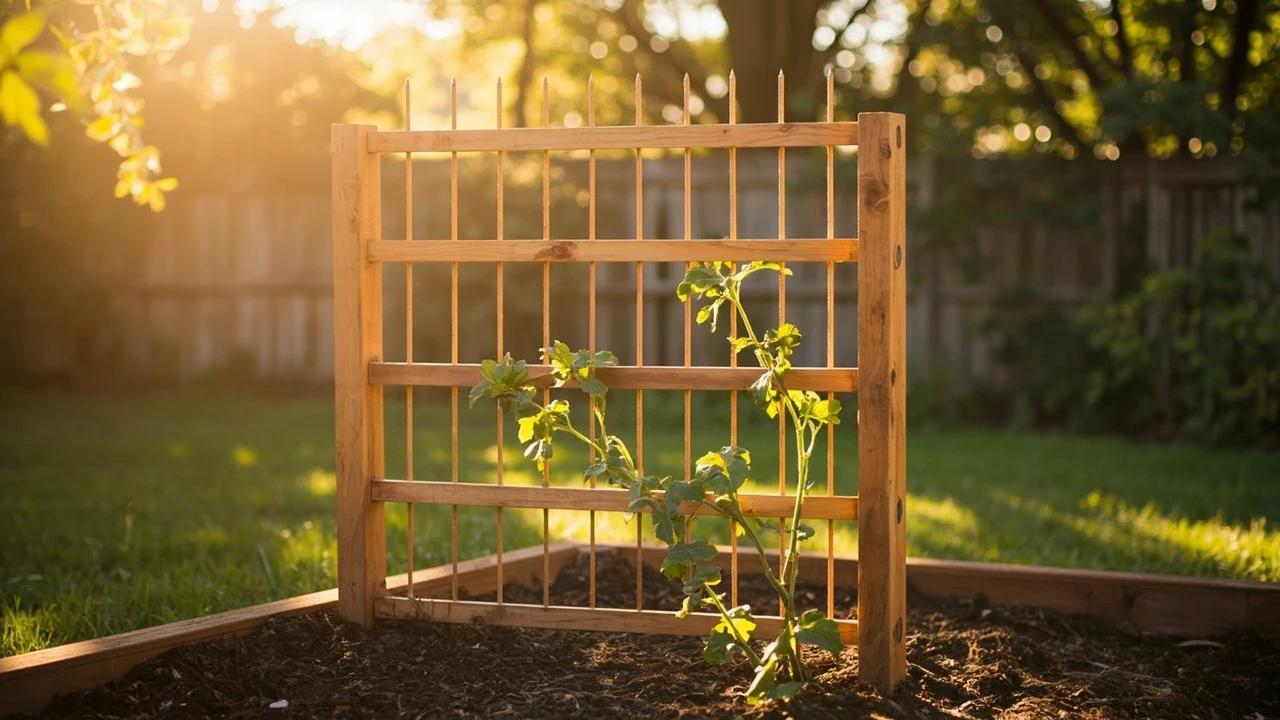
A sturdy 6-foot cedar trellis turns a flat patch of soil into a vertical garden — doubling your growing space, improving airflow around climbers like peas, beans, and cucumbers, and giving roses, clematis, and morning glories a structure that lasts 10+ years. This guide walks you through a freestanding 4-foot-wide grid trellis built with two 4x4 posts and a 1x2 lattice for $40-90 in materials and an afternoon of work, no advanced carpentry required.
 Medium2 hrs
How to Transplant a Shrub Without Killing It
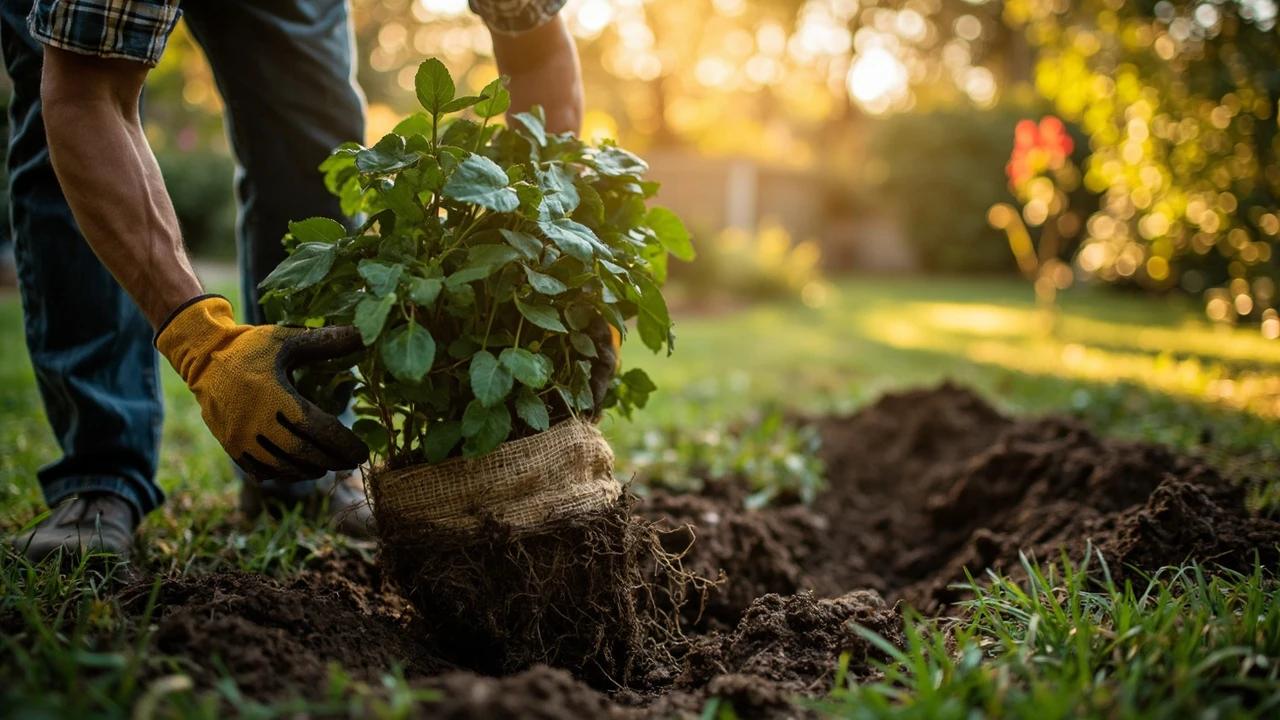
Moving an established shrub to a new spot saves you the $30-150 cost of buying a replacement — but only if the plant survives the move. The secret is timing (early spring or fall), keeping the root ball intact, and consistent watering for the first month. This guide covers the full process for shrubs up to 4 feet tall, from prep through aftercare.
 Medium2 hrs
How to Build a Raised Garden Bed for Under $100
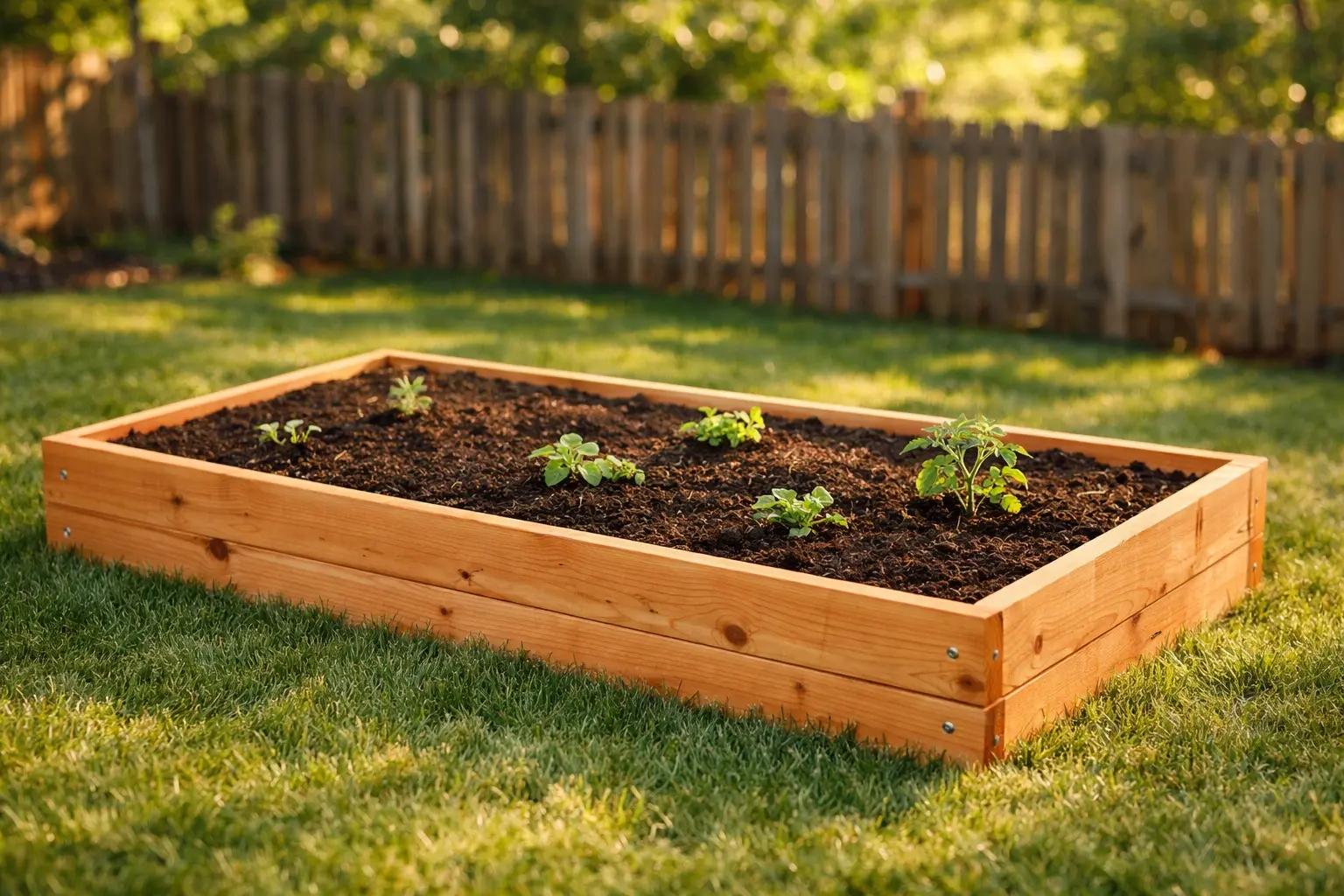
A raised garden bed gives you complete control over soil quality, drainage, and pest management — and it can double your yield compared to in-ground planting. This guide walks you through building a sturdy 4x8-foot cedar bed for under $100 in materials and about two hours of work, no advanced carpentry skills needed.
 Easy1 hr
How to Grow Herbs in a Window Box
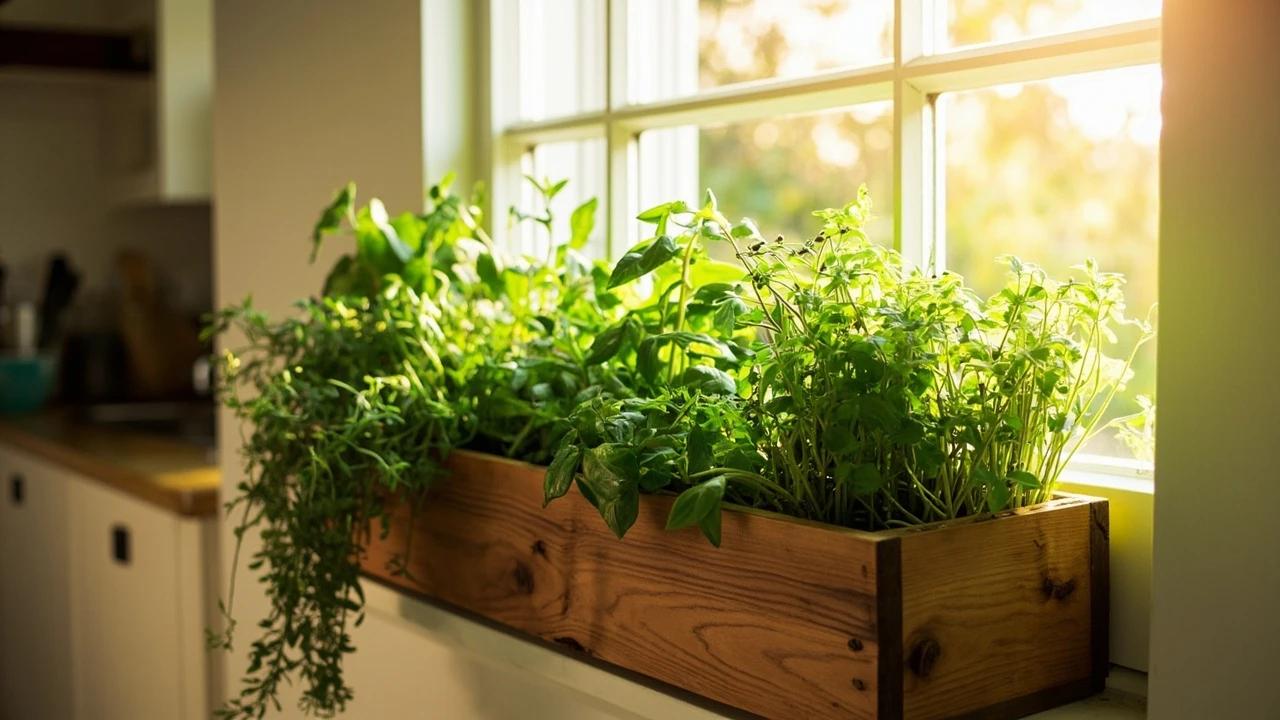
A 30-inch window box on a sunny windowsill produces enough basil, parsley, thyme, and chives to keep a household supplied all summer — for under $80 in materials and about an hour of setup. This guide covers everything from picking the right window and box, to mounting it safely, choosing herbs that thrive together, and the harvesting technique that doubles a basil plant's output.
 Easy1 hr
How to Control Grubs and Lawn Pests
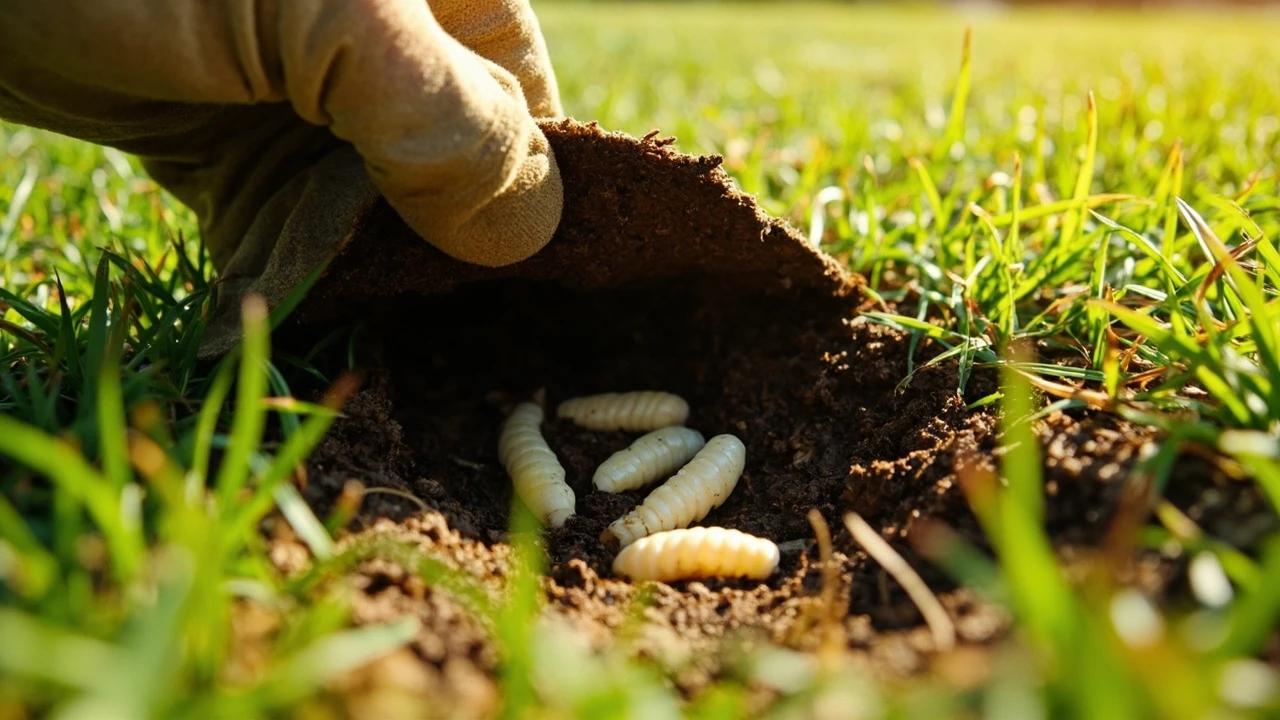
White grubs — the C-shaped larvae of Japanese beetles, June bugs, and chafers — are the number one underground lawn pest in North America, and a heavy infestation can destroy an entire lawn in a single season by severing grass roots just below the surface. The good news is that a single well-timed application of preventive grub control in late spring or early summer eliminates 75-100% of grubs before they cause damage, and the whole job takes under an hour with a broadcast spreader. This guide covers confirming you actually have a grub problem, choosing between preventive and curative treatments, applying the product correctly, and maintaining a grub-resistant lawn year after year.
 Medium3 hrs
How to Level a Bumpy Lawn
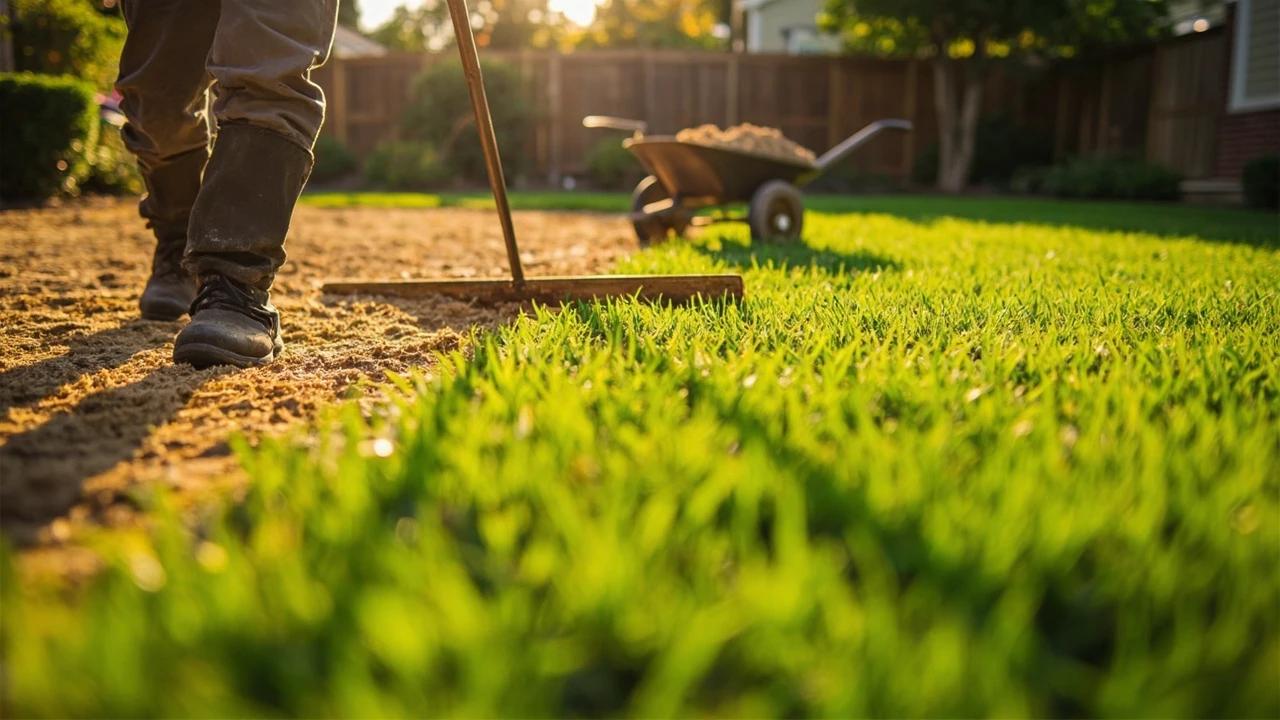
A bumpy lawn is not just ugly — it scalps high spots when you mow, pools water in low spots that breed mosquitoes, and turns every backyard game into an ankle-rolling hazard. The fix is topdressing: spreading a thin sand-soil-compost mix over the surface and letting the grass grow through it. It costs $50-100 in materials for an average yard, takes a weekend afternoon, and produces a noticeably smoother lawn within 3-4 weeks.
 Medium2 hrs
How to Get Rid of Carpenter Ants Without an Exterminator
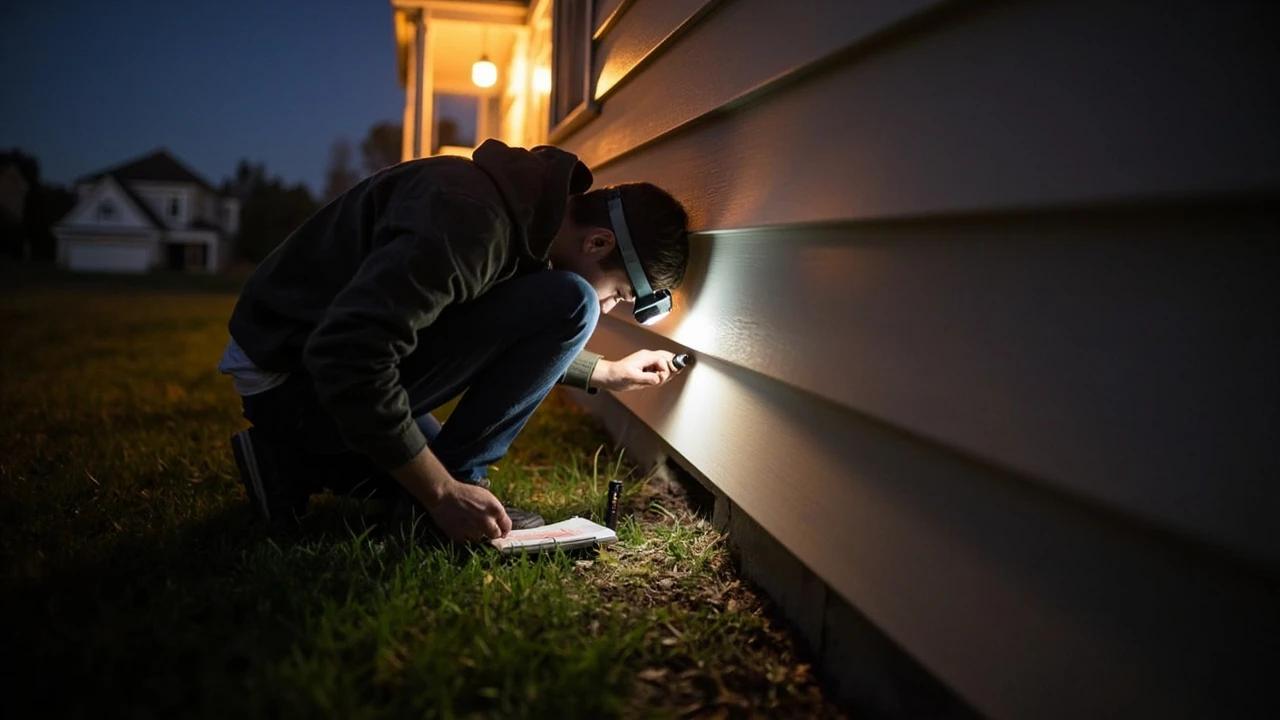
Big black ants in the kitchen at midnight usually mean a carpenter ant colony is excavating damp wood somewhere in your house — and the instinctive response, spraying them, is exactly what makes an infestation permanent. This guide covers the method extension entomologists actually recommend: track the nest at night, feed the colony slow-acting bait, and fix the moisture that invited them, for $20-40 instead of a $300-600 pest contract.
 Easy3 hrs
How to Winterize Your Garden
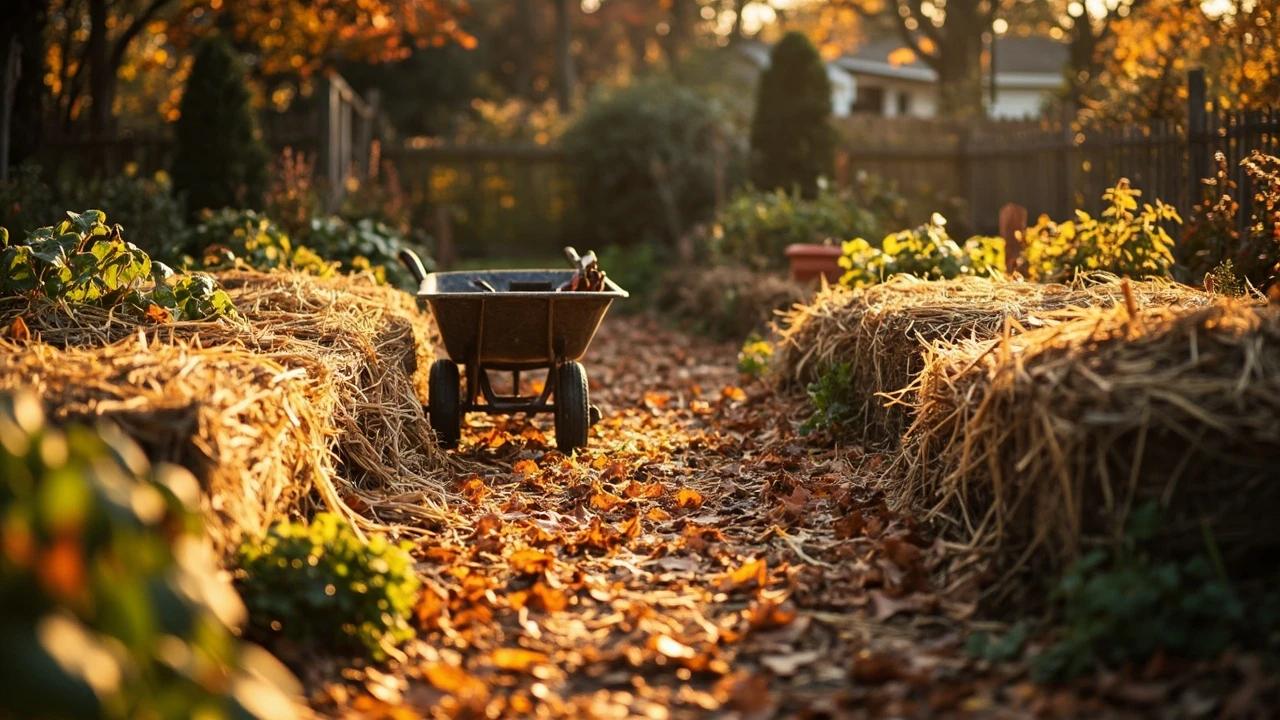
A few hours of fall garden prep is the difference between a thriving spring and a cleanup nightmare in March — proper winterization prevents frost heave, protects perennials from -20°F lows, kills overwintering pests, and adds 2-3 weeks of free growing time next season. This guide covers the eight tasks every gardener should knock out 4-6 weeks before the first hard frost: cleanup, weeding, perennial cutback, bulb storage, soil amending, mulching, deep watering, and irrigation drain-down.
 Medium30 min
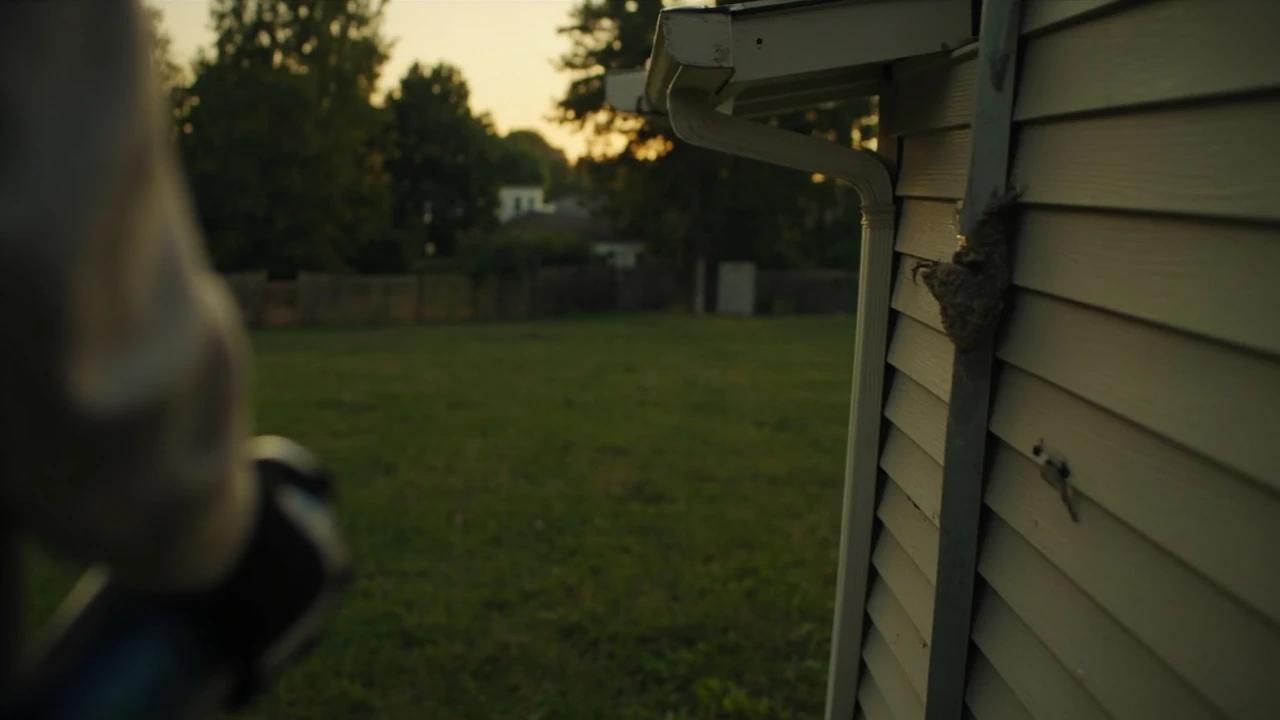
How to Safely Remove a Wasp or Hornet Nest
A small paper wasp nest under the eave is a legitimate $10 DIY job — if you identify the insect correctly, treat at dusk, and keep 20 feet between you and the nest. The same can of spray pointed at the wrong nest (yellowjackets in the ground, bald-faced hornets in a tree, anything inside a wall) earns you dozens of stings and a colony chewing into your living room. This guide teaches the identification that decides DIY versus pro, the dusk-treatment method that works, and the one mistake — sealing an active wall nest — that turns a $400 pro visit into drywall repair.
 Easy2h 30m
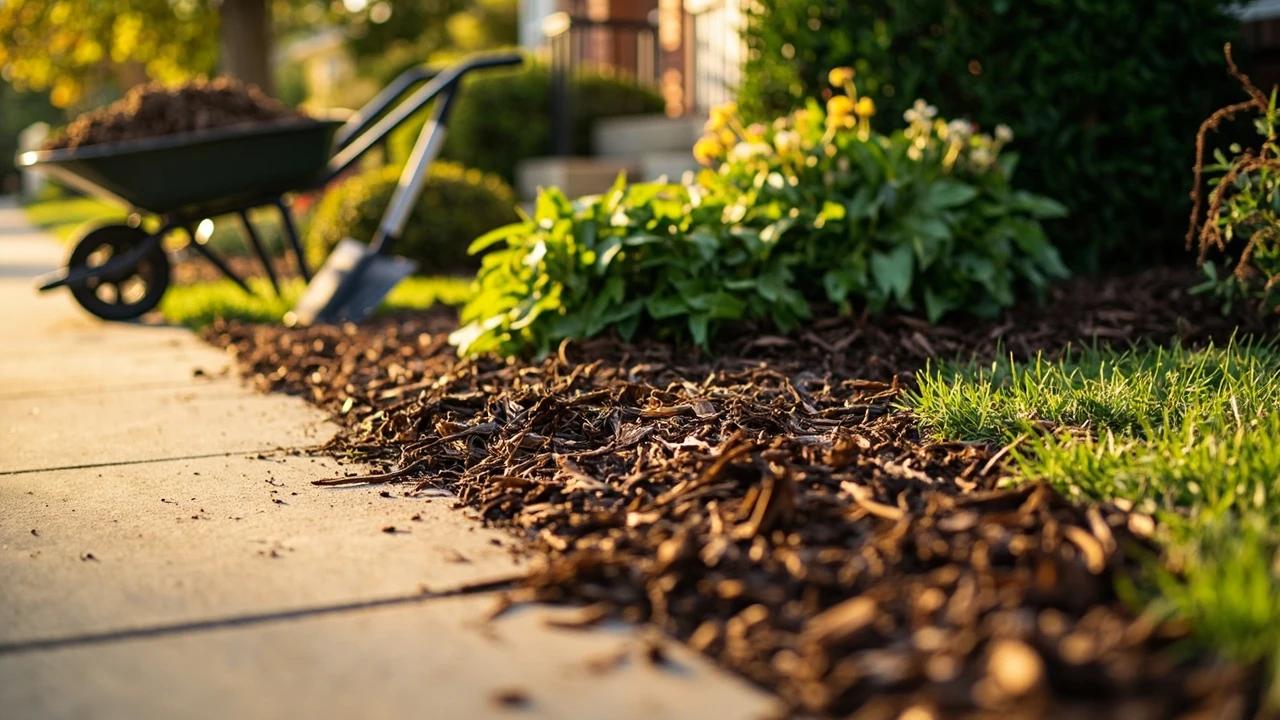
How to Mulch Flower Beds Properly
A 2-3 inch layer of mulch suppresses weeds, holds moisture in the soil through summer heat, and gives a bed that clean, finished look that makes the whole yard pop — but most homeowners do it wrong, piling mulch into volcanoes around tree trunks or laying it so thick it smothers roots. Done right, a weekend of mulching costs $50-150 for an average front yard, lasts 8-12 months, and cuts garden watering in half.
 Medium3 hrs
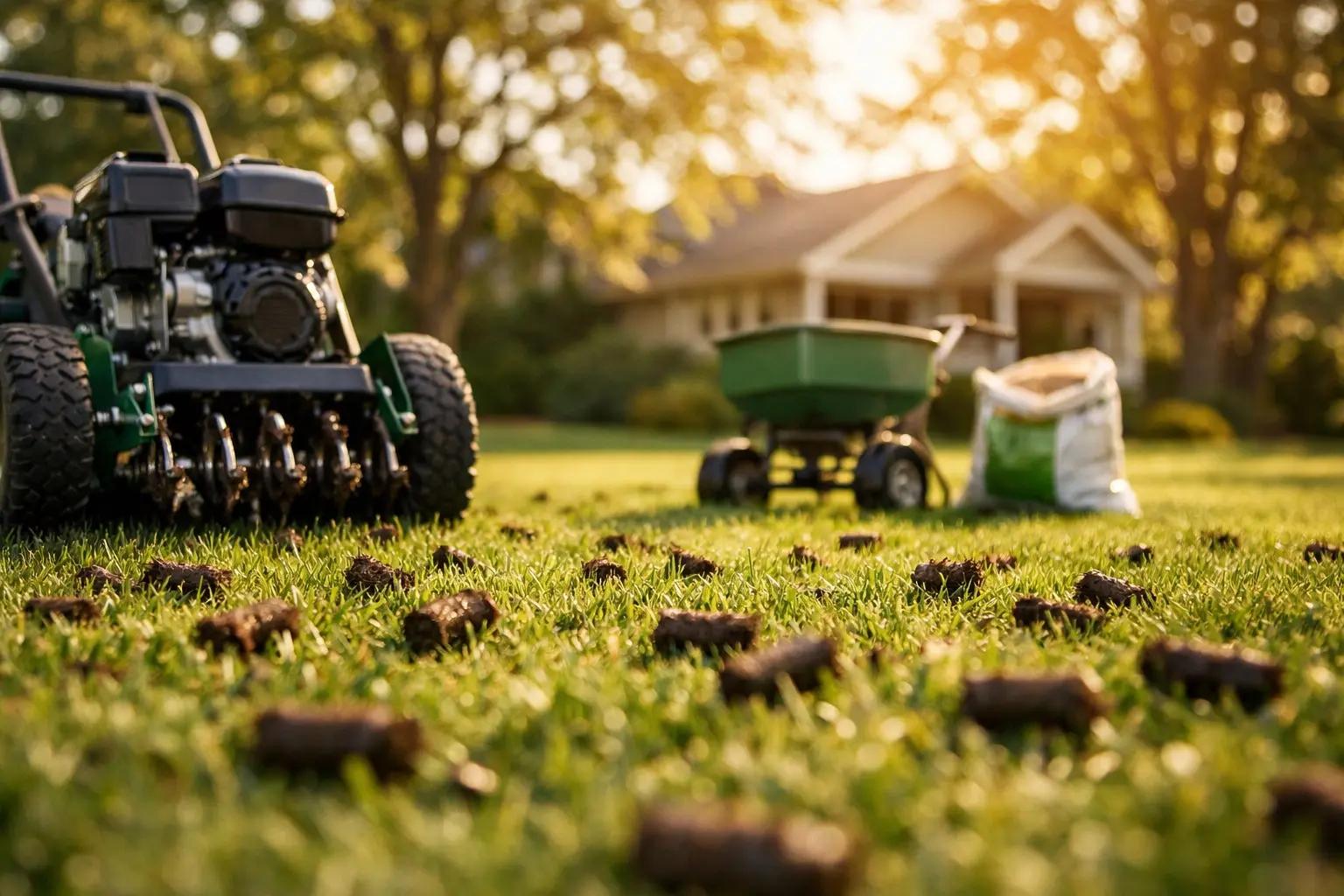
How to Aerate and Overseed a Lawn
Compacted soil starves grass roots of air and water, turning a thick lawn thin and patchy over a single season — and professional aeration-plus-overseeding runs $200-400 for an average yard. Renting a core aerator for about $75 and doing it yourself takes a half-day of walking behind a machine, followed by spreading seed into the fresh holes where it gets perfect soil contact. This guide covers timing for cool- and warm-season grasses, proper aerator technique, seed selection, and the critical watering schedule that makes or breaks germination.
 Medium2 hrs
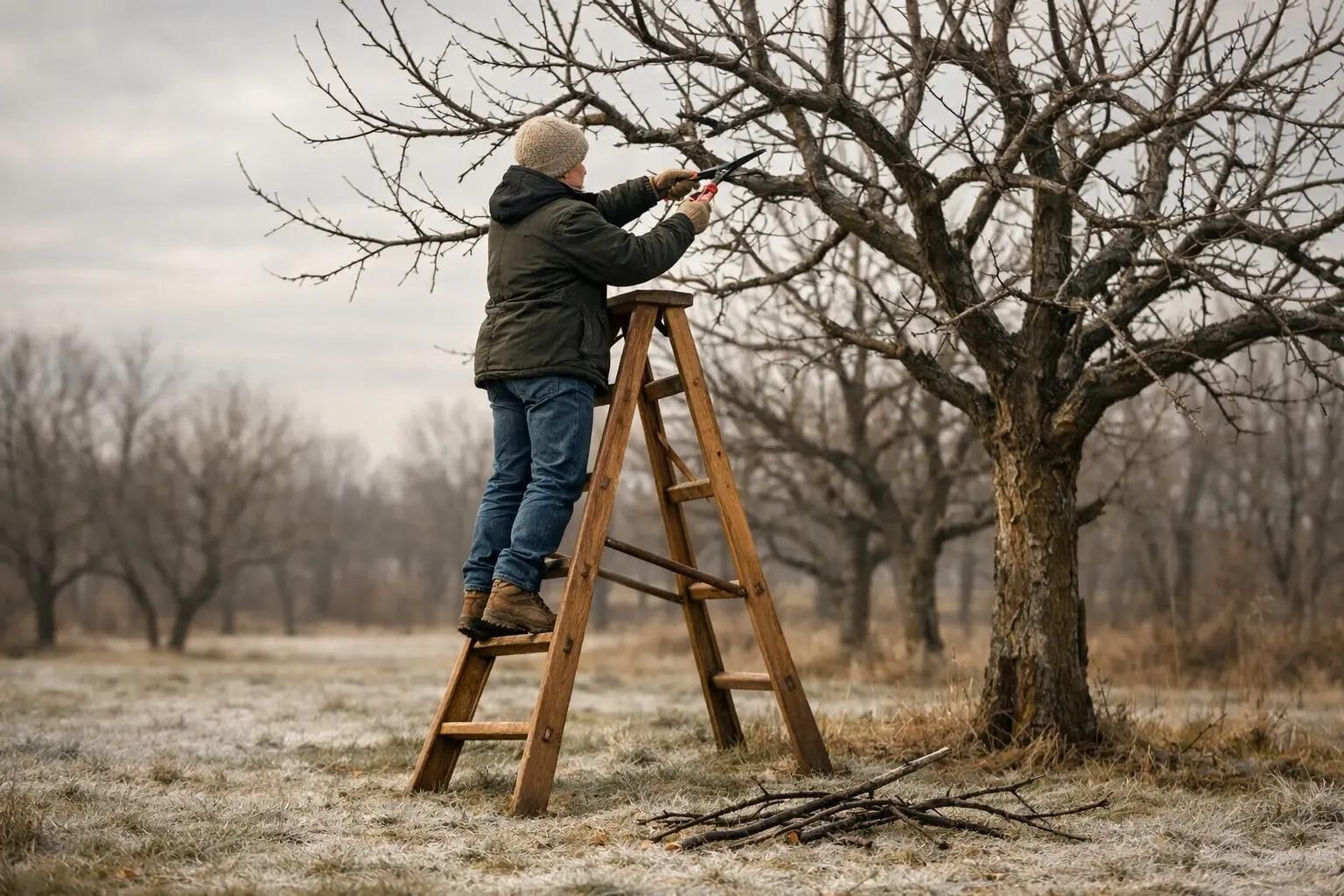
How to Prune Fruit Trees
Regular pruning is the most important annual task for fruit tree health and productivity. Properly pruned trees produce larger, higher-quality fruit, resist disease better, and live significantly longer than unpruned trees.
 Medium4 hrs
How to Plant a Privacy Hedge (Best Species + Spacing)
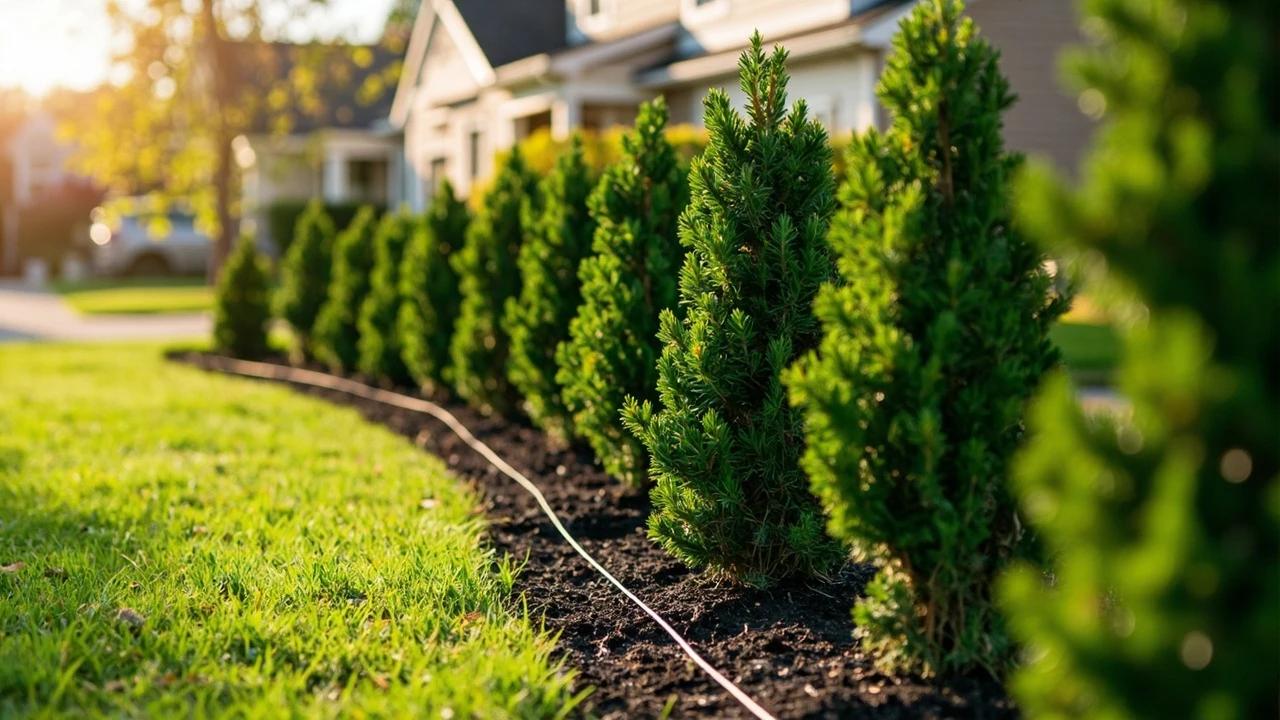
A well-planted privacy hedge blocks sight lines, dampens road noise, and adds property value for a fraction of the cost of a fence — expect to spend $15-40 per plant versus $30-60 per linear foot for fencing. But hedges planted too close together, too deep, or in the wrong season end up thin, sickly, or dead within two years. This guide walks you through choosing the right species for your climate, spacing plants for dense coverage, preparing the soil, and watering through establishment so you end up with a lush green wall that fills in by year three.
 Easy2 hrs
How to Build a Drip Irrigation System
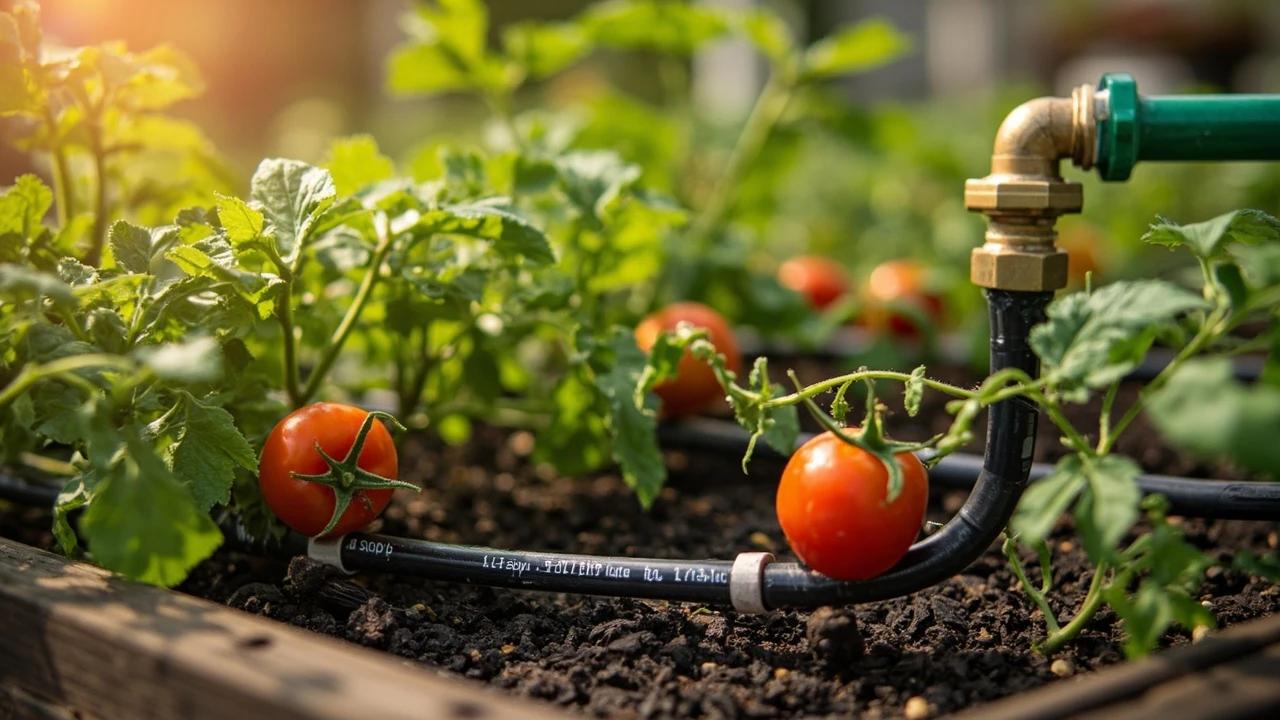
A drip irrigation system delivers water directly to the root zone of each plant, cutting water use by up to 50% compared to overhead sprinklers while eliminating the evaporation, runoff, and fungal leaf problems that come with them. A basic system for a 200-400 sq ft garden costs $40-80 in parts, installs in an afternoon with no special tools, and runs entirely off an outdoor spigot — no plumbing or electrical work required.