How to Tile a Floor
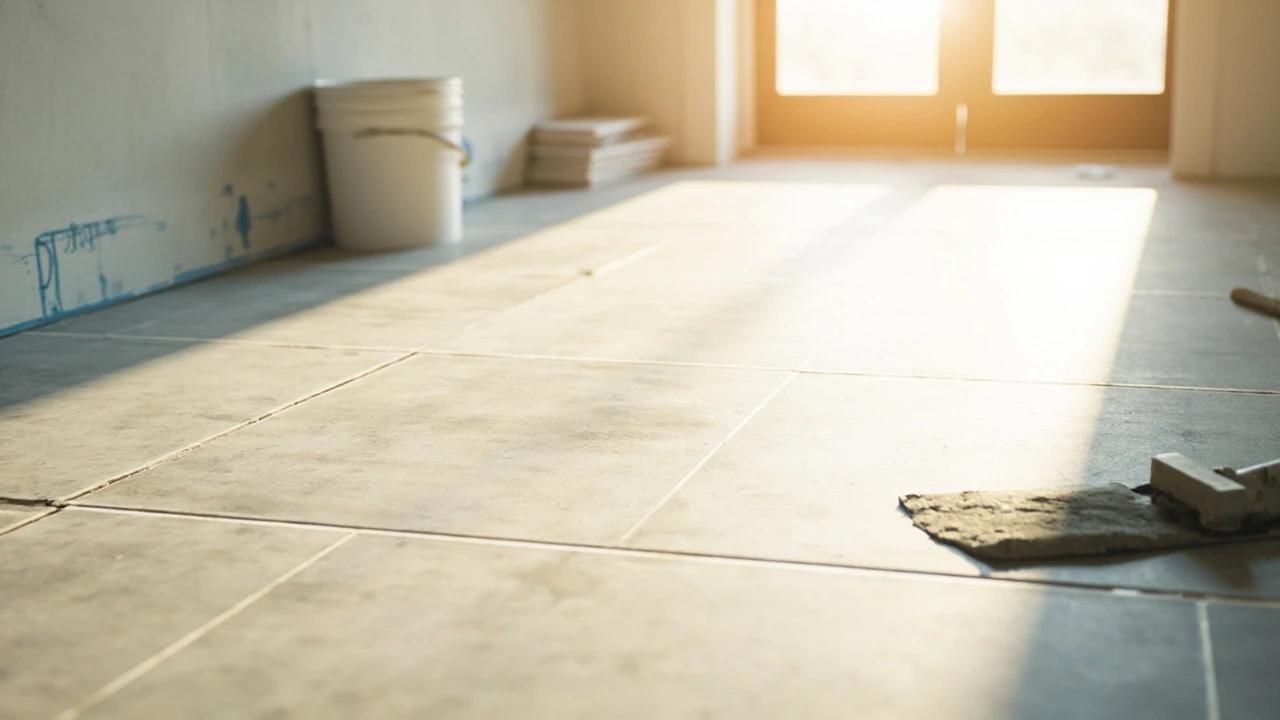

A tile floor outlasts every other surface you can put down — but it's the least forgiving to install, because tile only stays put if the base under it is stiff, flat, and properly prepped. This guide walks the whole job the way a pro sequences it: checking the subfloor, laying cement backer board or an uncoupling membrane, snapping center lines for balanced cuts, combing thinset for full coverage, controlling lippage, cutting, and finally grouting, caulking, and sealing. Plan on $3 to $10 per square foot in materials and a multi-day project around the mortar and grout cure windows.
What You'll Need
🛠 Tools
📦 Materials
Safety First
- •Cutting tile releases crystalline silica dust, which permanently scars your lungs. Cut wet whenever possible and wear an N95 or P100 respirator — never dry-cut tile indoors without dust control.
- •Thinset and grout are caustic (high pH); they crack and dry out skin. Wear gloves and rinse splashes off promptly.
- •In homes built before 1981, old sheet vinyl, floor tile, or its black adhesive may contain asbestos. Have it tested before removing it — do not sand, grind, or break it up.
Step-by-Step Instructions
Check and Flatten the Subfloor
Tile is rigid, so its base has to be rigid too. Walk the floor and feel for any bounce or flex — tile needs structural deflection no worse than L/360, and a springy floor will crack grout within a season. Then lay a straightedge across the floor in several directions: it must be flat to within 1/8 inch over 10 feet. Grind or sand down high spots and fill low spots with a floor patch or self-leveler. The surface also has to be clean, dry, and free of paint, adhesive, or wax that would break the mortar bond.
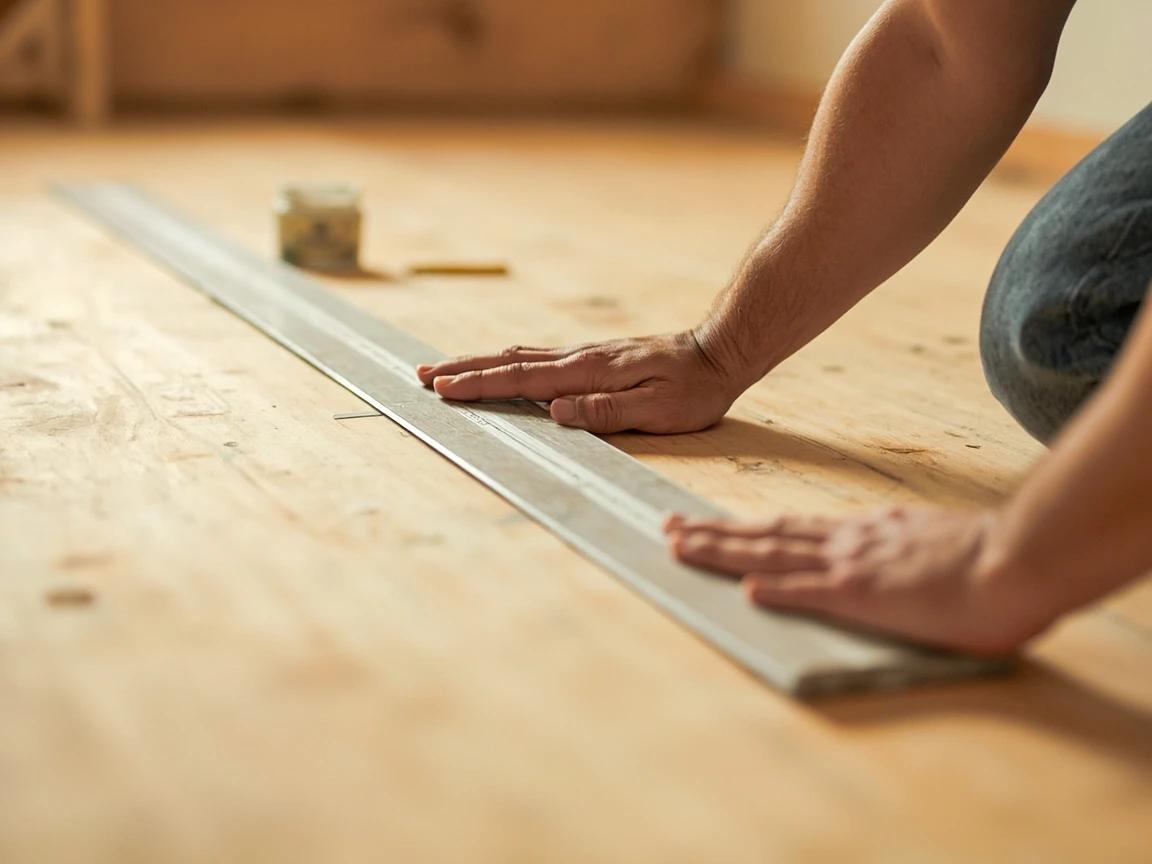
Don't skip the flex test. The single most common cause of cracked floor tile and grout is a subfloor that moves — no thinset, membrane, or grout additive can compensate for a floor that flexes.
Install Backer Board or an Uncoupling Membrane
You cannot reliably tile over a bare wood subfloor — it needs a dimensionally stable layer first. Option one: cement backer board. Comb a thinset bed onto the subfloor with a 1/4-inch trowel, lay 1/4-inch or 1/2-inch backer board into it, screw it down every 8 inches with backer-board screws, then tape the seams with alkali-resistant mesh and skim them with thinset. Stagger the board seams so they never line up with the subfloor seams, and leave a 1/8-inch gap between boards. Option two: an uncoupling membrane, which embeds in thinset with no screws, adds crack isolation, and waterproofs the floor in one step.
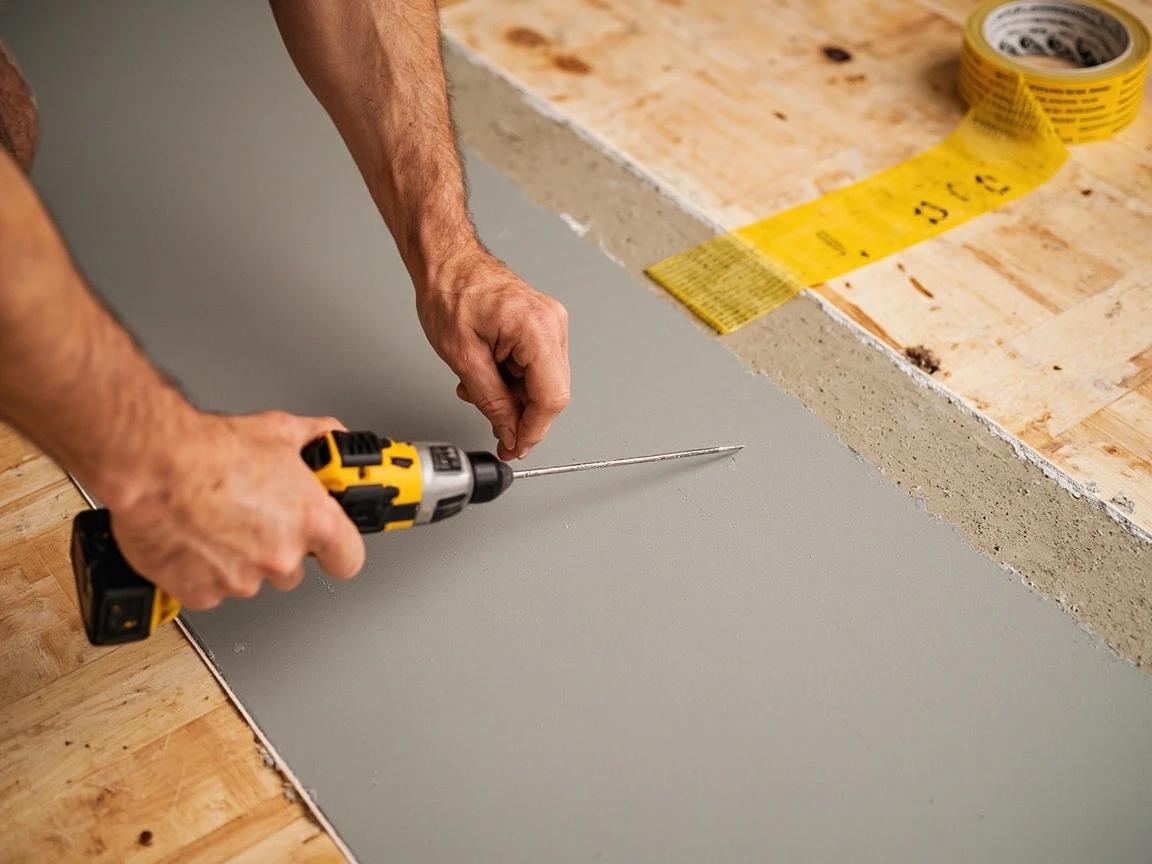
An uncoupling membrane costs more than backer board but is thinner (a help at doorways and transitions), faster to install with no screws, and gives you crack isolation and waterproofing in one layer — a strong choice for bathrooms.
Snap Center Lines and Dry-Lay for Balanced Cuts
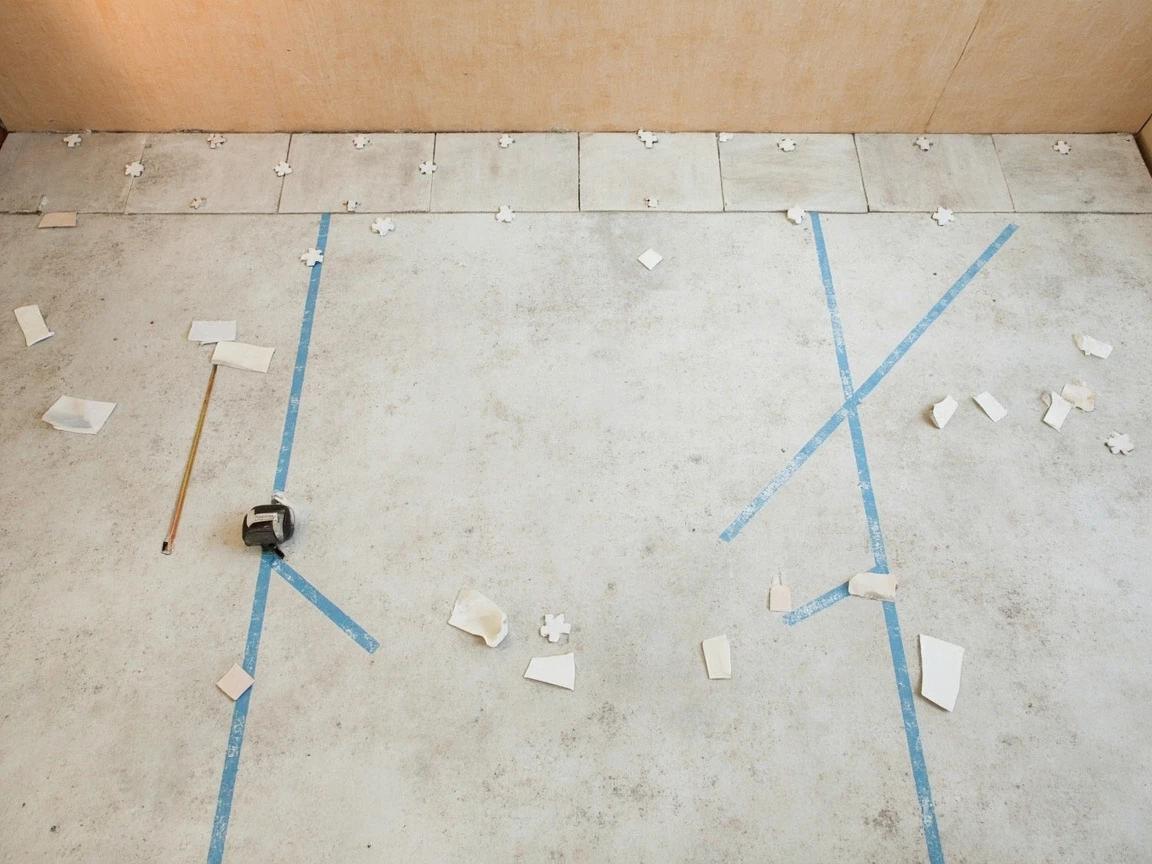
Measure to find the center of the room and snap two perpendicular chalk lines that cross there. Dry-lay a row of tiles with spacers along each line out to the walls and look at the cut tiles you'd end up with at the perimeter. If a wall would land on a sliver narrower than about 2 inches, shift the whole layout half a tile so both opposite walls get a wider, balanced cut. This is the same balance-the-cuts planning that makes a tile backsplash look professional — get it right before any mortar goes down.
Mix the Thinset to a Peanut-Butter Consistency
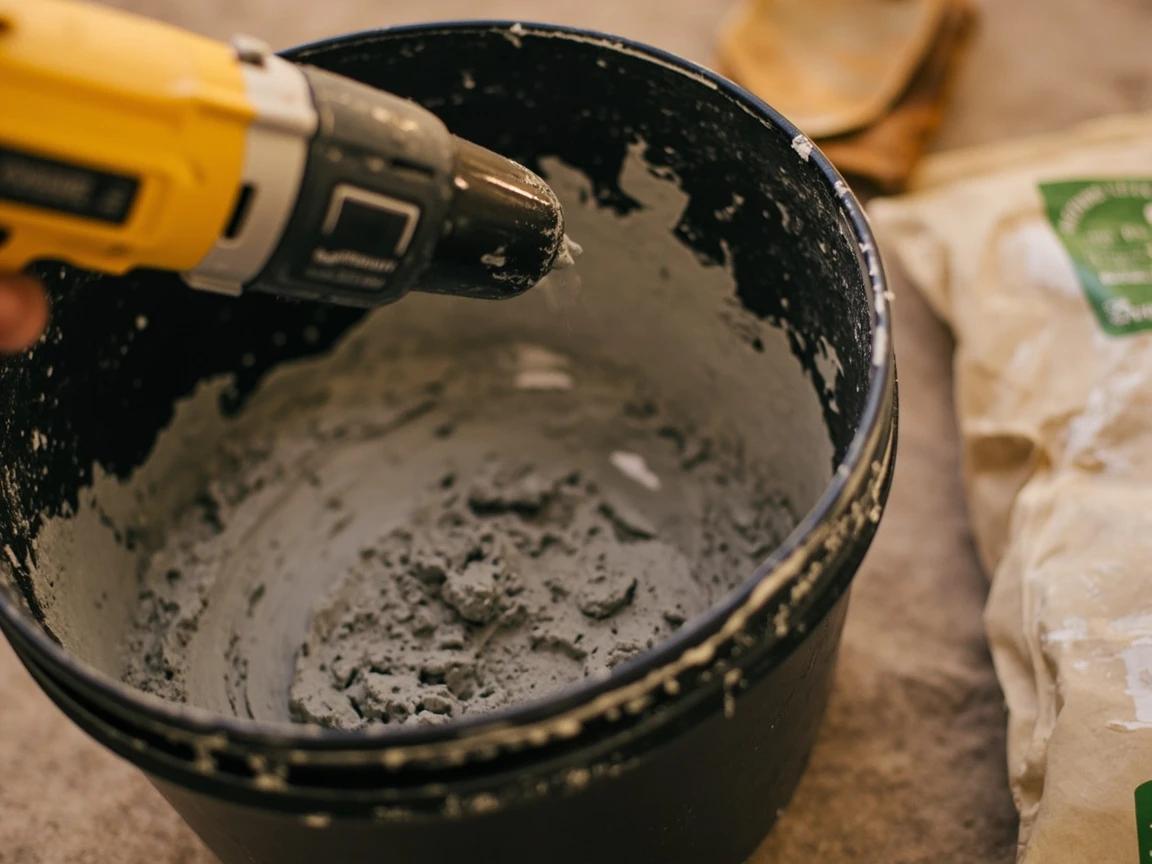
Add the thinset powder to water (not the other way around) and blend with a paddle on a drill until it's the consistency of stiff peanut butter — it should hold a ridge without slumping. Let it slake (rest) for 5 to 10 minutes so the polymers activate, then remix briefly. Use a modified thinset for most porcelain and ceramic over backer board, but check your tile and membrane instructions — some uncoupling membranes require unmodified thinset to cure properly. Only mix as much as you can use in about 30 minutes.
Comb the Thinset and Set the First Tiles
Spread thinset over a few square feet with the flat side of the trowel, then comb it into even ridges with the notched edge held at a 45-degree angle, all combed in one direction. Set the first tiles along your center lines, pressing each one down with a slight back-and-forth twist across the ridges to collapse them and seat the tile. Drop spacers in as you go to keep the joints even. Every few tiles, lift one and check the back — you want at least 80 percent mortar coverage (95 percent for large-format), and you should back-butter big tiles to get there.
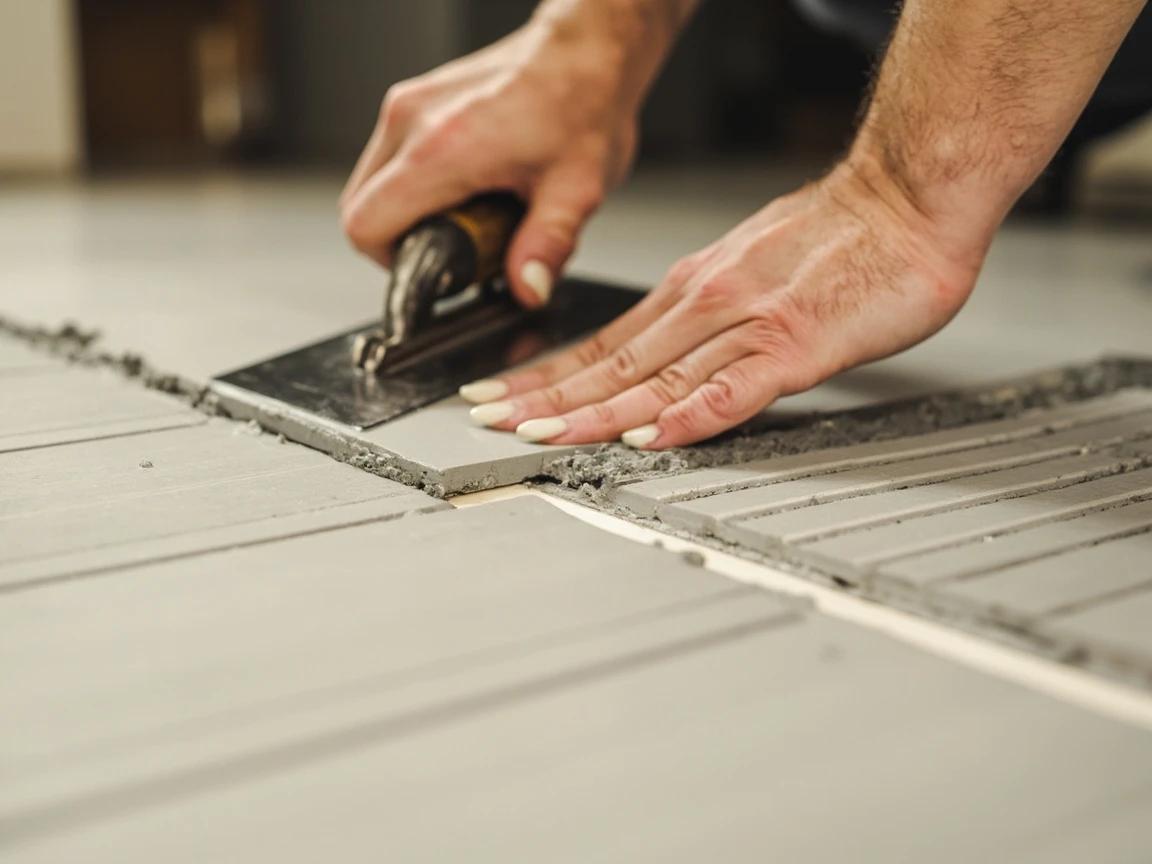
Spread only as much thinset as you can tile before it skins over — usually a few square feet at a time. If a skin forms (it looks dull and stringy instead of wet), scrape it off and re-comb fresh mortar.
Keep It Flat — Control Lippage as You Go
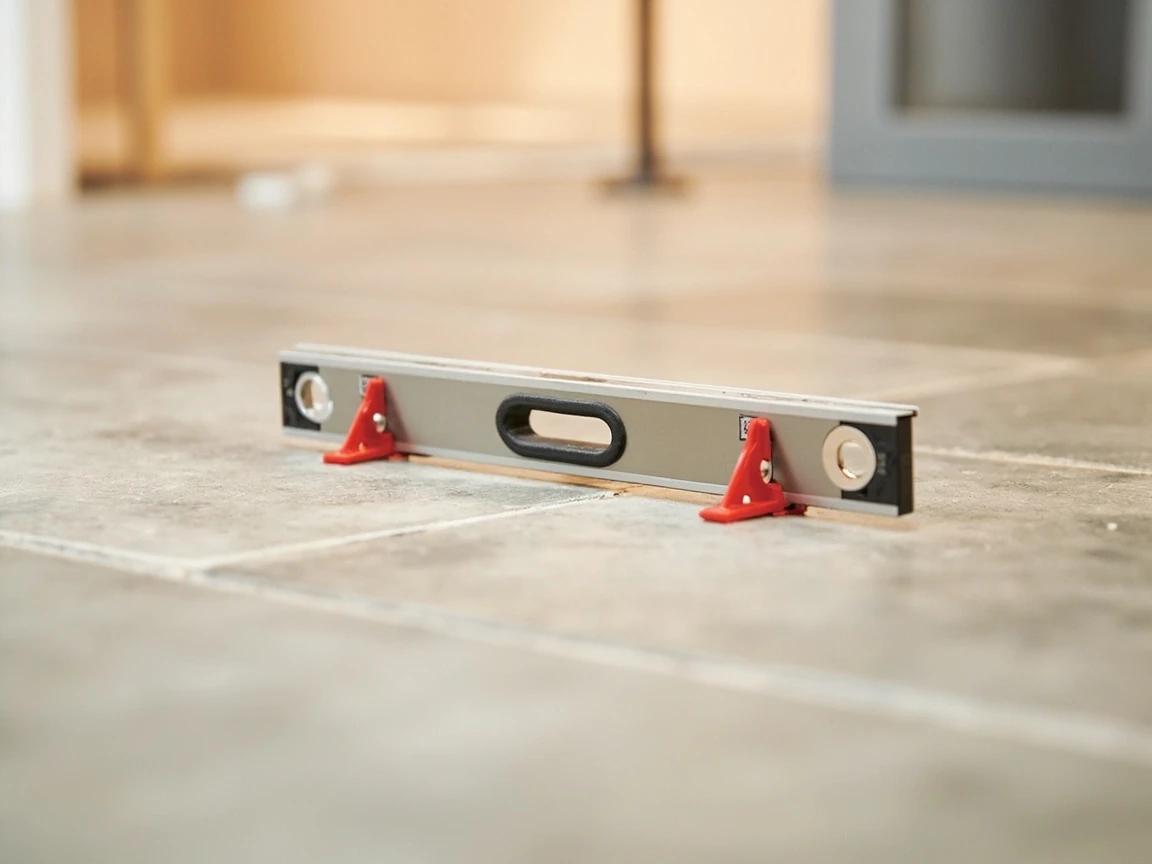
Work outward from the center in small sections, kneeling on a board (never directly on set tiles). Lay a level or straightedge across every few tiles to confirm no edge sits proud of its neighbor — that height difference is called lippage, and it shows badly on a floor and catches toes. For large-format tile, snap a clip-and-wedge leveling system onto the joints and tighten until the tiles pull flush — snug, not crushed. Lippage is fixed with flat substrate and full mortar coverage, not by jamming spacers.
Cut Tiles for the Perimeter and Obstacles
Measure each perimeter tile individually — walls are rarely square — and subtract the width of a grout joint. Straight cuts go fast on a manual snap cutter; use a wet saw for diagonals, L-cuts around a toilet flange, and any large or dense porcelain tile, and tile nippers for small curves around pipes. Cut wet and wear a respirator: dry-cutting tile throws crystalline-silica dust that permanently damages your lungs. Set the cut pieces with the same coverage and spacing as the field tiles.

Never dry-cut tile indoors without dust control. The silica dust from a dry grinder or saw is invisible, lingers in the air, and is a known cause of silicosis and lung cancer.
Let It Cure, Then Grout
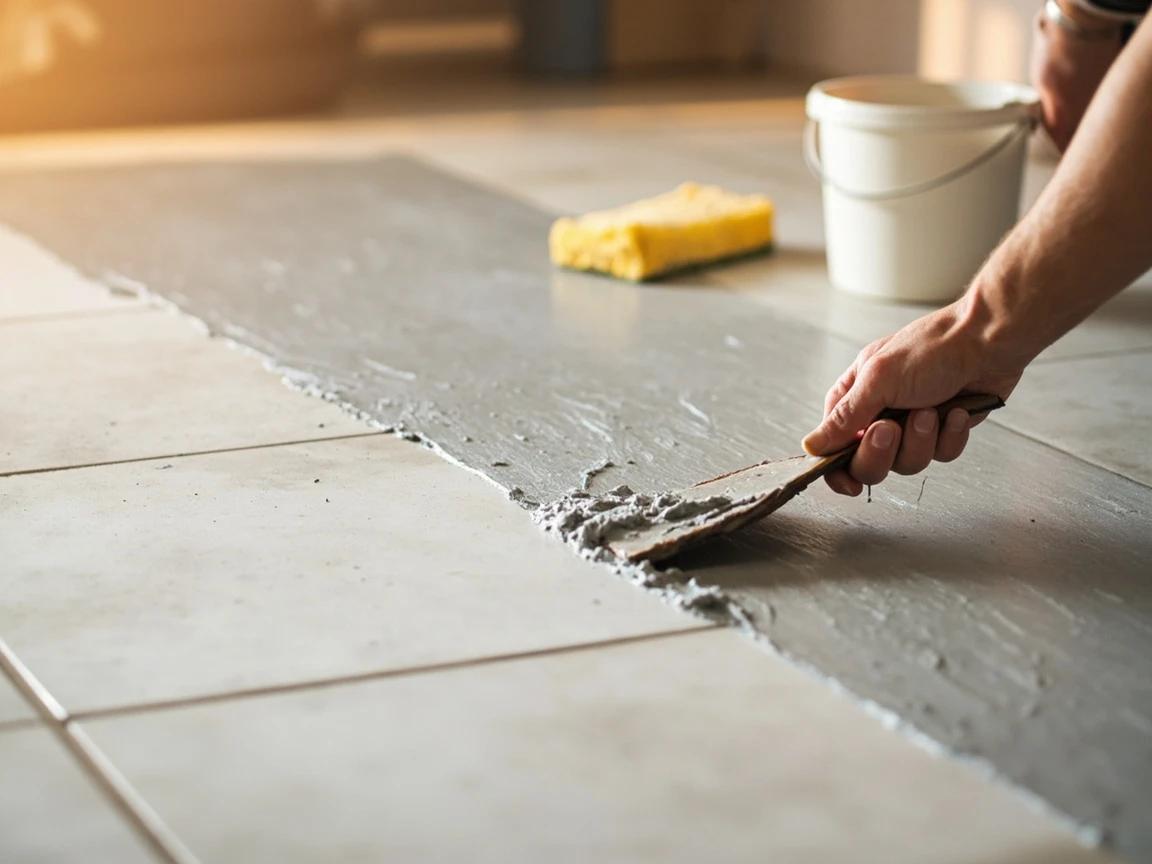
Wait a full 24 hours before walking on the floor or grouting — the thinset has to cure or you'll shift tiles and pull lippage. Pull the spacers, then mix grout (sanded for the typical 1/8-to-1/2-inch floor joint). Pack it deep into the joints with a rubber float held at a 45-degree angle, working diagonally across the tiles so the float doesn't dig grout back out. Wait 15 to 20 minutes, then wipe the haze off the tile faces with a damp — not soaking — sponge, rinsing it often. Do not grout the perimeter or any inside corner; those joints flex and need flexible caulk instead.
Caulk the Edges, Then Seal the Grout
Fill the perimeter joints — where the floor meets the wall — and any inside corners with 100 percent silicone caulk in a color matched to the grout. These movement joints flex as the house and floor expand, and rigid grout there will crack out within weeks; the same flexible-bead technique used to re-caulk a bathtub or shower surround applies here. After the grout has fully cured (about 72 hours), brush or roll on a penetrating grout sealer, and seal the tile too if it's natural stone. Finish doorways with a threshold or transition strip.
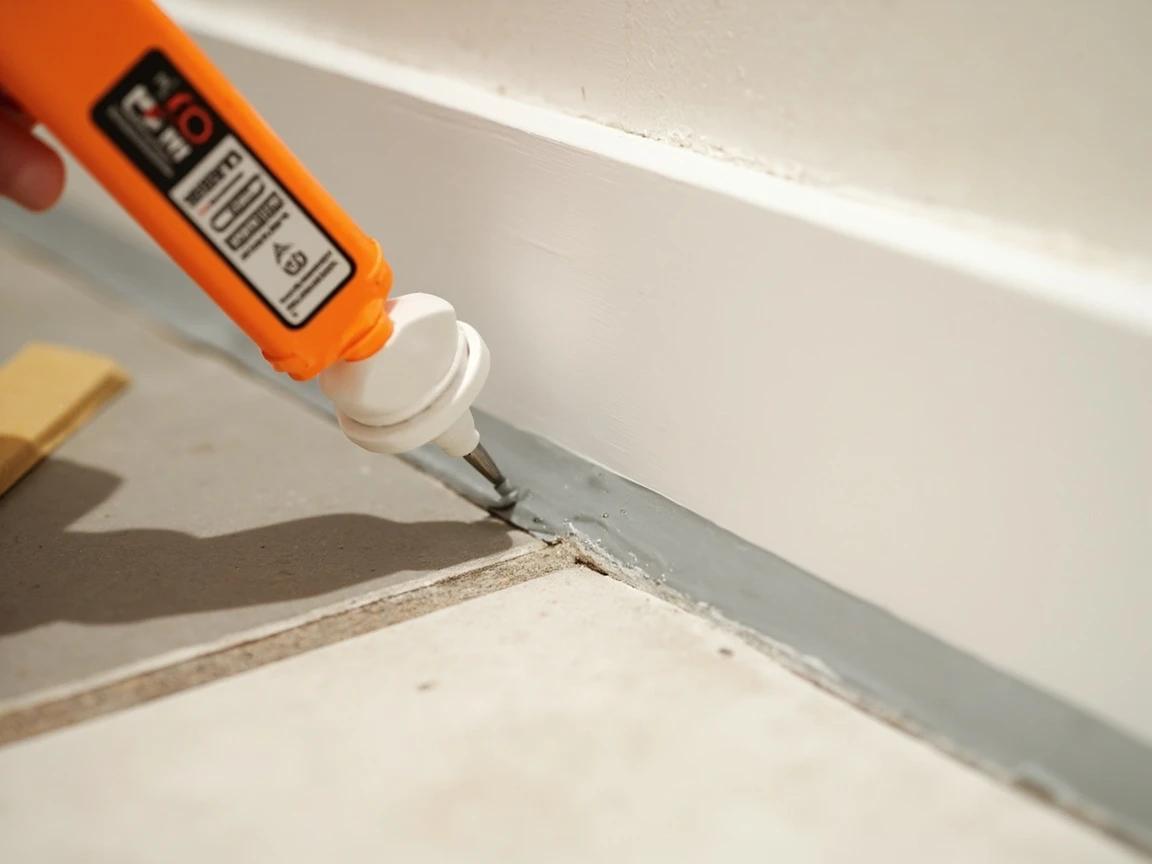
Match the silicone to your grout color and most people will never notice the perimeter is caulked, not grouted — but you'll avoid the hairline cracks that always show up where rigid grout meets a wall.
Frequently Asked Questions
Can I tile directly over plywood, or do I need backer board?
+
Not directly over plywood or OSB — bare wood swells and shrinks with humidity and will crack your grout and pop tiles loose. Over a structurally sound wood subfloor, set cement backer board in a thinset bed (screwed down and seam-taped) or embed an uncoupling membrane; both give tile a stable, crack-resistant base. A clean, cured, crack-free concrete slab can be tiled directly.
What size notched trowel should I use for floor tile?
+
Match the notch to the tile. A 1/4-by-3/8-inch square-notch suits standard 12-to-18-inch tile; jump to a 1/2-inch notch for large-format tile. The real target is mortar coverage — at least 80 percent for a dry interior floor and 95 percent for large-format or wet areas. Pull a tile up early to check, and back-butter big tiles to hit it.
Sanded or unsanded grout for a tile floor?
+
Sanded grout for floor joints from 1/8 inch to 1/2 inch — the sand resists cracking and stands up to foot traffic. Use unsanded only for joints under 1/8 inch or with soft, scratch-prone tile like polished marble. Either way, let it cure about 72 hours, then seal it, and reseal every year or two in wet or high-traffic rooms. When grout eventually cracks or stains, see how to regrout bathroom tile.
Do I really need a wet saw?
+
For straight perimeter cuts, a manual snap cutter is faster, cheaper, and dust-free. But L-cuts around a toilet flange, diagonal cuts, and any large-format or dense porcelain tile call for a wet saw — worth renting for a day. Cutting wet also keeps the crystalline-silica dust down; dry-cutting tile indoors requires a respirator and dust control.
Is tiling a floor too hard for a DIYer — should I just do vinyl plank?
+
Tile is the most demanding floor to lay yourself: unforgiving cure windows, lippage control, mortar mixing, and saw work. If you want a far easier weekend floor, a floating luxury vinyl plank or laminate floor clicks together with no mortar or grout. Tile earns its extra effort in bathrooms, mudrooms, and entryways, where its water resistance and durability are hard to beat.
Sources & further reading
- The Ultimate Guide to Underlayment for Tile — Ceramic Tile Education Foundation
- Grout (FAQ) — Tile Council of North America
- Crystalline Silica — Construction — OSHA
More Carpentry Guides
View all →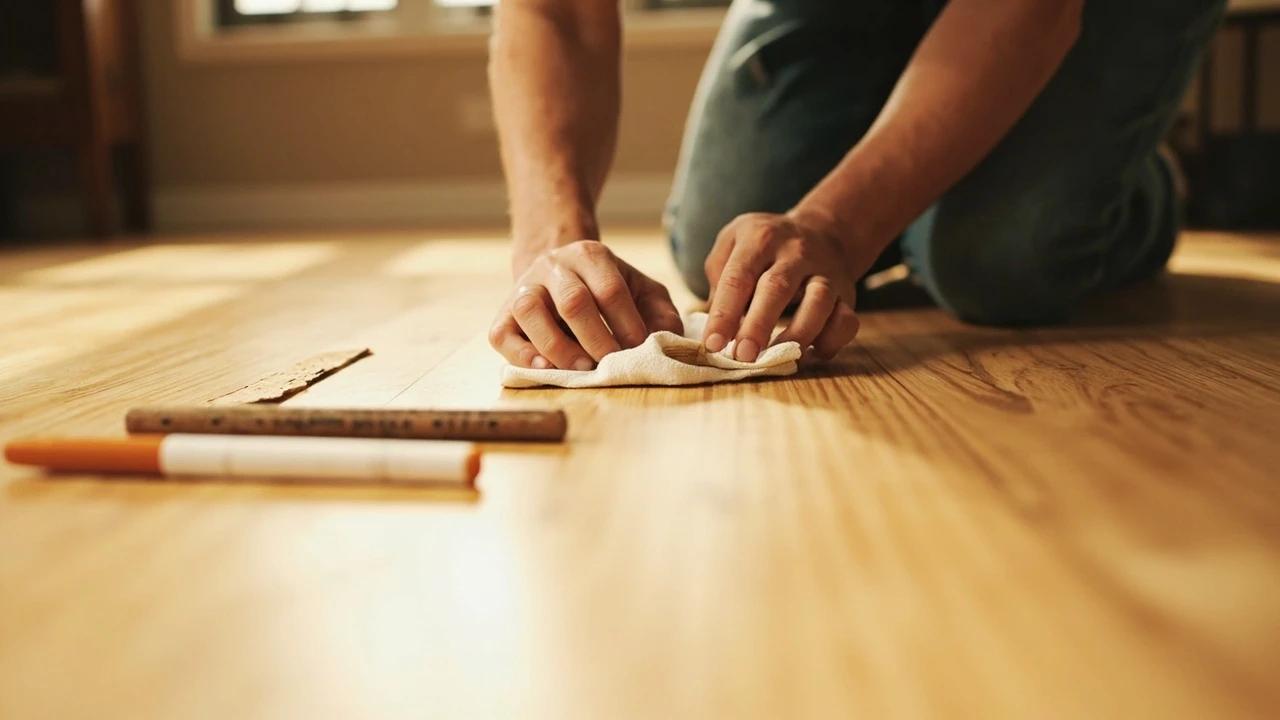 Medium1 hr
How to Repair Scratches in a Hardwood Floor
Scratched hardwood almost never means refinishing the whole floor. This guide shows you how to match the fix to the damage — a touch-up marker for finish-level scratches, a wax fill stick for shallow ones, and stainable wood filler with stain and polyurethane for deep gouges — all for under $40 in supplies and about an hour of work.
 Easy2 hrs
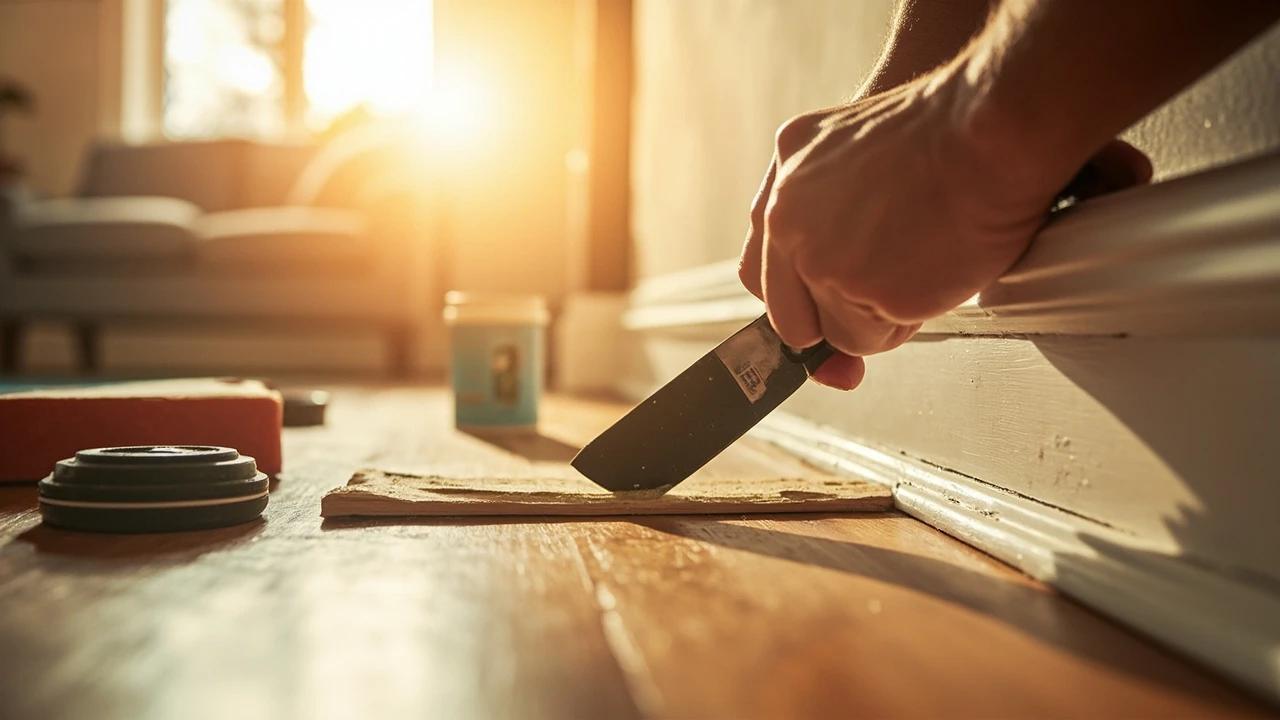
How to Repair Damaged Baseboard Trim
Dented, chipped, and gouged baseboards are one of the most visible signs of a neglected home — but they are also one of the easiest things to fix. With $10-20 in filler and a few hours of work (mostly drying time), you can make battered trim look factory-fresh without pulling a single board off the wall.
 Medium2 hrs
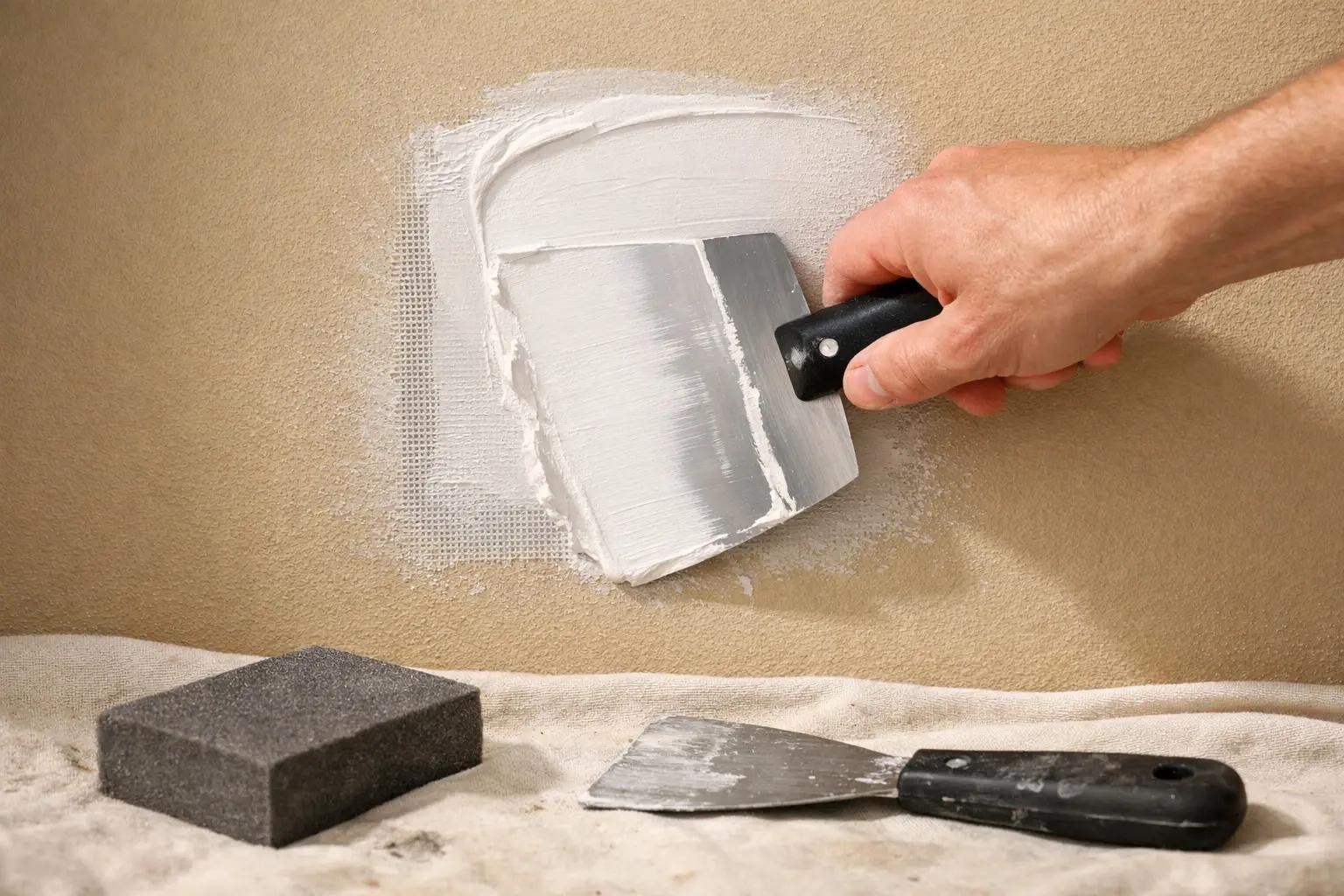
How to Patch a Hole in Drywall (Any Size)
A nail hole, a doorknob punch-through, and a fist-sized hole from moving furniture each need a different repair. Match the hole to the method: spackle under 1/2 inch, a self-adhesive mesh patch up to 4 inches, a California patch from 4 to 8 inches, and a backer strip with a new drywall piece beyond that. Every method finishes with the same thin coats, sanding, and primer, and the materials cost under $40.
You Might Also Like
 Easy25 min
Best Deck Stain: Transparent vs Semi vs Solid
There is no "best" deck stain — there is the right stain for your sun exposure, wood condition, and how often you want to redo the job. Transparent stains last 1-2 years but let the natural grain show. Solid stains last 4-7 years but look like paint. This guide walks the four opacity levels and the oil-vs-water choice so you pick the one that matches your deck and your tolerance for re-staining.
 Easy45 min
How to Install a Smart Thermostat
A smart thermostat is one of the highest-ROI upgrades you can make to your home — it learns your schedule, adjusts automatically when you're away, and typically saves about 8% on heating and cooling bills — the figure ENERGY STAR verifies from real-home data, roughly $50 a year — so the $120-250 device usually pays for itself within a few years. If your old thermostat has labeled wires behind it, the swap takes about 30-45 minutes with nothing more than a screwdriver and your phone. This guide covers checking compatibility, labeling wires, mounting the new base, connecting everything, and walking through the app setup so your system is running smart the same day.
 Easy30 min
How to Fix a Dripping Faucet
A dripping faucet wastes more than 3,000 gallons of water per year and can add $20 or more to your monthly water bill. The fix is almost always a worn cartridge, washer, or O-ring — parts that cost under $10 and take 20-30 minutes to replace with basic tools.