How to Install a Ceiling Fan
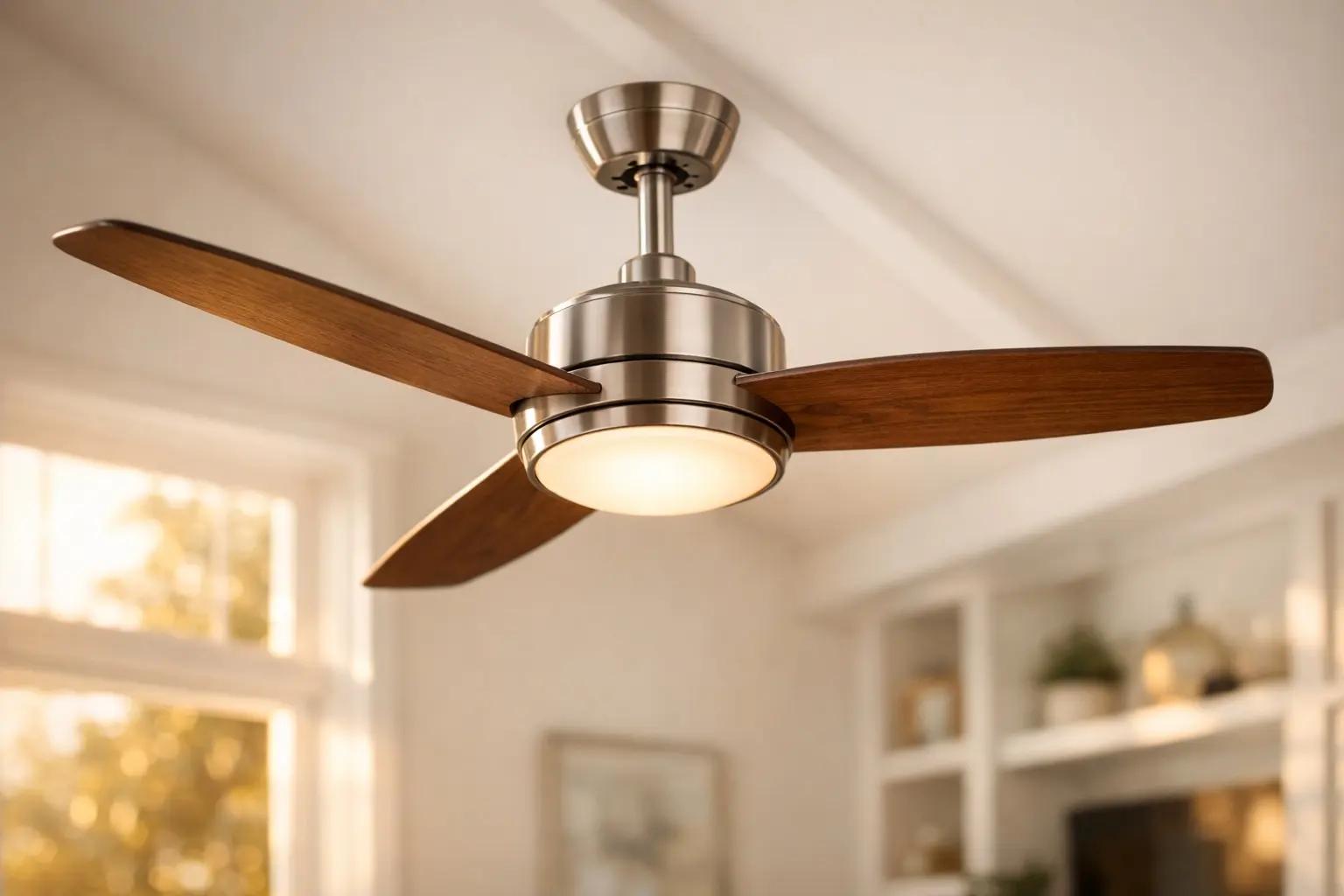

Replacing a light fixture with a ceiling fan improves air circulation in summer and can reduce heating costs in winter by circulating warm ceiling air downward. Most installs take 45-60 minutes.
What You'll Need
🛠 Tools
📦 Materials
Safety First
- •ALWAYS turn off the circuit breaker for the circuit — not just the wall switch.
- •ALWAYS verify power is off with a non-contact voltage tester before touching any wires.
- •A light switch does NOT make the wires safe — it only interrupts one conductor. Test at the junction box.
- •Ceiling fans require a fan-rated junction box. Standard light fixture boxes will fail under a fan's dynamic load and the fan can fall.
Step-by-Step Instructions
Turn Off Power and Verify
At your electrical panel, flip the breaker for the room to the OFF position. Return to the fan location, turn the wall switch on, and use your non-contact voltage tester near the light fixture. The tester must show NO voltage before you proceed. This step is non-negotiable.
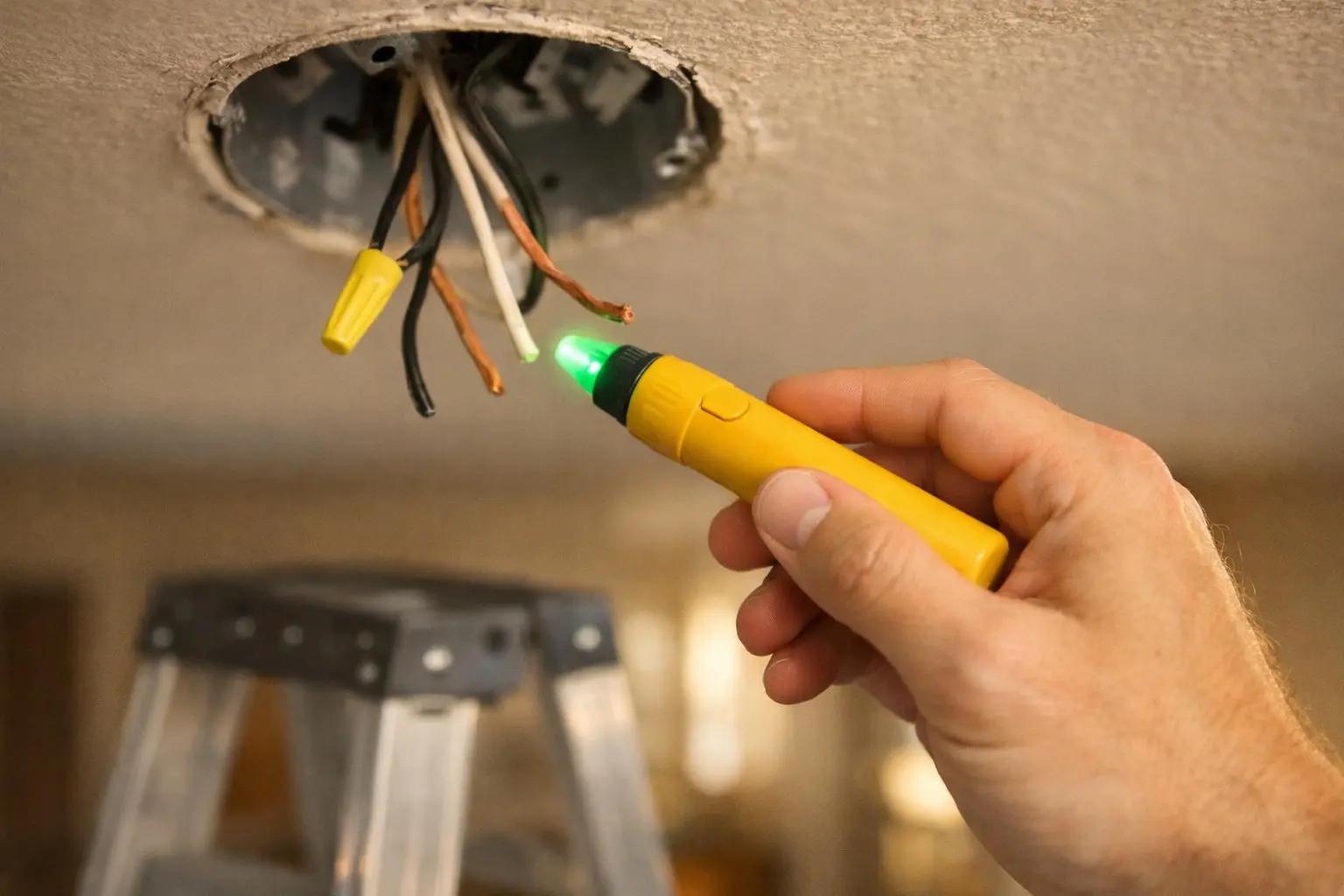
The wall switch only disconnects the hot wire; the neutral is bonded to ground at the main panel and should not show voltage under normal conditions. A non-contact voltage tester that beeps on the neutral usually indicates a real wiring problem (open neutral, shared neutral, or induced voltage from a nearby hot conductor) — stop and call a licensed electrician. If the tester still beeps on the hot conductor after you've flipped the breaker, you've turned off the wrong breaker — go back to the panel.
Remove the Existing Fixture
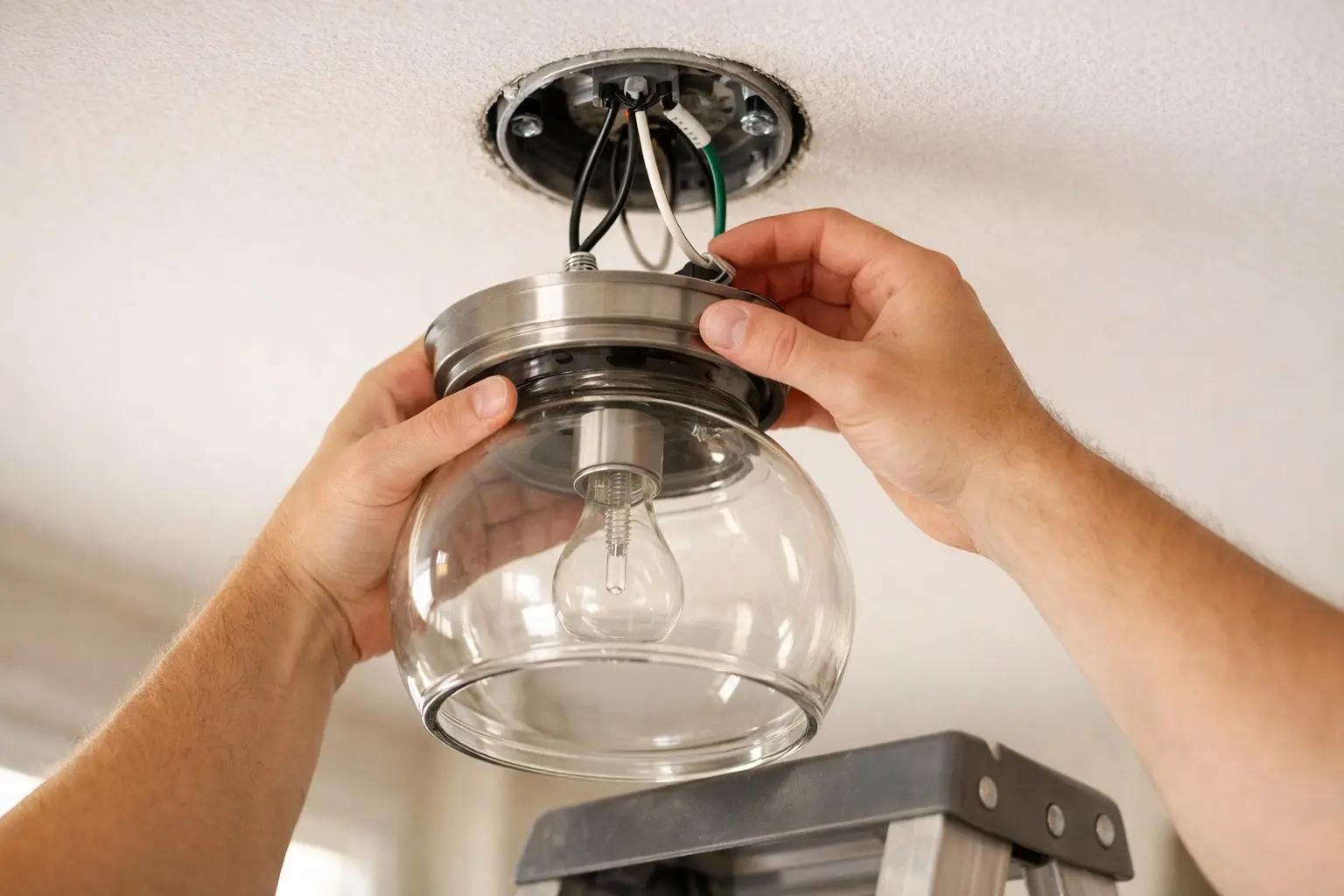
Unscrew the canopy or base of the existing light fixture. Let it hang from the wires or rest on a stepladder. Photograph the wire connections before disconnecting. Unscrew wire nuts and separate the wires: black from black, white from white, and ground (bare copper or green) from ground.
Inspect and Replace the Junction Box if Needed
Look at the junction box in the ceiling. A fan-rated box will be stamped "FAN RATED" or "OK FOR FANS" — under NEC 314.27(C), the box must be listed for the purpose, and if the fan weighs more than 35 lbs the box must also be marked with its specific weight rating, capped at 70 lbs (NEC 314.27(C) prohibits supporting a fan over 70 lbs from a standard outlet box). A standard light box (round plastic, not metal) is not adequate. If yours isn't fan-rated, install a fan-rated brace bar (expandable between joists through the existing ceiling hole, no attic access needed) with a fan-rated box.
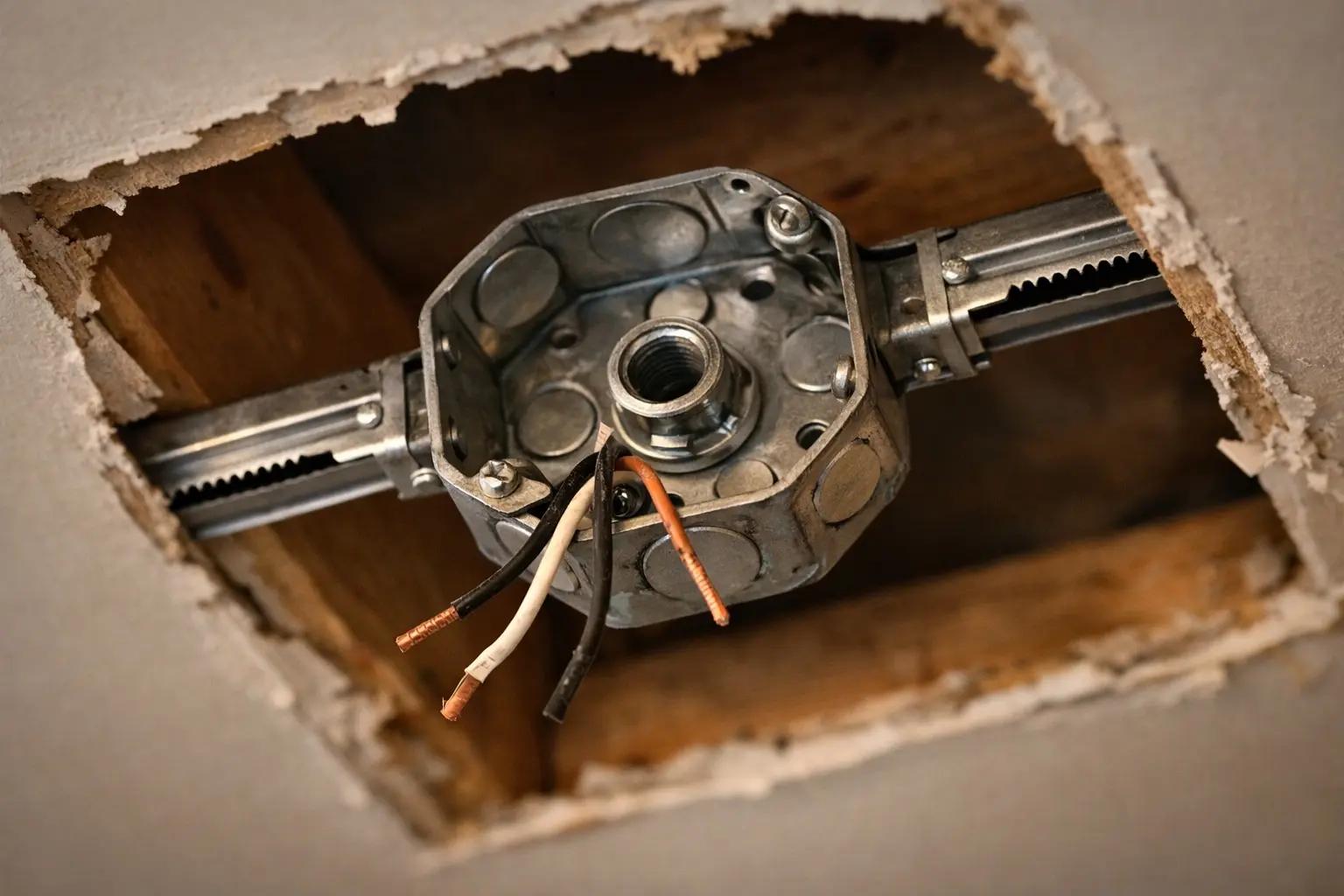
Using a non-fan-rated box is a serious safety hazard. Under the constant vibration of a ceiling fan, the box can fail and the fan will fall. Fan-rated braces and boxes cost $15-20 and are worth every cent.
Mount the Hanging Bracket
Following the fan's instructions, attach the mounting bracket to the junction box. Most fans use a ball-and-socket or flush-mount system. Thread the supply wires through the bracket opening so they're accessible.
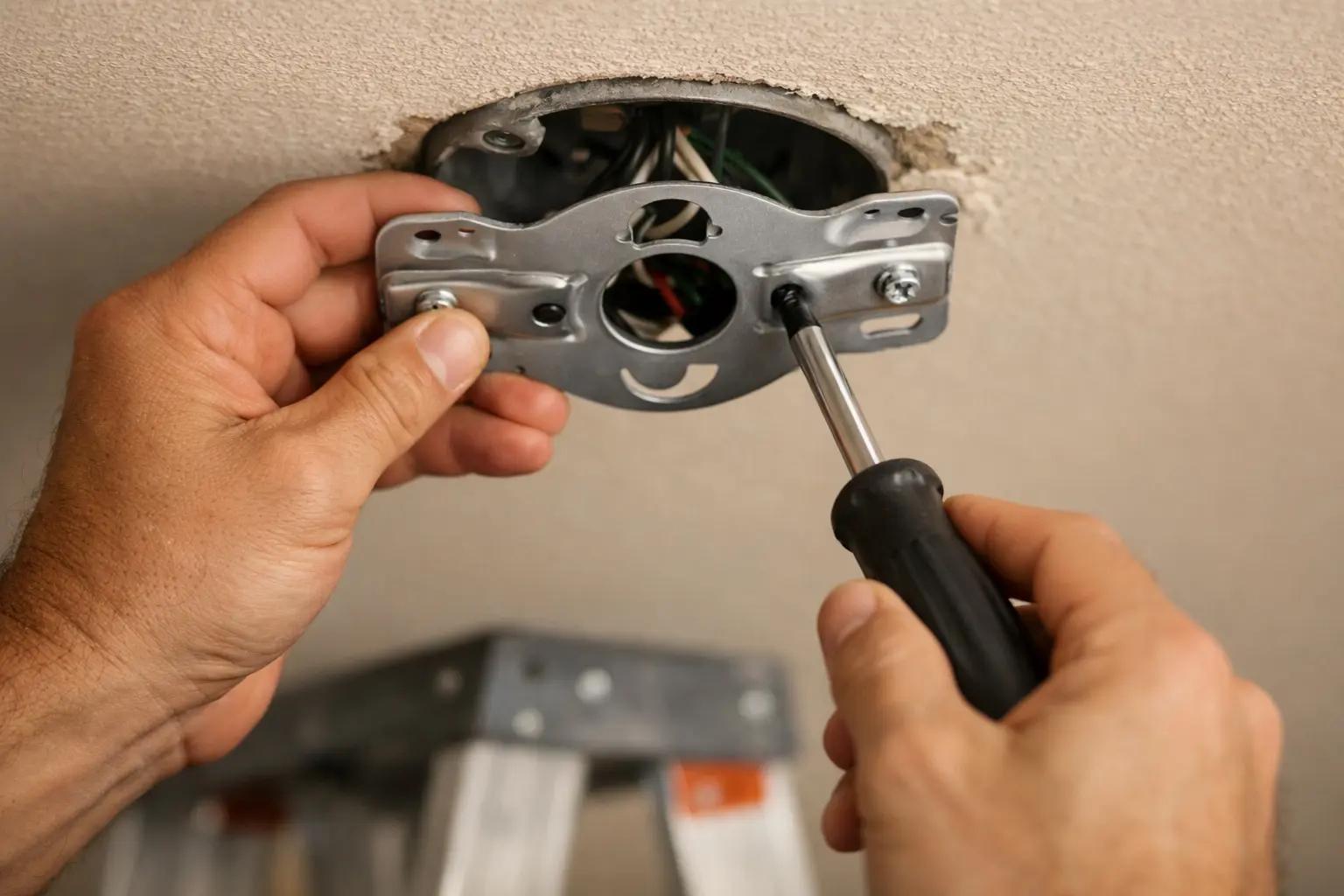
Assemble the Fan and Connect Wires
Assemble the fan motor, canopy, and downrod per the instructions. Hang the fan on the bracket (most use a safety hook during wiring). Make wire connections: black (fan motor) to black (supply), blue wire (light kit) to black or a separate switched leg, white to white, and bare copper or green to ground. Tug each wire nut to verify.
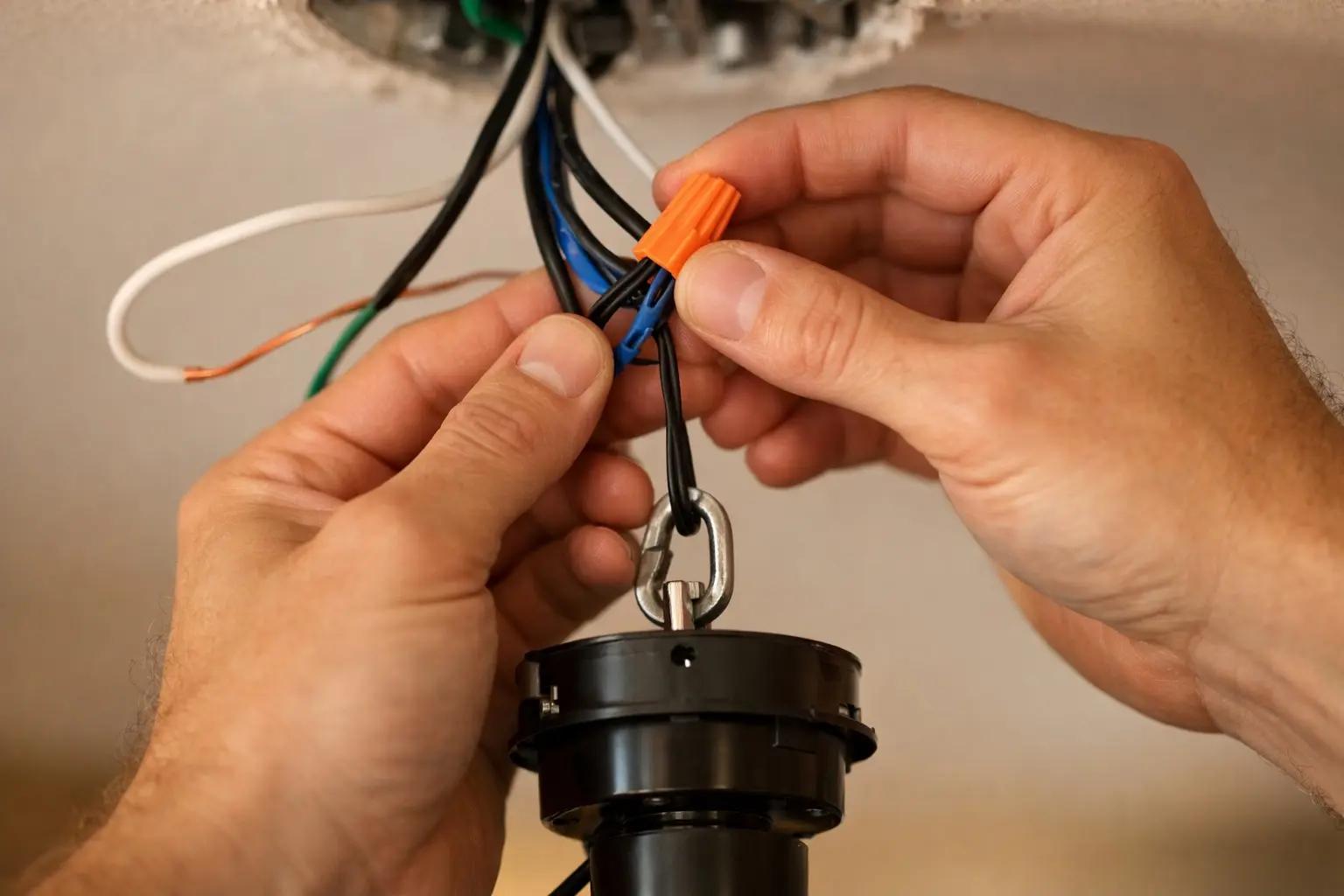
If your room has only one wall switch, wire-nut the black and blue fan wires together so both fan and light are controlled by the same switch. For separate control, run a 3-wire cable from a double switch at the wall.
Attach Blades and Light Kit
Tuck wires neatly into the junction box and secure the canopy. Attach blade irons to each blade, then attach blades to the motor housing. Install the light kit on the fan's bottom receiver and connect the light wiring. Install bulbs as specified — LEDs are recommended for lower heat and longer life.
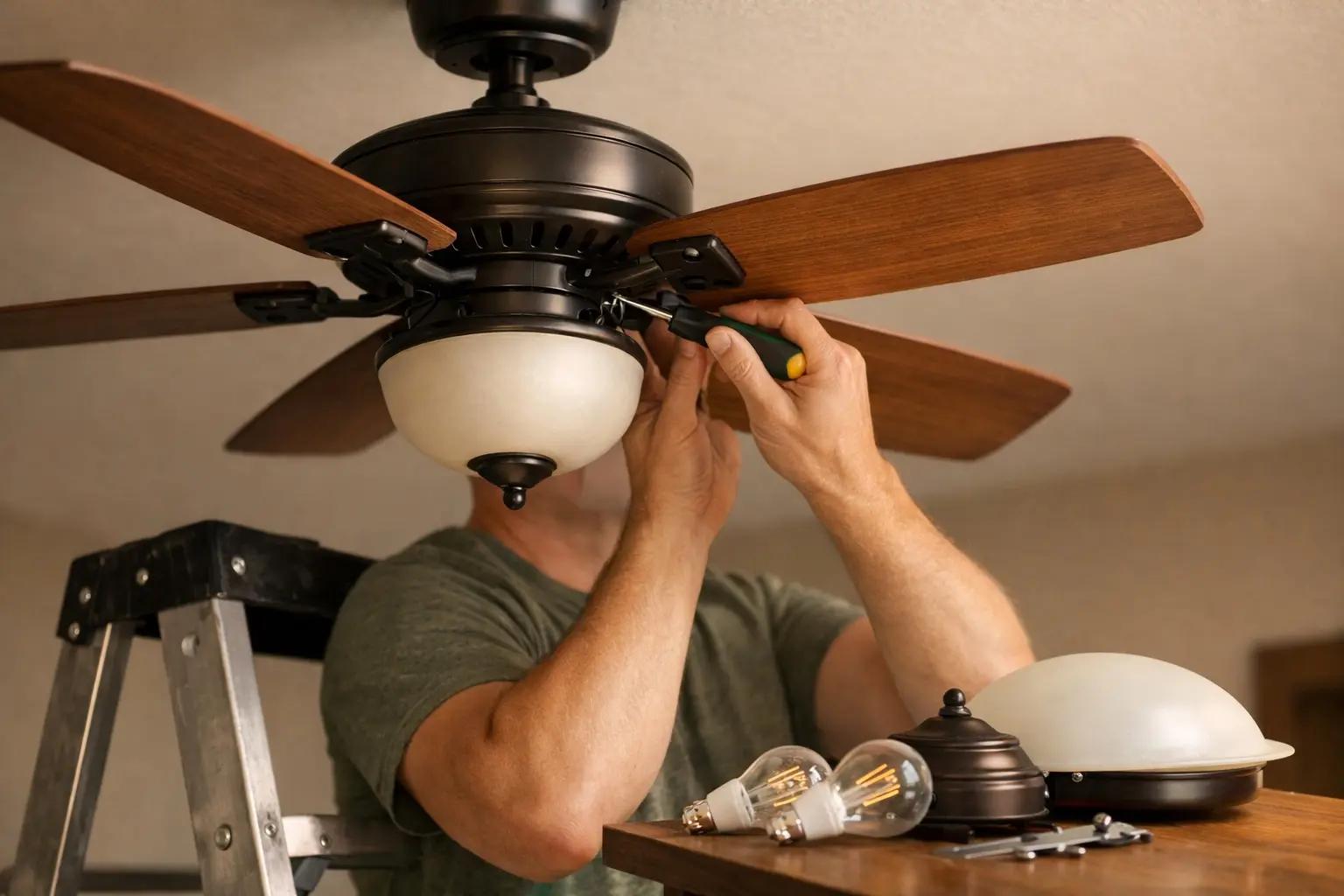
Restore Power and Test
Turn the circuit breaker back on. Test the fan at all speeds (High, Medium, Low) using the pull chain or remote. Test the light. If the fan wobbles, use the included balancing clip and adhesive weights to find the imbalance — clip the balancing weight to the leading edge of different blades until wobble is minimized.
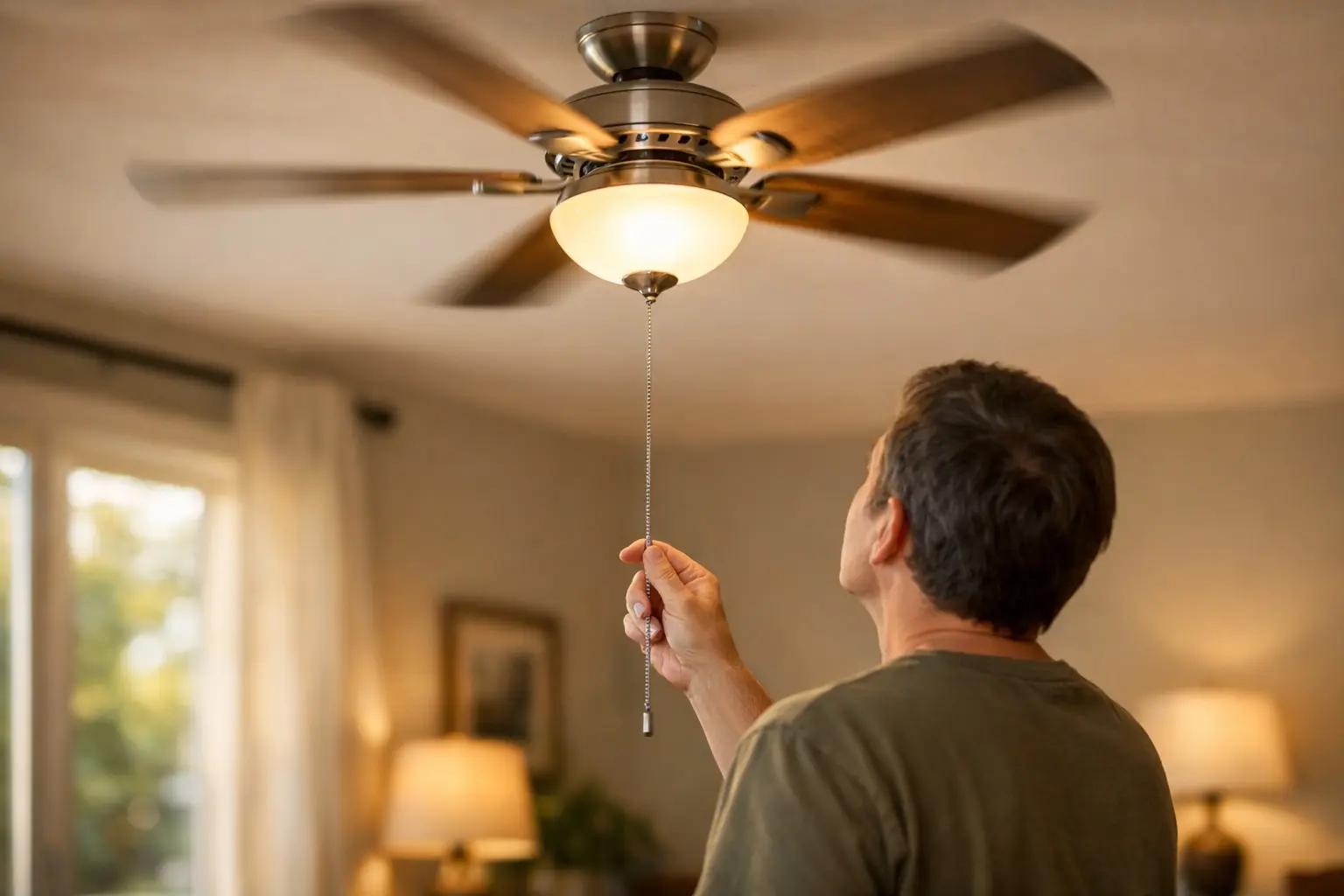
Run the fan in reverse (clockwise from below) in winter. This gentle updraft recirculates warm air that collects at the ceiling and can reduce heating costs by up to 10%.
Frequently Asked Questions
Do I need a special electrical box to hang a ceiling fan?
+
Yes, and it is not optional. Under NEC 314.27(C) the box must be listed for fan support, stamped FAN RATED or OK FOR FANS. If the fan weighs more than 35 pounds the box must also carry a specific marked weight rating, and no standard outlet box may support a fan over 70 pounds. A round plastic light box will not do — under a fan's constant vibration it eventually fails and the fan comes down. A fan-rated brace and box costs about $15-20.
Can I install a ceiling fan if there is no attic above the room?
+
Usually yes. An expandable fan-rated brace bar is designed to go in through the existing ceiling hole: you feed it up through the opening, span it between the two joists, and ratchet it tight without ever going into the space above. It gets harder when the existing cable is too short to reach the new box position, or when the ceiling is plaster-and-lath — those are the cases where an electrician is the faster call.
What is the blue wire on a ceiling fan for?
+
The blue wire feeds the light kit; the black wire feeds the fan motor. If the room has only one wall switch, twist the blue and black fan wires together into the same wire nut with the supply black, so the switch controls fan and light together. To control them separately you need a second switched hot at the box, which means running 3-wire cable to a double switch at the wall.
How do I stop a new ceiling fan from wobbling?
+
Wobble is almost always blade imbalance rather than a bad motor or a loose box. Most fans ship with a balancing kit — a plastic clip and small adhesive weights. Slide the clip onto the trailing edge of one blade at a time and run the fan; when the wobble drops, that blade is the culprit. Stick the adhesive weight on the top of that blade near the clip position and remove the clip. Check that all blade-iron screws are snug first, since a single loose screw produces the same symptom.
Which way should a ceiling fan spin in winter?
+
Reverse — clockwise when you look up at it from below, on a low speed. Running the fan forward in summer pushes air straight down for a wind-chill effect on your skin. In winter the reverse setting creates a gentle updraft that pulls the warm air pooled at the ceiling down along the walls without a draft, which can trim heating costs by up to 10 percent. Most fans have a small slide switch on the motor housing for this.
Sources & further reading
- Boxes at Ceiling-Suspended (Paddle) Fan Outlets (NEC 314.27) — UpCodes (NEC)
- Ceiling Fan Installation and Usage Tips — ENERGY STAR
- Fans for Cooling — U.S. Department of Energy
More Electrical Guides
View all →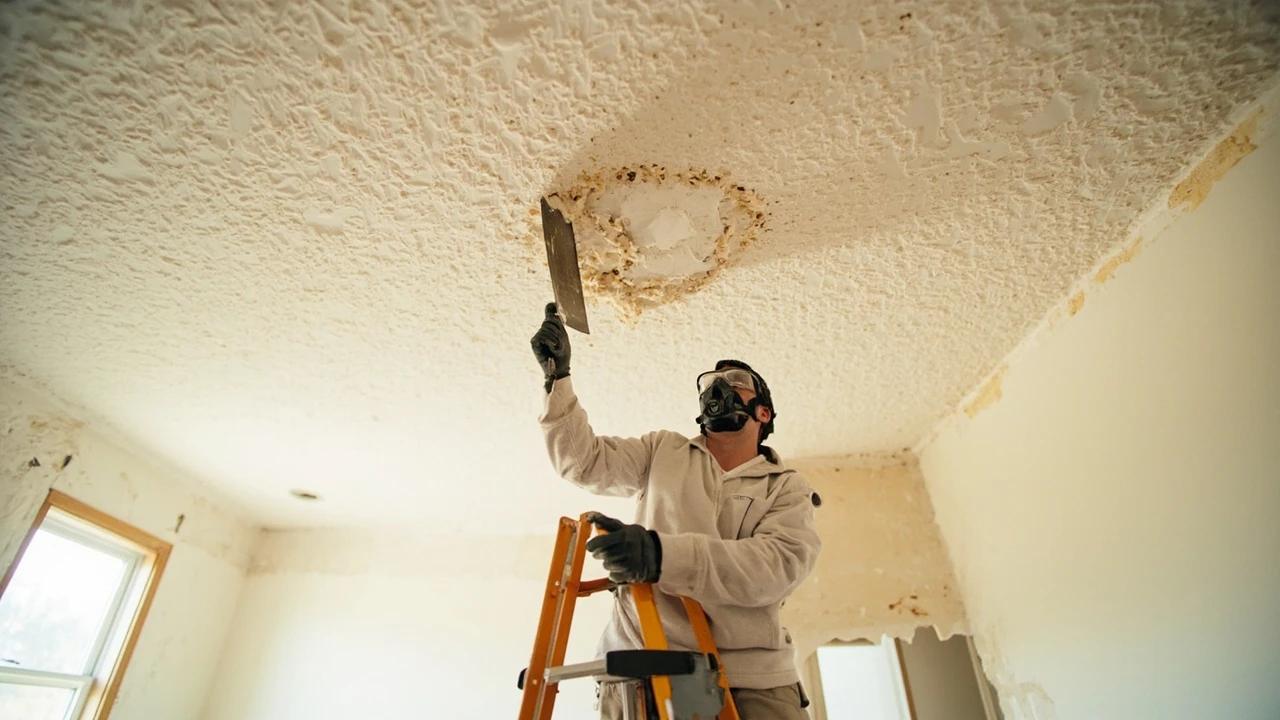 Medium8 hrs
How to Remove a Popcorn Ceiling
Scraping off a dated popcorn ceiling instantly modernizes a room and can lift resale value — and it's a genuine DIY for $50 to $150 in materials per room, versus the $1 to $2 per square foot a pro charges. But there's one non-negotiable first step: popcorn texture sprayed on before the mid-1980s can contain asbestos, so it has to be tested before you disturb a single flake. This guide covers that test, the wet-scrape technique that keeps the dust down, and the patch-sand-prime work that leaves a smooth, paint-ready ceiling.
 Medium3 hrs
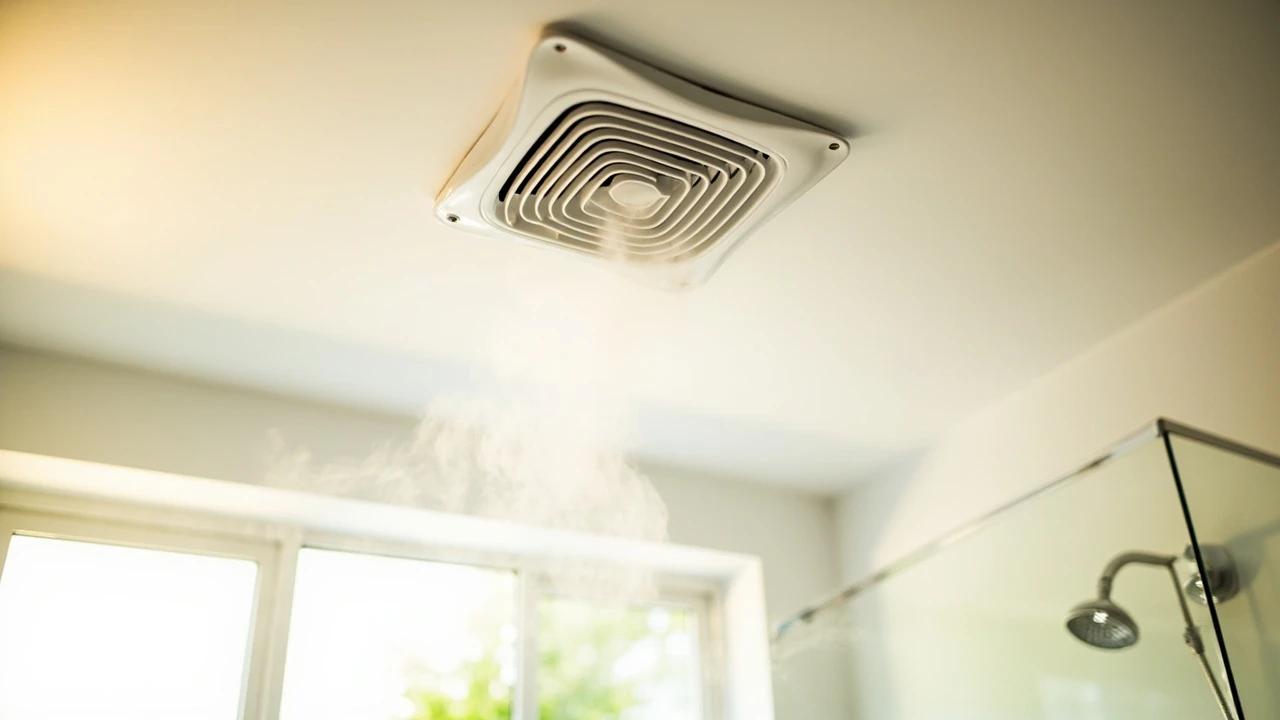
How to Install a Bathroom Exhaust Fan
Replacing a loud, underpowered bathroom fan with a modern quiet model is one of the highest-impact upgrades you can make for under $150 — it kills mold-causing moisture, clears steam in a minute, and runs whisper-quiet while it does it. This guide walks you through a like-for-like replacement in an afternoon, covering CFM sizing, wiring, and ductwork so you end up with a fan that actually does its job.
 Medium45 min
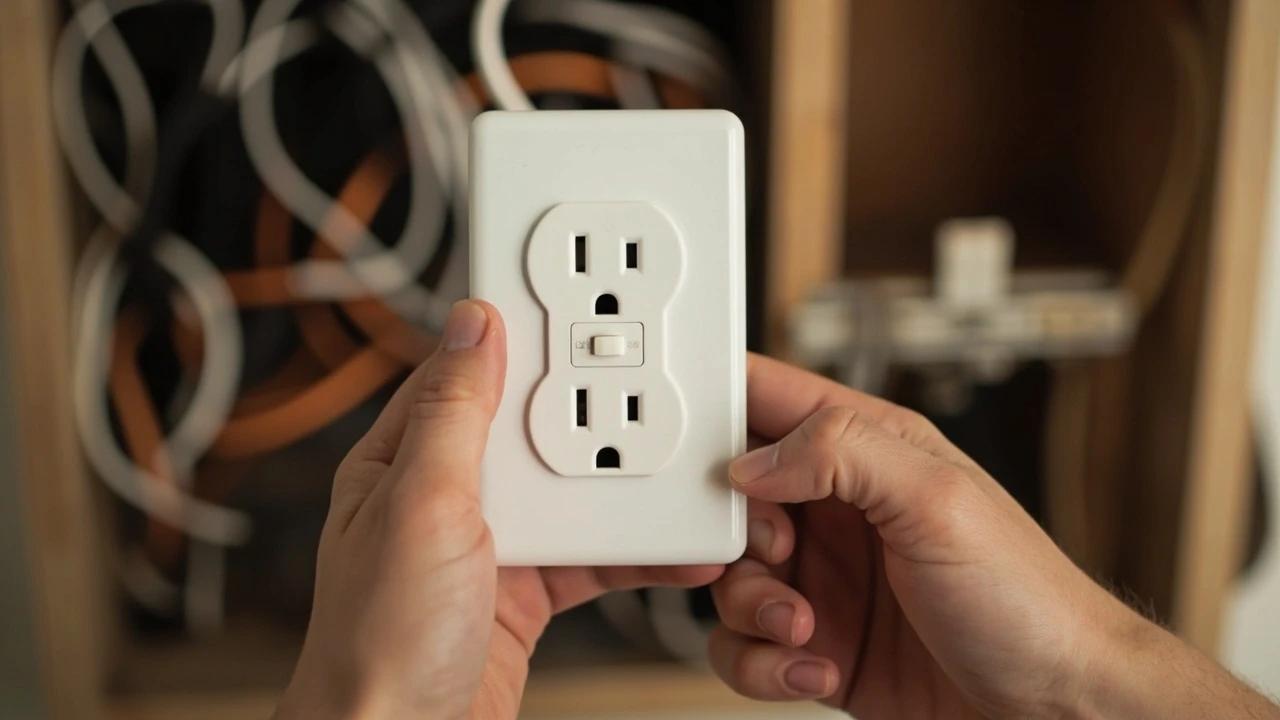
How to Install a GFCI Outlet
A GFCI outlet cuts power in a fraction of a second when it senses electricity leaking to ground — the exact protection code now requires in kitchens, bathrooms, garages, basements, laundry rooms, and anywhere outdoors. Installing one yourself takes about 45 minutes and costs $15-25 in parts versus $120-250 for an electrician. This guide shows you how to wire the LINE and LOAD terminals correctly so the outlet actually works the first time — and how to protect a whole string of downstream outlets from a single device.
You Might Also Like
 Hard8 hrs
How to Paint Kitchen Cabinets
A professional cabinet refinish costs $3,000-8,000, but painting them yourself with the right prep and materials delivers the same transformation for under $200 in a long weekend. The secret is thorough degreasing, a bonding primer, and thin coats with proper dry time between each — skip any of those and the paint will chip within months. This guide walks through the full process from door removal and labeling to final reassembly, covering both brush and roller techniques for a smooth, factory-like finish.
 Medium6 hrs
How to Paint a Room
A fresh coat of paint is the fastest, cheapest way to transform any room — and doing it yourself saves $400-800 in labor for an average 12x12-foot bedroom. The job takes a weekend from prep to final coat, and the difference between an amateur-looking result and a professional finish comes down to technique, not talent. This guide covers prep, cutting in, rolling, and cleanup so you get clean lines and even coverage the first time.
 Medium30 min
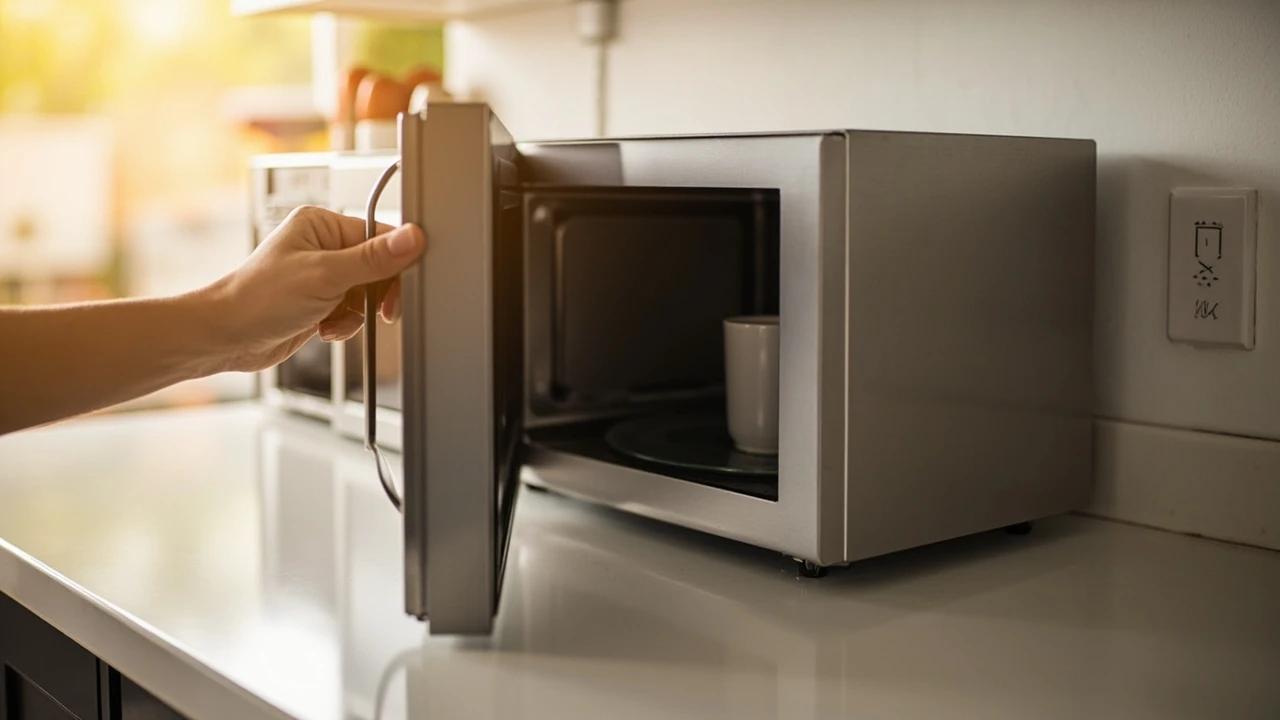
How to Troubleshoot a Microwave That Won't Heat
A microwave that runs — light on, turntable spinning, timer counting down — but leaves food stone cold is one of the most common appliance failures, and about half the time the cause is something you can fix in five minutes for free. This guide walks the diagnosis from the easy stuff (demo mode, power level, a tripped GFCI, a dirty door latch) to reading the failure signature that tells you the high-voltage circuit is gone, then helps you make the repair-or-replace call with real numbers.