19 guides · always free
Painting your home — the complete library
Step-by-step guides for every painting project under your roof, from cabinets to ceilings to the front door. Real photos of real projects, real cost ranges, and a clear honest answer for when the job is bigger than a weekend.
What are you painting?
Walls
Interior walls + ceilings, single room or whole house.
Cabinets
Kitchen and bathroom cabinetry — the project that transforms a room.
Floors
Concrete garage floors and basement slabs that need an epoxy or porch-paint finish.
Exterior wood
Front doors, fences, and wood decks — the projects exposed to weather.
The big anchor guides
The five projects that account for most of the painting questions we get. Start here if you are not sure where to start.
 Hard
HardFeatured anchor
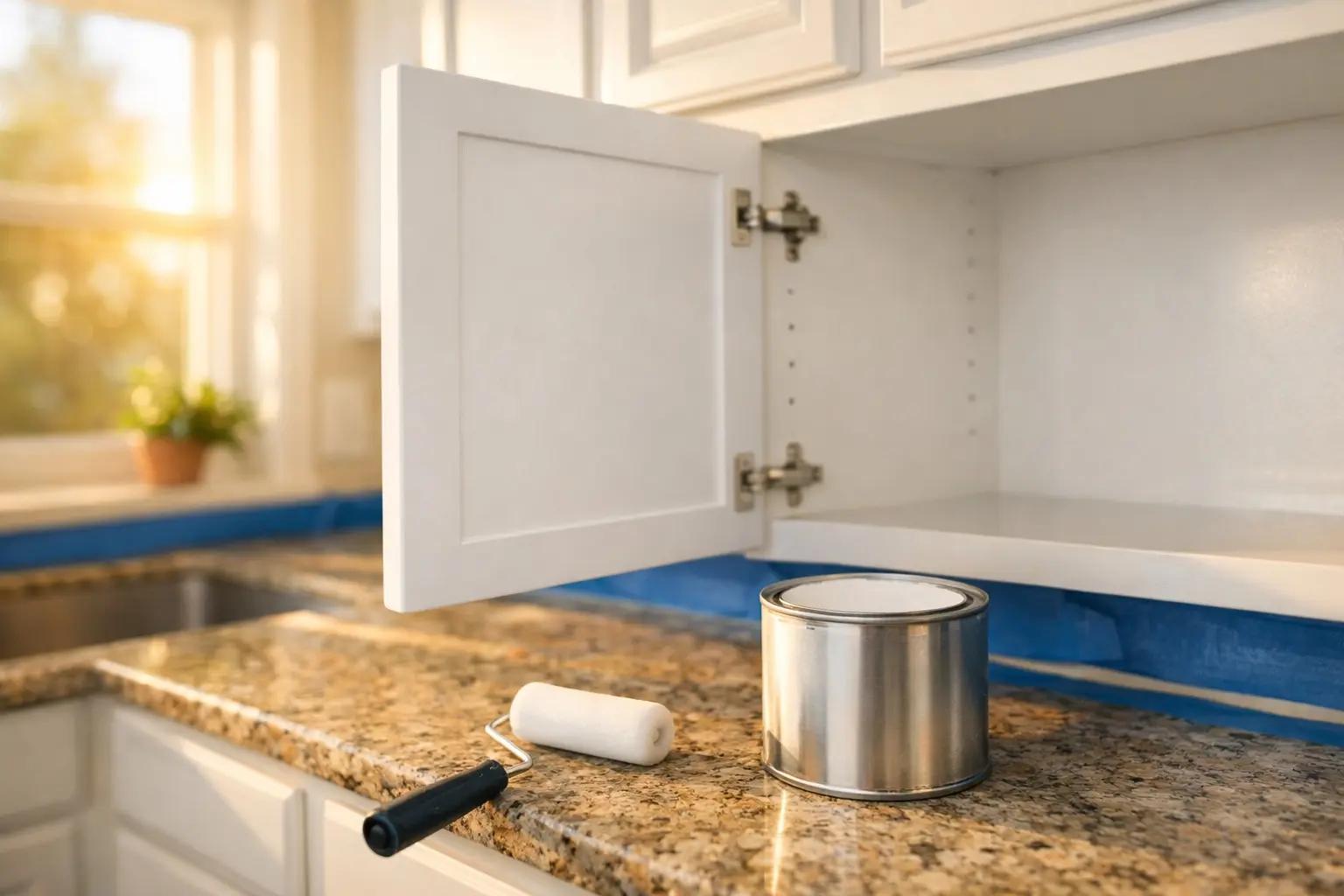
How to Paint Kitchen Cabinets
A professional cabinet refinish costs $3,000-8,000, but painting them yourself with the right prep and materials delivers the same transformation for under $200 in a long weekend. The secret is thorough degreasing, a bonding primer, and thin coats with proper dry time between each — skip any of those and the paint will chip within months. This guide walks through the full process from door removal and labeling to final reassembly, covering both brush and roller techniques for a smooth, factory-like finish.
 Medium⏱ 6 hrs
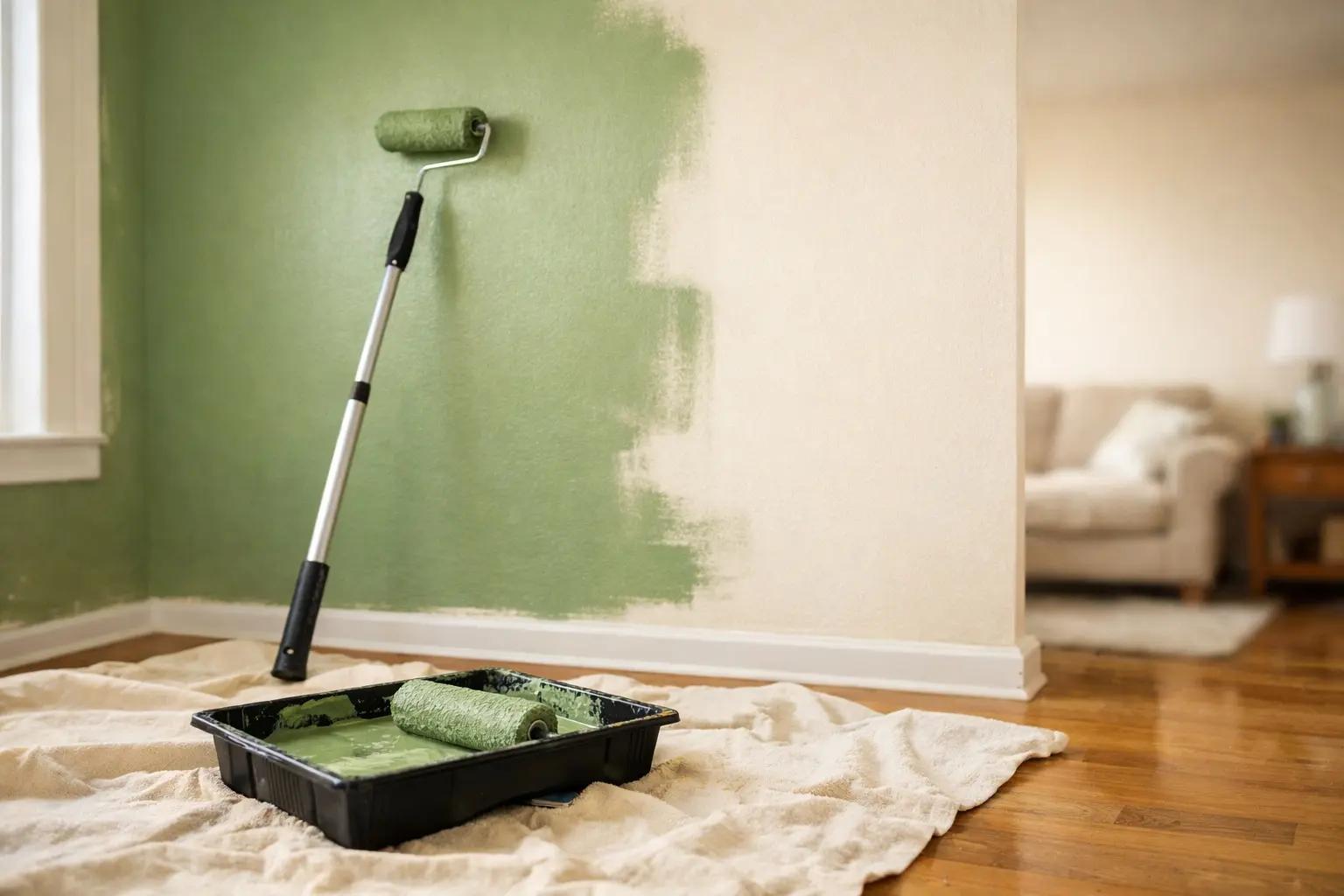
How to Paint a Room
A fresh coat of paint is the fastest, cheapest way to transform any room — and doing it yourself saves $400-800 in labor for an average 12x12-foot bedroom. The job takes a weekend from prep to final coat, and the difference between an amateur-looking result and a professional finish comes down to technique, not talent. This guide covers prep, cutting in, rolling, and cleanup so you get clean lines and even coverage the first time.
 Medium⏱ 4 hrs
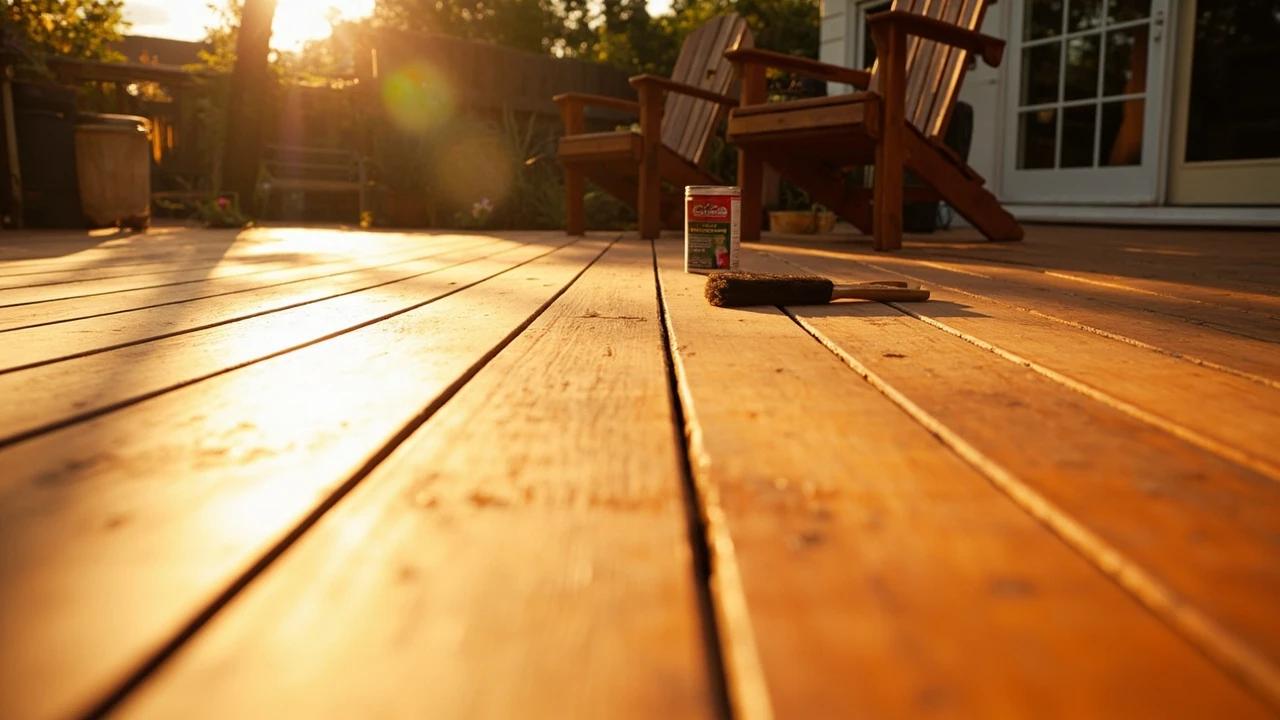
How to Stain a Wood Deck
A properly stained wood deck not only looks stunning — deep, rich color that makes the whole backyard feel finished — but also protects the boards from UV damage, water, and rot, extending the life of a $10,000+ deck by a decade or more. A fresh coat of semi-transparent stain runs $50-150 in materials for a typical 200-square-foot deck, versus $1,500-3,000 for a pro to do it. The project itself takes an afternoon of active work spread across a 2-3 day window for cleaning, drying, and staining. This guide covers prep (which is 80% of the job), choosing the right stain, applying without lap marks, and letting it cure properly.
 Easy⏱ 4 hrs
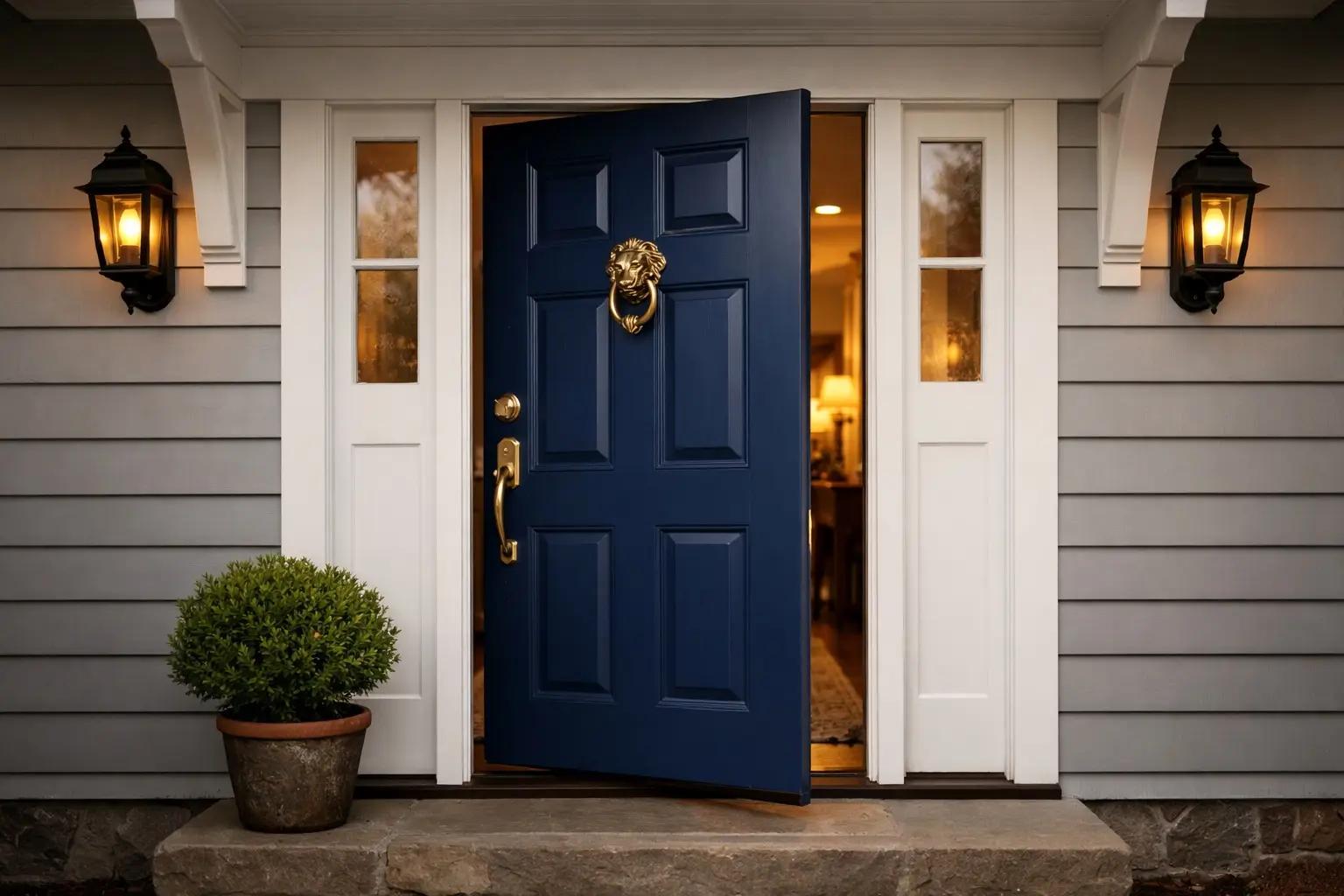
How to Paint a Front Door
A freshly painted front door is the single biggest curb-appeal upgrade you can make in an afternoon — real estate pros estimate it adds $500-1,000 in perceived home value for under $50 in materials. The key to a smooth, brush-mark-free finish is proper prep, thin coats, and the right weather window. This guide covers wood, steel, and fiberglass doors using exterior latex paint.
 Hard⏱ 24 hrs
How to Paint a Concrete Garage Floor
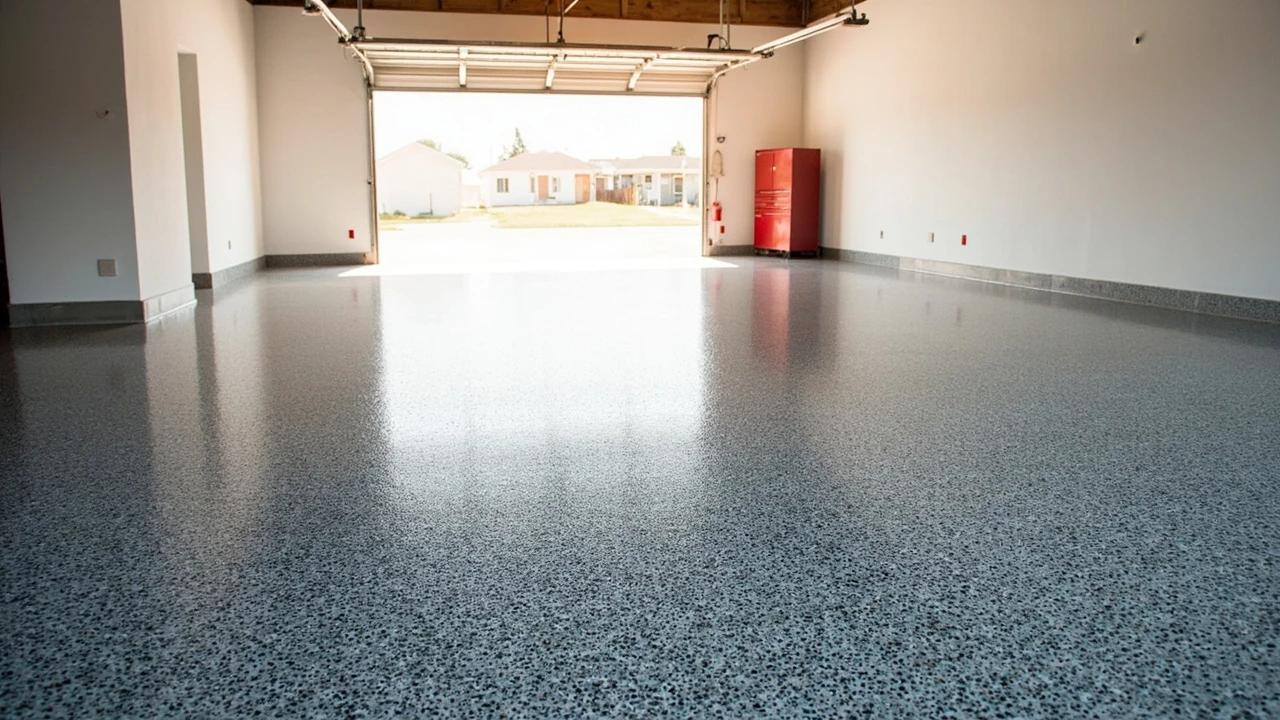
A two-part epoxy coating transforms a stained, dusty garage slab into a showroom-quality floor that shrugs off oil, tire marks, and road salt for years. The paint is the easy part — 80% of failed jobs come from skipping prep, so this guide walks you through moisture testing, etching, and coating like a pro over a weekend.
Quick-start questions
The cross-cutting questions that come up no matter which painting project you are tackling.
How much does a typical painting project cost in materials?
Interior room (12x12 ft): $40-80 for one gallon of decent latex + supplies. Kitchen cabinets (10-15 doors): $120-200 for primer + bonding paint + new hardware. Deck stain (250 sq ft): $80-140 for stain + brushes + cleaner. Concrete garage floor: $150-300 for an epoxy kit. Hire-it-out estimates run 4-6x the materials cost; almost every painting project on this site pays for itself the first time.
How long does each project actually take?
Single room: one weekend (Saturday prep + paint, Sunday second coat). Kitchen cabinets: three weekends from start to reinstall (the primer cure window forces the schedule). Front door: one afternoon if temperature cooperates. Deck stain: one weekend (one day prep + one day stain). Concrete garage floor: a long weekend with critical cure windows; do not start a Friday night.
Brush, roller, or sprayer — which do I actually need?
For most homeowner painting: a 2.5-inch angled sash brush (cut-in) + a 9-inch microfiber roller (walls/ceiling). Foam rollers for cabinet doors. A sprayer is faster on big exterior jobs but adds 30 minutes of masking for every 15 minutes of painting saved — only worth it on whole-house exteriors, fences, and 10+ cabinet doors at a time.
When should I prime versus just paint?
Prime when going from dark to light (one coat of primer beats three coats of paint), on raw wood, on glossy or oil-based surfaces (use a bonding primer like Zinsser BIN), on stained drywall, and after a heavy patch repair. Skip primer when refreshing the same color over satin or eggshell latex — modern paint-and-primer-in-one products are genuinely fine for that case.
How cold or hot is too hot to paint?
Most latex paints want surface temp 50-85°F with humidity under 70%. Exterior painting in direct sun on a 95°F day is the most common cause of lap marks and premature peeling — the surface flashes off the paint before you can wet-edge into the next section. Early morning shade-side painting solves it.
Do I need to test for lead paint on a pre-1978 home?
Yes if you are sanding, scraping, or stripping — lead test kits cost $10 at any hardware store and detect lead in under a minute. If positive and you are doing more than 6 square feet, federal RRP rules apply (EPA-certified contractor required for hire; for your own home you can DIY but must contain the dust). Painting OVER intact lead paint without disturbing the surface is allowed — but disturbing it requires the right precautions.
How do I match an existing wall color when I do not have the original can?
Cut a 1-inch square chip from an inconspicuous spot (behind a switch plate, inside a closet) and take it to a Sherwin-Williams, Benjamin Moore, or Home Depot color-match counter. Their spectrophotometer matches within 95% accuracy. The paint code from any major brand is also a starting point — most stores cross-match competitor codes. Worth knowing: gloss level (flat/eggshell/satin) affects how a "matched" color reads, so match sheen too.
When is a painting project a "call a pro" job?
When ceilings are higher than one extension-pole reach (about 12 feet); when the surface needs significant repair before paint (rotten wood, structural cracks, water damage); when spraying makes more sense than rolling and you do not own a sprayer; when lead paint testing came back positive and you need to disturb more than 6 sq ft of surface; or when the project involves staging that needs to come down by Monday morning. Painting a single room on a Saturday is almost never one of these.
Reference & glossary
The reference content behind the projects — read these once and the rest of the painting guides make more sense.
Choosing paint colors that actually work
Undertones, LRV, sample-board testing, north-facing-room rules. The 90-minute process that prevents repainting in six months.
Paint sheen comparison
Flat to high-gloss, by room and surface. The matchup chart that tells you when to use eggshell vs satin vs semi-gloss without second-guessing.
Every painting guide
 Easy25 min
Best Deck Stain: Transparent vs Semi vs Solid
There is no "best" deck stain — there is the right stain for your sun exposure, wood condition, and how often you want to redo the job. Transparent stains last 1-2 years but let the natural grain show. Solid stains last 4-7 years but look like paint. This guide walks the four opacity levels and the oil-vs-water choice so you pick the one that matches your deck and your tolerance for re-staining.
Hard8 hrsHow to Paint Kitchen Cabinets
A professional cabinet refinish costs $3,000-8,000, but painting them yourself with the right prep and materials delivers the same transformation for under $200 in a long weekend. The secret is thorough degreasing, a bonding primer, and thin coats with proper dry time between each — skip any of those and the paint will chip within months. This guide walks through the full process from door removal and labeling to final reassembly, covering both brush and roller techniques for a smooth, factory-like finish.
Medium6 hrsHow to Paint a Room
A fresh coat of paint is the fastest, cheapest way to transform any room — and doing it yourself saves $400-800 in labor for an average 12x12-foot bedroom. The job takes a weekend from prep to final coat, and the difference between an amateur-looking result and a professional finish comes down to technique, not talent. This guide covers prep, cutting in, rolling, and cleanup so you get clean lines and even coverage the first time.
 Easy20 min
Best Paint for Kitchen Cabinets, Compared
The four paints that actually hold up to daily kitchen use are Benjamin Moore Advance, Sherwin-Williams Emerald Urethane Trim Enamel, INSL-X Cabinet Coat, and Behr Urethane Alkyd. They all work; they each fail in different ways. This guide compares cure time, leveling, scratch resistance, and price so you pick the one that matches your skill level and timeline — not the one a paint-store clerk has the most stock of.
 Easy15 min
Paint Sheen Comparison: Flat to High-Gloss, by Room
Paint sheen is a tradeoff between hiding wall imperfections and being able to wipe the wall clean. Flat hides everything but cannot survive a sponge. High-gloss is bulletproof but shows every dent. The five common sheens — flat, eggshell, satin, semi-gloss, high-gloss — each have a right room and a wrong room. This guide gives you the matchup so the bathroom does not get flat paint and the bedroom does not get gloss.
 Easy15 min
Primer for Kitchen Cabinets — Which One to Use
The right cabinet primer is determined by what your cabinets are made of, not by what is cheapest at the store. Shellac-based primers (Zinsser BIN) bond to anything but smell awful and need denatured alcohol cleanup. Oil-based primers (Zinsser Cover Stain) block tannins on oak. Waterborne primers (Zinsser 123 Plus) are fine for solid wood with no stain issues. Picking the right one is a 10-minute decision that determines whether your paint sticks for a year or for a decade.
 Easy6 hrs
How to Paint Kitchen Cabinets Without Sanding
You can genuinely skip sanding on a cabinet repaint by replacing the abrasive step with two specific chemical steps: a heavy-duty degreaser (Krud Kutter Gloss-Off or TSP) and a bonding primer (Zinsser BIN shellac). This saves four hours of dust and tape on a typical kitchen, but it only works when the existing finish is intact — if your cabinets have peeling, chipping, or thermofoil damage, sanding will not save you anyway and you need to fix that first. Total project: one weekend, ~$60 in supplies.
 Easy15 min
Types of Paint Explained: Latex, Oil, Alkyd & Chalk
Walking into a paint store with no plan and asking "I need paint for my walls" lands you in a 45-minute conversation with a clerk who is trying to be helpful. This guide is the conversation in 5 minutes — the six paint types every homeowner encounters (latex, oil, alkyd hybrid, chalk, milk, specialty), what each is actually good for, and which one to ignore unless you have a very specific reason.
 Easy2 hrs
How to Paint a Ceiling Without Streaks or Roller Marks
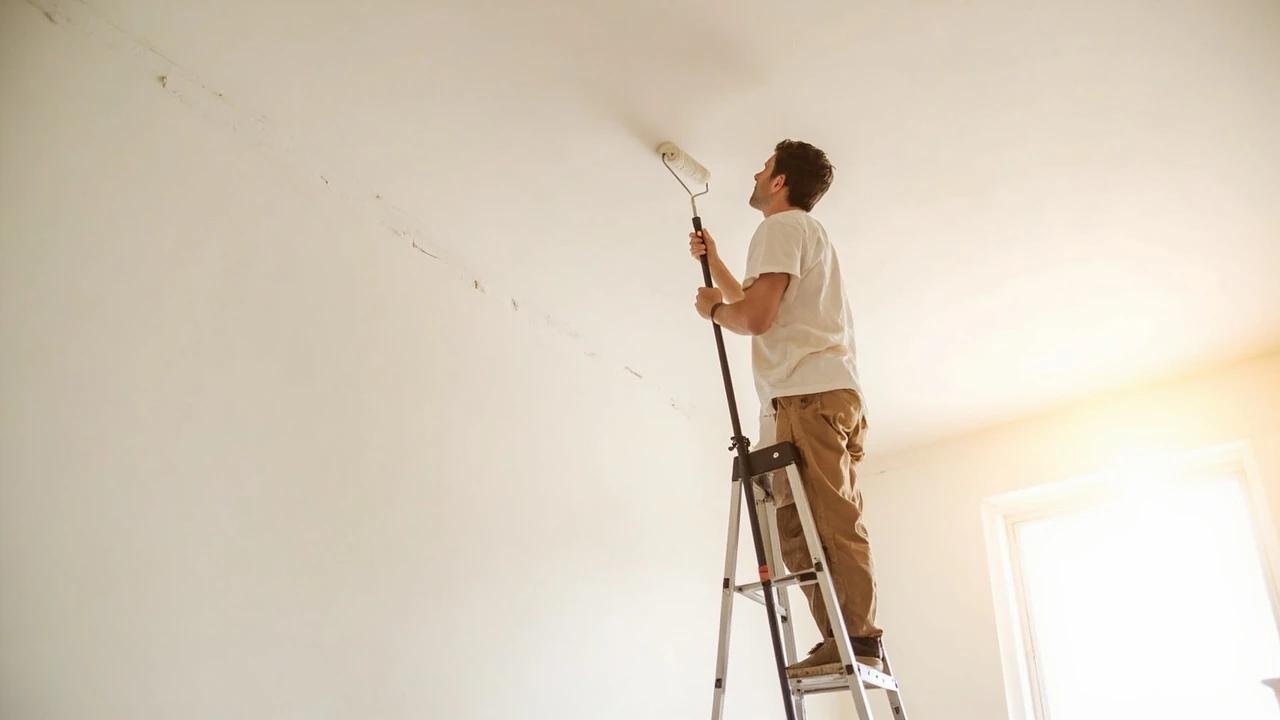
A streaked ceiling is the single most common DIY paint failure — and it is almost always one of three things: wrong roller nap, wrong direction, or letting the wet edge dry before you fill it in. Get those three right and a ceiling paint job looks professional. This guide covers nap selection, the W-pattern roll, working away from the light source, and the wet-edge rule that prevents lap marks.
 Medium6 hrs
How to Remove Wallpaper and Prep Walls for Paint
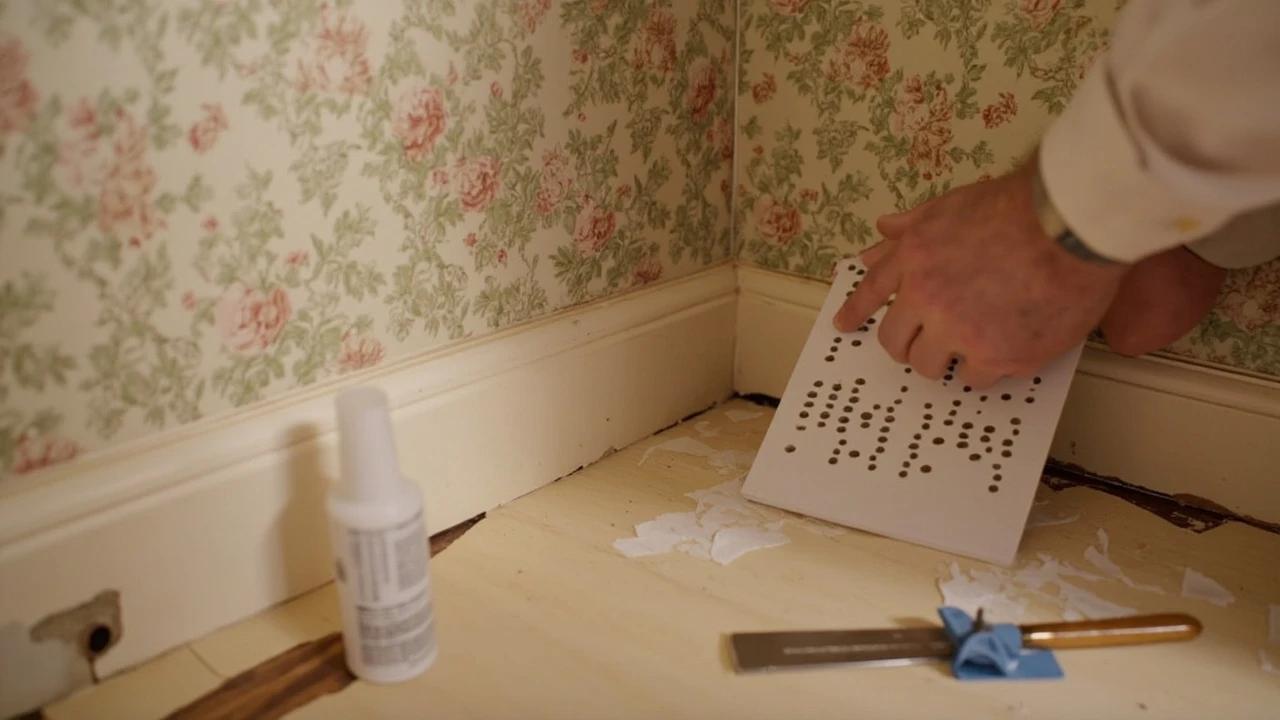
Removing wallpaper is the slowest single step in any paint refresh — but the steps themselves are simple: score, soak, scrape, neutralize, prime. The mistake that wastes whole weekends is skipping the score step or using plain water instead of a gel-based stripper. This guide covers the full sequence including the post-removal adhesive cleanup and the oil-or-shellac primer that prevents residual paste from bleeding through new paint.
 Easy30 min
How Much Paint Do I Need? Calculator + Method
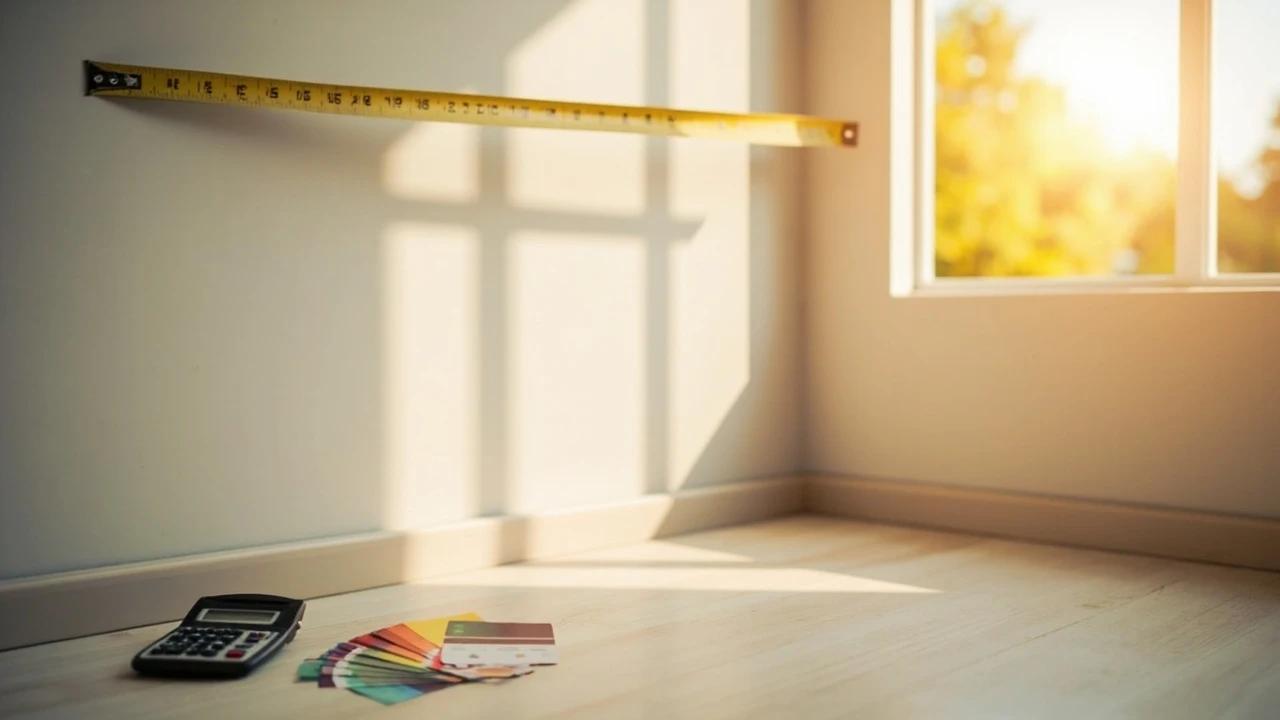
A gallon of paint covers 350-400 square feet — but only on the first coat, only on smooth walls, and only if you can apply it without spilling, splattering, or leaving the can sitting open on a hot day. This guide walks the actual math: measure the room, subtract windows and doors, multiply by the number of coats, factor in primer if needed, then add the 10% safety margin pros build into every quote. The answer comes out within one gallon every time.
 Easy3 hrs
How to Power Wash a Deck Before Staining
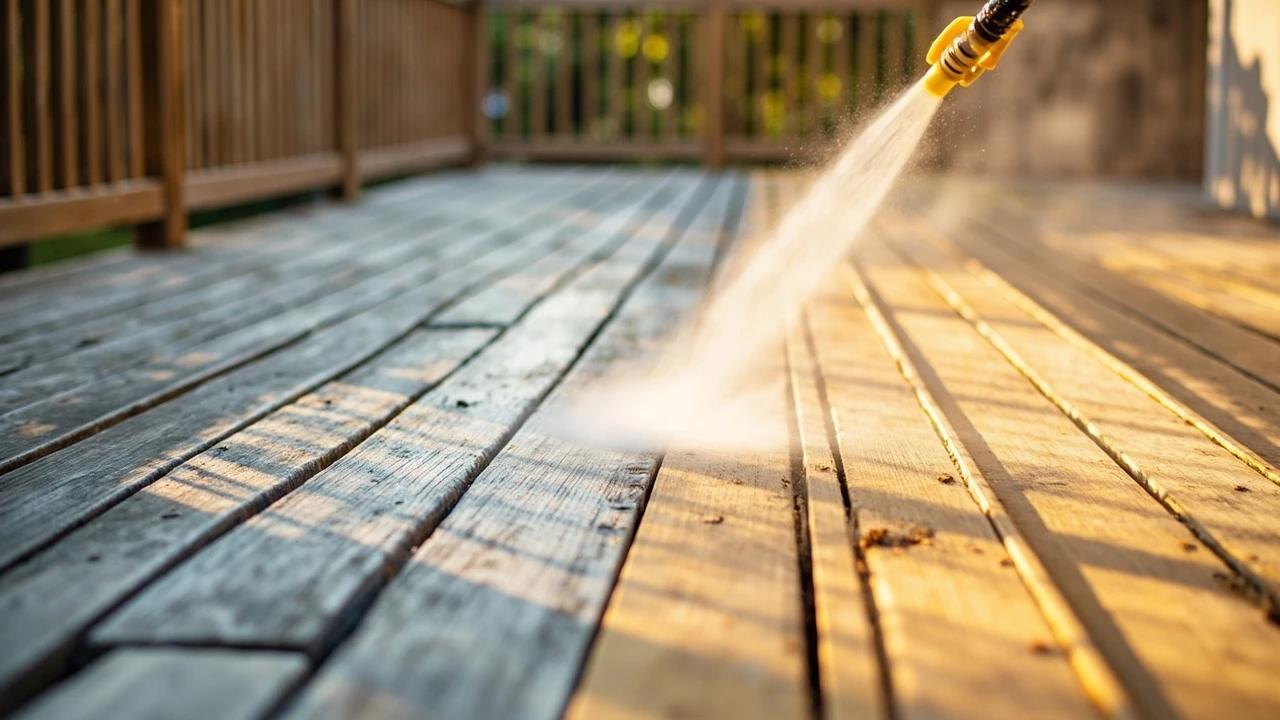
A deck that has not been pressure-washed before staining will fail the new stain within 12 months — dirt, mildew, and old stain residue prevent proper penetration. But too much pressure gouges softwood boards permanently. This guide covers the right PSI range, nozzle choice, wand technique, and the 48-hour dry window before staining that determines whether the new finish lasts 2 years or 5.
 Medium30 min
The Cut-In Technique — Clean Paint Lines Without Tape
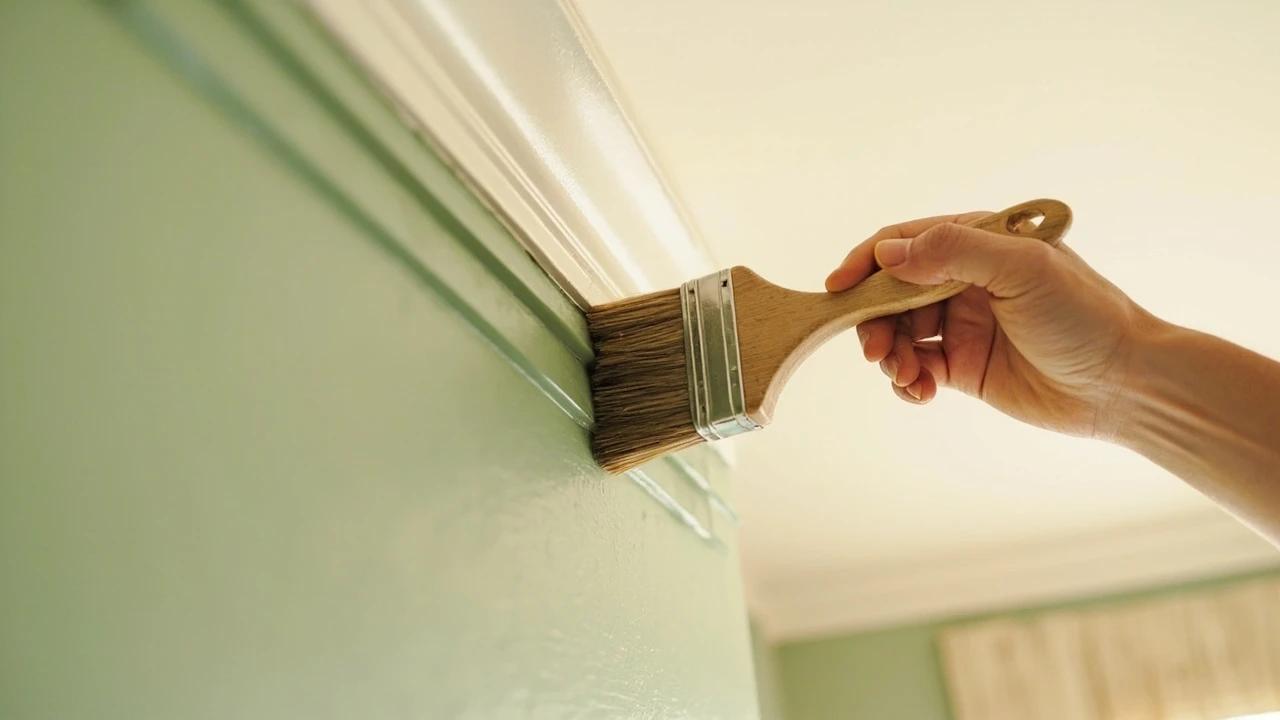
Cutting in is the painter's skill that separates "I painted my own house" from "I had a painter do it." A clean cut-in line at the ceiling, baseboard, or trim eliminates the need for painter's tape entirely — and tape leaves bleed lines anyway. This guide covers the 2.5-inch angled sash brush technique: how to load the brush, hold it, position your body, and bring it to the edge so the line is straight without any tape.
 Easy1h 30m
How to Choose Paint Colors for Any Room
Picking a paint color from a 1-inch swatch in a store is the single biggest reason rooms get repainted within a year. The fix is a small process: understand undertones, measure Light Reflectance Value (LRV), check the color against your room's actual light, and test a sample-board patch before buying gallons. This guide turns "I think we like that gray" into "this specific color, in this specific room, will look right at 8 AM and 8 PM."
Easy4 hrsHow to Paint a Front Door
A freshly painted front door is the single biggest curb-appeal upgrade you can make in an afternoon — real estate pros estimate it adds $500-1,000 in perceived home value for under $50 in materials. The key to a smooth, brush-mark-free finish is proper prep, thin coats, and the right weather window. This guide covers wood, steel, and fiberglass doors using exterior latex paint.
Medium4 hrsHow to Stain a Wood Deck
A properly stained wood deck not only looks stunning — deep, rich color that makes the whole backyard feel finished — but also protects the boards from UV damage, water, and rot, extending the life of a $10,000+ deck by a decade or more. A fresh coat of semi-transparent stain runs $50-150 in materials for a typical 200-square-foot deck, versus $1,500-3,000 for a pro to do it. The project itself takes an afternoon of active work spread across a 2-3 day window for cleaning, drying, and staining. This guide covers prep (which is 80% of the job), choosing the right stain, applying without lap marks, and letting it cure properly.
Hard24 hrsHow to Paint a Concrete Garage Floor
A two-part epoxy coating transforms a stained, dusty garage slab into a showroom-quality floor that shrugs off oil, tire marks, and road salt for years. The paint is the easy part — 80% of failed jobs come from skipping prep, so this guide walks you through moisture testing, etching, and coating like a pro over a weekend.
 Medium6 hrs
How to Stain a Fence
A wood fence left bare goes gray, splinters, and starts rotting at the posts years before a stained one — and staining it yourself runs $75-250 in materials versus $750-2,000+ for a crew. The work itself is honest but unglamorous: the cleaning and drying before you open a can matter more than the staining, and the sprayer-plus-back-brush technique is what separates an even, professional finish from a stripey one. This guide walks the whole job, from the water-bead readiness test to the oily-rag cleanup that prevents garage fires.
 Medium8 hrs
How to Remove a Popcorn Ceiling
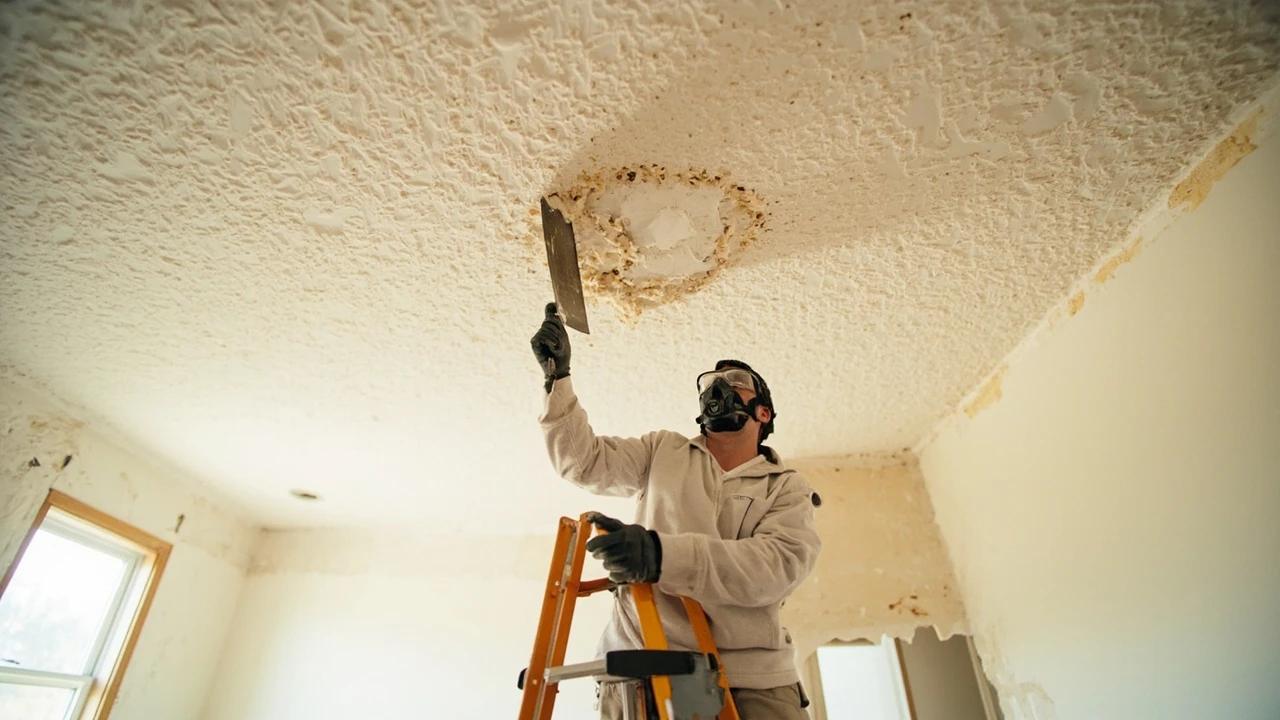
Scraping off a dated popcorn ceiling instantly modernizes a room and can lift resale value — and it's a genuine DIY for $50 to $150 in materials per room, versus the $1 to $2 per square foot a pro charges. But there's one non-negotiable first step: popcorn texture sprayed on before the mid-1980s can contain asbestos, so it has to be tested before you disturb a single flake. This guide covers that test, the wet-scrape technique that keeps the dust down, and the patch-sand-prime work that leaves a smooth, paint-ready ceiling.