How to Use Toggle Bolts to Hang Heavy Loads Without a Stud
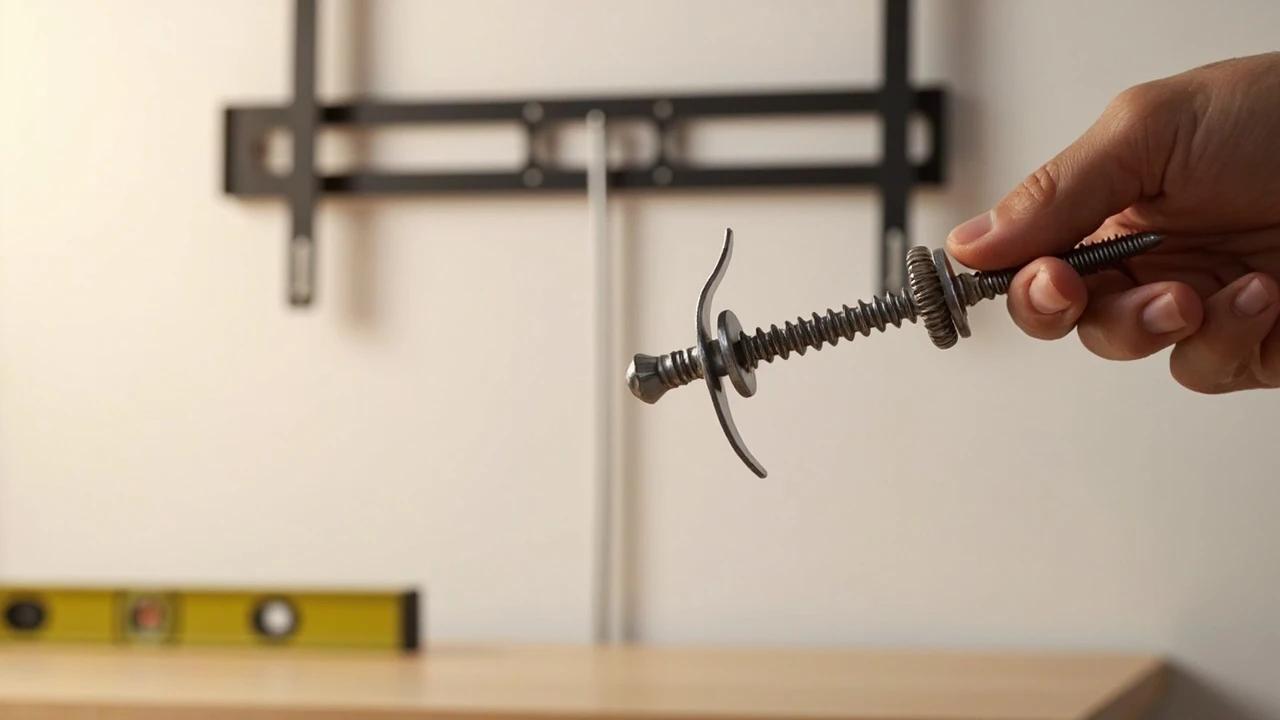

When the stud isn't where you need it, a toggle bolt is the strongest thing you can put in bare drywall — a 1/4-inch toggle holds several times what any plastic anchor manages, and modern strap-style toggles hold 200+ pounds in half-inch drywall. This guide covers both types end to end: sizing the toggle to the load, drilling the right hole, the put-the-bolt-through-the-bracket-first rule that saves you from the classic one-way mistake, and the ceiling math that keeps things off your head.
What do you need to install a toggle bolt?
🛠 Tools
📦 Materials
Safety First
- •Toggle ratings are ultimate failure loads, not working loads — divide the package number by 4 for anything you hang, and by more for items that get bumped or pulled.
- •Before drilling, know what's behind the wall: cables run vertically above and below outlets and switches, and supply pipes live in kitchen and bathroom walls.
How do you install a toggle bolt in drywall?
Check for a stud first — toggles are the fallback
A 3-inch screw into a stud holds more than any drywall anchor and costs nothing, so spend two minutes checking for a stud at your mounting height before reaching for hardware. Use a toggle when the framing genuinely isn't where the fixture needs to be — off-stud TV brackets, shelf standards between studs, curtain rods at window edges. For the full menu of anchor types by weight class, our drywall anchor guide covers the lighter-duty options.
Choose wing toggles or strap-style snap toggles
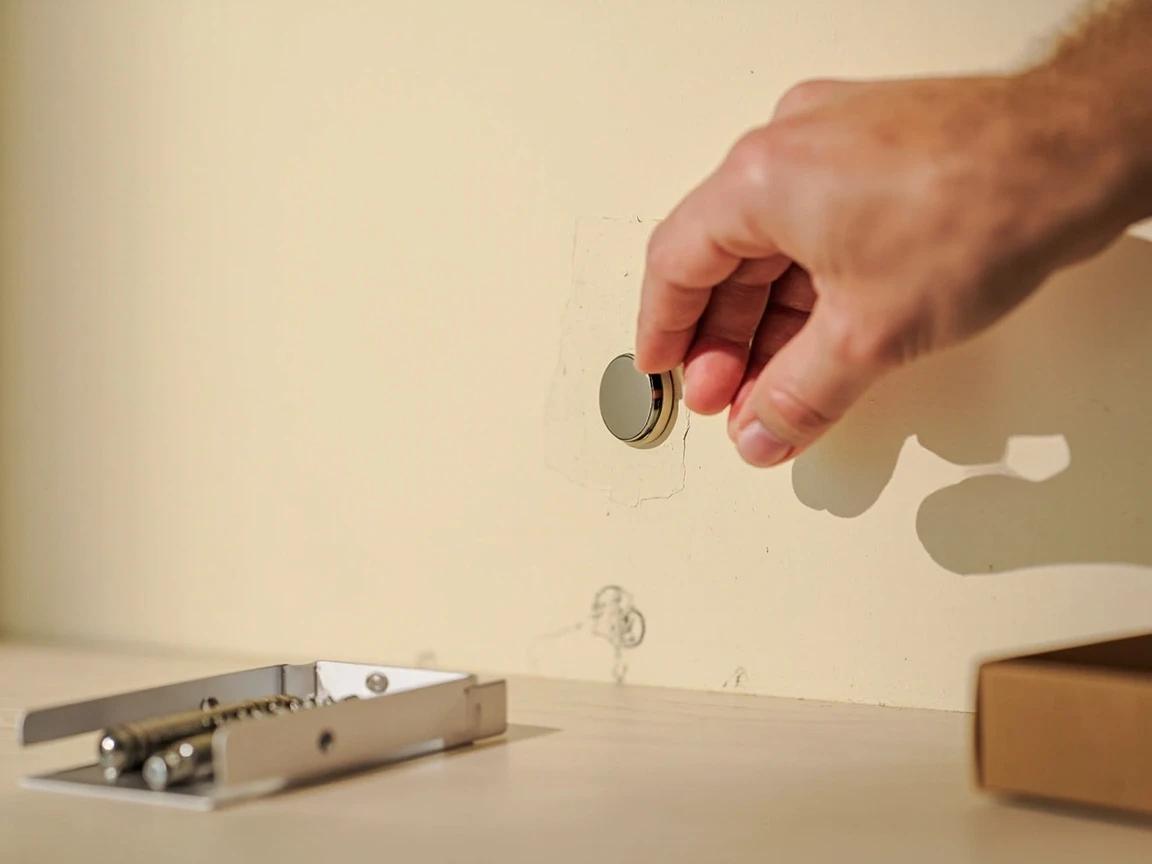
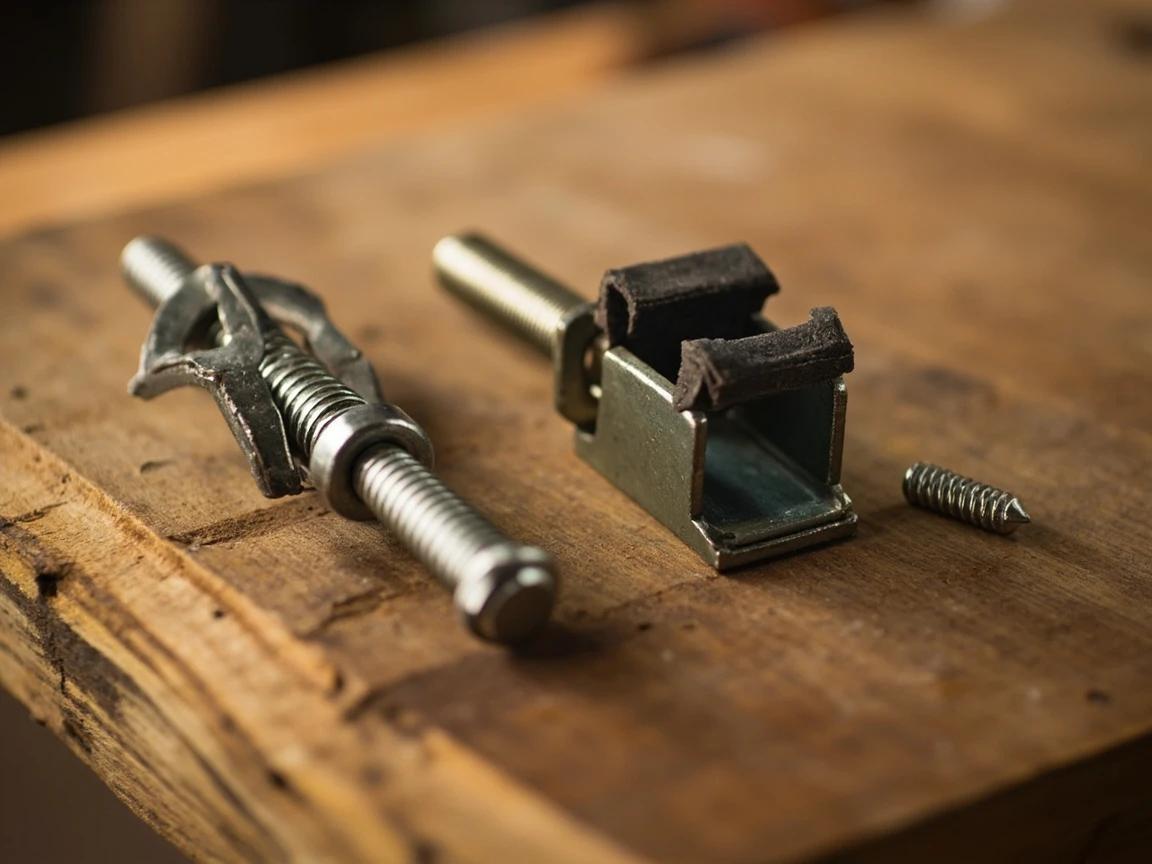
Classic spring-wing toggles are cheap and everywhere: a machine bolt threads through two spring-loaded wings that fold flat, pass through the hole, and pop open behind the drywall. Strap-style snap toggles replace the wings with a solid metal channel on plastic straps — they need only a 1/2-inch hole, hold roughly twice as much, stay in the wall when you remove the bolt, and can be reused. For anything heavy, repeatedly removed, or hole-size sensitive, the strap style is worth the extra dollar per anchor.
Size the toggle to the real load
Weigh the item (bathroom scale, or the manufacturer's spec) and multiply by 4 — package ratings are ultimate pull-out numbers from lab tests, and the 4:1 safety factor covers dynamic forces, imperfect drywall, and time. A 40-pound mirror on two toggles needs roughly 80 pounds of working capacity per the math (40 x 4 = 160, split across 2 anchors), which lands squarely on 1/4-inch wing toggles or any strap-style toggle. When an item will be bumped, tugged, or leaned on, size up again.

Spread the load: two smaller toggles a foot apart out-hold one big one, because each spreads its clamp across its own patch of drywall.
Mark the spots and drill the wing-clearance hole
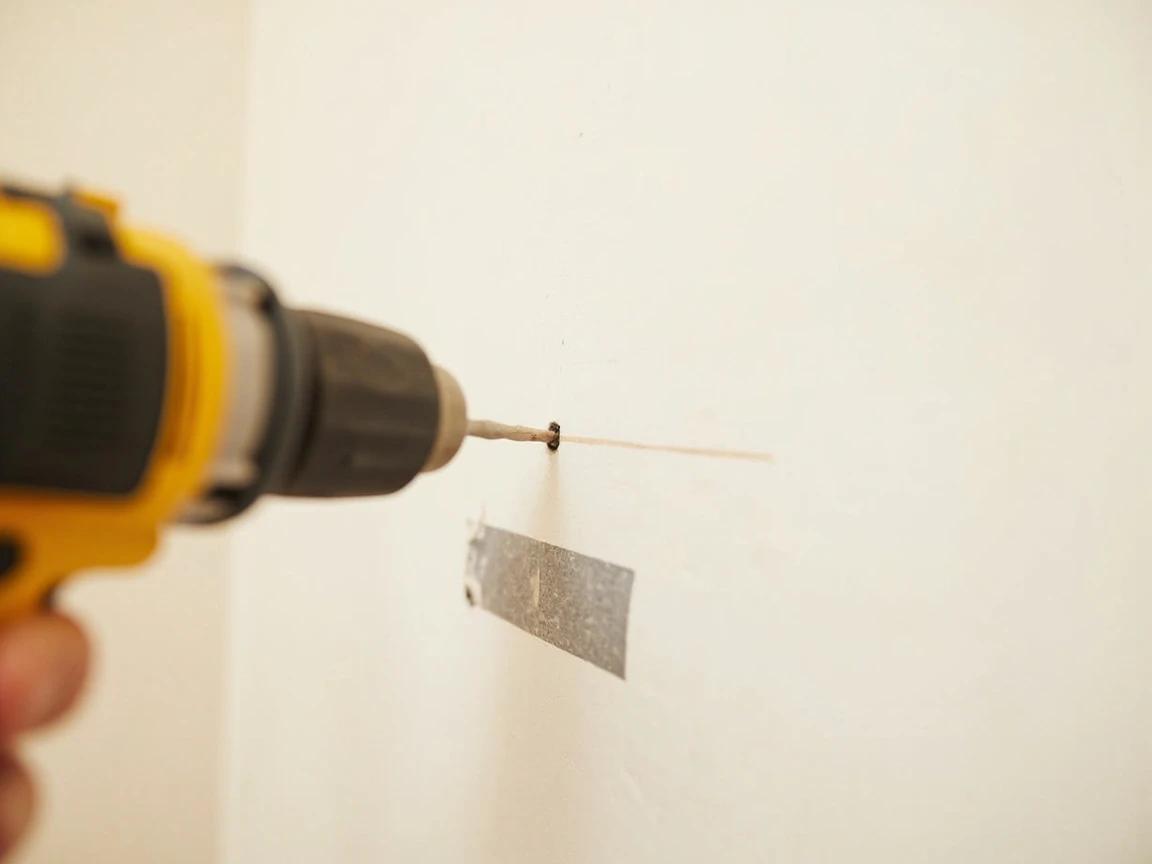
Level and mark your mounting holes, then drill the size the package calls for — the hole must clear the folded wings, not just the bolt shank: 1/2 inch for 3/16-inch toggles, 5/8 inch for 1/4-inch toggles, and a neat 1/2 inch for strap-style at any rating. Drill straight in with light pressure; drywall offers almost no resistance and a wandering bit chews the hole oversize, which costs holding power.
Thread the bolt through the fixture FIRST
This is the step everyone gets wrong once: the bolt must pass through the bracket, shelf standard, or fixture hole before the wings go on, because once the wings open inside the wall they never come back out. Slide the bolt through the fixture, spin the wings onto the tip a few turns with the fold pointing toward the bolt head, and confirm the bolt is long enough to reach through drywall plus fixture with a half inch to spare.
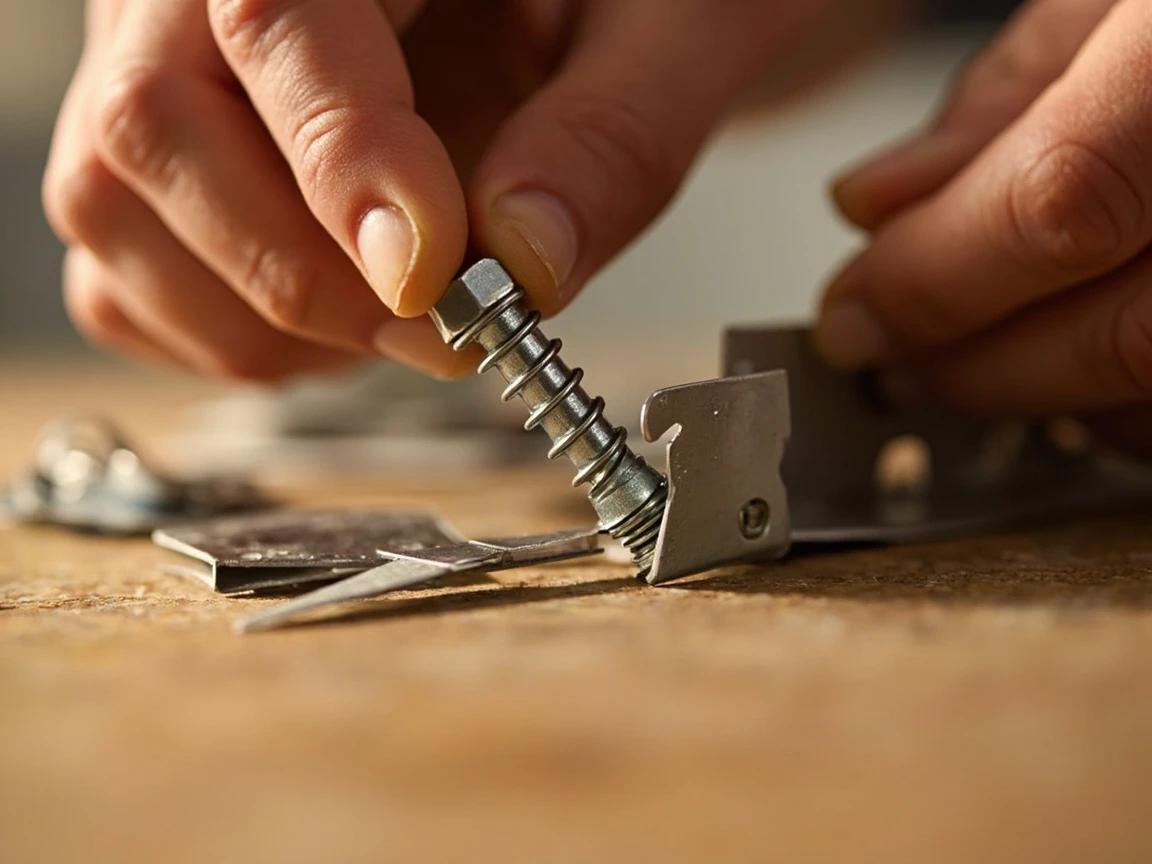
Dry-fit the length: drywall thickness + fixture thickness + 1/2 inch minimum. A too-short bolt lets the wings open but never engage the wall.
Pinch, push, and pop the wings open
Pinch the wings flat against the bolt and push the assembly through the hole until you feel the wings snap open in the cavity — you'll hear a faint click. Now pull the fixture straight back toward you so the open wings seat flat against the back of the drywall, and keep that outward tension the whole time you tighten. Without the pull-back, the wings just spin in the cavity and the bolt never bites.
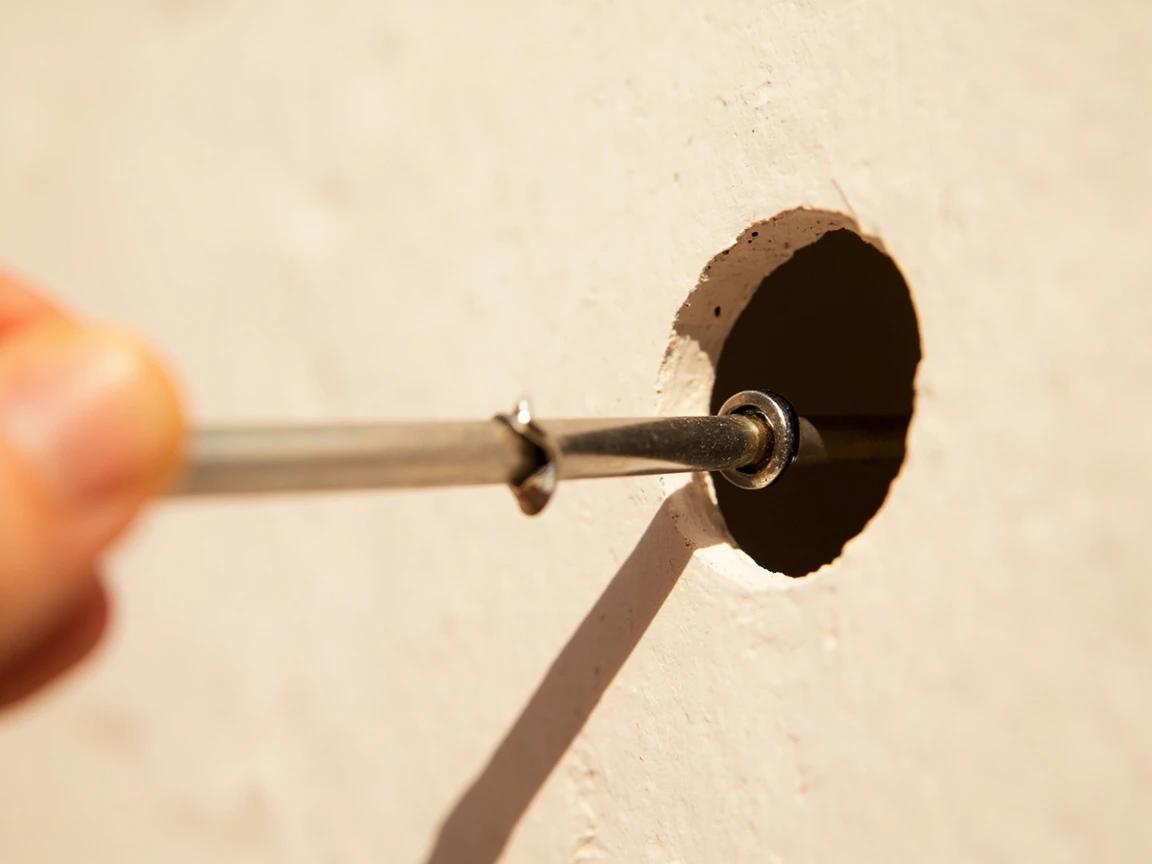
Install strap-style toggles their own way
Strap-style toggles reverse the order: slide the metal channel through the 1/2-inch hole, pull the straps back so the channel lies flat against the inside of the wall, then slide the plastic cap down the straps until it's snug in the hole and snap the straps off flush. The channel is now permanently parked, leaving a clean threaded anchor point — hold the fixture up and drive the machine bolt into the channel whenever you're ready.
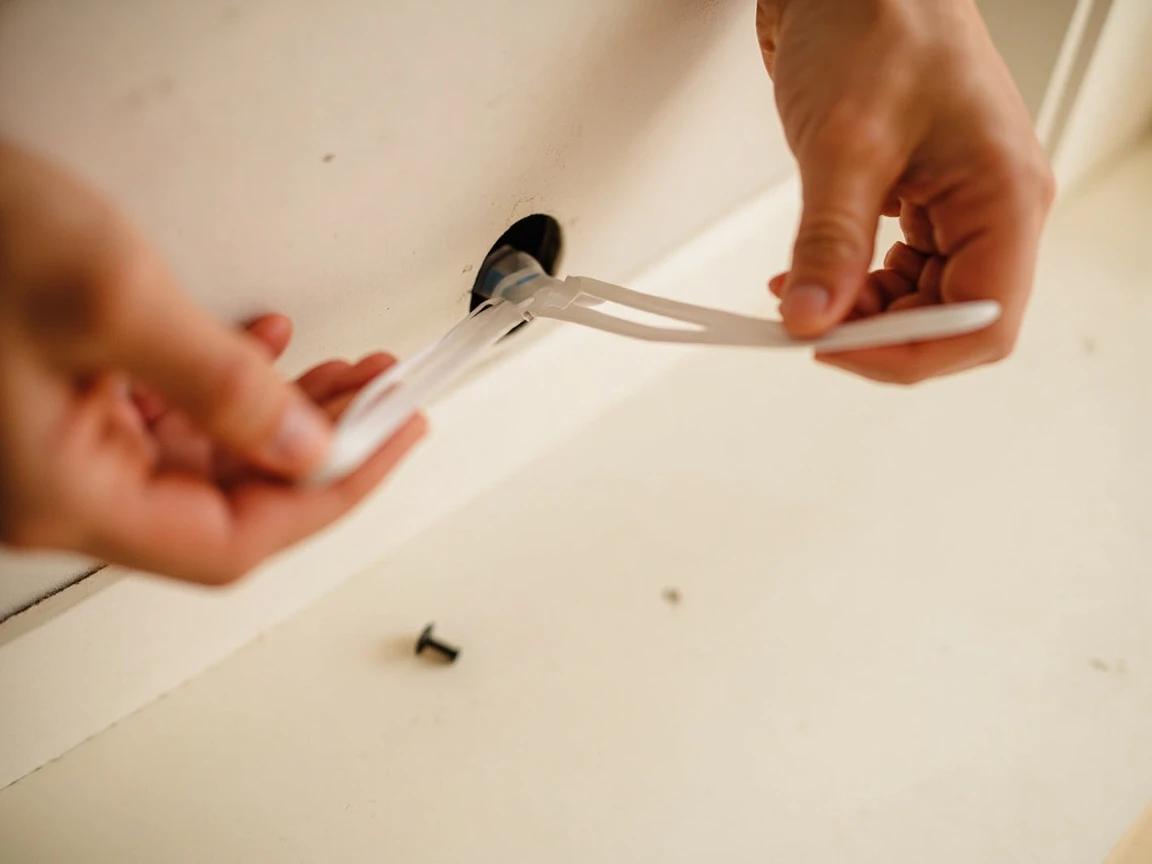
Because the channel stays put, strap toggles are the right call for anything you'll take down seasonally — screens, holiday hardware, adjustable shelving.
Tighten to snug — then stop
Drive the bolt with a hand screwdriver until the fixture pulls firm against the wall, then give it a final quarter turn and stop. Overtightening is the classic toggle killer: the wings or channel crush the gypsum core behind the wall, the anchor loosens, and the rating you paid for evaporates. If a bolt suddenly spins without tightening, the toggle has stripped the core — back out, move over a few inches, and patch the first hole with our mesh-patch method if it tore wide.
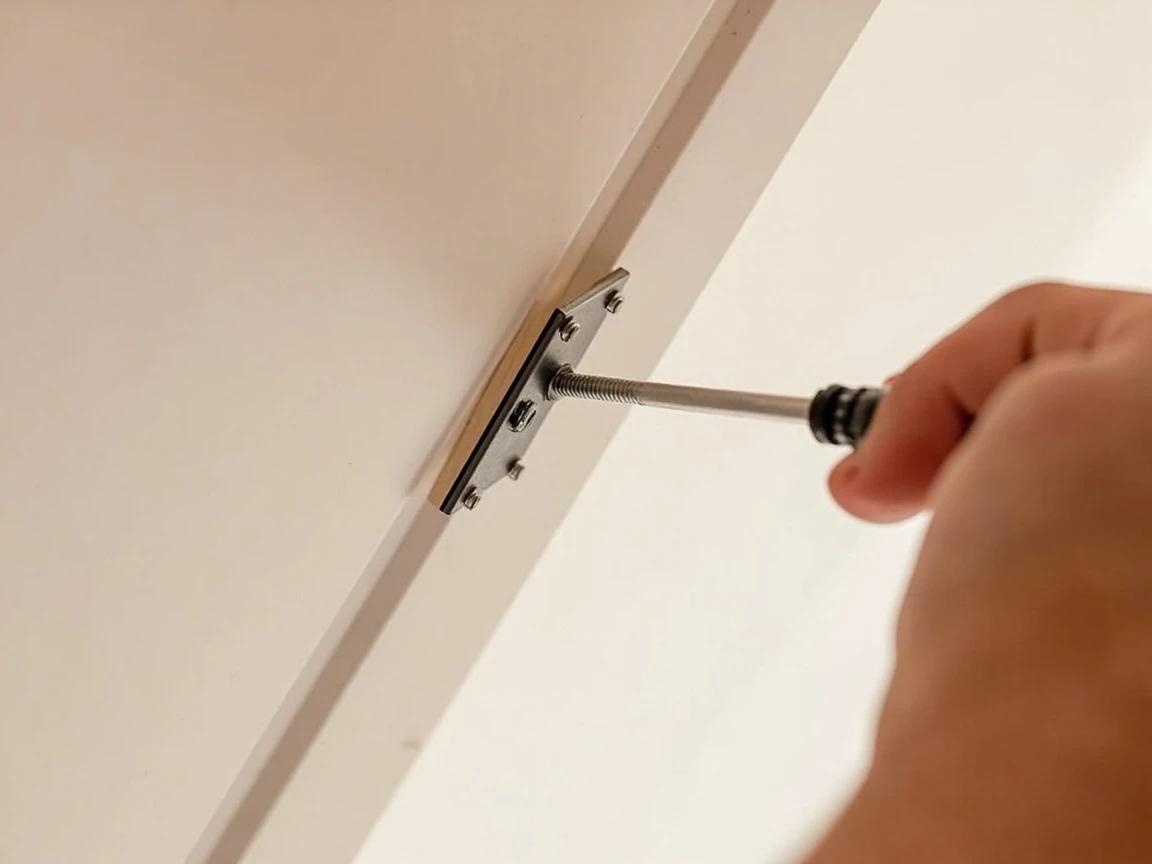
Respect the ceiling exception
Everything above assumes a wall, where the load pulls across the drywall. On a ceiling the same toggle holds roughly a third as much — the weight pulls straight down on the panel's weakest axis and gypsum creeps under sustained load — so treat 15 pounds as the practical limit for anything hung from ceiling drywall alone, and use a joist for anything more. Ceiling fans and heavy light fixtures are never a toggle job: code requires a fan-rated box fastened to framing, covered in our ceiling fan guide.

Frequently Asked Questions
How much weight can a toggle bolt hold in half-inch drywall?
+
Ultimate (failure) ratings run roughly 50 pounds for a 1/8-inch wing toggle, 70-80 pounds for 3/16-inch, and 90-100 pounds for 1/4-inch in half-inch drywall; strap-style snap toggles test around 230-265 pounds. Those are laboratory pull-out numbers — divide by 4 for a real working load. Two 1/4-inch toggles safely carrying 20-25 pounds each will hold a 40-50 pound mirror for decades. The 4:1 divisor is not padding: published figures come from a steady pull on fresh board, and nothing in a house is loaded that way. What fails is almost never the bolt — it is the drywall crushing where the wings bear, which is why spreading a load across two anchors beats sizing up to one. Two things shift the math: 5/8-inch board carries more than 1/2-inch, and anything that swings or gets yanked counts as roughly double its static weight. If you can hit framing instead, do — see finding a stud.
Why do you put the bolt through the bracket before the toggle wings?
+
Because the wings only pass through the wall once. After they spring open behind the drywall, unscrewing the bolt just drops the wings into the wall cavity — there is no way to get them back out through the hole. Thread the bolt through your bracket or fixture first, then spin the wings on, then push the whole assembly through the wall. Get the order wrong and there is no clever recovery: the wings are gone, and the hole is now too big for a fresh toggle to grip. Move over about 2 inches, drill into sound board, and patch the first hole. The dropped wings are harmless — they sit at the bottom of the stud bay and at most rattle faintly. Two habits prevent it: dry-fit the bracket and mark your holes before any wings go on, and buy one spare toggle per hole, because most people learn this rule by breaking it once.
Can toggle bolts be reused?
+
Wing toggles, no — remove the bolt and the wings fall into the wall, so a rehang needs a fresh toggle (and often a fresh hole). Strap-style snap toggles, yes: the metal channel stays parked against the back of the drywall when you remove the bolt, so you can take a fixture down and rehang it as often as you like. That difference should drive which type you buy, not price. Anything you will take down again — a TV mount you may re-level, a shelf that comes off for painting, a towel bar in a rental — justifies snap toggles despite costing a few dollars more. A mirror going up once is fine on wing toggles. One catch: the channel only stays aligned if you snap the plastic straps off flush. Break them off crooked and the channel tilts behind the board, and the bolt will not find the thread on the way back in.
How much weight can a toggle bolt hold in a ceiling?
+
Far less than in a wall — figure roughly a third of the wall rating, and treat about 15 pounds as the practical ceiling for anything hung from drywall alone. On a ceiling the load pulls straight down on the drywall's weakest axis, and the gypsum core can creep and crumble over time. Anything heavier, anything that moves, and every ceiling fan belongs in a joist or fan-rated box. Creep is the part people underestimate: an anchor that holds fine on day one can pull slowly through the board over months, because gypsum deforms under sustained load in a way it does not under a brief test pull. A watered hanging plant is worse again — the weight changes weekly and the pot swings when bumped. For ceiling fans this is not a judgment call but code: the box must be listed and marked for fan support (NEC 314.27). The fix is to find the joist, or add blocking between joists from the attic.
What size hole do I drill for a toggle bolt?
+
The hole must clear the folded wings, not just the bolt: 1/2 inch for a 3/16-inch wing toggle and 5/8 inch for a 1/4-inch toggle are the common sizes — the package lists the exact bit. Strap-style snap toggles need only a 1/2-inch hole even at their highest ratings, which is one reason they leave less to patch later. If the package is gone, fold the wings flat against the bolt, measure the widest point, and pick the next bit up. Drill in one steady pass with the bit square to the wall — angling it ovals the hole, and an oval hole lets the wings pull through well below the rated load. Skip spade bits; they tear the paper face. If you blow the hole out, do not size up the toggle to compensate — move 2 inches over and repair the original with our drywall patching guide. In tile or plaster use a carbide bit, low speed, hammer setting off.
Sources & further reading
- SNAPTOGGLE Heavy-Duty Toggle Bolt — Specifications — TOGGLER
- Toggle Bolts — Technical & Mechanical Information — AFT Fasteners
- Toggle Bolt Technical Data — DeWalt Anchors & Fasteners
More Carpentry Guides
View all →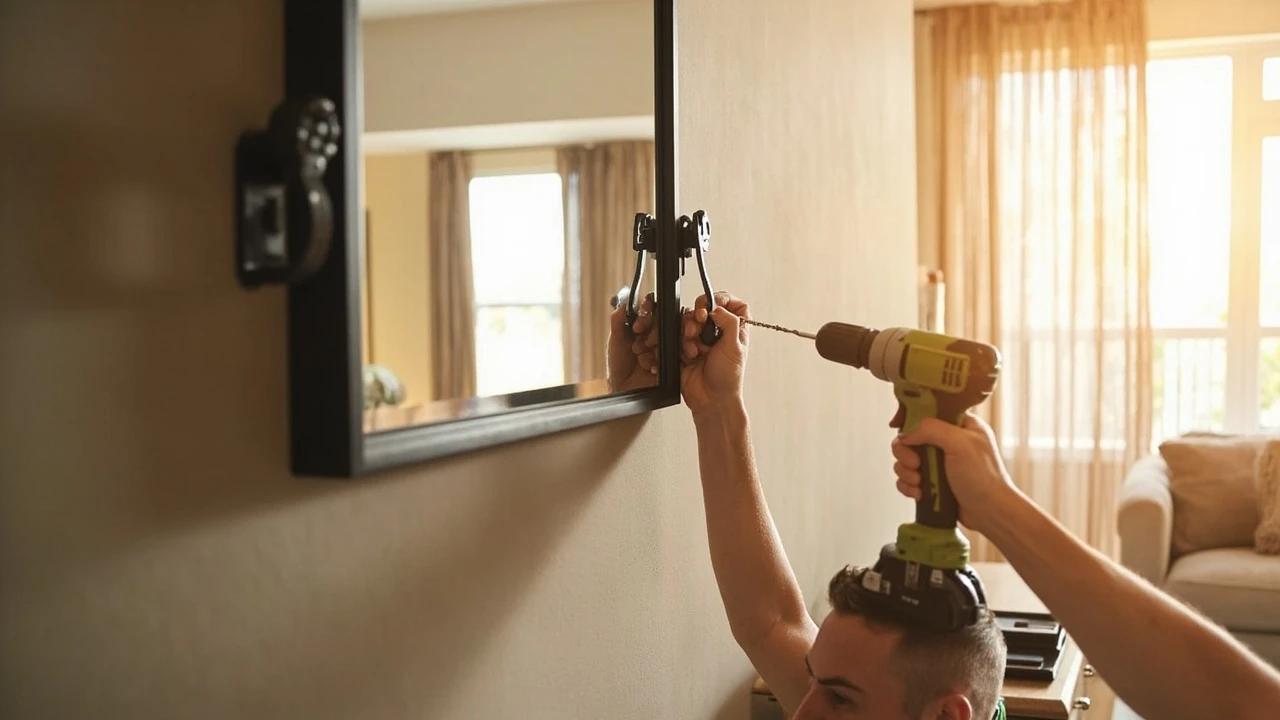 Easy30 min
How to Install Drywall Anchors for Heavy Items
A failed wall anchor doesn't just dent your drywall — it can drop a 60-pound TV onto a coffee table. This guide explains the five anchor types, when to use each, the stud-first rule that pros follow, and the pull-test that catches a bad install before your TV does. For the holes left behind by failed anchors, a $5 tub of spackle and ten minutes covers the cleanup.
 Easy15 min
How to Find a Stud Without a Stud Finder
No stud finder? No problem. You can locate the wooden studs behind your drywall with things you already own — an outlet, a tape measure, and a strong magnet — in about ten minutes. This guide walks through every reliable method, from the quickest starting point to a foolproof way to confirm a stud before you drill a single hole.
 Medium2 hrs
How to Patch a Hole in Drywall (Any Size)
A nail hole, a doorknob punch-through, and a fist-sized hole from moving furniture each need a different repair. Match the hole to the method: spackle under 1/2 inch, a self-adhesive mesh patch up to 4 inches, a California patch from 4 to 8 inches, and a backer strip with a new drywall piece beyond that. Every method finishes with the same thin coats, sanding, and primer, and the materials cost under $40.
You Might Also Like
 Easy15 min
How to Replace a Refrigerator Water Filter
A clogged refrigerator water filter is the most common cause of slow dispensing, off-tasting water, and undersized ice cubes — and it is the easiest fix in your kitchen. Most filters are designed to be swapped in under five minutes with no tools, no shut-off valve, and no spilled water. This guide covers locating your filter, the two common removal styles (twist-in and push-in), inspecting the O-rings, flushing the new filter, and resetting the indicator light so you do not see the red "Replace" warning the next morning.
 Easy25 min
Best Deck Stain: Transparent vs Semi vs Solid
There is no "best" deck stain — there is the right stain for your sun exposure, wood condition, and how often you want to redo the job. Transparent stains last 1-2 years but let the natural grain show. Solid stains last 4-7 years but look like paint. This guide walks the four opacity levels and the oil-vs-water choice so you pick the one that matches your deck and your tolerance for re-staining.
 Easy45 min
How to Install a Smart Thermostat
A smart thermostat is one of the highest-ROI upgrades you can make to your home — it learns your schedule, adjusts automatically when you're away, and typically saves about 8% on heating and cooling bills — the figure ENERGY STAR verifies from real-home data, roughly $50 a year — so the $120-250 device usually pays for itself within a few years. If your old thermostat has labeled wires behind it, the swap takes about 30-45 minutes with nothing more than a screwdriver and your phone. This guide covers checking compatibility, labeling wires, mounting the new base, connecting everything, and walking through the app setup so your system is running smart the same day.