How Much Paint Do I Need? Calculator + Method

A gallon of paint covers 350-400 square feet — but only on the first coat, only on smooth walls, and only if you can apply it without spilling, splattering, or leaving the can sitting open on a hot day. This guide walks the actual math: measure the room, subtract windows and doors, multiply by the number of coats, factor in primer if needed, then add the 10% safety margin pros build into every quote. The answer comes out within one gallon every time.
What You'll Need
🛠 Tools
Step-by-Step Instructions
Measure the Wall Lengths
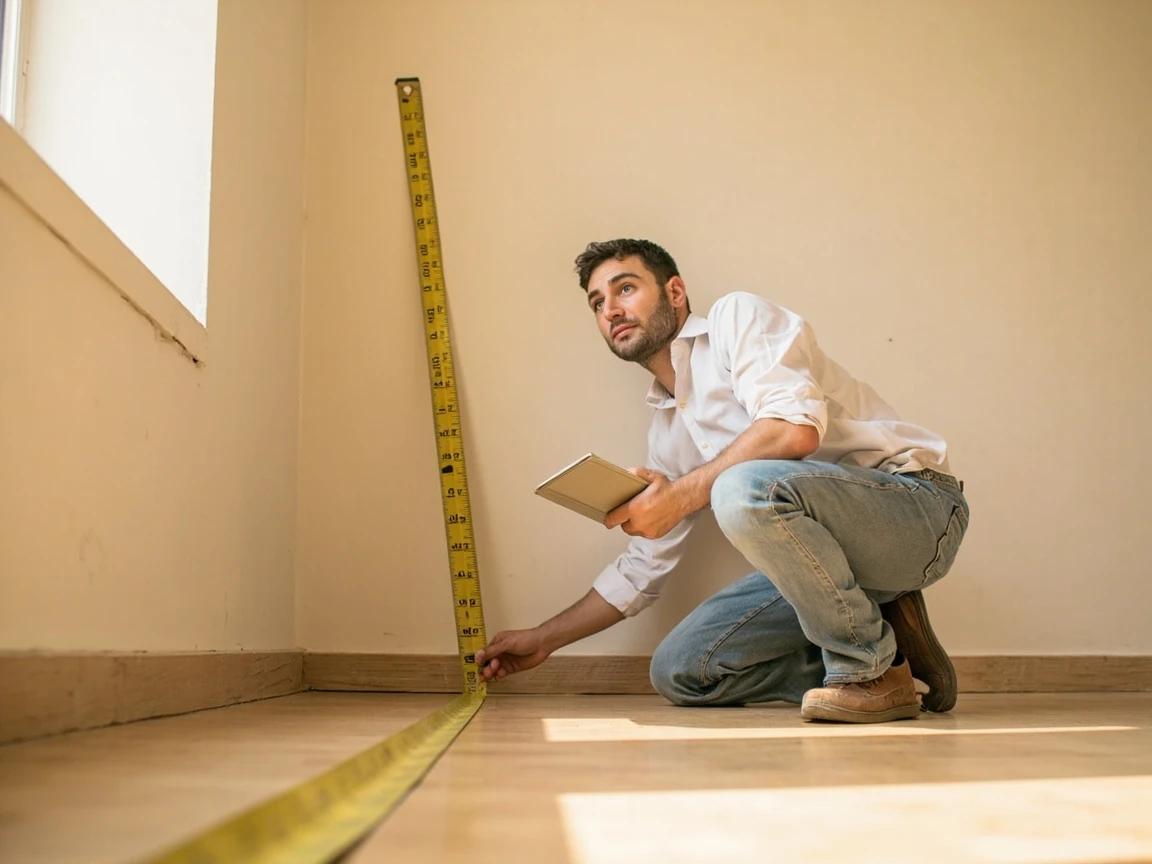
Use a tape measure to find the length of every wall in the room. Walk the room once and note each wall length on paper. For a typical 12 × 14 ft bedroom: 12 + 14 + 12 + 14 = 52 feet of total wall length. Round to the nearest foot — fractional measurements at this stage do not matter to the final answer. If the room has an L-shape or a closet jutting in, measure those extra walls too.
Measure the Ceiling Height
Use the tape measure or — if the room is too tall to reach — measure a vertical reference like a doorframe (standard interior doors are 80 inches tall) and add the gap from the top of the door to the ceiling. Standard residential ceilings are 8 feet (96 inches); 9-foot and 10-foot ceilings are common in newer construction; vaulted ceilings need special handling (measure max height + slope angle, average them). Note the height.
Calculate the Gross Wall Area
Multiply total wall length × ceiling height. For the 12 × 14 bedroom with 8-foot ceilings: 52 ft × 8 ft = 416 square feet. This is the GROSS wall area — every square foot of wall surface, including over doors and windows. We subtract the openings in the next step. Write this number down. If you have multiple rooms, calculate each separately — different ceiling heights and wall lengths make a combined formula error-prone.

Subtract Doors and Windows
Use the standard subtractions: 20 sq ft per door (a 36 × 80-inch door is 20 sq ft), 15 sq ft per average window (a 36 × 60-inch window is 15 sq ft). For a bedroom with 1 door and 2 windows: 20 + (2 × 15) = 50 sq ft of openings. Subtract from gross: 416 − 50 = 366 sq ft of paintable wall area. For larger windows (picture windows, sliding glass doors), measure them directly instead of using the standard.

Divide by 350 sq ft Per Gallon
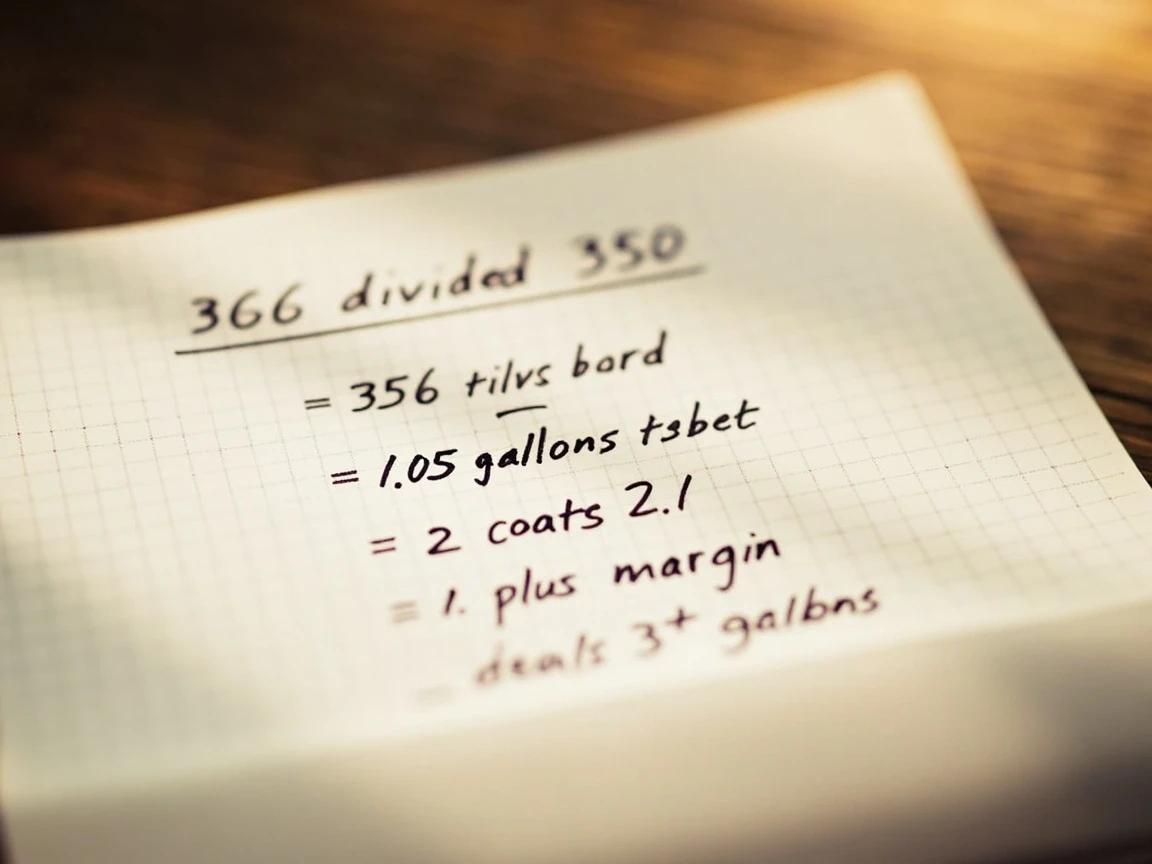
Divide paintable area by 350 to get gallons per coat. For our example: 366 / 350 = 1.05 gallons. So one gallon does NOT quite cover the room in one coat. Multiply by number of coats: 1.05 × 2 coats = 2.1 gallons total. Round up to the next full gallon: 3 gallons. Add 10% safety margin: still rounds to 3 gallons. The bedroom uses 3 gallons total for two coats. If the wall was textured, use 250 instead of 350: 366 / 250 = 1.46, × 2 coats = 2.93, round up + margin = 3-4 gallons.
Buy your paint in the largest can size that meets your need rather than two smaller cans. A 1-gallon can costs about $50; two 1-quart cans cost about $40 — the savings disappear when you factor in the slight color variance between cans (always have the store box-mix multiple gallons of the same color together to ensure perfect uniformity).
Calculate Ceiling Paint Separately
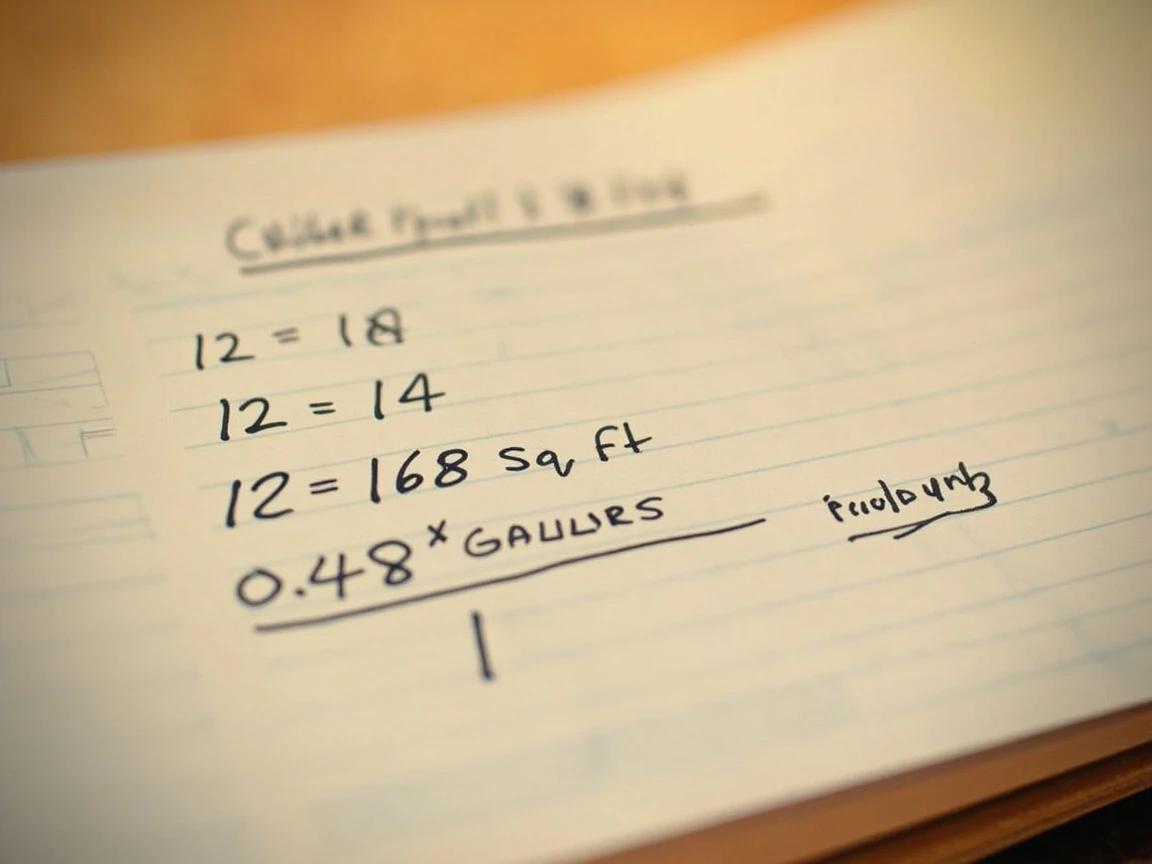
For the ceiling, multiply length × width: 12 × 14 = 168 sq ft. Divide by 350 per coat: 168 / 350 = 0.48. Usually one coat is enough for a ceiling refresh, so round up to 1 gallon. Ceiling paint is different from wall paint (typically flat, ultra-matte) so do not try to use wall paint as ceiling paint or vice versa. Budget 1 gallon of ceiling paint per ~350 sq ft of ceiling for one coat, doubled if covering stains or going from a darker color to white.
Add Primer If Needed
If you are painting over a darker color, over fresh patches, over previously-glossy paint, or over any surface that you would not paint without primer (see our primer-for-kitchen-cabinets guide for full discussion), add primer to your shopping list. Use 250 sq ft per gallon for primer math (less coverage than finish paint). For our example: 366 sq ft / 250 = 1.46 gallons of wall primer = round up to 2 quarts + 1 gallon, or just 2 gallons. Most rooms do not need primer — but knowing the math lets you budget it without surprise.
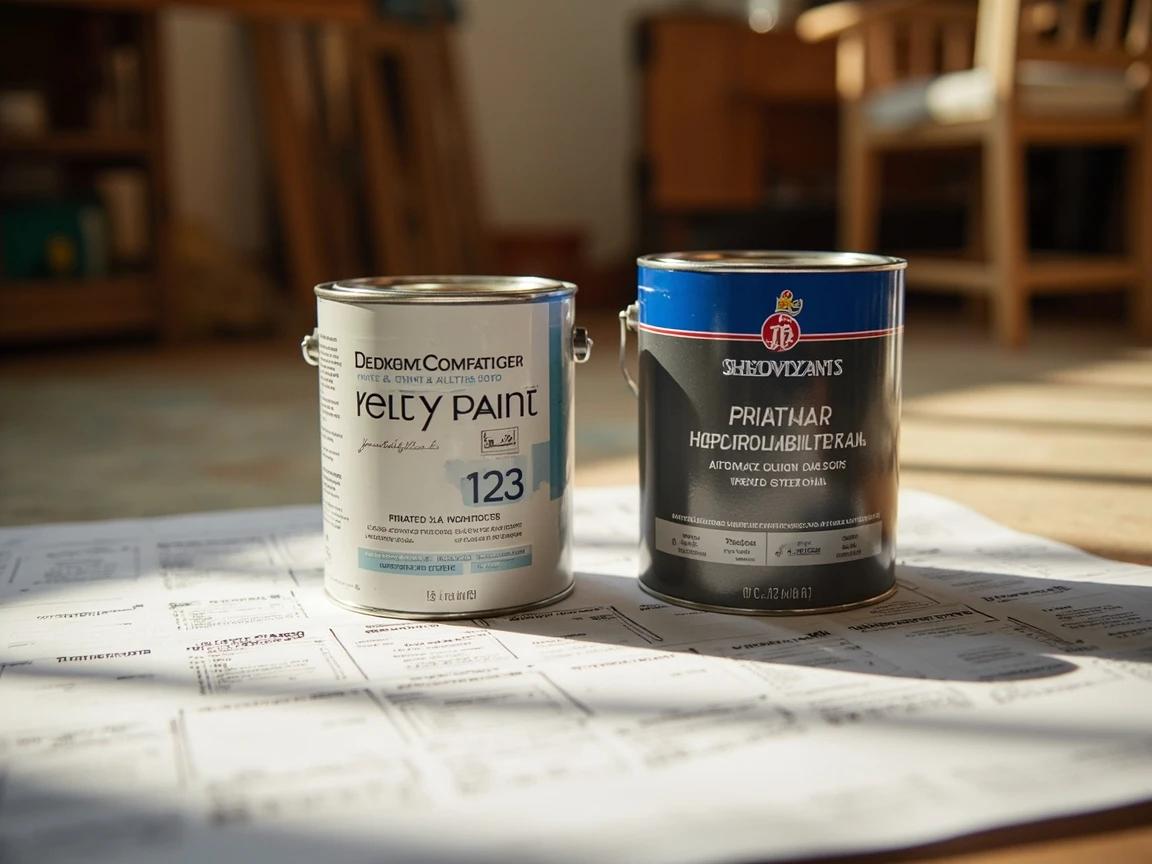
Do not skip the safety margin. The 10% extra is what saves a Sunday afternoon when you discover the second coat needs more paint than expected. Returning an unopened can is easy at most paint stores; running out at 4:30 PM Sunday and the store closed at 5 is the bad outcome.
Frequently Asked Questions
Does a gallon really cover 350-400 square feet?
+
Yes for typical interior latex paint on a smooth, properly-primed surface, applied with a roller, with no waste. In practice, most homeowners get 300-350 sq ft per gallon — slightly less than the label claim because of brush absorption, roller absorption, and the inevitable small spills. Use 350 as your planning number; 300 as your conservative estimate for textured walls or first-time DIYers.
Why does primer cover so much less than paint?
+
Primer is formulated to soak into the surface to create a uniform substrate, not to sit on top forming a film like finish paint. That deeper penetration means more product per square foot. A gallon of primer typically covers 200-300 square feet — about two-thirds the coverage of finish paint. Budget primer needs separately from paint; do not assume "one gallon of each".
Should I round up or buy exactly what I need?
+
Always round up to the next full gallon, then add 10% on top. Paint stores will not let you return opened cans, and running out 80% through a job means an emergency trip mid-coat that ruins the wet-edge timing on what you have already done. Extra paint is also useful for touch-ups over the next 2-3 years. The exception: never buy more than 20% extra — that becomes garage clutter that you eventually throw out.
How does textured wall change the math?
+
Textured walls (orange peel, knockdown, popcorn) absorb significantly more paint than smooth walls. Reduce your coverage assumption from 350 to 275 sq ft per gallon for orange-peel texture, 250 for knockdown, and 200 for popcorn. Rough exterior surfaces (stucco, brick) drop to 150-200 sq ft per gallon. The math: take your normal calculation and multiply by 1.5x for rough surfaces.
Sources & further reading
- Paint Calculator — Sherwin-Williams
- Paint Calculator — How Much Primer Do I Need? — KILZ
- Estimating How Much Paint to Buy — dummies.com
More Painting Guides
View all →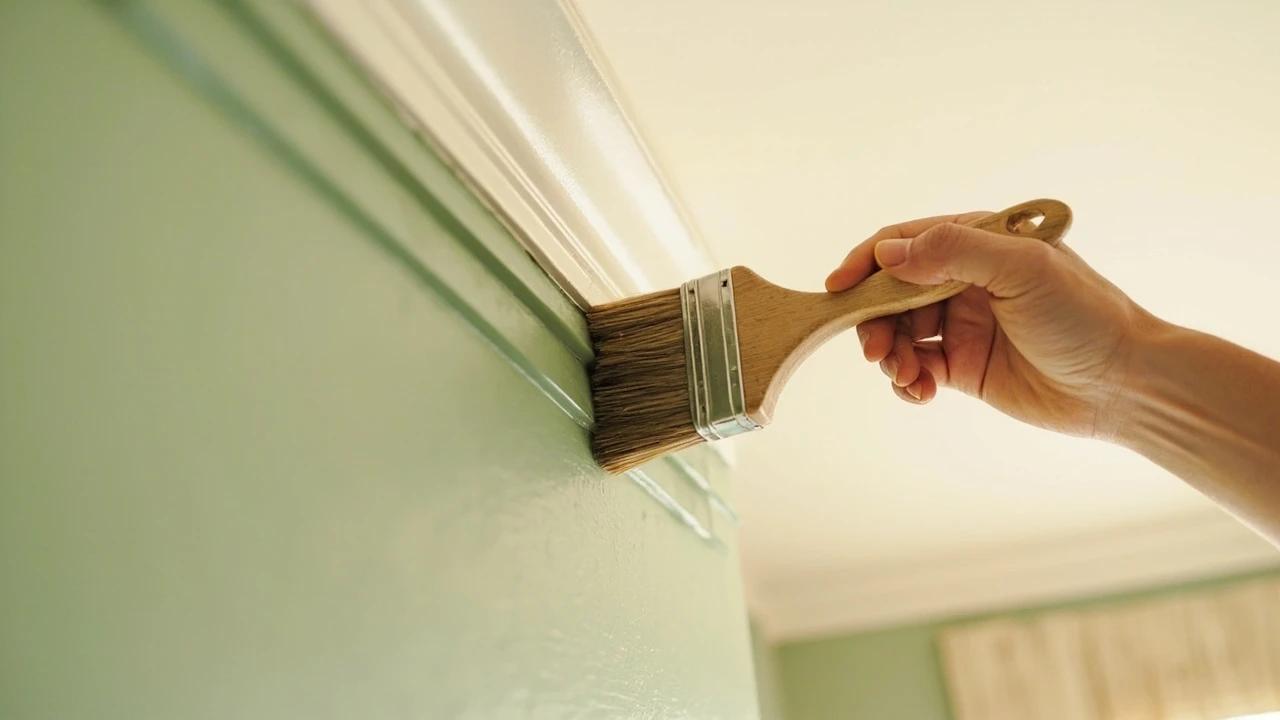 Medium30 min
The Cut-In Technique — Clean Paint Lines Without Tape
Cutting in is the painter's skill that separates "I painted my own house" from "I had a painter do it." A clean cut-in line at the ceiling, baseboard, or trim eliminates the need for painter's tape entirely — and tape leaves bleed lines anyway. This guide covers the 2.5-inch angled sash brush technique: how to load the brush, hold it, position your body, and bring it to the edge so the line is straight without any tape.
 Easy2 hrs
How to Paint a Ceiling Without Streaks or Roller Marks
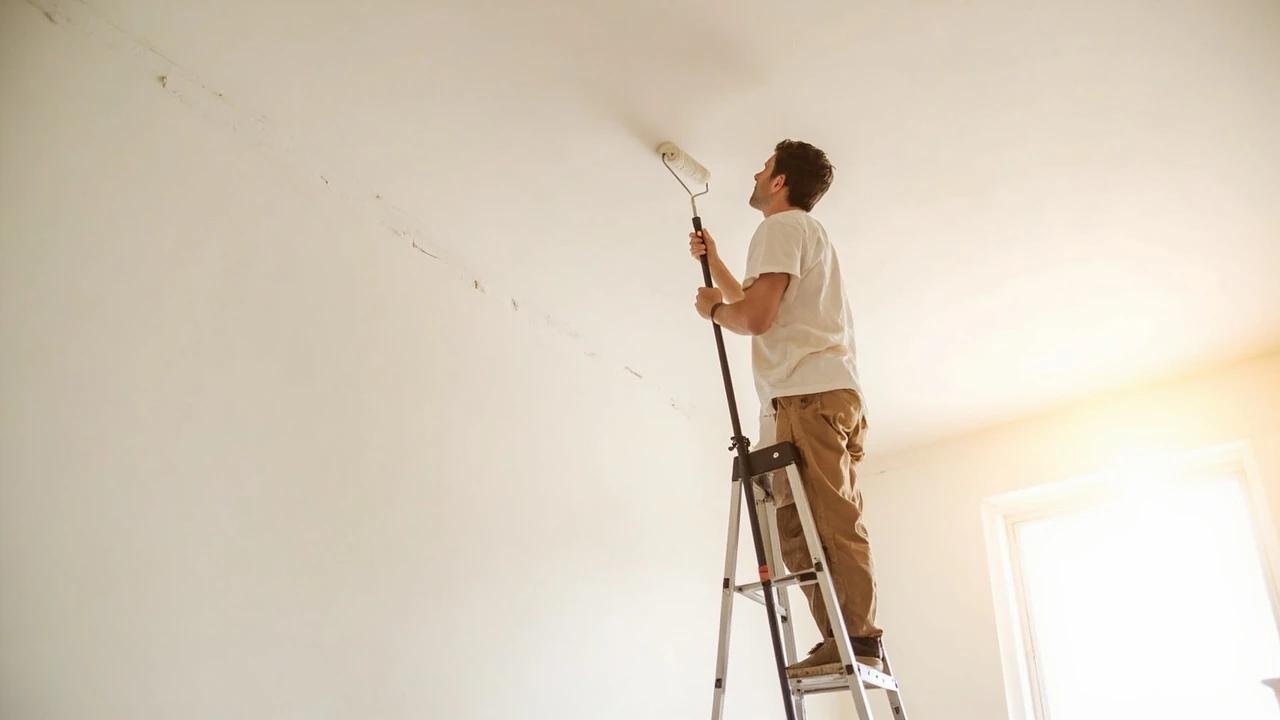
A streaked ceiling is the single most common DIY paint failure — and it is almost always one of three things: wrong roller nap, wrong direction, or letting the wet edge dry before you fill it in. Get those three right and a ceiling paint job looks professional. This guide covers nap selection, the W-pattern roll, working away from the light source, and the wet-edge rule that prevents lap marks.
 Easy4 hrs
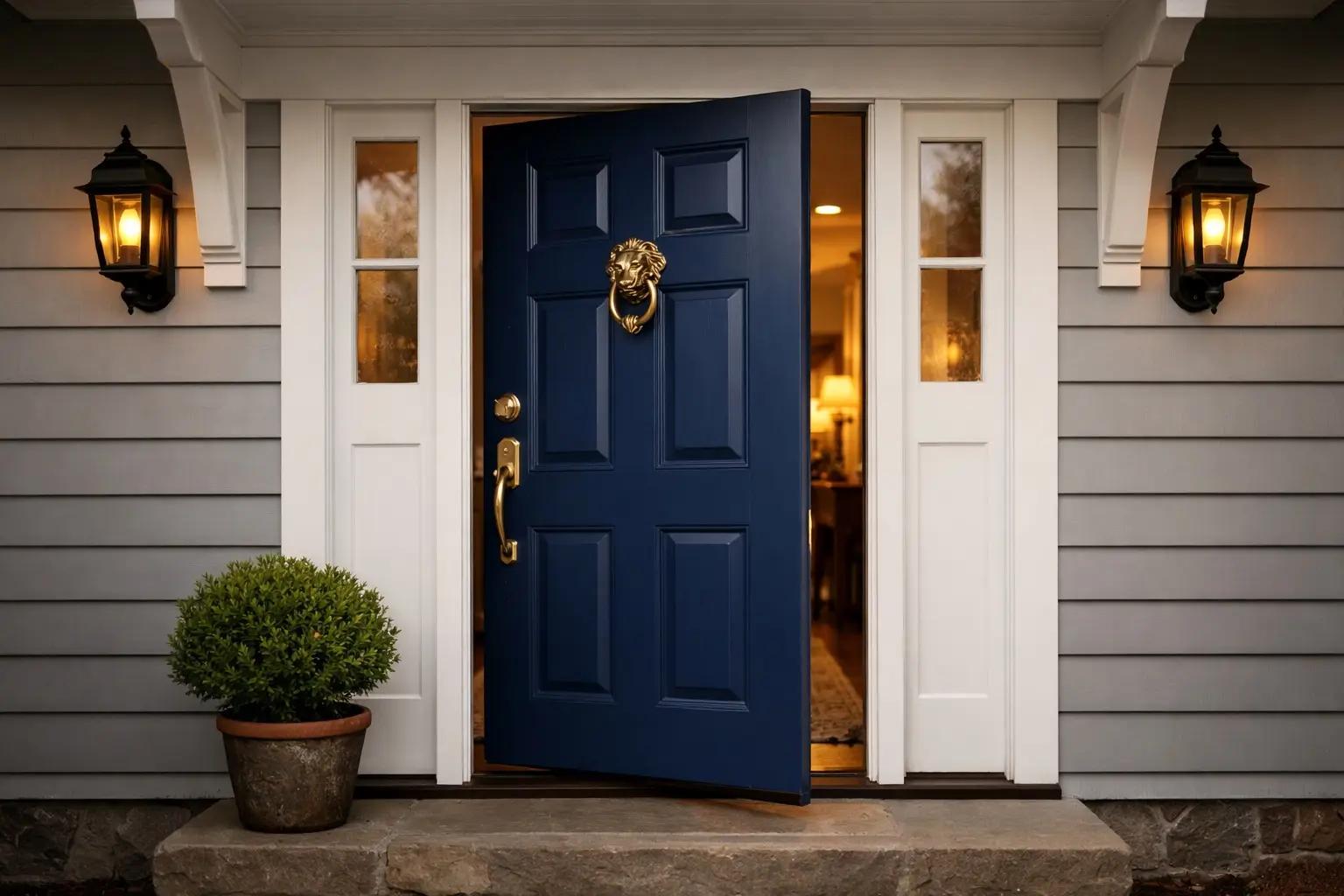
How to Paint a Front Door
A freshly painted front door is the single biggest curb-appeal upgrade you can make in an afternoon — real estate pros estimate it adds $500-1,000 in perceived home value for under $50 in materials. The key to a smooth, brush-mark-free finish is proper prep, thin coats, and the right weather window. This guide covers wood, steel, and fiberglass doors using exterior latex paint.
You Might Also Like
 Easy2 hrs
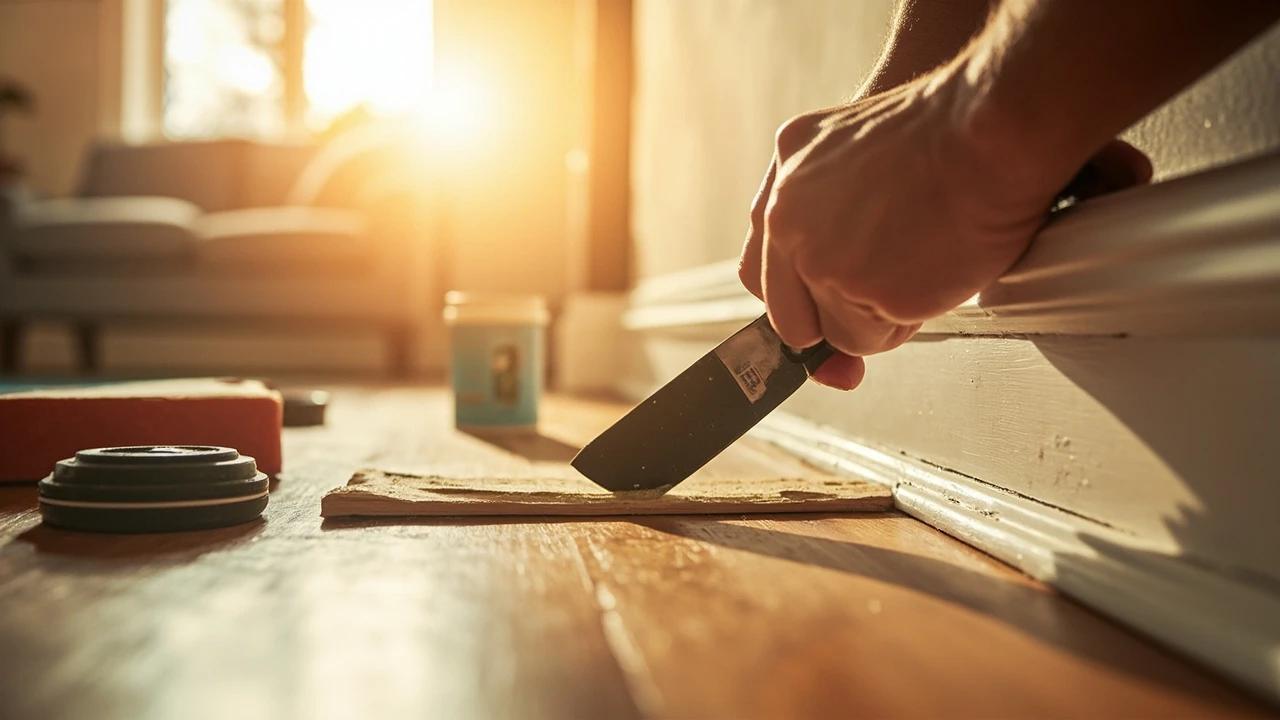
How to Repair Damaged Baseboard Trim
Dented, chipped, and gouged baseboards are one of the most visible signs of a neglected home — but they are also one of the easiest things to fix. With $10-20 in filler and a few hours of work (mostly drying time), you can make battered trim look factory-fresh without pulling a single board off the wall.
 Easy45 min
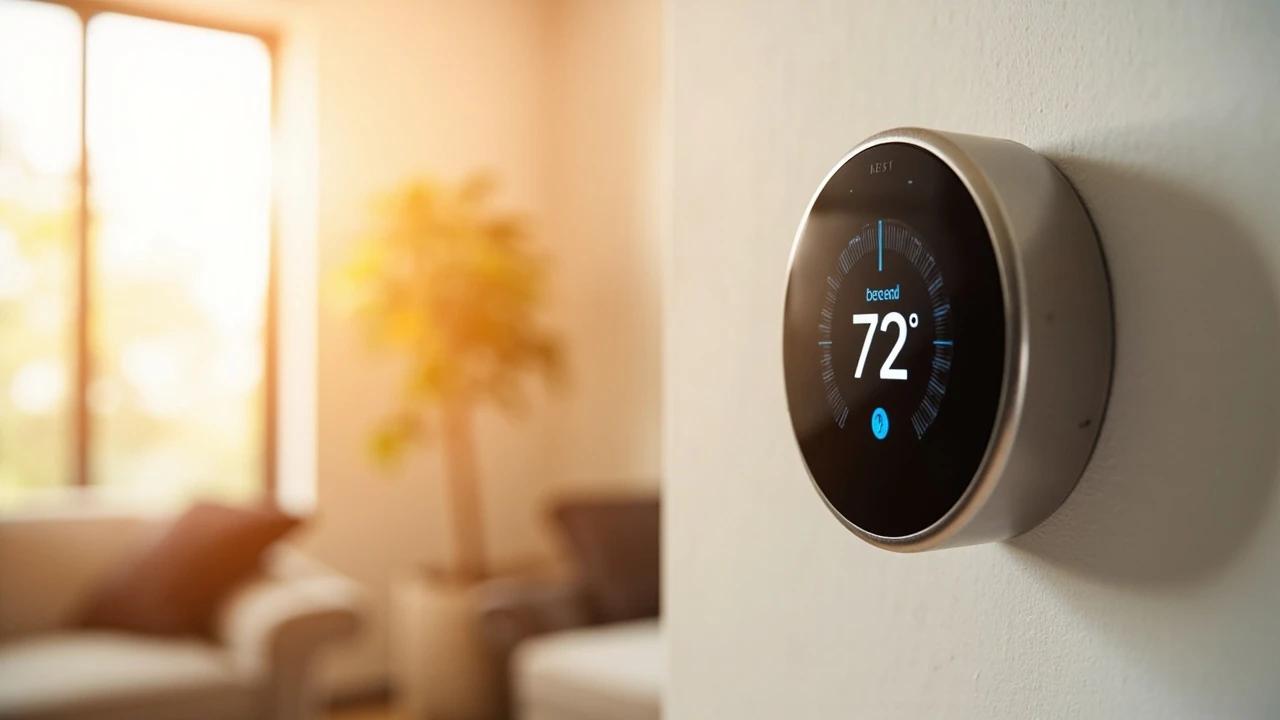
How to Install a Smart Thermostat
A smart thermostat is one of the highest-ROI upgrades you can make to your home — it learns your schedule, adjusts automatically when you're away, and typically saves about 8% on heating and cooling bills — the figure ENERGY STAR verifies from real-home data, roughly $50 a year — so the $120-250 device usually pays for itself within a few years. If your old thermostat has labeled wires behind it, the swap takes about 30-45 minutes with nothing more than a screwdriver and your phone. This guide covers checking compatibility, labeling wires, mounting the new base, connecting everything, and walking through the app setup so your system is running smart the same day.
 Easy30 min
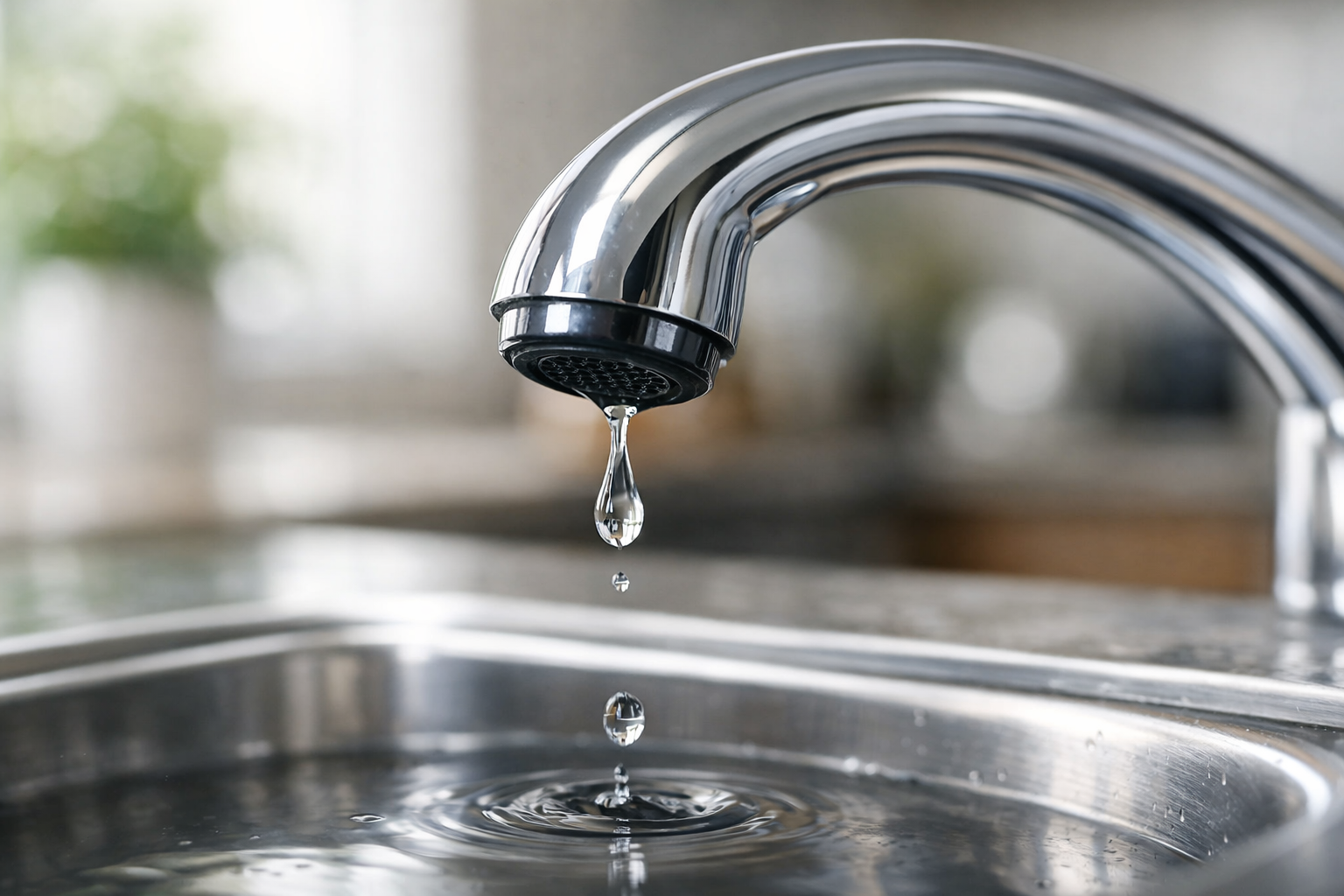
How to Fix a Dripping Faucet
A dripping faucet wastes more than 3,000 gallons of water per year and can add $20 or more to your monthly water bill. The fix is almost always a worn cartridge, washer, or O-ring — parts that cost under $10 and take 20-30 minutes to replace with basic tools.