The Cut-In Technique — Clean Paint Lines Without Tape
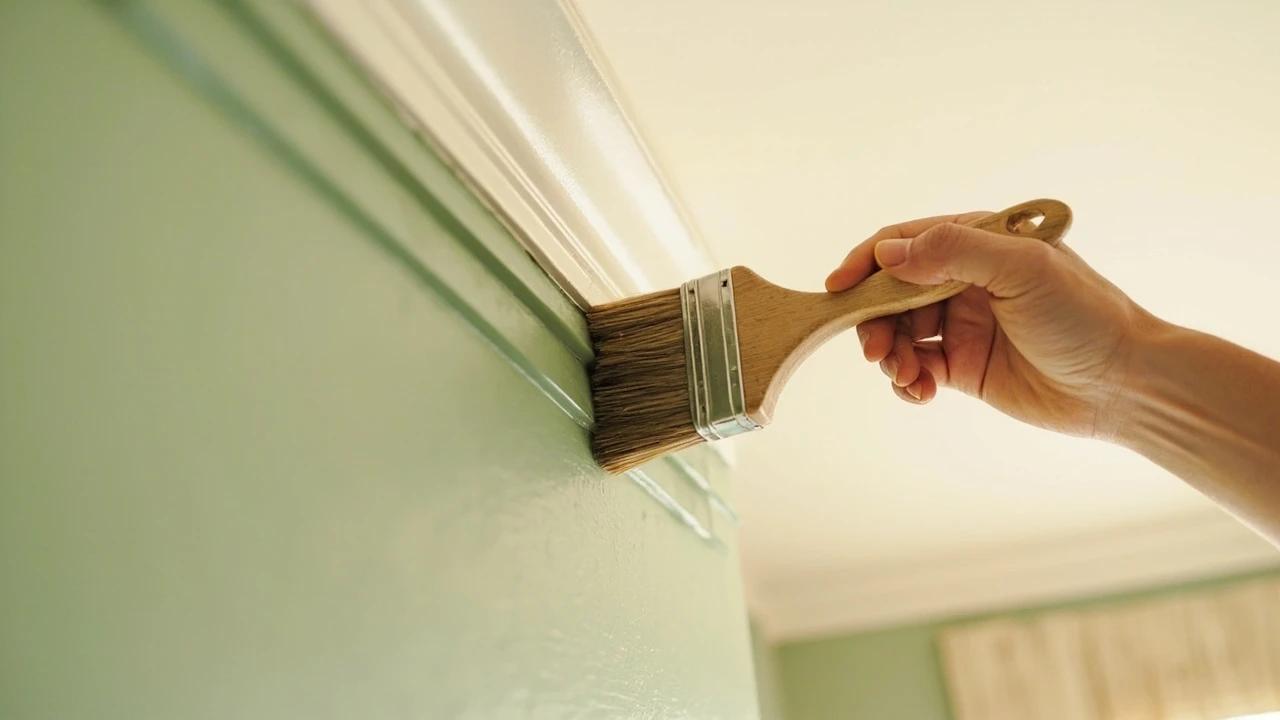

Cutting in is the painter's skill that separates "I painted my own house" from "I had a painter do it." A clean cut-in line at the ceiling, baseboard, or trim eliminates the need for painter's tape entirely — and tape leaves bleed lines anyway. This guide covers the 2.5-inch angled sash brush technique: how to load the brush, hold it, position your body, and bring it to the edge so the line is straight without any tape.
What You'll Need
🛠 Tools
📦 Materials
Step-by-Step Instructions
Get the Right Brush
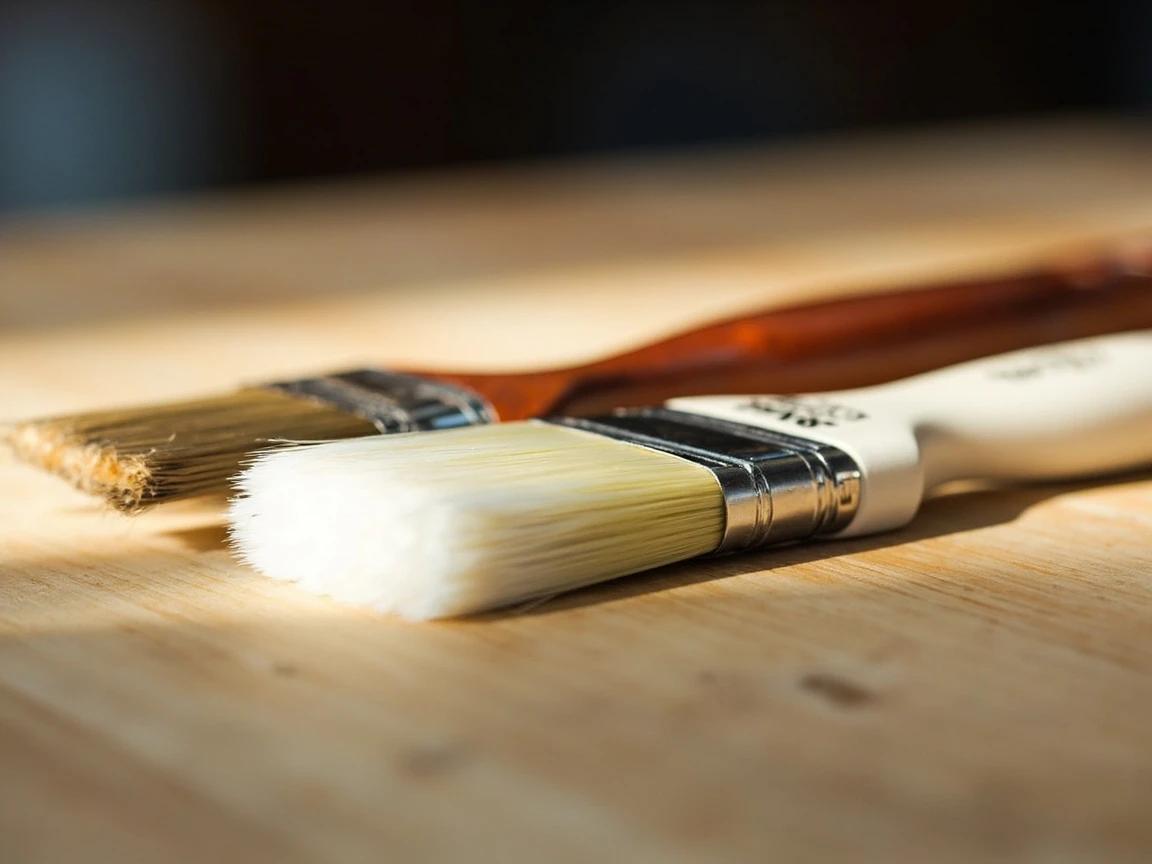
Buy a 2.5-inch angled sash brush from a paint store (not a hardware-store bargain brush — bristle quality matters more here than anywhere else in painting). For latex paint use a synthetic-bristle brush (Wooster Shortcut, Purdy Clearcut Glide). For oil-based paint use a natural-bristle brush. Spend $15-20 — the brush will last 50+ jobs if cleaned properly. A cheap brush sheds bristles into the paint and produces uneven application from day one.
Pour Paint Into a Cup, Not the Gallon
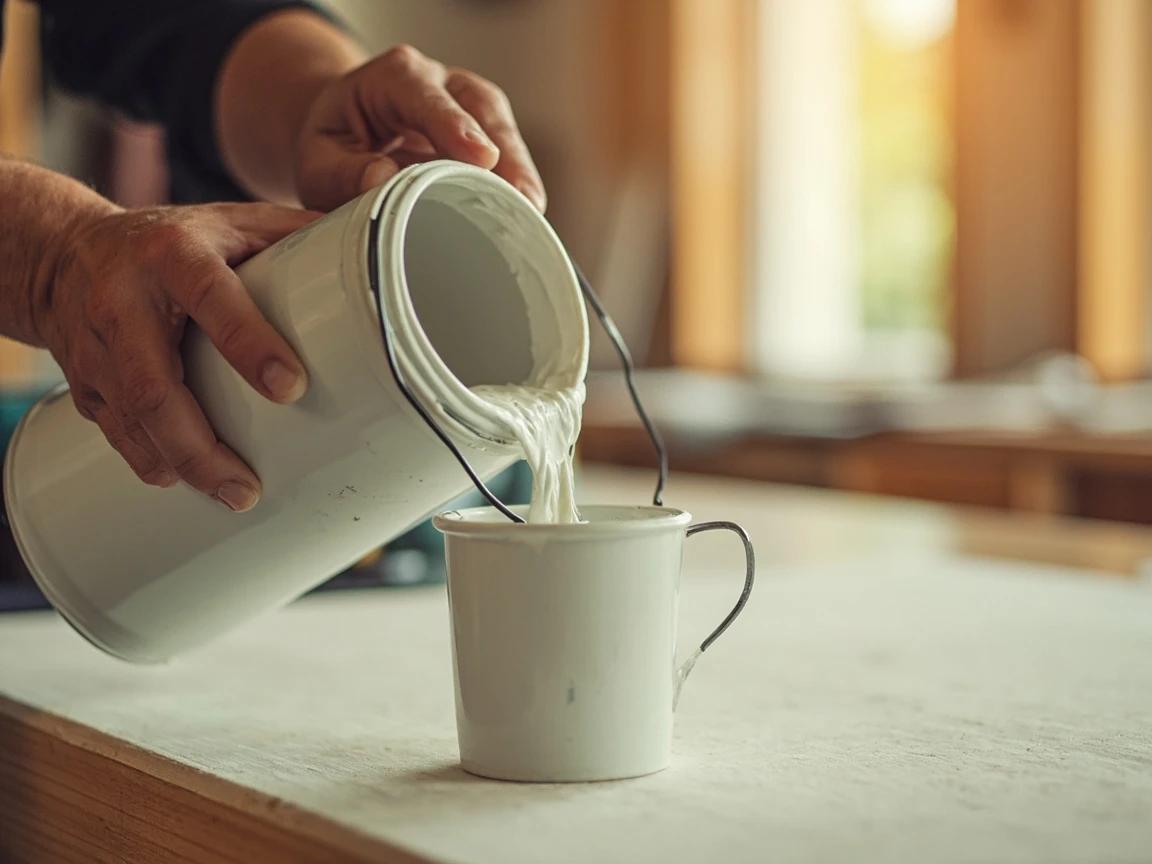
Transfer about 1 cup of paint into a small handheld paint cup or cut-bucket. A gallon is too heavy to hold while precision-painting — your arm shakes after 10 minutes and the cut line goes wavy. A cup also lets you wipe excess against its rim cleanly. If you don't own a cut-bucket, a clean cottage cheese container or a 32-ounce yogurt tub with a wire handle works fine. Stir the paint thoroughly before pouring.
A magnetic strip glued to the side of the cup holds the brush handle when you set it down. Saves $0.50 at the hardware store and stops dropped brushes from putting paint on the floor.
Load the Brush — One-Third of the Bristle, Then Tap
Dip the brush into the paint cup, immersing only the bottom one-third of the bristles. Do NOT push the brush down to the ferrule (the metal band) — paint that gets up there will run down your hand and onto the floor. Lift the brush out and gently tap each side against the inside of the cup to release excess. Do NOT wipe the brush against the cup rim — that strips paint off the bristle tips, which is exactly where you need it. The brush should feel slightly heavy but not drip when held vertically.

Position Your Body Square to the Cut Line
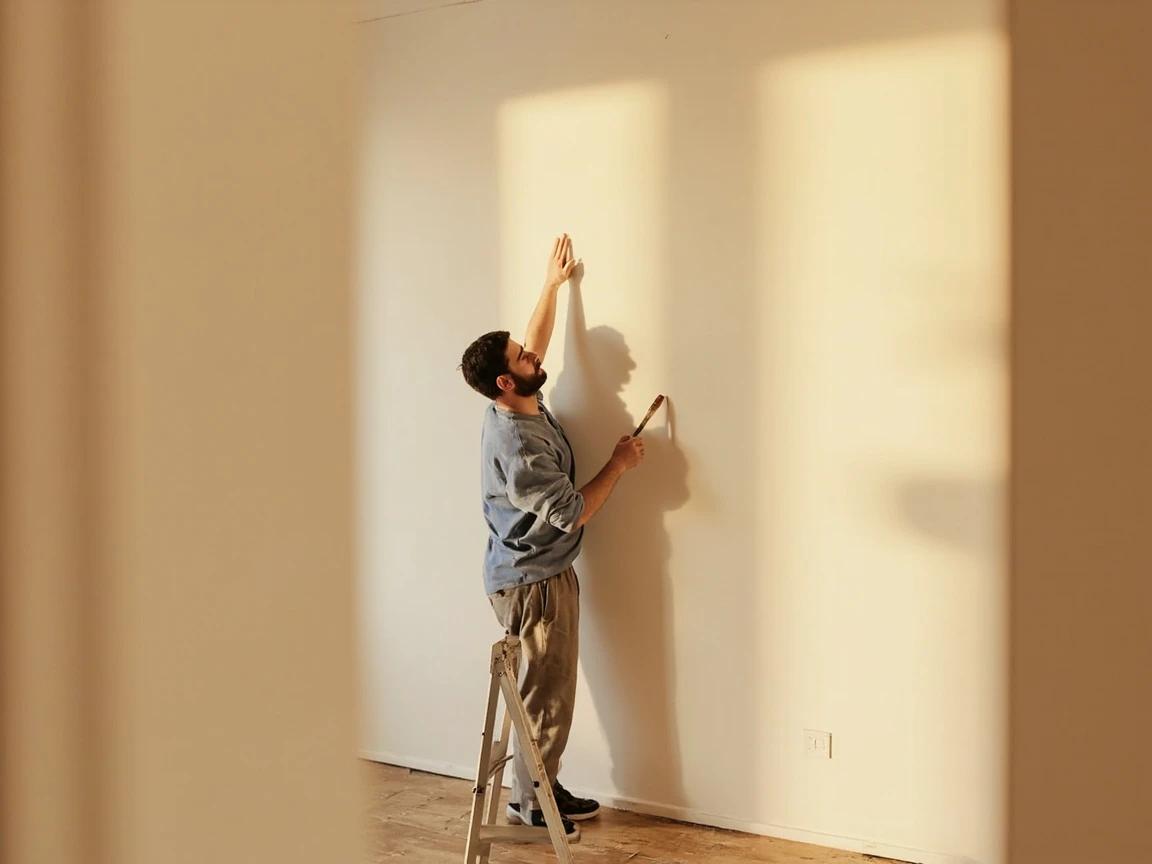
Stand directly in front of the area you are about to cut in, with your shoulders parallel to the line you want to paint. If you are right-handed, position yourself so the line is slightly to your right and you can pull the brush left-to-right toward your body — most people have better fine motor control pulling toward themselves than pushing away. Light source behind you. Bend or kneel if needed to keep your eyes within 2 feet of the cut line.
Approach the Line at a Shallow Angle With the Bristle Tip
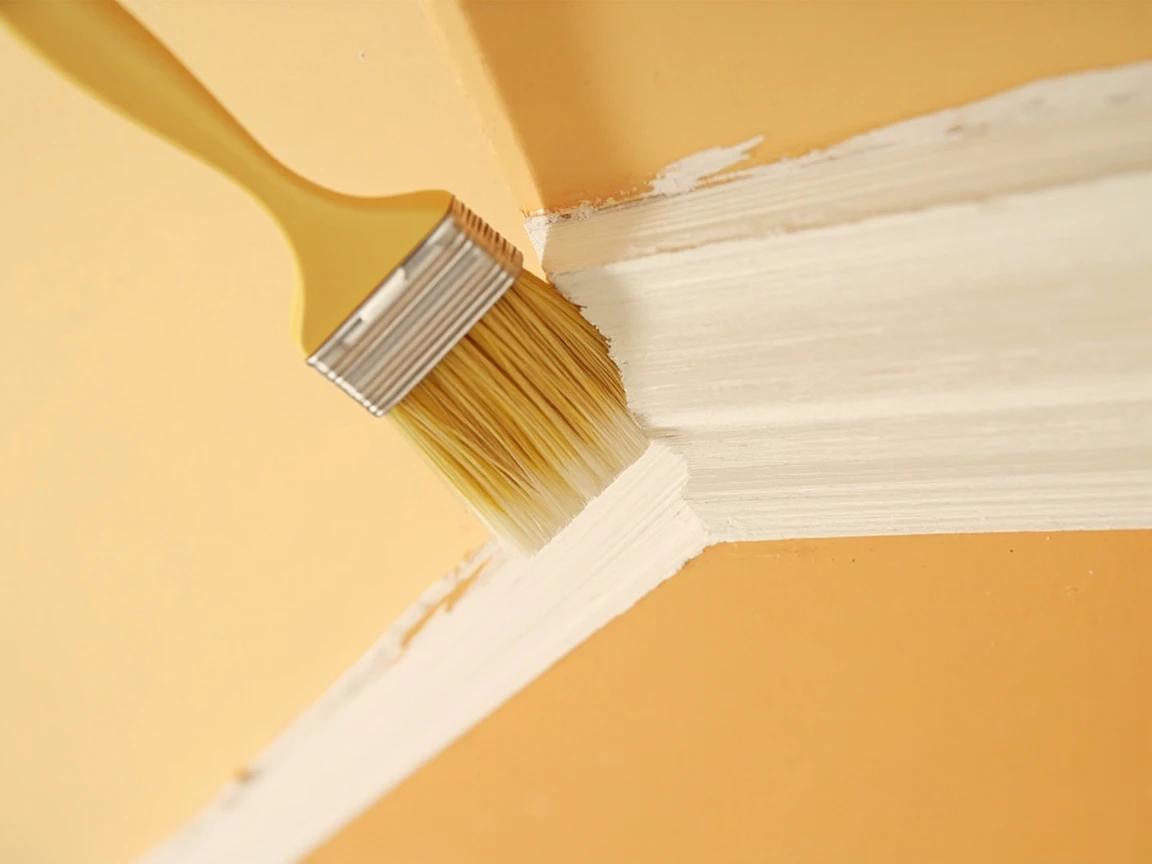
Hold the brush like a pencil, with the bristle tips angled toward the cut line at about 30-45 degrees off the wall. Start the stroke about 1/2 inch from the line — this lays paint down without yet touching the edge. Then slide the brush sideways so the angled bristle tip just kisses the line. This sounds delicate because it is — the tip is where the line forms, not the body of the brush. Press just enough to flare the tips slightly; never push the brush body against the wall.
Draw the Line in Long, Slow Strokes
Move the brush in one slow, continuous stroke parallel to the line — pace yourself at about 12 inches per second, slower than feels natural. Speed is the enemy of precision; the line goes wavy when you rush. Each stroke should be 12-18 inches long. Lift cleanly at the end of each stroke. Reload the brush every 3-4 strokes. Watch the bristle tip, not the whole brush — your eye should be following the very edge where the paint meets the unpainted area.
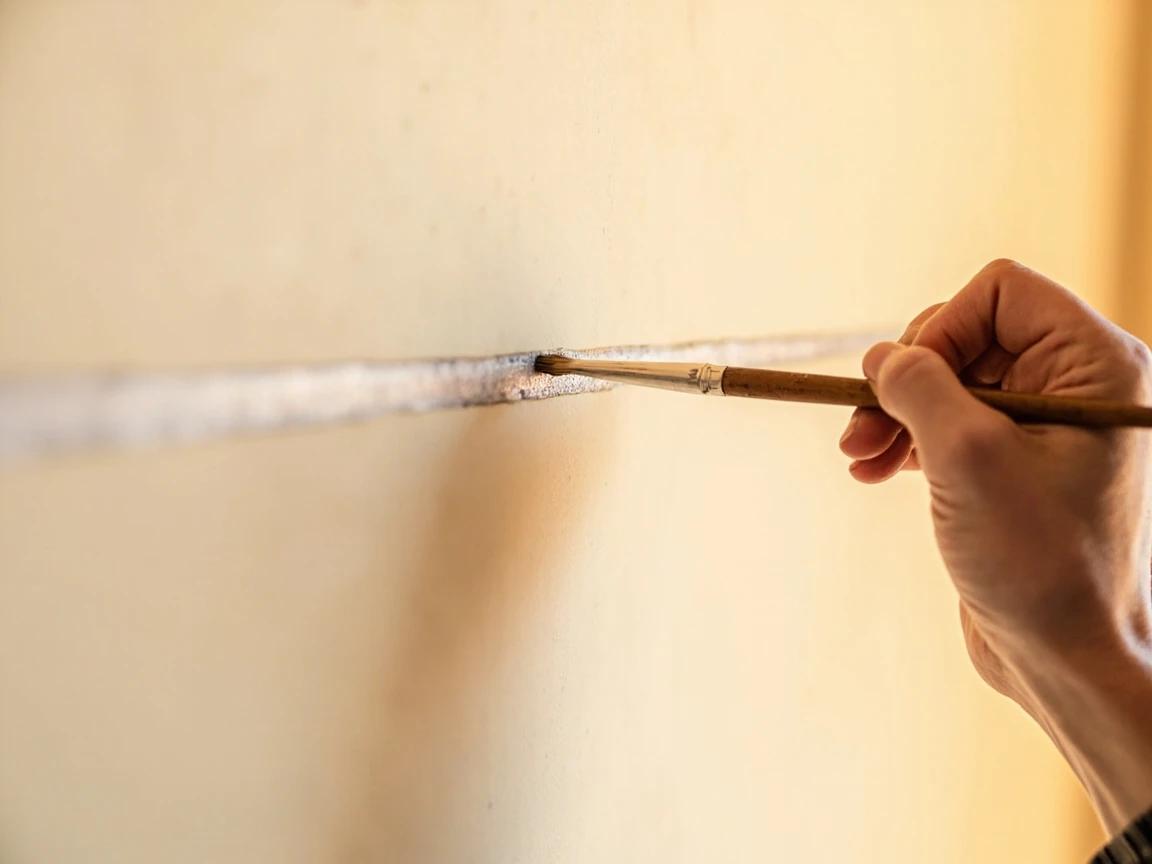
If your hand cramps, you are gripping too hard. Loosen up. The brush should be controlled, not clenched. A relaxed grip produces straighter lines than a tense one every time.
Feather the Inside Edge Into the Field
After the line itself, drag the brush 2-3 inches into the field (the part of the wall that will be rolled later). This "feathered" edge gives the roller something to overlap onto without leaving a brushed-vs-rolled sheen difference. The cut-in band ends up 3-4 inches wide total: 1/2 inch is the precise line, the rest fades into the field. Roll the field while the cut-in is still wet so they blend invisibly.
Practice on an Inconspicuous Spot Before the Visible Walls
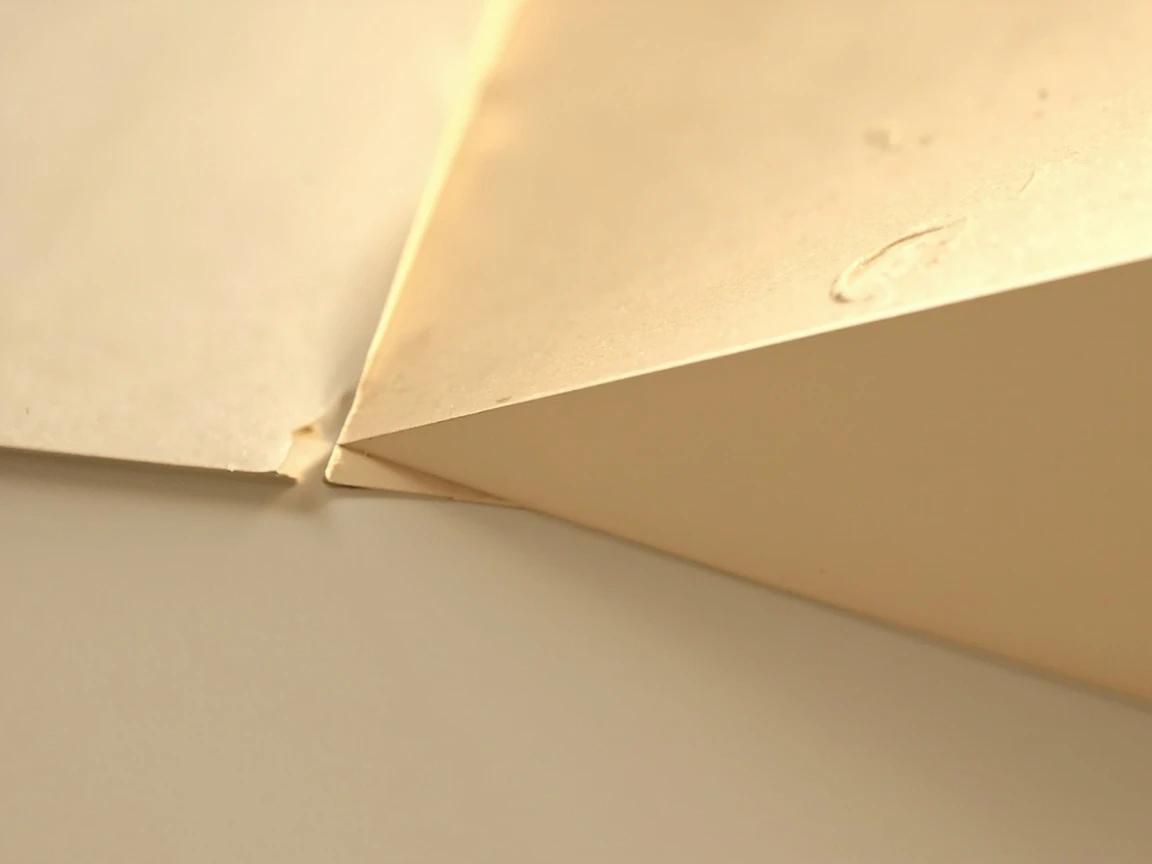
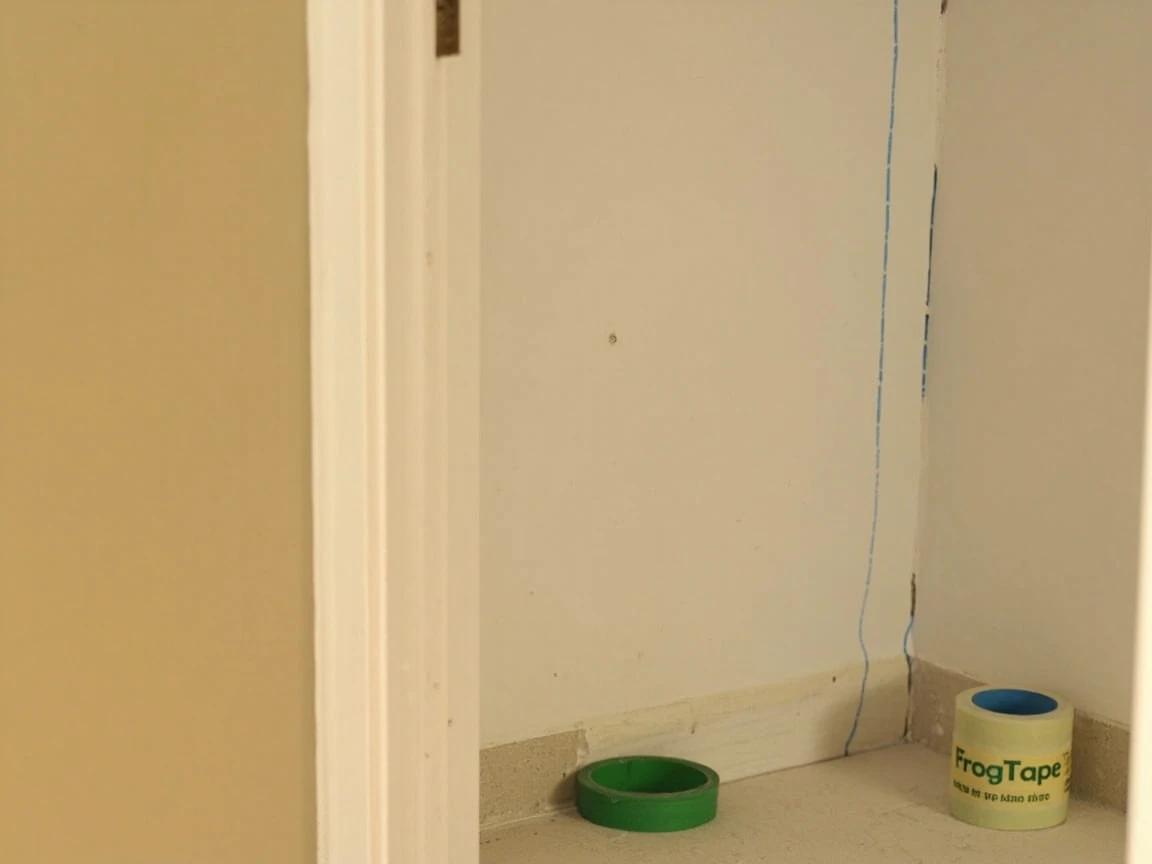
If this is your first cut-in job, spend 15 minutes practicing inside a closet or behind a piece of furniture before you tackle the visible walls. The technique is genuinely a learned skill — your first 10 feet of cut-in will be objectively worse than your next 50. Practicing in a hidden spot lets the muscle memory build without permanent visible evidence of the learning curve. If you must use tape on a first job, use FrogTape Multi-Surface (not generic blue tape) — it has paint-bleed-block technology that produces cleaner results than regular tape.
Frequently Asked Questions
Why do my cut-in lines have wavy edges?
+
Three causes: (1) the brush is overloaded with paint and dragging — paint should be on the bottom third of the bristles only; (2) your body is not square to the line — wavy cut-ins almost always mean you are reaching across yourself and your wrist is unstable; (3) you are pressing too hard, which flares the bristles and widens the line unpredictably. The fix for all three: load less paint, reposition so you are facing the line head-on, use lighter pressure.
Should I use a 2-inch or 2.5-inch brush?
+
2.5-inch is the standard for most interior cut-in. The wider bristle holds more paint, requiring fewer dips, and the angled tip is still controllable at the edge. Use a 2-inch only when working in tight corners (closet edges, behind toilets) where the brush body needs to fit a smaller space. A 3-inch brush is mostly for trim work and exterior siding — too wide for precision cut-in on interior walls.
Is painter's tape really worse than a clean cut-in?
+
Yes, in most cases. Painter's tape leaves bleed lines wherever the wall texture is not perfectly smooth — and most walls are not. The paint wicks under the tape edge and dries as a hairline ridge that is more visible than a slightly imperfect freehand cut-in would be. Tape also pulls off chunks of the underlying paint sometimes, requiring touch-up. A well-cut freehand line ages better. Save tape for protecting trim, doors, and fixtures, not for the wall-to-ceiling line.
How do I cut in around outlets and switches?
+
Loosen the cover-plate screws but leave the plate in place. Cut in the wall right up to the edge of the plate — when you remove the plate later, the cut line is hidden behind it. For the outlet/switch itself, turn off the breaker, remove the cover, paint behind the cover area, replace the cover. Never paint over an outlet face or screw — replacement outlets cost $2 each and a painted-over outlet looks like a painted-over outlet forever.
Sources & further reading
- The Best Tips for Cutting in Paint — Family Handyman
- How to Cut In Paint Edges With a Brush — This Old House
- How to Cut In Paint — Harris
More Painting Guides
View all →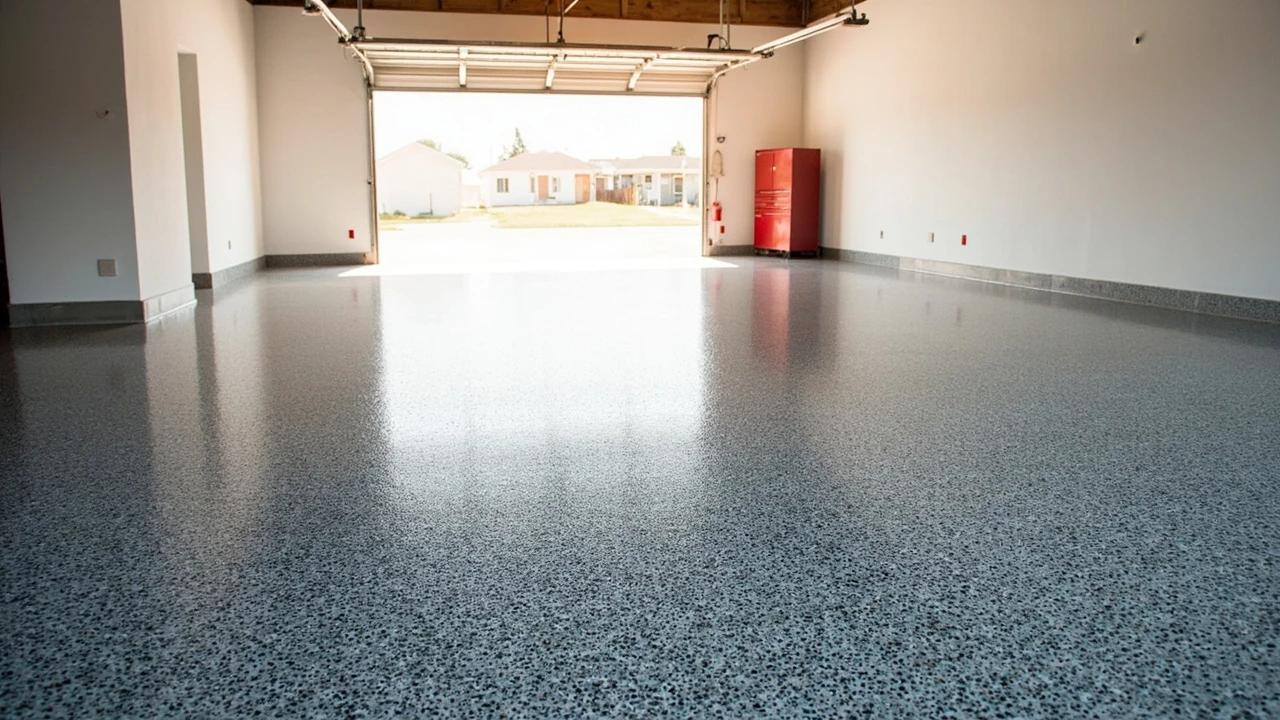 Hard24 hrs
How to Paint a Concrete Garage Floor
A two-part epoxy coating transforms a stained, dusty garage slab into a showroom-quality floor that shrugs off oil, tire marks, and road salt for years. The paint is the easy part — 80% of failed jobs come from skipping prep, so this guide walks you through moisture testing, etching, and coating like a pro over a weekend.
 Easy20 min
Best Paint for Kitchen Cabinets, Compared
The four paints that actually hold up to daily kitchen use are Benjamin Moore Advance, Sherwin-Williams Emerald Urethane Trim Enamel, INSL-X Cabinet Coat, and Behr Urethane Alkyd. They all work; they each fail in different ways. This guide compares cure time, leveling, scratch resistance, and price so you pick the one that matches your skill level and timeline — not the one a paint-store clerk has the most stock of.
 Easy30 min
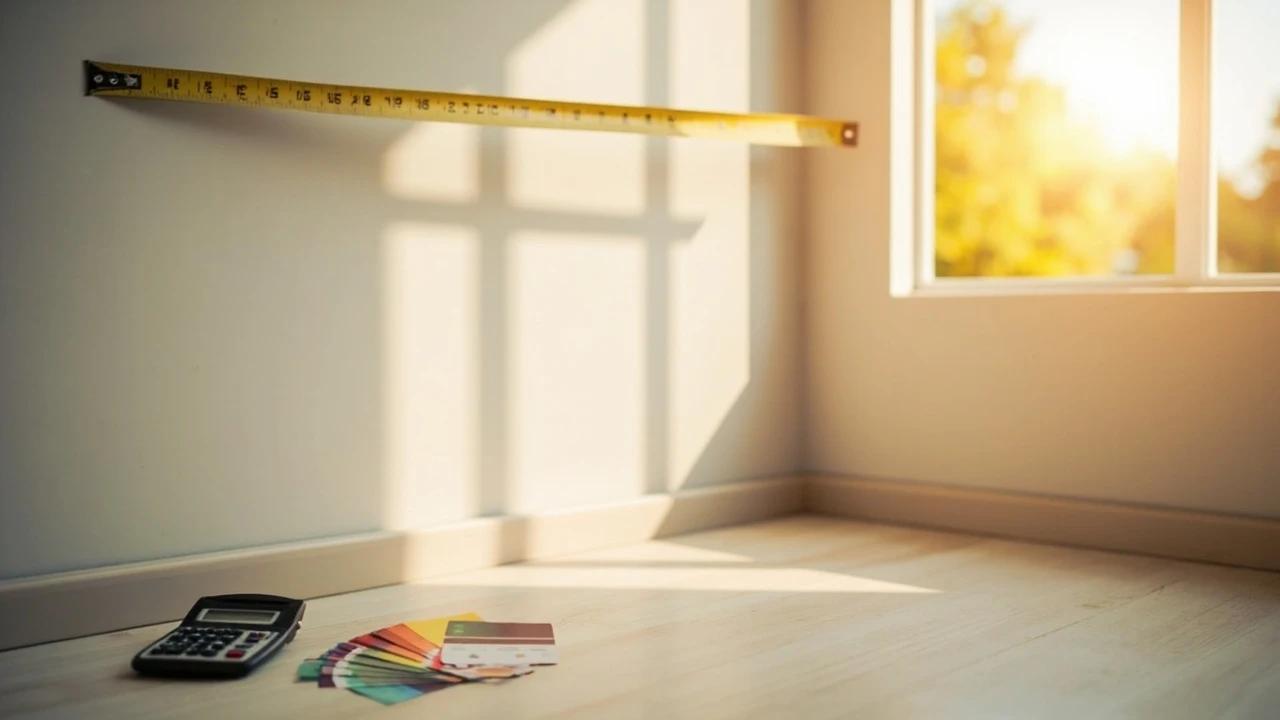
How Much Paint Do I Need? Calculator + Method
A gallon of paint covers 350-400 square feet — but only on the first coat, only on smooth walls, and only if you can apply it without spilling, splattering, or leaving the can sitting open on a hot day. This guide walks the actual math: measure the room, subtract windows and doors, multiply by the number of coats, factor in primer if needed, then add the 10% safety margin pros build into every quote. The answer comes out within one gallon every time.
You Might Also Like
 Easy45 min
How to Install a Smart Thermostat
A smart thermostat is one of the highest-ROI upgrades you can make to your home — it learns your schedule, adjusts automatically when you're away, and typically saves about 8% on heating and cooling bills — the figure ENERGY STAR verifies from real-home data, roughly $50 a year — so the $120-250 device usually pays for itself within a few years. If your old thermostat has labeled wires behind it, the swap takes about 30-45 minutes with nothing more than a screwdriver and your phone. This guide covers checking compatibility, labeling wires, mounting the new base, connecting everything, and walking through the app setup so your system is running smart the same day.
 Easy30 min
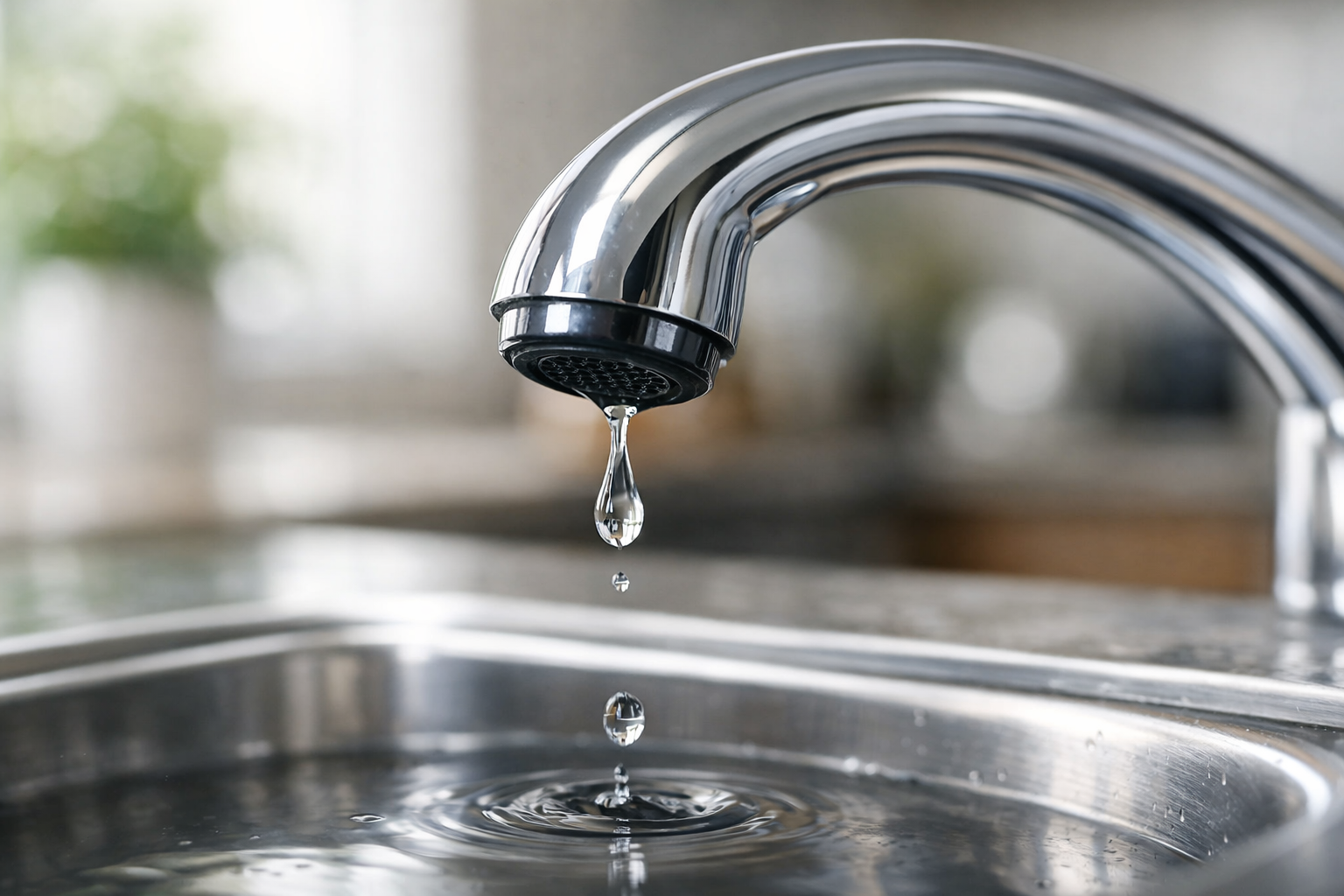
How to Fix a Dripping Faucet
A dripping faucet wastes more than 3,000 gallons of water per year and can add $20 or more to your monthly water bill. The fix is almost always a worn cartridge, washer, or O-ring — parts that cost under $10 and take 20-30 minutes to replace with basic tools.
 Easy30 min
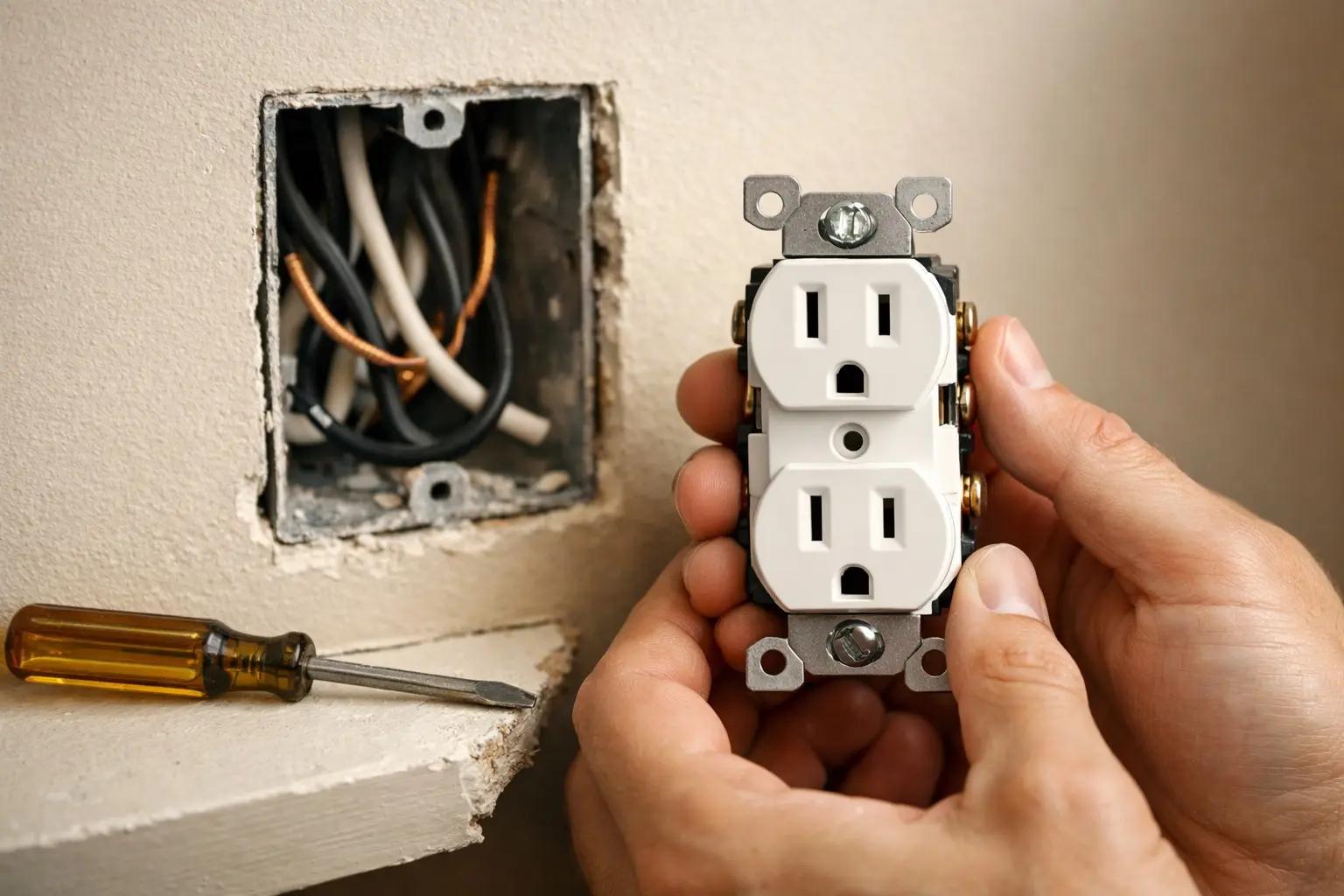
How to Replace an Electrical Outlet
A worn-out or discolored electrical outlet is one of the simplest electrical repairs you can tackle yourself — swapping one takes about 15-30 minutes and costs under $5 in parts versus $75-150 for an electrician visit. This guide walks you through safely replacing a standard duplex receptacle, including how to handle the wiring correctly and avoid the most common DIY mistakes.