Types of Paint Explained: Latex, Oil, Alkyd & Chalk
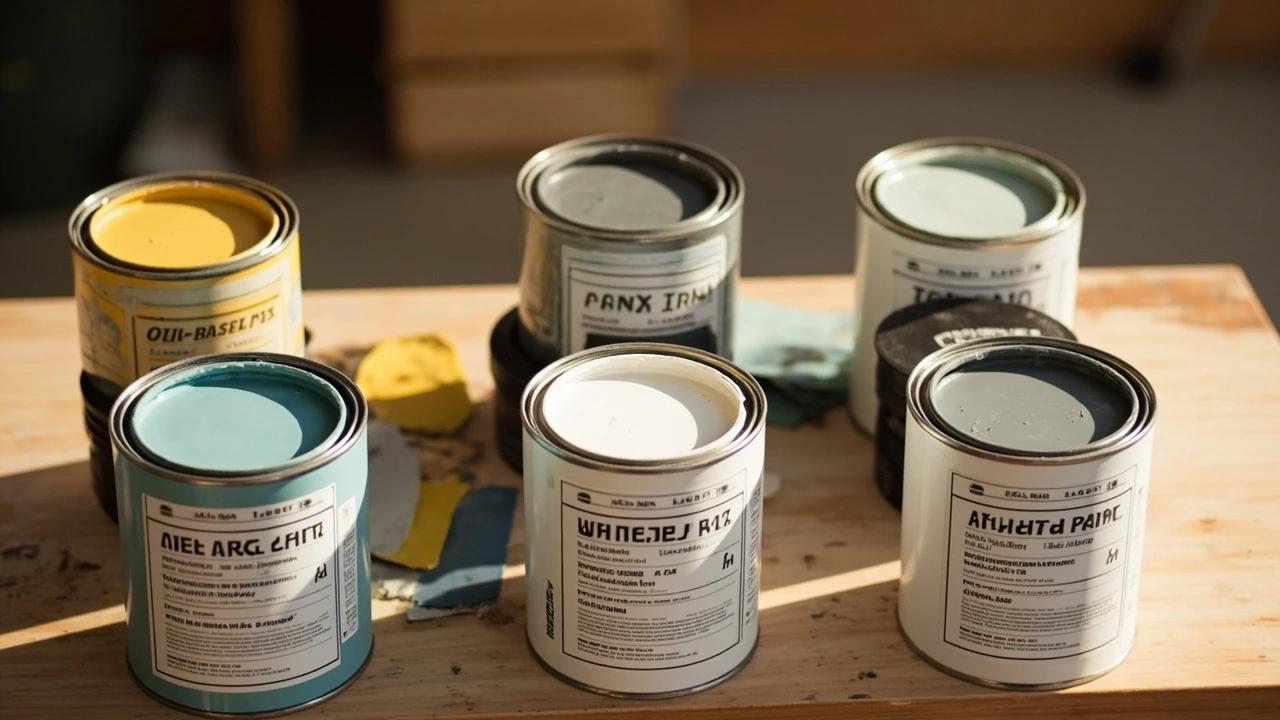

Walking into a paint store with no plan and asking "I need paint for my walls" lands you in a 45-minute conversation with a clerk who is trying to be helpful. This guide is the conversation in 5 minutes — the six paint types every homeowner encounters (latex, oil, alkyd hybrid, chalk, milk, specialty), what each is actually good for, and which one to ignore unless you have a very specific reason.
What You'll Need
🛠 Tools
Step-by-Step Instructions
Latex Acrylic — The 90% Default
Latex acrylic (sometimes labeled "acrylic latex" or "100% acrylic") is the default for almost all interior wall painting. Water-based, dries in 1-2 hours, recoats in 2-4 hours, cleans up with soap and water, low odor, low VOCs. Sheens from flat to high-gloss. Suitable for drywall, plaster, previously-painted surfaces, and (with bonding primer) some non-traditional surfaces. The category includes everything from $25 Behr Premium Plus to $60 Sherwin-Williams Cashmere — quality scales with price. Use latex for walls, ceilings, and any interior trim where you do not need extra hardness.
Waterborne Alkyd Hybrid — For Cabinets, Trim, and Doors
Waterborne alkyd hybrids (Benjamin Moore Advance, Sherwin-Williams Emerald Urethane Trim Enamel, INSL-X Cabinet Coat) combine the easy water cleanup of latex with the hard self-leveling cure of old-school oil paint. They cure to a noticeably harder finish than regular latex, which matters for surfaces that get touched and scrubbed — cabinets, interior trim, doors, banisters. Slightly more expensive than premium latex ($45-95/gal), slightly slower drying. The right choice anywhere you would have used oil paint 20 years ago.
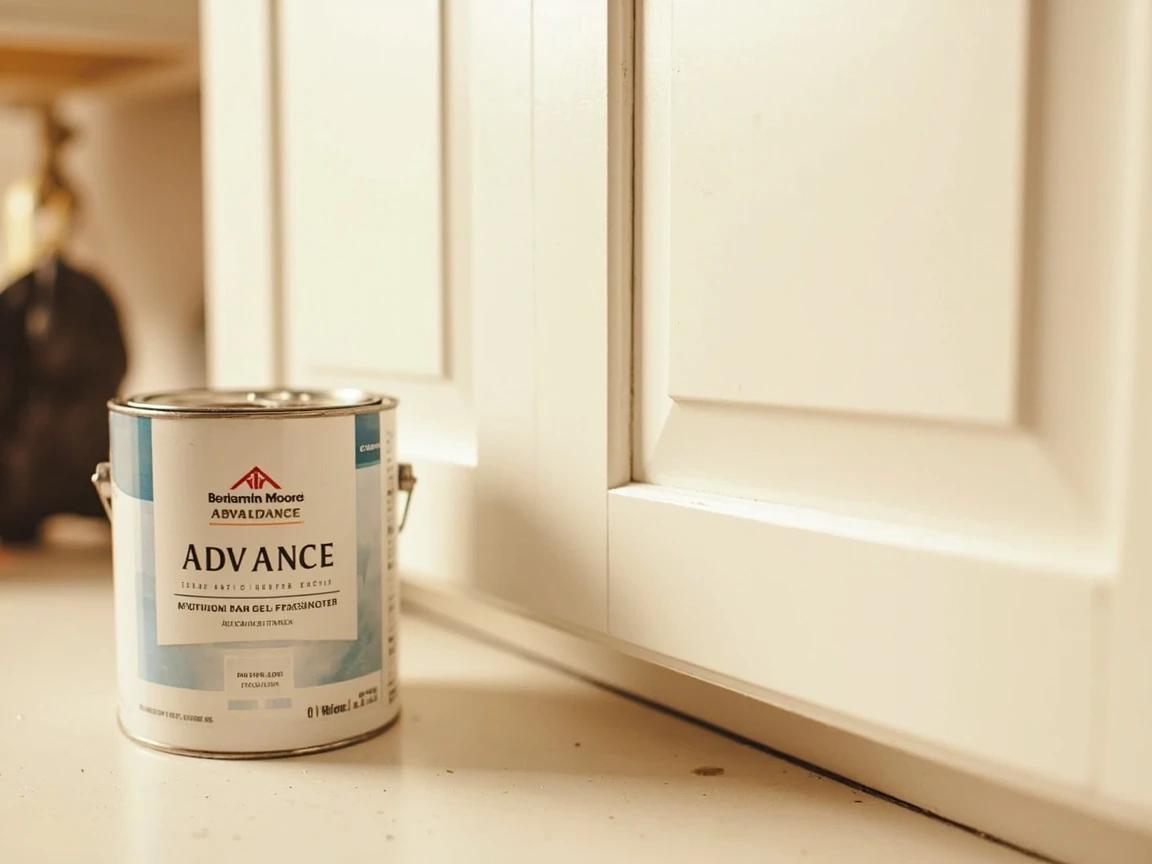
For the deeper comparison of cabinet-specific paints in this category, see our best-paint-for-kitchen-cabinets guide — it walks through Advance vs. Emerald Urethane vs. Cabinet Coat vs. Behr Urethane Alkyd in detail.
Oil-Based Paint — Specific Situations Only
Traditional oil-based (alkyd) paint cures harder than any waterborne product, has the longest open time (good for brush leveling), and bonds aggressively to glossy or oily surfaces. But: 24-48 hour drying, mineral-spirit cleanup, high VOCs (some states have banned residential oil paint sales), and a strong solvent smell during application. Use oil only when (a) matching an existing oil-painted surface, (b) painting metal that needs maximum corrosion resistance, or (c) repainting historic woodwork where authenticity matters. For 95% of cases, the waterborne alkyd hybrid is the better choice.
Many US states — California plus the Ozone Transport Commission states (Connecticut, Delaware, Maryland, Massachusetts, New Jersey, New York, Pennsylvania, Rhode Island, Virginia, and others) — restrict the sale of high-VOC oil paint for residential interior use. Check before driving to the store — what is available in your state may be limited to low-VOC reformulations that perform differently from traditional oil.
Chalk Paint — Furniture Refinishing
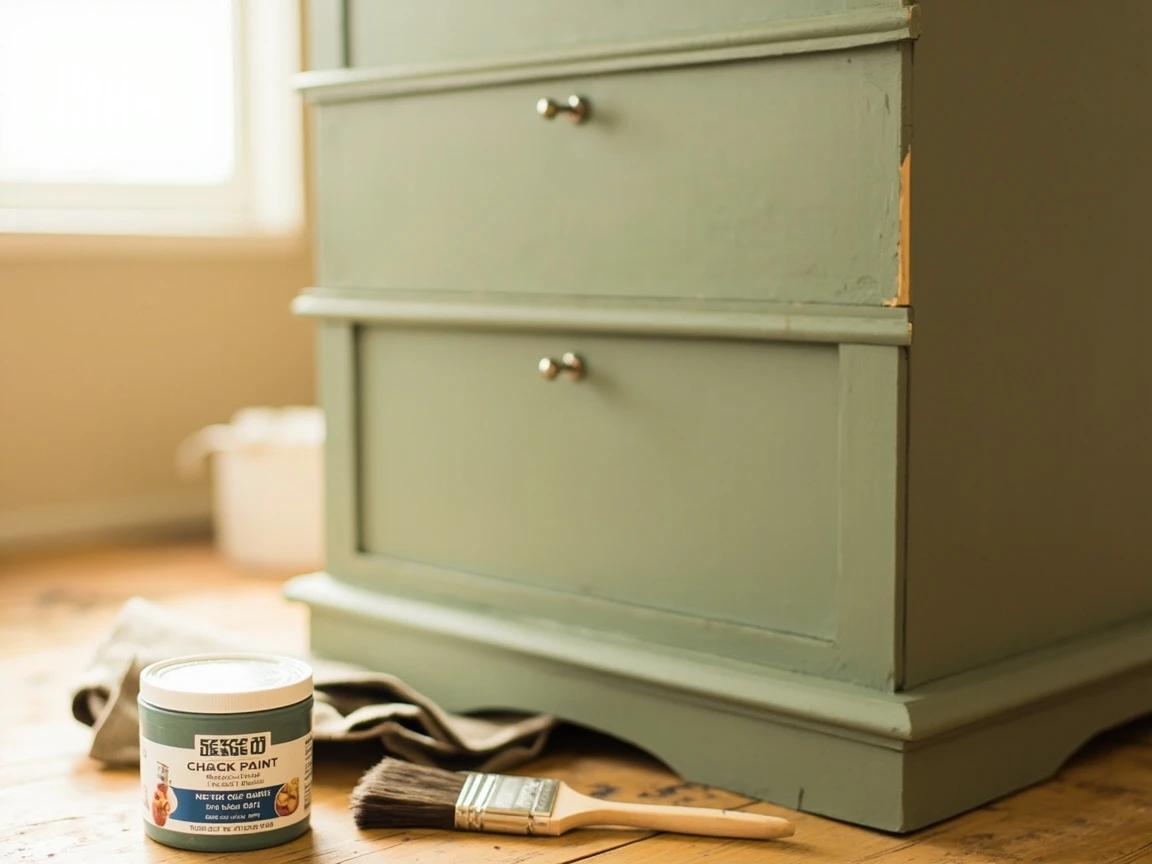
Chalk paint (Annie Sloan, Rust-Oleum Chalked, Behr Chalk Decorative Paint) is a high-pigment matte paint designed for furniture refinishing. Its claim to fame: bonds to almost any surface (varnished wood, melamine, metal, even plastic) without sanding or priming, dries to a velvety matte finish, distresses easily for vintage looks. Limitations: not durable without a topcoat (wax or polyurethane), and the wax needs reapplication every 1-2 years. Use chalk paint on accent furniture (side tables, dressers, decorative chairs), NOT on dining tables, kitchen cabinets, or anything that takes daily abuse.
Milk Paint — Authentic Period Restoration Only
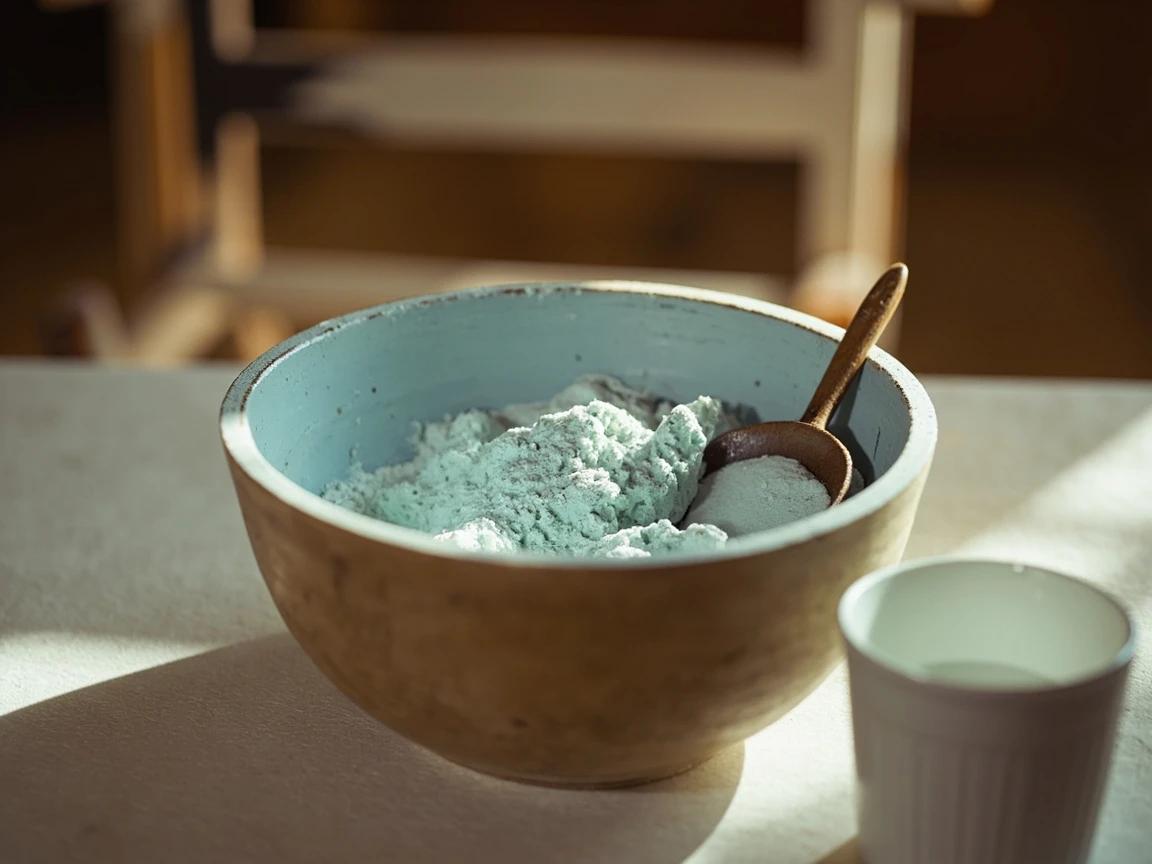
Milk paint is the ancestor of all modern paint — a mix of milk casein, lime, and earth pigments dating back centuries. It comes as a powder you mix with water before each use, has a 24-hour pot life, and produces a chalky natural finish with random color variations that read as "authentically antique." Use it ONLY for period-correct restoration of pre-1900 furniture or interiors. Modern chalk paints achieve a similar look with much easier application. Real milk paint requires more skill than any other paint type and is genuinely a niche product.
Specialty Paints — When the Situation Calls For It
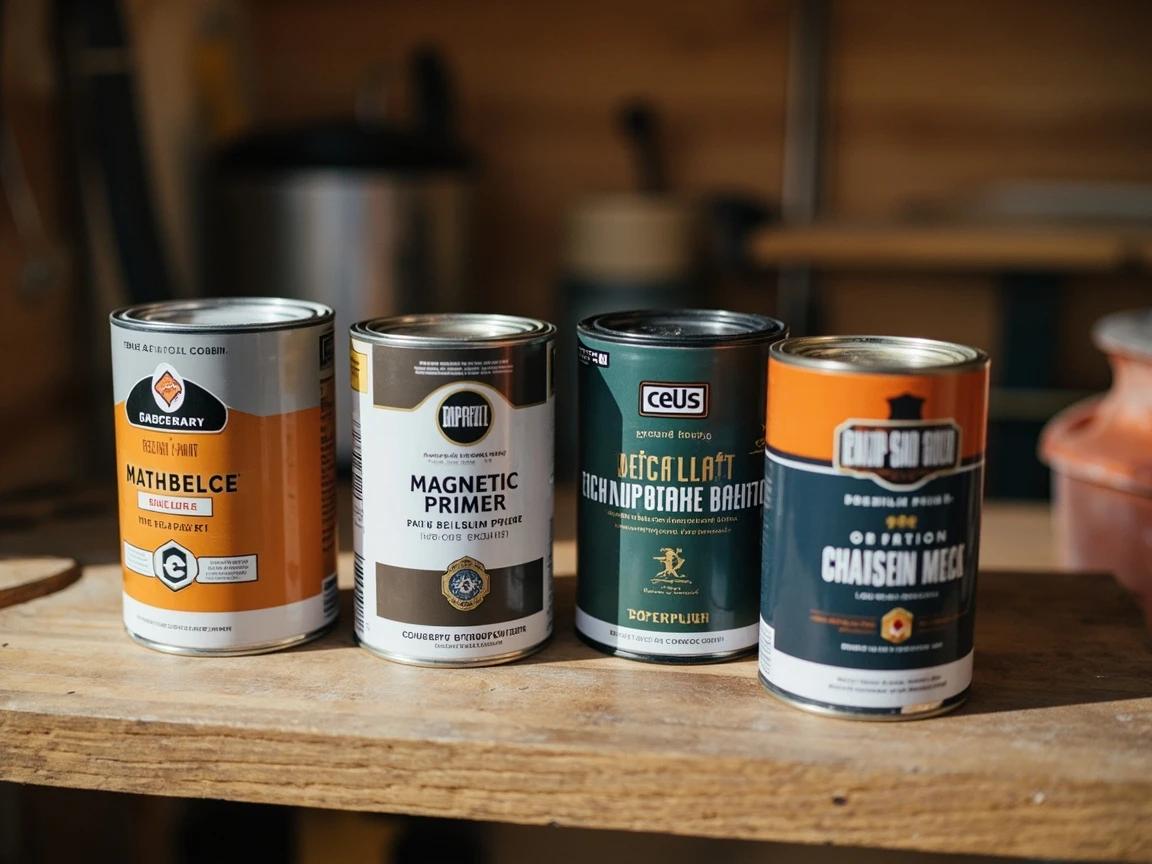
There are dozens of specialty paints; the four homeowners most commonly need: (1) Masonry paint — for brick, stucco, concrete; elastomeric formulas bridge hairline cracks. (2) Magnetic primer — iron-loaded primer that creates a magnetic surface beneath any topcoat (paint a kid's play wall, an office whiteboard). (3) Chalkboard paint — turn any surface into a writable chalkboard (kitchen menu wall, kids' room). (4) Epoxy floor coating — two-part chemistry for garage and basement floors; durable, chemically-resistant, but unforgiving of application mistakes. Use specialty paint only when the standard categories cannot achieve the function.
Quick-Reference Decision
Walls and ceilings: latex acrylic. Cabinets, interior trim, doors: waterborne alkyd hybrid (Benjamin Moore Advance, Sherwin-Williams Emerald Urethane, INSL-X Cabinet Coat). Furniture refinish for a vintage matte look: chalk paint with a wax topcoat. Period restoration: real milk paint. Concrete floors: epoxy. Brick/stucco exteriors: masonry paint. Specific function (magnetic, chalkboard): the corresponding specialty product. Everything else: latex acrylic. The default works 90% of the time.

Frequently Asked Questions
Is there ever a reason to use oil-based paint anymore?
+
Yes, but rare for residential interior work. Oil makes sense when matching an existing oil-painted surface (old trim, historic woodwork), painting metal that will see weather (railings, mailboxes — though epoxy is often better now), OR when the homeowner specifically wants the high-gloss "furniture finish" on a piece. For 95% of interior work, modern waterborne alkyd hybrids (Advance, Emerald Urethane) give the same hard cure with water cleanup, faster recoat, and far lower VOCs.
What is the difference between latex paint and acrylic paint?
+
In the consumer paint world, "latex" and "acrylic" usually refer to the same thing — waterborne paints with synthetic binders. The technical distinction: "100% acrylic" paints use only acrylic resin binders (highest quality, most flexible, best adhesion); "latex" can include cheaper vinyl-acrylic blends. When the label says "100% acrylic latex," that is the premium version. When it says just "latex," it might be a less expensive vinyl-acrylic. For walls, vinyl-acrylic is fine; for trim and exterior, pay the premium for 100% acrylic.
When is chalk paint a good idea?
+
Chalk paint (Annie Sloan, Rust-Oleum Chalked) is the right choice for refinishing furniture where you want a velvety matte vintage finish with minimal prep — chalk paint famously bonds to most surfaces without sanding or priming. The downsides: it is not durable enough for high-use surfaces (kitchen tables, cabinet doors people touch all day) without sealing with wax or polyurethane, and the wax sealer needs reapplication every 1-2 years. Use it on accent furniture you do not use daily.
Do I need specialty paint for a basement or garage?
+
For basement walls (drywall or block), regular interior latex with a mildew-resistant additive is fine. For basement floors (concrete), you need either an epoxy floor coating or a porch-and-floor paint — interior wall latex peels off concrete within months. For garage walls (drywall), interior latex works. For garage floors, epoxy. The pattern: walls take normal paint; horizontal surfaces that take traffic need specialty coatings.
Sources & further reading
- How to Choose a Paint Finish — Benjamin Moore
- Best Paint for Kitchen Cabinets — Comparison — Family Handyman
- Chalk Paint, Milk Paint, and Latex Paint: What's the Difference? — The Spruce
More Painting Guides
View all →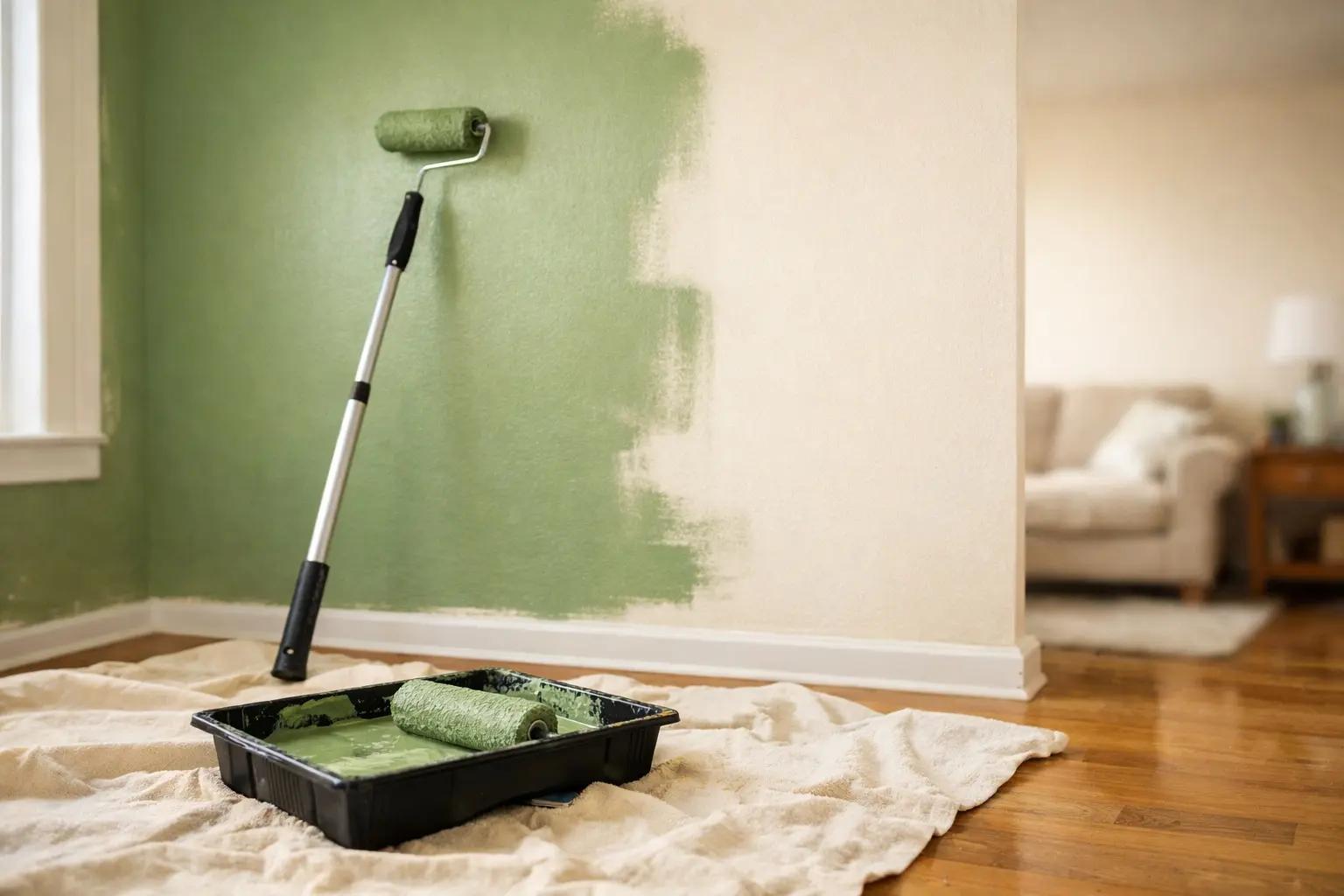 Medium6 hrs
How to Paint a Room
A fresh coat of paint is the fastest, cheapest way to transform any room — and doing it yourself saves $400-800 in labor for an average 12x12-foot bedroom. The job takes a weekend from prep to final coat, and the difference between an amateur-looking result and a professional finish comes down to technique, not talent. This guide covers prep, cutting in, rolling, and cleanup so you get clean lines and even coverage the first time.
 Easy20 min
Best Paint for Kitchen Cabinets, Compared
The four paints that actually hold up to daily kitchen use are Benjamin Moore Advance, Sherwin-Williams Emerald Urethane Trim Enamel, INSL-X Cabinet Coat, and Behr Urethane Alkyd. They all work; they each fail in different ways. This guide compares cure time, leveling, scratch resistance, and price so you pick the one that matches your skill level and timeline — not the one a paint-store clerk has the most stock of.
 Easy15 min
Paint Sheen Comparison: Flat to High-Gloss, by Room
Paint sheen is a tradeoff between hiding wall imperfections and being able to wipe the wall clean. Flat hides everything but cannot survive a sponge. High-gloss is bulletproof but shows every dent. The five common sheens — flat, eggshell, satin, semi-gloss, high-gloss — each have a right room and a wrong room. This guide gives you the matchup so the bathroom does not get flat paint and the bedroom does not get gloss.
You Might Also Like
 Medium30 min
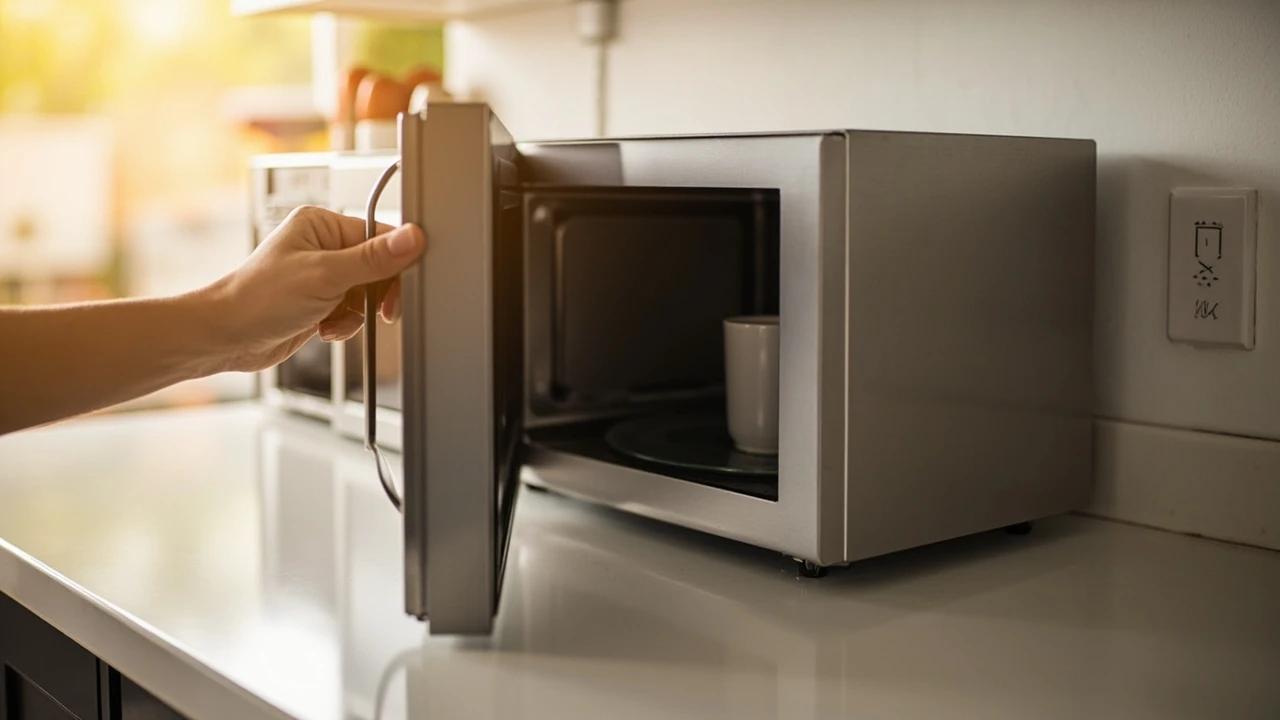
How to Troubleshoot a Microwave That Won't Heat
A microwave that runs — light on, turntable spinning, timer counting down — but leaves food stone cold is one of the most common appliance failures, and about half the time the cause is something you can fix in five minutes for free. This guide walks the diagnosis from the easy stuff (demo mode, power level, a tripped GFCI, a dirty door latch) to reading the failure signature that tells you the high-voltage circuit is gone, then helps you make the repair-or-replace call with real numbers.
 Easy30 min
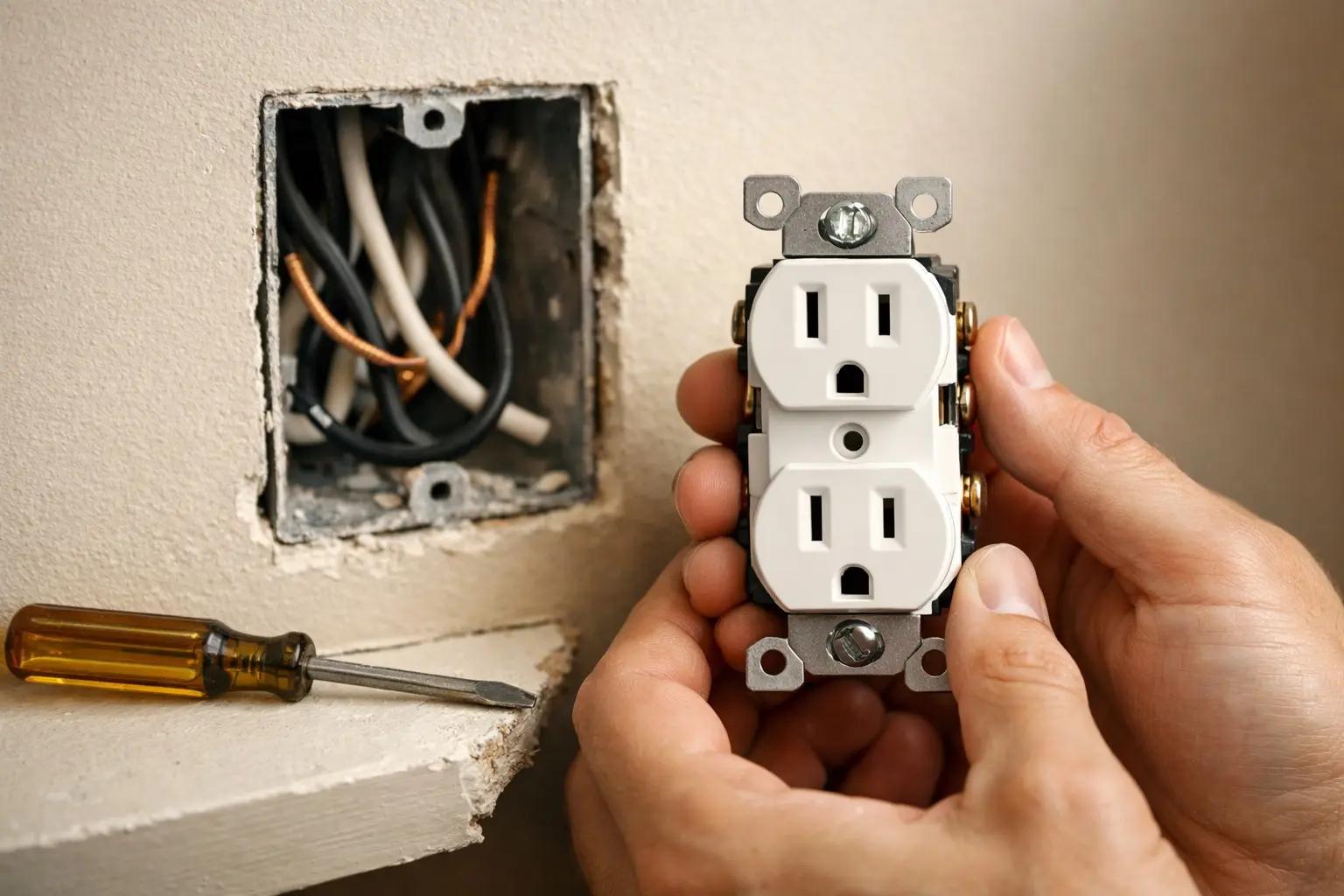
How to Replace an Electrical Outlet
A worn-out or discolored electrical outlet is one of the simplest electrical repairs you can tackle yourself — swapping one takes about 15-30 minutes and costs under $5 in parts versus $75-150 for an electrician visit. This guide walks you through safely replacing a standard duplex receptacle, including how to handle the wiring correctly and avoid the most common DIY mistakes.
 Medium45 min
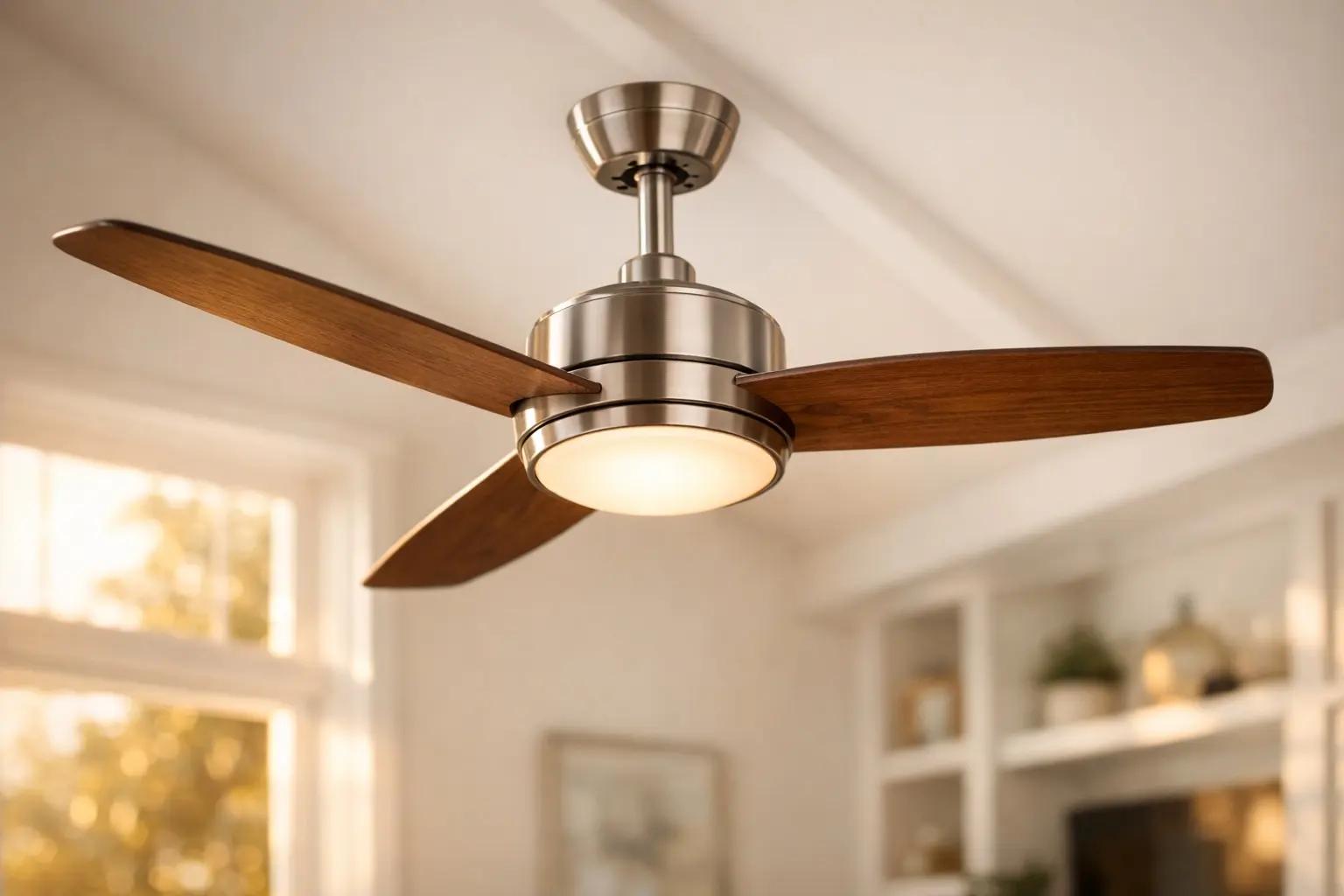
How to Install a Ceiling Fan
Replacing a light fixture with a ceiling fan improves air circulation in summer and can reduce heating costs in winter by circulating warm ceiling air downward. Most installs take 45-60 minutes.