Primer for Kitchen Cabinets — Which One to Use


The right cabinet primer is determined by what your cabinets are made of, not by what is cheapest at the store. Shellac-based primers (Zinsser BIN) bond to anything but smell awful and need denatured alcohol cleanup. Oil-based primers (Zinsser Cover Stain) block tannins on oak. Waterborne primers (Zinsser 123 Plus) are fine for solid wood with no stain issues. Picking the right one is a 10-minute decision that determines whether your paint sticks for a year or for a decade.
What primer do you need for kitchen cabinets?
🛠 Tools
How do you prime kitchen cabinets before painting?
Identify Your Cabinet Material
Open a cabinet door and look at the back side — the unfinished side will tell you what the cabinet is built from. Solid wood looks like wood with visible grain. MDF (medium-density fiberboard) looks dense and uniform with no grain, often slightly tan. Plywood box with wood doors will show alternating grain layers. Laminate and thermofoil have a paper-thin printed surface over MDF and chip easily at corners. Each material needs a different primer.

Use Zinsser BIN (Shellac) for Laminate, Thermofoil, or Oil-Painted Surfaces
Zinsser BIN is the only consumer primer that reliably bonds to slick laminate, thermofoil, melamine, and previously oil-painted cabinets. Shellac is a natural resin dissolved in denatured alcohol; it grabs glossy surfaces in a way water-based primers cannot. Price: about $40-50 per gallon. Apply with a foam roller (alcohol destroys fabric rollers) in one thin coat. Dries to recoat in 45 minutes. The strong alcohol smell dissipates within an hour with ventilation. This is the right choice for 70% of older kitchen cabinets.

Wear gloves and work with windows open — denatured alcohol fumes are not toxic at normal exposure but they are unpleasant and can give you a headache in a closed kitchen. Use a fan blowing OUT a window for the first hour of dry time.
Use Zinsser Cover Stain (Oil) for Raw Oak, Pine Knots, or Tannin Bleed-Through
If your cabinets are unfinished or stripped oak, hickory, cedar, or pine with knots, use Zinsser Cover Stain — an oil-based primer specifically formulated to block the brown tannins these woods exude. Latex paint over unprimed oak will turn yellow within months because tannins bleed through. Cover Stain seals them permanently. Price: about $35-45 per gallon. Apply with a quality natural-bristle brush and short-nap roller. Recoat in 2 hours. Cleanup requires mineral spirits — plan disposable brushes if that is a hassle.

If you are uncertain whether your wood has tannin issues, spot-prime one inconspicuous area with a waterborne primer first and wait 24 hours. If a yellow halo appears, switch to Cover Stain for the whole job.
Use Zinsser 123 Plus (Waterborne) for Previously Latex-Painted or Plain Hardwood
Zinsser 123 Plus is the everyday-easy choice when your cabinets are already painted with latex, are unfinished maple or birch (no tannin issues), or are MDF with no glossy factory finish. Water cleanup, low odor, recoats in 1 hour. Price: about $25-35 per gallon — the cheapest of the three. Apply with a standard 3/8-inch nap roller and a synthetic-bristle brush. The catch: 123 Plus is the LEAST aggressive of the three — it will not bond reliably to glossy or oily surfaces. Stick to it only when you know the substrate is appropriate.

When You Are Not Sure, Default to BIN
If you cannot tell what your cabinets are made of, or you suspect a mix (some doors are MDF, some are solid wood, the boxes are plywood), default to Zinsser BIN. It works on every substrate in this guide and is the primer professional cabinet refinishers reach for by reflex. The $15 premium over 123 Plus is cheap insurance against having to strip and re-prime in six months because adhesion failed somewhere. The smell and the foam-roller waste are real downsides but they are one-day downsides — the bond is permanent.

BIN cleans up with denatured alcohol (sold in 1-quart cans at any hardware store for under $10). Pour a small amount into a jar, soak your brushes for 10 minutes, swirl, dry. Or — easier — buy $2 chip brushes and toss them.
Sanding Between Primer and Topcoat
After the primer is dry, sand the whole cabinet face with 220-grit sandpaper or a fine sanding sponge — a single light pass with hand pressure only, just enough to knock down any raised fibers or roller texture. Wipe with a slightly damp microfiber to remove dust. This is the single biggest factor in a glassy-smooth topcoat: skipping the sand-after-primer step is the most common reason DIY cabinet jobs look like DIY cabinet jobs. Five minutes per door, fifteen minutes for the boxes.

Frequently Asked Questions
Do I really need primer if my paint says "primer included"?
+
Yes for cabinets, almost always. The "paint-and-primer-in-one" label means the paint can be self-priming on a clean, properly prepared, previously painted surface in the same color family. Cabinets are usually none of those — they are factory-finished with oil or polyurethane and you are usually changing color. A real dedicated primer is the only thing that guarantees adhesion on a glossy factory surface. Three surfaces never skip it: thermofoil, melamine, and open-grain oak, which either reject paint outright or telegraph grain through the topcoat. The failure is delayed rather than dramatic, which is what makes it expensive — self-primed cabinets look perfect for two or three months, then chip at the handles and peel in strips along door edges where fingernails catch. At that point the only fix is stripping back and starting over. If you want to test rather than assume, paint a hidden door back, let it cure a week, and try to lift it with tape: any lifting means you needed primer.
Why does Zinsser BIN smell so strong?
+
BIN is shellac dissolved in denatured alcohol — that is the solvent flashing off as it dries. The smell is intense but disappears within an hour because alcohol evaporates fast. Open windows, run a box fan, and use disposable foam rollers (regular roller covers turn into glue when you try to clean them with water). The trade-off is worth it: BIN bonds to surfaces no other primer will, including melamine, thermofoil, and previously oil-painted cabinets. Treat the vapor with respect rather than just tolerating the smell — denatured alcohol is flammable, so kill any pilot lights in the room and do not smoke. Cross-ventilate with a fan pulling out rather than blowing around, and wear an organic-vapor respirator for a full kitchen. Clean brushes in denatured alcohol or ammonia; water will not touch cured shellac. The upside of that fast flash-off is a 45-minute recoat window, so a full set of doors can be primed and recoated in an afternoon.
Can I use a paint roller for shellac primer like BIN?
+
Use a high-density foam roller, not a fabric nap roller. Fabric rollers hold the alcohol-based shellac like a sponge, drip everywhere, and become rock-hard junk you cannot wash. Foam rollers spread it cleanly and you toss them in the trash after the job. A 4-inch foam mini-roller costs under $3, perfect for cabinet doors. The reason foam works is that it has no nap to soak up solvent — it lays a thin, even film and releases it cleanly instead of dragging. Technique matters more with shellac than with latex: load lightly, move in one direction, and do not go back over an area that has started to set, because shellac grabs within a minute and reworking it leaves ridges you will have to sand out. Cut the edges and profiles first with a natural china-bristle brush, then roll the flats immediately while the cut-in is wet. Let the rollers dry out fully before binning them rather than leaving solvent-soaked foam in a closed trash bag.
How many coats of primer do I need on cabinets?
+
One coat is enough if you used the right primer for the surface AND the original cabinet finish is intact and properly degreased. Two coats is correct if you are covering knots in oak/pine (tannins keep bleeding for a few coats), going from dark to light, or priming over a previous oil-paint that you suspect of being decades old. Lightly sand between coats with 220-grit if the first coat raised any wood fibers. To decide rather than guess, let the first coat dry and then hold a work light almost flat against the door: raking light shows grain telegraphing, thin spots, and any amber bleed from knots that a straight-on look misses. Yellow or brown shadows creeping through mean tannin is still moving and needs another coat — paint will not stop it once it starts. Spot-prime isolated knots rather than recoating the whole door. Recoat times differ: shellac about 45 minutes, water-based primers one to two hours. Rushing either traps solvent that softens the finish coat.
Will primer alone change my cabinet color?
+
No — primer is meant to be covered by your finish paint. Primer is usually white or grey-tinted, designed to give the finish paint a uniform substrate. Walking around with primer-only cabinets for a week (waiting for paint to arrive, for example) is fine structurally, but the primed surface is matte and shows fingerprints. Plan to topcoat within a week of priming for the best paint-to-primer adhesion window. One thing worth doing at the paint counter: have the primer tinted toward your topcoat when the finish colour is deep or saturated. A grey-tinted primer under a navy, forest green, or true red can save an entire finish coat, because those pigments have poor hiding power and fight a bright white base. Most stores tint primer free. Do not tint all the way to the finish colour — the point is a neutral mid-tone that stops white flashing at edges and profiles, not a match. Under off-whites and light greys, standard white primer is still the right call.
Sources & further reading
- Zinsser Primers — 123, Cover Stain, BIN: Which Is Best? — Made By Matt
- The Best Primer for Cabinets — Refresh Living
- The Best Primer for Kitchen Cabinets — Top Picks — Bob Vila
More Painting Guides
View all →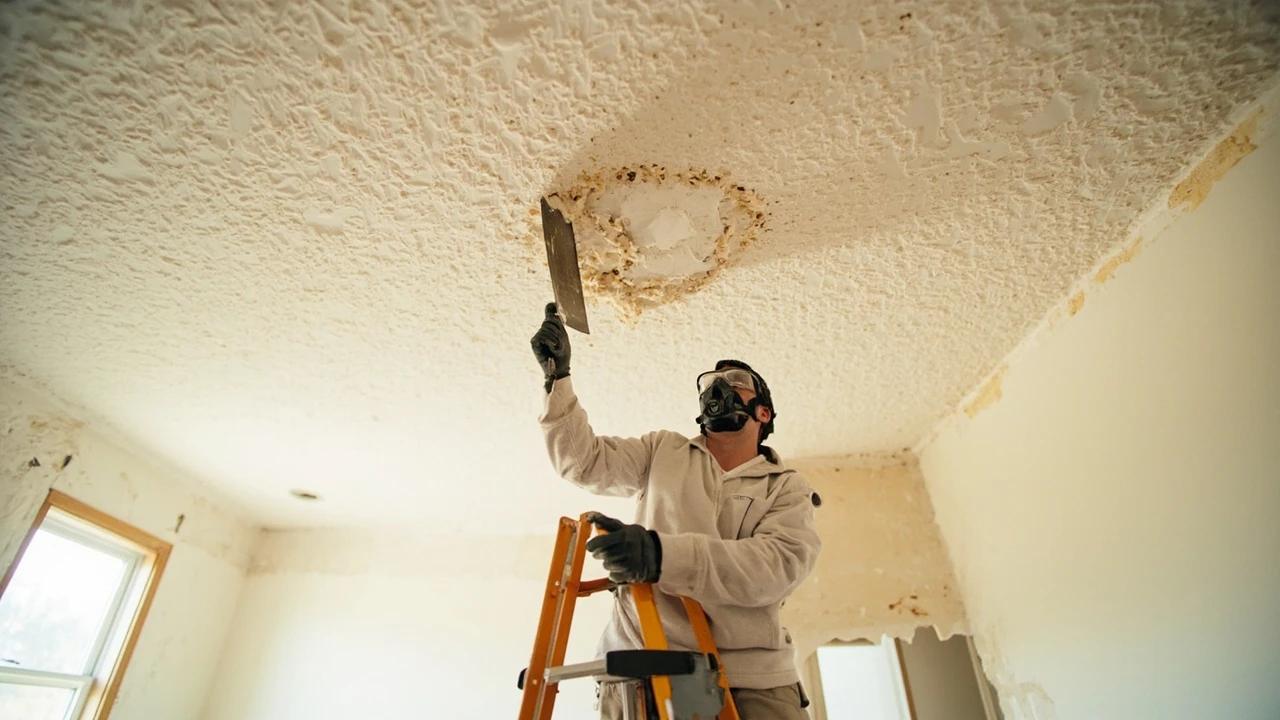 Medium8 hrs
How to Remove a Popcorn Ceiling
Scraping off a dated popcorn ceiling instantly modernizes a room and can lift resale value — and it's a genuine DIY for $50 to $150 in materials per room, versus the $1 to $2 per square foot a pro charges. But there's one non-negotiable first step: popcorn texture sprayed on before the mid-1980s can contain asbestos, so it has to be tested before you disturb a single flake. This guide covers that test, the wet-scrape technique that keeps the dust down, and the patch-sand-prime work that leaves a smooth, paint-ready ceiling.
 Medium6 hrs
How to Stain a Fence
A wood fence left bare goes gray, splinters, and starts rotting at the posts years before a stained one — and staining it yourself runs $75-250 in materials versus $750-2,000+ for a crew. The work itself is honest but unglamorous: the cleaning and drying before you open a can matter more than the staining, and the sprayer-plus-back-brush technique is what separates an even, professional finish from a stripey one. This guide walks the whole job, from the water-bead readiness test to the oily-rag cleanup that prevents garage fires.
 Easy6 hrs
How to Paint Kitchen Cabinets Without Sanding
You can genuinely skip sanding on a cabinet repaint by replacing the abrasive step with two specific chemical steps: a heavy-duty degreaser (Krud Kutter Gloss-Off or TSP) and a bonding primer (Zinsser BIN shellac). This saves four hours of dust and tape on a typical kitchen, but it only works when the existing finish is intact — if your cabinets have peeling, chipping, or thermofoil damage, sanding will not save you anyway and you need to fix that first. Total project: one weekend, ~$60 in supplies.
You Might Also Like
 Easy15 min
How to Replace a Refrigerator Water Filter
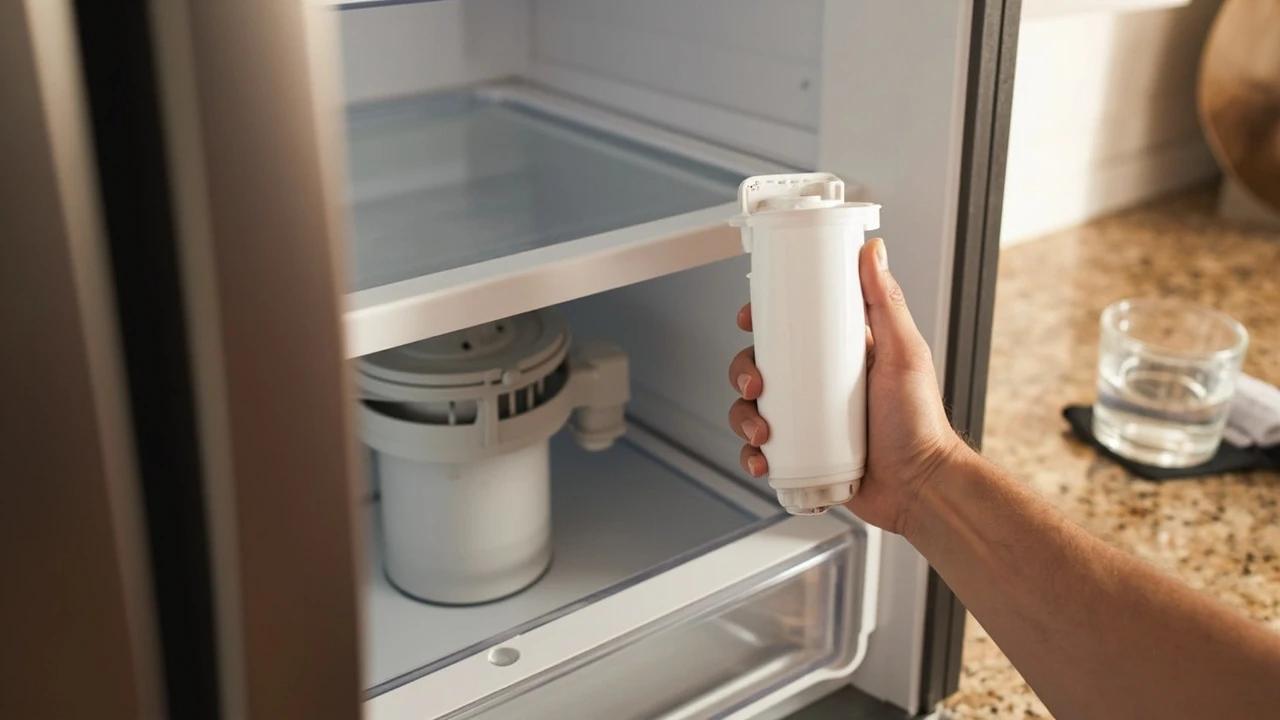
A clogged refrigerator water filter is the most common cause of slow dispensing, off-tasting water, and undersized ice cubes — and it is the easiest fix in your kitchen. Most filters are designed to be swapped in under five minutes with no tools, no shut-off valve, and no spilled water. This guide covers locating your filter, the two common removal styles (twist-in and push-in), inspecting the O-rings, flushing the new filter, and resetting the indicator light so you do not see the red "Replace" warning the next morning.
 Medium1 hr
How to Repair Scratches in a Hardwood Floor
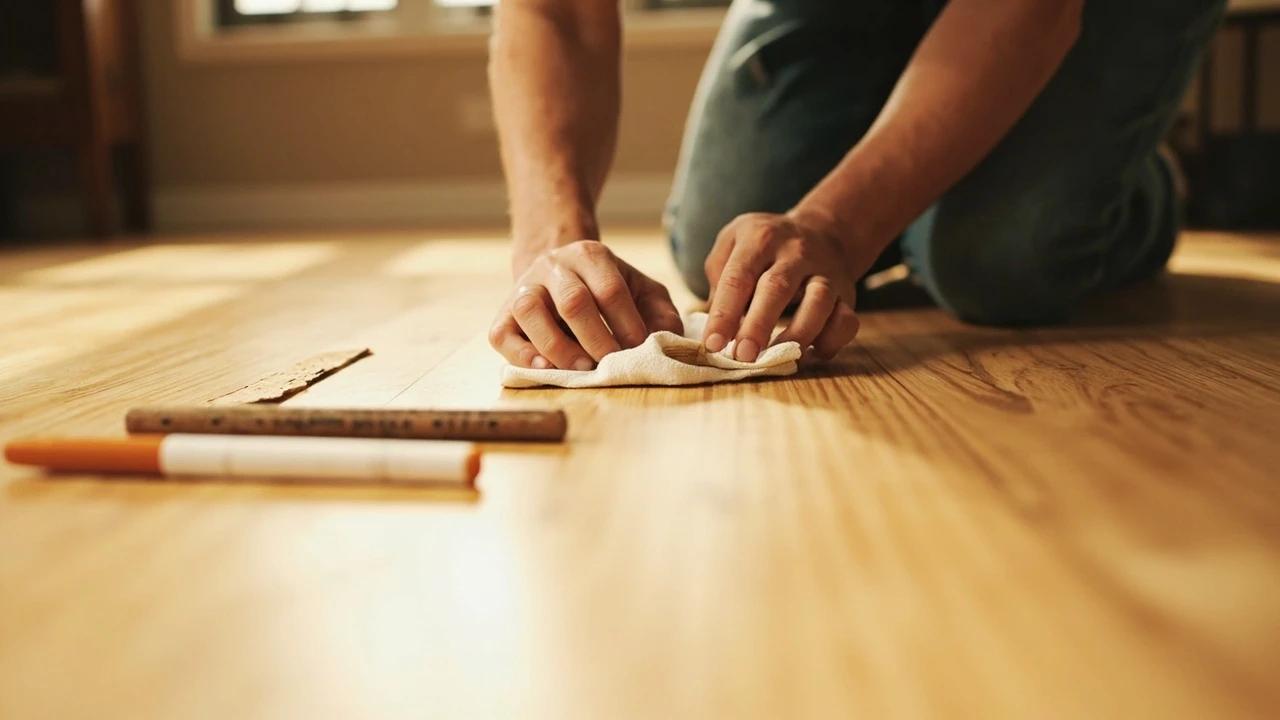
Scratched hardwood almost never means refinishing the whole floor. This guide shows you how to match the fix to the damage — a touch-up marker for finish-level scratches, a wax fill stick for shallow ones, and stainable wood filler with stain and polyurethane for deep gouges — all for under $40 in supplies and about an hour of work.
 Easy45 min
How to Repair a Shower Diverter Valve
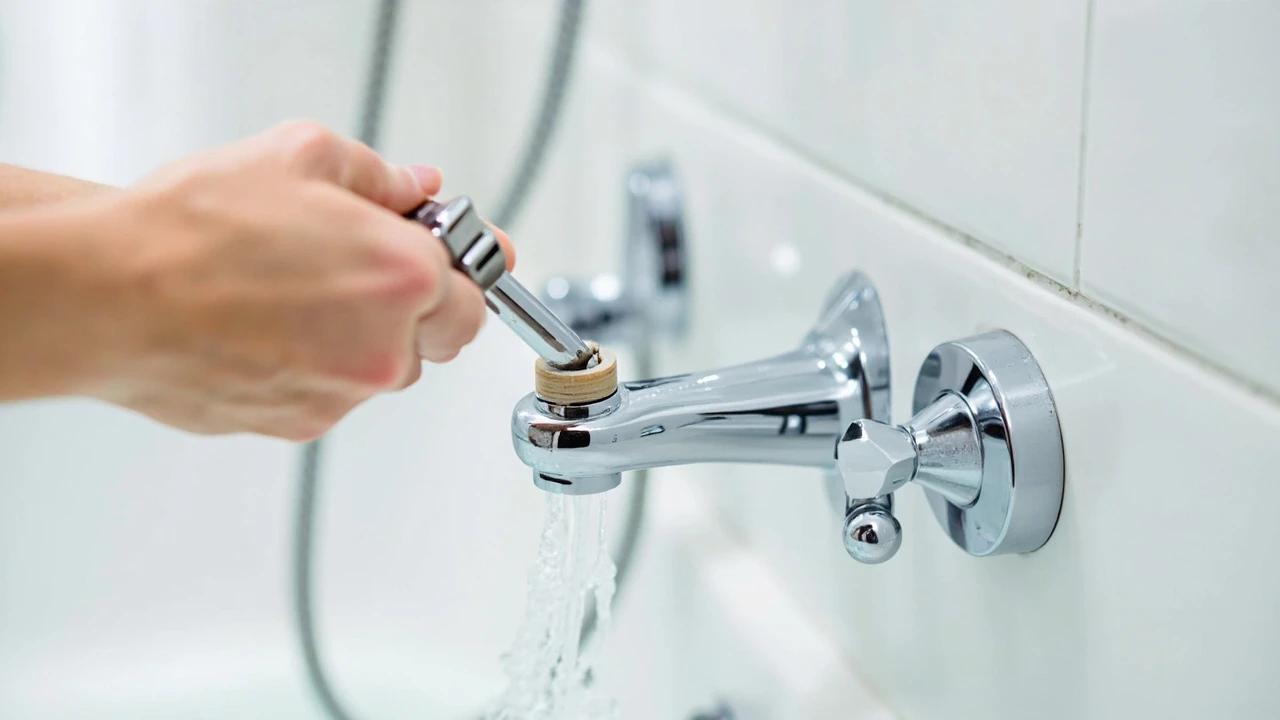
When you pull the diverter knob and water still pours from the tub spout instead of the showerhead, the fix is usually a worn washer or mineral buildup — not a $200 plumber visit. This guide covers the three most common diverter types (tub spout, three-valve, and two-valve) and walks you through cleaning, replacing washers, and swapping the diverter if needed, all in under an hour with basic tools.