Best Deck Stain: Transparent vs Semi vs Solid
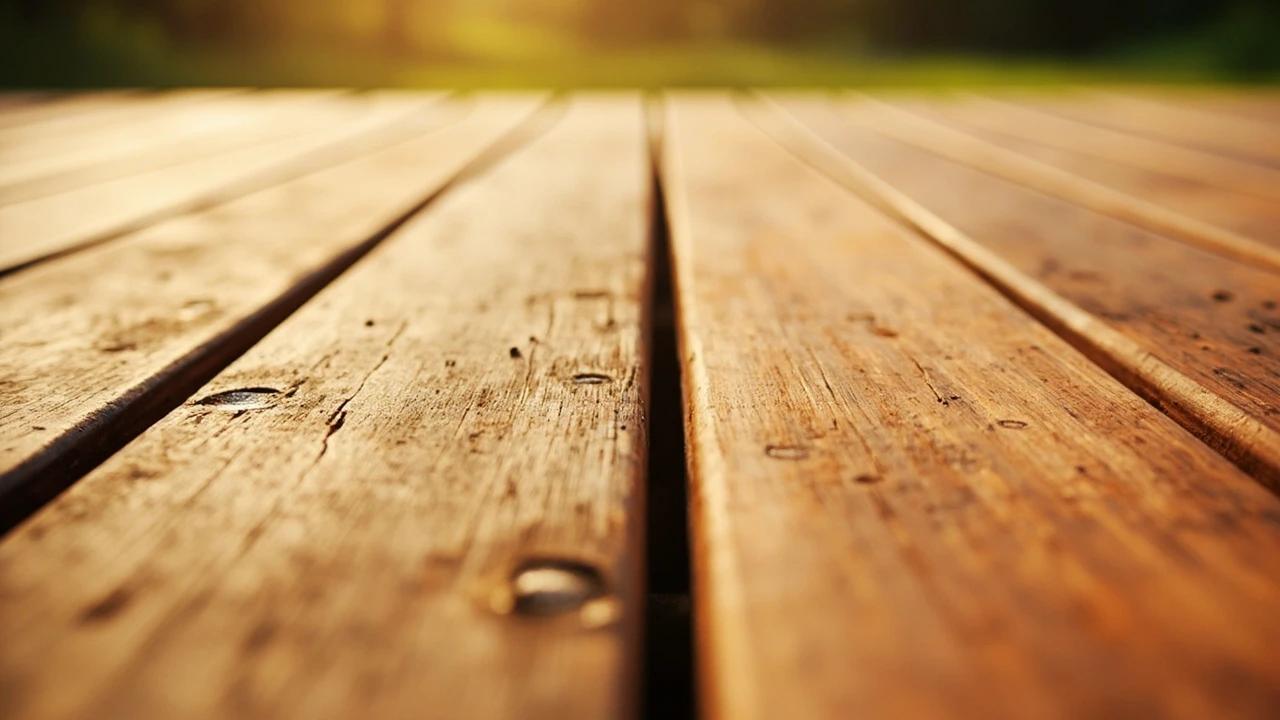

There is no "best" deck stain — there is the right stain for your sun exposure, wood condition, and how often you want to redo the job. Transparent stains last 1-2 years but let the natural grain show. Solid stains last 4-7 years but look like paint. This guide walks the four opacity levels and the oil-vs-water choice so you pick the one that matches your deck and your tolerance for re-staining.
What You'll Need
🛠 Tools
Which deck stain should you use?
Assess Your Current Deck Condition
Walk the deck and grade three things on a 1-5 scale: (1) wood condition — fresh pressure-treated lumber rates 5, gray weathered boards with grain still visible rates 3, cracked or splitting boards rate 1; (2) sun exposure — full sun all day rates 1 (worst), full shade all day rates 5; (3) existing finish — bare wood rates 5, evenly weathered rates 4, blotchy or peeling rates 1. These three scores narrow your stain choice fast — score-1 wood needs more opacity to hide damage, score-1 sun exposure needs more pigment for UV protection.
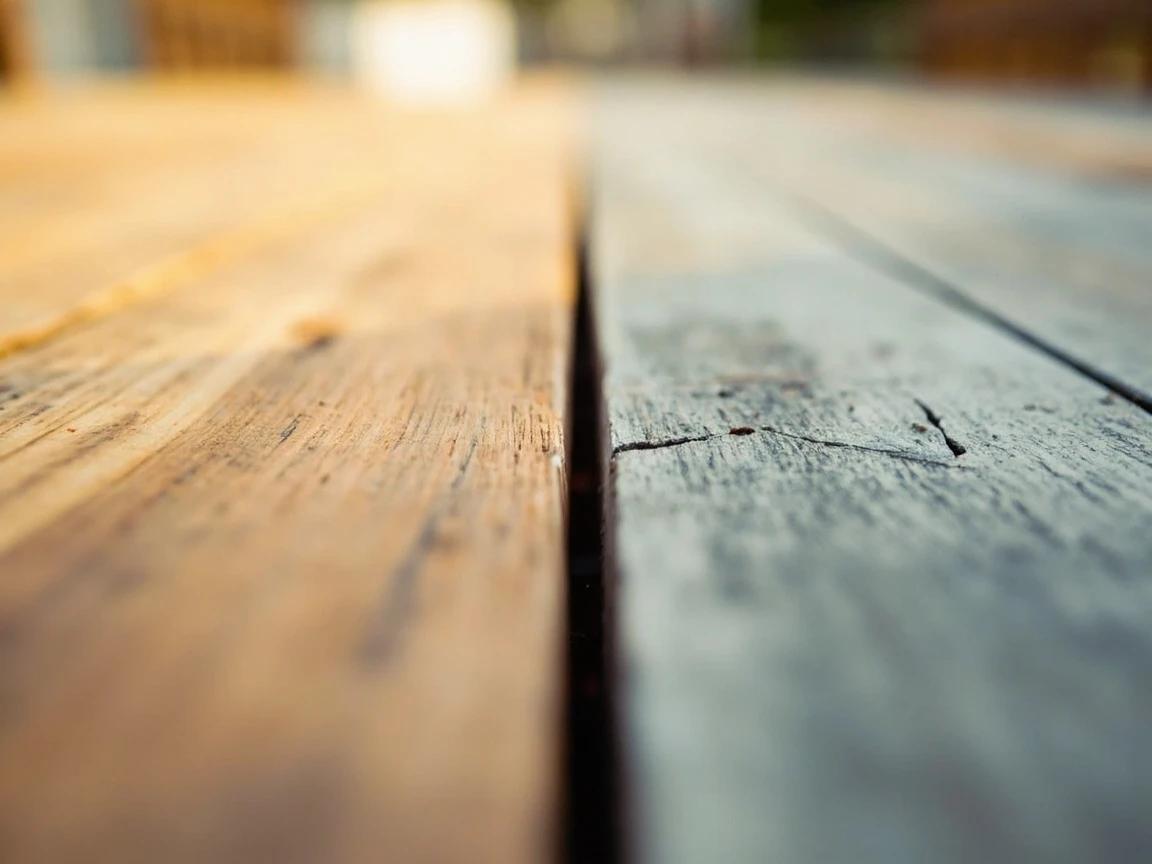
Transparent — Maximum Wood Grain, Minimum UV Protection
Transparent stain (also called "clear" or "wood tone") adds almost no color, just a slight enhancement of the natural grain and a layer of water/oil repellent. It is the right choice for brand-new pressure-treated lumber in its first year, OR for premium woods (cedar, redwood, ipe) where the grain is the entire point. Reapply every 1-2 years. Brands: Olympic Maximum Clear, Cabot Australian Timber Oil (clear), TWP 100 series (the high-VOC TWP 100 line cannot be sold in California and many northeastern/OTC states — look at TWP 1500 there instead). Price: about $35-45/gallon.
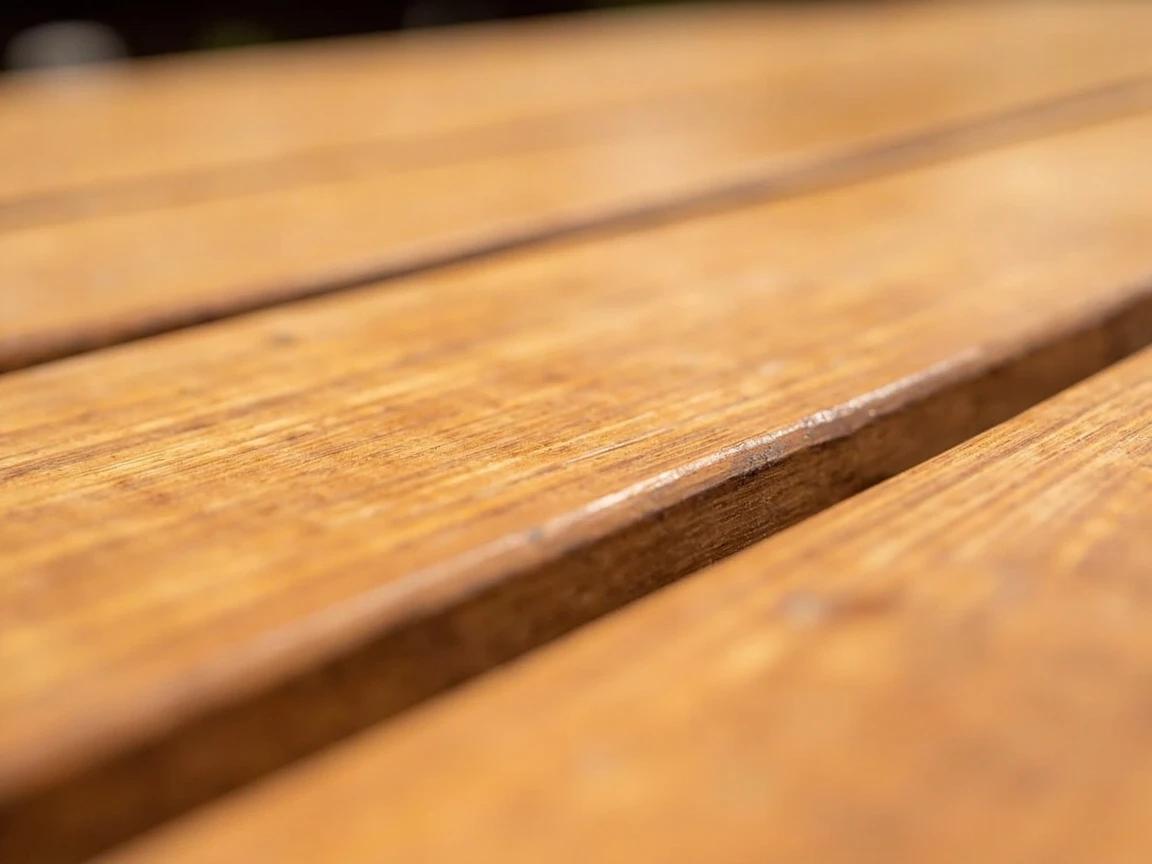
Semi-Transparent — The Most-Used Category
Semi-transparent stain adds visible color (cedar, redwood, honey, gray) while still letting the wood grain show through. This is the workhorse category — about 60% of residential deck stain sales. Right for decks 1-3 years old, in moderate-to-heavy sun exposure, where you want some uniform color but still want it to read as wood. Reapply every 2-4 years — see staining a wood deck for the application itself. Brands: Cabot Semi-Transparent, Olympic Elite Semi-Transparent, Sherwin-Williams SuperDeck Semi-Transparent. Price: about $40-55/gallon.
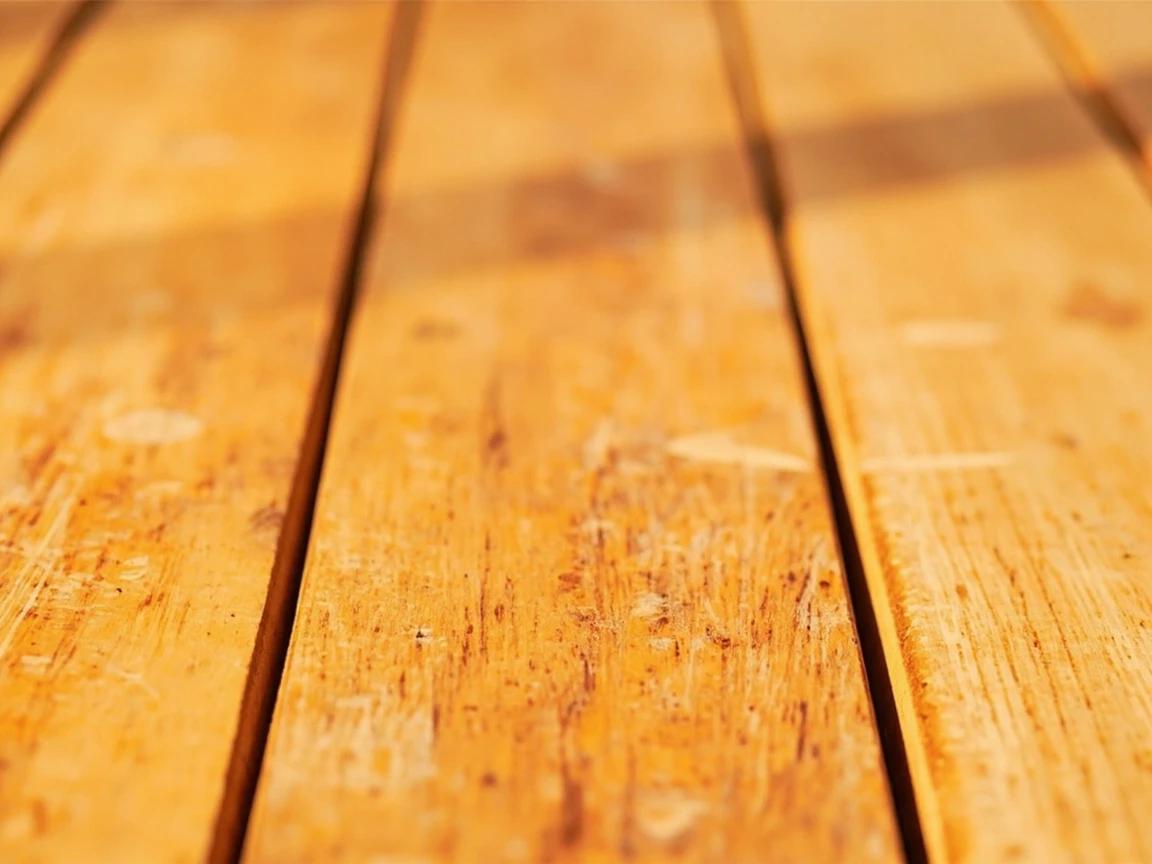
Buy a sample quart and test on the back of an out-of-sight board before committing to gallons — semi-transparent colors look dramatically different on weathered wood vs new wood. The product sample card in the store is on perfectly-prepped pine; your deck is not that.
Semi-Solid — Hiding Without Painting
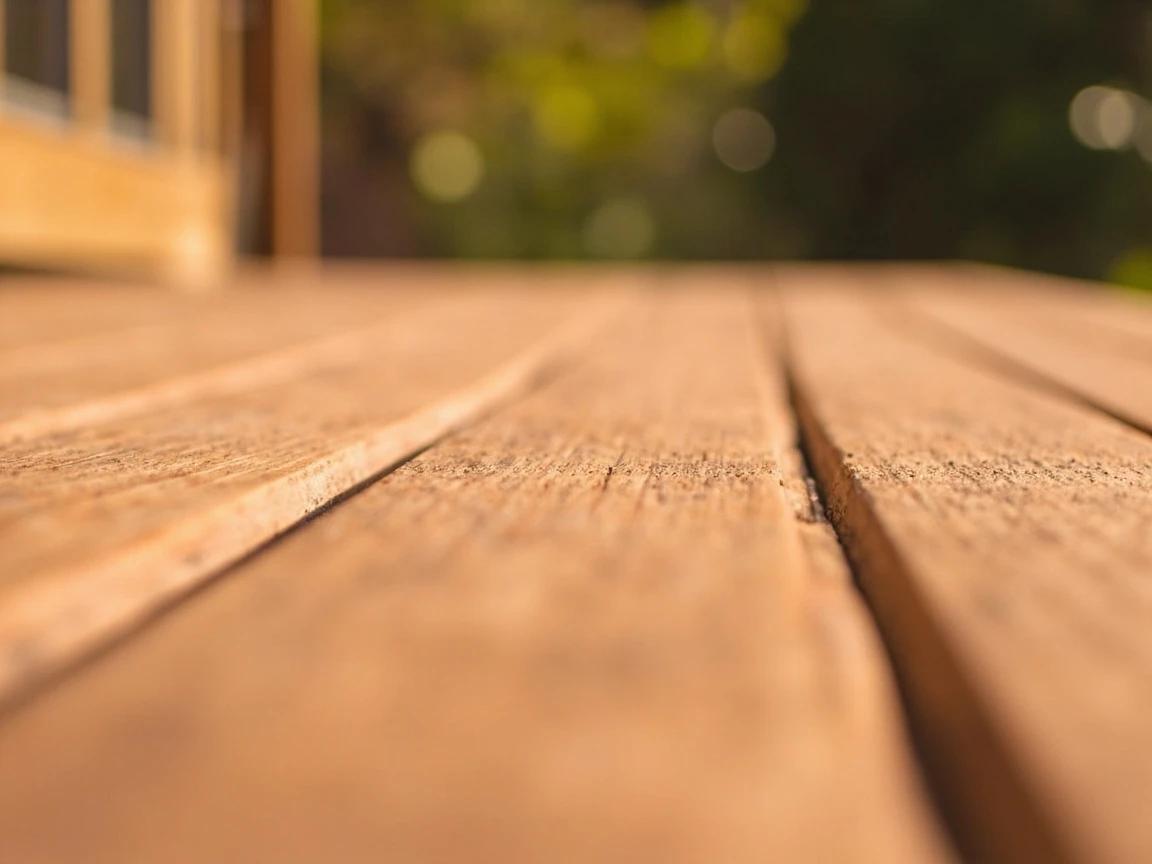
Semi-solid (sometimes "semi-opaque") covers more of the wood grain — you can tell it is wood underneath, but the grain is muted. Right for decks 3+ years old with some weathering you want to hide, where you still want a wood-like appearance. Reapply every 3-5 years. Less common — only some brands carry the opacity tier (Behr Premium Semi-Solid, Cabot Semi-Solid, SuperDeck Semi-Solid). Price: about $45-60/gallon.
Solid — The Painted-Wood Look
Solid stain hides the wood grain almost entirely — the finished surface reads as a painted deck, not stained wood. Right for decks 5+ years old with significant cosmetic damage (splotchy, mismatched repair boards, faded mixed colors) OR when the homeowner wants a specific color (deep red, gray, navy) that natural wood cannot provide. Lasts longest of all opacities (4-7 years) but tends to peel rather than fade gracefully when it does fail. Brands: Sherwin-Williams SuperDeck Solid Color, Behr Premium Solid Color Deck Stain, Olympic Maximum Solid. Price: about $40-55/gallon.
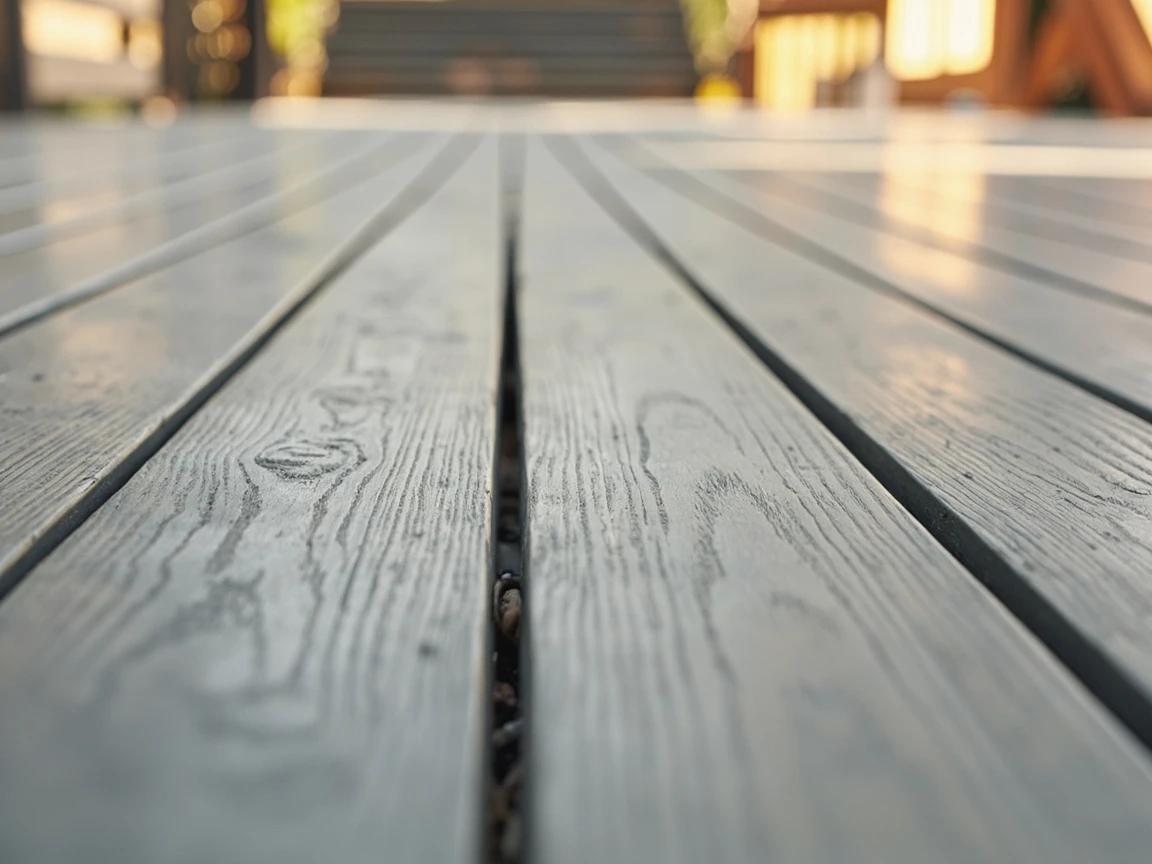
Once you commit to solid stain, going back is hard. Stripping solid stain to switch back to semi-transparent requires chemical strippers + sanding to bare wood, which is a 2-3 day project. Treat solid as a long-term decision, not an experiment.
Oil vs Water-Based — Match to Climate
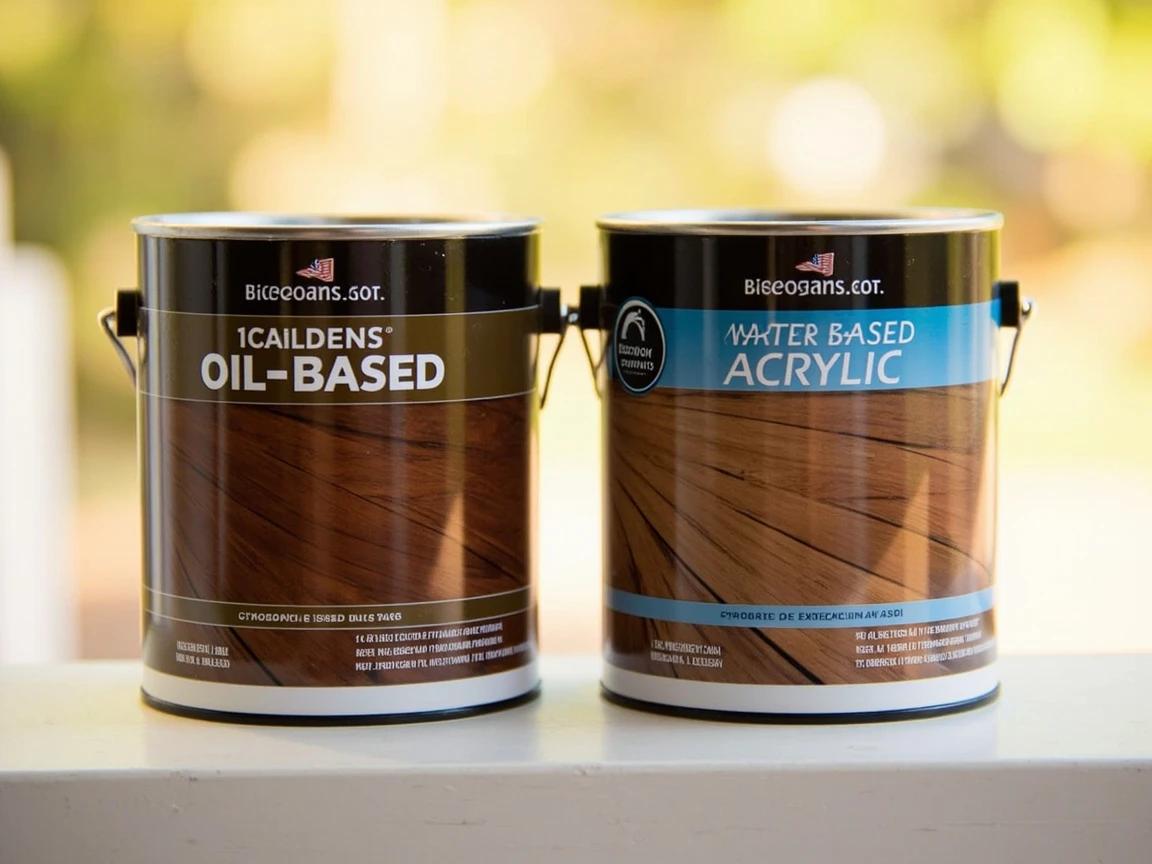
Within each opacity tier, you choose oil-based (alkyd) or water-based (acrylic). Oil penetrates the wood, weathers by fading, has stronger UV protection, but takes 24-48 hours to dry and requires mineral spirits for cleanup. Right for southern decks in full sun. Water-based forms a film on top, weathers by peeling, has lower VOCs, dries in 2-4 hours and cleans up with water. Right for northern and shaded decks where moisture cycling is the main threat. If you cannot decide, oil is the safer default — it ages more gracefully when neglected.
Pick the Match for Your Situation
The four opacity tiers side by side, cheapest reapplication interval last.
| Opacity | Grain visible | Reapply | Price/gal | Right for |
|---|---|---|---|---|
| Transparent | Fully | 1-2 years | $35-45 | New pressure-treated lumber in year one, or premium cedar, redwood and ipe |
| Semi-transparent | Mostly | 2-4 years | $40-55 | Decks 1-3 years old in moderate-to-heavy sun — about 60% of all sales |
| Semi-solid | Muted | 3-5 years | $45-60 | Decks 3+ years old with weathering to hide but still wanting a wood look |
| Solid | Hidden | 4-7 years | $40-55 | Decks 5+ years old with real cosmetic damage, or a color wood cannot give |
And the base, chosen within whichever tier you land on:
| Base | Weathers by | Dry time | Cleanup | Right for |
|---|---|---|---|---|
| Oil (alkyd) | Fading | 24-48 hr | Mineral spirits | Southern decks in full sun; stronger UV protection |
| Water (acrylic) | Peeling | 2-4 hr | Water | Northern and shaded decks where moisture cycling is the threat |
Matching those against the condition scores from step 1: new deck in shade goes transparent water-based, new deck in full sun goes semi-transparent oil, and a 3-5 year deck with visible weathering goes semi-solid in whatever base the previous finish used. Solid is a one-way commitment — it peels rather than fading, so going back means stripping. If you cannot decide, semi-transparent oil-based is the most-purchased category for a reason.

Frequently Asked Questions
How long does each opacity of deck stain actually last?
+
Transparent stain: 1-2 years in full sun, 2-3 years in shade. Semi-transparent: 2-4 years. Semi-solid: 3-5 years. Solid: 4-7 years. The progression is logical — more pigment blocks more UV, so the wood underneath ages slower and the finish itself lasts longer. The trade-off is that more pigment also hides more of the natural wood grain you may have been trying to show off in the first place. Those spans describe protection, not appearance — a finish can look tired a year before it stops shielding the wood. Horizontal surfaces set the schedule: deck boards take standing water, traffic and direct sun, so rails and skirting often last twice as long. The practical test is water: flick a cup across a few spots, and tight beads mean the finish is still working while soaking straight in means it is due. Recoating on that signal rather than a calendar is what keeps a deck out of the strip-and-start-over cycle.
Should I use oil-based or water-based deck stain?
+
Oil-based (alkyd) stains penetrate deeper into the wood and weather by fading rather than peeling — best for full-sun decks and southern climates. Water-based (acrylic) stains form a film on top of the wood and weather by peeling — best for shaded decks and northern climates where moisture cycling is the bigger threat than UV. Both are legitimate; the choice depends on your deck's exposure, not on which is "better" overall. Two practical constraints often decide it for you. VOC rules in California and much of the northeast restrict the high-solvent oil formulations, so the shelf in those states leans water-based. Cleanup differs sharply too: oil needs mineral spirits and a 24 to 48 hour dry, water cleans up at the tap and recoats in 2 to 4 hours. Whichever you land on, plan to stay with it — switching base usually means stripping first, because the two do not bond reliably to each other.
Can I go from a solid stain back to semi-transparent?
+
Not without stripping the existing solid finish completely — semi-transparent stain needs to penetrate the wood, which it cannot do through a film of solid stain. Stripping a solid-stained deck is a real project: chemical strippers, scraping, sanding, and several days of drying. Most homeowners faced with this decision either continue restaining solid OR replace the deck boards entirely. Plan the opacity decision carefully on a new or freshly-stripped deck because reversing it is expensive. If you are unsure what is already on the boards, scratch a hidden spot with a coin. A finish that flakes off in a sheet is a film-former, meaning solid or a water-based product, and nothing penetrating will soak through it. Weigh the paths honestly: stripping a mid-sized deck runs a full weekend plus stripper, while restaining solid takes an afternoon. Going up in opacity is easy. Coming back down is the expensive direction.
Why does my deck stain peel after one year?
+
Three causes: (1) the deck was not properly cleaned and dry before staining — moisture trapped under the stain forces it off as it tries to escape; (2) over-application — too much stain creates a thick film that cracks under heat; (3) wrong product for the exposure — water-based stain on a south-facing deck in Arizona will peel within a year regardless of prep. Pressure-wash, let dry 48 hours, apply thinly per the label, and match product to climate. Two checks catch most of it before you open a can. Tape a square of plastic sheet to the boards overnight: condensation underneath in the morning means the wood is still releasing moisture and is not ready. New pressure-treated lumber also carries mill glaze, a slick compacted surface from the milling blades that sheds stain however dry the wood is — a cleaner and light sanding cut it. Remember stain sits in the wood, not on it, so extra coats do not add protection.
Sources & further reading
- Solid Vs. Semi-Transparent Deck Stains: Which To Choose? — TJ's Deck & Railing Repair
- Solid vs. Semi-Transparent Deck Stain: Which is Better? — Deck Stain Help
- Semi-Transparent Stains vs. Solid Stains — Kennedy Painting
More Painting Guides
View all → Medium4 hrs
How to Stain a Wood Deck
A properly stained wood deck not only looks stunning — deep, rich color that makes the whole backyard feel finished — but also protects the boards from UV damage, water, and rot, extending the life of a $10,000+ deck by a decade or more. A fresh coat of semi-transparent stain runs $50-150 in materials for a typical 200-square-foot deck, versus $1,500-3,000 for a pro to do it. The project itself takes an afternoon of active work spread across a 2-3 day window for cleaning, drying, and staining. This guide covers prep (which is 80% of the job), choosing the right stain, applying without lap marks, and letting it cure properly.
 Easy20 min
Best Paint for Kitchen Cabinets, Compared
The four paints that actually hold up to daily kitchen use are Benjamin Moore Advance, Sherwin-Williams Emerald Urethane Trim Enamel, INSL-X Cabinet Coat, and Behr Urethane Alkyd. They all work; they each fail in different ways. This guide compares cure time, leveling, scratch resistance, and price so you pick the one that matches your skill level and timeline — not the one a paint-store clerk has the most stock of.
 Medium6 hrs
How to Stain a Fence
A wood fence left bare goes gray, splinters, and starts rotting at the posts years before a stained one — and staining it yourself runs $75-250 in materials versus $750-2,000+ for a crew. The work itself is honest but unglamorous: the cleaning and drying before you open a can matter more than the staining, and the sprayer-plus-back-brush technique is what separates an even, professional finish from a stripey one. This guide walks the whole job, from the water-bead readiness test to the oily-rag cleanup that prevents garage fires.
You Might Also Like
 Medium1 hr
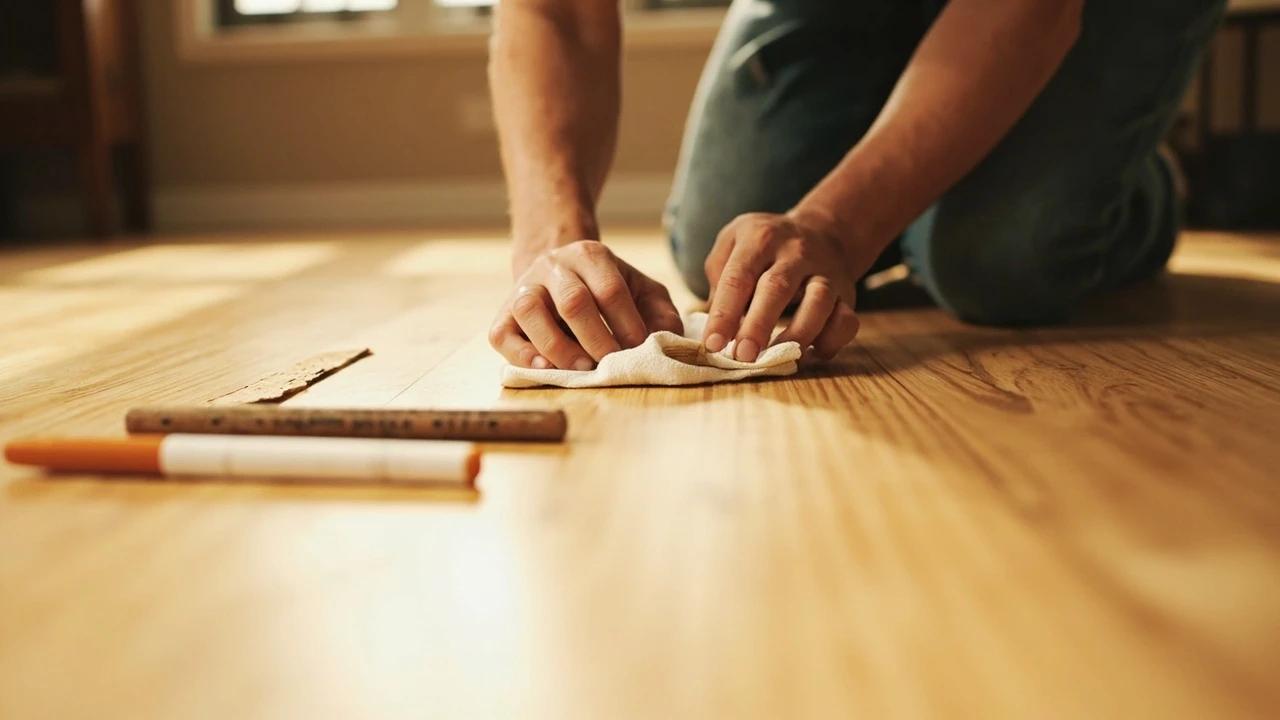
How to Repair Scratches in a Hardwood Floor
Scratched hardwood almost never means refinishing the whole floor. This guide shows you how to match the fix to the damage — a touch-up marker for finish-level scratches, a wax fill stick for shallow ones, and stainable wood filler with stain and polyurethane for deep gouges — all for under $40 in supplies and about an hour of work.
 Easy45 min
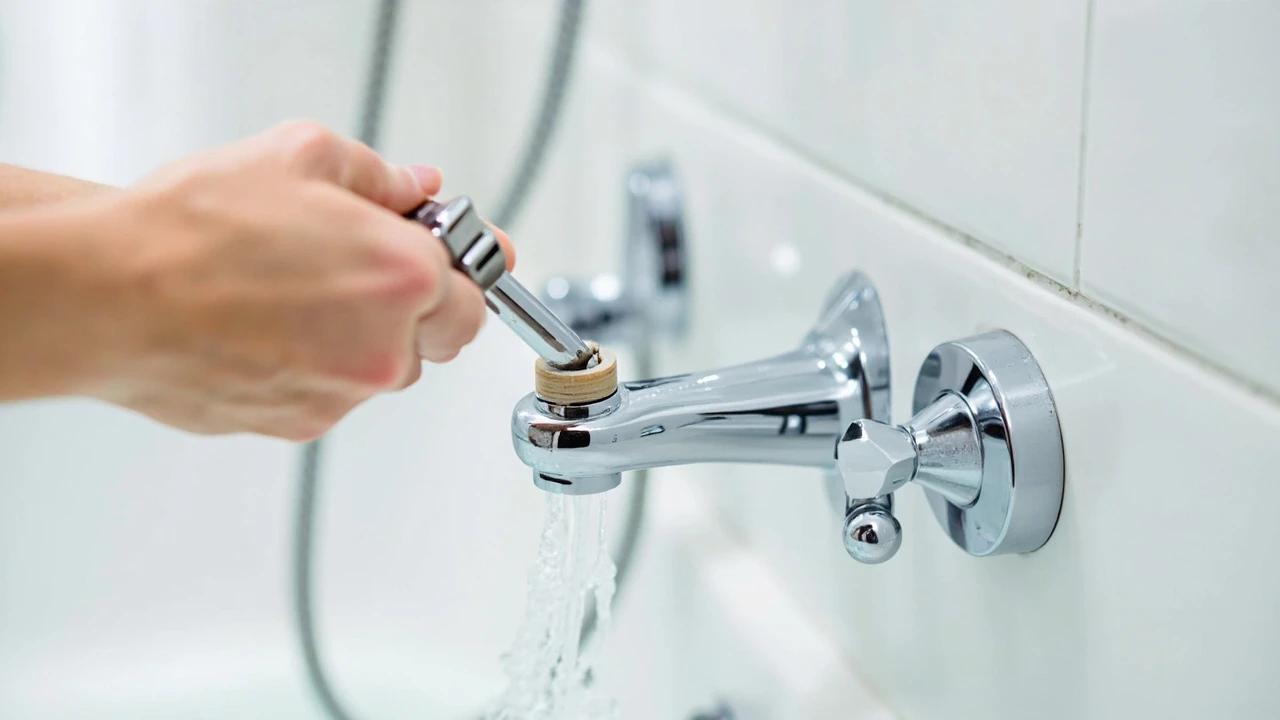
How to Repair a Shower Diverter Valve
When you pull the diverter knob and water still pours from the tub spout instead of the showerhead, the fix is usually a worn washer or mineral buildup — not a $200 plumber visit. This guide covers the three most common diverter types (tub spout, three-valve, and two-valve) and walks you through cleaning, replacing washers, and swapping the diverter if needed, all in under an hour with basic tools.
 Easy2 hrs
How to Repair Damaged Baseboard Trim
Dented, chipped, and gouged baseboards are one of the most visible signs of a neglected home — but they are also one of the easiest things to fix. With $10-20 in filler and a few hours of work (mostly drying time), you can make battered trim look factory-fresh without pulling a single board off the wall.