How to Remove Wallpaper and Prep Walls for Paint
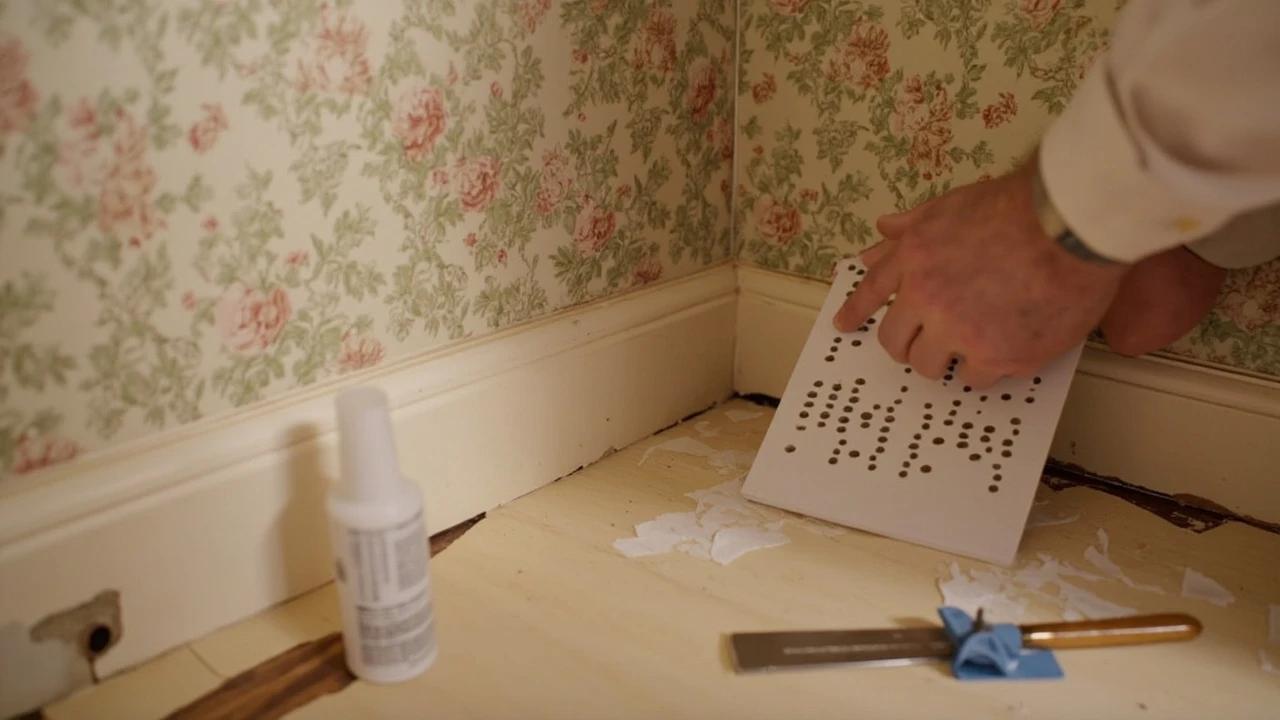

Removing wallpaper is the slowest single step in any paint refresh — but the steps themselves are simple: score, soak, scrape, neutralize, prime. The mistake that wastes whole weekends is skipping the score step or using plain water instead of a gel-based stripper. This guide covers the full sequence including the post-removal adhesive cleanup and the oil-or-shellac primer that prevents residual paste from bleeding through new paint.
What You'll Need
🛠 Tools
📦 Materials
Safety First
- •For homes built before 1978, the wallpaper backing OR the layers underneath may contain lead. Do not dry-scrape — keep everything wet, and if any plaster or drywall comes away with the paper, stop and test for lead before continuing.
- •Wallpaper stripper is alkaline and will sting if it gets in your eyes. Safety glasses are not optional — splatter from the putty knife is constant.
Step-by-Step Instructions
Prep the Room
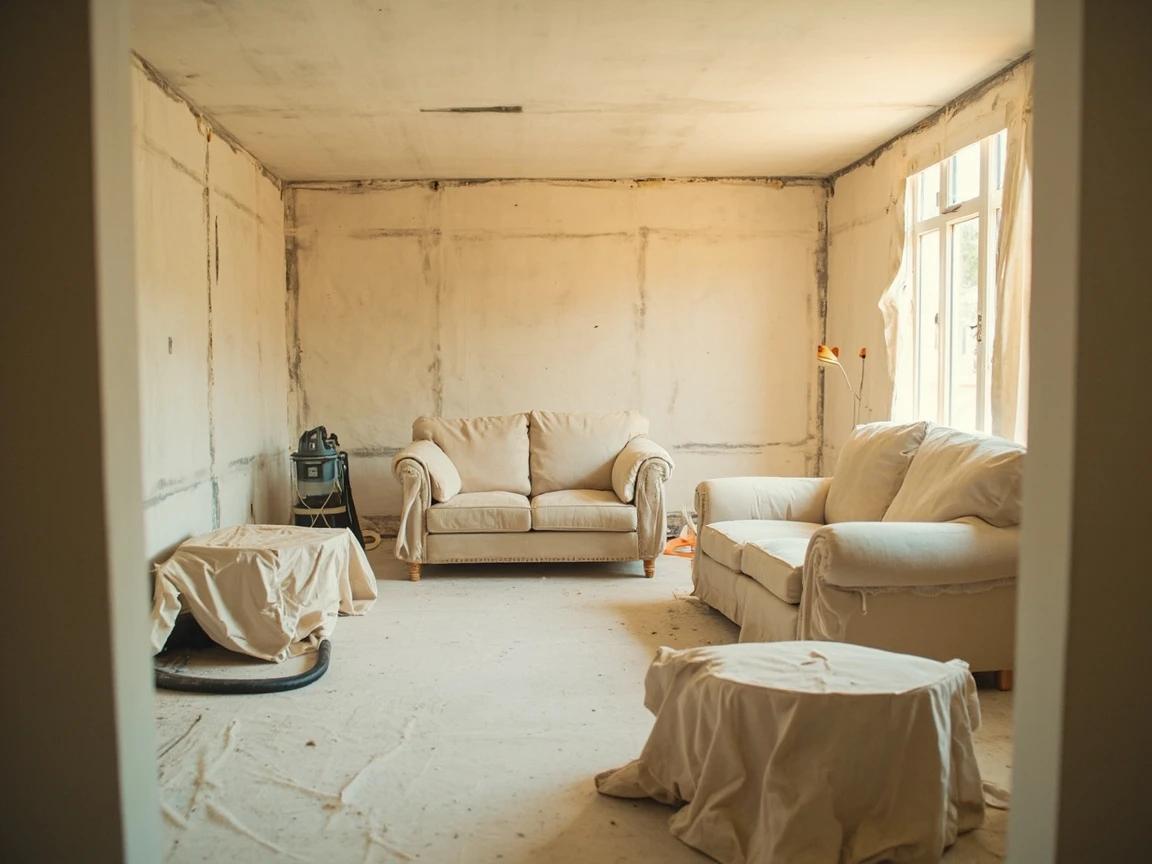
Move furniture out or to the center of the room and cover with canvas drop cloths. Wet wallpaper scraps fall constantly — they'll stick to a plastic drop cloth and create a tearing mess when you lift it. Canvas absorbs the moisture. Tape plastic sheeting over electrical outlets, switches, and any wall-mounted thermostat. Turn off the breaker for the room you are working in — water + scoring tools + outlets is a real hazard. Set a 5-gallon shop vac near the work area for periodic cleanup of wet wallpaper bits.
Score the Wallpaper With a Paper Tiger
A Paper Tiger (or any branded wallpaper scoring tool) is a small palm-sized disc with downward-pointing pin teeth. Press it lightly against the wallpaper and move it in small circles to create thousands of pinprick holes across the entire surface. Cover every square inch of wallpaper to be removed — these holes let the stripper reach the paste. Press LIGHTLY — too much pressure and the pins dig into the drywall face beneath, which you will have to skim-coat later. The pin holes are invisible after painting.
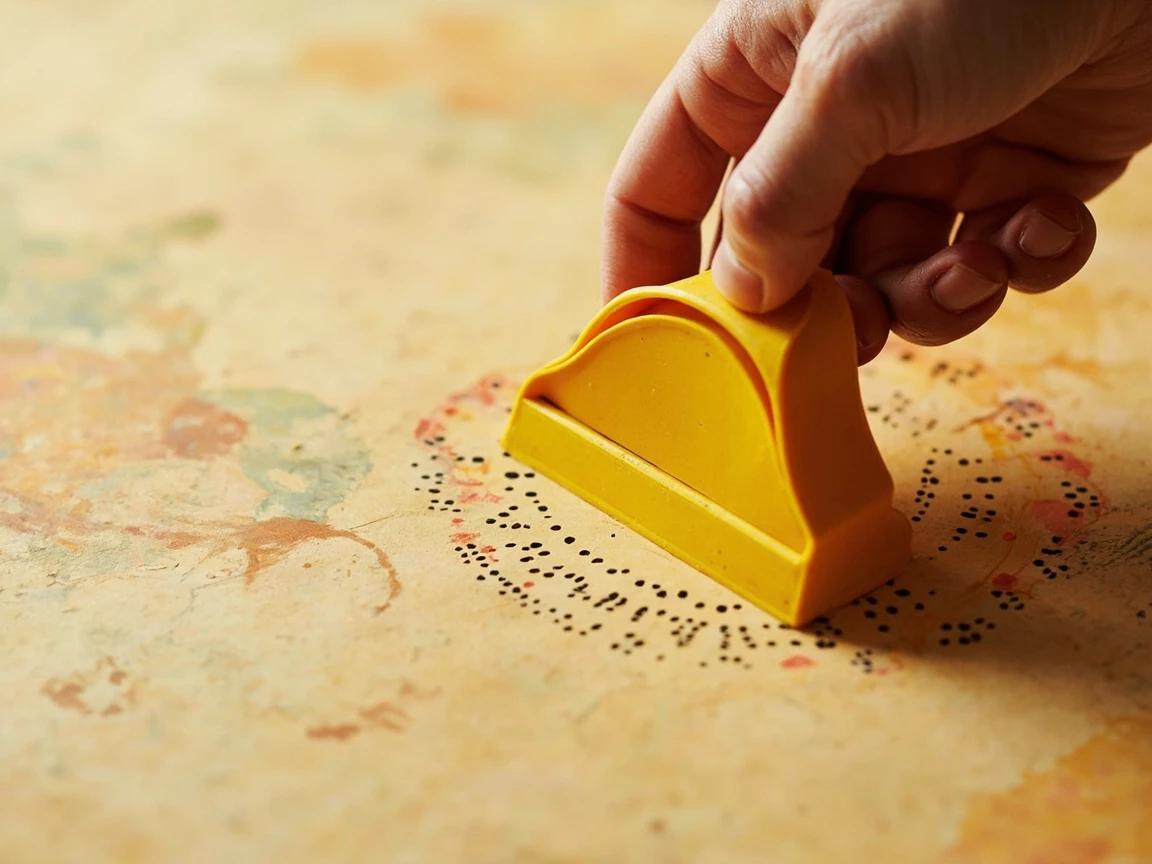
Score one entire 4-foot-wide section at a time, not the whole room at once. The stripper is most effective applied to freshly-scored paper — going back to a wall scored 30 minutes ago means re-doing it.
Spray With Gel Stripper and Wait 15 Minutes
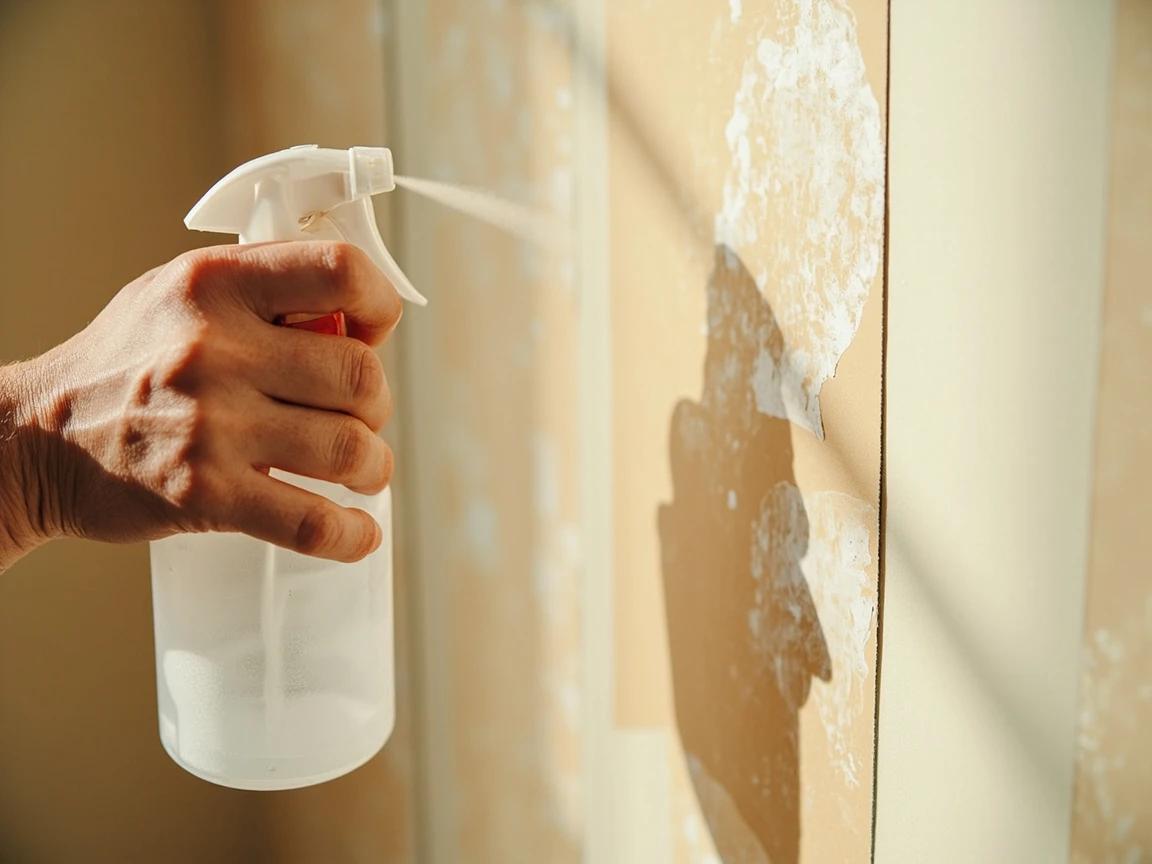
Pour DIF Gel (or equivalent) into a pump sprayer or spray bottle. Spray a generous coat onto the scored section — the gel should visibly cling to the wall, not run down it. If it runs, switch to a thicker product. Let it sit for 15 minutes — set a timer. This is when the chemistry dissolves the adhesive. Cutting this short is the #1 reason wallpaper removal takes a whole weekend instead of an afternoon. While the first section soaks, score the next section so you stay productive.
Scrape With a 4-Inch Putty Knife
After the 15-minute soak, slide a 4-inch stiff putty knife under a corner or seam and lift. Properly soaked wallpaper comes off in sheet-sized pieces with light pressure. Tiny tearing or stubborn spots mean either insufficient soak time or insufficient scoring — re-spray and wait another 10 minutes. Hold the knife at a low angle (almost parallel to the wall) to avoid gouging the drywall face beneath. Pull strips down at about 45 degrees away from you as you scrape upward.
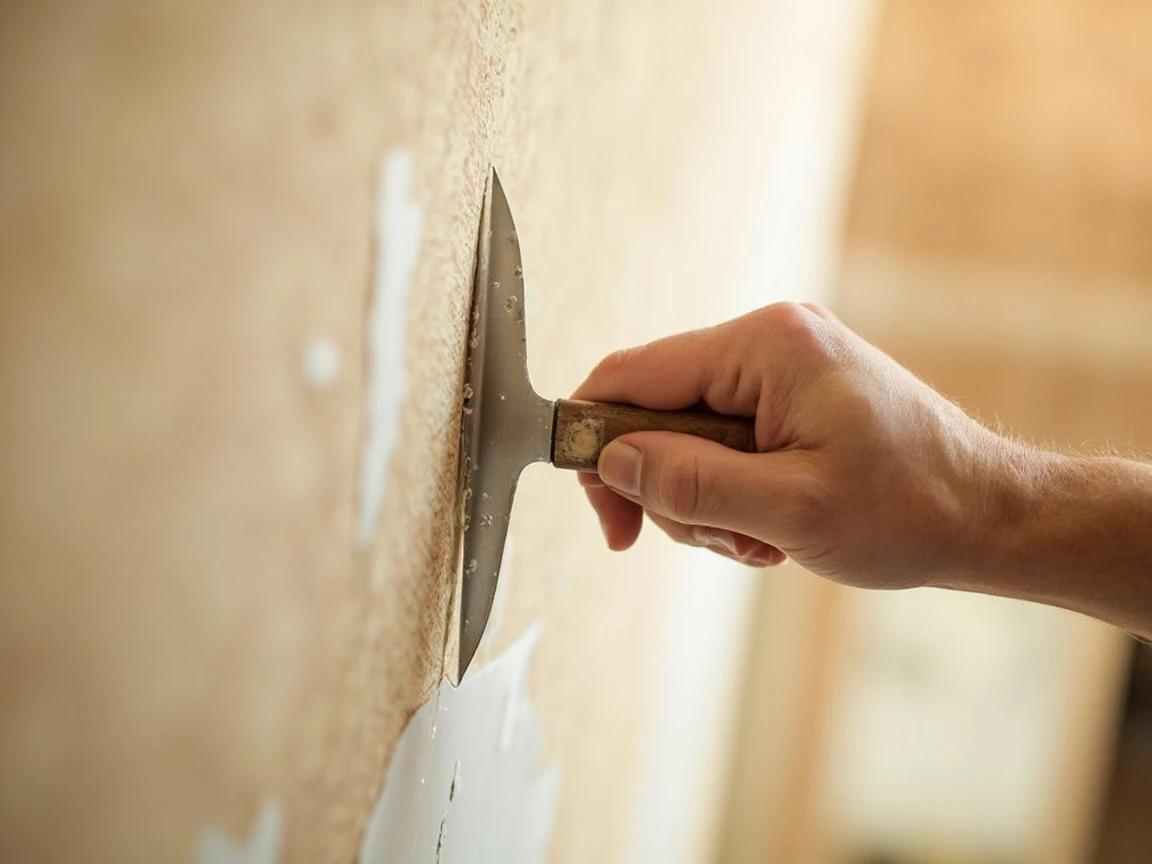
If the wallpaper comes off WITH the drywall paper face attached (you see brown paper or gypsum dust on the back of what you scraped), STOP. The walls were not primed before the wallpaper was hung. You will need to skim-coat the entire wall before paint. Hand off if this is more than a few square feet.
Wash Off Residual Adhesive
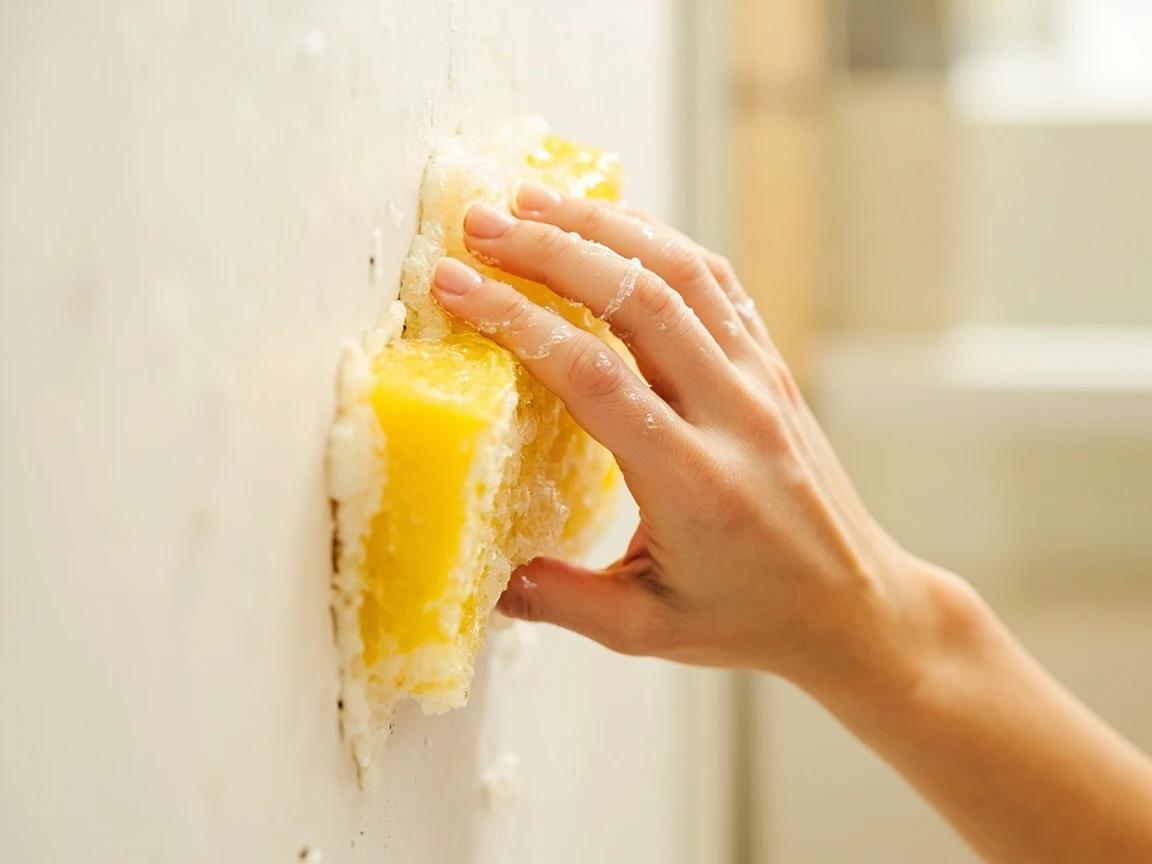
After the bulk paper is gone, the walls will feel sticky — that is leftover adhesive paste. Mix hot water with a small amount of liquid dish soap (Dawn works great) in a clean bucket. Wipe down every wall with a sponge or microfiber rag, rinsing the sponge frequently. The water turns cloudy as the paste dissolves. Repeat with fresh hot water until the walls feel completely clean and slightly squeaky. Run your hand across after — any tackiness means more paste, more washing.
Sand Smooth and Spackle Any Damage
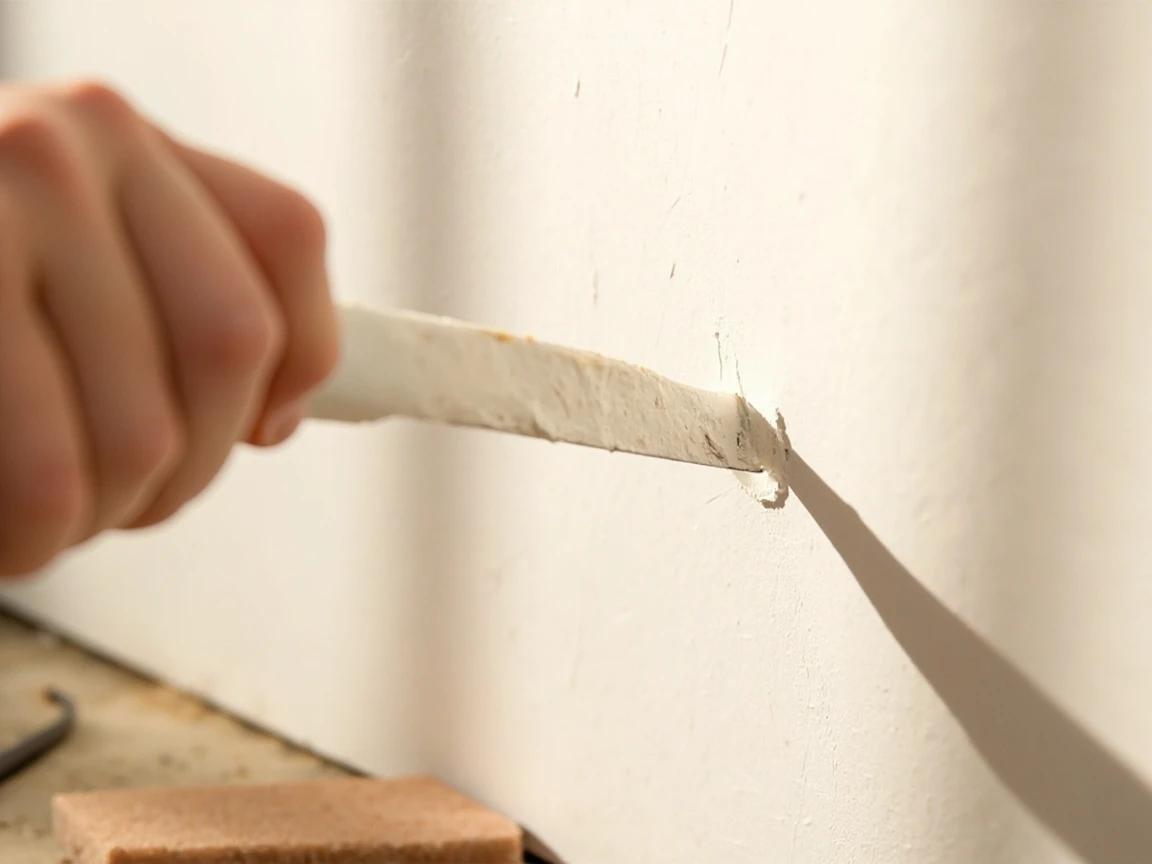
Once the walls are completely dry (allow 4-12 hours depending on humidity), run a 220-grit sanding sponge lightly across the entire surface to knock down any rough patches or raised paper fibers. Use spackle (DAP Drydex or similar) to fill any small gouges or pinprick depressions left by the scoring tool. Apply with the narrow 1.5-inch putty knife, smooth flat, let dry per the package, then sand the patches flush with 220-grit. Wipe everything down with a slightly damp microfiber.
Prime With Shellac-Based or Oil-Based Primer
Apply ONE coat of Zinsser BIN (shellac, recommended) or Zinsser Cover Stain / INSL-X Prime Lock Plus (oil-based) over the entire wall surface. This is NOT optional and you cannot substitute latex primer — residual paste will react chemically with latex paint and cause yellowing and blistering within weeks. Apply with a 3/8-inch nap roller for the field and a 2.5-inch angled brush for cut-in. One quart covers about 75 square feet of wall. Recoat with normal wall paint after the primer is fully dry (45 minutes for BIN, 2 hours for oil).
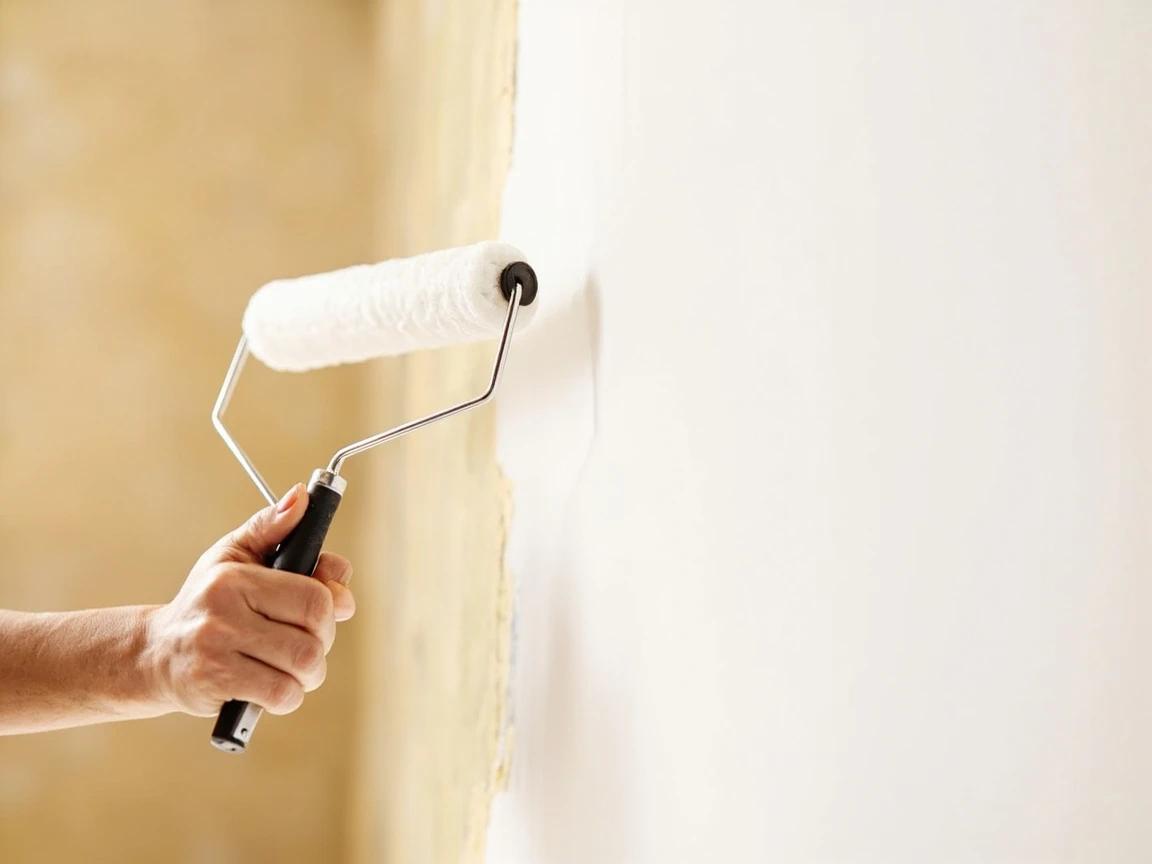
Open windows wide before applying shellac primer — the alcohol smell is strong during application but fades within an hour. If you cannot ventilate, switch to an oil-based primer (Cover Stain or INSL-X Prime Lock Plus) — same paste-blocking properties, less aggressive odor.
Frequently Asked Questions
Do I really need to score the wallpaper before spraying?
+
Yes for vinyl-coated or painted-over wallpaper — the water-resistant top layer blocks the stripper from reaching the adhesive. Without perforating it first, you will spray and wait and find the paper has not loosened at all. For old-fashioned untreated paper, scoring is optional but speeds the process. The scoring tool creates pin-prick holes that are invisible after painting, so there is no downside to scoring even when it might not be strictly necessary.
What is the difference between liquid and gel wallpaper stripper?
+
Gel (DIF Gel) clings to vertical walls and stays wet on the adhesive for 15+ minutes, which is when the chemistry actually does the work. Liquid runs off in 2-3 minutes and you spend the job re-spraying. Gel costs slightly more per quart but uses less product and removes wallpaper roughly twice as fast on stubborn surfaces. Worth the premium on any job bigger than a small accent wall.
Will plain hot water work instead of stripper?
+
Sometimes — older paper with water-soluble paste comes off with hot water and a sponge alone. Modern vinyl-coated wallpapers do not. Try a 1-square-foot test patch with hot water (or hot water + 1 cup white vinegar per gallon) and wait 15 minutes. If the paper peels away when you slide a putty knife under it, finish the room with hot water. If it does not budge, switch to gel stripper.
Why do I need a special primer after wallpaper removal?
+
Residual wallpaper adhesive on the wall will react with new latex paint, causing yellow staining and blistering within weeks. Latex primer will not block this — the alkaline paste reactivates through latex products. You need either shellac-based (Zinsser BIN) or oil-based (Zinsser Cover Stain, INSL-X Prime Lock Plus) primer, both of which create a solvent-based seal that paste cannot cross. Apply one coat after cleaning, then paint with whatever finish coat you want.
Sources & further reading
- How to Remove Wallpaper in 6 Steps — Benjamin Moore
- How To Remove Wallpaper (Using Score Tool + Strip Solution) — Total Wallcovering
- How to Remove Wallpaper: Steamer, Spray, and Scoring Methods — D and G Flooring
More Painting Guides
View all →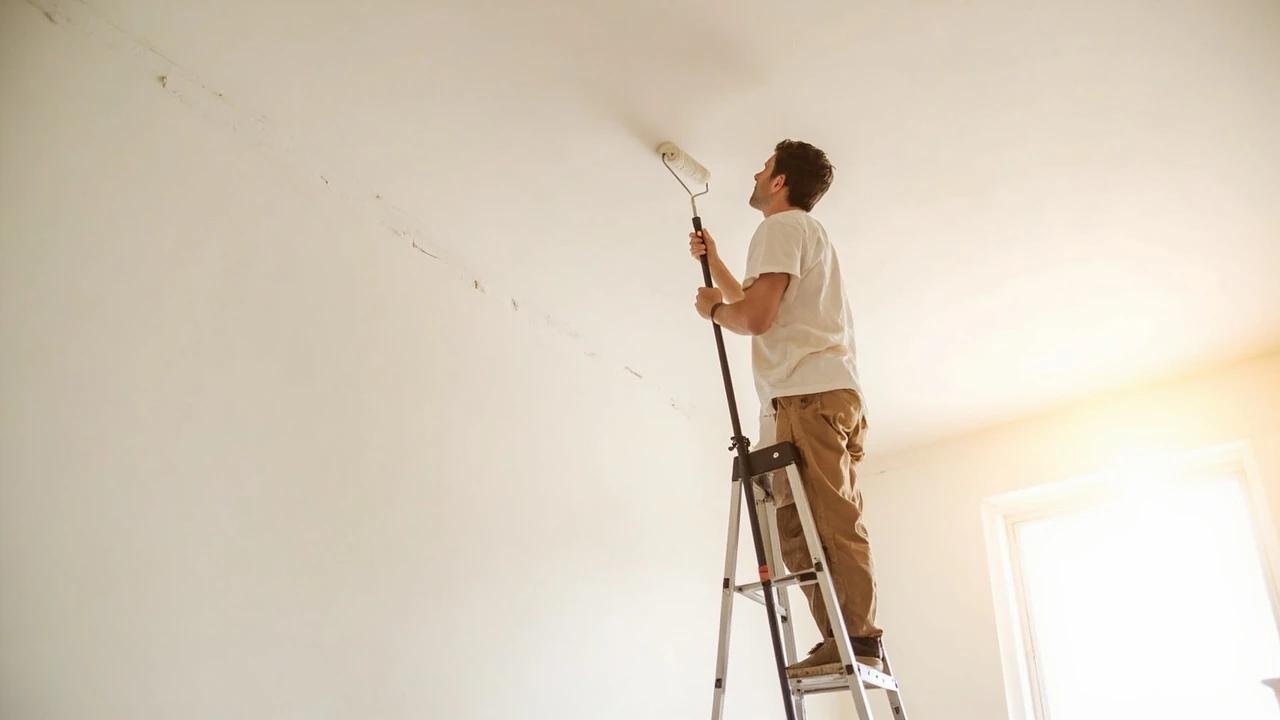 Easy2 hrs
How to Paint a Ceiling Without Streaks or Roller Marks
A streaked ceiling is the single most common DIY paint failure — and it is almost always one of three things: wrong roller nap, wrong direction, or letting the wet edge dry before you fill it in. Get those three right and a ceiling paint job looks professional. This guide covers nap selection, the W-pattern roll, working away from the light source, and the wet-edge rule that prevents lap marks.
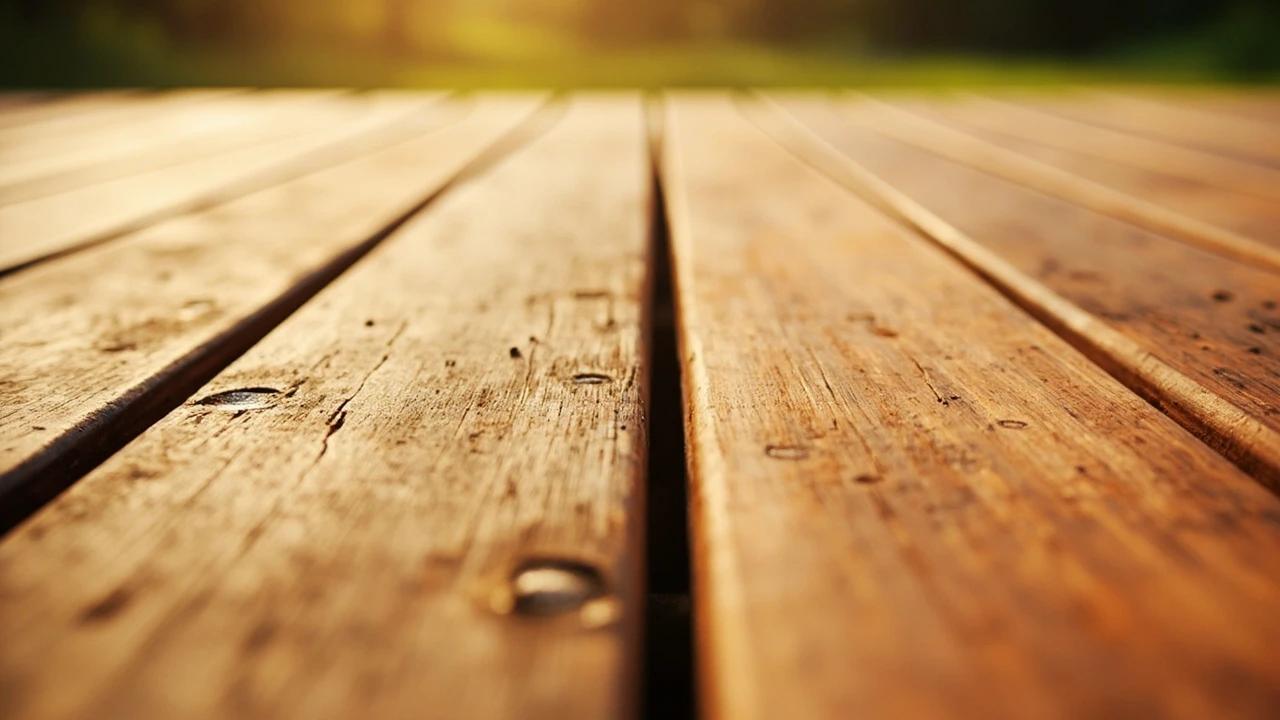 Easy25 min
Best Deck Stain: Transparent vs Semi vs Solid
There is no "best" deck stain — there is the right stain for your sun exposure, wood condition, and how often you want to redo the job. Transparent stains last 1-2 years but let the natural grain show. Solid stains last 4-7 years but look like paint. This guide walks the four opacity levels and the oil-vs-water choice so you pick the one that matches your deck and your tolerance for re-staining.
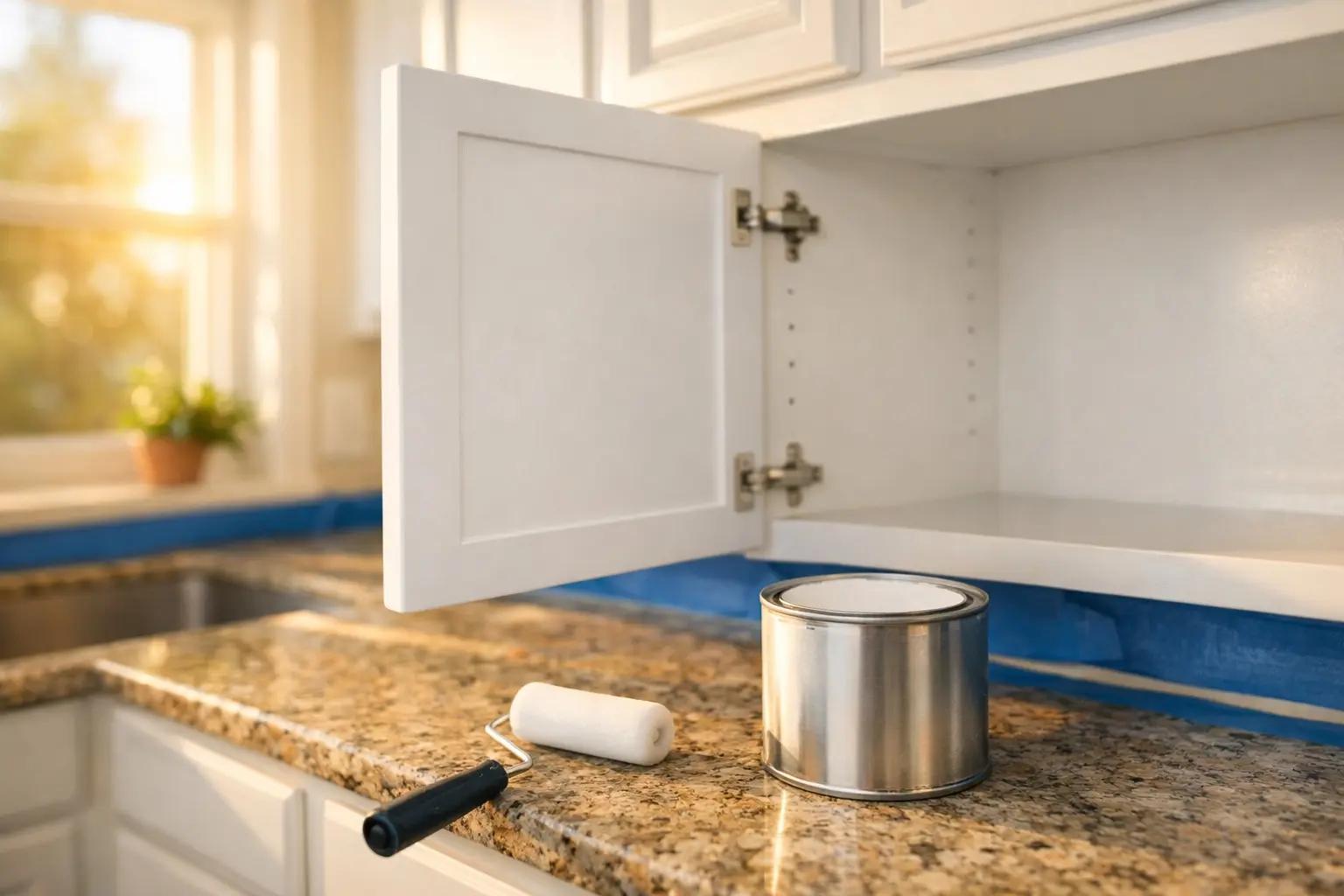 Hard8 hrs
How to Paint Kitchen Cabinets
A professional cabinet refinish costs $3,000-8,000, but painting them yourself with the right prep and materials delivers the same transformation for under $200 in a long weekend. The secret is thorough degreasing, a bonding primer, and thin coats with proper dry time between each — skip any of those and the paint will chip within months. This guide walks through the full process from door removal and labeling to final reassembly, covering both brush and roller techniques for a smooth, factory-like finish.
You Might Also Like
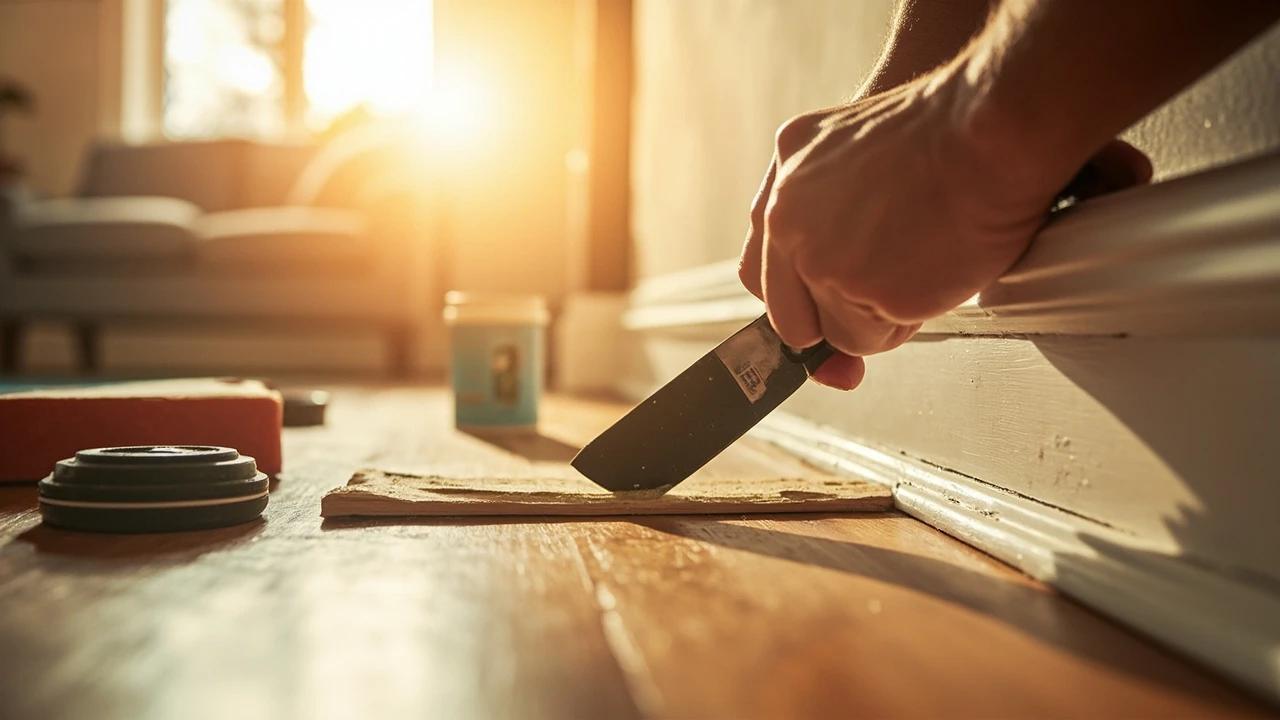 Easy2 hrs
How to Repair Damaged Baseboard Trim
Dented, chipped, and gouged baseboards are one of the most visible signs of a neglected home — but they are also one of the easiest things to fix. With $10-20 in filler and a few hours of work (mostly drying time), you can make battered trim look factory-fresh without pulling a single board off the wall.
 Easy45 min
How to Install a Smart Thermostat
A smart thermostat is one of the highest-ROI upgrades you can make to your home — it learns your schedule, adjusts automatically when you're away, and typically saves about 8% on heating and cooling bills — the figure ENERGY STAR verifies from real-home data, roughly $50 a year — so the $120-250 device usually pays for itself within a few years. If your old thermostat has labeled wires behind it, the swap takes about 30-45 minutes with nothing more than a screwdriver and your phone. This guide covers checking compatibility, labeling wires, mounting the new base, connecting everything, and walking through the app setup so your system is running smart the same day.
 Easy30 min
How to Fix a Dripping Faucet
A dripping faucet wastes more than 3,000 gallons of water per year and can add $20 or more to your monthly water bill. The fix is almost always a worn cartridge, washer, or O-ring — parts that cost under $10 and take 20-30 minutes to replace with basic tools.