How to Paint a Front Door
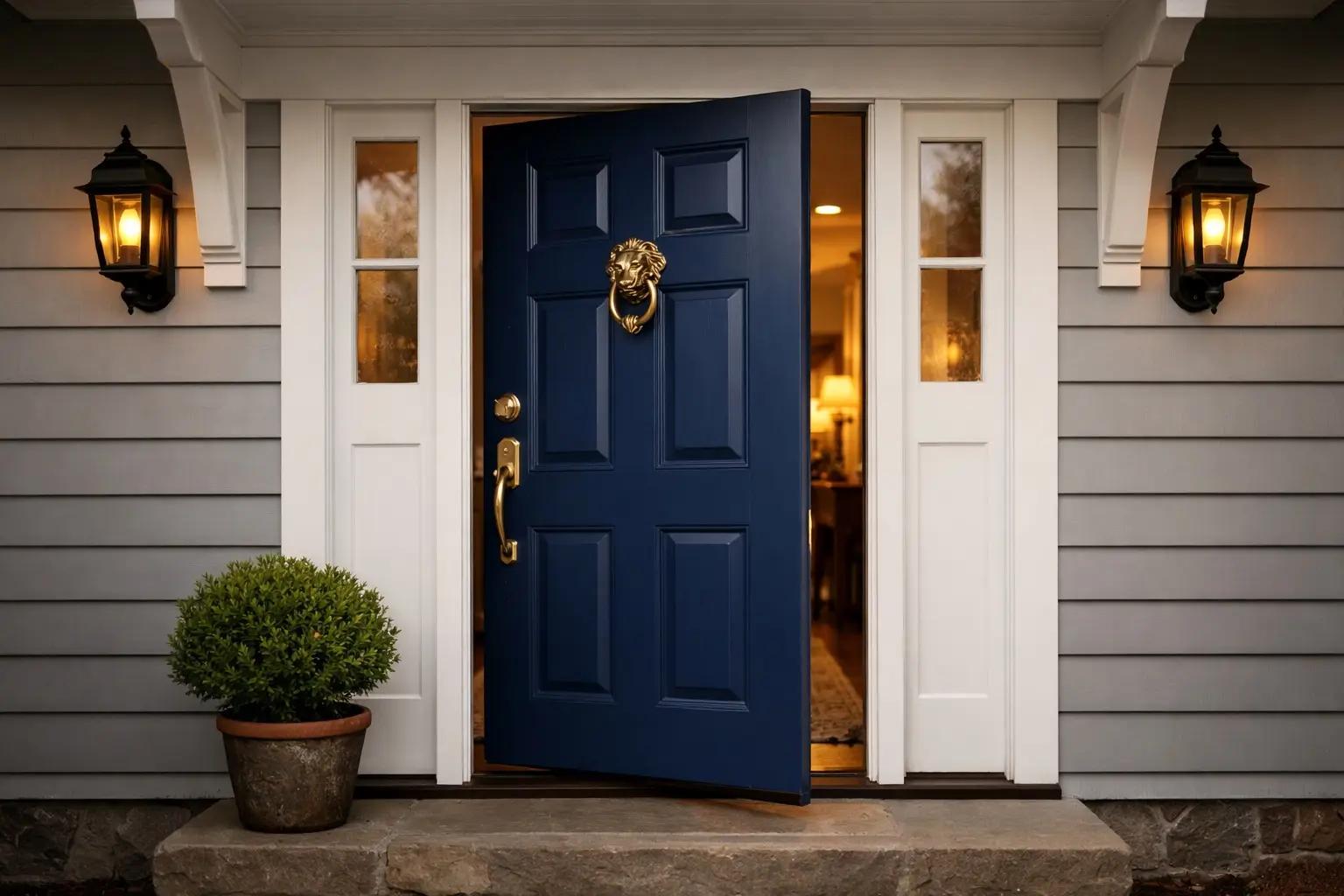

A freshly painted front door is the single biggest curb-appeal upgrade you can make in an afternoon — real estate pros estimate it adds $500-1,000 in perceived home value for under $50 in materials. The key to a smooth, brush-mark-free finish is proper prep, thin coats, and the right weather window. This guide covers wood, steel, and fiberglass doors using exterior latex paint.
What You'll Need
🛠 Tools
📦 Materials
Safety First
- •If your home was built before 1978, test for lead paint before sanding. Use an EPA-certified lead test kit and follow RRP (Renovation, Repair, and Painting) guidelines if lead is found.
Step-by-Step Instructions
Choose the Right Day and Remove Hardware
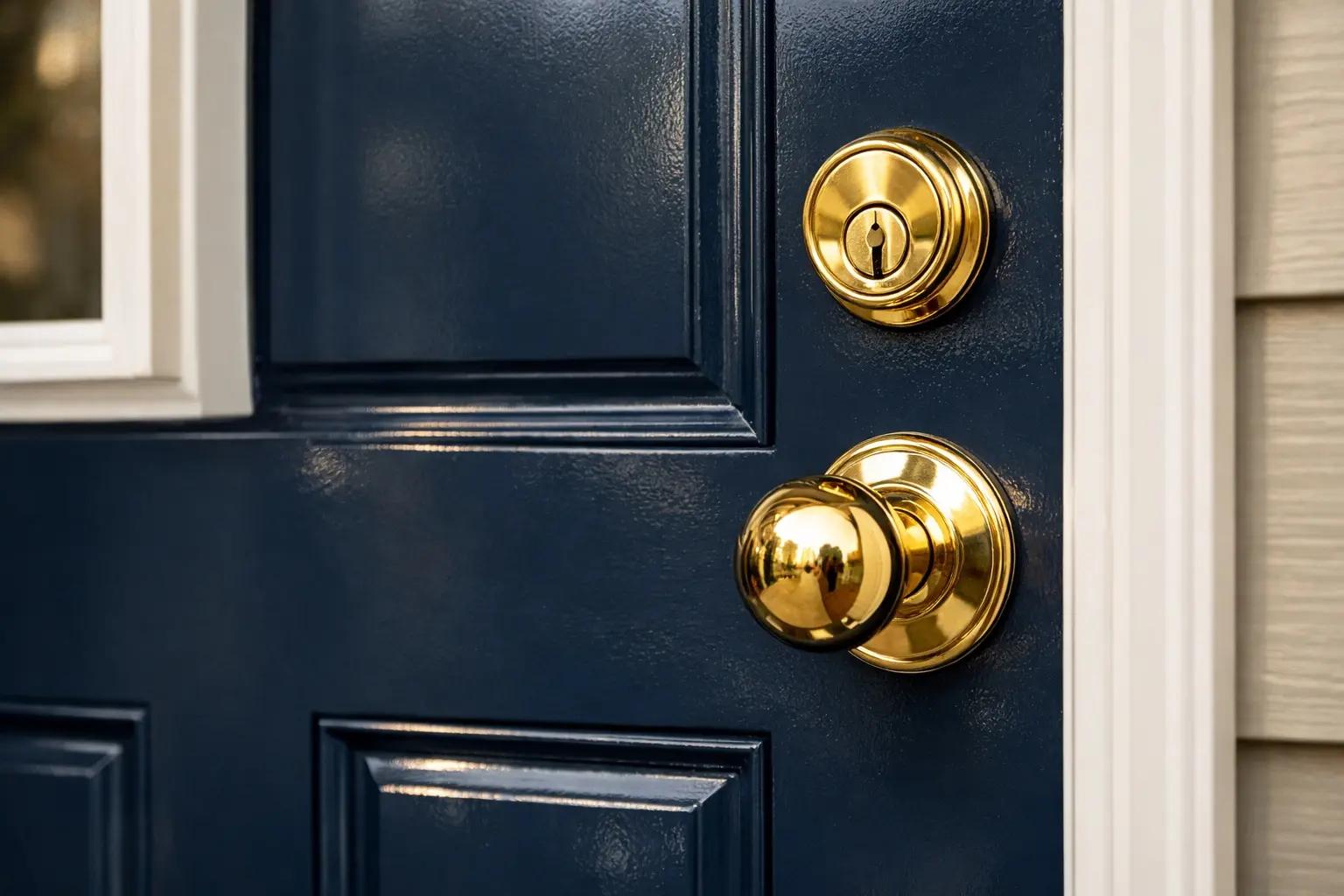
Check the weather — you need a dry day between 50-85°F with low humidity and no rain in the forecast for at least 24 hours. Direct sunlight will dry the paint too fast and cause brush marks, so plan to paint in the morning or on the shaded side of the house. Use a screwdriver to remove the doorknob, deadbolt, knocker, kick plate, and any other hardware. Drop all screws and small parts into a labeled ziplock bag. If you can't remove the hardware, mask it carefully with painter's tape.
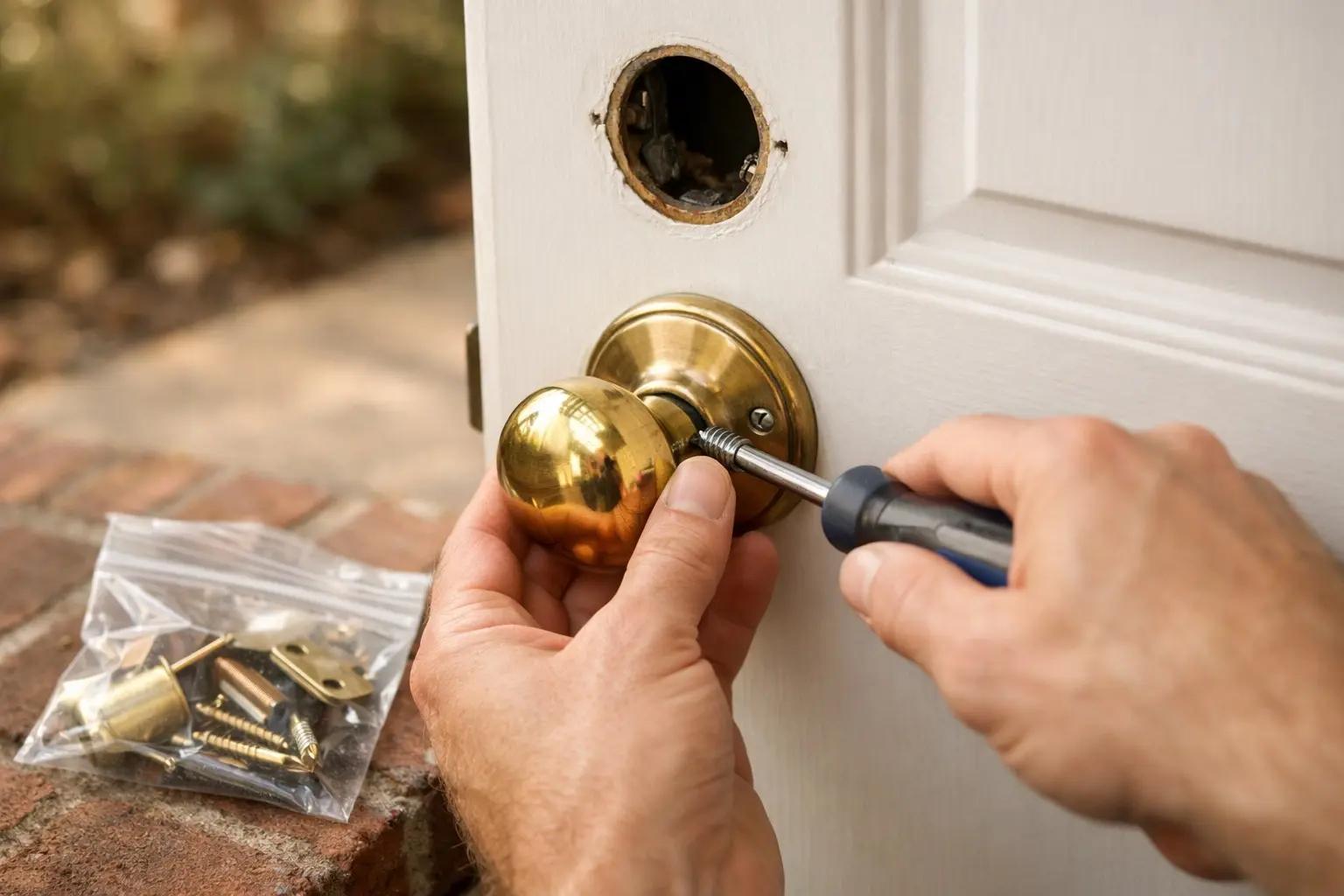
If possible, take the door off the hinges and lay it flat on sawhorses — gravity is the enemy of a drip-free finish. A flat door is dramatically easier to paint than a vertical one. Tap the hinge pins out from below with a nail and hammer.
Clean and Degrease the Door
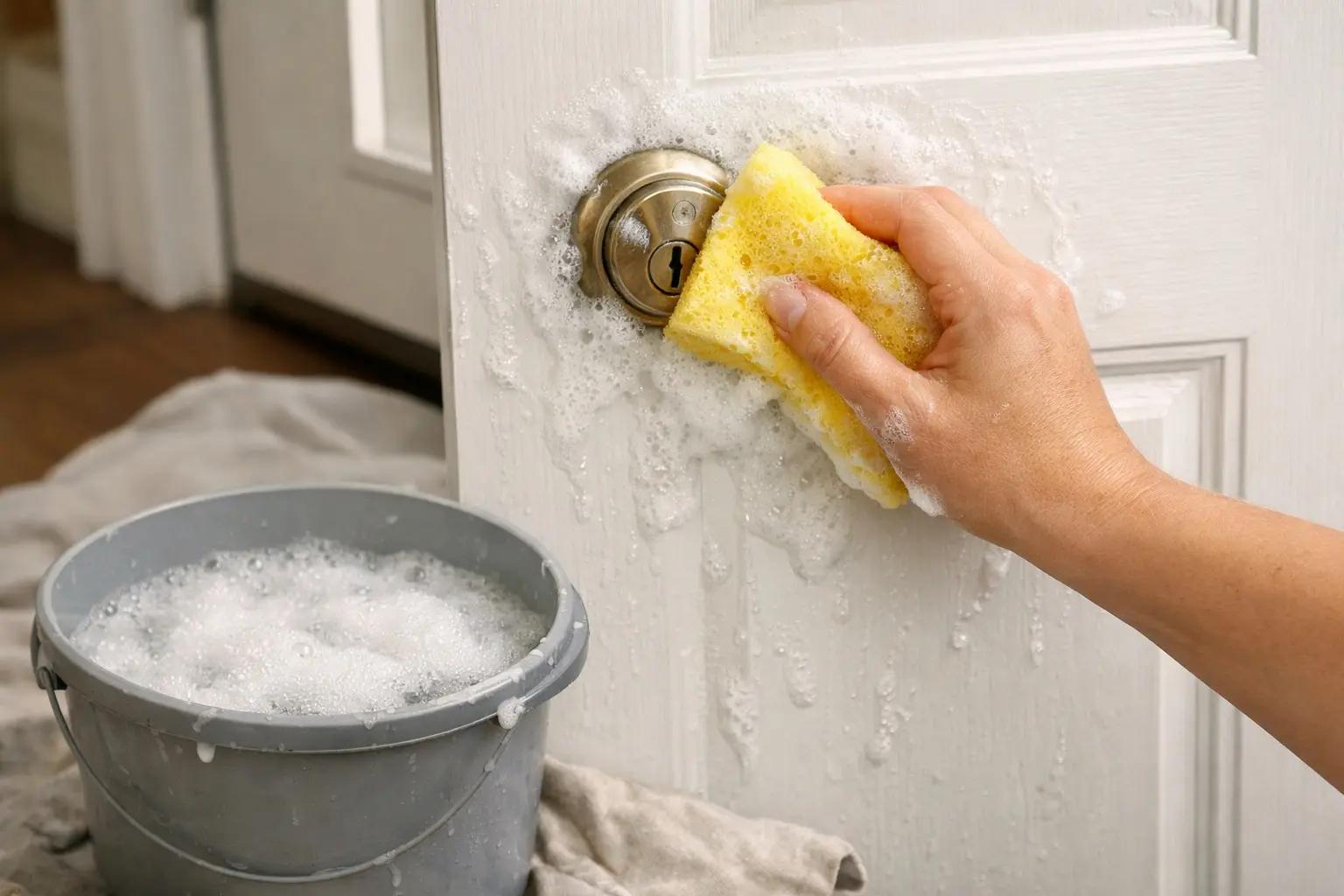
Mix a solution of TSP cleaner (or a few drops of dish soap) in warm water and scrub the entire door with a sponge, paying extra attention to the area around the knob and kick plate where hand oils and grime collect. Rinse with clean water and let the door dry completely — at least 30 minutes in warm weather. For steel or fiberglass doors, wipe down with a damp rag instead of soaking. Any grease or dirt left on the surface will prevent the paint from adhering properly.
Sand the Surface Smooth
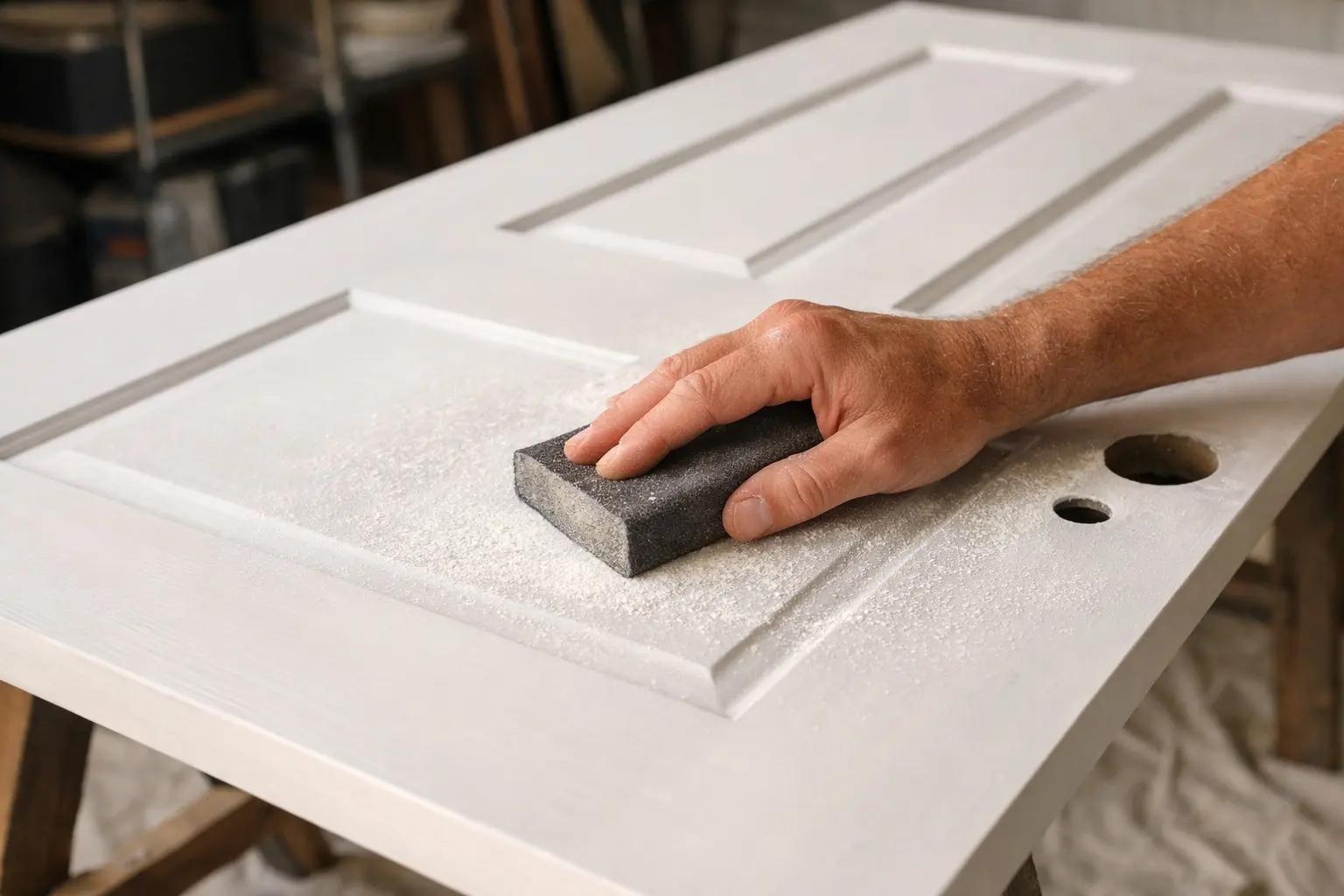
Sand the entire door with 120-grit sandpaper to scuff the existing finish and give the new paint something to grip. For wood doors, sand in the direction of the grain. For steel doors, use 220-grit to lightly scuff without gouging the metal. Fill any dents, nail holes, or cracks with wood filler (wood doors) or exterior spackle (steel/fiberglass), let it dry, then sand the patches flush with 220-grit. Wipe the entire door with a tack cloth to remove every particle of dust — dust trapped under paint creates bumps that are impossible to fix without starting over.
Tape Off Glass and Apply Primer
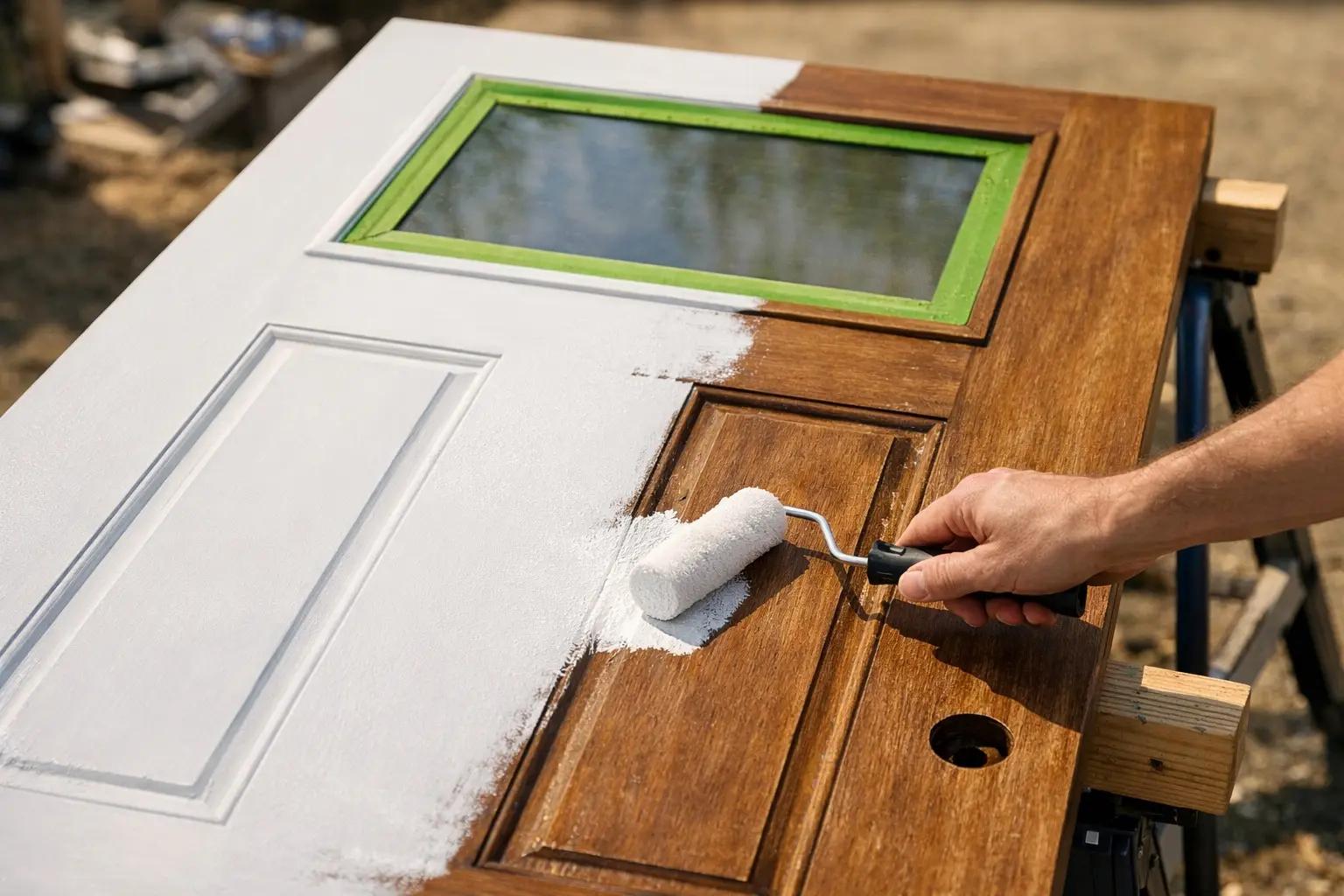
Apply painter's tape along the edges of any glass panels, sidelights, or weatherstripping you want to protect. If you're painting over bare wood, a dramatically different color, or a surface where the old paint is peeling, apply one coat of exterior bonding primer with your foam roller on the flat surfaces and a brush for the edges and any recessed panels. Let the primer dry according to the label (usually 1-2 hours). If you're repainting over the same paint type in solid condition, you can skip primer.
Paint the Recessed Panels First
If your door has raised or recessed panels, start with these using your angled sash brush. Load the brush about 1/3 of the way and paint the inside of each panel first — the recessed area — then the beveled edges around each panel. Work from the top of the door down. Keep coats thin and watch for drips pooling in the panel corners. For a flat (slab) door with no panels, skip this step and go straight to rolling.
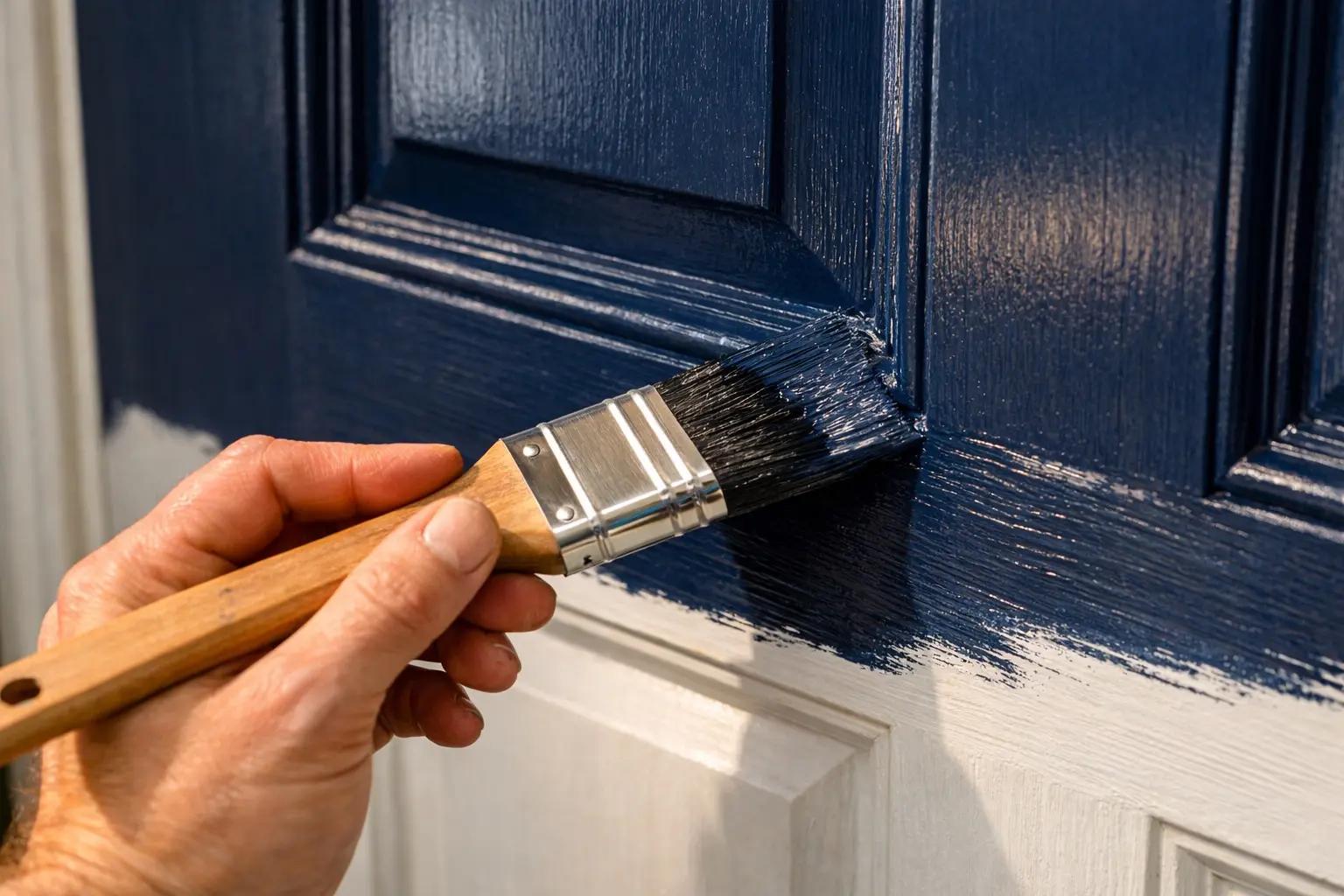
For panel doors, follow this order: recessed panels first, then the horizontal rails (cross pieces), then the vertical stiles (side pieces), and finally the edges. This sequence lets you blend each section into the next while the paint is still wet.
Roll the Flat Surfaces and Back-Brush
Load your 4-inch foam roller with a thin, even coat of paint and roll the flat areas of the door — the rails, stiles, and any large flat sections — in long, even strokes from top to bottom. Immediately after rolling a section, lightly drag a clean, dry brush through the wet paint in one direction (this is called "back-tipping") to smooth out any roller stipple and create a uniform texture. Work quickly so you're always painting into a wet edge. One thin coat should cover evenly without drips.
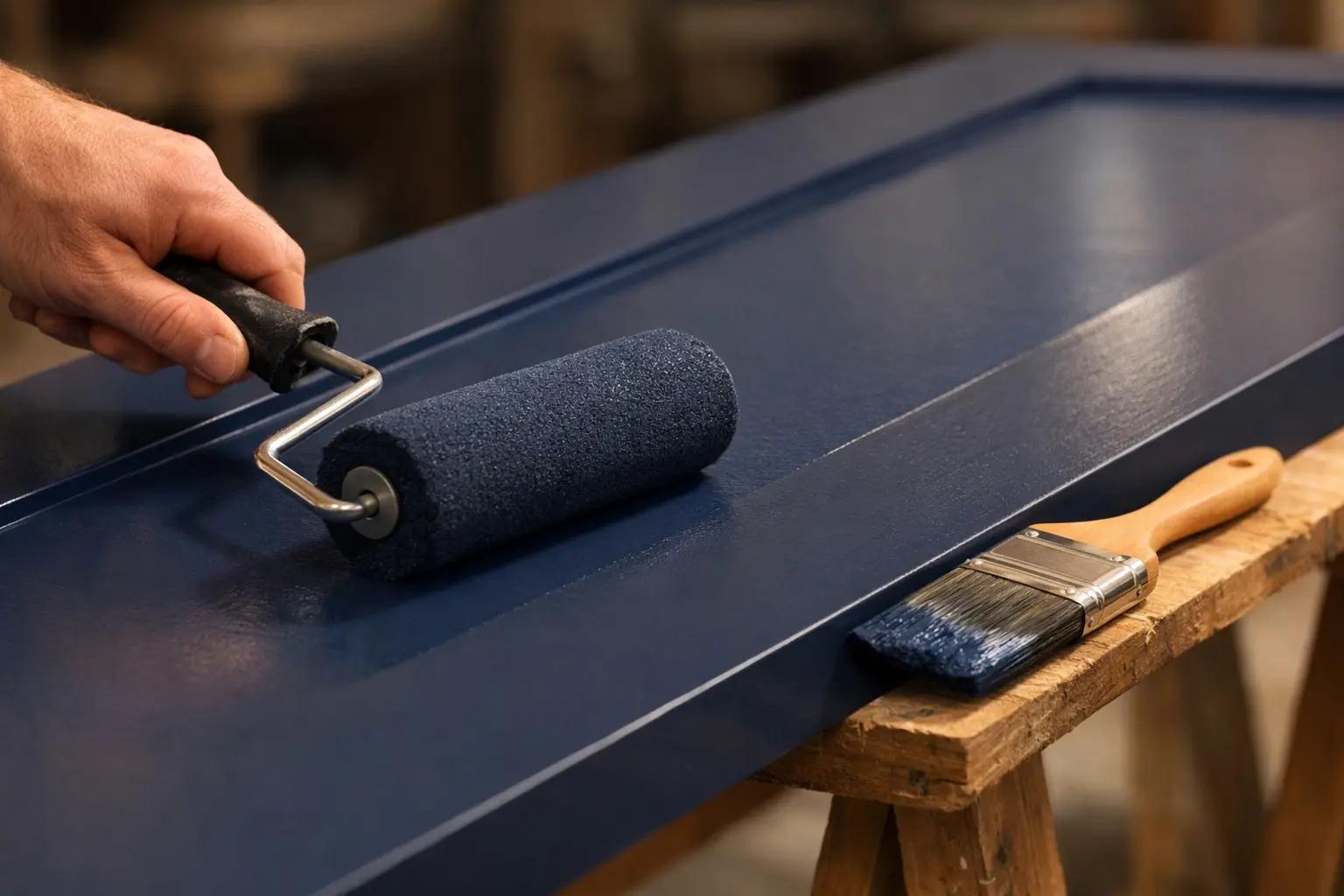
Don't go back and touch up areas that have started to dry — this creates sticky, uneven patches called "flashing." If you missed a spot, wait for the full coat to dry and catch it on the second coat.
Apply the Second Coat
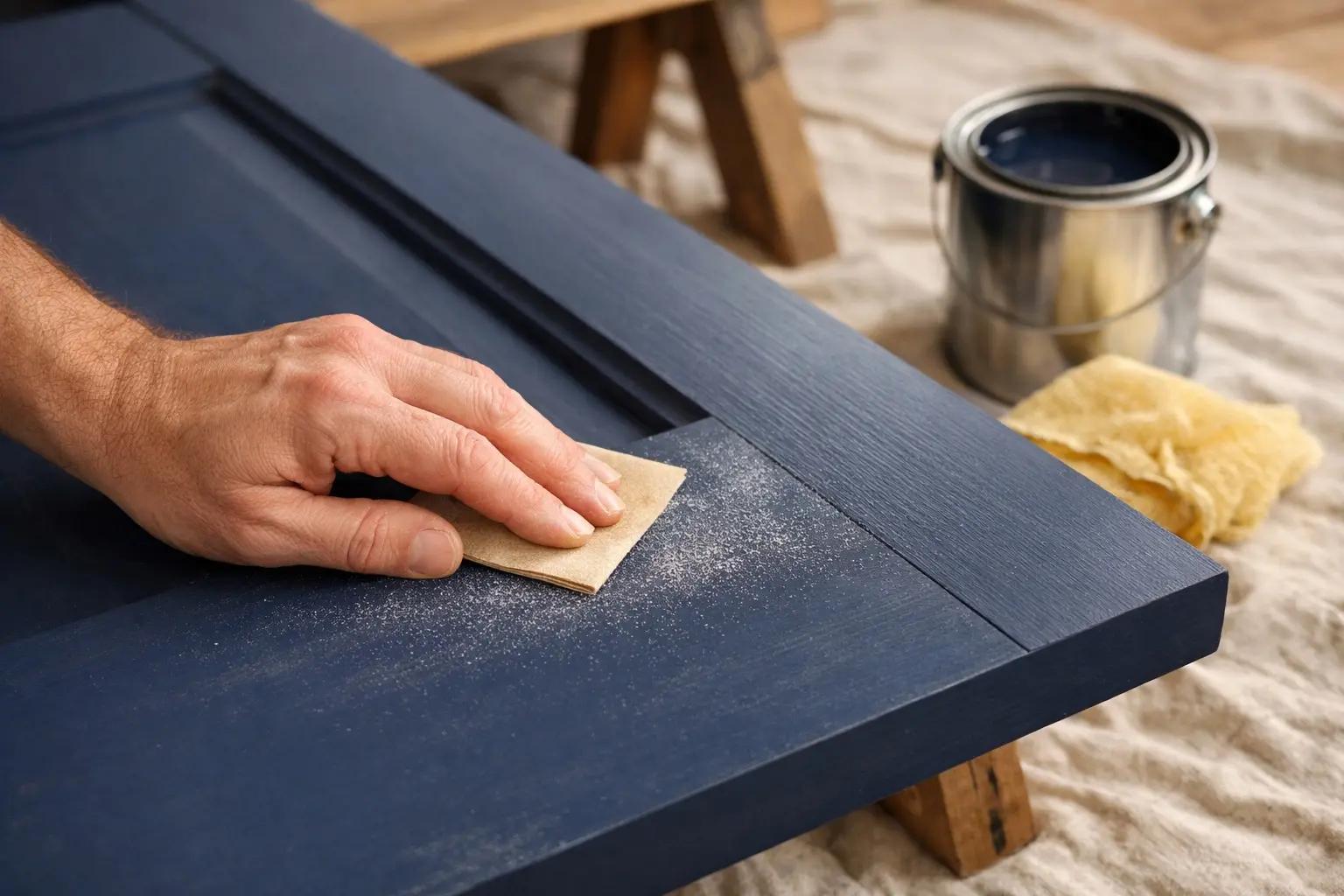
Let the first coat dry for the time specified on the paint can — typically 4-6 hours for exterior latex, though some paints say 24 hours between coats. Don't rush this; a second coat applied too early will bubble, peel, or create an uneven sheen. Lightly sand the first coat with 220-grit sandpaper to knock down any tiny imperfections, wipe with a tack cloth, and apply the second coat using the same panel-then-roll-then-back-tip sequence. Two thin coats will look dramatically better than one thick coat.
Remove Tape, Reinstall Hardware, and Rehang
Remove painter's tape while the second coat is still slightly tacky, pulling slowly at a 45-degree angle. Let the door dry for at least 24 hours before reinstalling hardware — pressing a doorknob rosette into tacky paint will leave a permanent mark. Screw all hardware back into place, being careful not to scratch the fresh paint with the screwdriver. If you removed the door from the hinges, rehang it by aligning the hinge knuckles and tapping the pins back in from the top. Leave the door slightly ajar for the first night if possible to prevent the fresh paint on the edge from sticking to the weatherstripping.
Dust a light coating of baby powder or talcum powder on the door edge and weatherstripping to prevent sticking during the first week of curing. Latex paint can take up to 30 days to fully cure even though it feels dry to the touch.
Frequently Asked Questions
How long does it take to paint a front door?
+
This project typically takes about 4 hrs. The guide includes 8 steps with detailed instructions for each.
What tools do I need?
+
You will need: 2-1/2-inch angled sash brush (high-quality nylon/polyester blend), 4-inch high-density foam mini roller with frame, Sanding sponge or sandpaper (120-grit and 220-grit), Paint scraper or 5-in-1 tool, Tack cloth, Phillips-head screwdriver (for removing hardware), Painter's tape (1-inch and 2-inch widths), Drop cloth or plastic sheeting. Materials include: Exterior semi-gloss or satin latex paint (1 quart is enough for two coats on a standard 36x80-inch door), Exterior primer (bonding primer for bare wood or metal; skip if repainting over the same paint type in good condition), Wood filler or exterior-grade spackle (for dings and holes), TSP (trisodium phosphate) cleaner or dish soap for degreasing, Floetrol paint conditioner (optional — helps latex paint self-level and reduces brush marks), Clean rags.
Is this a good project for beginners?
+
Yes! This is rated as an easy project that most homeowners can complete with basic tools and no prior experience.
Sources & further reading
- How to Paint a Front Door — Sherwin-Williams
- Lead Renovation, Repair and Painting Program — U.S. EPA
More Painting Guides
View all →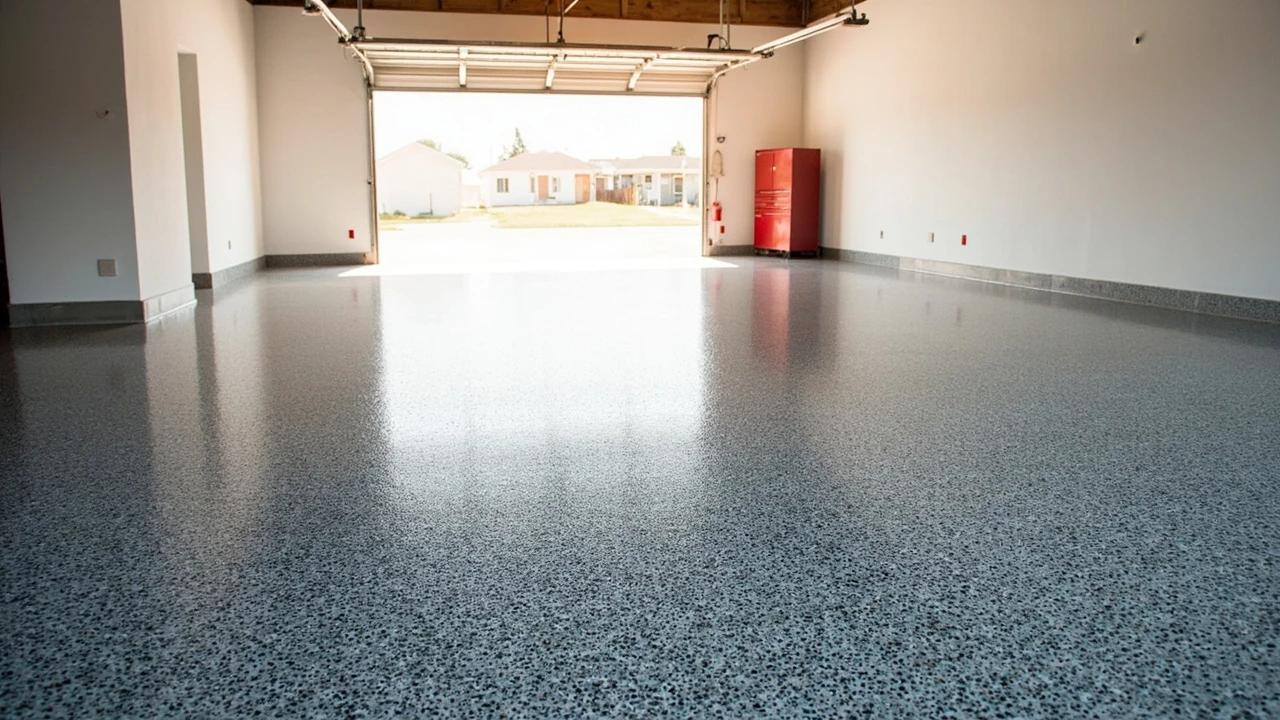 Hard24 hrs
How to Paint a Concrete Garage Floor
A two-part epoxy coating transforms a stained, dusty garage slab into a showroom-quality floor that shrugs off oil, tire marks, and road salt for years. The paint is the easy part — 80% of failed jobs come from skipping prep, so this guide walks you through moisture testing, etching, and coating like a pro over a weekend.
 Hard8 hrs
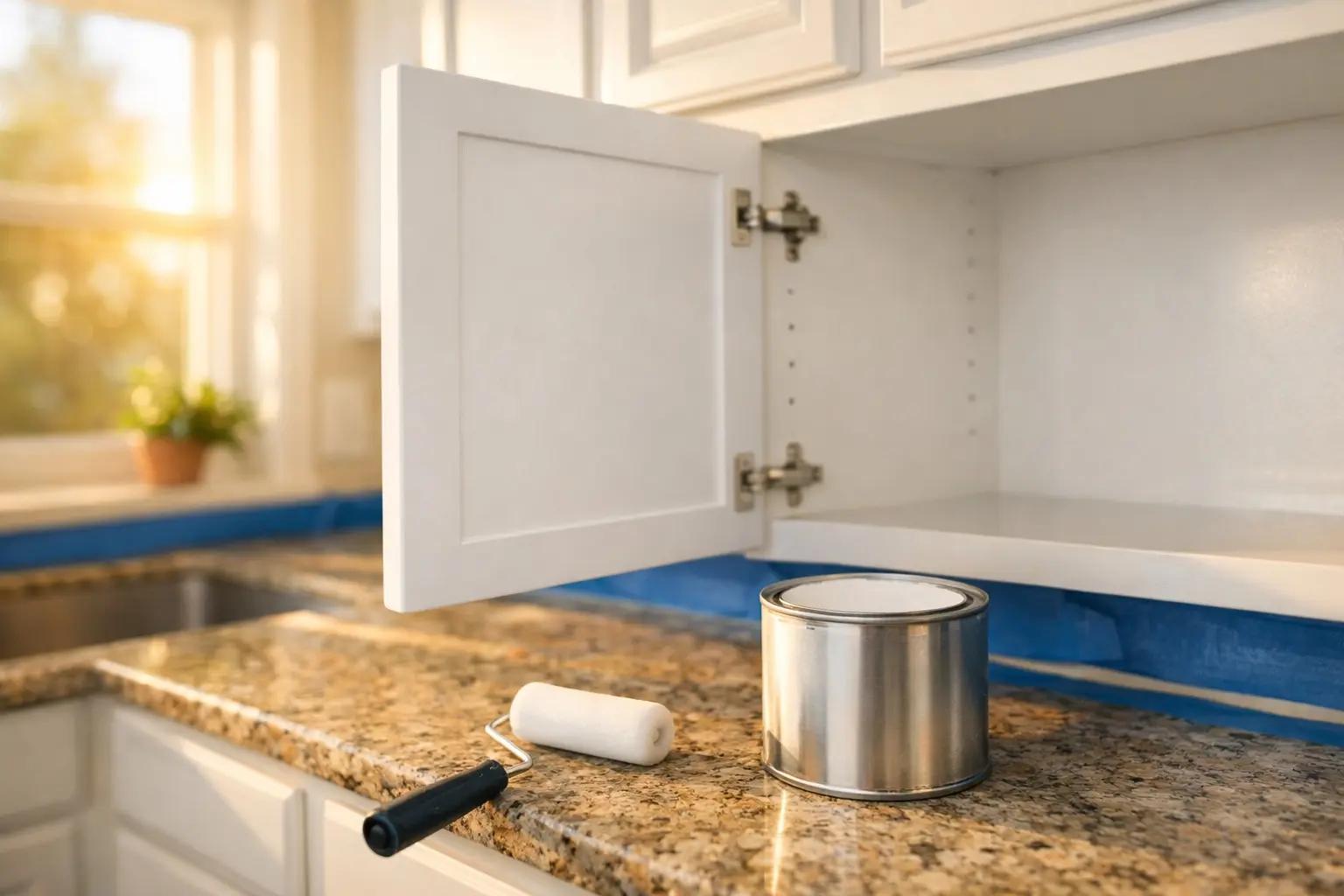
How to Paint Kitchen Cabinets
A professional cabinet refinish costs $3,000-8,000, but painting them yourself with the right prep and materials delivers the same transformation for under $200 in a long weekend. The secret is thorough degreasing, a bonding primer, and thin coats with proper dry time between each — skip any of those and the paint will chip within months. This guide walks through the full process from door removal and labeling to final reassembly, covering both brush and roller techniques for a smooth, factory-like finish.
 Easy15 min
Paint Sheen Comparison: Flat to High-Gloss, by Room
Paint sheen is a tradeoff between hiding wall imperfections and being able to wipe the wall clean. Flat hides everything but cannot survive a sponge. High-gloss is bulletproof but shows every dent. The five common sheens — flat, eggshell, satin, semi-gloss, high-gloss — each have a right room and a wrong room. This guide gives you the matchup so the bathroom does not get flat paint and the bedroom does not get gloss.
You Might Also Like
 Easy45 min
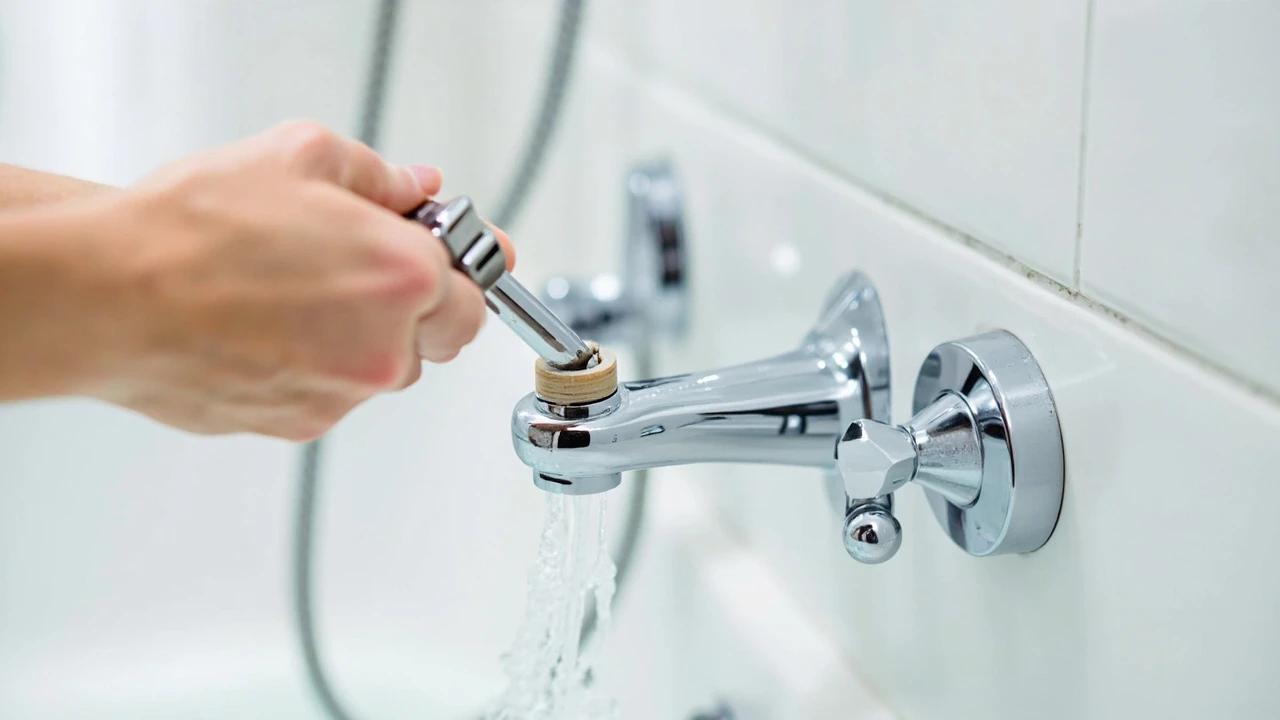
How to Repair a Shower Diverter Valve
When you pull the diverter knob and water still pours from the tub spout instead of the showerhead, the fix is usually a worn washer or mineral buildup — not a $200 plumber visit. This guide covers the three most common diverter types (tub spout, three-valve, and two-valve) and walks you through cleaning, replacing washers, and swapping the diverter if needed, all in under an hour with basic tools.
 Easy2 hrs
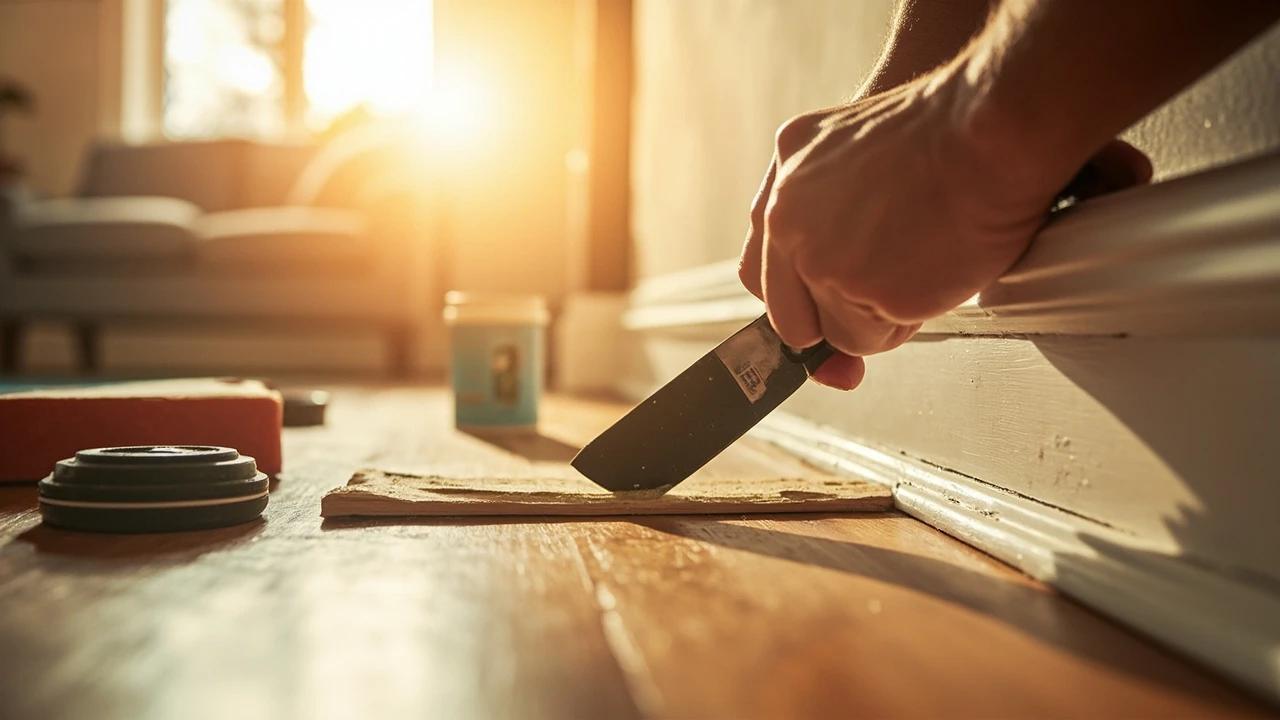
How to Repair Damaged Baseboard Trim
Dented, chipped, and gouged baseboards are one of the most visible signs of a neglected home — but they are also one of the easiest things to fix. With $10-20 in filler and a few hours of work (mostly drying time), you can make battered trim look factory-fresh without pulling a single board off the wall.
 Easy45 min
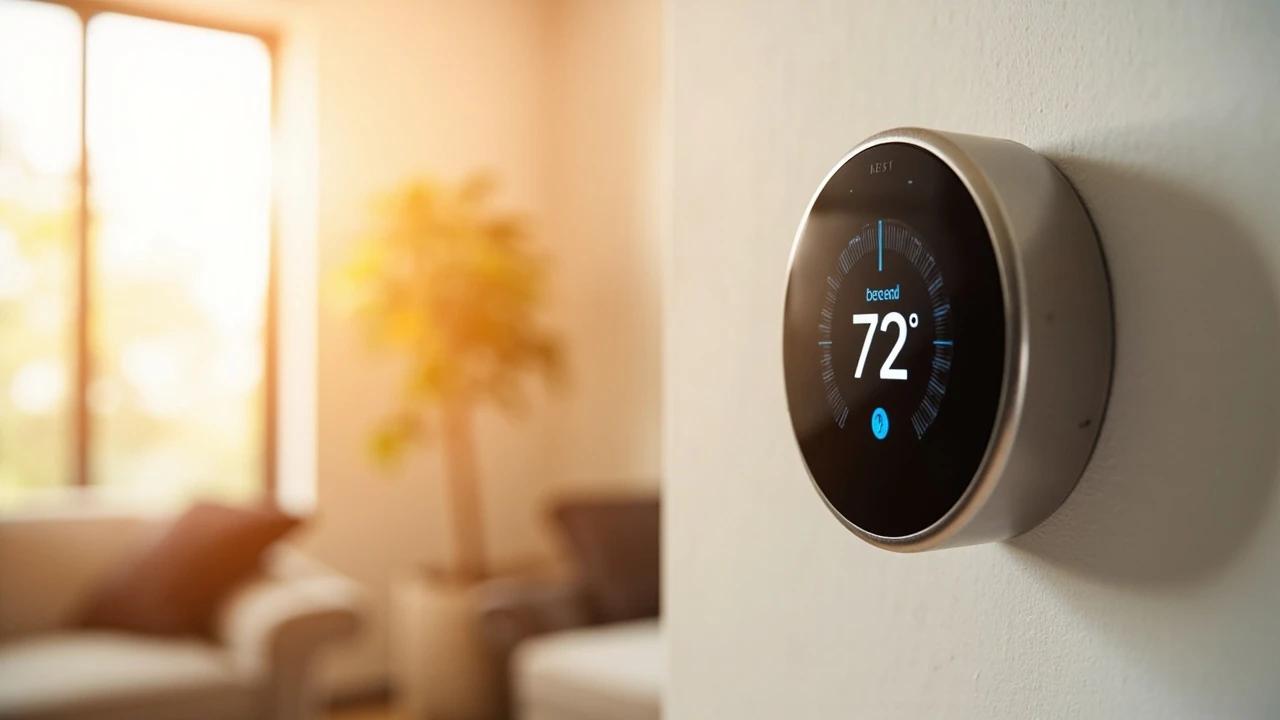
How to Install a Smart Thermostat
A smart thermostat is one of the highest-ROI upgrades you can make to your home — it learns your schedule, adjusts automatically when you're away, and typically saves about 8% on heating and cooling bills — the figure ENERGY STAR verifies from real-home data, roughly $50 a year — so the $120-250 device usually pays for itself within a few years. If your old thermostat has labeled wires behind it, the swap takes about 30-45 minutes with nothing more than a screwdriver and your phone. This guide covers checking compatibility, labeling wires, mounting the new base, connecting everything, and walking through the app setup so your system is running smart the same day.