How to Transplant a Shrub Without Killing It
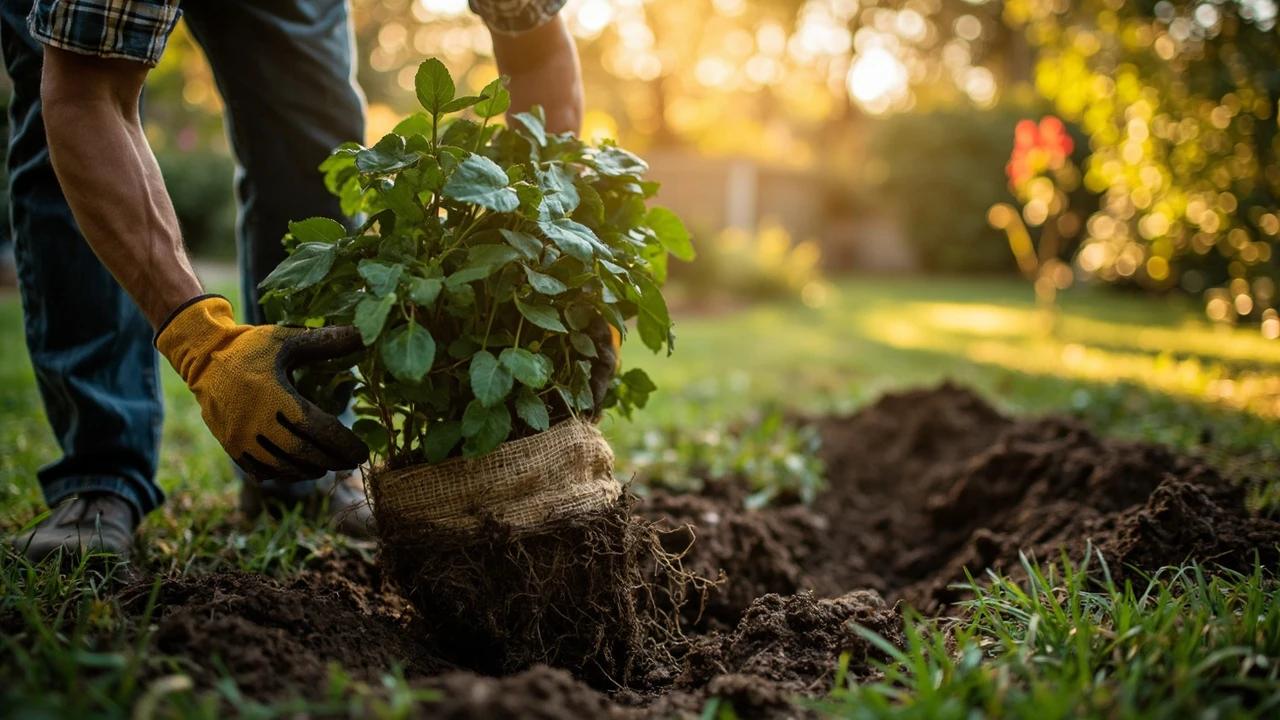

Moving an established shrub to a new spot saves you the $30-150 cost of buying a replacement — but only if the plant survives the move. The secret is timing (early spring or fall), keeping the root ball intact, and consistent watering for the first month. This guide covers the full process for shrubs up to 4 feet tall, from prep through aftercare.
What You'll Need
🛠 Tools
📦 Materials
Safety First
- •Call 811 (or your local utility locator service) at least 48 hours before digging to mark underground utility lines. Even shallow digging for a shrub root ball can hit buried gas, electric, or irrigation lines.
- •A 20-inch root ball with soil can weigh 150-250 lbs. Do not attempt to lift it alone — use a wheelbarrow, tarp drag, or recruit a helper. Lift with your legs, not your back.
Step-by-Step Instructions
Choose the Right Time to Transplant
The single most important factor in transplant survival is timing. Move deciduous shrubs in early spring before new leaves emerge or in fall after the leaves drop — both seasons give the plant cool temperatures and moist soil to rebuild its root system before summer stress arrives. Move evergreen shrubs in early spring just as new growth begins. Avoid transplanting in summer heat or frozen winter ground. If you must move a shrub during the growing season, choose a cool, overcast day and water heavily before and after the move.
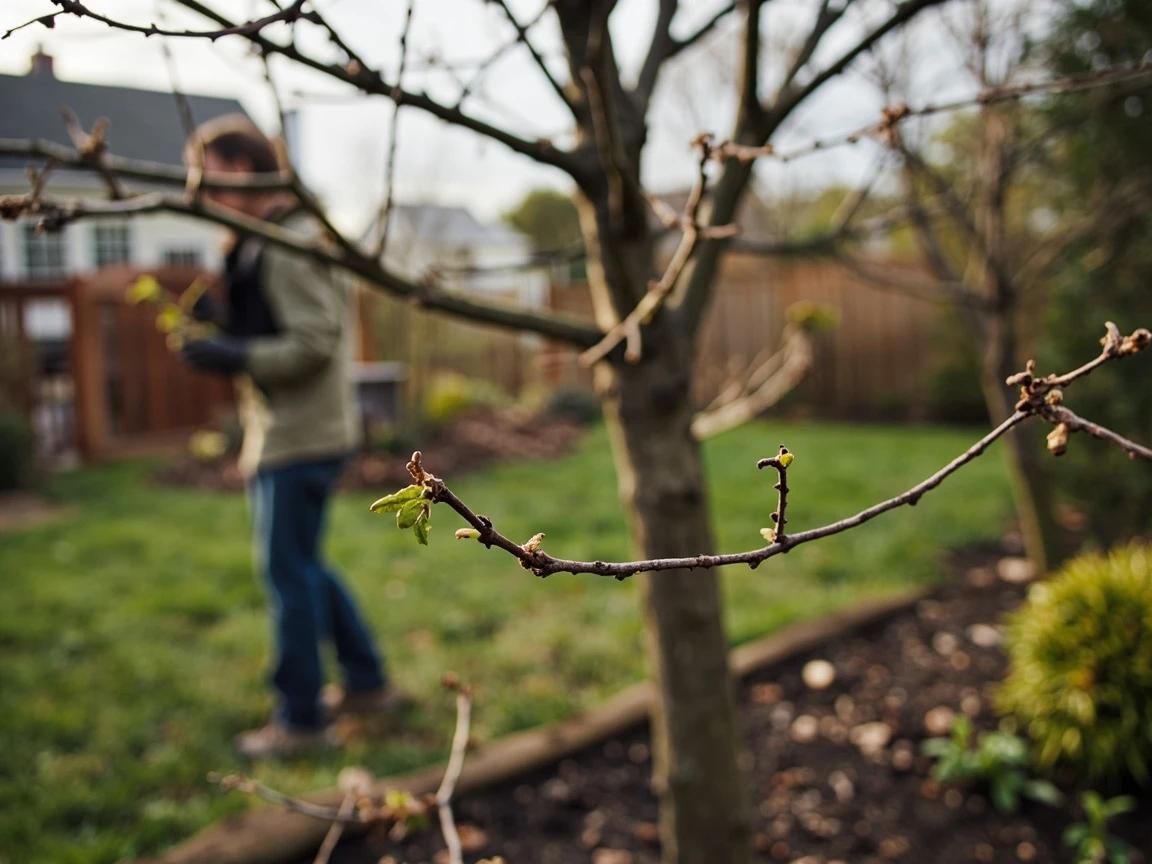
Fall transplanting is often better than spring — the plant has 4-5 months of cool weather to grow roots before the next summer. The one exception: evergreens in cold climates (zones 5 and below) do better moved in spring to avoid winter desiccation.
Water the Shrub Deeply Two Days Before Moving
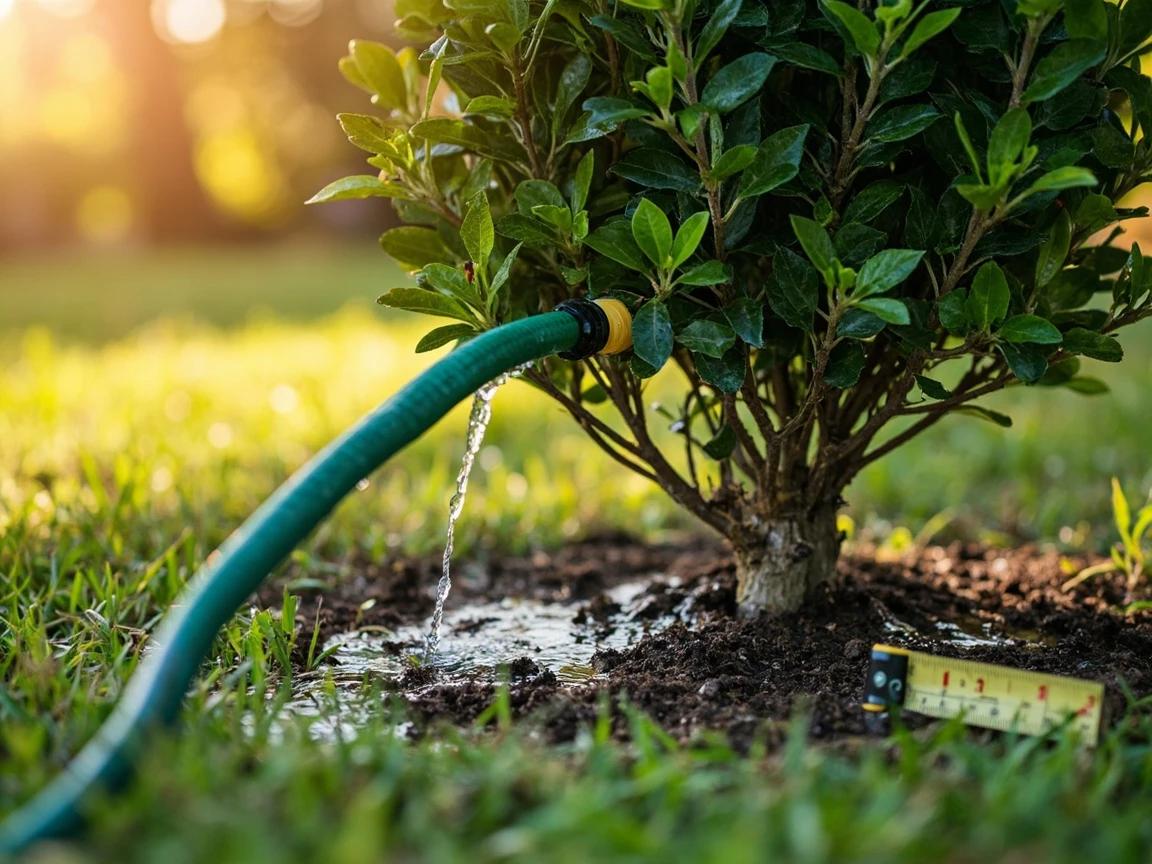
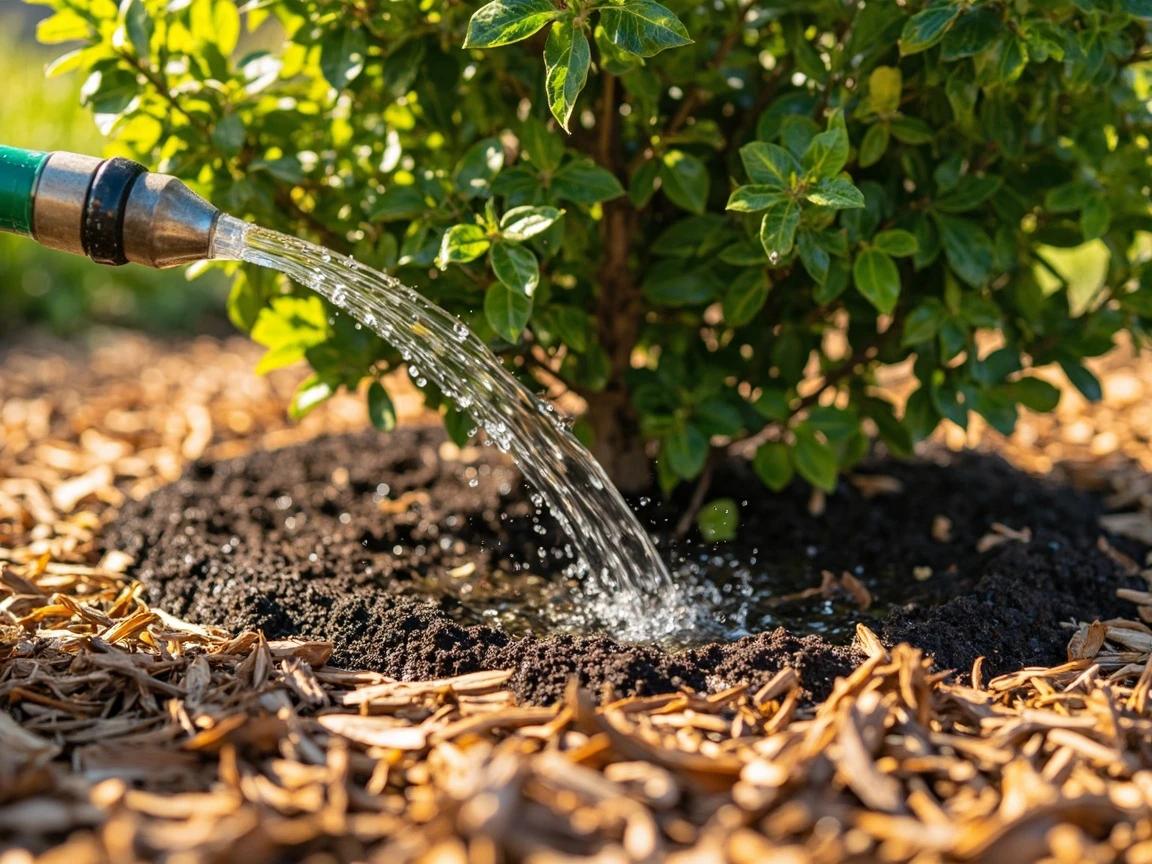
Two days before the planned move, soak the soil around the shrub with a slow trickle from a garden hose for 30-45 minutes. The goal is to saturate the root zone 12-18 inches deep so the soil clings to the roots when you dig. Dry soil crumbles away from the root ball during extraction, shearing off fine feeder roots that the plant needs to survive. Moist (not muddy) soil holds together like a cohesive mass, protecting those critical roots throughout the move.
Dig the New Hole First
Before touching the shrub, dig the destination hole so the plant spends as little time out of the ground as possible. Make the hole 1.5 times the expected width of the root ball and exactly the same depth — wider gives loose soil for new roots to expand into, but too deep causes the plant to sink and rot. Mix a shovel-full of compost into the backfill soil pile for improved drainage and nutrients. Fill the bottom of the hole with 2 inches of water and let it drain before planting — this pre-moistens the surrounding soil so it does not wick moisture away from the root ball.
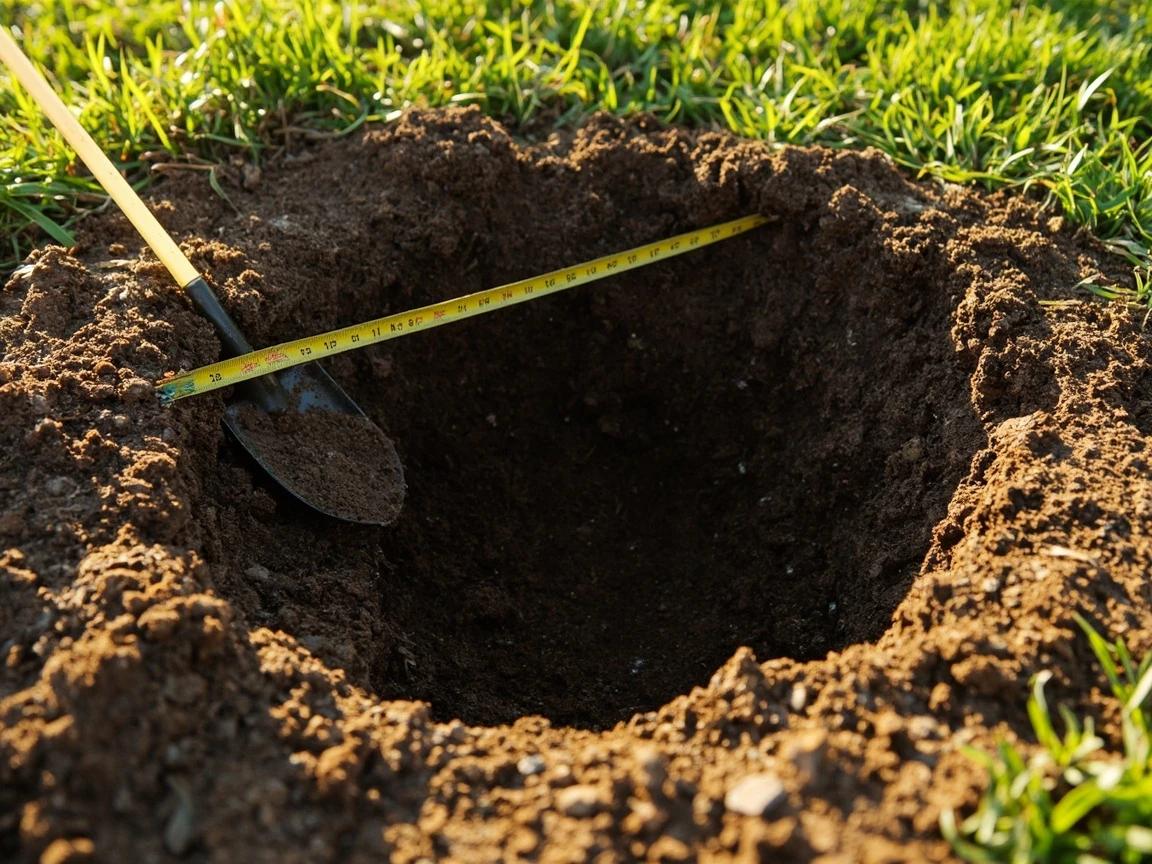
Set a stick or shovel handle across the hole to check depth — the top of the root ball should sit level with or slightly above the surrounding grade. Planting too deep is the most common transplant killer.
Prune the Shrub to Reduce Transplant Stress
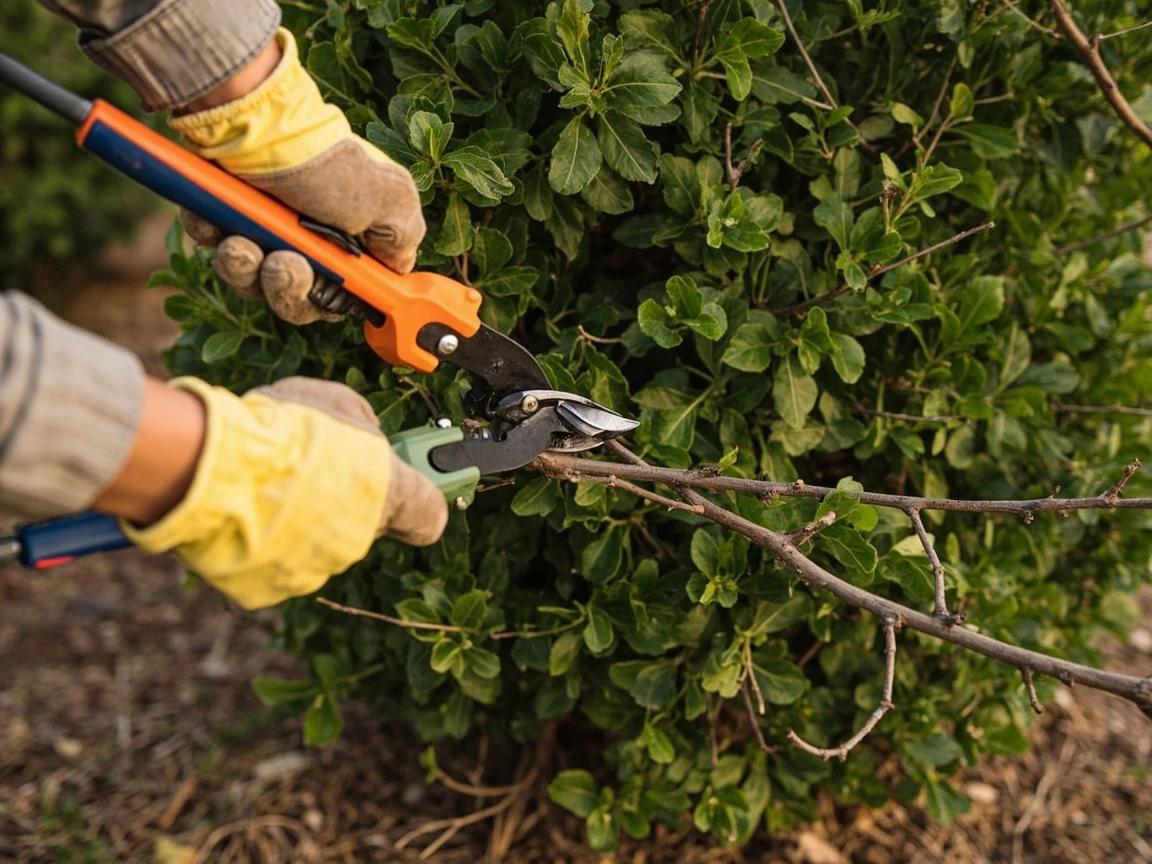
Using loppers and hand pruners, remove about one-third of the top growth before digging the shrub up. Focus on crossing branches, damaged wood, and the longest stems — this reduces the amount of foliage the damaged root system needs to support while it recovers. For deciduous shrubs that are dormant (no leaves), skip this step since there is no foliage demand. For evergreens, lightly tip-prune the outer growth by 4-6 inches rather than removing entire branches, since evergreens do not regrow from bare wood as readily as deciduous plants.
Dig Around the Root Ball
Using a sharp spade, cut a circle around the shrub at the drip line (the outer edge of the branch canopy) — for most 3-4 foot shrubs, this creates a root ball roughly 18-24 inches in diameter. Push the spade straight down to full depth (about 12-16 inches) at each point around the circle, slicing cleanly through roots rather than tearing them. Once the circle is complete, angle the spade inward at 45 degrees and cut beneath the root ball from all sides until you feel it loosen. Rock the root ball gently to confirm it is free from the surrounding soil — if it holds, make another pass underneath from a different angle.
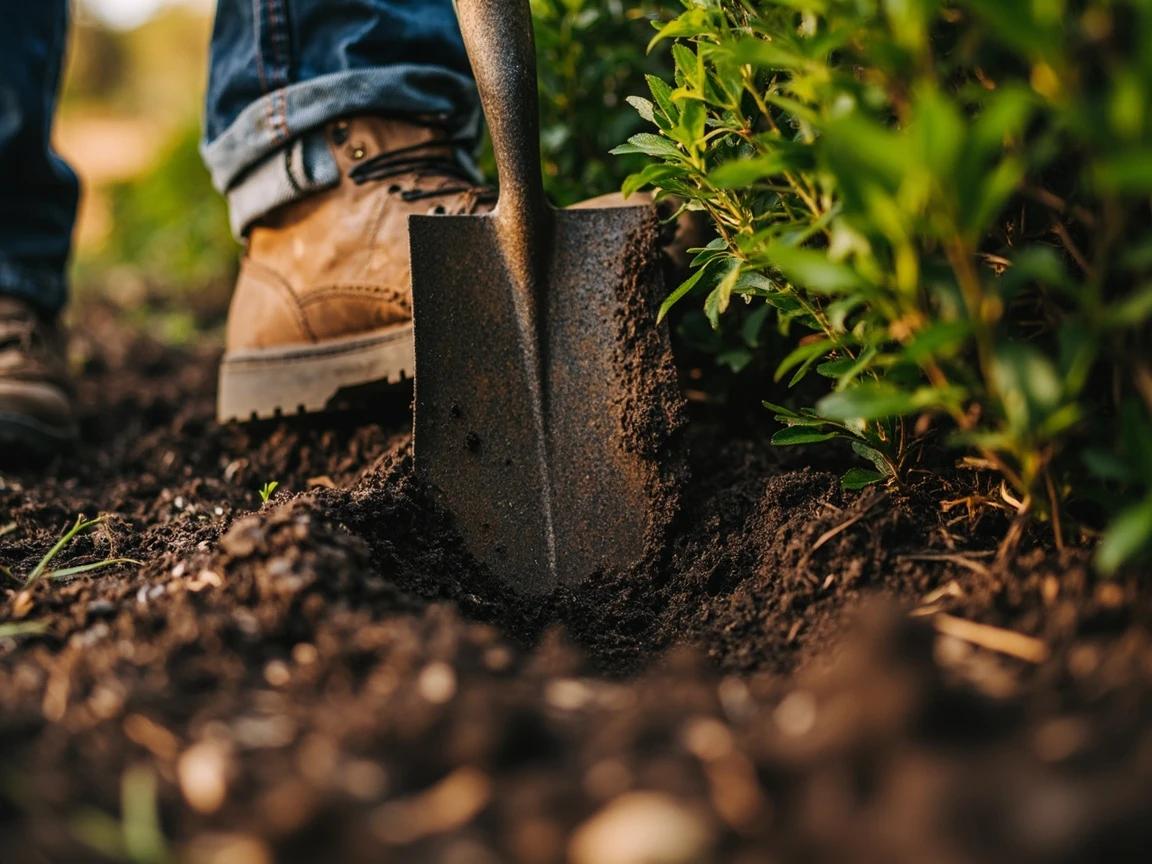
Cut roots cleanly with a sharp spade — do not pry or rip. Torn roots heal slowly and are prone to rot. If you hit a thick root (over 1 inch diameter), cut it cleanly with loppers rather than hacking with the spade.
Lift the Root Ball and Wrap It for Transport
Tilt the freed root ball to one side and slide a burlap sheet or heavy tarp halfway underneath, then tilt the opposite direction and pull the material through. Wrap the burlap snugly around the root ball and tie it with twine to hold the soil together — the goal is preventing the root ball from cracking apart during the move, which severs the fine feeder roots. Slide the wrapped root ball onto a wheelbarrow or drag it on the tarp to the new hole. Move quickly — exposed roots dry out fast in sun and wind. If you cannot plant immediately, keep the root ball in shade and spray it with water every 30 minutes.
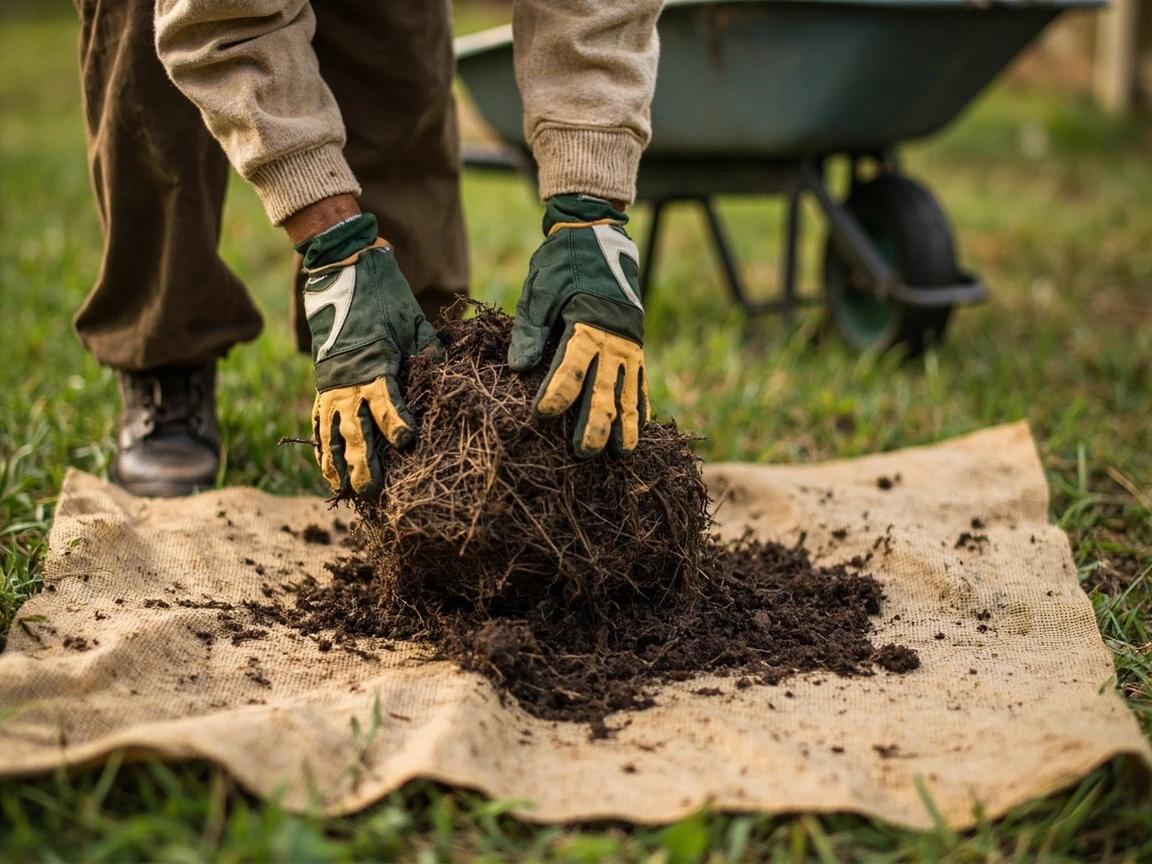
For heavy root balls (over 100 lbs), do not try to carry them. Slide the wrapped root ball onto a tarp and drag it across the lawn — two people pulling a tarp is far safer and easier than trying to lift and walk with a heavy, awkward load.
Set the Shrub at the Correct Depth and Backfill
Lower the root ball into the prepared hole and check the depth — the top of the root ball should be level with or 1 inch above the surrounding soil grade. Remove the burlap and twine entirely (natural burlap can stay if it is difficult to remove without breaking the root ball, but fold it down away from the trunk so it does not wick moisture away). Fill around the root ball with your compost-amended backfill soil, tamping firmly with your hands every 4-6 inches to eliminate air pockets. Build a shallow soil berm 2-3 inches high in a circle at the edge of the root ball to create a watering basin that directs water straight to the roots.
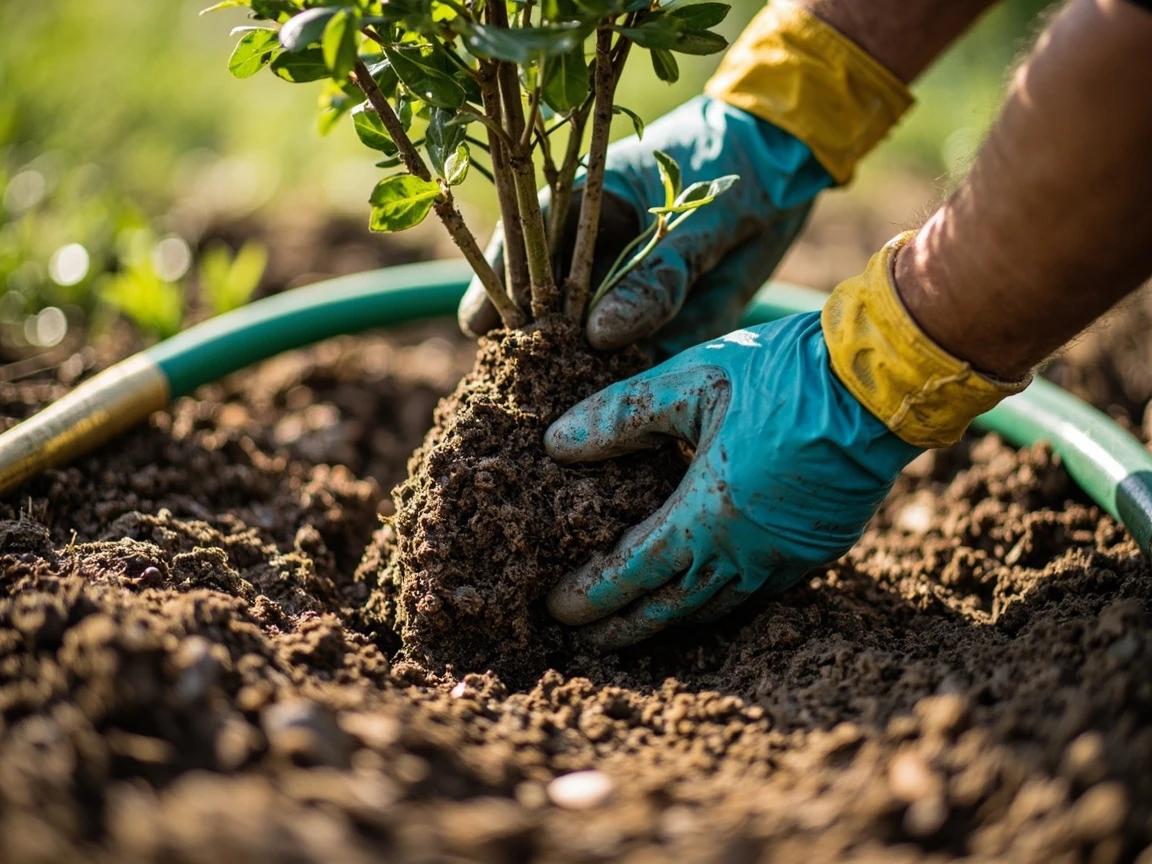
Never pile soil above the root flare (where the trunk meets the roots). Buried trunks develop rot and bark disease that can kill the shrub within a year or two, even if the transplant initially appears successful.
Water Thoroughly, Mulch, and Begin Aftercare
Fill the watering basin with water and let it soak in completely — repeat two more times for a total of three deep soakings. This settles the soil, eliminates remaining air pockets, and saturates the root zone. Once the water drains, spread 2-3 inches of shredded bark mulch in a circle extending 18 inches beyond the root ball edge, keeping mulch 3 inches away from the trunk to prevent moisture rot. Water deeply every 2-3 days for the first two weeks, then transition to once a week for the remainder of the first growing season. Do not fertilize until you see new growth — typically 4-6 weeks after transplanting — then apply a balanced slow-release fertilizer like 10-10-10 at half the label rate.
Avoid the temptation to fertilize immediately — damaged roots cannot absorb nutrients efficiently and the salt in fertilizer can actually burn compromised roots. Wait until you see fresh new growth, which signals the roots have recovered enough to benefit from feeding.
Frequently Asked Questions
How long does it take to transplant a shrub without killing it?
+
This project typically takes about 2 hrs. The guide includes 8 steps with detailed instructions for each.
What tools do I need?
+
You will need: Round-point spade (sharp — hone the edge with a file before starting), Garden fork, Loppers or pruning shears, Hand pruners, Wheelbarrow or garden cart, Garden hose with adjustable nozzle, Work gloves, Tape measure. Materials include: Burlap sheet or heavy-duty tarp (at least 4 × 4 feet — for wrapping and sliding the root ball), Heavy twine or nylon rope (to tie burlap around the root ball), Compost or aged manure (enough to amend the backfill soil — roughly 2 cubic feet), Mulch — shredded bark or wood chips (enough for a 3-inch layer in a 4-foot circle around the new location), Root stimulator or transplant fertilizer (optional — products like Bonide Root & Grow help reduce shock).
Is this a good project for beginners?
+
This is a moderate-difficulty project. Some basic DIY experience is helpful, but the step-by-step instructions make it approachable for motivated beginners.
Sources & further reading
- Transplanting Trees and Shrubs — Iowa State University Extension
- Transplanting Established Trees and Shrubs — Clemson Cooperative Extension
- Planting and transplanting trees and shrubs — University of Minnesota Extension
More Gardening Guides
View all →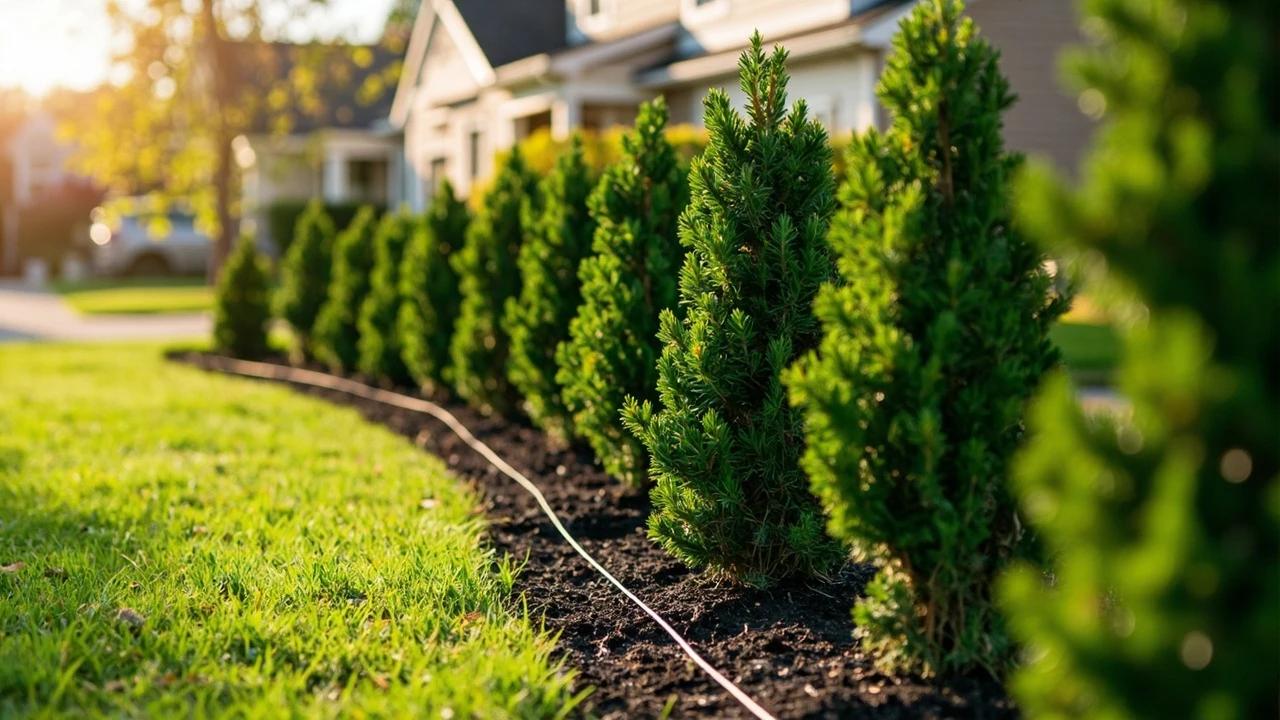 Medium4 hrs
How to Plant a Privacy Hedge (Best Species + Spacing)
A well-planted privacy hedge blocks sight lines, dampens road noise, and adds property value for a fraction of the cost of a fence — expect to spend $15-40 per plant versus $30-60 per linear foot for fencing. But hedges planted too close together, too deep, or in the wrong season end up thin, sickly, or dead within two years. This guide walks you through choosing the right species for your climate, spacing plants for dense coverage, preparing the soil, and watering through establishment so you end up with a lush green wall that fills in by year three.
 Easy1 hr
How to Start a Compost Bin
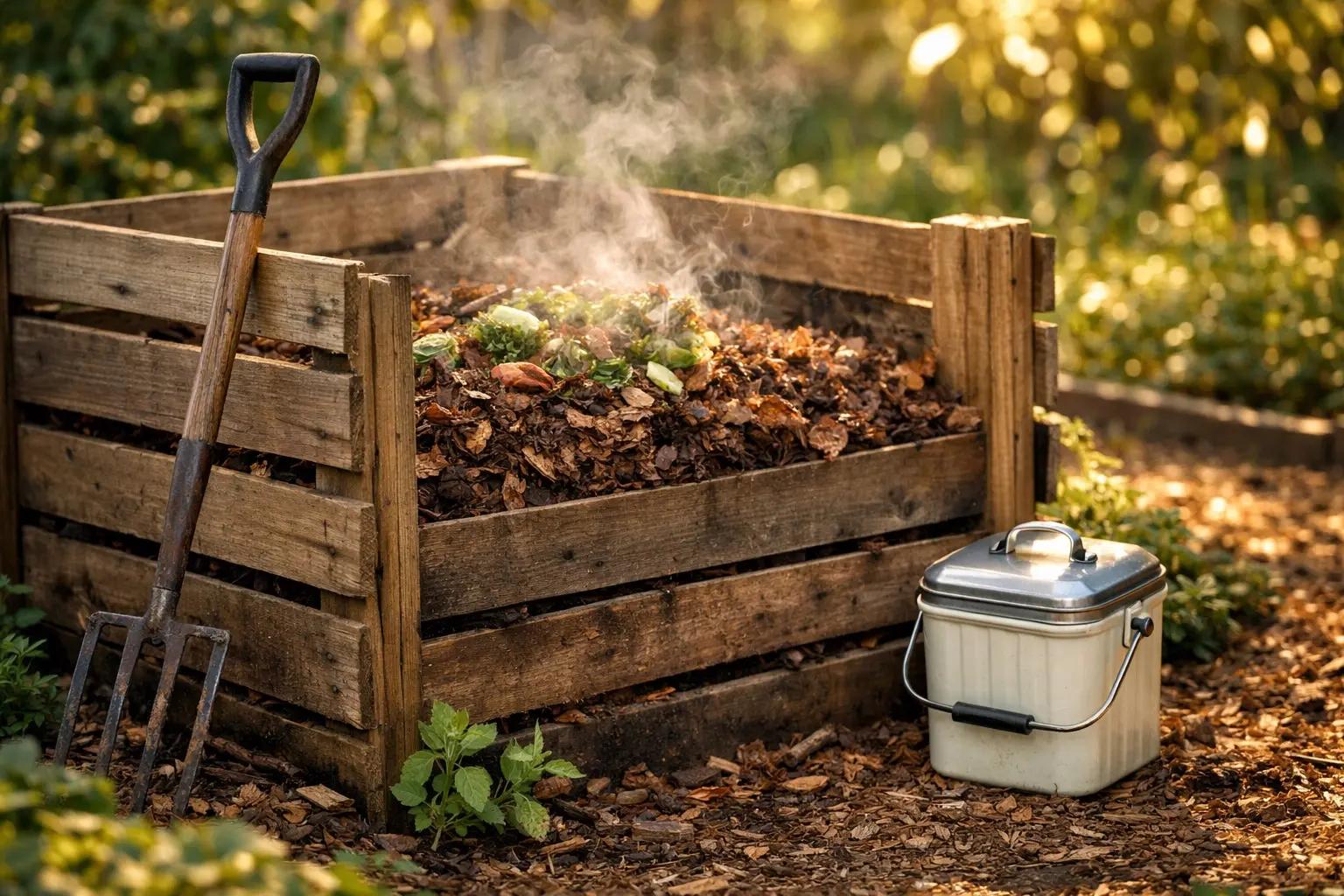
Composting converts kitchen scraps and yard waste into rich, free fertilizer that dramatically improves garden soil. Setup takes under an hour and once running, the bin requires minimal effort for big rewards.
 Easy3 hrs
How to Winterize Your Garden
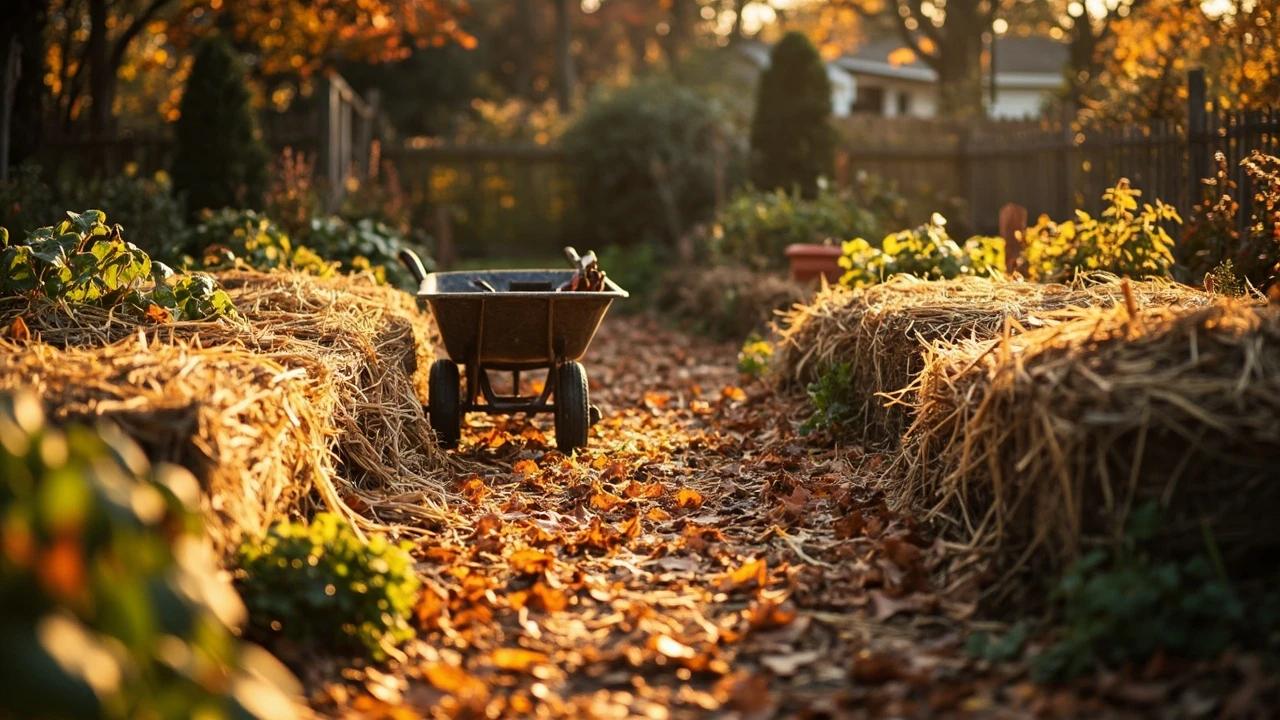
A few hours of fall garden prep is the difference between a thriving spring and a cleanup nightmare in March — proper winterization prevents frost heave, protects perennials from -20°F lows, kills overwintering pests, and adds 2-3 weeks of free growing time next season. This guide covers the eight tasks every gardener should knock out 4-6 weeks before the first hard frost: cleanup, weeding, perennial cutback, bulb storage, soil amending, mulching, deep watering, and irrigation drain-down.
You Might Also Like
 Easy30 min
How to Fix a Dripping Faucet
A dripping faucet wastes more than 3,000 gallons of water per year and can add $20 or more to your monthly water bill. The fix is almost always a worn cartridge, washer, or O-ring — parts that cost under $10 and take 20-30 minutes to replace with basic tools.
 Hard8 hrs
How to Paint Kitchen Cabinets
A professional cabinet refinish costs $3,000-8,000, but painting them yourself with the right prep and materials delivers the same transformation for under $200 in a long weekend. The secret is thorough degreasing, a bonding primer, and thin coats with proper dry time between each — skip any of those and the paint will chip within months. This guide walks through the full process from door removal and labeling to final reassembly, covering both brush and roller techniques for a smooth, factory-like finish.
 Medium6 hrs
How to Paint a Room
A fresh coat of paint is the fastest, cheapest way to transform any room — and doing it yourself saves $400-800 in labor for an average 12x12-foot bedroom. The job takes a weekend from prep to final coat, and the difference between an amateur-looking result and a professional finish comes down to technique, not talent. This guide covers prep, cutting in, rolling, and cleanup so you get clean lines and even coverage the first time.