How to Plant a Privacy Hedge (Best Species + Spacing)
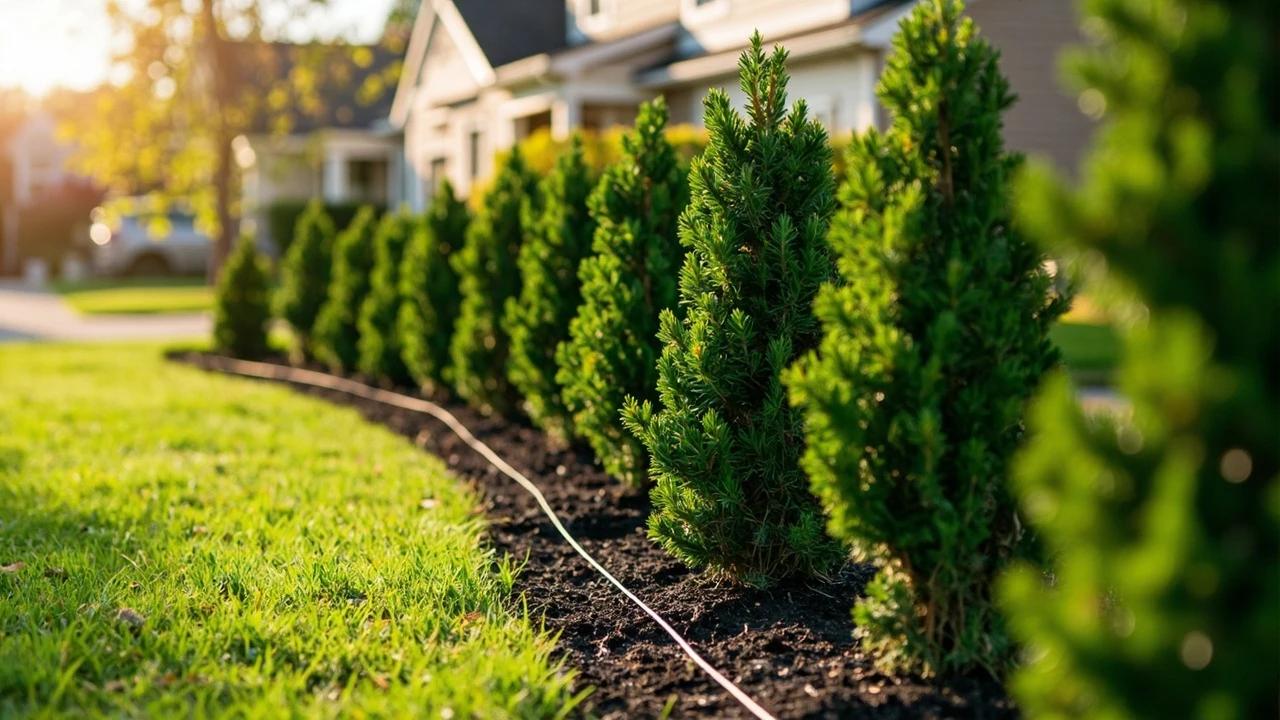

A well-planted privacy hedge blocks sight lines, dampens road noise, and adds property value for a fraction of the cost of a fence — expect to spend $15-40 per plant versus $30-60 per linear foot for fencing. But hedges planted too close together, too deep, or in the wrong season end up thin, sickly, or dead within two years. This guide walks you through choosing the right species for your climate, spacing plants for dense coverage, preparing the soil, and watering through establishment so you end up with a lush green wall that fills in by year three.
What You'll Need
🛠 Tools
📦 Materials
Safety First
- •Call 811 (or your local underground utility locator) at least 3 business days before digging — hitting a buried gas, water, or electrical line can cause serious injury and expensive repairs.
- •Balled-and-burlapped plants are heavy (50-150 lbs) — lift with your legs, not your back, and use a wheelbarrow to move plants across the yard.
- •Wear gloves and long sleeves when handling species with sap or thorns (privet sap can irritate skin; hawthorn and pyracantha have sharp spines).
Step-by-Step Instructions
Choose the Right Species for Your Climate and Site
Match the plant to your USDA hardiness zone, available sun, and the final height you want. Emerald Green arborvitae (Thuja occidentalis 'Smaragd') is the go-to choice for zones 3-8 — it reaches 12-15 feet tall, stays narrow at 3-4 feet wide, and tolerates full sun to partial shade. For warmer zones (7-10), consider cherry laurel, wax myrtle, or Leyland cypress. Privet and boxwood work well for shorter hedges under 6 feet. Walk your planting line first: note how many hours of direct sun it gets, whether the soil drains well after rain, and how much room the mature hedge will need without crowding a fence or sidewalk.
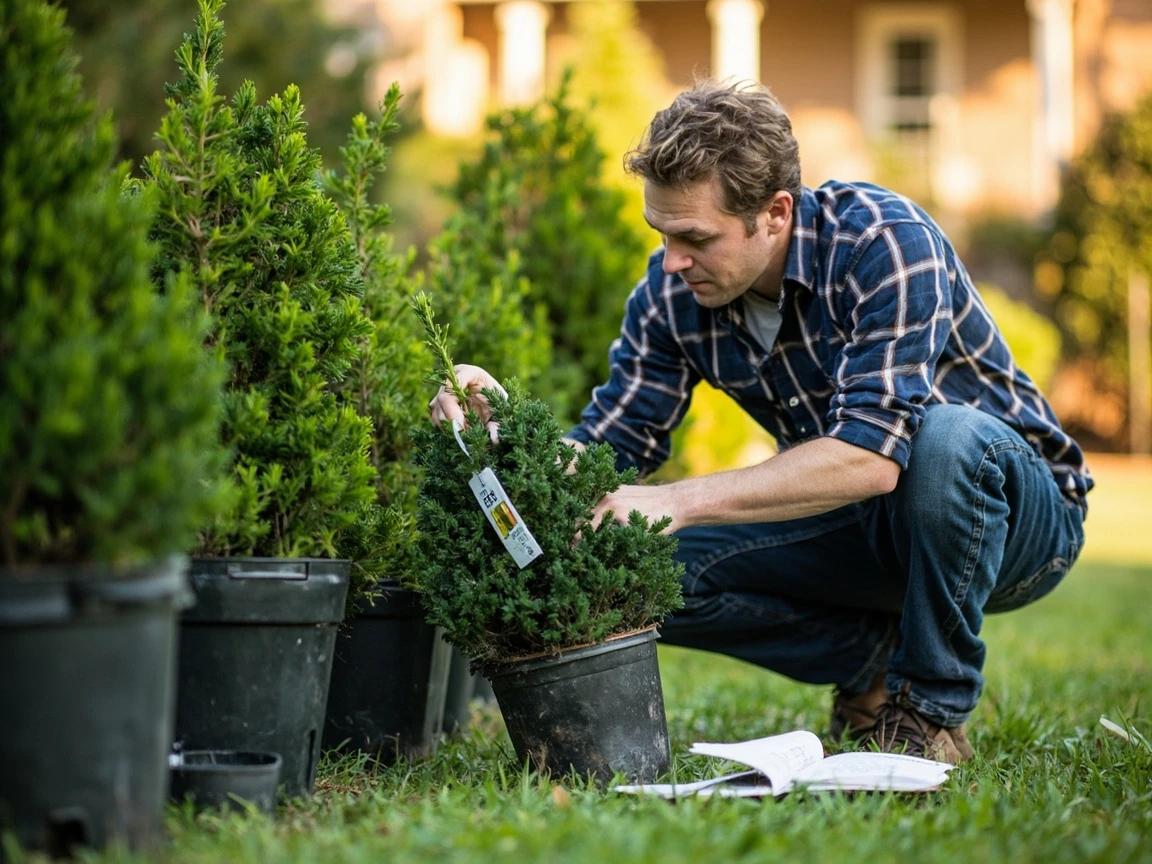
Visit a local nursery rather than a big-box store — local growers stock species proven in your climate and can warn you about disease pressures like bagworm or boxwood blight in your area.
Test the Soil and Plan for Amendments
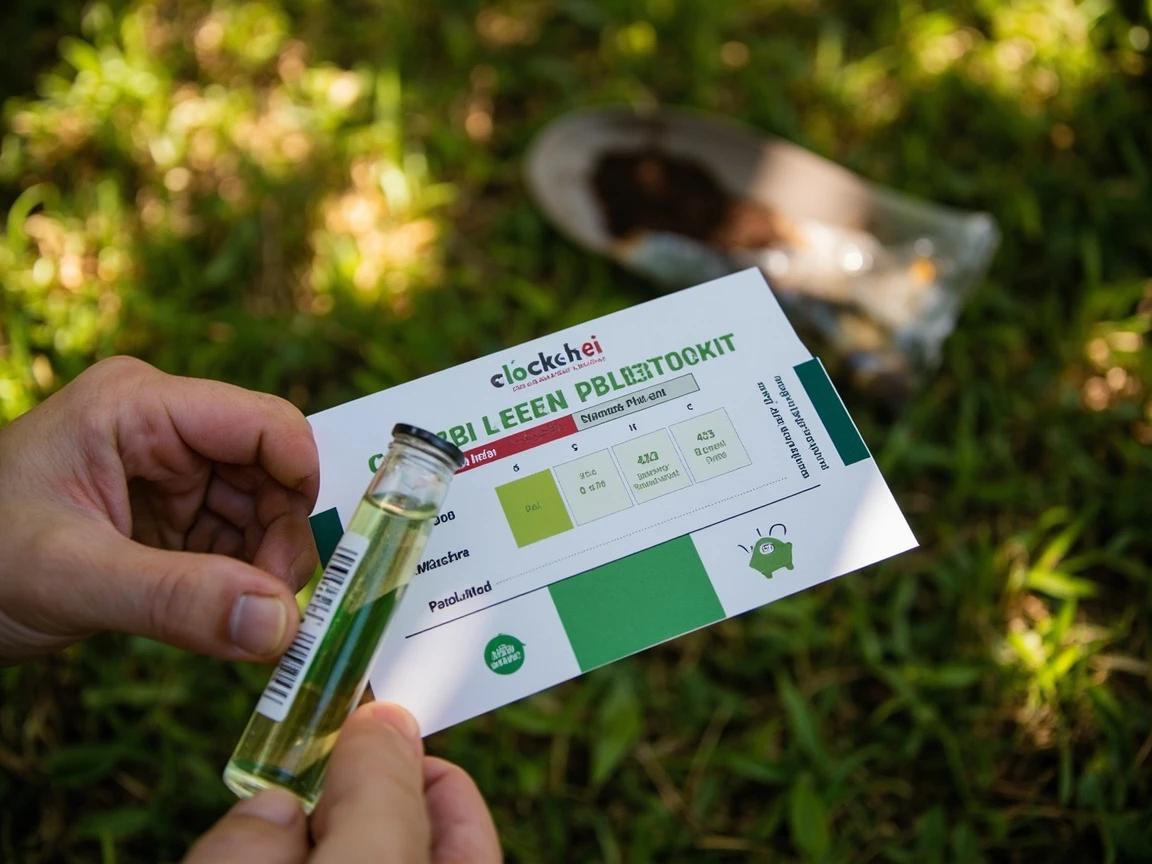
Most hedge plants thrive in well-draining, slightly acidic soil with a pH between 6.0 and 7.0. Use an inexpensive home soil test kit to check pH and nutrient levels at the planting site — pull samples from 6-8 inches deep in three or four spots along the row and mix them. If the pH is too high (alkaline), work in elemental sulfur or peat moss to lower it; if too low (acidic), add garden lime. Dig a small test hole 12 inches deep, fill it with water, and time how fast it drains — if water still sits after 4 hours, you'll need to improve drainage with compost or plant on a raised berm.
Mark Out the Hedge Line with String and Stakes
Drive a wooden stake at each end of your intended hedge line, then stretch a mason's string line taut between them — this keeps plants perfectly straight as you dig. Measure the spacing based on the mature width of your chosen species: for a dense privacy screen, space plants at roughly half of their mature width (so 3-4 feet apart for arborvitae, 2-3 feet for cherry laurel, 18-24 inches for boxwood). Mark each planting spot along the string with a bright spray paint dot or a small flag. Start the first plant at least 3 feet in from the property line or any fixed obstacle so the hedge has room to spread without crowding.
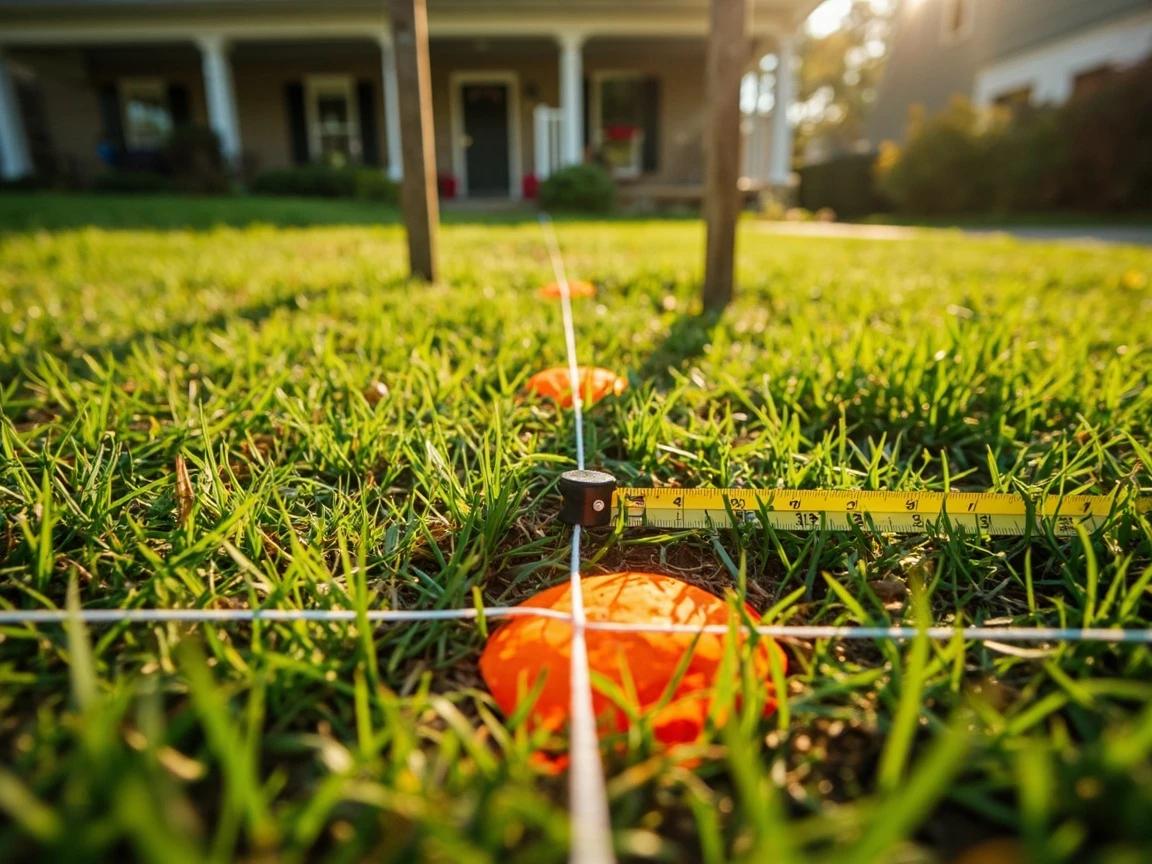
For an even denser screen without doubling your plant count, stagger plants in a zigzag pattern using two parallel rows about 2 feet apart — the offset plants close gaps much faster than a single row.
Dig the Planting Holes (or a Continuous Trench)
At each marked spot, dig a hole twice the width of the root ball but only as deep as the root ball itself — never deeper. Planting too deep is the single most common mistake and suffocates the roots. For longer runs of smaller plants, a continuous trench 18 inches wide and the depth of the root balls is faster than individual holes and encourages roots to spread laterally. Pile the excavated soil on a tarp next to the trench so you can amend it before backfilling. Loosen the sides of each hole with your shovel to prevent a 'glazed' wall that roots can't penetrate.
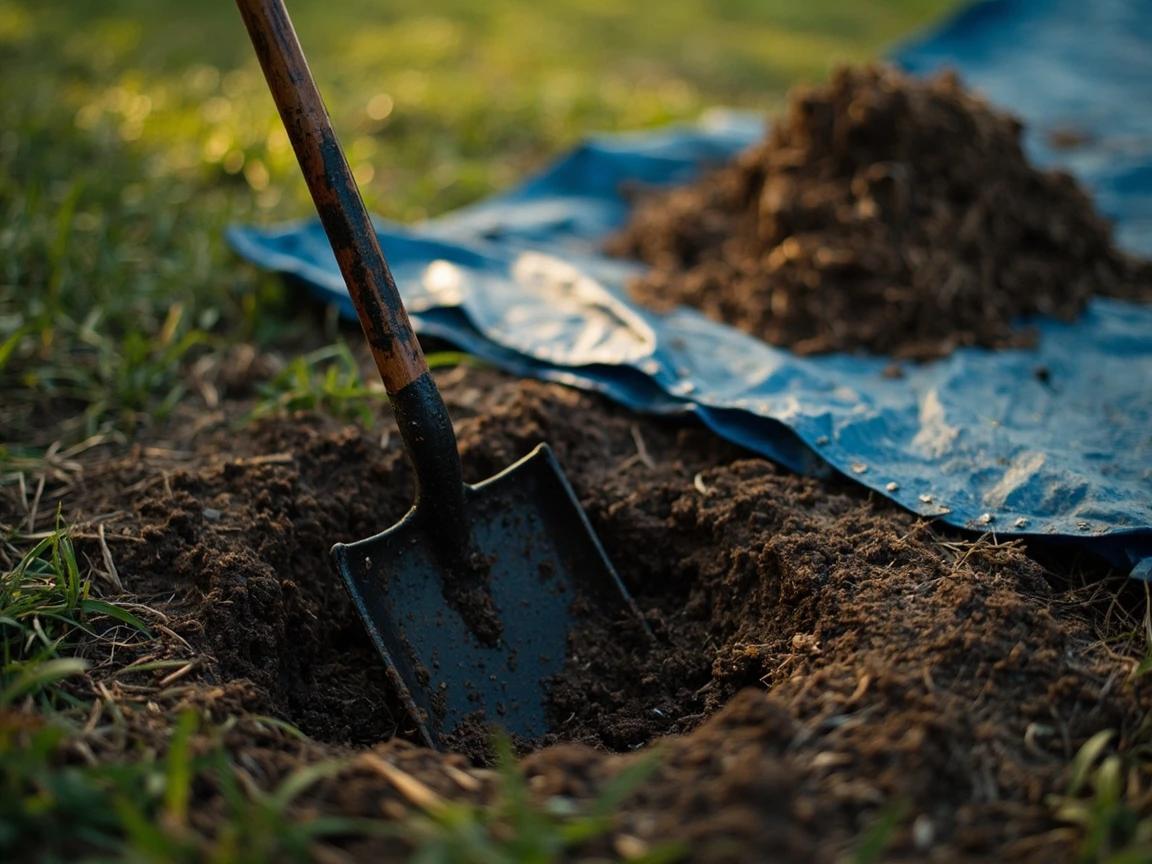
Do not dig until you have confirmed with 811 that no utility lines run through your hedge line — hitting a buried cable or gas line is dangerous and can cost thousands to repair.
Amend the Backfill Soil with Compost
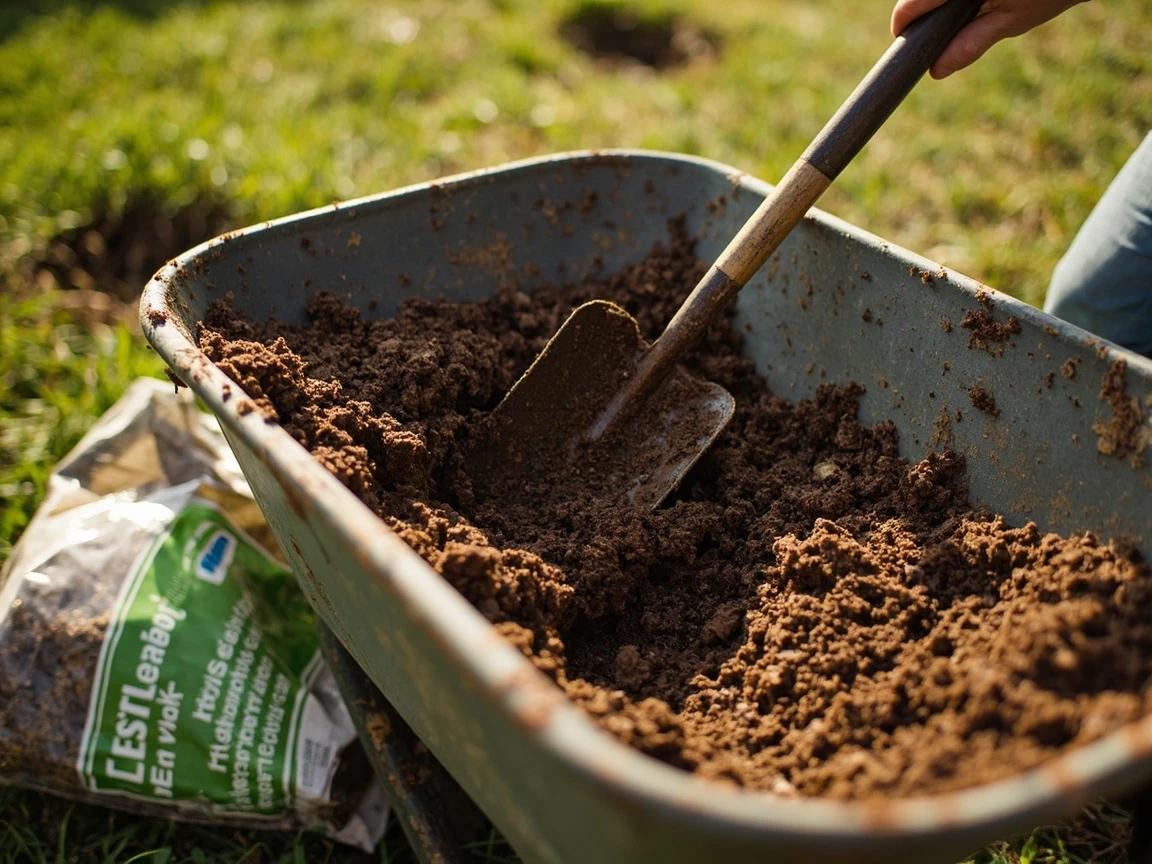
Mix your excavated soil with compost or aged manure at roughly a 1:1 ratio if your native soil is heavy clay or poor sandy loam — for average loamy soil, a 3:1 native-to-compost ratio is plenty. Add a handful of slow-release granular fertilizer formulated for evergreens or trees and shrubs, following the label rate. Do not add fresh manure (it burns roots) or pile up heavy amendments only in the hole — this creates a 'bathtub effect' where water collects and drowns the plant. Blend everything thoroughly in the wheelbarrow so the amended soil matches the surrounding ground.
Set the Plants at the Correct Depth
Slide the plant out of its container or cut off the wire basket and remove any synthetic burlap (natural burlap can stay and will decompose). Gently tease apart any circling roots with your fingers or score the root ball vertically in three or four places with a clean knife — this encourages new roots to grow outward instead of continuing to circle. Set the plant in the hole so the top of the root ball sits 1 inch above the surrounding grade. The root flare (where the trunk widens into the roots) must be visible above soil level — if you can't see it, the plant is too deep, and you should remove it and add soil to the bottom of the hole.
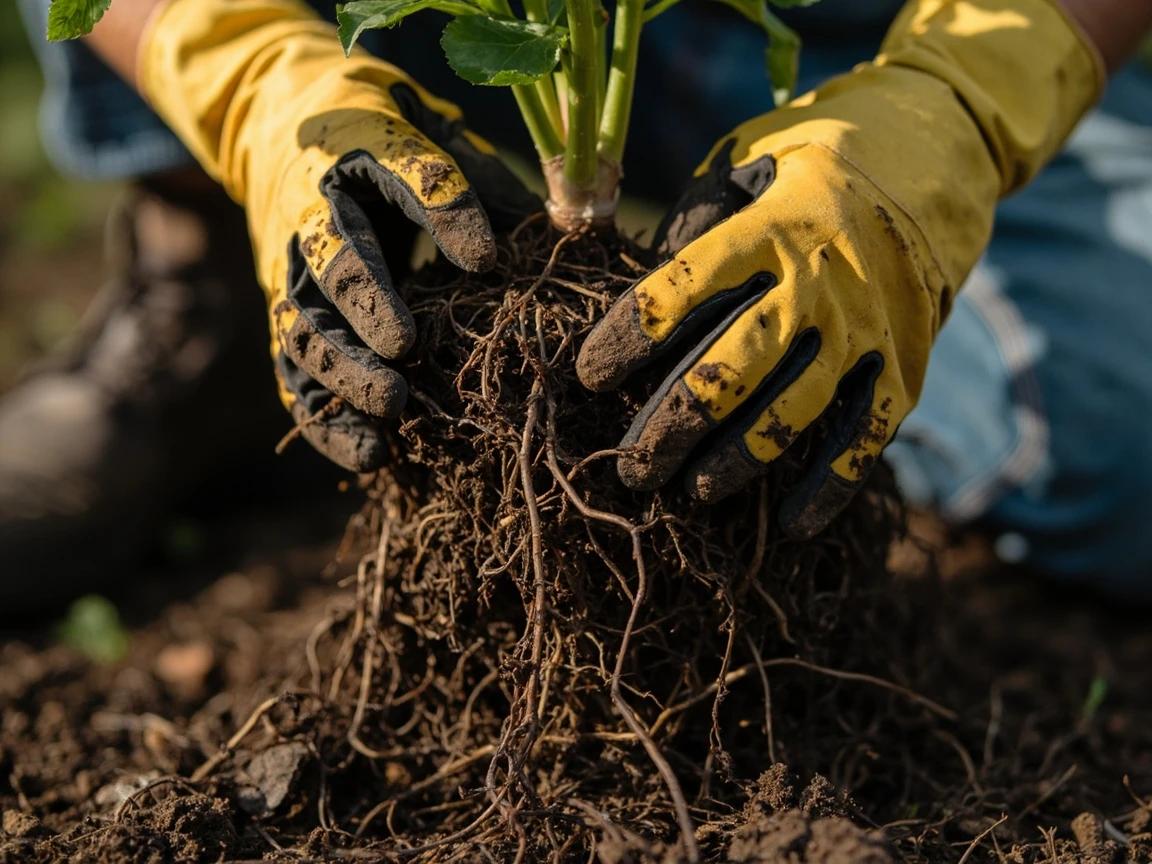
If the plant is root-bound with a thick mat of circling roots, don't be afraid to slice 1/2 inch off the bottom and sides of the root ball with a sharp spade — it looks aggressive, but it dramatically improves establishment.
Backfill, Water In, and Build a Soil Dam
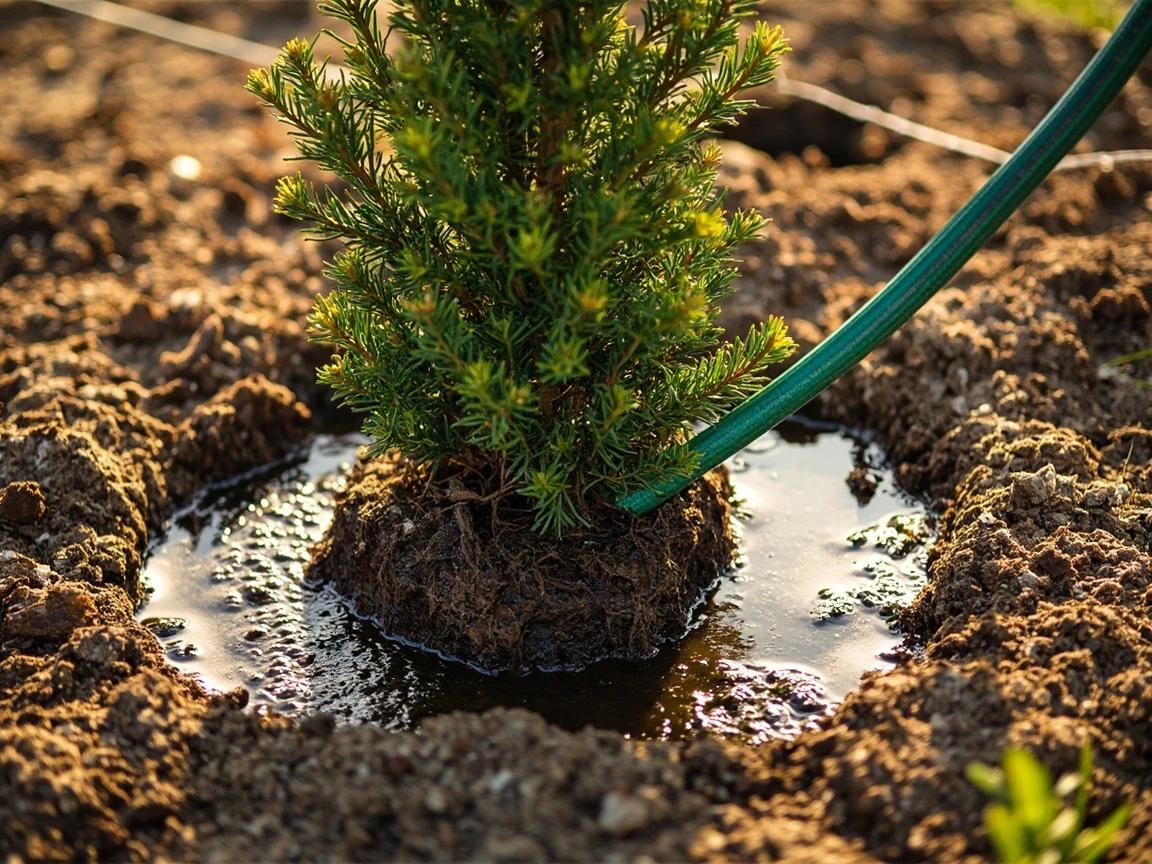
Shovel the amended soil back into the hole around the root ball, firming it gently with your hands (do not stomp it hard — compacted soil chokes roots). Fill to the top of the root ball, not above it. Once the hole is full, use your hands or a shovel to form a 3-inch-tall ring of soil around the edge of the root ball — this 'soil dam' or basin holds water directly over the roots instead of letting it run off. Slowly fill the basin with water from the hose until it pools, let it drain, then fill it a second time. This settles the soil and eliminates air pockets around the roots.
Mulch the Entire Bed (But Keep It Off the Trunks)
Spread a 2-3 inch layer of bark mulch or wood chips over the entire planting bed, extending at least 2 feet out from each trunk. Mulch conserves moisture, suppresses weeds that compete for water, moderates soil temperature, and gives the hedge a clean finished look. Pull the mulch back 2-3 inches from each trunk — piled-up 'mulch volcanoes' trap moisture against the bark and invite rot, insects, and rodent damage. If you're worried about weeds, lay down permeable landscape fabric first, then cover with mulch.
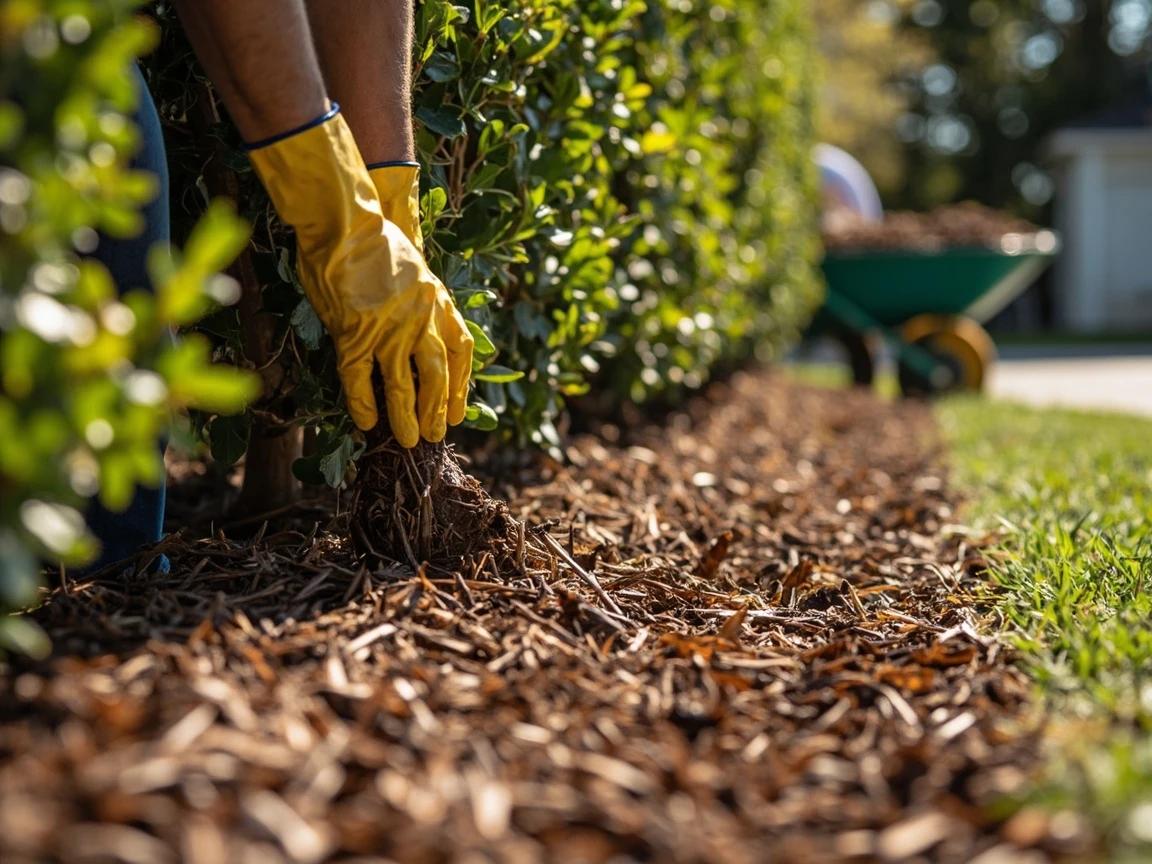
Never pile mulch against the trunk — 'mulch volcanoes' cause bark rot and can kill an otherwise healthy plant within a few seasons.
Water Deeply Through the First Two Growing Seasons
For the first two weeks, water every 2-3 days, soaking each root ball with 3-5 gallons until the soil is moist but not waterlogged. For the rest of the first growing season, water deeply once a week — deep, infrequent watering encourages roots to grow downward for drought resistance, while frequent light watering keeps roots shallow. In the second season, taper to once every 10-14 days during dry spells. Skip heavy pruning the first year so plants can establish; in year two, lightly shear the tops to encourage bushier growth and slope the sides slightly inward (wider at the base than the top) so sunlight reaches the lower branches.
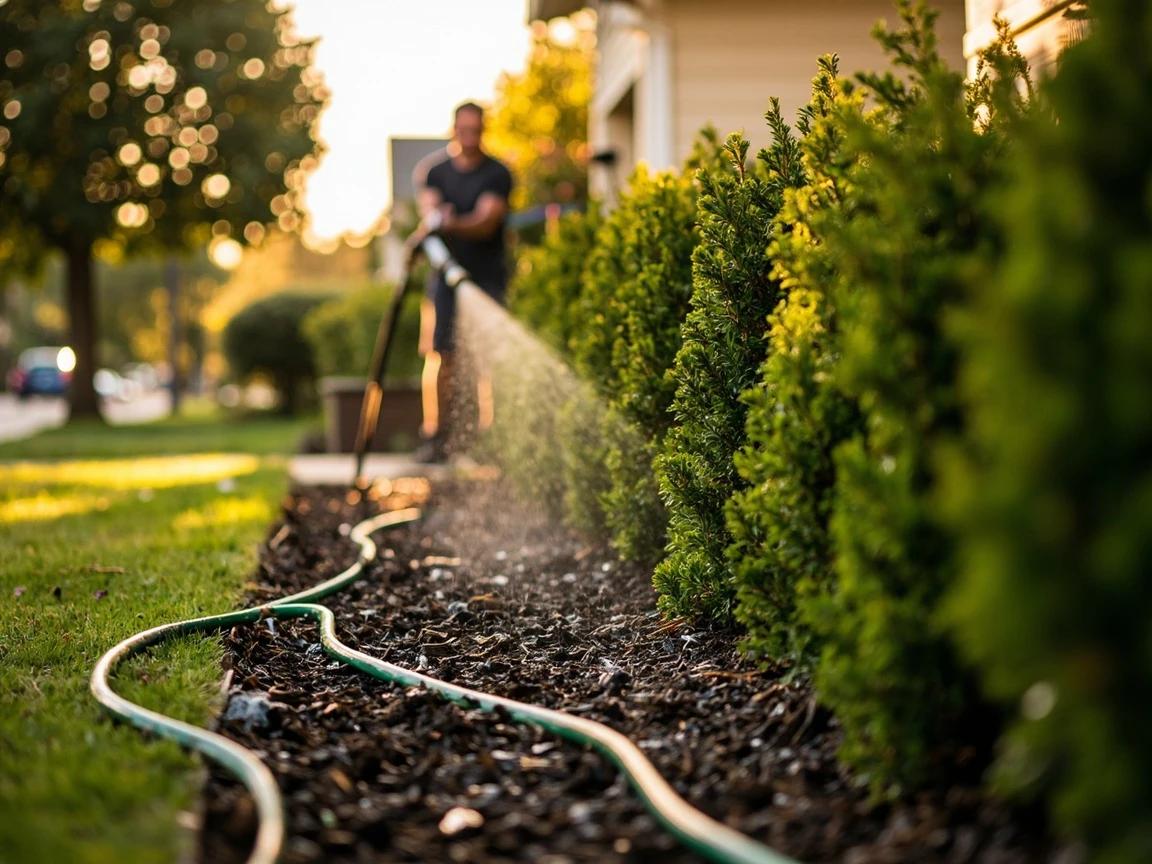
A $30 soaker hose snaked along the hedge row and set on a $15 battery-powered hose timer makes establishment watering nearly automatic — just open the spigot once and let the timer handle the rest.
Frequently Asked Questions
How far apart should privacy hedge plants be spaced?
+
Spacing depends on the species' mature width, not on how fast you want coverage. The common mistake is crowding plants to close the gap sooner — it produces a hedge that looks full for two years, then thins from the inside as the plants compete for light, water, and root room, and it spreads disease down the row. Look up the mature spread for your species and space accordingly; a correctly spaced hedge typically knits together by year three.
When is the best time of year to plant a hedge?
+
Spring and fall, when temperatures are mild and the plants can put energy into root establishment rather than surviving heat. Summer planting is possible but demands far more watering discipline, and a hedge planted into midsummer heat is the one most likely to fail in its first year. Avoid planting into frozen or waterlogged ground.
How deep should I plant a hedge shrub?
+
Set each plant so the root flare — where the trunk widens into the roots — sits at or just barely above the surrounding grade. Planting too deep is one of the most common causes of a hedge that never thrives: buried root flares hold moisture against the bark and slowly suffocate the plant. The hole should be wider than the root ball but no deeper than it.
How often do I need to water a newly planted hedge?
+
Deeply and regularly through the first two growing seasons, not lightly and often. Frequent shallow watering trains roots to stay near the surface, which leaves the hedge fragile in the first drought. Building a small soil dam around each plant helps water soak straight down into the root zone rather than running off. After two seasons an established hedge needs far less.
Are there hedge species I should avoid?
+
Yes — check invasiveness and local rules before buying. Privet is classified as invasive in many regions, and some HOAs and municipalities prohibit specific species such as Leyland cypress or bamboo outright. Many jurisdictions also cap hedge height at around 6 feet on a property line. Confirming this before you buy a whole row is much cheaper than removing one later.
Sources & further reading
- Selecting and Planting Hedges — Iowa State University Extension
- Watering newly planted trees and shrubs — University of Minnesota Extension
- The Invasive and Noxious Privet — Penn State Extension
More Gardening Guides
View all →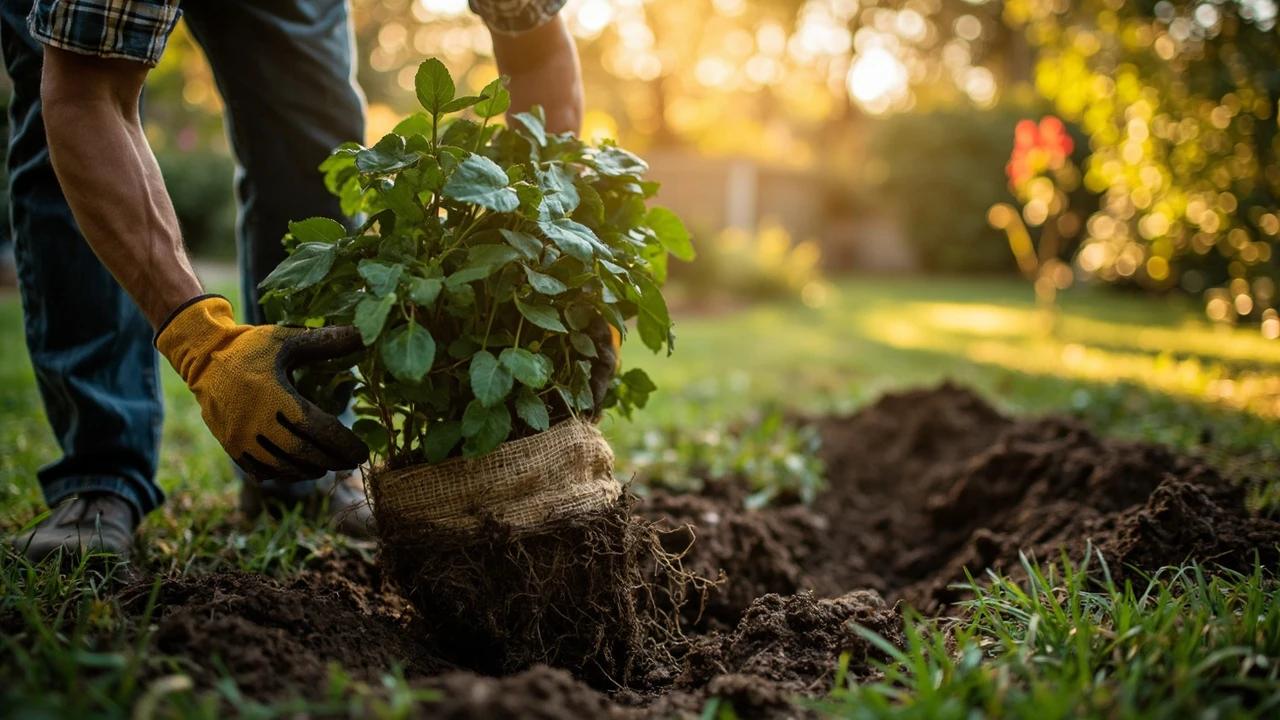 Medium2 hrs
How to Transplant a Shrub Without Killing It
Moving an established shrub to a new spot saves you the $30-150 cost of buying a replacement — but only if the plant survives the move. The secret is timing (early spring or fall), keeping the root ball intact, and consistent watering for the first month. This guide covers the full process for shrubs up to 4 feet tall, from prep through aftercare.
 Easy3 hrs
How to Winterize Your Garden
A few hours of fall garden prep is the difference between a thriving spring and a cleanup nightmare in March — proper winterization prevents frost heave, protects perennials from -20°F lows, kills overwintering pests, and adds 2-3 weeks of free growing time next season. This guide covers the eight tasks every gardener should knock out 4-6 weeks before the first hard frost: cleanup, weeding, perennial cutback, bulb storage, soil amending, mulching, deep watering, and irrigation drain-down.
 Medium3 hrs
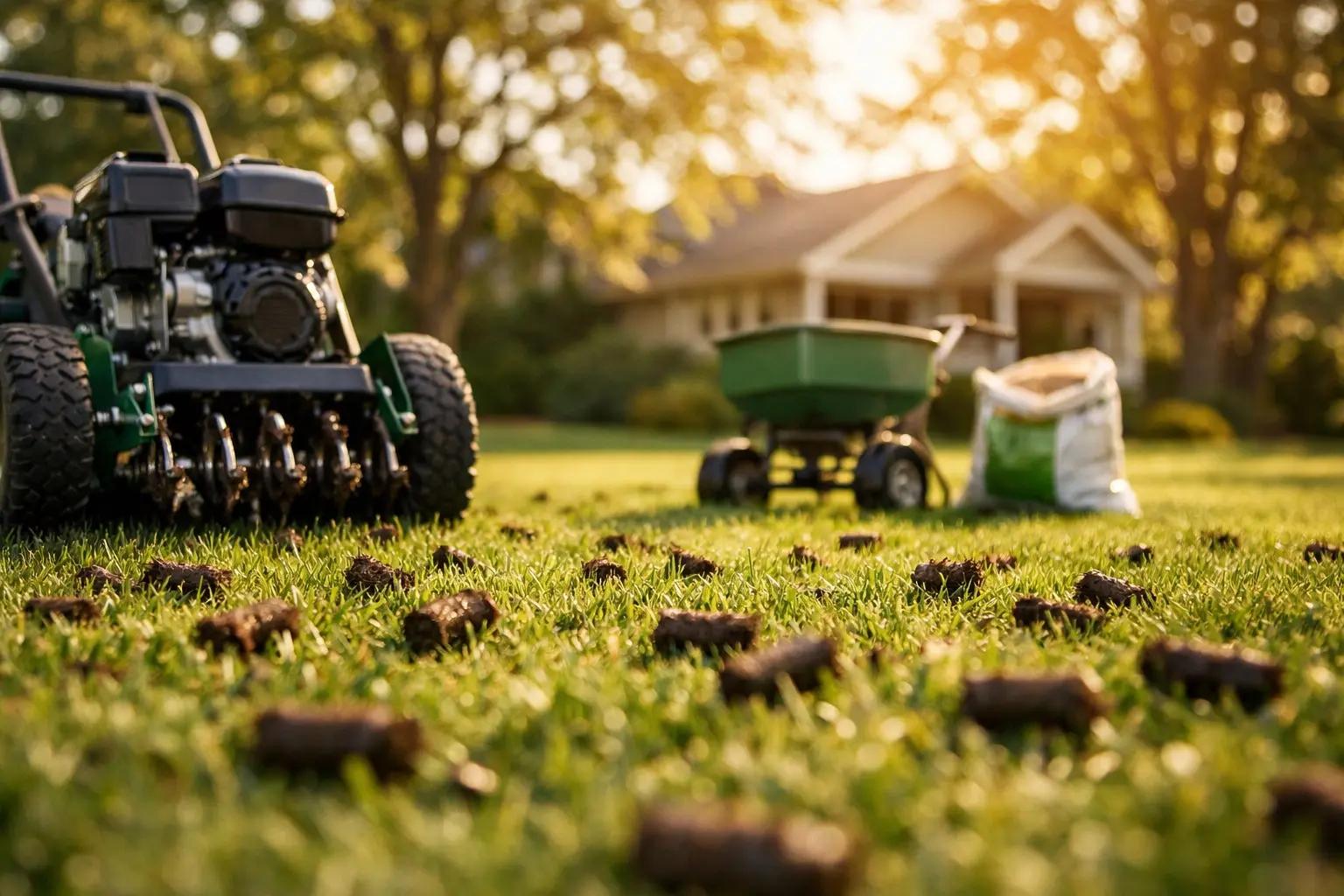
How to Aerate and Overseed a Lawn
Compacted soil starves grass roots of air and water, turning a thick lawn thin and patchy over a single season — and professional aeration-plus-overseeding runs $200-400 for an average yard. Renting a core aerator for about $75 and doing it yourself takes a half-day of walking behind a machine, followed by spreading seed into the fresh holes where it gets perfect soil contact. This guide covers timing for cool- and warm-season grasses, proper aerator technique, seed selection, and the critical watering schedule that makes or breaks germination.
You Might Also Like
 Medium30 min
How to Troubleshoot a Microwave That Won't Heat
A microwave that runs — light on, turntable spinning, timer counting down — but leaves food stone cold is one of the most common appliance failures, and about half the time the cause is something you can fix in five minutes for free. This guide walks the diagnosis from the easy stuff (demo mode, power level, a tripped GFCI, a dirty door latch) to reading the failure signature that tells you the high-voltage circuit is gone, then helps you make the repair-or-replace call with real numbers.
 Medium45 min
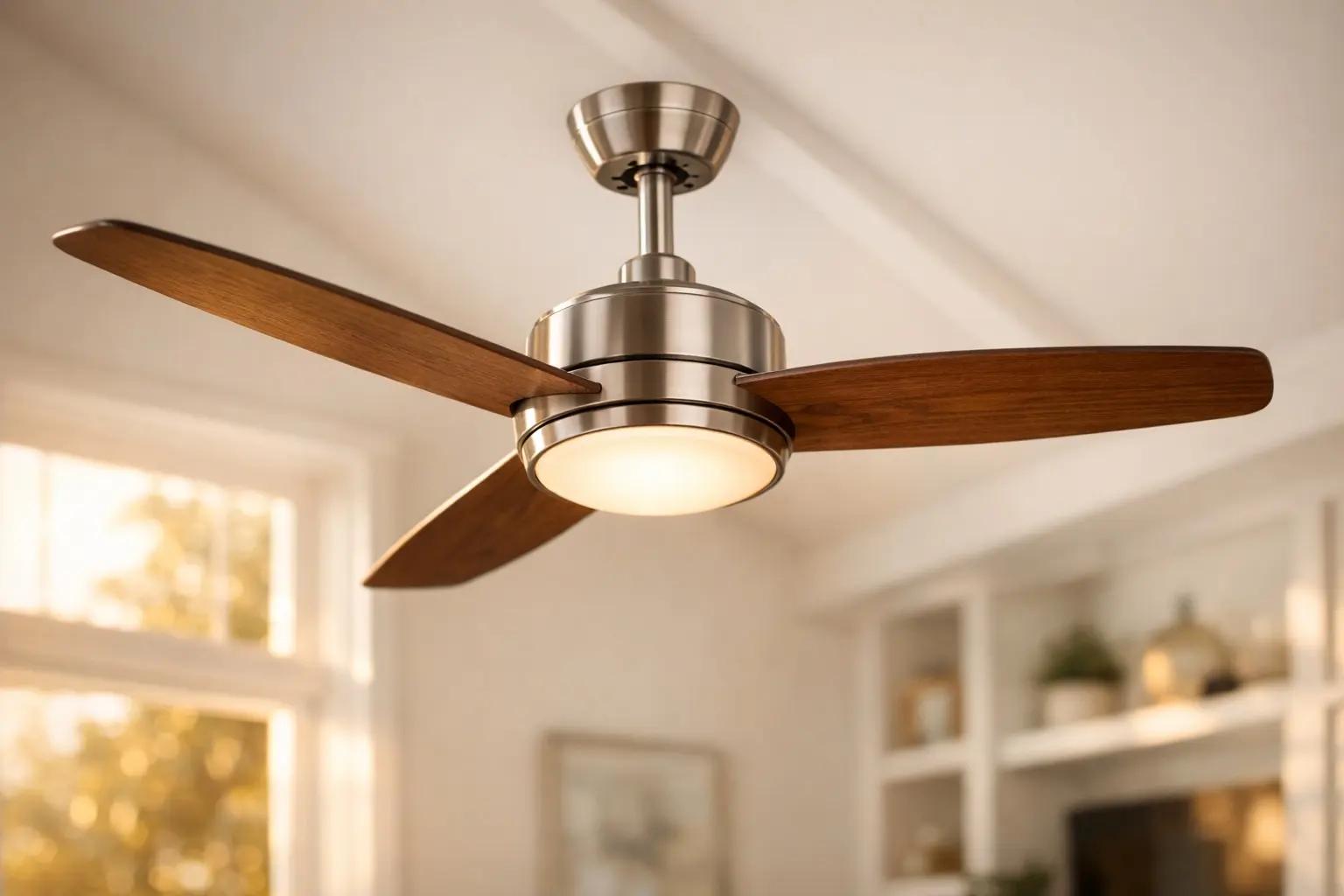
How to Install a Ceiling Fan
Replacing a light fixture with a ceiling fan improves air circulation in summer and can reduce heating costs in winter by circulating warm ceiling air downward. Most installs take 45-60 minutes.
 Easy15 min
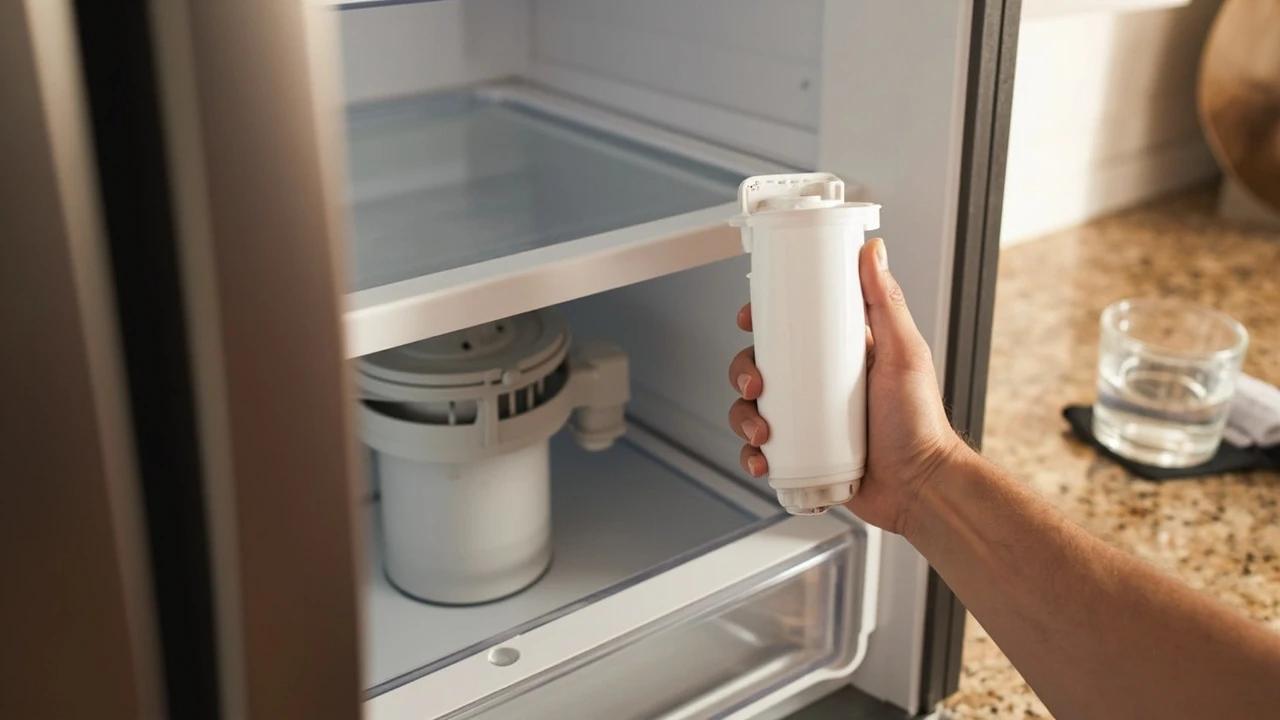
How to Replace a Refrigerator Water Filter
A clogged refrigerator water filter is the most common cause of slow dispensing, off-tasting water, and undersized ice cubes — and it is the easiest fix in your kitchen. Most filters are designed to be swapped in under five minutes with no tools, no shut-off valve, and no spilled water. This guide covers locating your filter, the two common removal styles (twist-in and push-in), inspecting the O-rings, flushing the new filter, and resetting the indicator light so you do not see the red "Replace" warning the next morning.