How to Start a Compost Bin
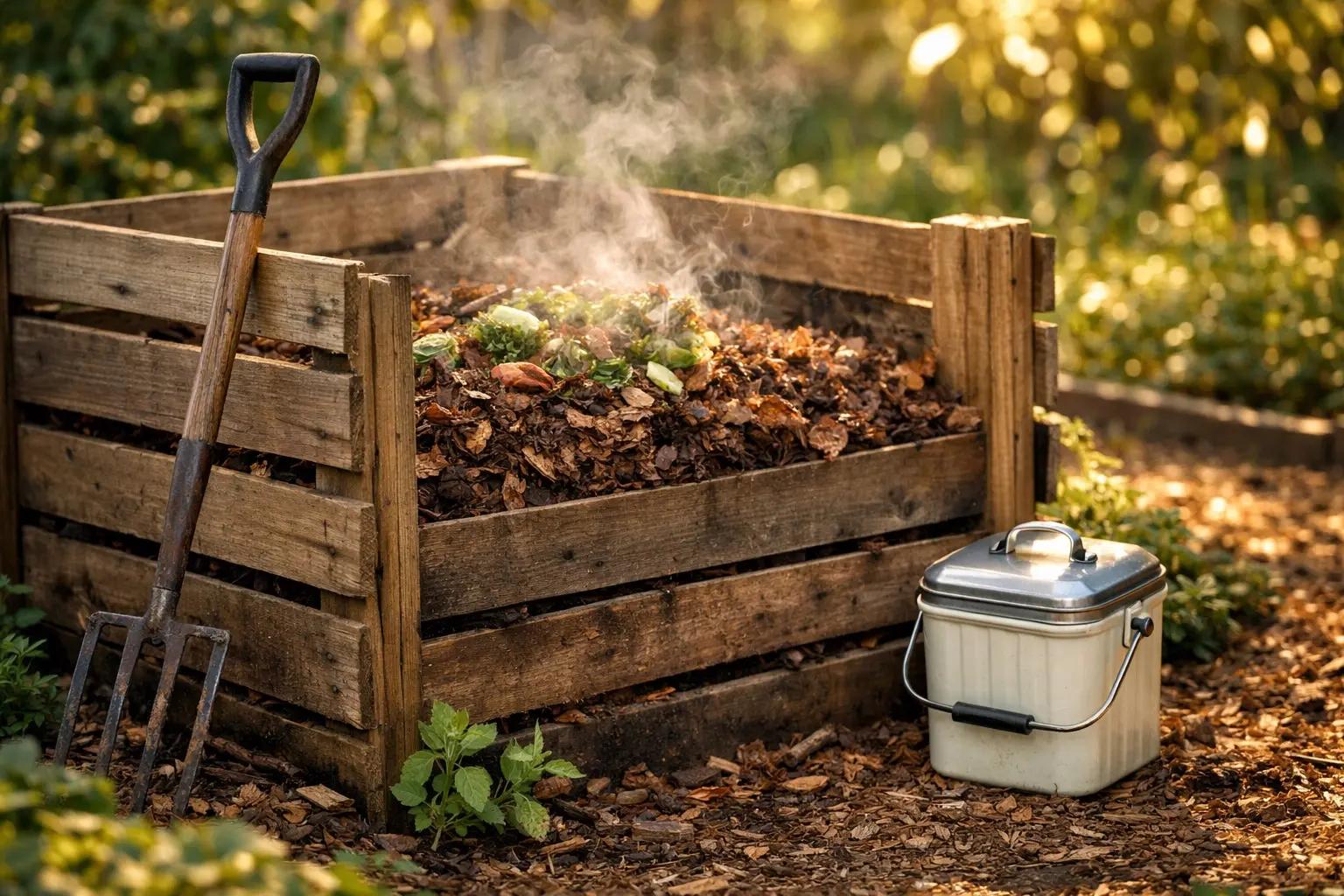

Composting converts kitchen scraps and yard waste into rich, free fertilizer that dramatically improves garden soil. Setup takes under an hour and once running, the bin requires minimal effort for big rewards.
What You'll Need
🛠 Tools
📦 Materials
Safety First
- •Do not compost meat, fish, dairy, cooked foods, pet waste, or diseased plants — they attract pests and create dangerous pathogens.
Step-by-Step Instructions
Choose the Right Location
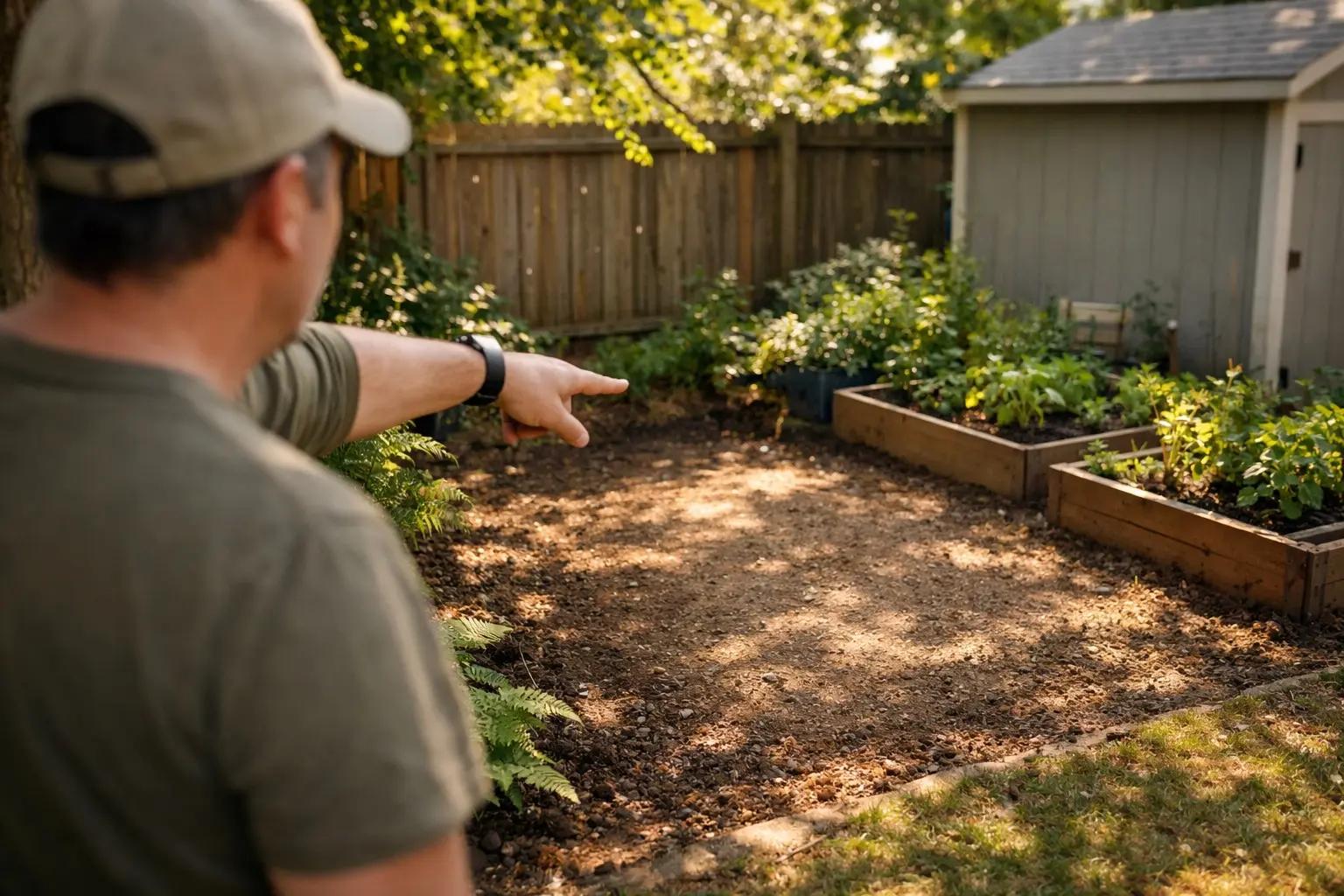
Pick a spot that's partially shaded (to prevent the pile from drying out too fast), easily accessible from your kitchen and garden, and away from wooden structures or fences. A flat, well-drained area works best. Leave at least 3 feet of clearance around the bin for turning access.
Set Up the Bin
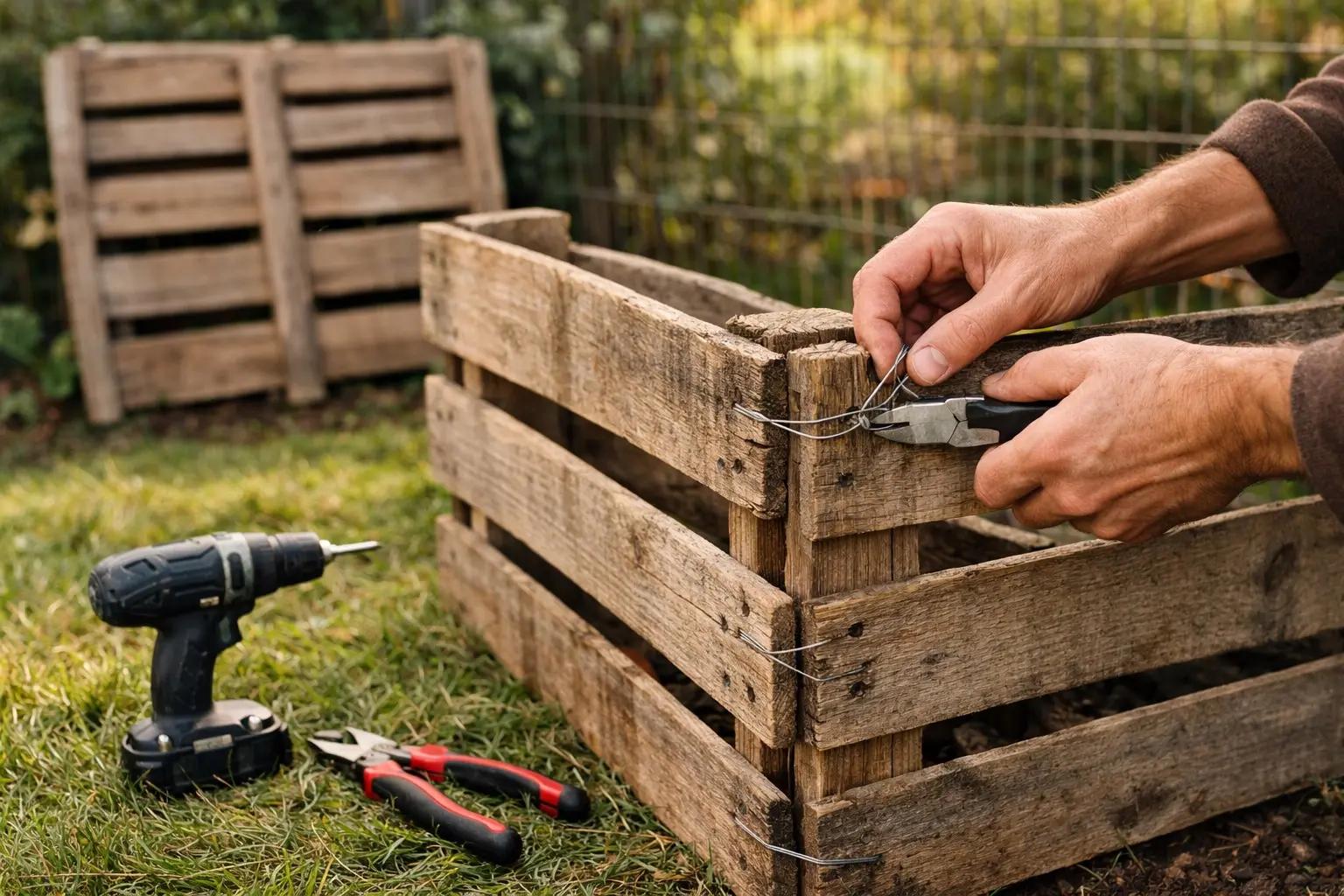
A commercial plastic compost bin works well for beginners and costs $30-60. Alternatively, wire four wooden pallets together into a square enclosure — pallets are often free from lumber yards and grocery stores. Minimum effective size is 3'×3'×3'. For solid containers, drill 1/2" holes every 6 inches in the sides and bottom for airflow and drainage.
A two-bin system (one bin for fresh materials, one for finished compost) makes harvesting much easier. But start with one bin and expand when you're comfortable with the process.
Lay a Carbon Base Layer
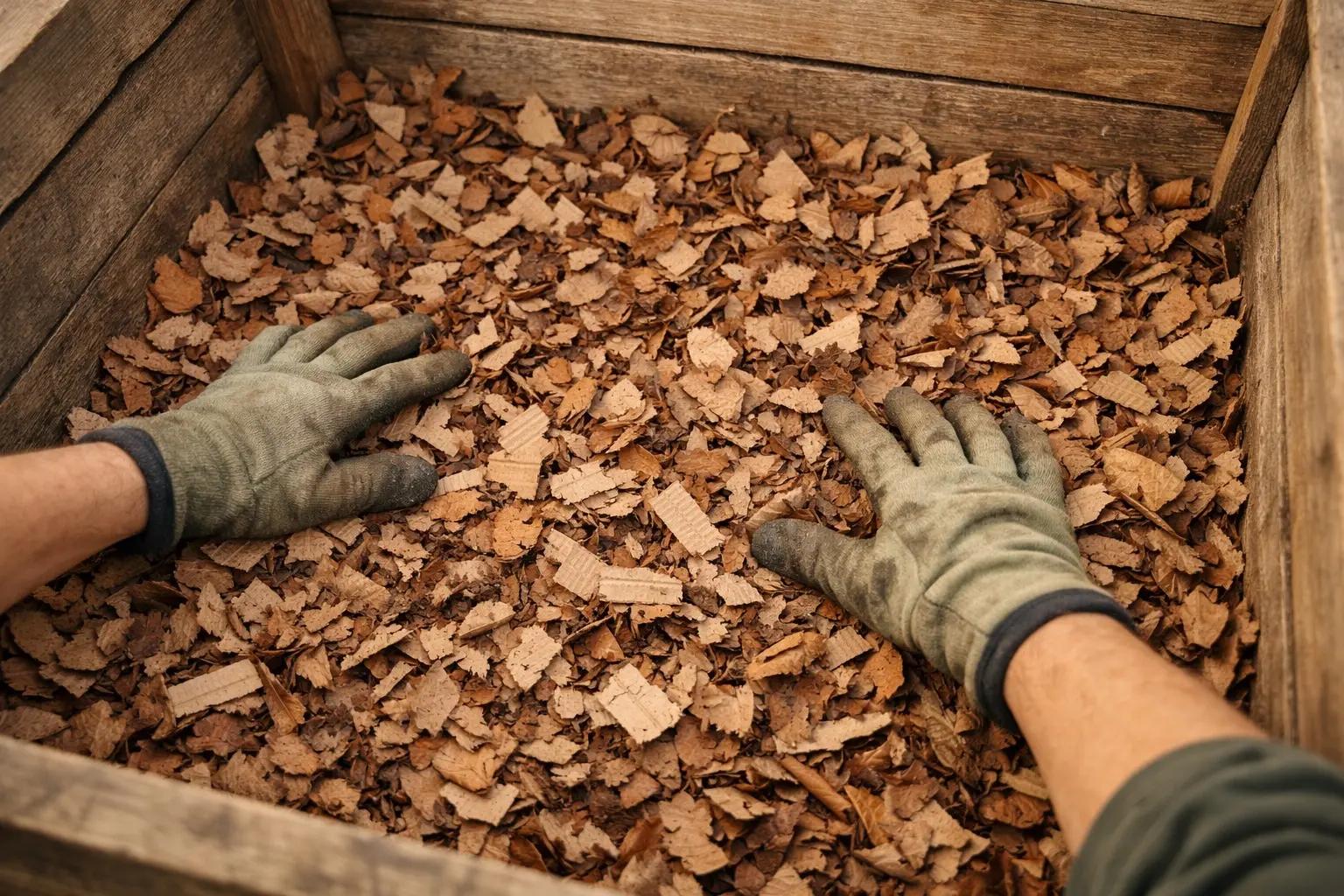
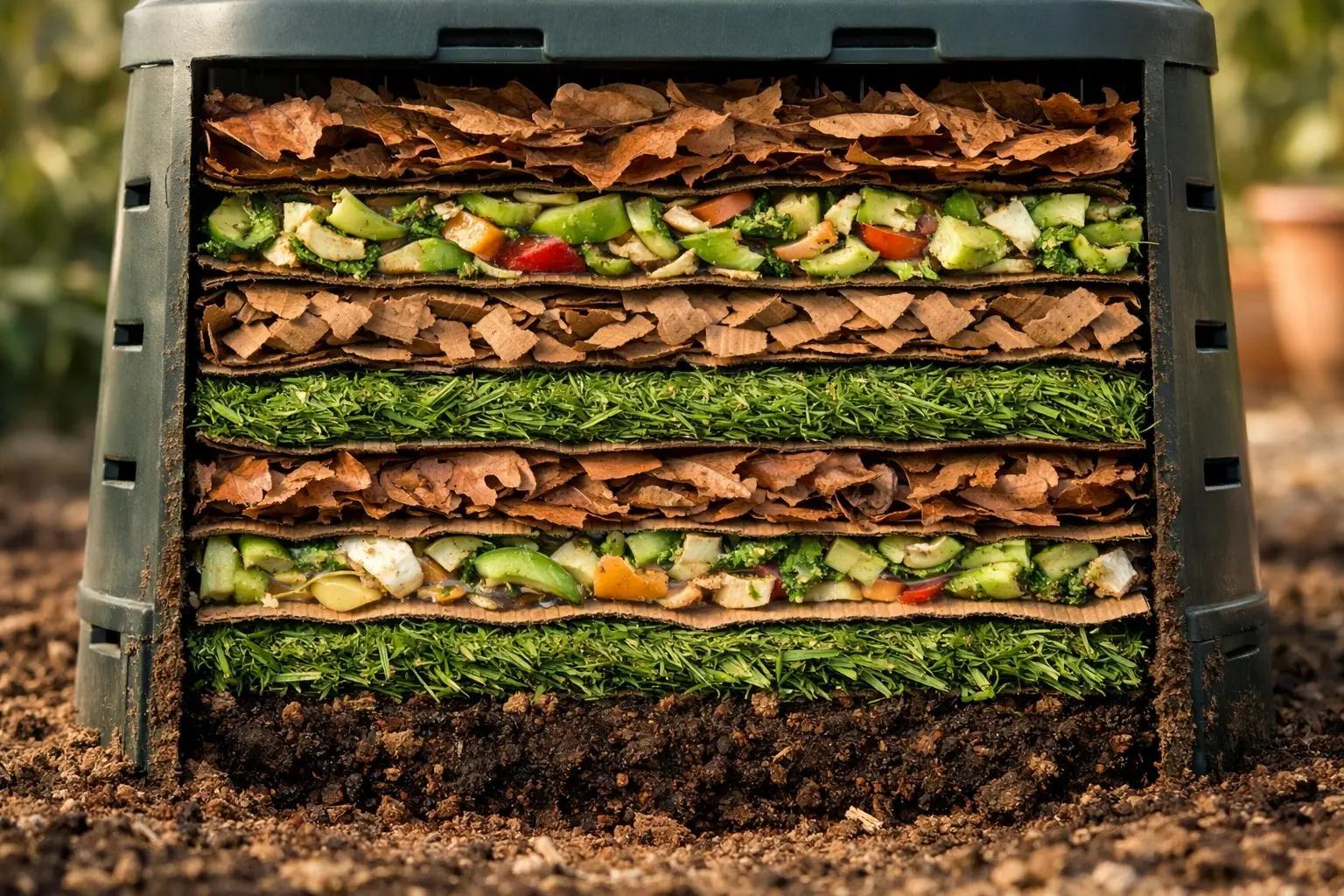
Start with a 4-6 inch layer of brown, carbon-rich materials: dry leaves, shredded corrugated cardboard (remove tape), wood chips, or straw. Brown materials provide carbon, absorb moisture, and create air pockets. Never use glossy paper or cardboard with heavy printing.
Add Green Nitrogen Materials
Add a 2-3 inch layer of nitrogen-rich green materials: raw fruit and vegetable scraps, fresh-cut grass clippings, coffee grounds and filters, tea bags, or fresh plant trimmings. The ideal carbon-to-nitrogen ratio is roughly 3:1 by volume — 3 parts browns to 1 part greens.
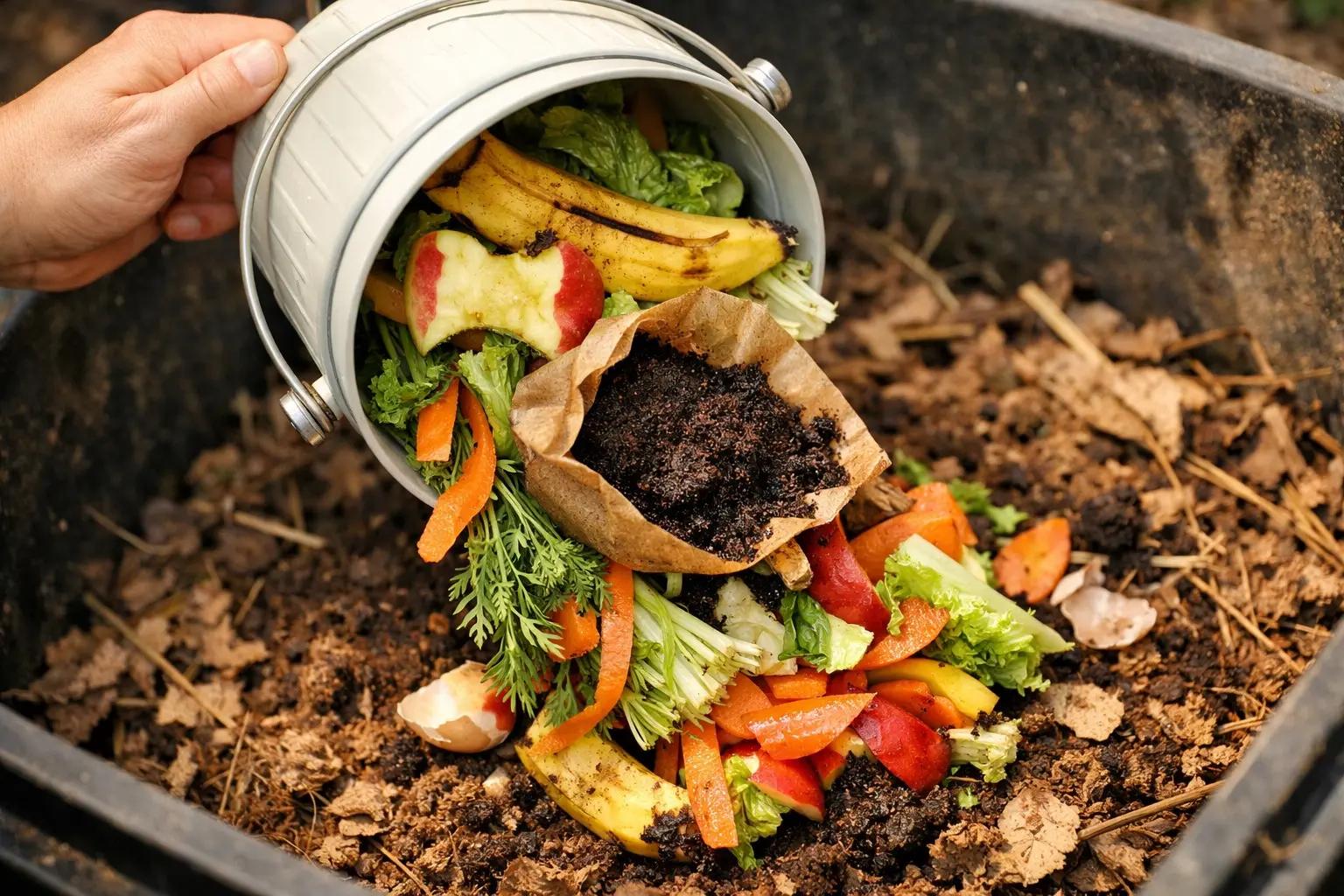
Do not add meat, bones, dairy, oily foods, diseased plants, pet waste, or anything treated with pesticides. These create odors, attract rodents, and can spread pathogens.
Moisten the Pile
The pile should feel like a wrung-out sponge — moist throughout but not dripping when you squeeze a handful. Use a garden hose to mist each layer as you add it. A dry pile decomposes very slowly; an overly wet pile becomes anaerobic and smells like sewage.
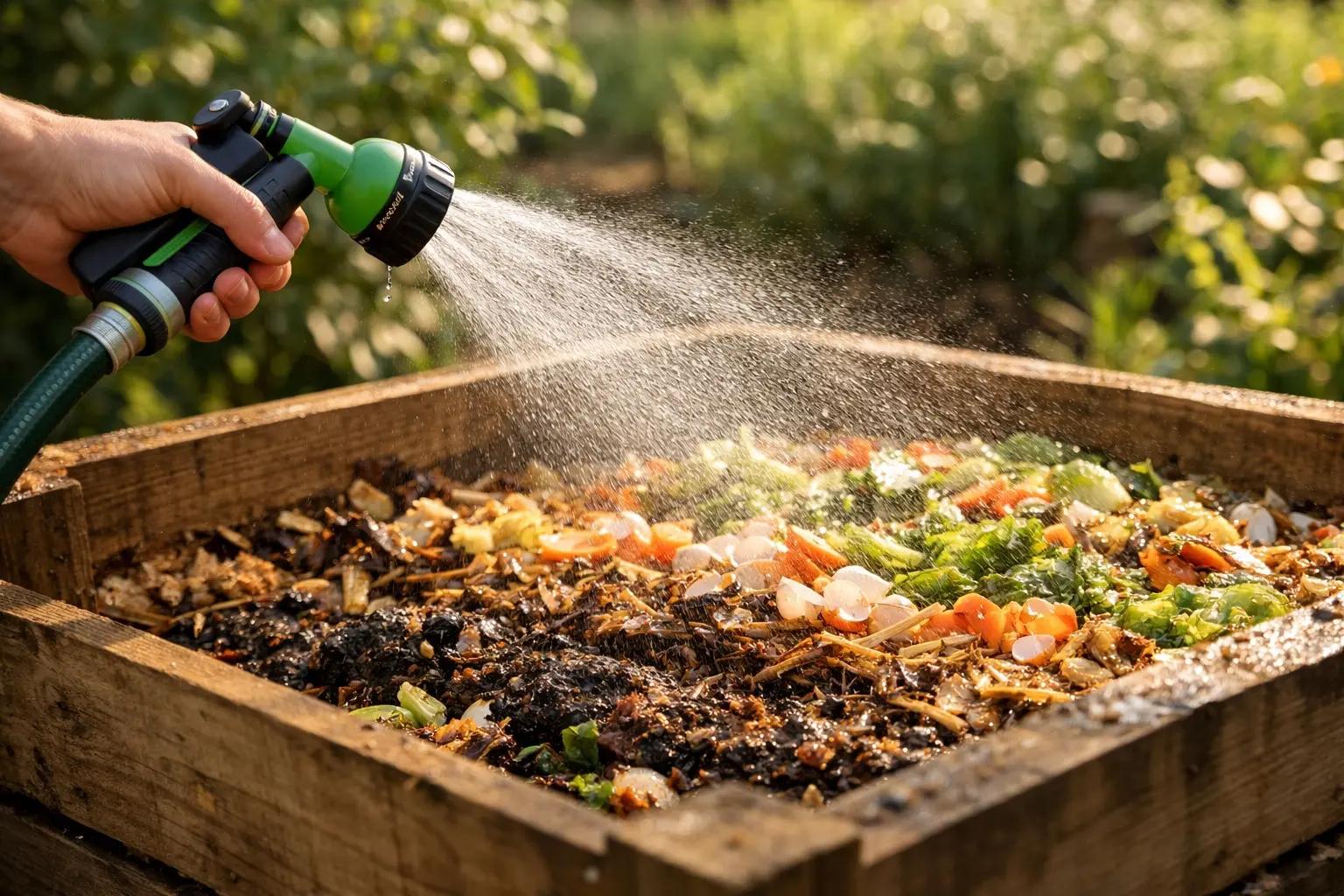
If the pile smells bad (like ammonia), it has too many greens — add more browns. If it's not decomposing after a month, it's too dry or lacks nitrogen — water it and add more greens.
Continue Building in Layers
Always cover fresh kitchen scraps with a layer of brown material. This reduces fruit flies and odors dramatically. Continue alternating brown and green layers, moistening each, as you add materials over time.
Coffee grounds from local cafés are an excellent free nitrogen source. Many cafés will happily give away used grounds in sealed bags.
Turn Regularly
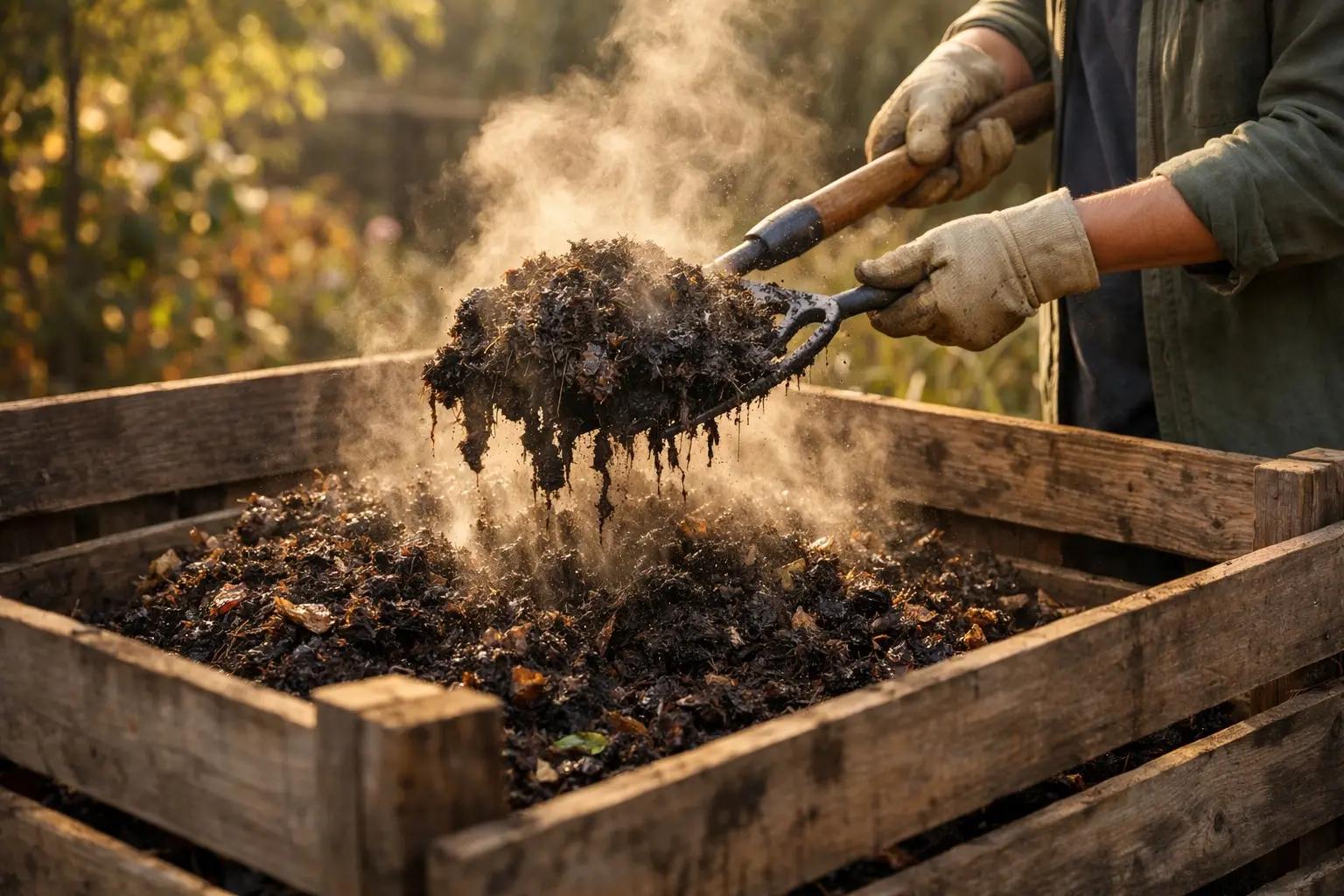
After 1-2 weeks, use a garden fork to turn the pile, moving outside material to the center and inside material to the edges. Turning introduces oxygen, which is essential for aerobic decomposition. An active, hot pile (130-160°F internally) needs turning every 1-2 weeks. Cold composting works too — just add material and turn monthly.
Harvest Finished Compost
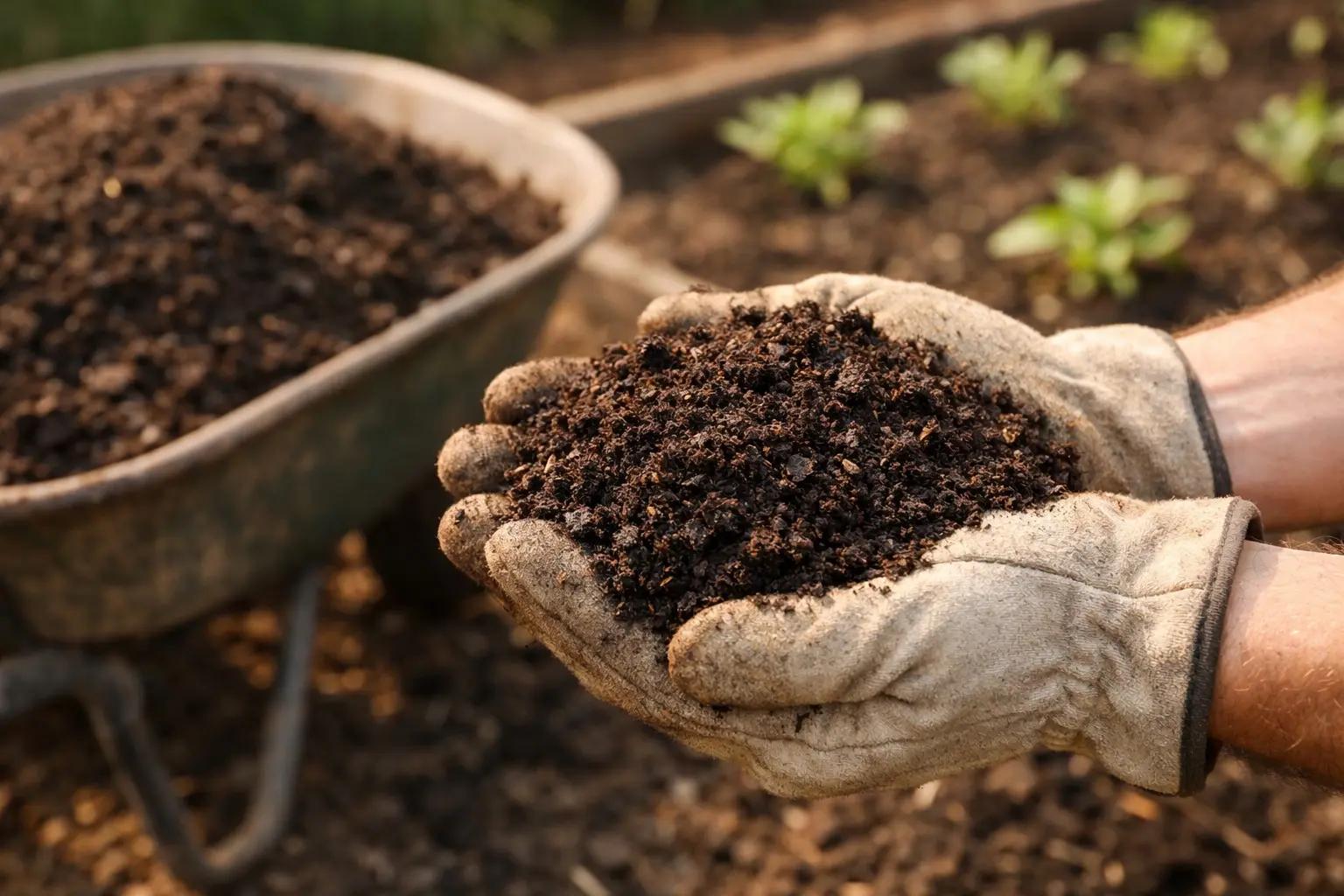
Finished compost is dark brown to black, crumbly, earthy-smelling (like forest floor), and the original materials are unrecognizable. This takes 2-6 months depending on activity. Dig finished compost from the bottom of the pile and sift if needed. Apply 2-3 inches to garden beds — finished compost is the ideal soil amendment for a new raised garden bed or a young privacy hedge — or work it into the top 6 inches of soil before planting.
Frequently Asked Questions
How long does it take to start a compost bin?
+
This project typically takes about 1 hr. The guide includes 8 steps with detailed instructions for each.
What tools do I need?
+
You will need: Shovel or garden fork, Drill with 1/2" bit (for DIY bin), Wire cutters (optional). Materials include: Compost bin (purchased plastic bin or 4 wooden pallets wired together), Brown materials: dry leaves, shredded cardboard, wood chips, or straw, Green materials: vegetable scraps, fresh grass clippings, coffee grounds, Water.
Is this a good project for beginners?
+
Yes! This is rated as an easy project that most homeowners can complete with basic tools and no prior experience.
Sources & further reading
- Composting At Home — U.S. Environmental Protection Agency
- Reducing and Reusing Basics — U.S. Environmental Protection Agency
More Gardening Guides
View all → Medium2 hrs
How to Prune Fruit Trees
Regular pruning is the most important annual task for fruit tree health and productivity. Properly pruned trees produce larger, higher-quality fruit, resist disease better, and live significantly longer than unpruned trees.
 Easy3 hrs
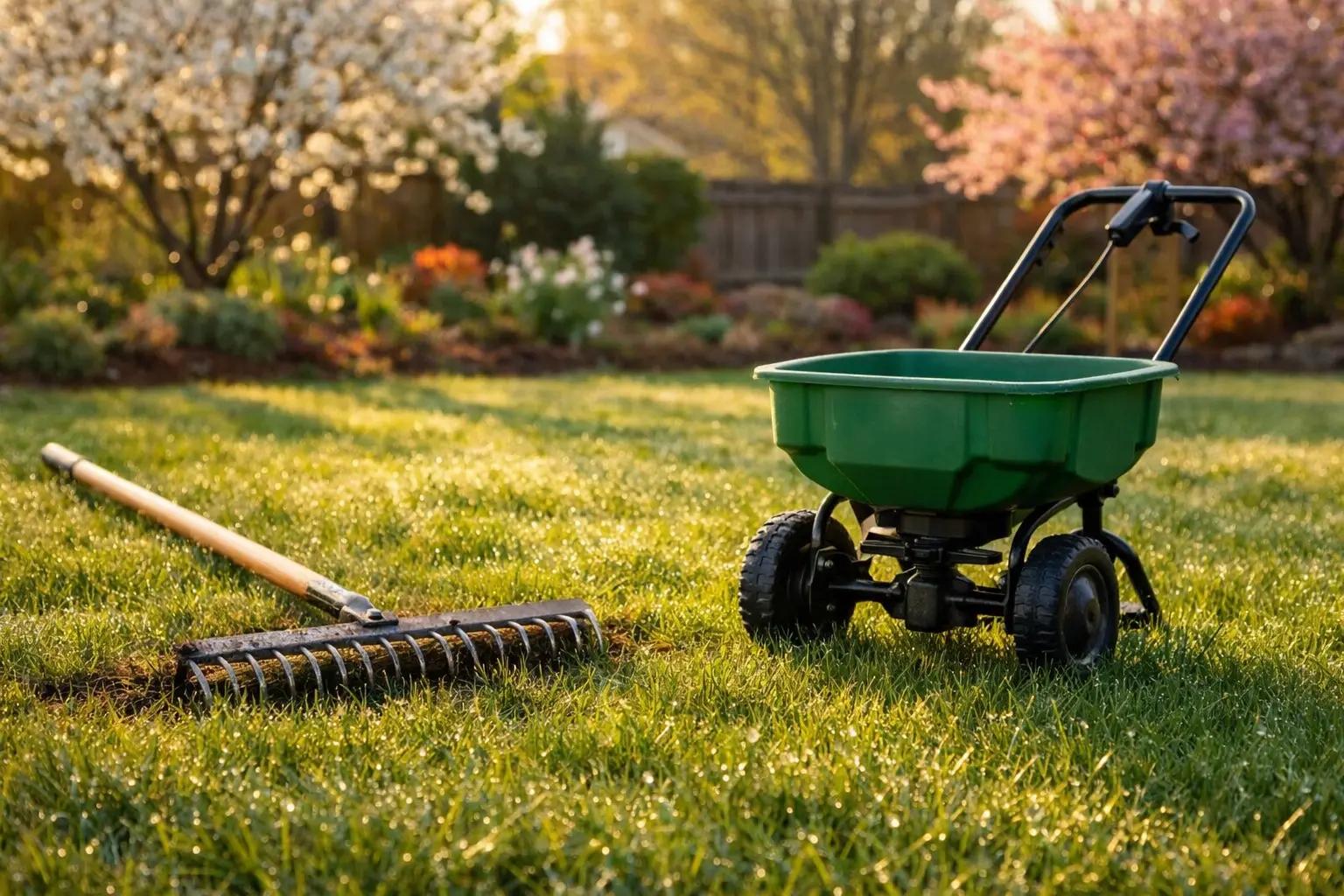
Spring Lawn Care Checklist
What you do to your lawn in the first six weeks of spring determines its health for the entire growing season. Follow this sequence to fix winter damage, encourage deep roots, and crowd out weeds before they establish.
 Medium2 hrs
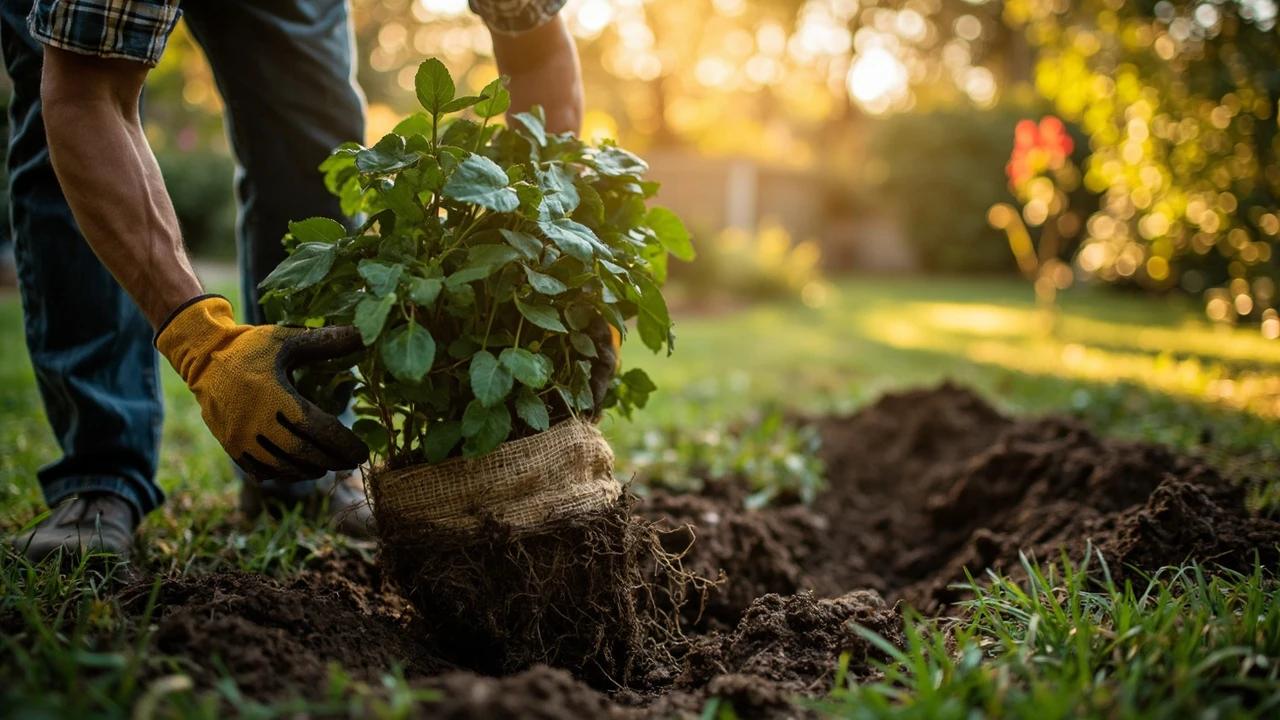
How to Transplant a Shrub Without Killing It
Moving an established shrub to a new spot saves you the $30-150 cost of buying a replacement — but only if the plant survives the move. The secret is timing (early spring or fall), keeping the root ball intact, and consistent watering for the first month. This guide covers the full process for shrubs up to 4 feet tall, from prep through aftercare.
You Might Also Like
 Hard8 hrs
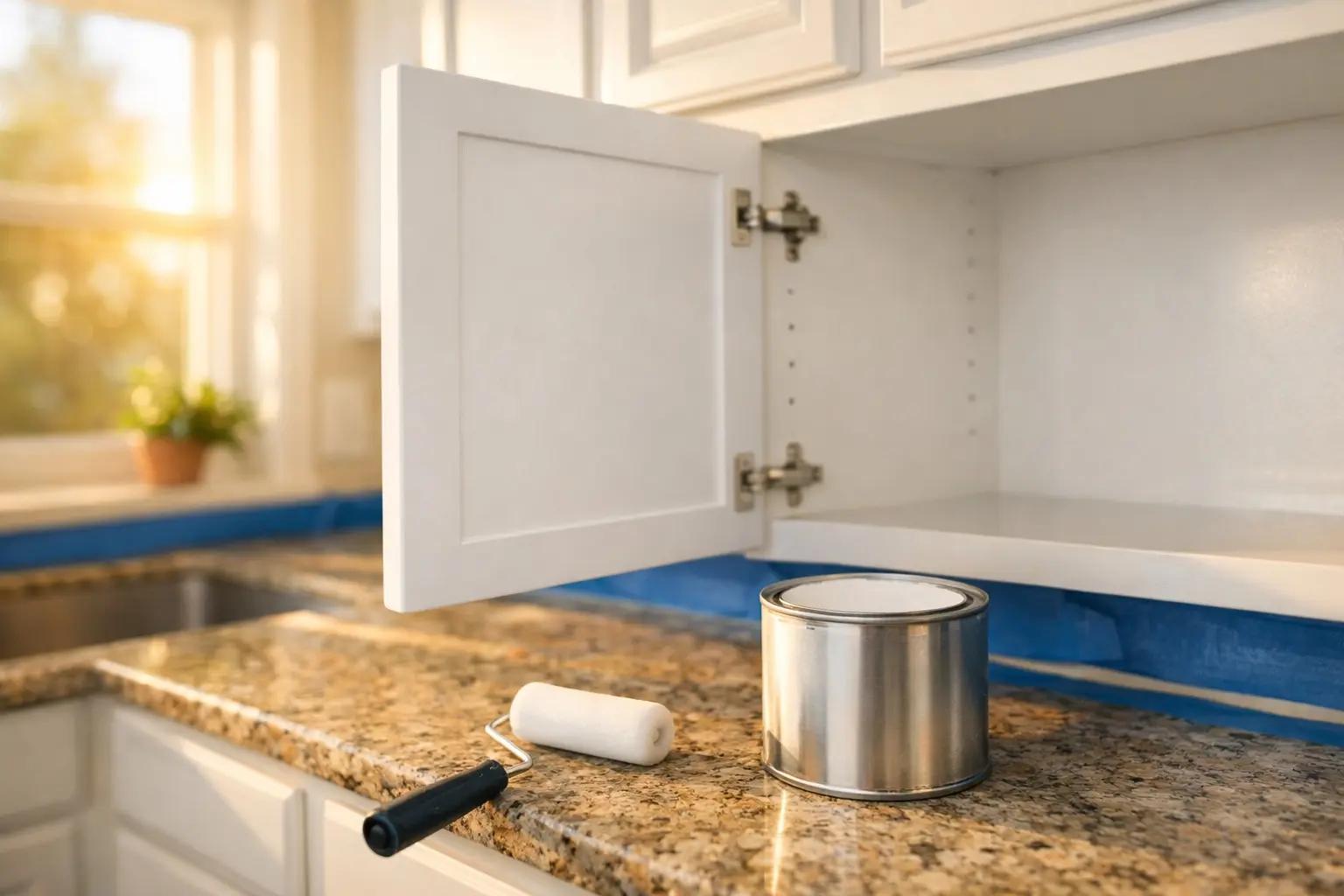
How to Paint Kitchen Cabinets
A professional cabinet refinish costs $3,000-8,000, but painting them yourself with the right prep and materials delivers the same transformation for under $200 in a long weekend. The secret is thorough degreasing, a bonding primer, and thin coats with proper dry time between each — skip any of those and the paint will chip within months. This guide walks through the full process from door removal and labeling to final reassembly, covering both brush and roller techniques for a smooth, factory-like finish.
 Medium6 hrs
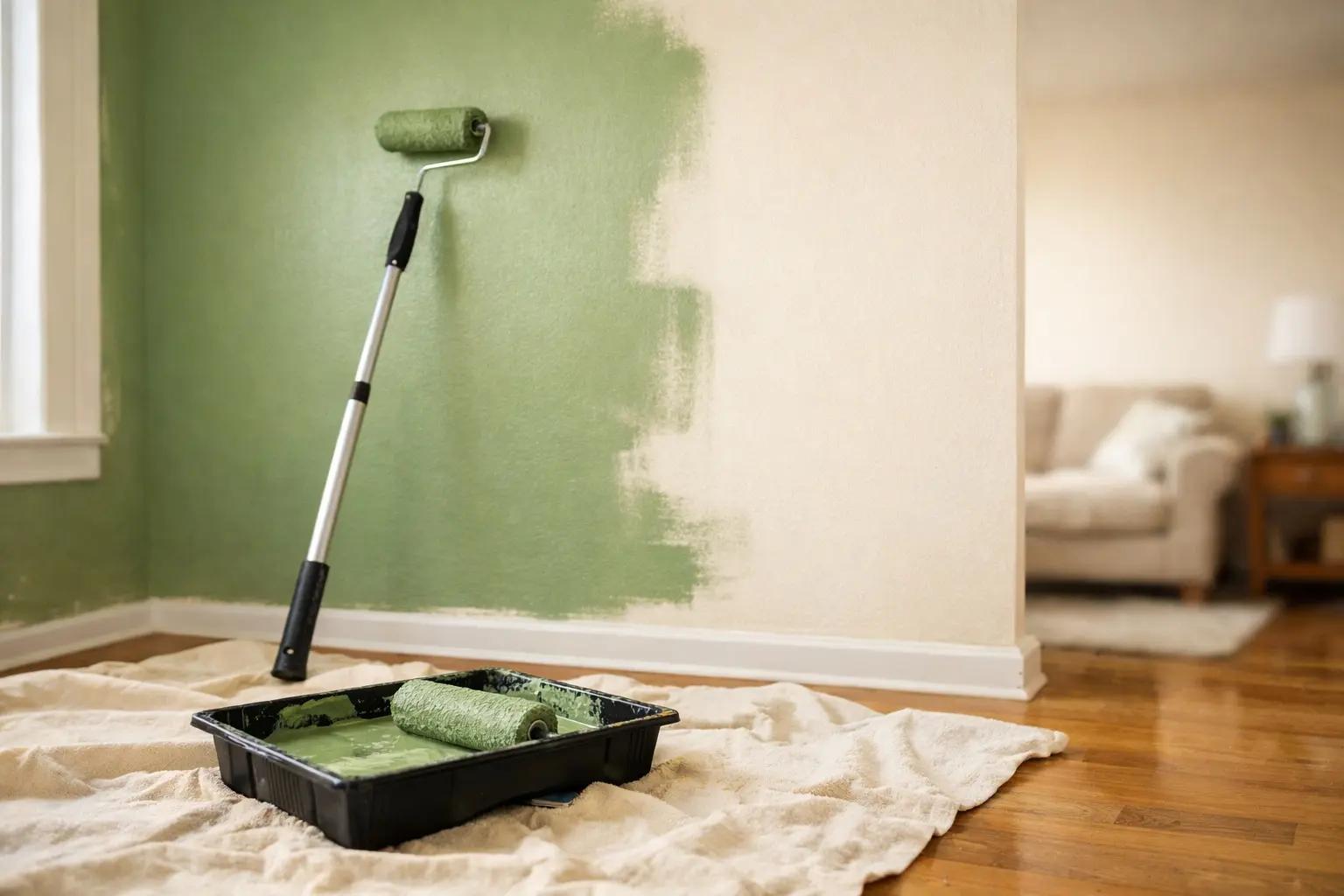
How to Paint a Room
A fresh coat of paint is the fastest, cheapest way to transform any room — and doing it yourself saves $400-800 in labor for an average 12x12-foot bedroom. The job takes a weekend from prep to final coat, and the difference between an amateur-looking result and a professional finish comes down to technique, not talent. This guide covers prep, cutting in, rolling, and cleanup so you get clean lines and even coverage the first time.
 Easy30 min
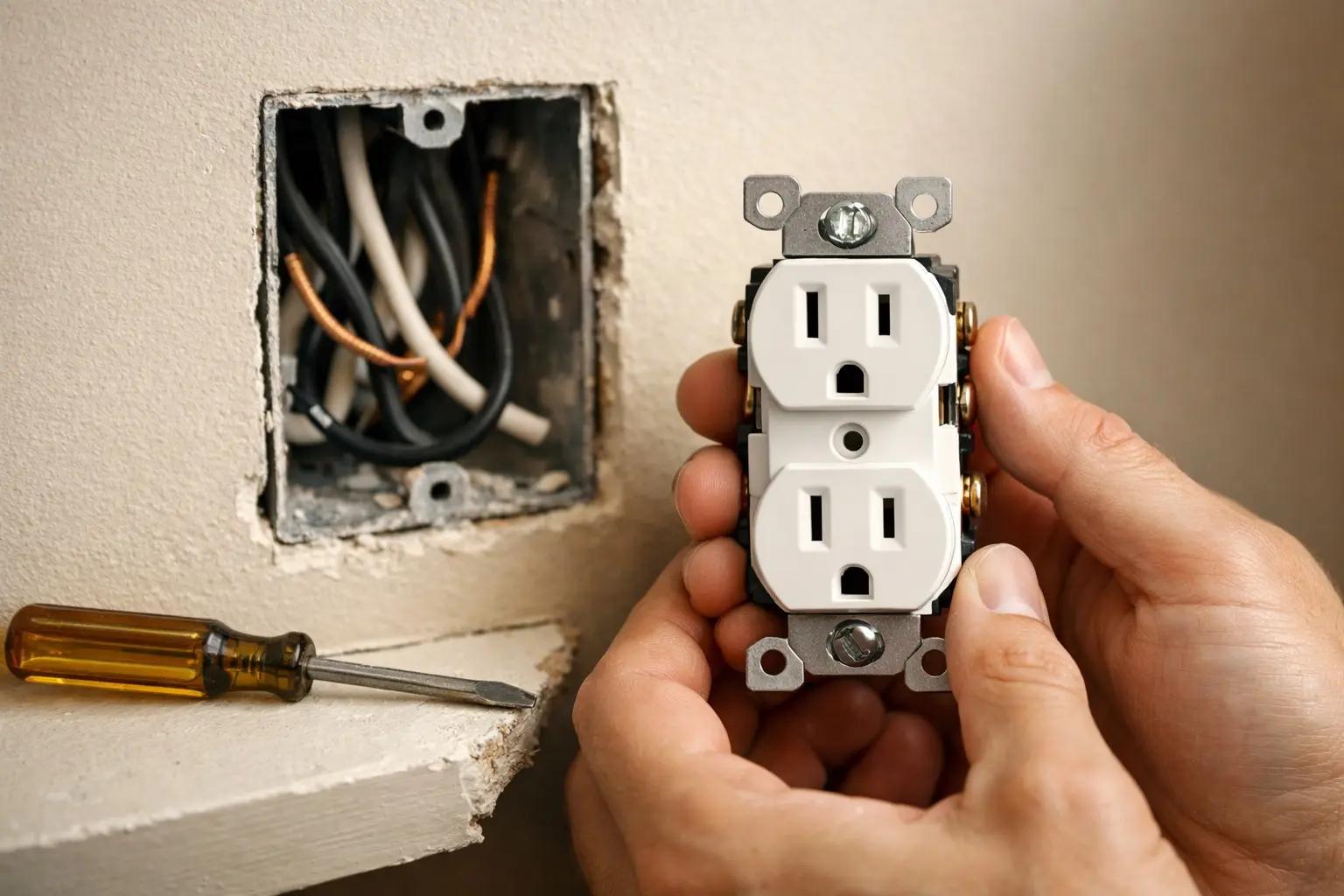
How to Replace an Electrical Outlet
A worn-out or discolored electrical outlet is one of the simplest electrical repairs you can tackle yourself — swapping one takes about 15-30 minutes and costs under $5 in parts versus $75-150 for an electrician visit. This guide walks you through safely replacing a standard duplex receptacle, including how to handle the wiring correctly and avoid the most common DIY mistakes.