How to Build a Drip Irrigation System
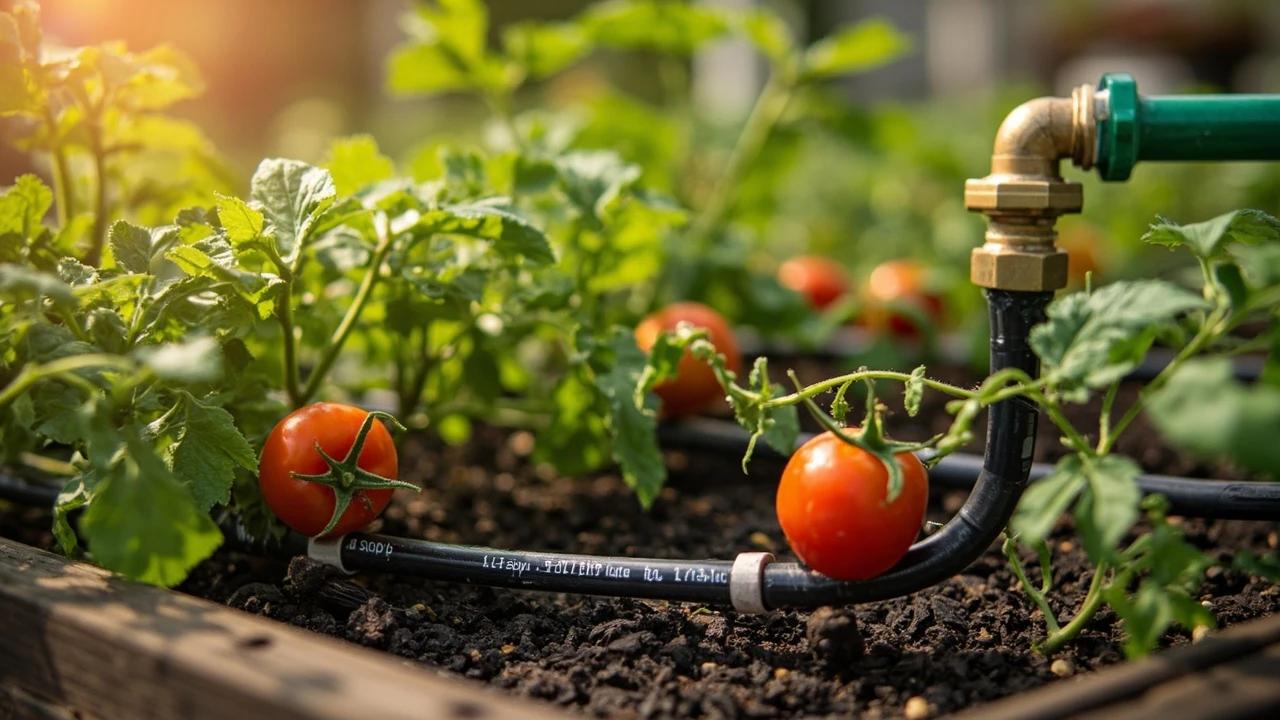

A drip irrigation system delivers water directly to the root zone of each plant, cutting water use by up to 50% compared to overhead sprinklers while eliminating the evaporation, runoff, and fungal leaf problems that come with them. A basic system for a 200-400 sq ft garden costs $40-80 in parts, installs in an afternoon with no special tools, and runs entirely off an outdoor spigot — no plumbing or electrical work required.
What You'll Need
🛠 Tools
📦 Materials
Safety First
- •A backflow preventer is required by most municipal water codes to prevent irrigation water — which can carry bacteria, fertilizer residue, and pet waste — from siphoning back into your household drinking water supply. Never connect a drip system to a spigot without one.
Step-by-Step Instructions
Sketch Your Garden and Plan the Layout
Before buying any parts, take 10 minutes to sketch your garden on graph paper. Mark each plant, raised bed, container, and row — then trace the path the mainline tubing will take from the spigot to the furthest plant. Note distances between plants so you know how much tubing and how many emitters you need. Group plants with similar water needs on the same line — thirsty vegetables should not share a line with drought-tolerant herbs, since they need different run times. A good rule of thumb is 1 emitter per small plant, 2 per medium shrub, and 3-4 per large shrub or tree.
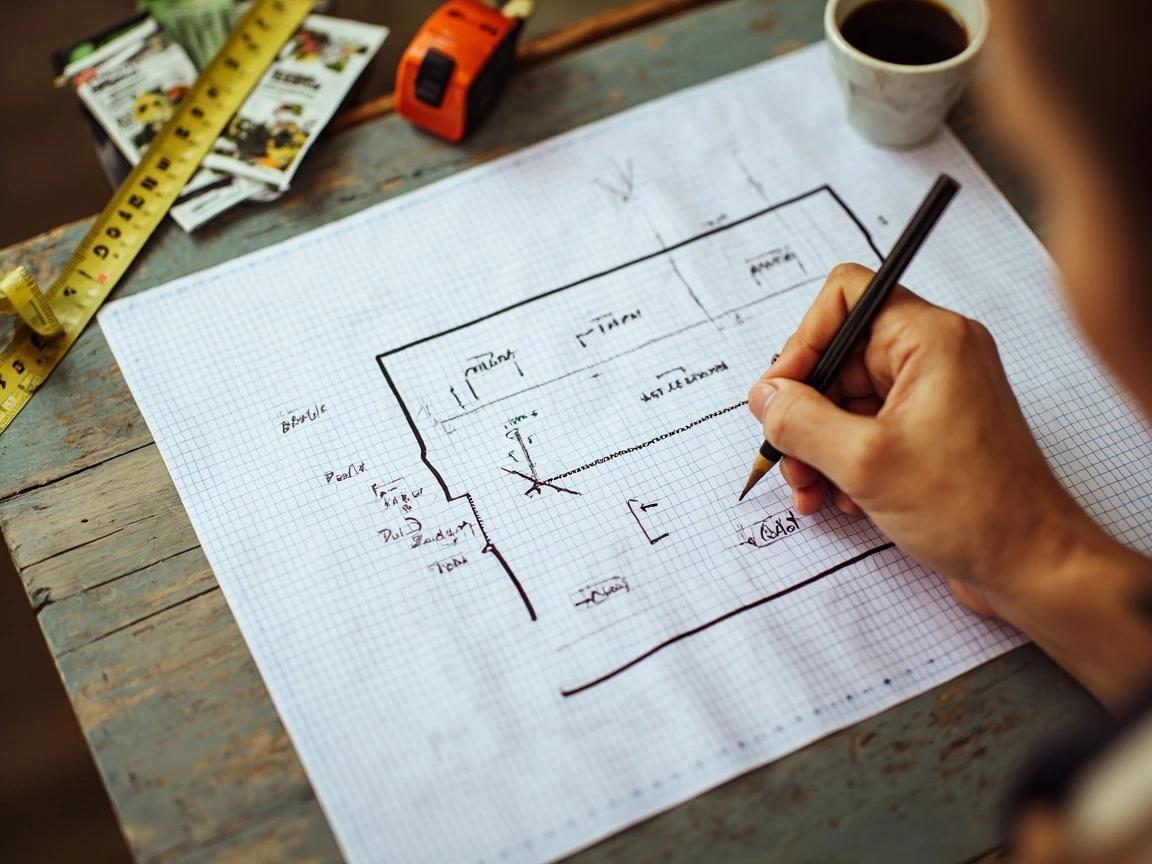
Measure the distance from your spigot to the farthest corner of your garden and add 10-15% for curves, offsets, and cutting mistakes. It is far better to have extra tubing than to run short halfway through the install and make a trip to the hardware store.
Check Your Water Pressure
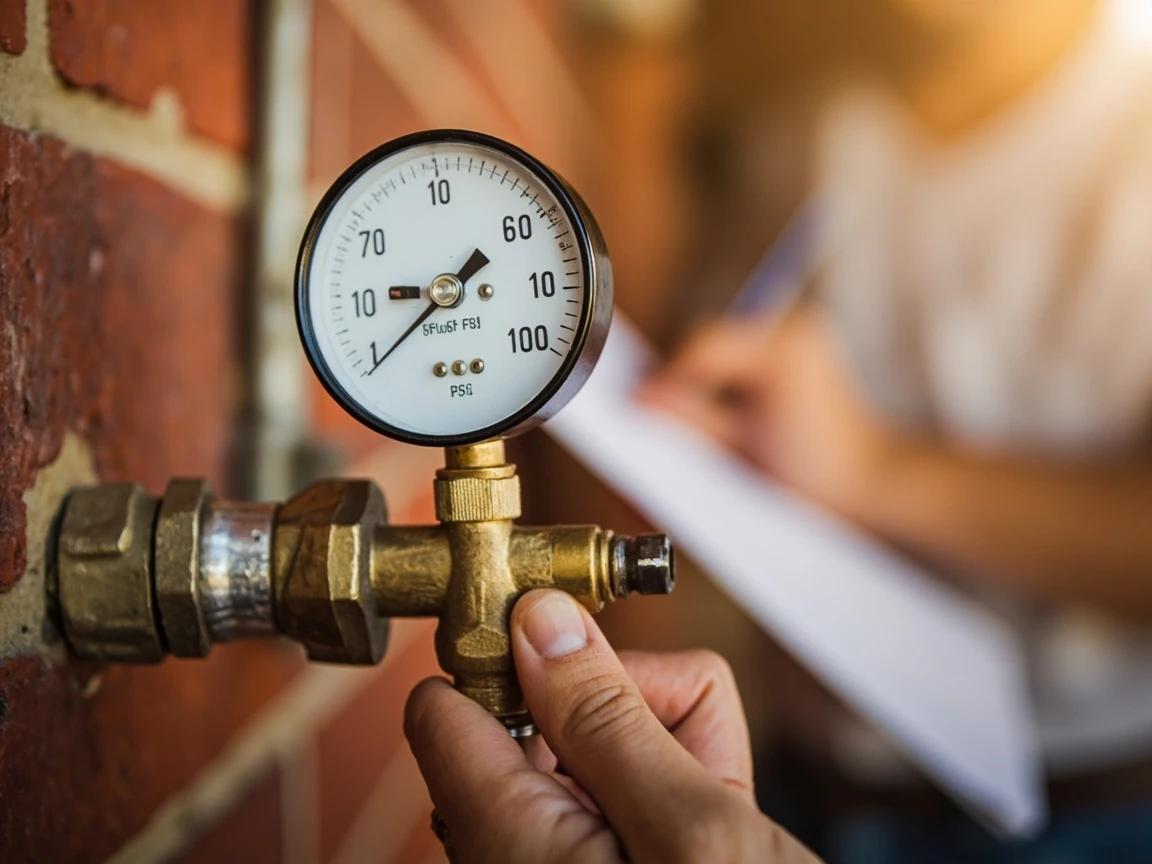
Drip systems are designed to run at 20-30 PSI. Most residential water supplies deliver 40-80 PSI, which is far too high — it will blow emitters off the tubing, burst fittings, and turn drips into jets. Screw a pressure gauge onto your outdoor spigot, open the valve fully, and read the gauge. If your pressure is above 30 PSI (it almost always is), you must install a pressure regulator in the head assembly. If you do not own a pressure gauge, skip this step and just install the regulator — it is cheap insurance at around $8-12, and every drip system needs one regardless.
Assemble the Head Assembly at the Spigot
The head assembly is the stack of components between your spigot and the mainline tubing — it controls, filters, and regulates the water. Assemble it in this exact order from spigot outward: spigot → optional hose timer → backflow preventer → Y-filter → 25 PSI pressure regulator → hose-thread to 1/2-inch tubing adapter. Hand-tighten each connection — do not use a wrench, which will crack the plastic threads. Make sure any arrows on the components (indicating flow direction) point away from the spigot toward the garden.
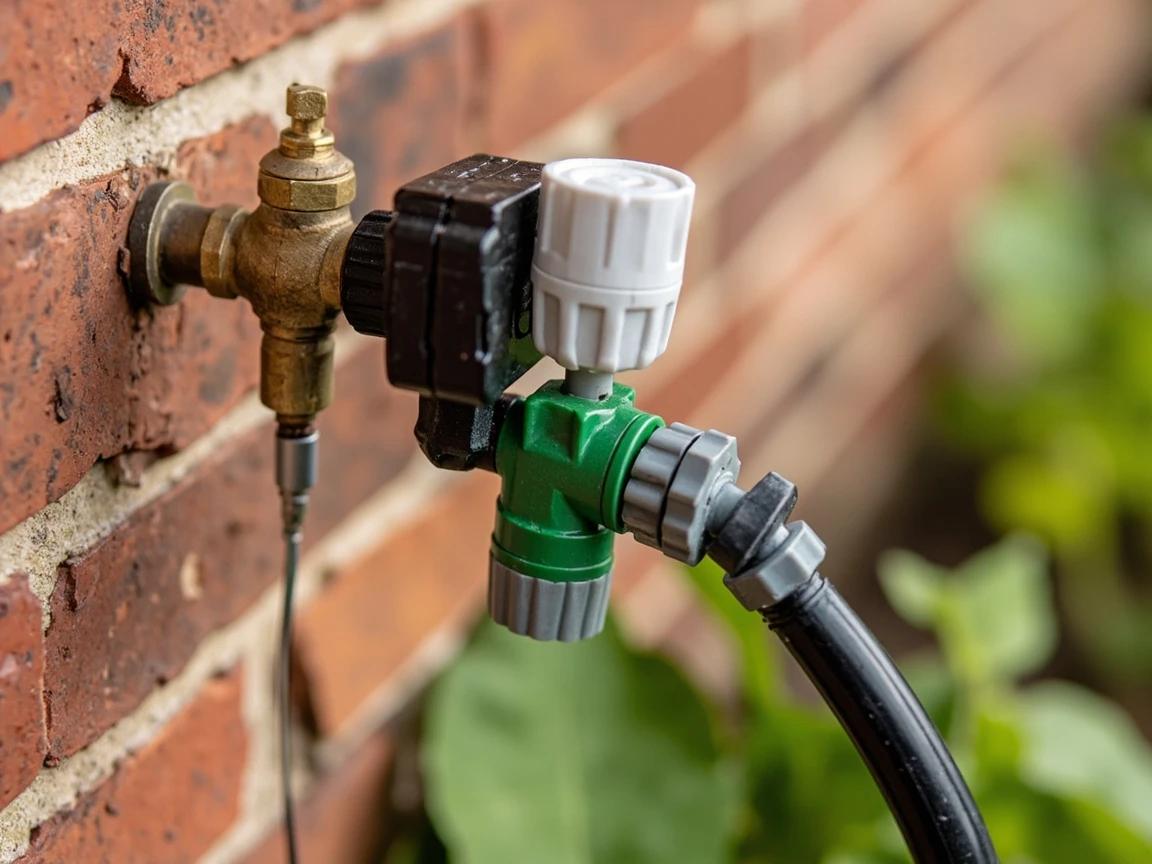
Never use pipe wrenches or channel-lock pliers to tighten plastic drip irrigation components. The plastic threads crack easily under metal-tool leverage, causing leaks that will not show up until you pressurize the system. Hand-tight is tight enough — the rubber washers inside each fitting do the sealing.
Lay Out the Mainline Tubing
Unroll your 1/2-inch poly mainline tubing along the planned route, starting at the head assembly and working toward the far end of the garden. Let the tubing sit in the sun for 10-15 minutes before installing — warm tubing is much more flexible and easier to work with than cold tubing straight off the roll. Route the tubing around beds, between rows, or along the edges of pathways. Avoid sharp 90-degree bends that can kink and restrict flow — use elbow fittings at corners instead. Cut the tubing to length at each fitting or end point using sharp scissors or a tubing cutter for a clean, square cut.
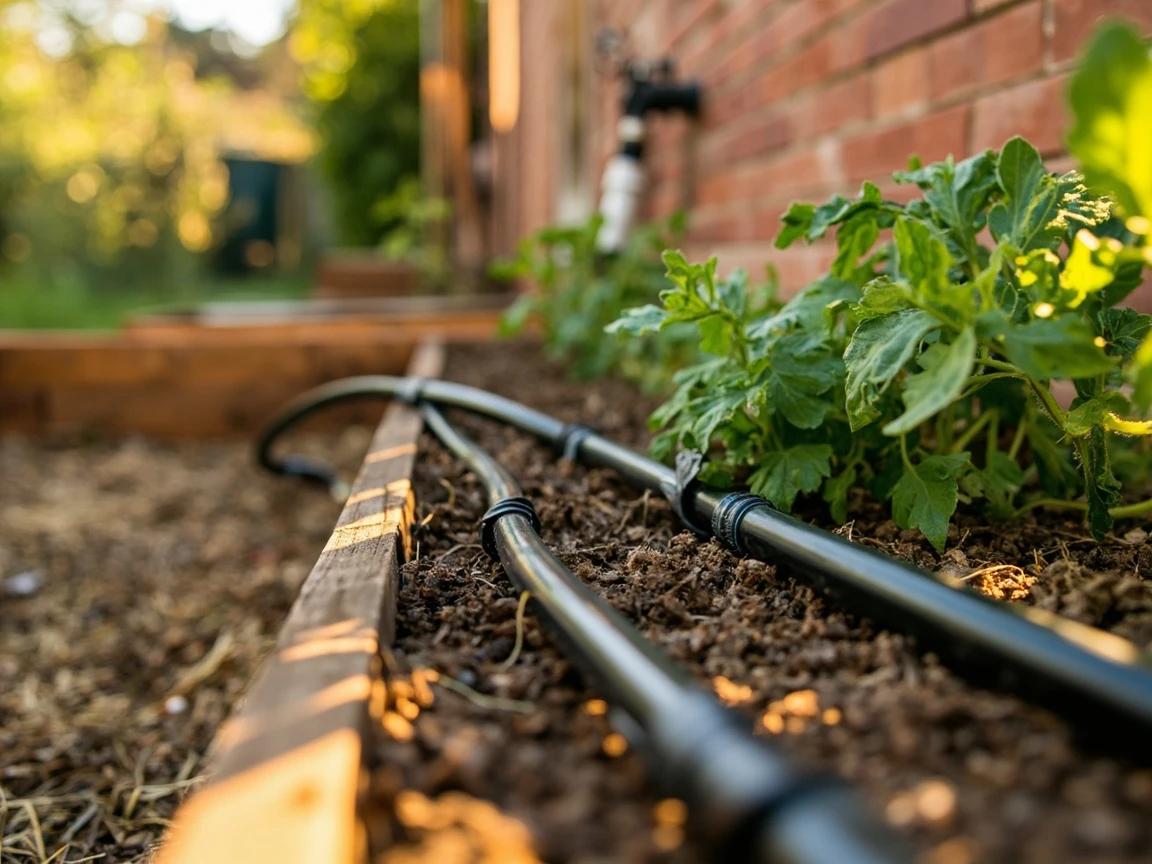
If the tubing is stiff and wants to coil back on itself, let it sit flat in direct sun for 15-20 minutes. Cold poly tubing is stubborn — warm poly tubing bends and lays exactly where you put it.
Secure the Tubing with Landscape Staples
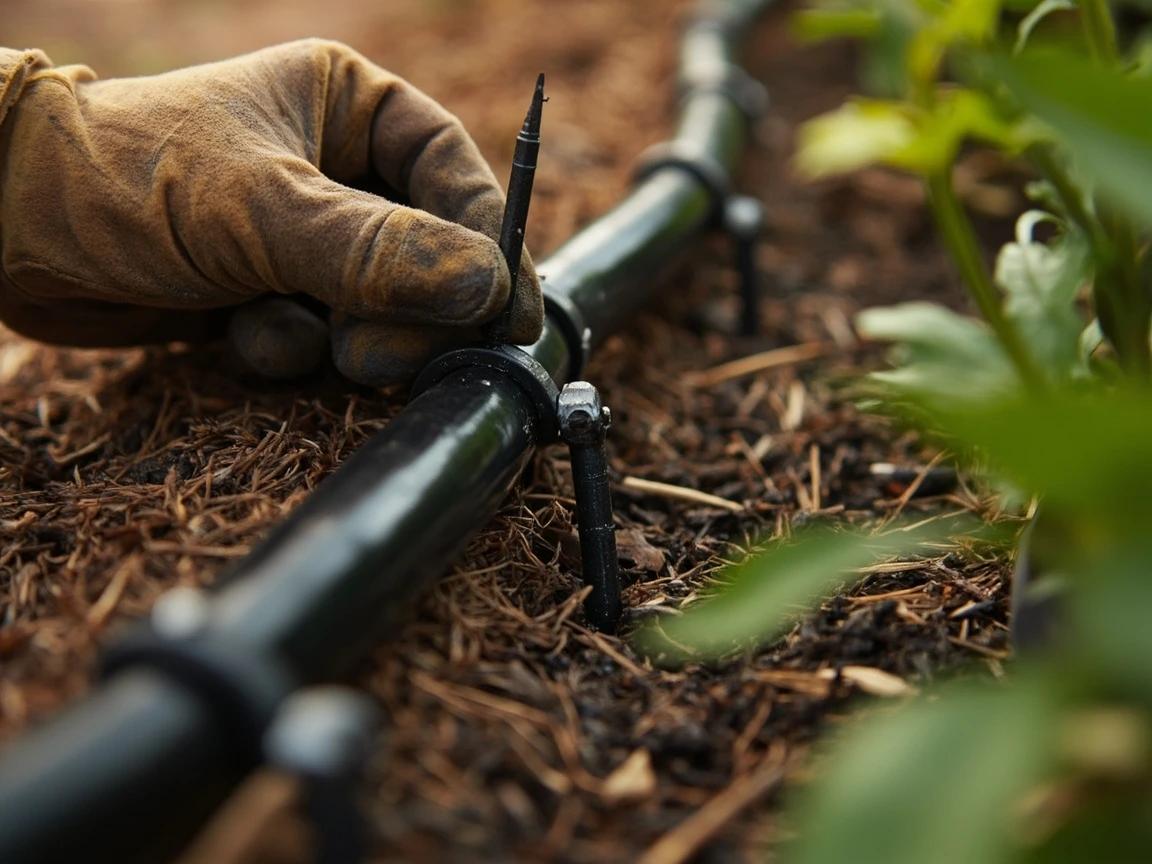
Once the mainline is routed correctly, pin it down every 3-4 feet using 6-inch landscape staples or U-shaped garden stakes. Push the staples over the tubing and into the soil firmly — they should sit flush with the ground and hold the tubing in contact with the soil surface. This prevents the tubing from coiling back up, walking out of position, or getting caught by a lawnmower or foot traffic. On straight runs you can space staples further apart, but double up at every curve and corner where the tubing wants to spring back.
Punch Holes and Install Emitters
At each plant location, use a drip irrigation hole punch tool to make a clean hole in the mainline tubing. The punch creates a perfectly sized hole that grips the emitter barb tightly and seals on its own. Push a pressure-compensating emitter firmly into each hole until it clicks into place — choose 0.5 GPH emitters for small herbs, 1 GPH for vegetables and flowers, and 2 GPH for shrubs. For plants that are not directly next to the mainline, use 1/4-inch feeder tubing: punch the mainline, insert a 1/4-inch barbed connector, run feeder tubing to the plant, and attach an emitter at the end. If you make a wrong hole, plug it with a goof plug — they are designed for exactly this mistake.
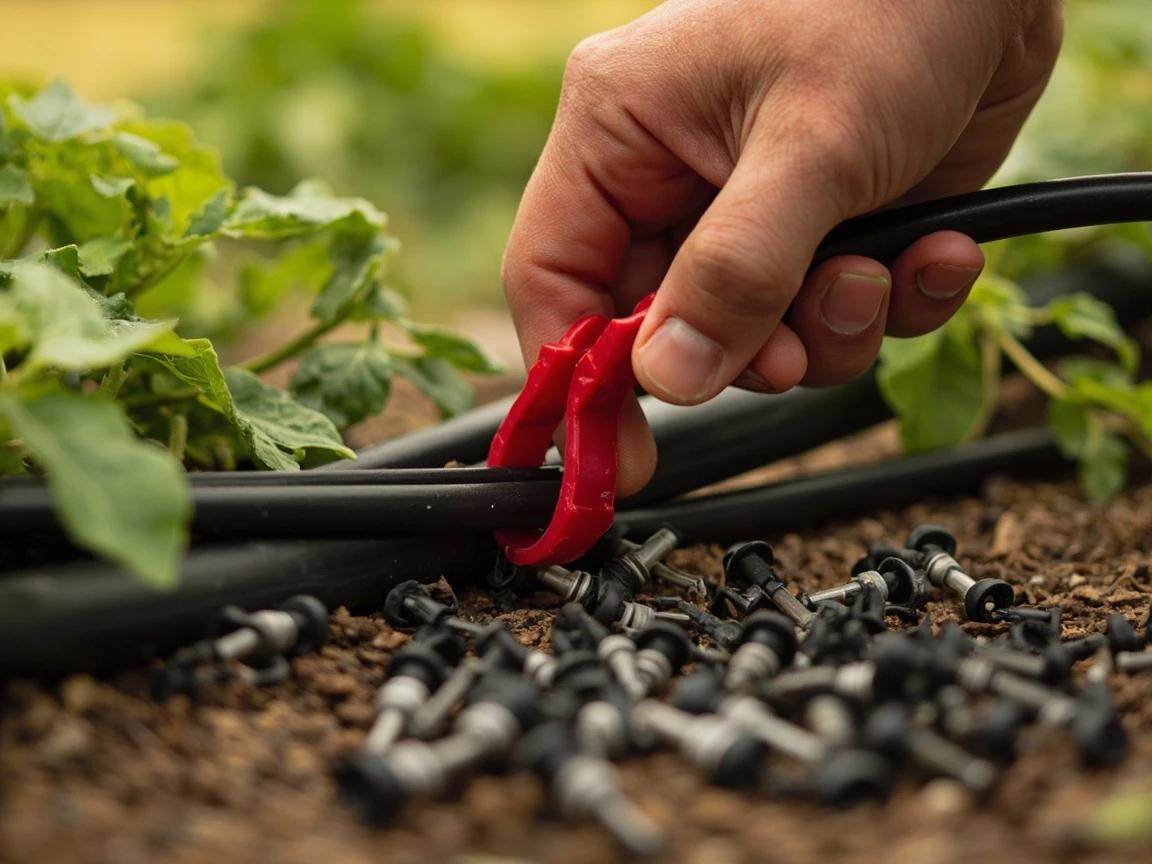
Do not use a nail, awl, or ice pick to punch holes in drip tubing. These tools tear the tubing rather than cutting a clean hole, creating a ragged edge that leaks around the emitter no matter how firmly you push it in. A proper drip punch tool costs under $10 and is the single most important tool in the kit.
Cap the Ends and Flush the System
Before installing end caps, open the spigot and let water run through the entire system for 1-2 minutes with the tubing ends open. This flushes out any dirt, shavings, or debris that entered the tubing during installation — even tiny particles can clog emitters permanently. After flushing, install an end cap or figure-8 closure on each open end of mainline and feeder tubing. Figure-8 closures are the easiest: fold the tubing end over, slide the figure-8 ring over both layers, and the kink seals the line. For permanent installs, use threaded end caps instead.
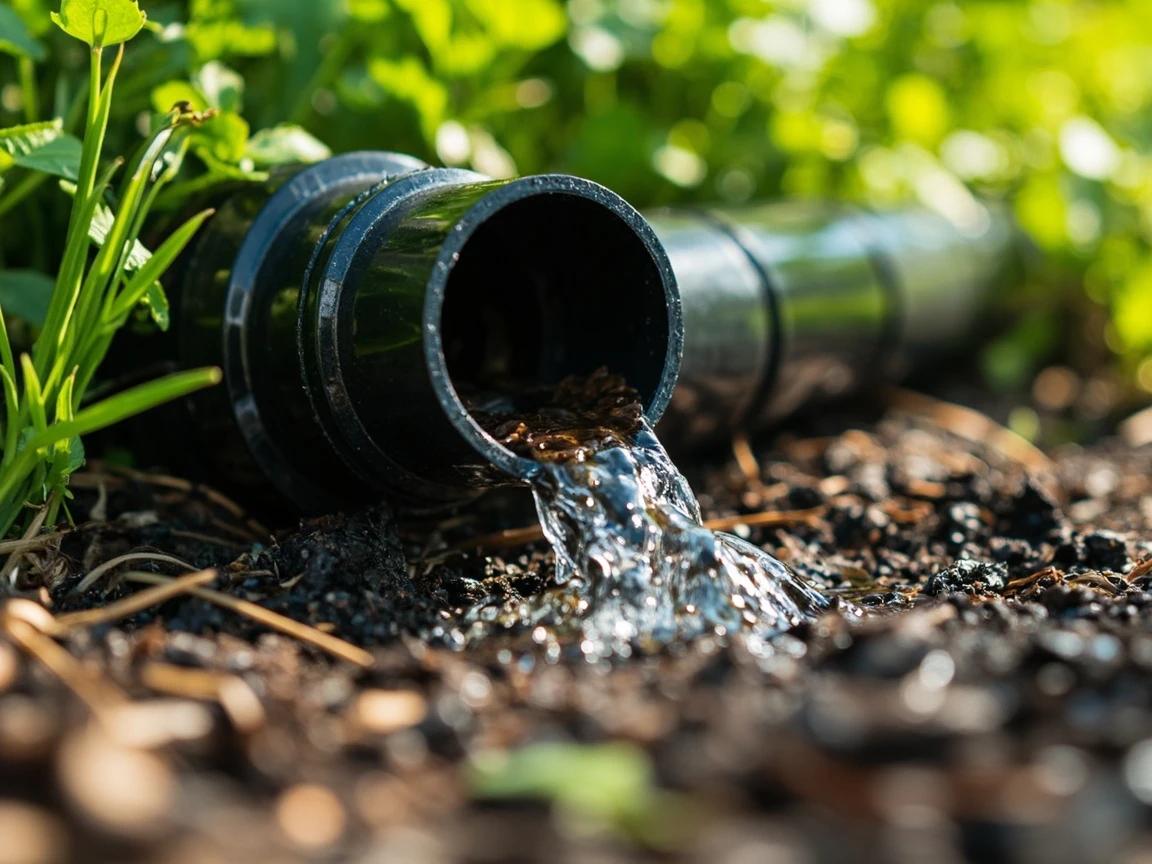
Never skip the flush step. Manufacturing shavings, dirt from the ground during install, and even tiny insects commonly get inside tubing during assembly. A 2-minute flush now prevents hours of troubleshooting clogged emitters later.
Pressurize and Inspect Every Emitter
Close the spigot briefly, cap all open ends, then turn the spigot back on to full flow. Walk the entire system slowly and check every single emitter — each one should be producing a steady drip or a tiny gentle spray at the soil surface, not a forceful jet or a dead stop. If an emitter is not dripping, it may be clogged (remove and rinse it) or the hole may be oversized (plug with a goof plug and punch a new hole nearby). Check every fitting and connection for leaks. Run the system for 15-20 minutes on its first cycle and observe how wet the soil gets around each plant — adjust run times from there based on plant needs and weather.
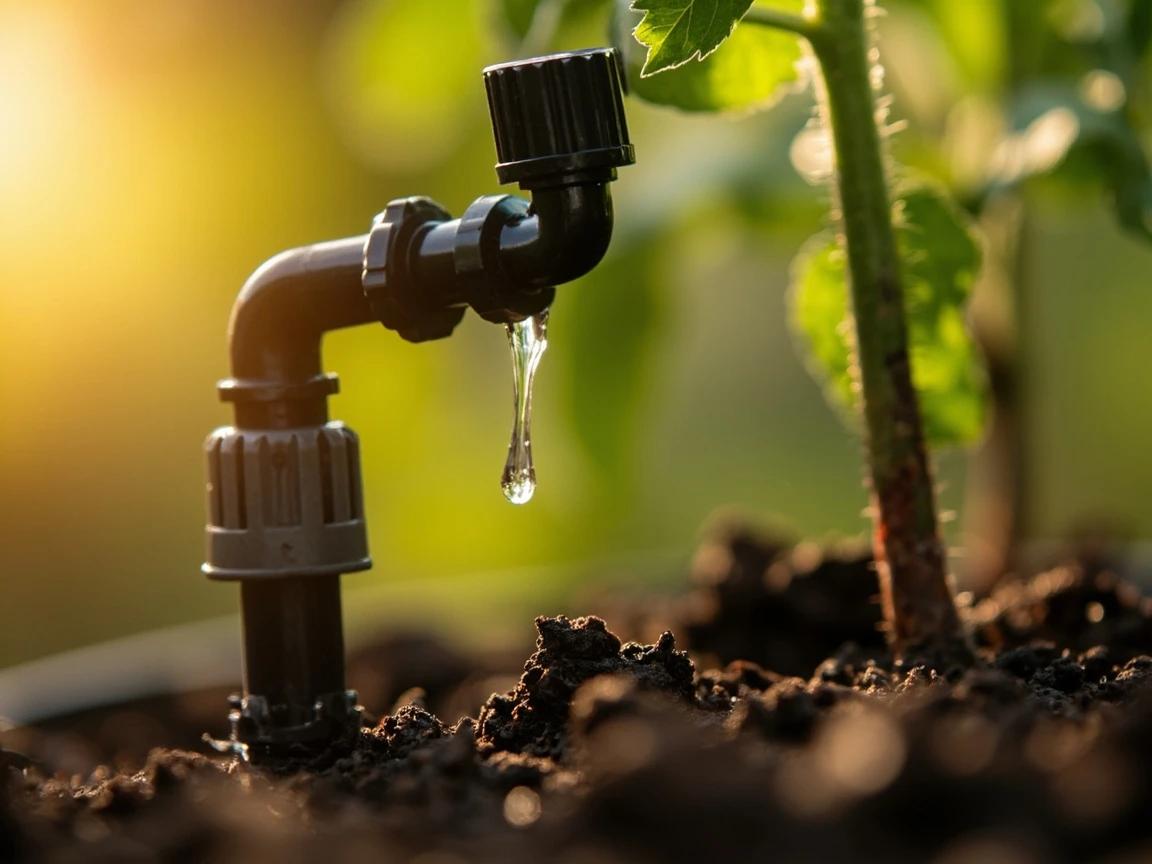
For most vegetable gardens, start with 30-45 minutes of run time every other day in mild weather and 45-60 minutes daily during hot summer stretches. Push a finger 2-3 inches into the soil near a plant after watering — if it feels dry, water longer; if it feels soggy, water less. Adjust from there rather than guessing.
Frequently Asked Questions
How long does it take to build a drip irrigation system?
+
This project typically takes about 2 hrs. The guide includes 8 steps with detailed instructions for each.
What tools do I need?
+
You will need: Sharp scissors or tubing cutter (for cutting poly tubing cleanly), Hole punch tool designed for drip tubing (do not use a nail or awl — it damages the tubing), Tape measure, Graph paper and pencil (for sketching your garden layout), Pressure gauge (optional but recommended for checking spigot pressure), Garden stakes or landscape fabric staples (for pinning tubing to the ground). Materials include: 1/2-inch (0.700 OD) poly mainline tubing — 100 ft roll covers most garden beds (buy extra for long runs), 1/4-inch feeder/distribution tubing — for branching off to individual plants, Backflow preventer (prevents irrigation water from siphoning back into drinking water — required by most municipal codes), 25 PSI pressure regulator (drip systems need 20-30 PSI — full household pressure will burst the tubing), Y-filter with 150-200 mesh screen (prevents clogging of emitters), Hose-thread to 1/2-inch tubing adapter (connects the head assembly to the poly mainline), Drip emitters (0.5, 1, or 2 gallon-per-hour pressure-compensating emitters — one per plant), Tee, elbow, and cross fittings (for branching the mainline around corners and intersections), End caps or figure-8 end closures (to cap the end of each tubing run), Goof plugs (for sealing accidental or unused punch holes), 6-inch landscape staples (to hold tubing in place), Battery-powered hose timer (optional — automates watering on a schedule).
Is this a good project for beginners?
+
Yes! This is rated as an easy project that most homeowners can complete with basic tools and no prior experience.
Sources & further reading
- Landscape Irrigation Equipment Part 5: Filters & Pressure Regulators — Clemson Cooperative Extension
- Drip Irrigation for Home Gardens — Colorado State University Extension
More Gardening Guides
View all →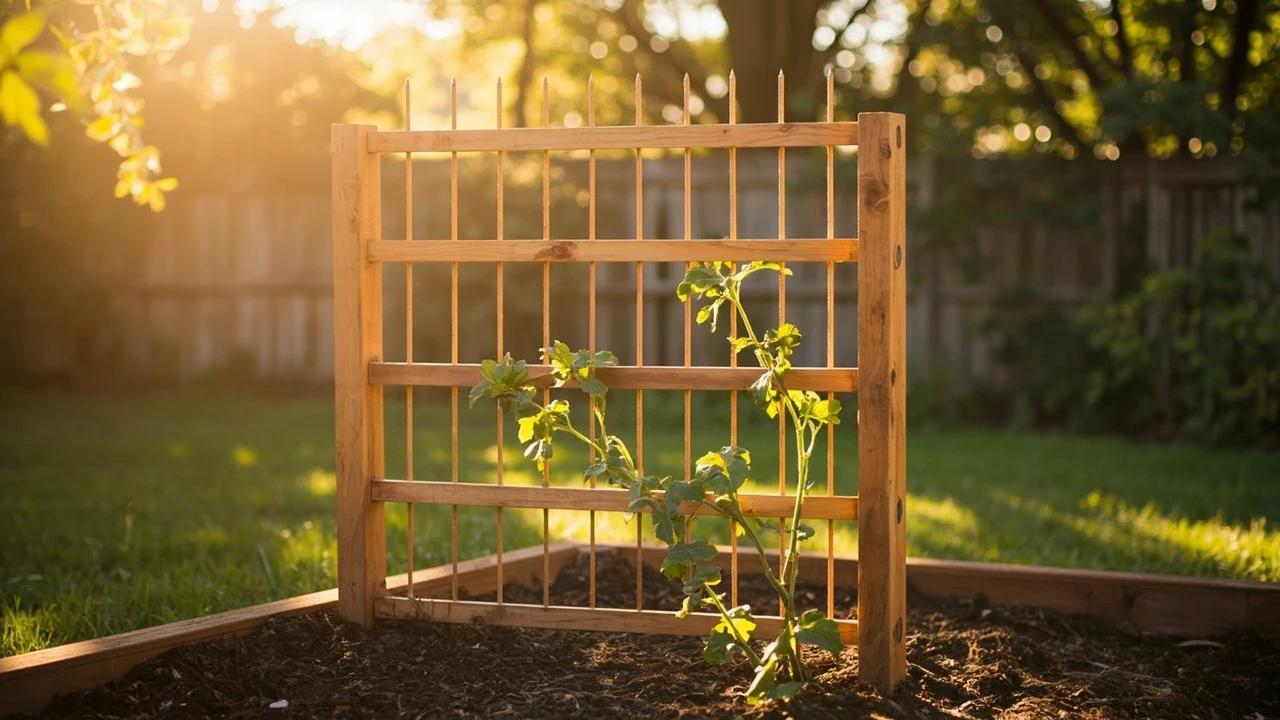 Medium3 hrs
How to Build a Simple Garden Trellis
A sturdy 6-foot cedar trellis turns a flat patch of soil into a vertical garden — doubling your growing space, improving airflow around climbers like peas, beans, and cucumbers, and giving roses, clematis, and morning glories a structure that lasts 10+ years. This guide walks you through a freestanding 4-foot-wide grid trellis built with two 4x4 posts and a 1x2 lattice for $40-90 in materials and an afternoon of work, no advanced carpentry required.
 Medium3 hrs
How to Aerate and Overseed a Lawn
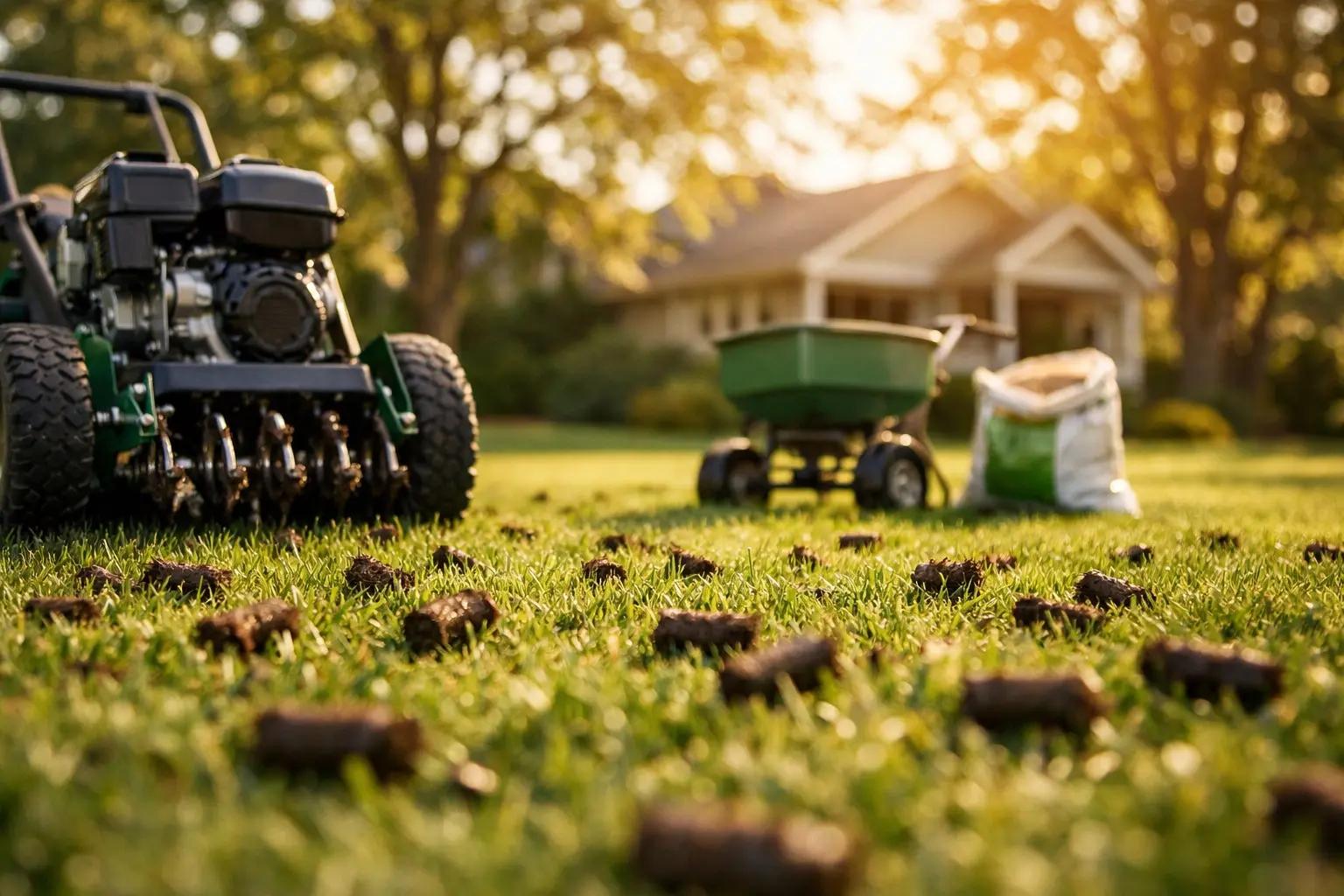
Compacted soil starves grass roots of air and water, turning a thick lawn thin and patchy over a single season — and professional aeration-plus-overseeding runs $200-400 for an average yard. Renting a core aerator for about $75 and doing it yourself takes a half-day of walking behind a machine, followed by spreading seed into the fresh holes where it gets perfect soil contact. This guide covers timing for cool- and warm-season grasses, proper aerator technique, seed selection, and the critical watering schedule that makes or breaks germination.
 Easy1h 15m
How to Edge Garden Beds Cleanly
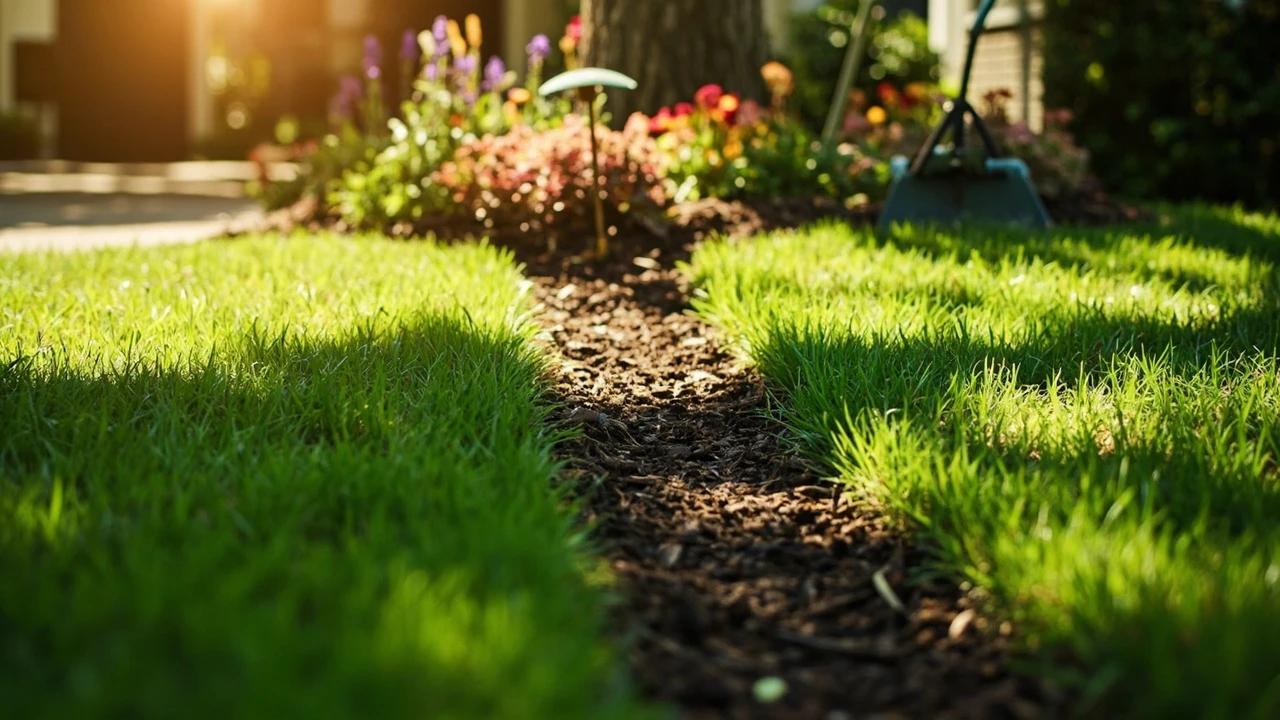
Crisp bed edges are the single fastest way to make a yard look professionally maintained — yet most homeowners never re-cut them after the original landscaping. A clean spade-cut trench takes about an hour per 50 linear feet, costs nothing beyond a sharp edger, and instantly separates turf from mulch so grass stops creeping into your plantings. This guide walks you through marking a smooth line, cutting a defined trench, removing sod, and maintaining the edge all season.
You Might Also Like
 Easy25 min
Best Deck Stain: Transparent vs Semi vs Solid
There is no "best" deck stain — there is the right stain for your sun exposure, wood condition, and how often you want to redo the job. Transparent stains last 1-2 years but let the natural grain show. Solid stains last 4-7 years but look like paint. This guide walks the four opacity levels and the oil-vs-water choice so you pick the one that matches your deck and your tolerance for re-staining.
 Easy45 min
How to Install a Smart Thermostat
A smart thermostat is one of the highest-ROI upgrades you can make to your home — it learns your schedule, adjusts automatically when you're away, and typically saves about 8% on heating and cooling bills — the figure ENERGY STAR verifies from real-home data, roughly $50 a year — so the $120-250 device usually pays for itself within a few years. If your old thermostat has labeled wires behind it, the swap takes about 30-45 minutes with nothing more than a screwdriver and your phone. This guide covers checking compatibility, labeling wires, mounting the new base, connecting everything, and walking through the app setup so your system is running smart the same day.
 Easy30 min
How to Fix a Dripping Faucet
A dripping faucet wastes more than 3,000 gallons of water per year and can add $20 or more to your monthly water bill. The fix is almost always a worn cartridge, washer, or O-ring — parts that cost under $10 and take 20-30 minutes to replace with basic tools.