How to Safely Remove a Wasp or Hornet Nest
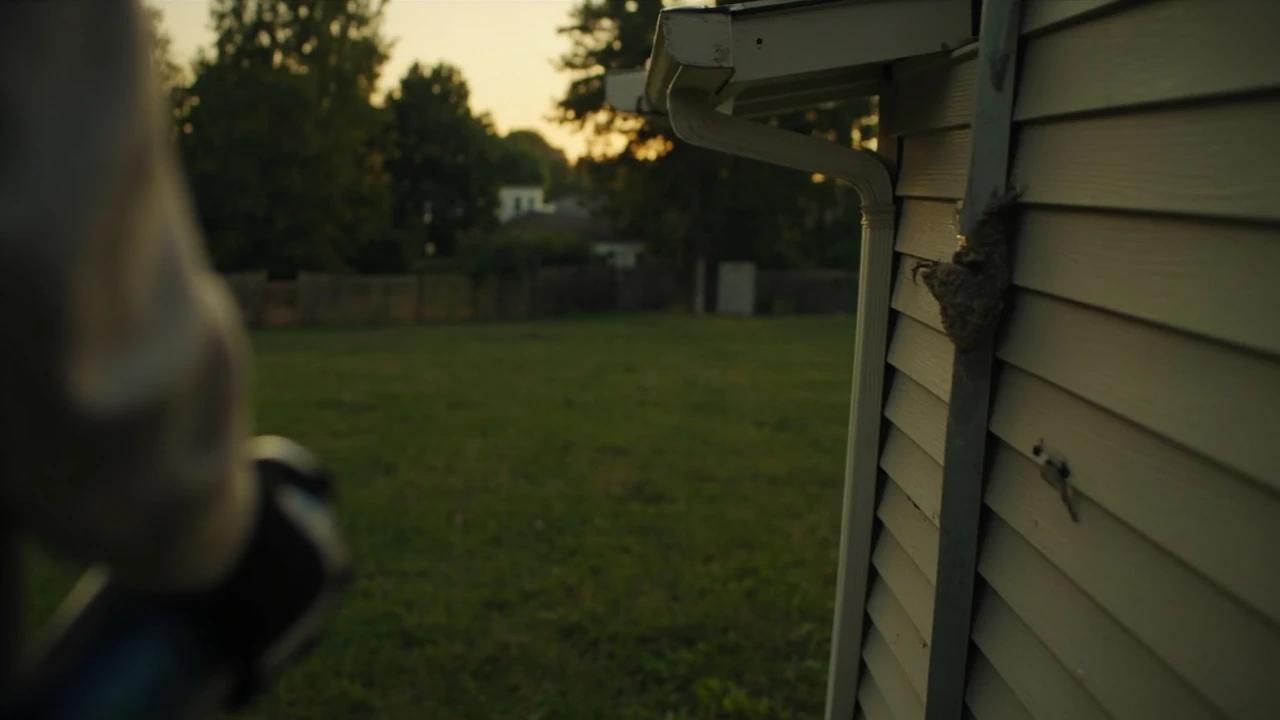

A small paper wasp nest under the eave is a legitimate $10 DIY job — if you identify the insect correctly, treat at dusk, and keep 20 feet between you and the nest. The same can of spray pointed at the wrong nest (yellowjackets in the ground, bald-faced hornets in a tree, anything inside a wall) earns you dozens of stings and a colony chewing into your living room. This guide teaches the identification that decides DIY versus pro, the dusk-treatment method that works, and the one mistake — sealing an active wall nest — that turns a $400 pro visit into drywall repair.
What You'll Need
🛠 Tools
📦 Materials
Safety First
- •Anyone with a known or suspected sting allergy must not do this job — period. Anaphylaxis from a wasp sting can begin within minutes: trouble breathing, throat or tongue swelling, dizziness, or hives away from the sting site mean call 911 immediately. Treat at least with a phone in your pocket and someone nearby who knows what you're doing.
- •Never treat a nest from a ladder. Stings cause falls, and falls hurt more people than stings do — any nest you can't reach with a 20-foot spray stream from solid ground is a professional's job.
- •Never spray aerosol into — or seal — a nest opening in a wall, soffit, or other cavity of the house. A trapped yellowjacket colony will chew through interior drywall to escape, putting hundreds of angry wasps inside your home. Wall and ground nests are pro territory.
- •Wasp spray is a pesticide: read the label, keep children and pets away from the treated area until it dries, and avoid spraying near vegetable gardens, ponds, or anything you'd rather not coat in insecticide.
Step-by-Step Instructions
Identify What You're Actually Dealing With
Everything depends on this step. An open umbrella-shaped comb with visible hexagonal cells, hanging under an eave or deck rail, is a paper wasp nest — the only kind this guide treats DIY. A gray, enclosed, football-shaped nest in a tree or on a building is bald-faced hornets: far more aggressive, pro territory. Wasps streaming in and out of a hole in the ground or a gap in siding are yellowjackets nesting in the soil or a wall void — also a pro job. And if the insects are fuzzy and golden rather than smooth and bright-striped, they're bees: call a beekeeper, not an exterminator, because honey bee swarms are usually relocated for free.
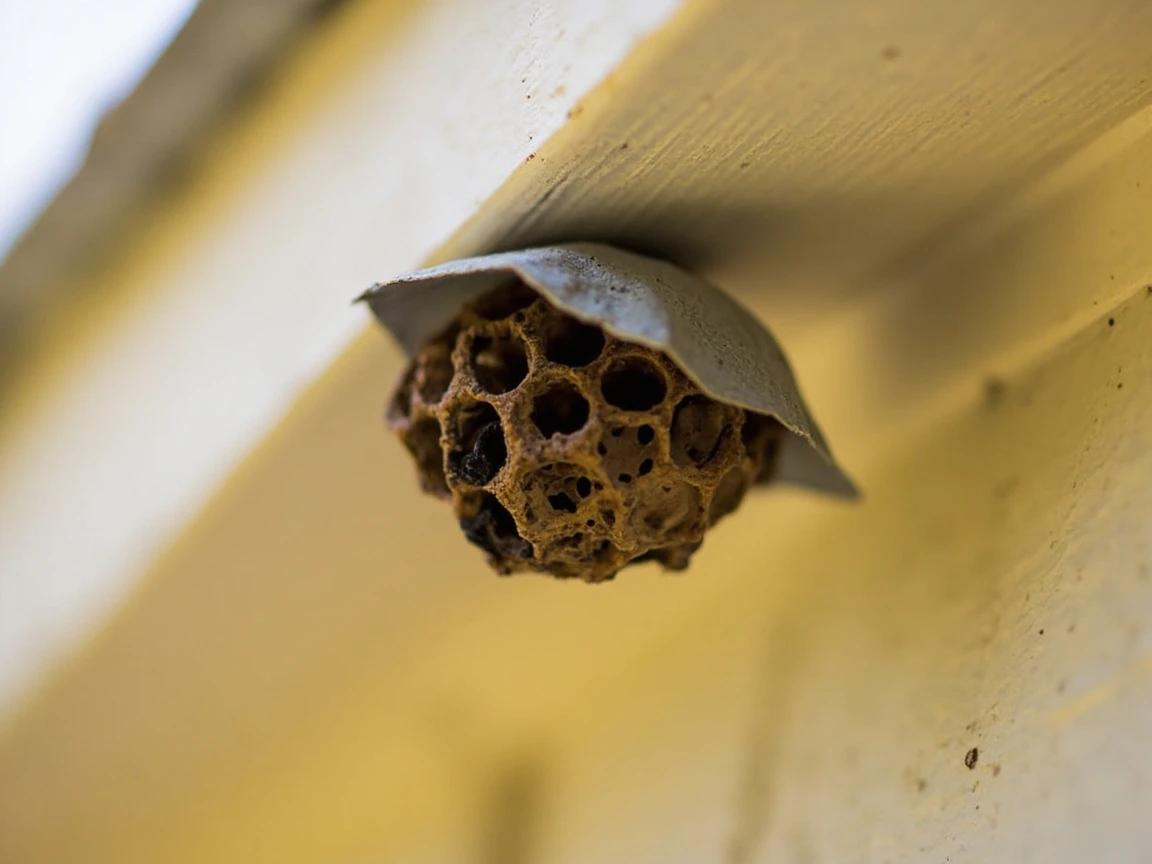
Zoom in with your phone camera instead of walking closer. Species, nest type, and entrance location are all identifiable from 20 feet away.
Decide Whether Removal Is Even Necessary
A nest 30 feet up a backyard tree or on a far fence line can simply be left alone: wasps are effective predators of caterpillars, flies, and aphids, the colony dies after the first hard frosts, and abandoned nests are never reused. Removal earns its risk when the nest sits within about 10-15 feet of doors, walkways, patios, play areas, or anywhere mowing and yard work will keep disturbing it. If it's remote, mark the spot, give it space for the season, and knock down the empty nest in late fall or winter for free.

Respect the Allergy Hard Stop
Before anything else: if you or anyone who'd be helping has ever had more than a normal local reaction to a sting — hives beyond the sting site, swelling of the face or throat, dizziness, trouble breathing — this is not your job at any price. Anaphylaxis can start within minutes and is fatal without treatment. Even non-allergic DIYers should treat with a charged phone in a pocket, tell someone in the house what they're doing, and know the 911 triggers: breathing changes, throat or tongue swelling, widespread hives, or feeling faint after a sting.
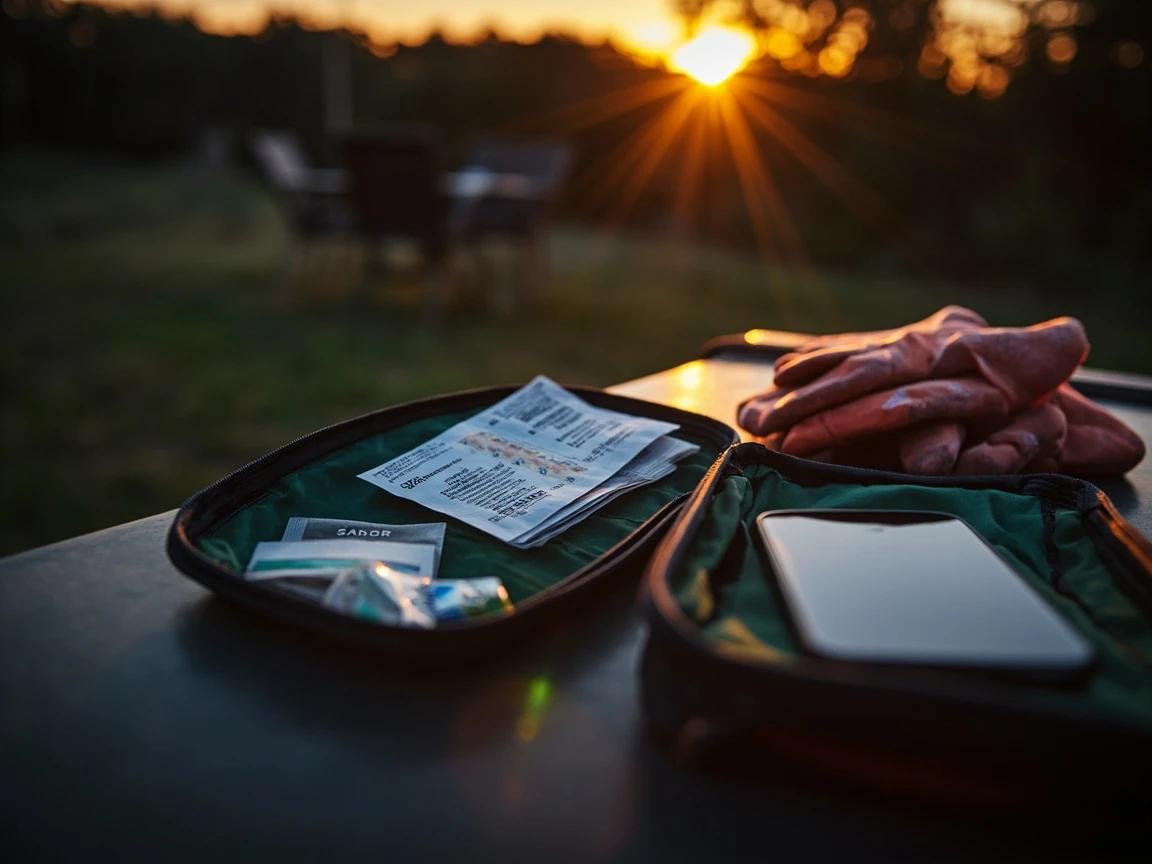
Multiple stings, stings inside the mouth or throat, or any breathing difficulty after a sting are 911 calls — not wait-and-see situations. People with prescribed epinephrine auto-injectors should have them in hand, not in the medicine cabinet.
Dress to Deny Stingers a Target
Wasps sting through thin fabric and crawl up loose openings, so dress accordingly even for a from-a-distance treatment: long sleeves and long pants in thick, smooth material, pants tucked into socks, sleeves snug at the wrist, closed shoes, gloves, and a hat. Light-colored clothing is better — dark, flapping fabric reads as a threat. Skip cologne, perfume, and scented products, and take off anything sticky-sweet like sunscreen-plus-bug-spray cocktails; scent draws investigators.

Wait for Dusk and Plan Your Exit
Treat at dusk or just before dawn, when the entire colony is inside the nest and the cool air makes wasps slow to launch. Get kids and pets indoors, close nearby windows, and walk your retreat path in advance: a straight, obstacle-free line to a door, no garden hoses or toys to trip on in the half-light. If you need light, use a flashlight covered in red cellophane and set it off to the side rather than in your hand — wasps see red poorly but will fly at a white beam.
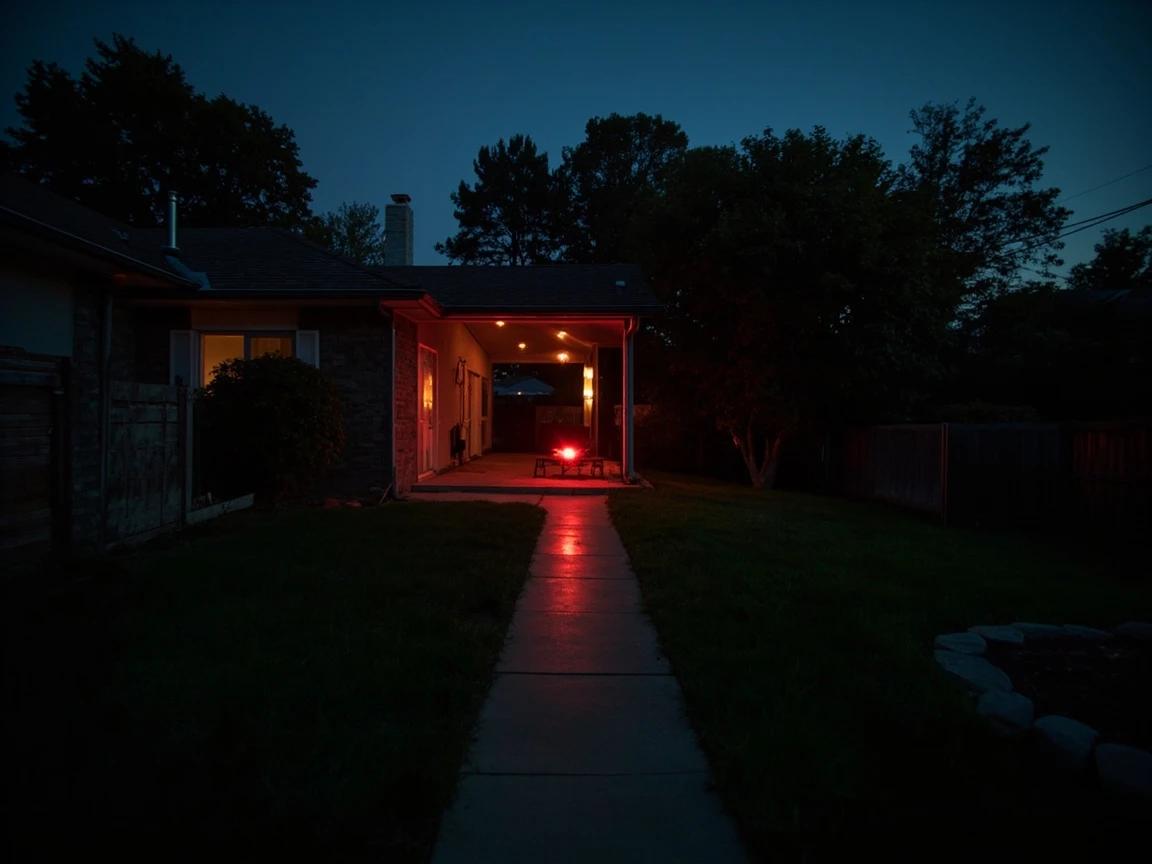
A cool evening (below about 60°F) is your friend — wasps are nearly grounded at those temperatures. A warm, humid night leaves them quicker than you'd like.
Soak the Nest From 20 Feet — Then Leave
Stand upwind at the limit of the can's range — jet-stream wasp aerosols throw 20-27 feet — plant your feet on solid ground, and aim the stream at the nest opening (the bottom of a paper wasp comb). Hold the trigger and saturate the nest and entrance for a sustained 10-15 seconds until it's visibly soaked, then stop, turn, and walk briskly inside along your planned path. Don't stand and admire the work: a few wasps usually boil out in the first seconds, and distance plus your exit is what keeps you unstung.
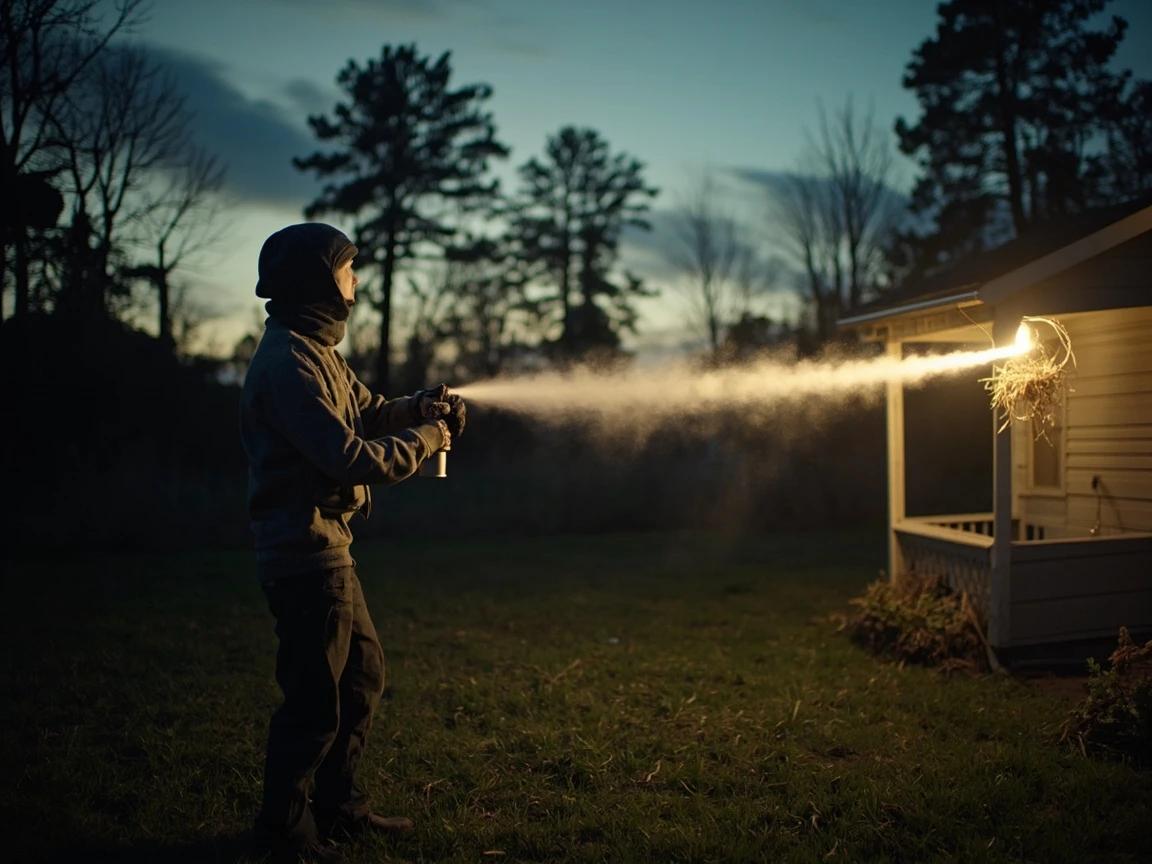
Outdoor, exposed nests only. Never fire an aerosol into a hole in siding, soffit, or the ground — in a cavity the spray rarely reaches the comb, and the survivors get defensive or move deeper into the structure.
Wait a Full 24 Hours and Watch From a Distance
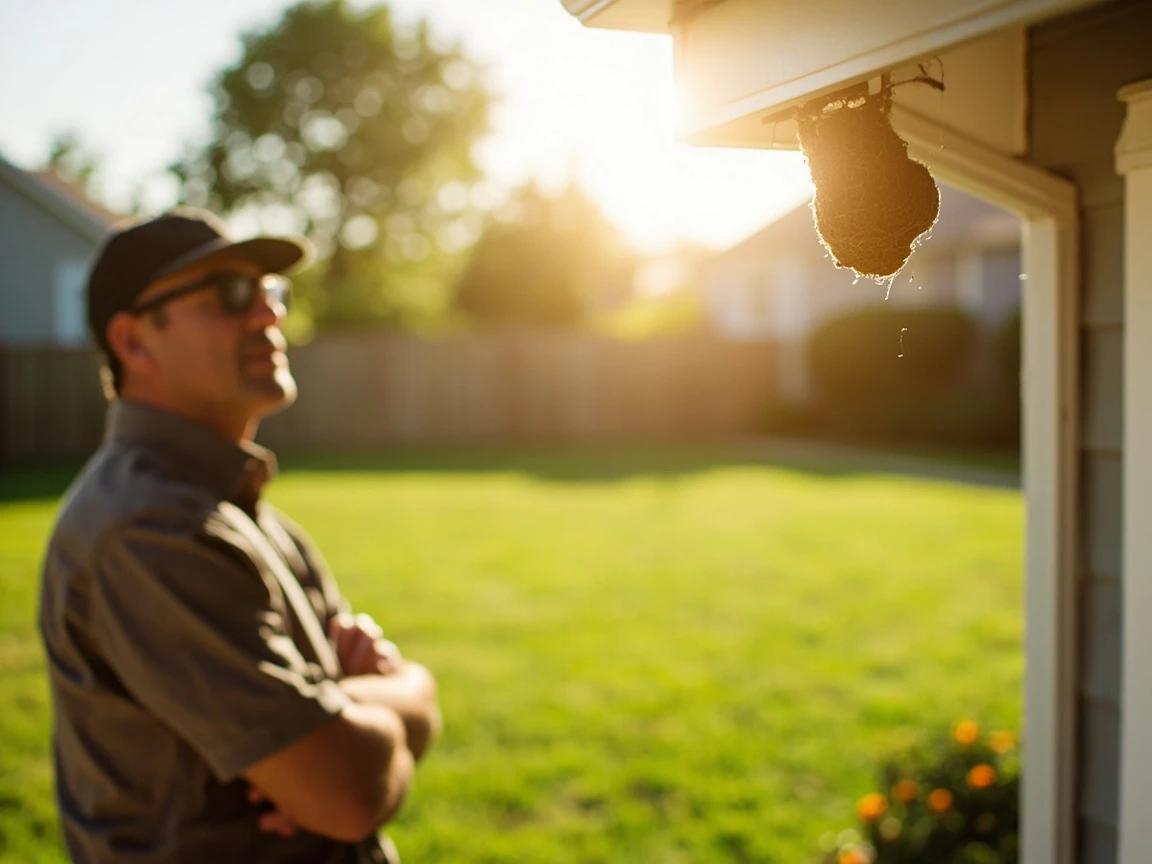
Leave the nest completely alone for 24 hours. Stragglers and foragers that were away overnight will return, land on the treated nest, and pick up residue themselves — that's part of the kill, so don't rinse anything or knock the nest down early. The next evening, watch from a distance for a few minutes: any wasps still actively coming and going means a second dusk treatment with the backup can. No movement at all across a warm afternoon and evening means the colony is finished.
Knock Down and Dispose of the Dead Nest
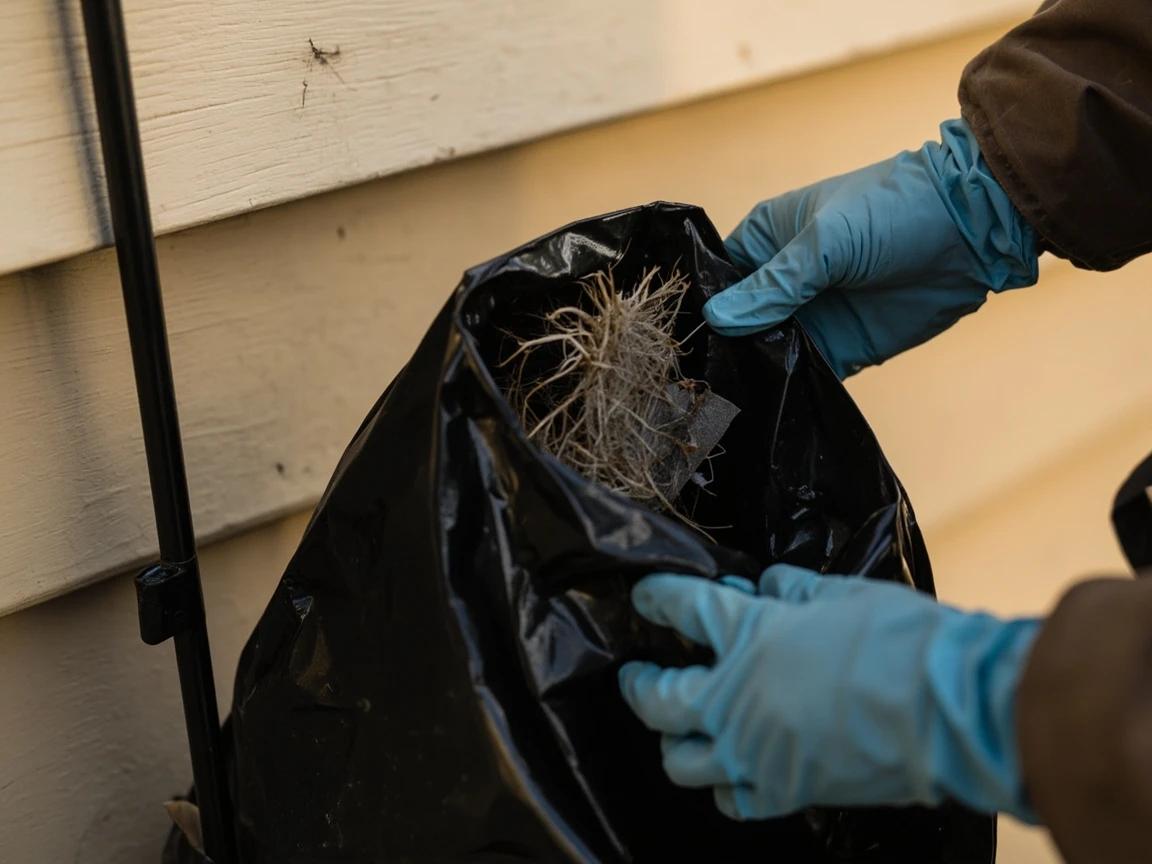
Once the nest has shown zero activity, knock it down with a long-handled scraper, broom, or pole — still in your long sleeves and gloves, still not on a ladder — and let it drop straight into a heavy trash bag. Seal the bag and put it in the outdoor trash. Scrape off the remaining attachment stub, then wash the spot with a hose or soapy water: the lingering nest pheromones are part of what attracts the next queen to the exact same corner.
Prevent the Spring Rebuild
Queens scout sheltered spots each spring, so make yours unattractive. Caulk gaps in soffits, fascia, and siding, screen vents and weep holes with fine mesh — but only seal cavities you're certain hold no active nest. Keep outdoor trash lidded and fallen fruit picked up, since food draws scouts. Then run a five-minute patrol around the eaves every couple of weeks from mid-spring: a brand-new starter nest is golf-ball sized with a single queen, and at that stage one knock with a pole (or one short spray) ends the colony before it ever becomes a project.
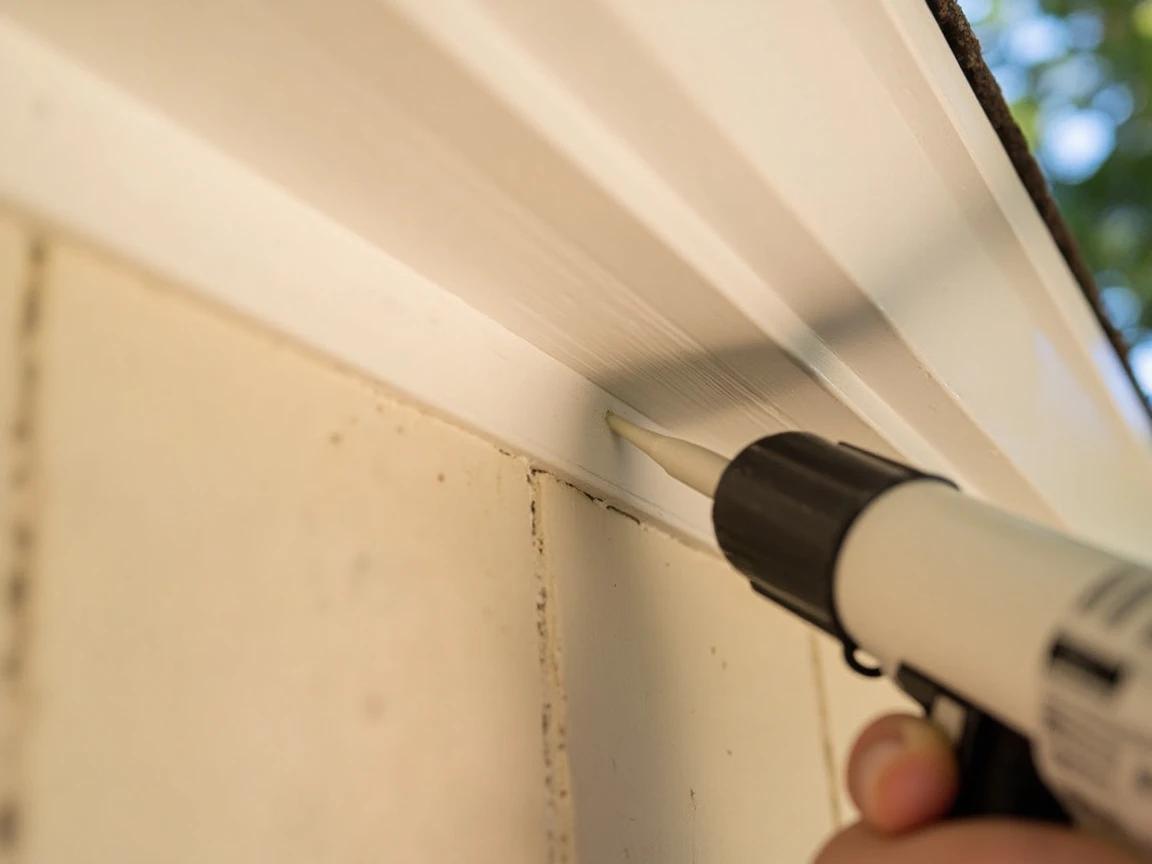
Early spring is the cheap window: every nest starts as one queen and a golf-ball comb in April or May. The colony you remove in June with a full safety production was a ten-second job two months earlier.
Frequently Asked Questions
Do wasps come back to an old nest?
+
No — wasp colonies die off after hard frost, only newly mated queens overwinter, and old nests are never reused. What does happen is that a sheltered, attractive spot (the same eave, the same soffit gap) gets chosen again by a new queen in spring. That's why knocking down the old nest matters less than the spring patrol and gap-sealing that stop next year's queen from settling in.
When is the best time of day to spray a wasp nest?
+
Dusk or just before dawn. The whole colony is inside the nest, the wasps are cool and sluggish, and you kill the workers along with the queen instead of leaving hundreds of foragers to come home angry. Use a red-filtered flashlight if you need light — wasps see red poorly, so it won't draw them to you the way a white beam will.
Should I just leave the wasp nest alone?
+
If it's away from doors, walkways, play areas, and anywhere people regularly pass, leaving it alone is a genuinely good option. Wasps are useful predators of caterpillars, flies, and garden pests, the colony dies on its own after frost, and the nest won't be reused. Removal is for nests within about 10-15 feet of human traffic, not every nest on the property.
What happens if you seal a yellowjacket nest inside a wall?
+
The colony doesn't suffocate — it looks for another way out, and the path of least resistance is the soft drywall on the inside of the wall. Homeowners who plug an active entrance hole routinely end up with hundreds of yellowjackets emerging inside the house. Wall-void nests need professional treatment first, and the entrance gets sealed only after all activity has stopped.
How much does professional wasp nest removal cost?
+
Typically $300-700, averaging around $500 depending on species, nest size, and access. Yellowjacket ground and wall-void nests run the highest — up to $1,300 — because of the excavation and aggression involved, while a simple exposed paper wasp nest sits at the low end. For hornets, wall nests, or any nest at height, that fee buys the protective gear, dust insecticides, and experience the aerosol can doesn't.
Sources & further reading
- Getting Rid of Wasp Nests — Michigan State University Extension
- Stinging Insect Allergy: Bees, Wasps, Hornets, Yellow Jackets — Asthma and Allergy Foundation of America
- How Much Does Wasp Nest Removal Cost? — Angi
More Gardening Guides
View all →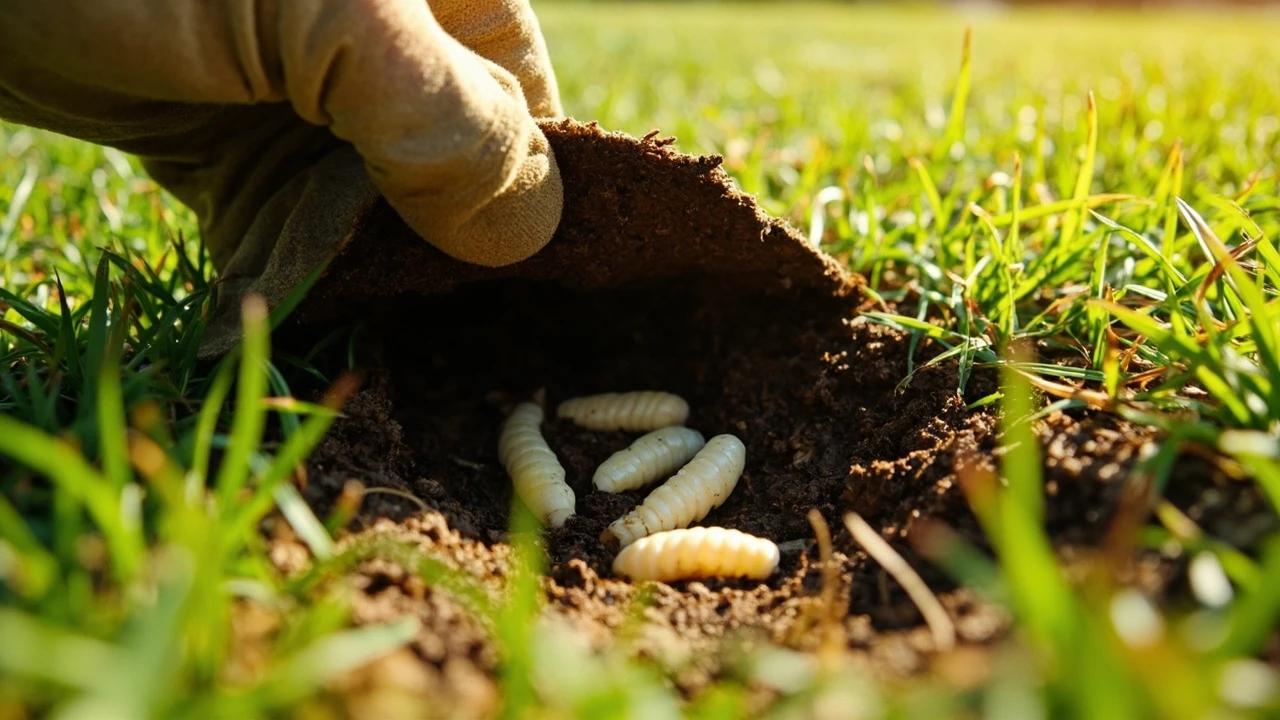 Easy1 hr
How to Control Grubs and Lawn Pests
White grubs — the C-shaped larvae of Japanese beetles, June bugs, and chafers — are the number one underground lawn pest in North America, and a heavy infestation can destroy an entire lawn in a single season by severing grass roots just below the surface. The good news is that a single well-timed application of preventive grub control in late spring or early summer eliminates 75-100% of grubs before they cause damage, and the whole job takes under an hour with a broadcast spreader. This guide covers confirming you actually have a grub problem, choosing between preventive and curative treatments, applying the product correctly, and maintaining a grub-resistant lawn year after year.
 Easy1h 15m
How to Edge Garden Beds Cleanly
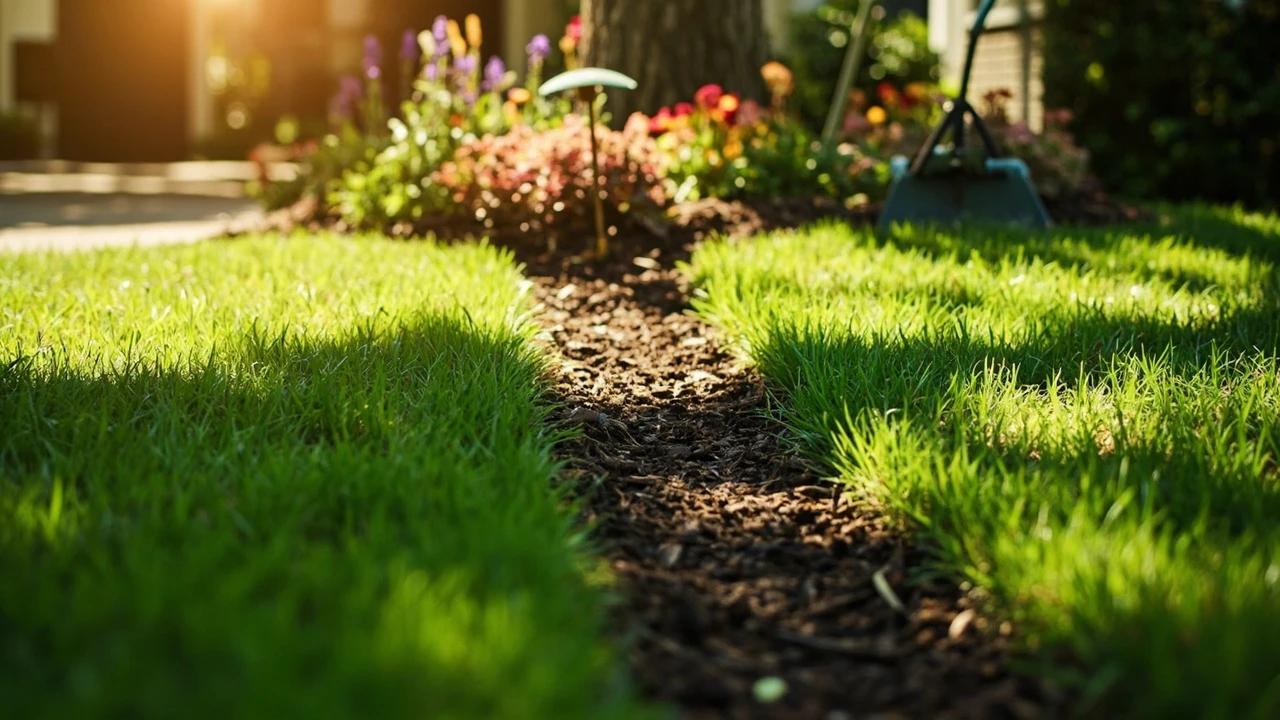
Crisp bed edges are the single fastest way to make a yard look professionally maintained — yet most homeowners never re-cut them after the original landscaping. A clean spade-cut trench takes about an hour per 50 linear feet, costs nothing beyond a sharp edger, and instantly separates turf from mulch so grass stops creeping into your plantings. This guide walks you through marking a smooth line, cutting a defined trench, removing sod, and maintaining the edge all season.
 Medium2 hrs
How to Get Rid of Carpenter Ants Without an Exterminator
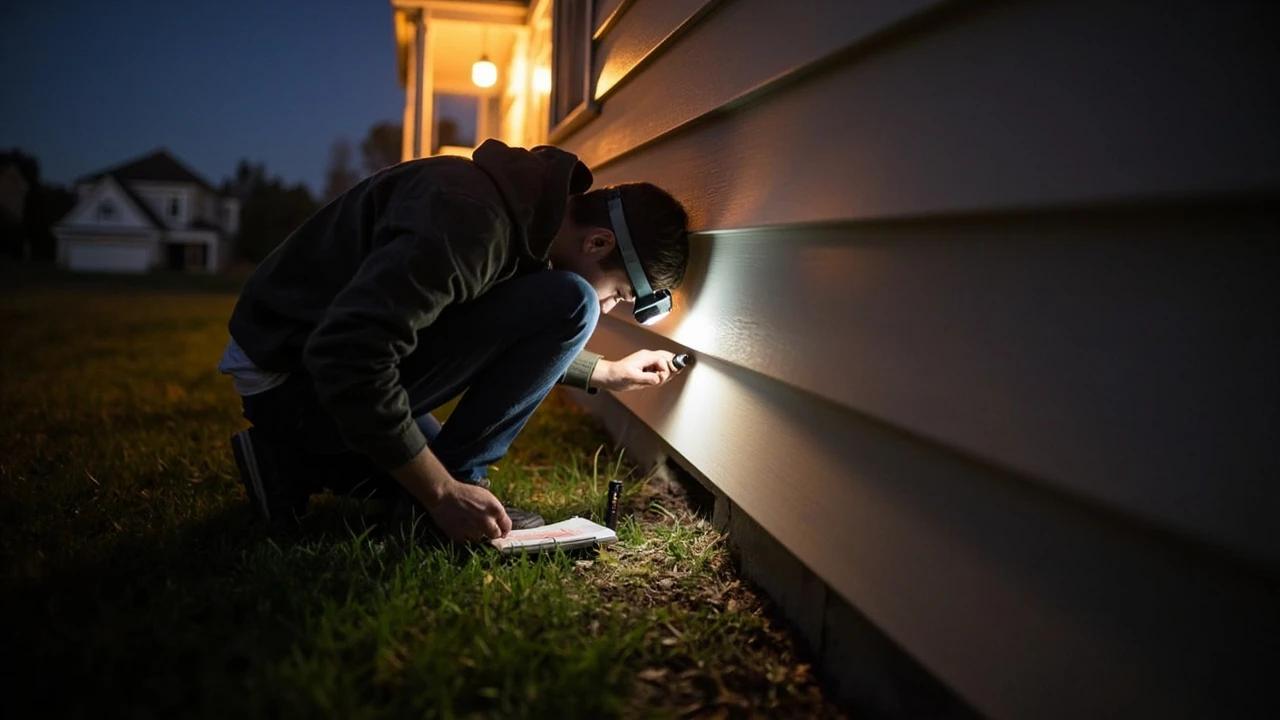
Big black ants in the kitchen at midnight usually mean a carpenter ant colony is excavating damp wood somewhere in your house — and the instinctive response, spraying them, is exactly what makes an infestation permanent. This guide covers the method extension entomologists actually recommend: track the nest at night, feed the colony slow-acting bait, and fix the moisture that invited them, for $20-40 instead of a $300-600 pest contract.
You Might Also Like
 Easy25 min
Best Deck Stain: Transparent vs Semi vs Solid
There is no "best" deck stain — there is the right stain for your sun exposure, wood condition, and how often you want to redo the job. Transparent stains last 1-2 years but let the natural grain show. Solid stains last 4-7 years but look like paint. This guide walks the four opacity levels and the oil-vs-water choice so you pick the one that matches your deck and your tolerance for re-staining.
 Easy45 min
How to Install a Smart Thermostat
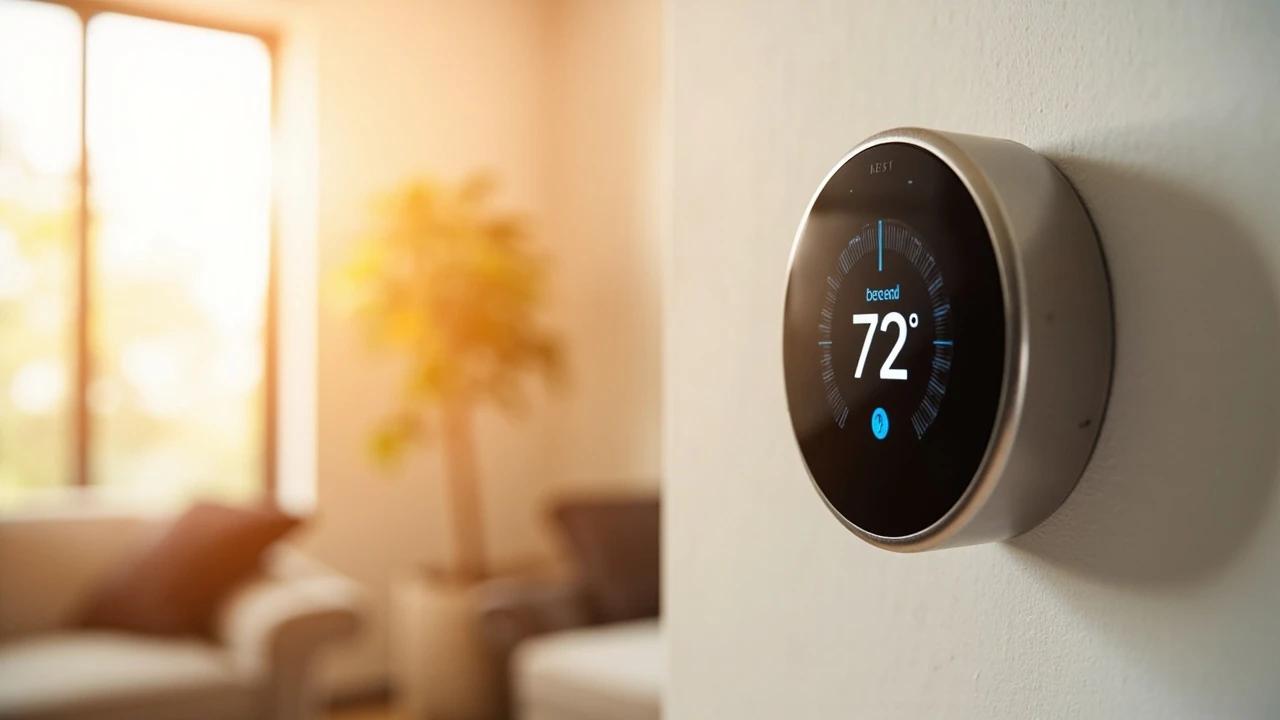
A smart thermostat is one of the highest-ROI upgrades you can make to your home — it learns your schedule, adjusts automatically when you're away, and typically saves about 8% on heating and cooling bills — the figure ENERGY STAR verifies from real-home data, roughly $50 a year — so the $120-250 device usually pays for itself within a few years. If your old thermostat has labeled wires behind it, the swap takes about 30-45 minutes with nothing more than a screwdriver and your phone. This guide covers checking compatibility, labeling wires, mounting the new base, connecting everything, and walking through the app setup so your system is running smart the same day.
 Easy30 min
How to Fix a Dripping Faucet
A dripping faucet wastes more than 3,000 gallons of water per year and can add $20 or more to your monthly water bill. The fix is almost always a worn cartridge, washer, or O-ring — parts that cost under $10 and take 20-30 minutes to replace with basic tools.