How to Winterize Your Garden
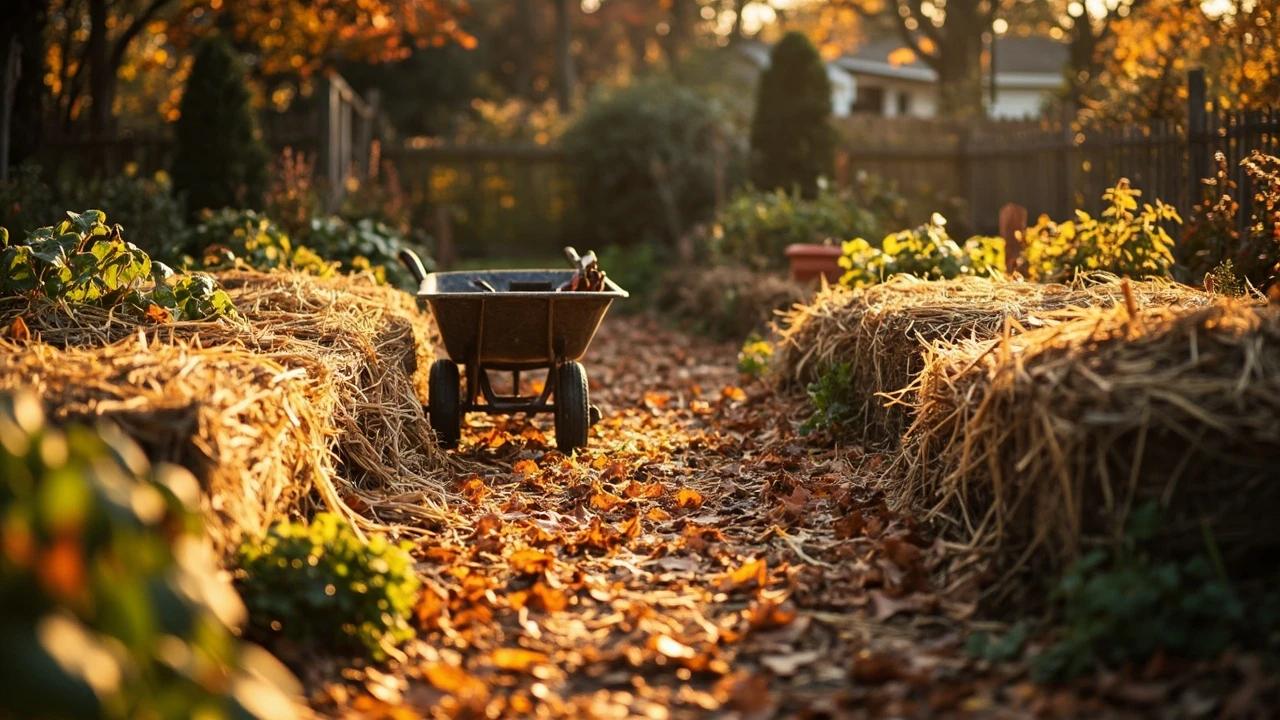

A few hours of fall garden prep is the difference between a thriving spring and a cleanup nightmare in March — proper winterization prevents frost heave, protects perennials from -20°F lows, kills overwintering pests, and adds 2-3 weeks of free growing time next season. This guide covers the eight tasks every gardener should knock out 4-6 weeks before the first hard frost: cleanup, weeding, perennial cutback, bulb storage, soil amending, mulching, deep watering, and irrigation drain-down.
What You'll Need
🛠 Tools
📦 Materials
Safety First
- •Never compost diseased plant material — fungal spores and bacterial pathogens (powdery mildew, late blight, fire blight) survive composting and re-infect next year. Bag and trash, or burn where permitted.
- •Drain hoses and disconnect them from outdoor spigots before the first hard freeze — frozen water expands and can split a hose bib inside the wall, causing a flood when the pipe thaws in spring.
Step-by-Step Instructions
Harvest the Last of the Tender Vegetables
Two weeks before your expected first frost, walk your beds and harvest everything that won't survive a freeze: tomatoes (even green ones — they'll ripen on a windowsill), peppers, zucchini, summer squash, cucumbers, basil, beans, and pumpkins. Hardy vegetables like kale, Brussels sprouts, carrots, parsnips, and leeks can stay — most actually taste sweeter after a light frost. Pull spent annual plants by the roots and toss them in the compost (unless diseased).
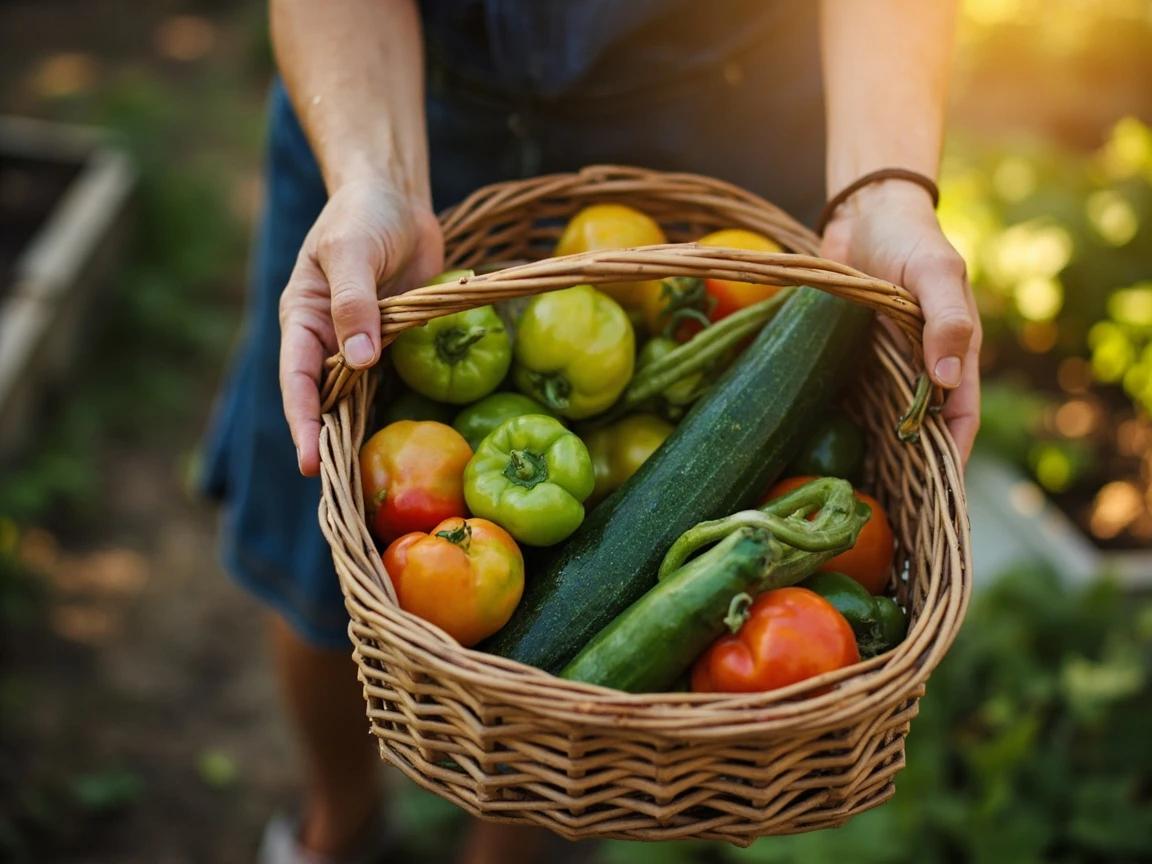
Green tomatoes ripen indoors at 65-70°F over 2-4 weeks. Wrap each one loosely in newspaper and keep them in a single layer in a cardboard box — never refrigerate, which kills the flavor.
Pull Weeds and Remove Diseased Plants
With perennials dying back, weeds become much easier to spot — pull every visible weed by the roots, especially anything that has gone to seed (those seeds will sprout next spring). Inspect each remaining plant for disease: powdery mildew on squash leaves, late blight on tomato vines, black spot on roses. Bag and trash any diseased material — do NOT compost it. Pathogens like fusarium and verticillium wilt survive normal compost temperatures.
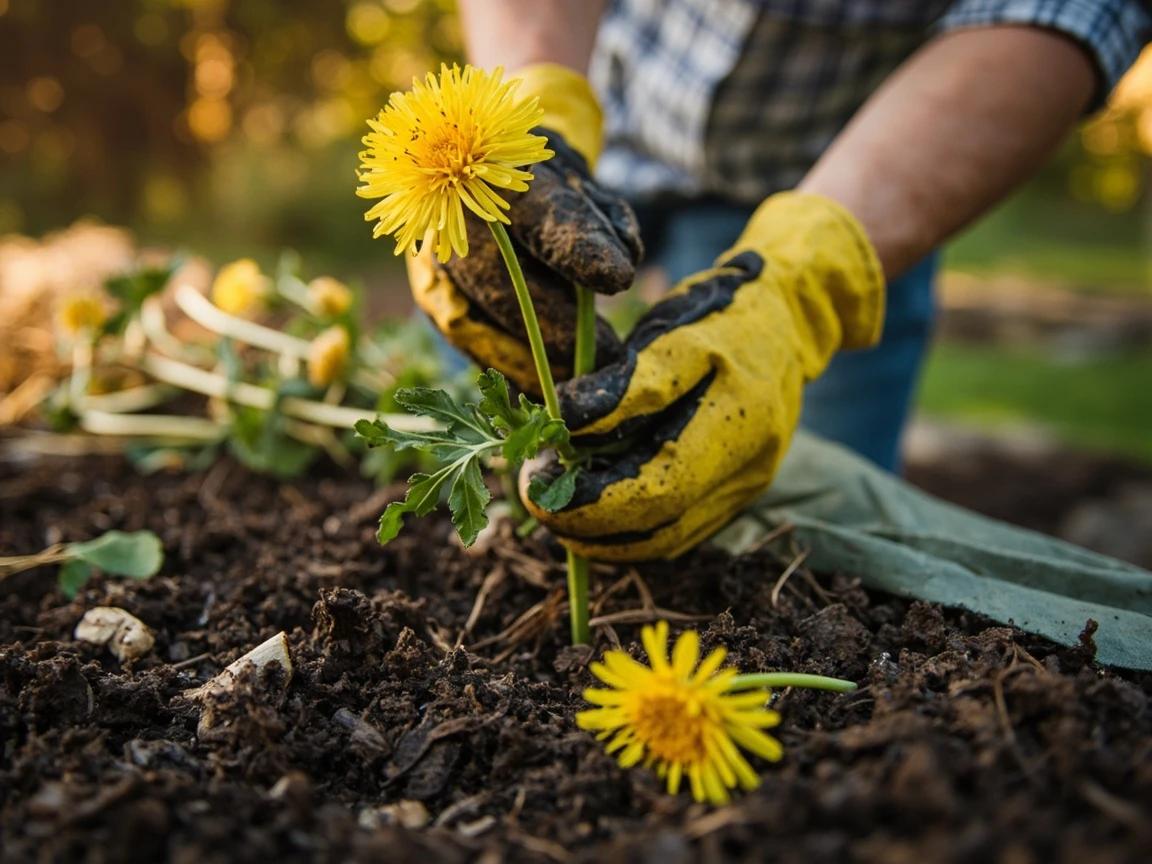
Never put diseased plant material in your home compost pile — it doesn't reach the 140°F+ temperatures needed to kill spores. Bag it for municipal waste or burn it where local fire codes permit.
Cut Back Selected Perennials
Use bypass pruners to cut hostas, daylilies, peonies, bee balm, iris, and yarrow back to 3-6 inches above the ground once their foliage yellows. Sterilize your pruners between plants by wiping the blades with a 70% isopropyl alcohol pad — this prevents disease transmission. Leave standing: ornamental grasses, sedum (autumn joy), coneflowers, black-eyed Susans, and Russian sage. Their seed heads feed birds and the dried foliage insulates the root crown through winter.
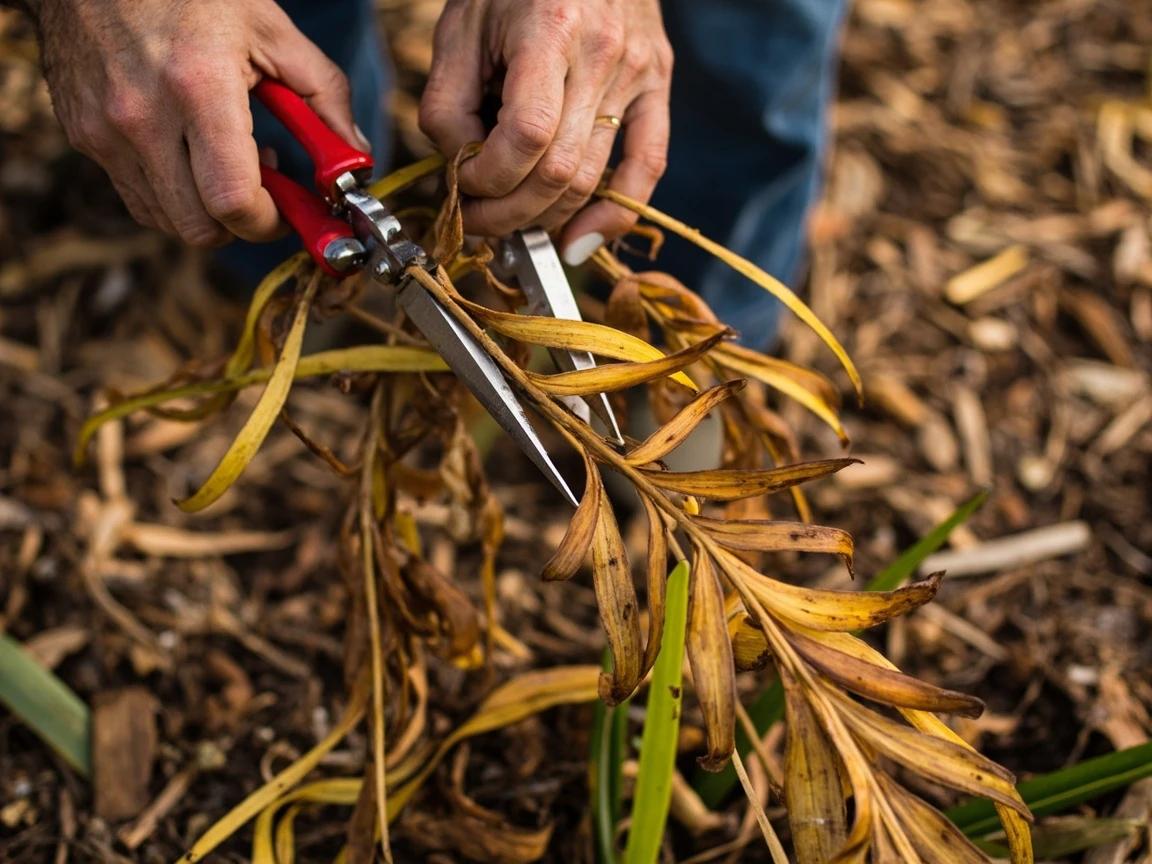
Don't prune trees, shrubs, or roses in fall — pruning triggers tender new growth that won't harden off before freezing temperatures. Save all woody pruning for late winter or early spring while the plant is still dormant.
Lift and Store Tender Bulbs
Dahlias, gladiolus, cannas, and tuberous begonias won't survive freezing soil in zones 6 and colder. After the first light frost blackens their foliage, cut stems to 4 inches, then dig the bulbs/tubers carefully with a garden shovel, keeping a 6-inch radius from the stem to avoid slicing them. Brush off excess soil (do not wash), let them cure on newspaper in a dry shaded spot for 1-2 days, then pack them in paper bags or boxes filled with dry peat moss or vermiculite. Store at 40-50°F in a basement, garage, or root cellar.
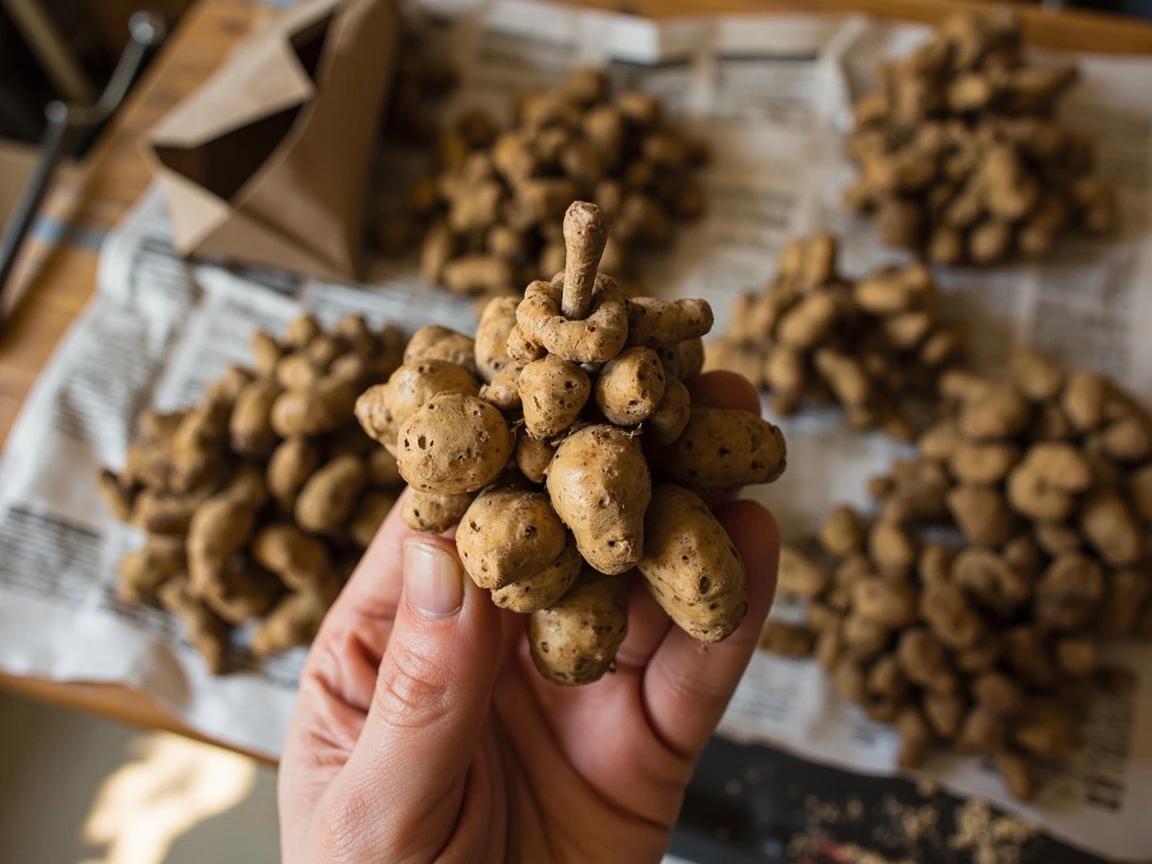
Never store tender bulbs in plastic bags or sealed containers — trapped moisture causes them to rot. Paper, mesh, and cardboard breathe properly and keep tubers viable until spring.
Amend Soil with Compost
Spread a 1-inch layer of finished compost or aged (composted) manure across all vegetable beds and around perennial root zones. There's no need to till it in — earthworms and freeze-thaw cycles will work it down through winter. For empty vegetable beds, also consider broadcasting a cover crop like winter rye or crimson clover (about 2 oz of seed per 100 sq ft) and raking it in lightly. Cover crops prevent erosion, suppress weeds, and add nitrogen when tilled under in spring.
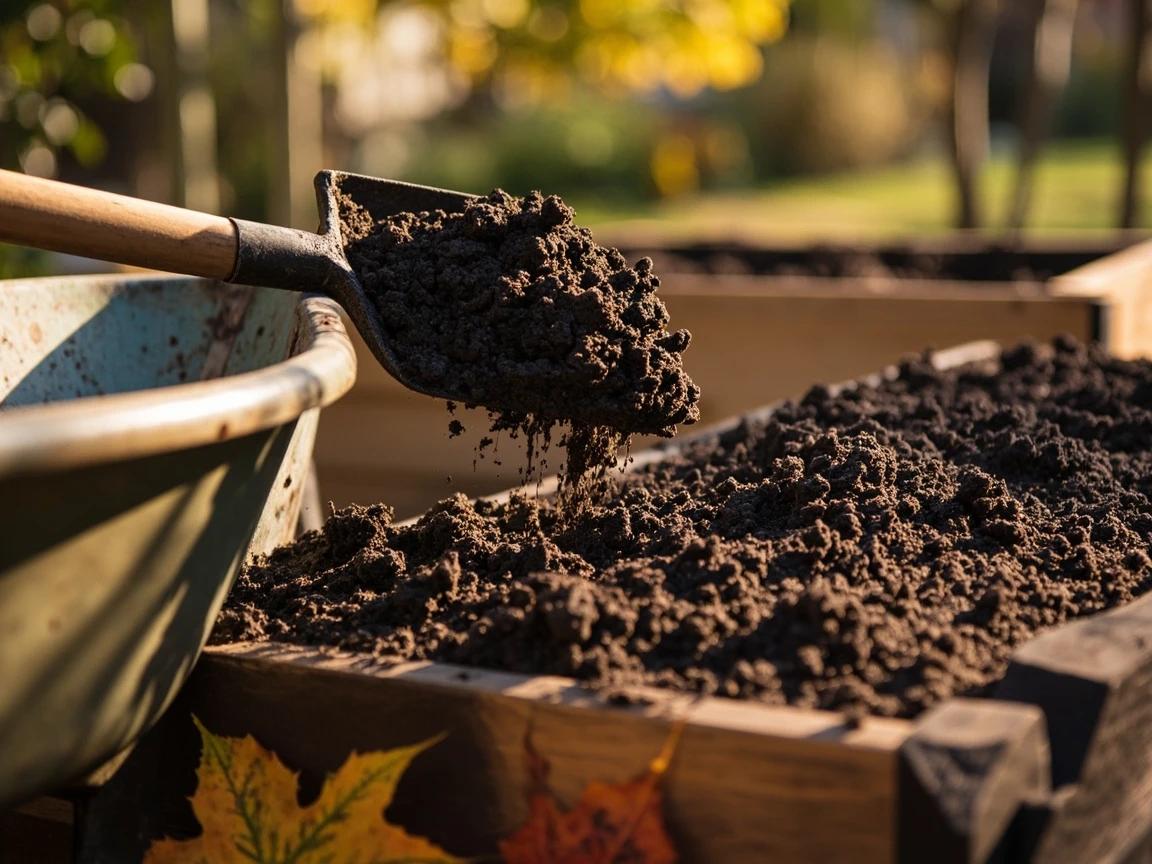
Skip fertilizer in fall — late-season nitrogen forces tender new growth that gets killed by frost. Compost releases nutrients slowly and won't trigger growth.
Apply Mulch After the First Hard Frost
Wait until after the first hard frost has frozen the top inch of soil — usually mid-November in zones 5-6. Then spread 2-4 inches of organic mulch (shredded leaves, straw, or pine bark) across all beds. Keep mulch 2-3 inches away from plant stems and tree trunks to prevent rot and rodent damage. The goal isn't to keep the soil warm — it's to keep it consistently frozen, which prevents the freeze-thaw cycles that cause "frost heave," pushing perennial root crowns up out of the ground.
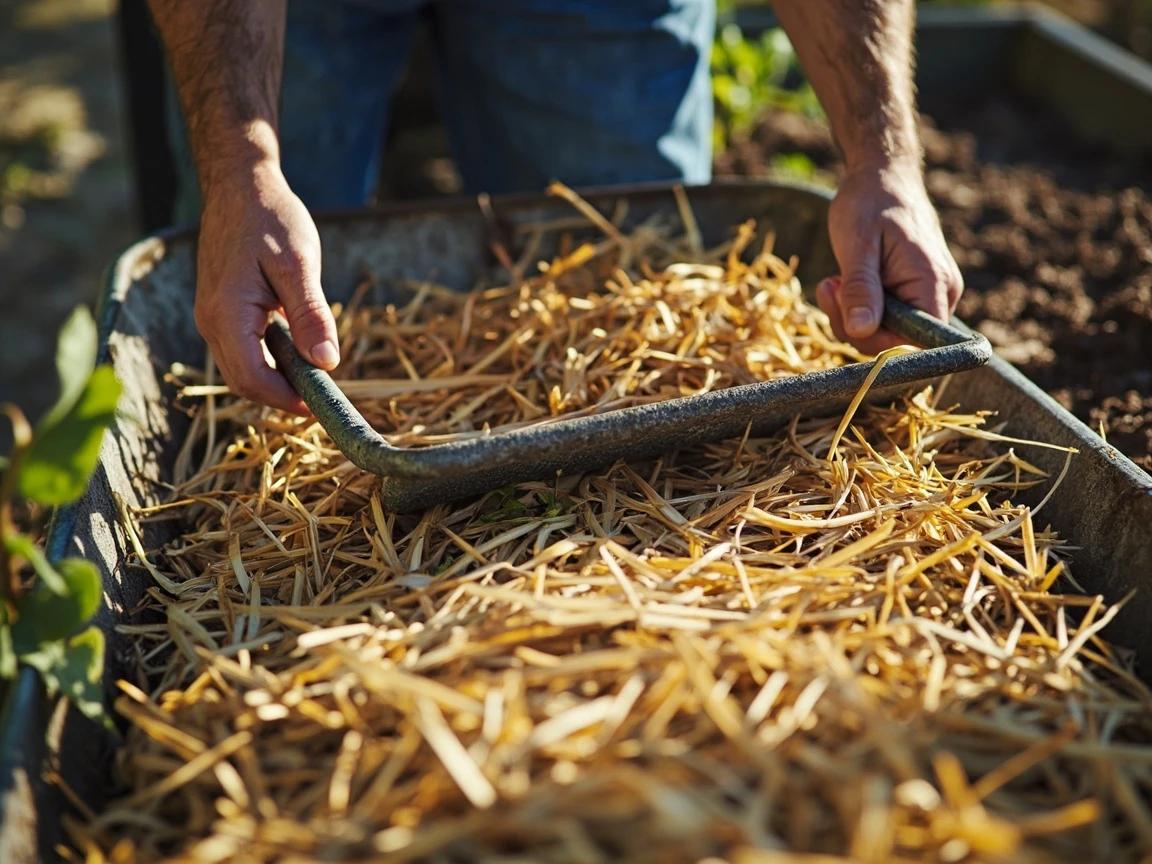
Run a lawn mower over a pile of fallen leaves to shred them — this turns yard waste into free, high-quality mulch. Whole leaves can mat together and smother plants; shredded leaves stay loose and breathe properly.
Deep-Water Trees, Shrubs, and Evergreens
In late October or early November, before the ground freezes, give every tree, shrub, and recently planted perennial a slow, deep soak. Use a soaker hose or set a regular hose to a slow trickle at the base of each plant for 30-60 minutes — about 1-2 inches of water depending on plant size. Evergreens especially need this hydration: their needles continue losing moisture through winter via transpiration, and dry roots in frozen soil cause "winter burn" (browning needles in spring).
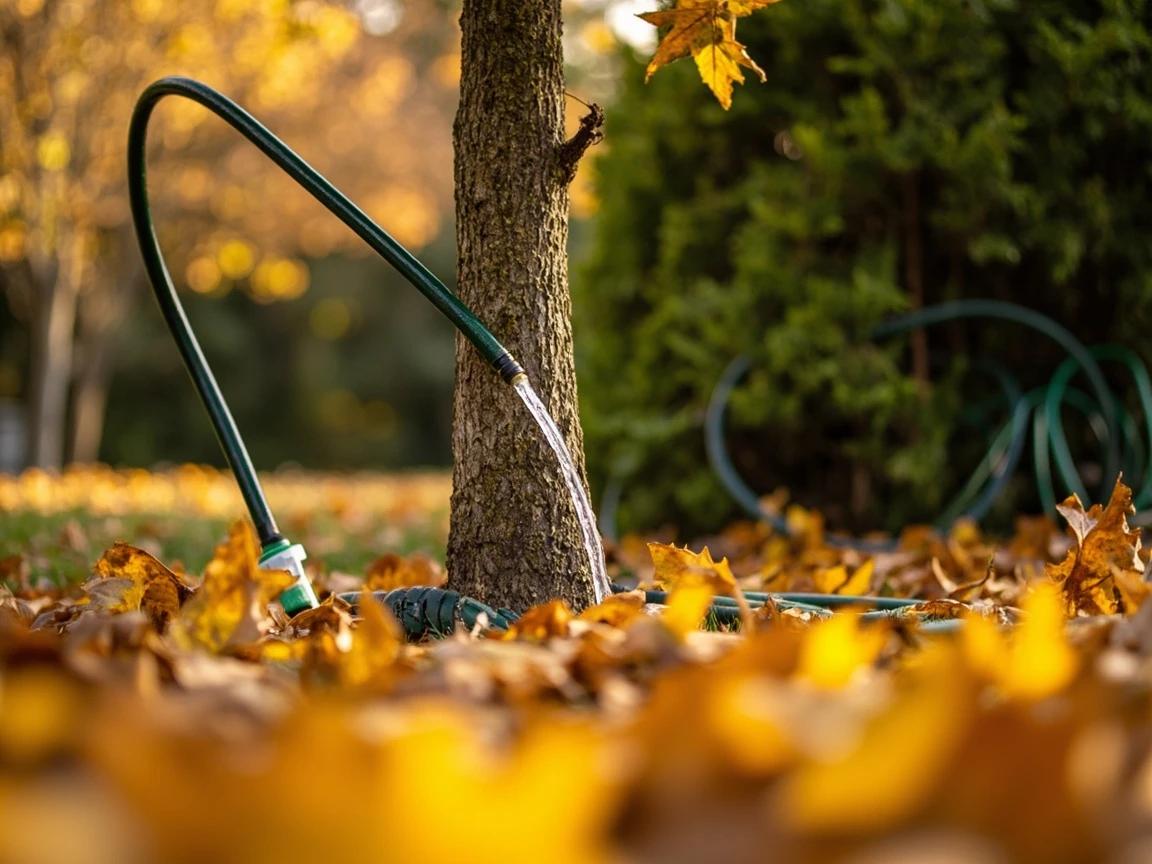
Drain Irrigation Lines and Disconnect Hoses
Turn off the outdoor water supply at the indoor shut-off valve, then open the outdoor spigot to drain residual water. Disconnect every garden hose, drain it by stretching it out downhill, then coil it loosely and store indoors or in a shed — UV and freeze-thaw cycles destroy hoses left outside. For drip irrigation systems, open the end caps on each line and use compressed air (40-60 PSI) to blow out remaining water. Drain bird baths and fountains and either store them indoors or cover them with a tarp.
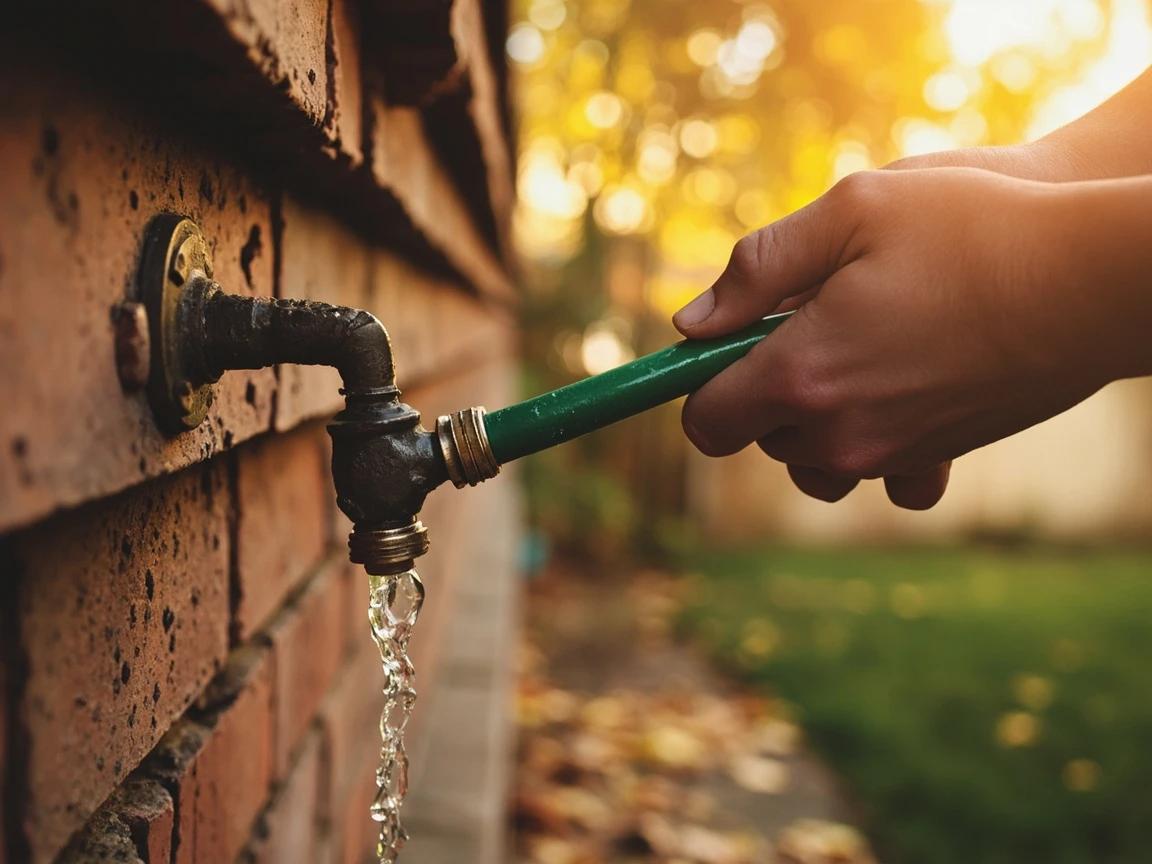
A hose left attached to an outdoor spigot through a freeze can cause the indoor pipe behind the spigot to burst when the trapped water expands. The leak appears in spring when the pipe thaws — often inside a wall, causing thousands in damage.
Frequently Asked Questions
When should I start winterizing my garden?
+
Start 4-6 weeks before your first expected hard frost — for most of the US that means late September through mid-October. Cleanup and weeding can happen anytime in fall, but applying mulch should wait until just after the first hard frost so the cold has stabilized soil temperature. You can look up your local first-frost date on the USDA hardiness zone map or the Old Farmer's Almanac.
Should I cut back all my perennials before winter?
+
No — leave ornamental grasses, sedum, coneflowers, and black-eyed Susans standing through winter. They provide seed for birds and visual interest in snow, and the dead foliage actually insulates the crown. Cut back hostas, daylilies, peonies, and bee balm to 3-6 inches once they yellow, since their dead leaves harbor fungal disease and slug eggs.
Do I need to water my garden after the ground freezes?
+
No — once the top 4-6 inches of soil are frozen, irrigation can't reach the roots. But you should give all trees, shrubs, and recently planted perennials a deep soak (about 1 inch of water) in late October or early November before the ground freezes. Evergreens especially need fall hydration because they continue losing moisture through their needles all winter.
What's the best mulch to use for winter?
+
Straw, shredded leaves, and pine bark all work well — apply a 2-4 inch layer once the ground is cool but not yet frozen solid. Avoid hay (it contains weed seeds) and skip dyed mulches near vegetable beds. Shredded leaves are free and excellent: run a lawn mower over a leaf pile to chop them, then spread them across beds. They break down by spring and add organic matter to the soil.
Should I leave fallen leaves on my garden beds?
+
Whole leaves on beds can mat together and smother plants, but shredded leaves make excellent free mulch. Run a mower over a leaf pile to chop them into half-dollar-sized pieces, then spread them 2-3 inches deep across beds. Leaves on lawns should be removed or mulch-mowed — a thick mat of leaves left on grass can kill the lawn over winter by blocking light and trapping moisture.
Sources & further reading
- How to Overwinter Tender Perennials — Iowa State University Extension
- Fall Garden Tasks — Penn State Extension
More Gardening Guides
View all →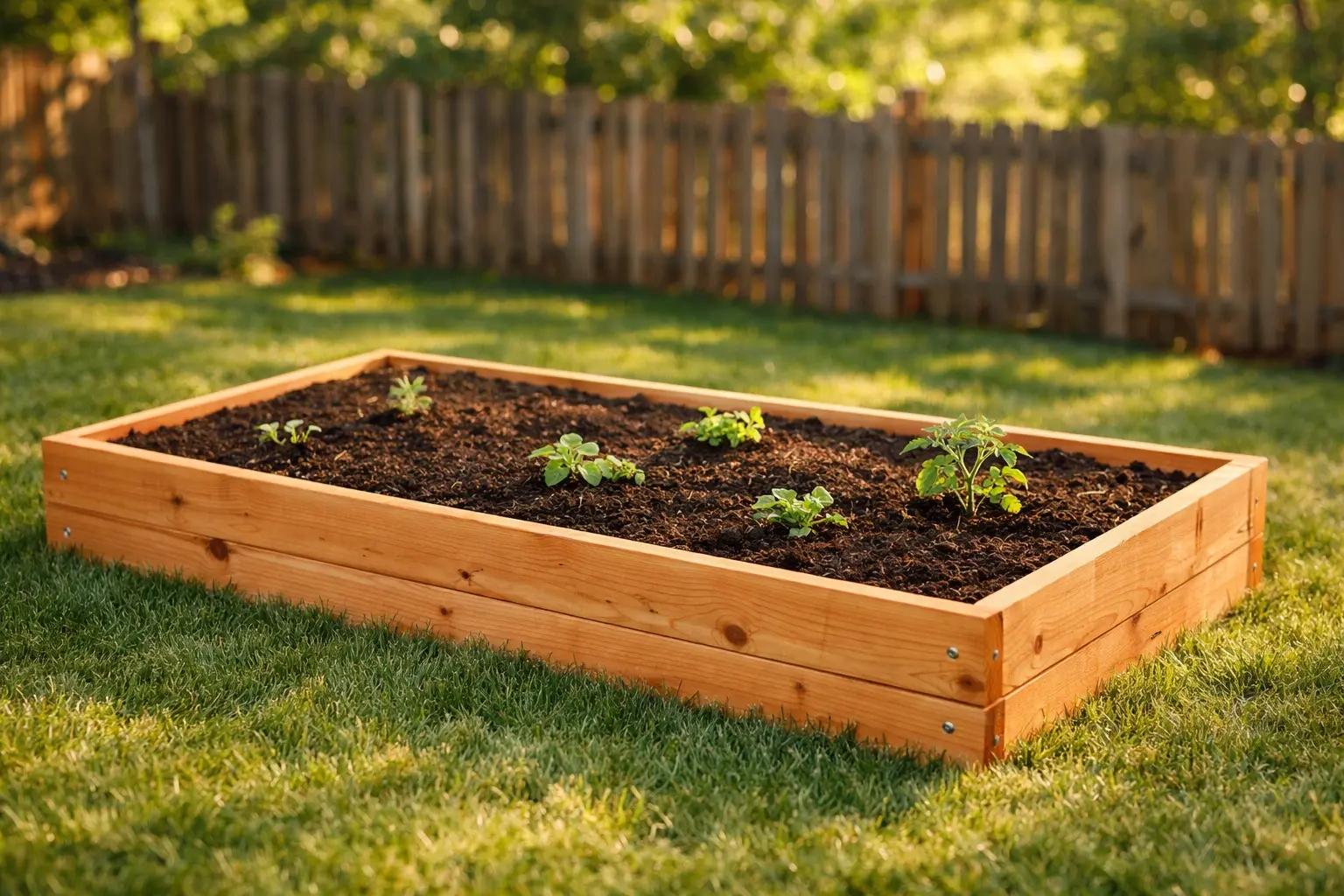 Medium2 hrs
How to Build a Raised Garden Bed for Under $100
A raised garden bed gives you complete control over soil quality, drainage, and pest management — and it can double your yield compared to in-ground planting. This guide walks you through building a sturdy 4x8-foot cedar bed for under $100 in materials and about two hours of work, no advanced carpentry skills needed.
 Medium2 hrs
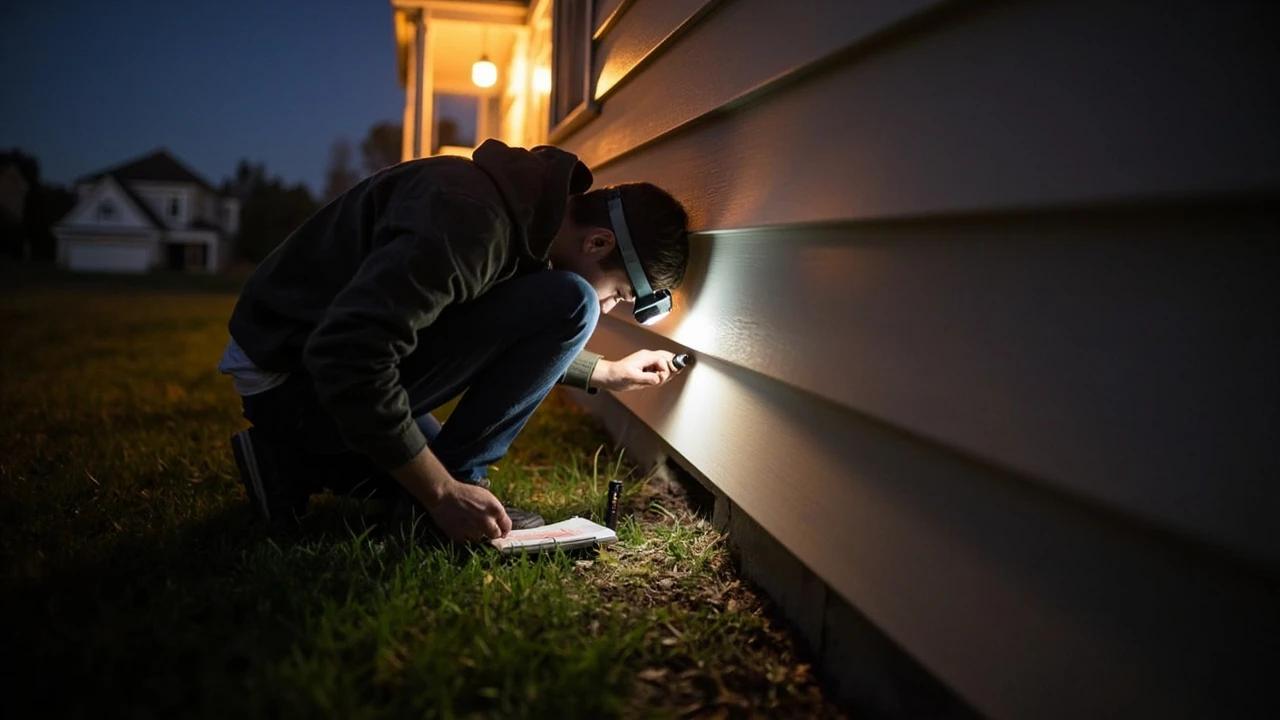
How to Get Rid of Carpenter Ants Without an Exterminator
Big black ants in the kitchen at midnight usually mean a carpenter ant colony is excavating damp wood somewhere in your house — and the instinctive response, spraying them, is exactly what makes an infestation permanent. This guide covers the method extension entomologists actually recommend: track the nest at night, feed the colony slow-acting bait, and fix the moisture that invited them, for $20-40 instead of a $300-600 pest contract.
 Easy1 hr
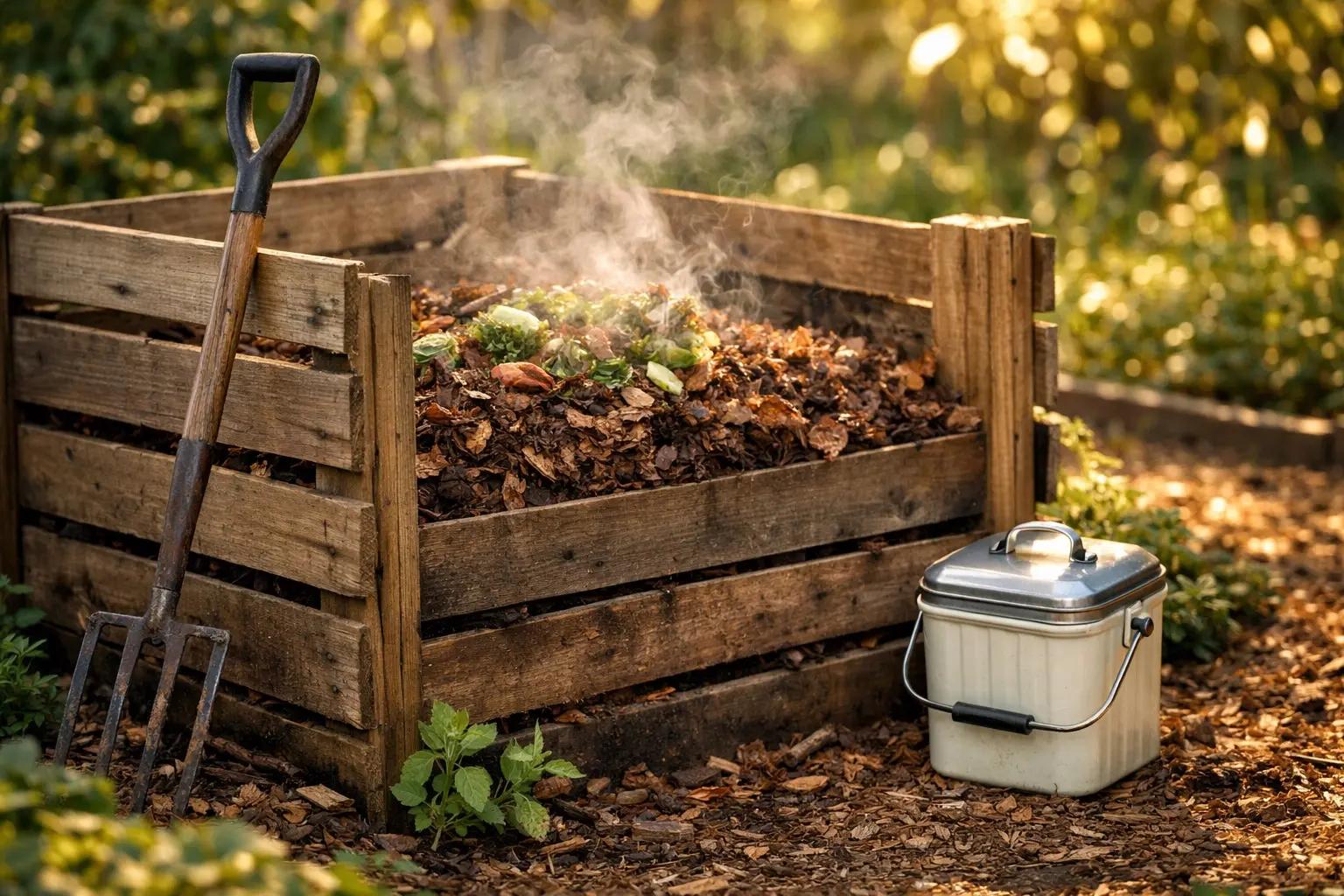
How to Start a Compost Bin
Composting converts kitchen scraps and yard waste into rich, free fertilizer that dramatically improves garden soil. Setup takes under an hour and once running, the bin requires minimal effort for big rewards.
You Might Also Like
 Medium45 min
How to Install a Ceiling Fan
Replacing a light fixture with a ceiling fan improves air circulation in summer and can reduce heating costs in winter by circulating warm ceiling air downward. Most installs take 45-60 minutes.
 Medium1 hr
How to Repair Scratches in a Hardwood Floor
Scratched hardwood almost never means refinishing the whole floor. This guide shows you how to match the fix to the damage — a touch-up marker for finish-level scratches, a wax fill stick for shallow ones, and stainable wood filler with stain and polyurethane for deep gouges — all for under $40 in supplies and about an hour of work.
 Easy25 min
Best Deck Stain: Transparent vs Semi vs Solid
There is no "best" deck stain — there is the right stain for your sun exposure, wood condition, and how often you want to redo the job. Transparent stains last 1-2 years but let the natural grain show. Solid stains last 4-7 years but look like paint. This guide walks the four opacity levels and the oil-vs-water choice so you pick the one that matches your deck and your tolerance for re-staining.