Spring Lawn Care Checklist
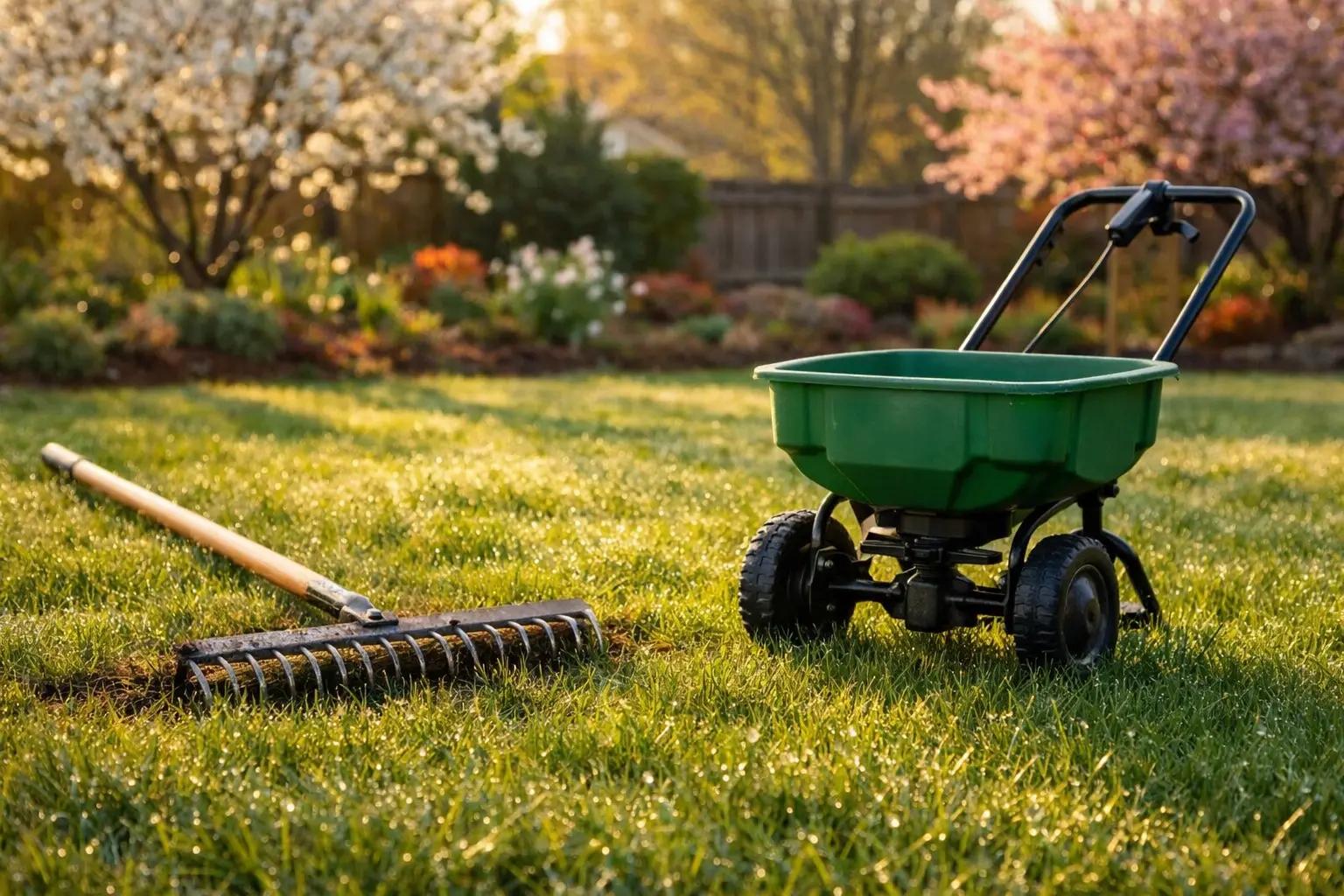

What you do to your lawn in the first six weeks of spring determines its health for the entire growing season. Follow this sequence to fix winter damage, encourage deep roots, and crowd out weeds before they establish.
What You'll Need
🛠 Tools
📦 Materials
Safety First
- •Never apply fertilizer to drought-stressed or dormant grass — it will burn the lawn.
Step-by-Step Instructions
Wait for the Right Timing
Don't rush spring lawn care. Wait until nighttime temperatures are consistently above 40°F and the soil has dried enough that walking on it doesn't leave deep footprints. Working on waterlogged spring soil compacts it and crushes new grass shoots. In most of the northern US, this means mid-to-late April.

Dethatch and Rake Thoroughly
Use a dethatching rake (spring-tine rake with curved blades) to vigorously rake the entire lawn, pulling up matted dead grass, thatch, leaves, and winter debris. Work in multiple directions. A thin layer of thatch (under 1/2 inch) is beneficial; anything thicker blocks water and fertilizer from reaching roots.
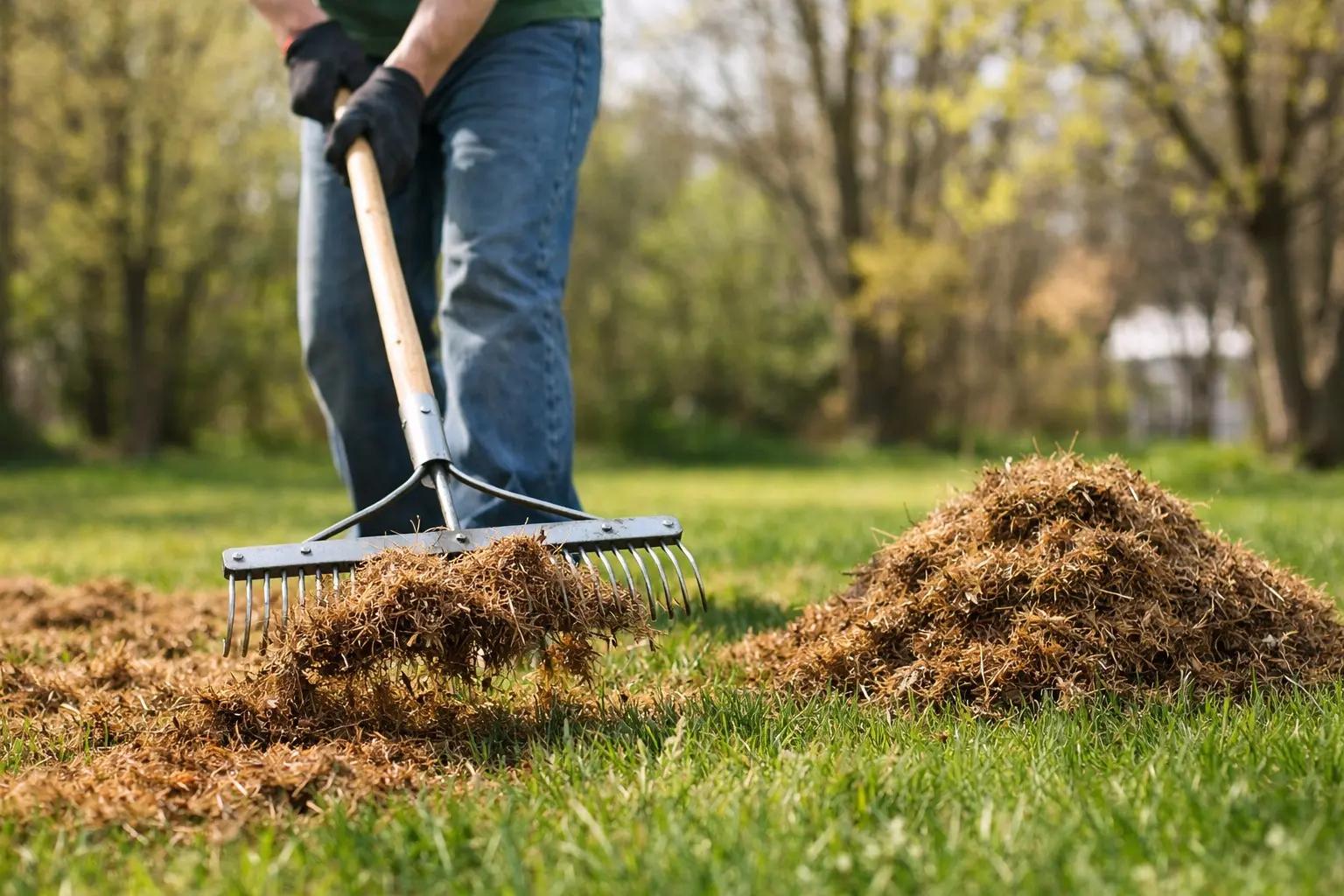
If thatch exceeds 1 inch, rent a power dethatcher for $50-80/day. It removes in 30 minutes what takes hours by hand.
Test and Amend Soil pH
Healthy lawns thrive at pH 6.0-7.0. A basic soil test kit costs $15 at garden centers; your local cooperative extension service often provides free testing with detailed recommendations. If pH is below 6.0 (too acidic), apply ground limestone per package directions. If above 7.5, apply sulfur.
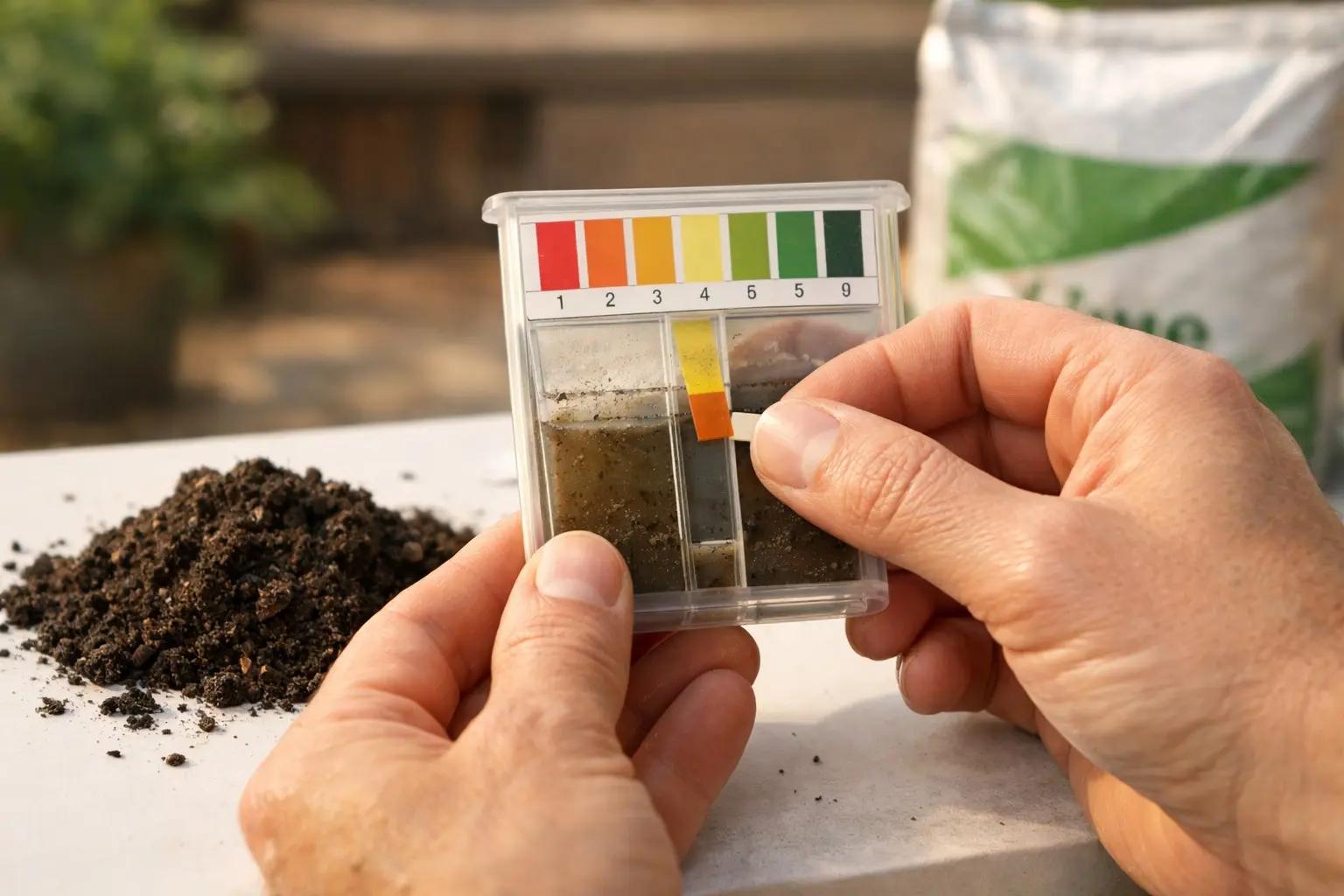
Cooperative extension services are free county-level resources staffed by agronomists. They can tell you exactly what YOUR lawn needs based on your specific soil and grass type.
Core Aerate Compacted Areas
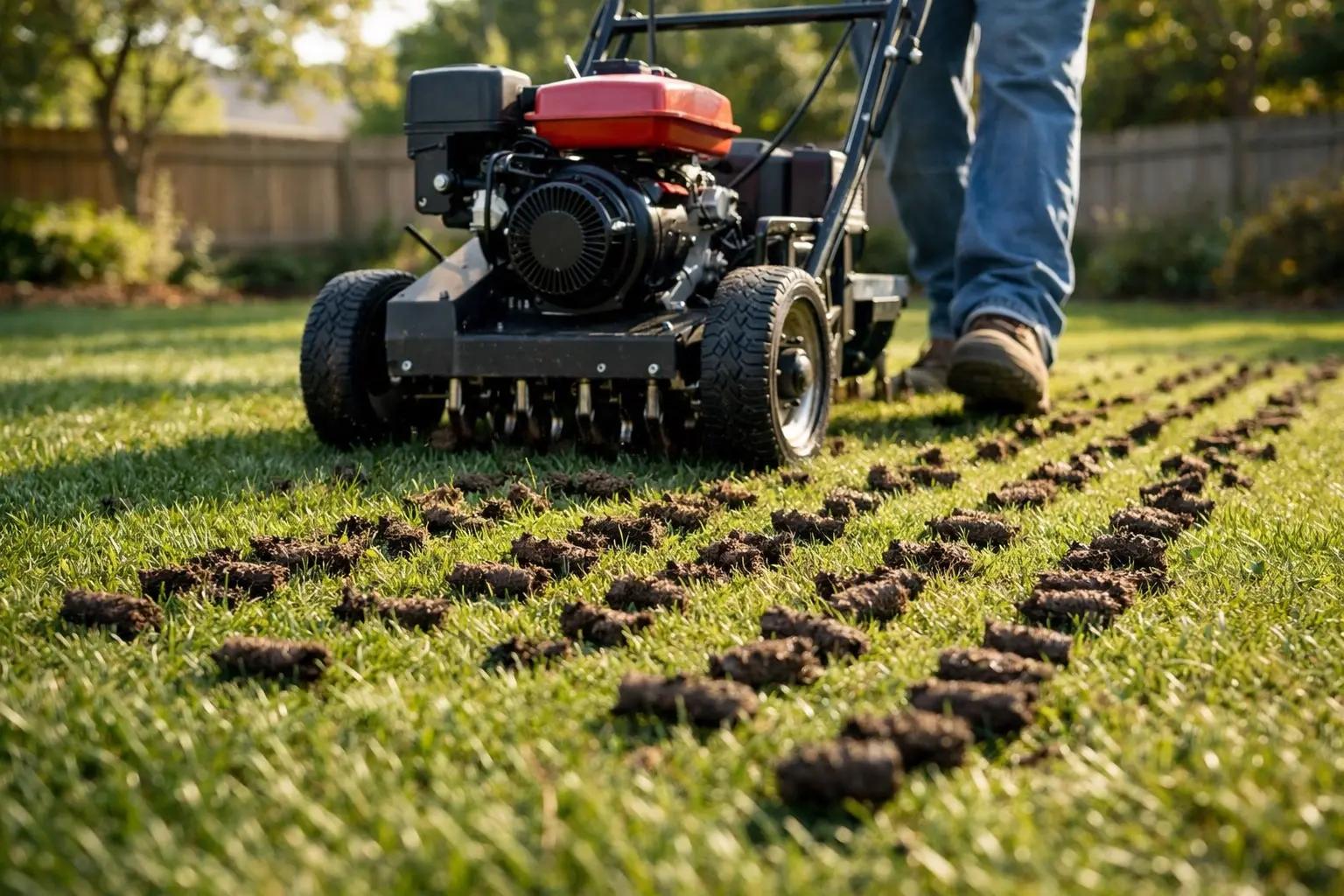
Rent a core aerator and run it over thin or high-traffic lawn areas. Core aeration pulls out plugs of soil (1/2-inch diameter, 3 inches deep), creating channels for water, oxygen, and fertilizer to penetrate to root level. This is especially important for clay soils or areas where water pools. Leave the plugs on the surface — they break down and return nutrients within 2 weeks.
Overseed Thin and Bare Spots
Scratch bare spots with a hand rake to expose loose soil. Spread grass seed at 1.5× the normal seeding rate (check the bag for your grass type). Press seed lightly into the soil surface with the back of the rake. Top-dress with a thin layer (1/8") of compost to help retain moisture. Keep seeded areas consistently moist until germination — typically 5-14 days.
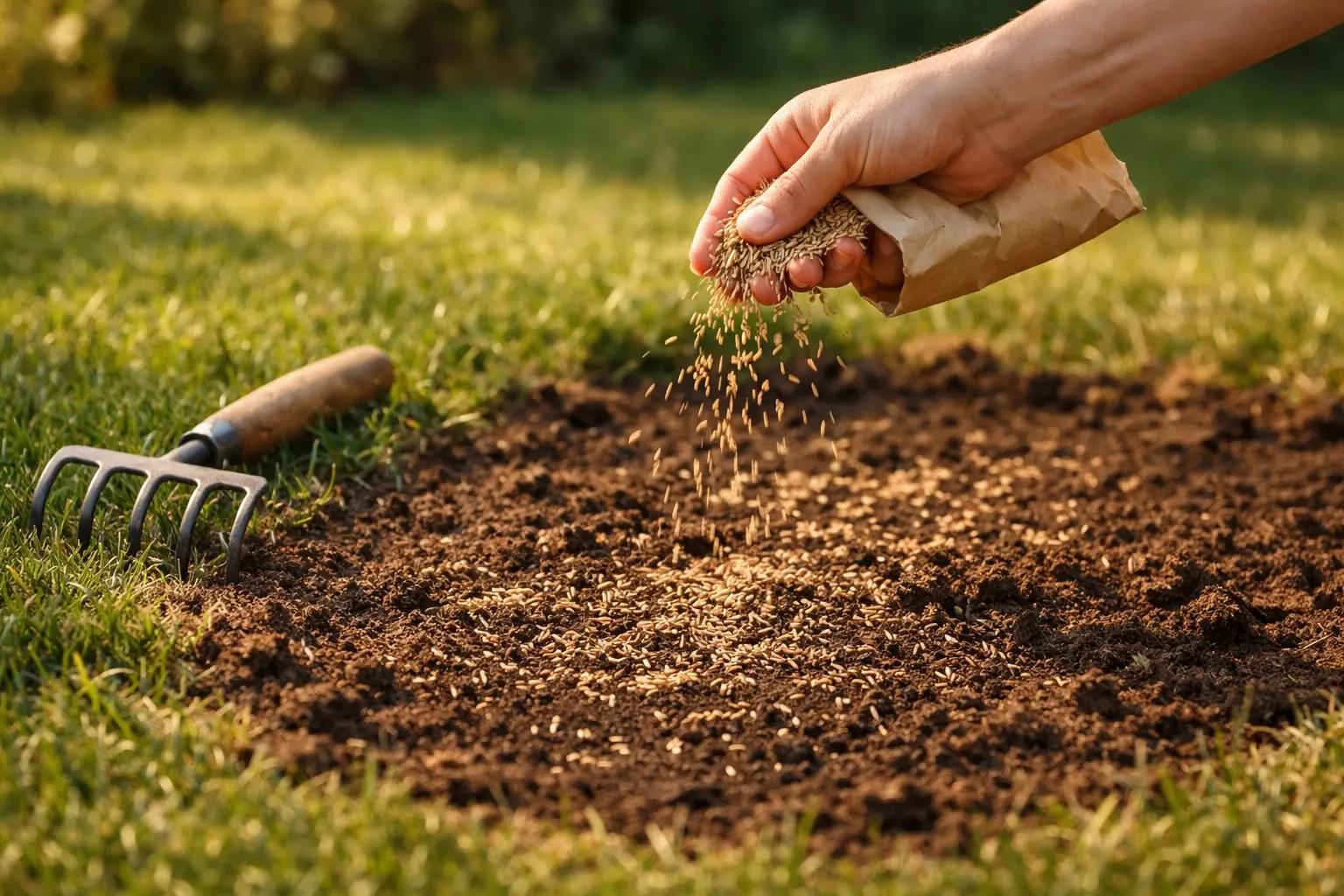
Matching grass seed type is critical. Mixing cool-season fescue into a bluegrass lawn creates noticeable patches of different color and texture.
Apply Slow-Release Fertilizer
After the lawn has begun active growth (not before), apply a balanced slow-release fertilizer. Avoid high-nitrogen quick-release formulas in early spring — they push rapid top growth at the expense of root development. Follow package rates and apply when rain is in the forecast, or water immediately after.
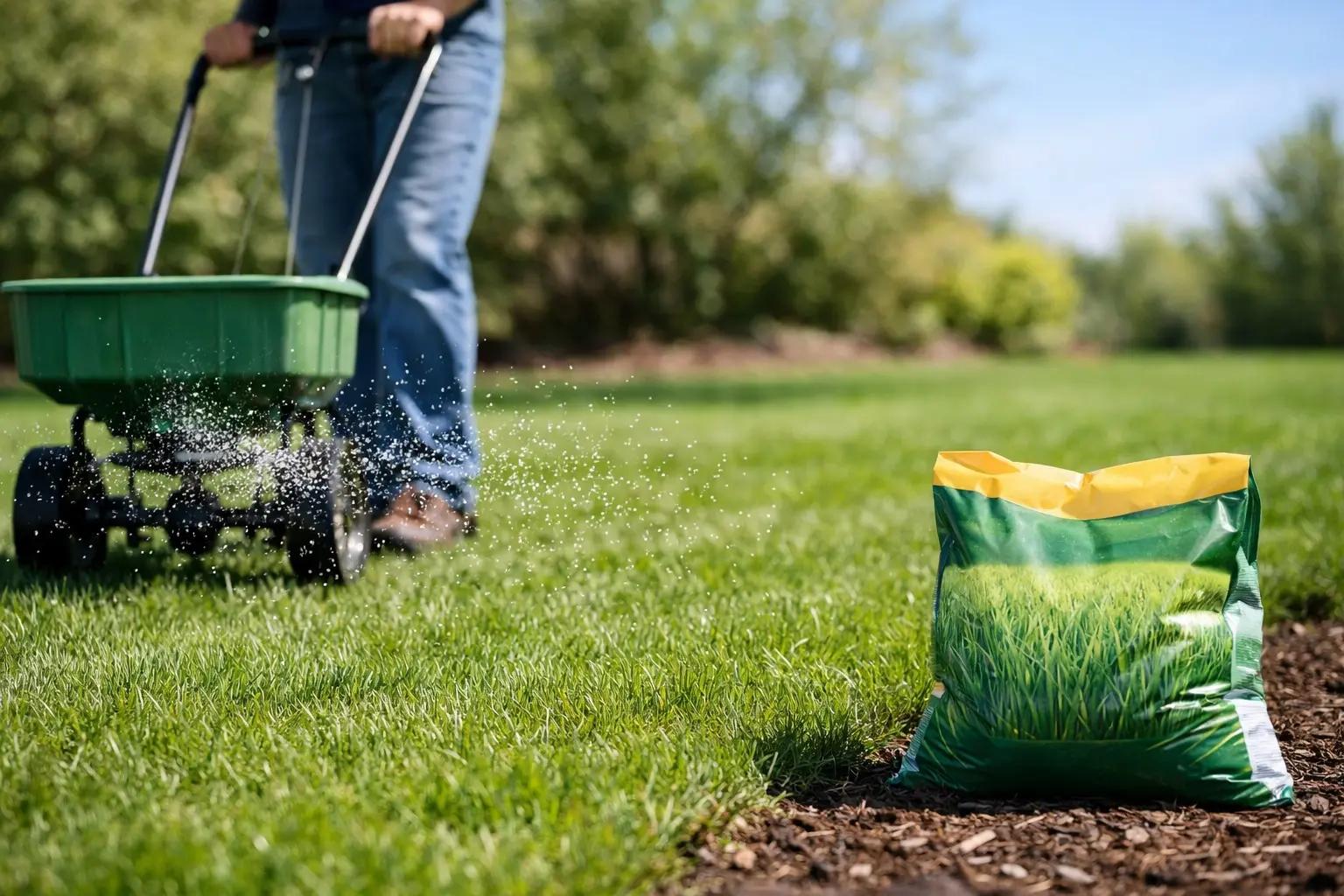
Over-fertilizing is worse than not fertilizing. Excessive nitrogen causes thatch buildup, disease susceptibility, and burning. More is not better.
First Mow at Correct Height
Set your mower to 3 inches — the single most important mowing adjustment you can make. Taller grass shades out weed seeds, develops deeper roots, and stays greener longer in drought. Sharpen the blade if you haven't since last season; a dull blade tears grass instead of cutting it, leaving brown-tipped, disease-prone edges.
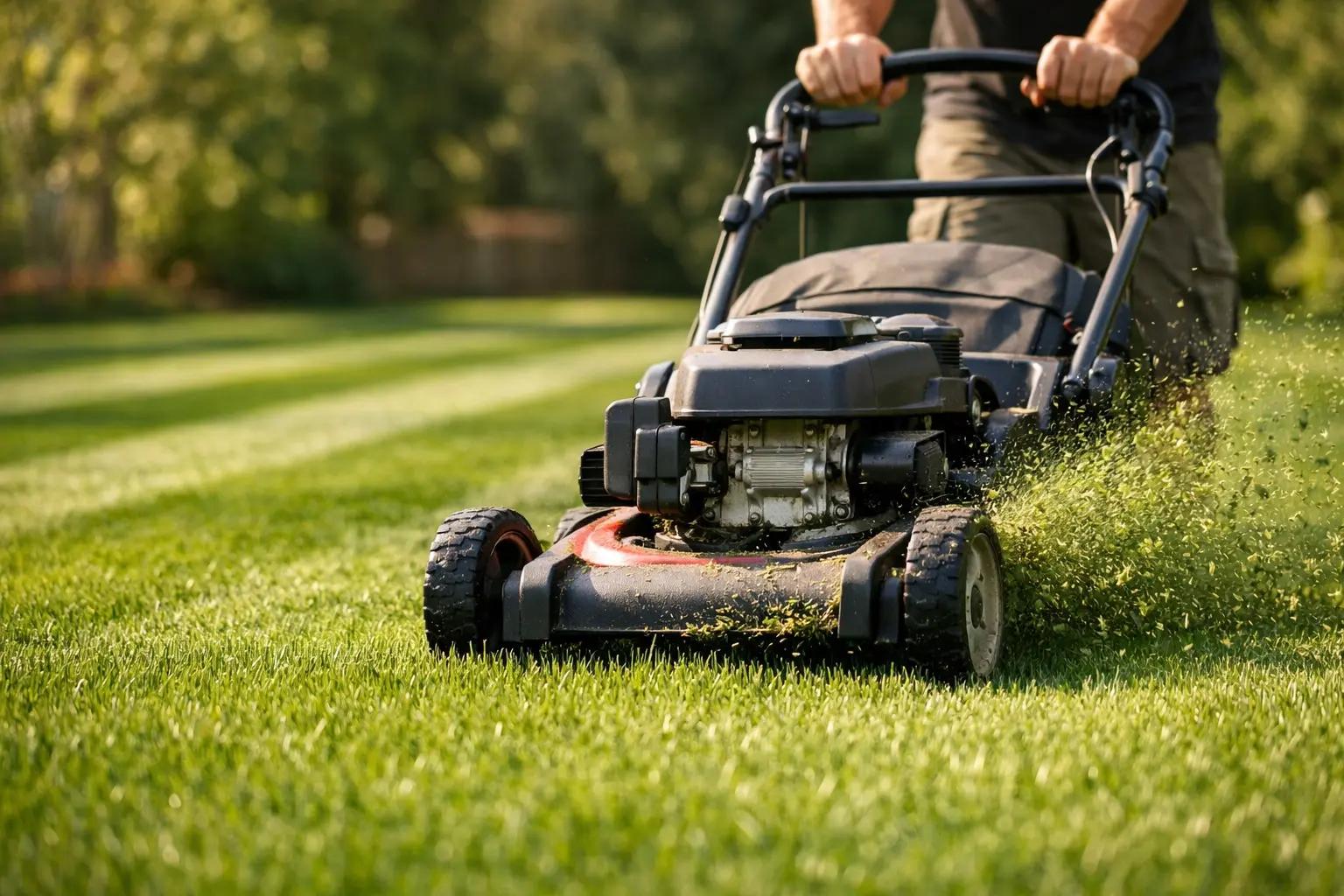
Leave grass clippings on the lawn. They decompose within a week and return nitrogen equivalent to one fertilization per season — free.
Establish Deep Watering Habits
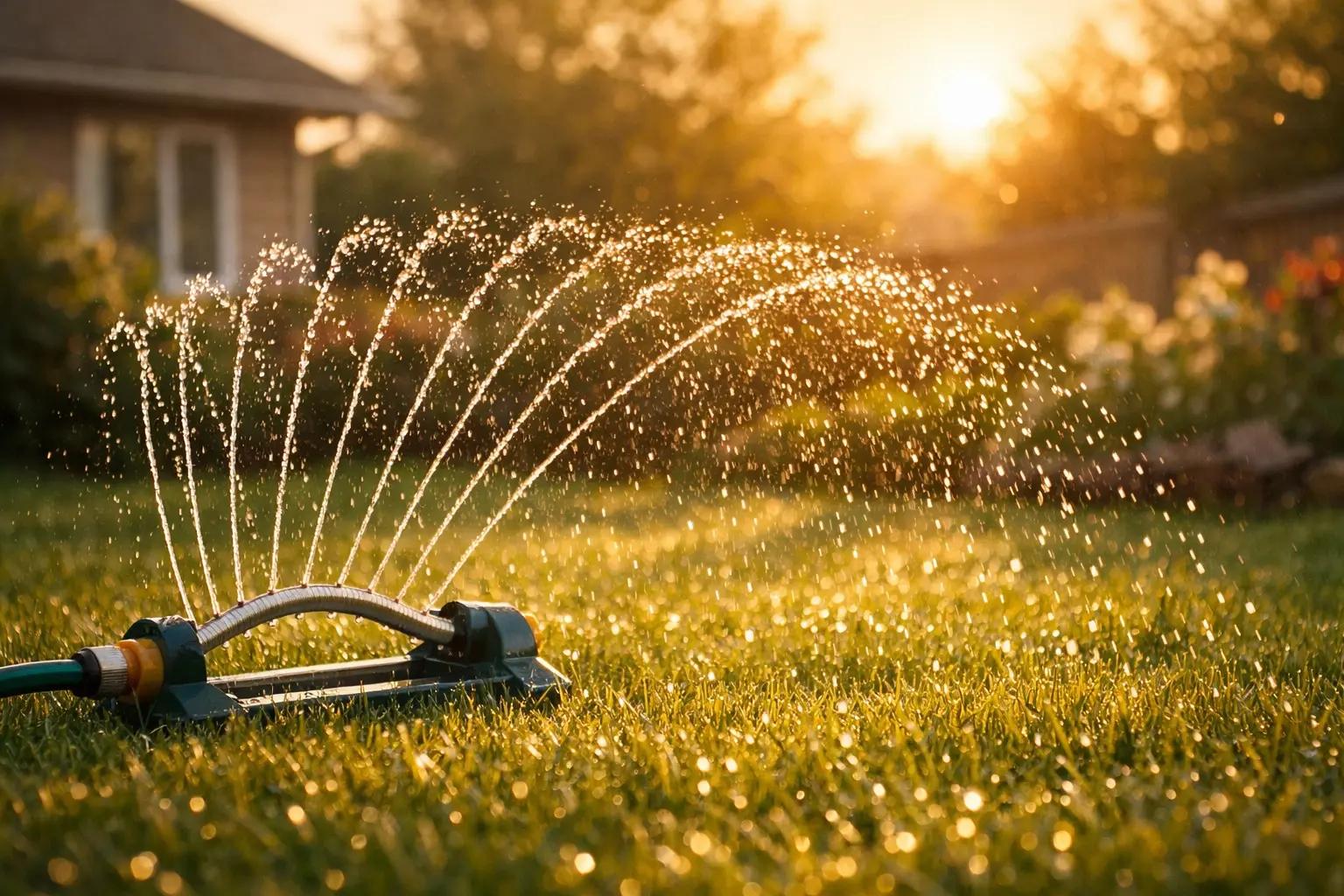
Once the lawn is established and growing, water deeply once or twice a week (1-1.5 inches total) rather than lightly every day. Deep watering forces roots down into cooler, moister soil layers where they become drought-resistant. Shallow daily watering encourages roots to stay near the surface where they're vulnerable to heat and drought.
Frequently Asked Questions
How long does it take to spring lawn care checklist?
+
This project typically takes about 3 hrs. The guide includes 8 steps with detailed instructions for each.
What tools do I need?
+
You will need: Dethatching rake or power dethatcher, Lawn mower with sharp blade, Fertilizer spreader, Core aerator (rental). Materials include: Grass seed (matching your lawn type), Slow-release lawn fertilizer (10-10-10 or similar), Lime (if soil pH is below 6.0), Starter fertilizer for overseeded areas.
Is this a good project for beginners?
+
Yes! This is rated as an easy project that most homeowners can complete with basic tools and no prior experience.
Sources & further reading
- Spring lawn care — University of Minnesota Extension
- Lawn Maintenance Calendar — University of Maryland Extension
More Gardening Guides
View all →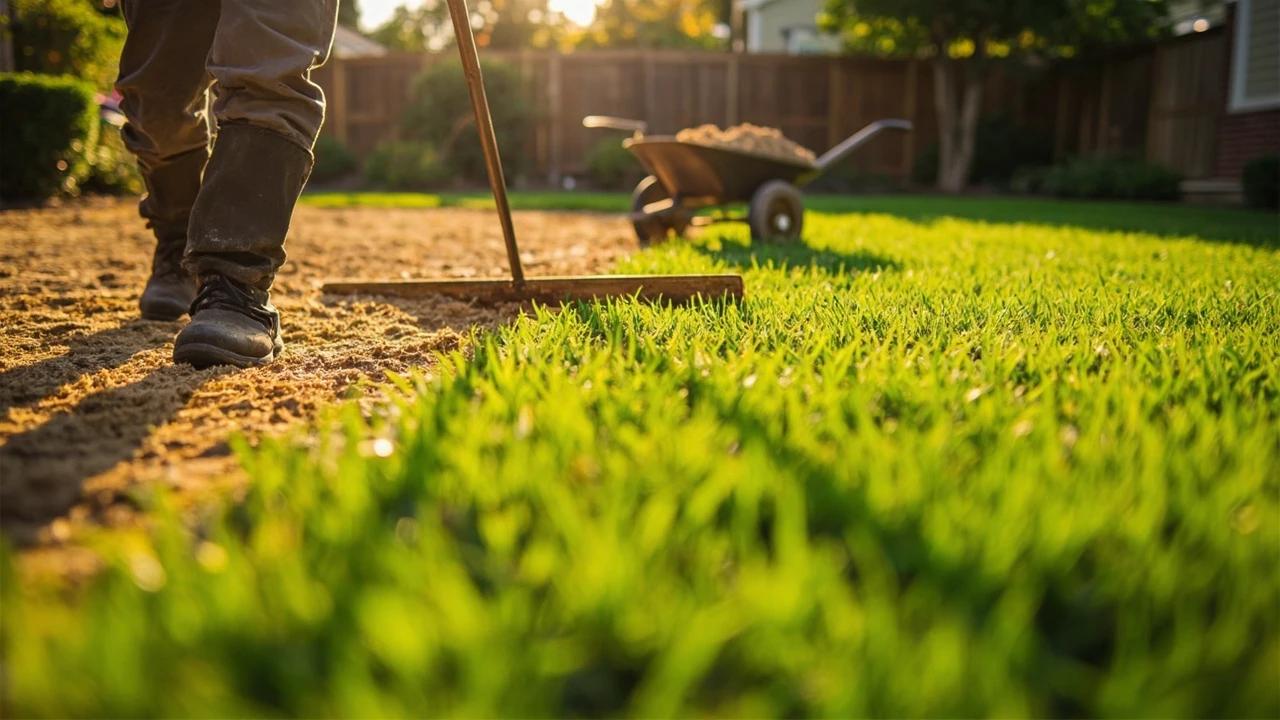 Medium3 hrs
How to Level a Bumpy Lawn
A bumpy lawn is not just ugly — it scalps high spots when you mow, pools water in low spots that breed mosquitoes, and turns every backyard game into an ankle-rolling hazard. The fix is topdressing: spreading a thin sand-soil-compost mix over the surface and letting the grass grow through it. It costs $50-100 in materials for an average yard, takes a weekend afternoon, and produces a noticeably smoother lawn within 3-4 weeks.
 Easy1 hr
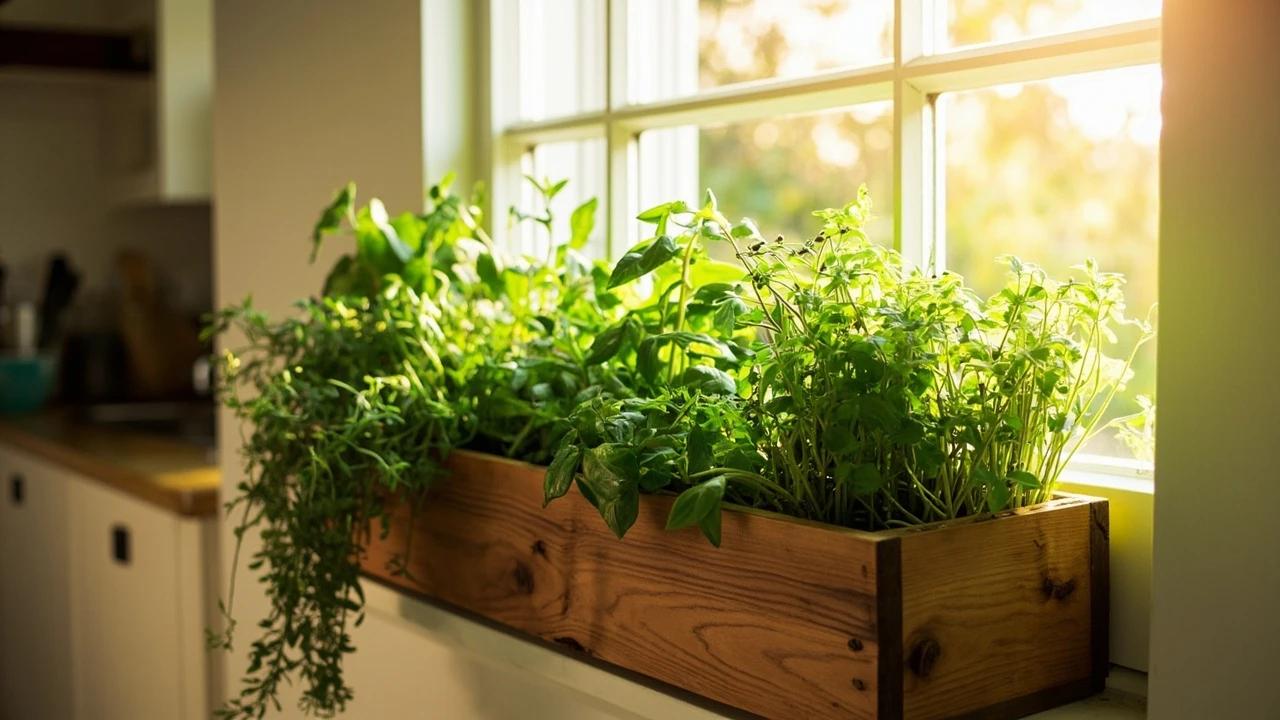
How to Grow Herbs in a Window Box
A 30-inch window box on a sunny windowsill produces enough basil, parsley, thyme, and chives to keep a household supplied all summer — for under $80 in materials and about an hour of setup. This guide covers everything from picking the right window and box, to mounting it safely, choosing herbs that thrive together, and the harvesting technique that doubles a basil plant's output.
 Easy2h 30m
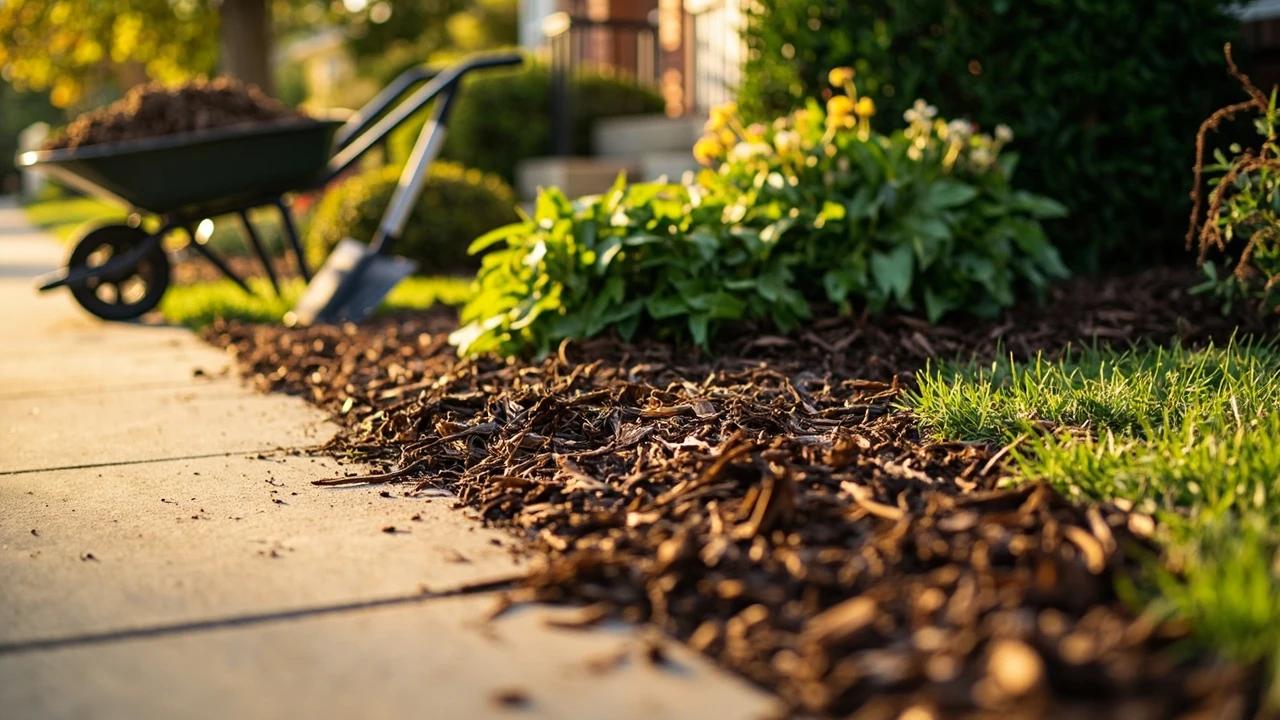
How to Mulch Flower Beds Properly
A 2-3 inch layer of mulch suppresses weeds, holds moisture in the soil through summer heat, and gives a bed that clean, finished look that makes the whole yard pop — but most homeowners do it wrong, piling mulch into volcanoes around tree trunks or laying it so thick it smothers roots. Done right, a weekend of mulching costs $50-150 for an average front yard, lasts 8-12 months, and cuts garden watering in half.
You Might Also Like
 Easy30 min
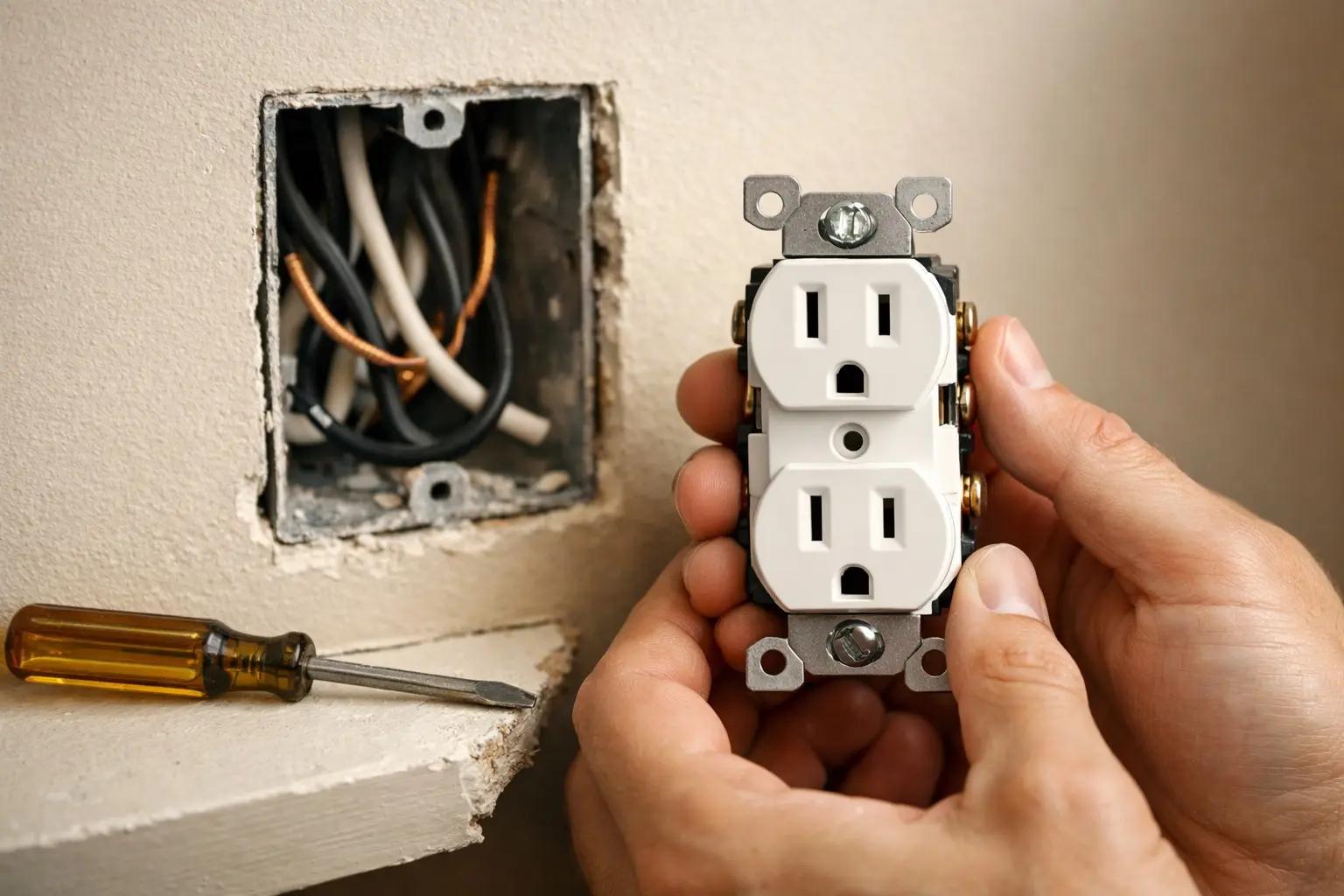
How to Replace an Electrical Outlet
A worn-out or discolored electrical outlet is one of the simplest electrical repairs you can tackle yourself — swapping one takes about 15-30 minutes and costs under $5 in parts versus $75-150 for an electrician visit. This guide walks you through safely replacing a standard duplex receptacle, including how to handle the wiring correctly and avoid the most common DIY mistakes.
 Medium45 min
How to Install a Ceiling Fan
Replacing a light fixture with a ceiling fan improves air circulation in summer and can reduce heating costs in winter by circulating warm ceiling air downward. Most installs take 45-60 minutes.
 Easy15 min
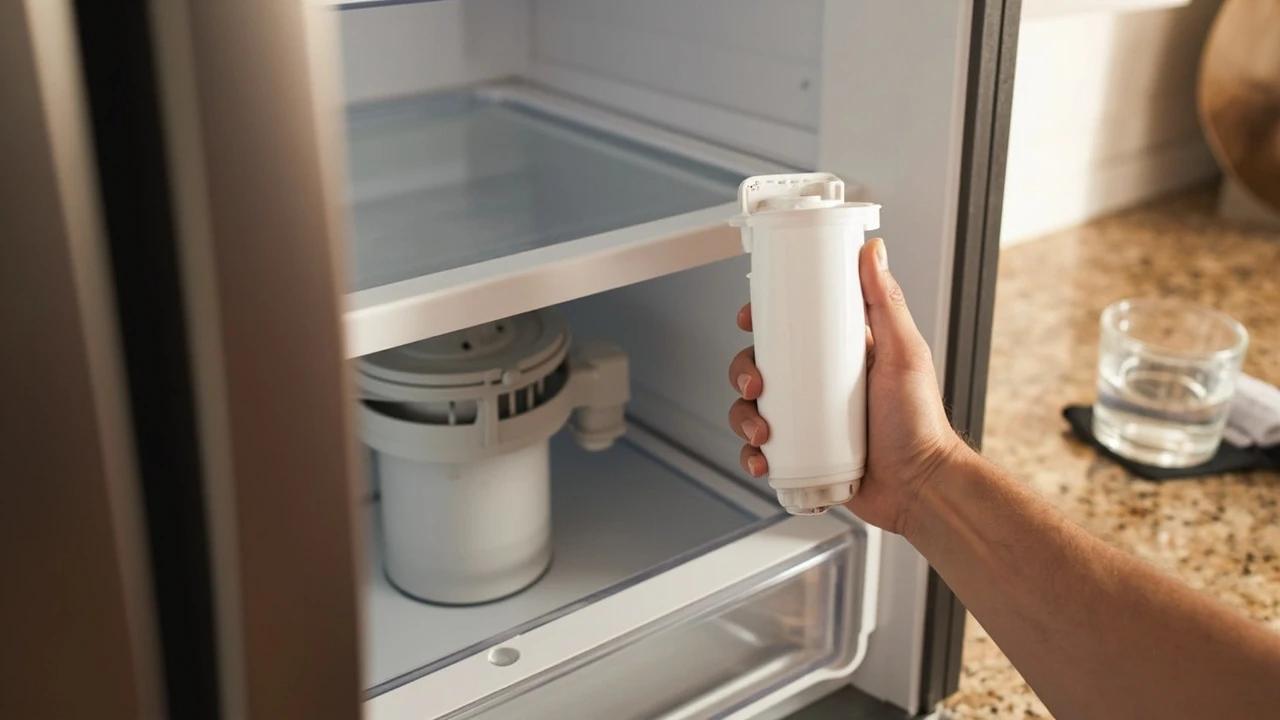
How to Replace a Refrigerator Water Filter
A clogged refrigerator water filter is the most common cause of slow dispensing, off-tasting water, and undersized ice cubes — and it is the easiest fix in your kitchen. Most filters are designed to be swapped in under five minutes with no tools, no shut-off valve, and no spilled water. This guide covers locating your filter, the two common removal styles (twist-in and push-in), inspecting the O-rings, flushing the new filter, and resetting the indicator light so you do not see the red "Replace" warning the next morning.