How to Get Rid of Carpenter Ants Without an Exterminator
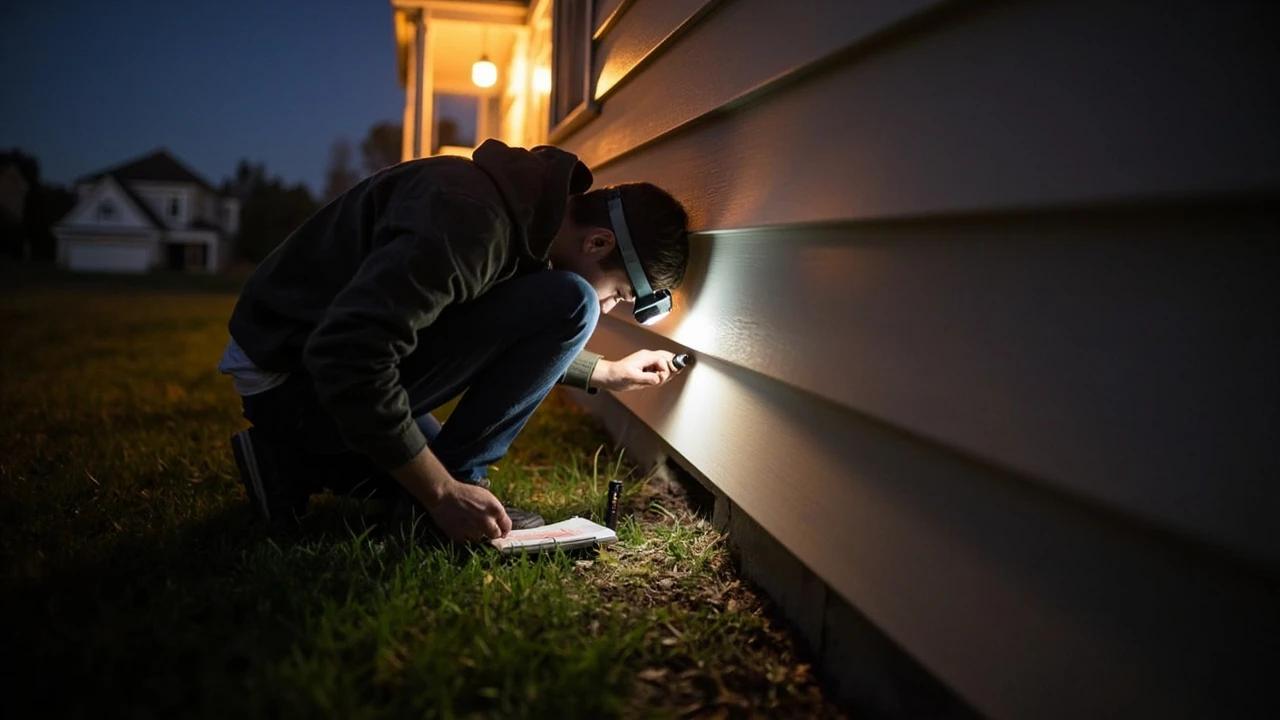

Big black ants in the kitchen at midnight usually mean a carpenter ant colony is excavating damp wood somewhere in your house — and the instinctive response, spraying them, is exactly what makes an infestation permanent. This guide covers the method extension entomologists actually recommend: track the nest at night, feed the colony slow-acting bait, and fix the moisture that invited them, for $20-40 instead of a $300-600 pest contract.
What You'll Need
🛠 Tools
📦 Materials
Safety First
- •Boric acid and ant baits are low-toxicity but not harmless — place them where children and pets can't reach, and never on food surfaces.
- •Never puff insecticide dust into an electrical outlet or junction box with the power on — kill the circuit at the breaker first, and use a plastic-tipped duster.
Step-by-Step Instructions
Confirm They're Carpenter Ants, Not Termites
Catch one in a jar or on tape and look closely, because the treatment paths are completely different. Carpenter ants are large — 1/4 to 1/2 inch — black or red-and-black, with a pinched waist and elbowed antennae; their winged swarmers have front wings longer than the hind pair. Termites have no waist, straight antennae, and four equal wings, and they build mud tubes rather than pushing out sawdust. If what you find says termite, stop here and get a professional inspection — termite damage moves much faster.
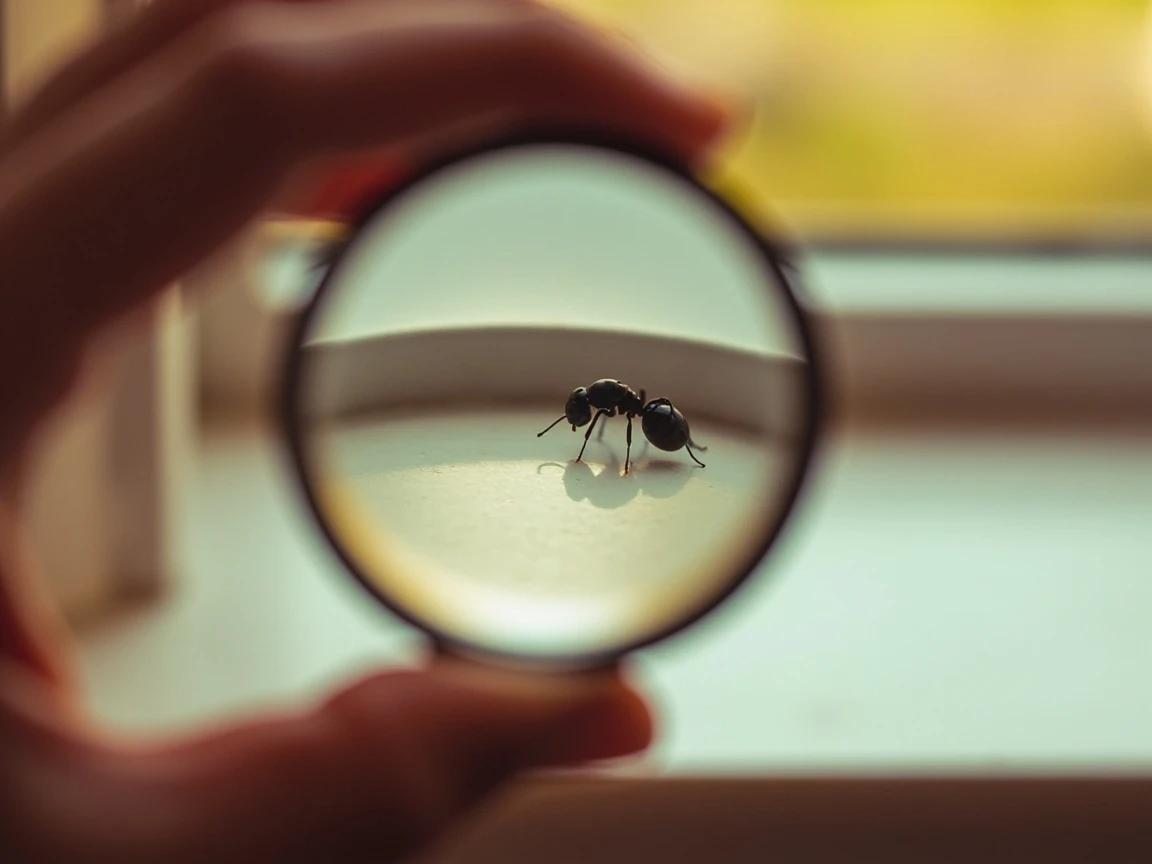
Size alone can fool you — carpenter ant workers from one colony come in several sizes. The pinched waist and elbowed antennae are the reliable tells.
Understand What the Ants Are Telling You
Carpenter ants don't eat wood — they excavate smooth galleries in it to nest, and they overwhelmingly choose wood that's damp, rotted, or previously water-damaged. An indoor colony is almost always a satellite outpost of a larger parent colony outdoors in a stump, log pile, or dying tree, connected by scent-marked trails. So an indoor infestation is really two findings: there's a moisture problem in your structure, and there's a colony network that killing a few foragers won't touch.
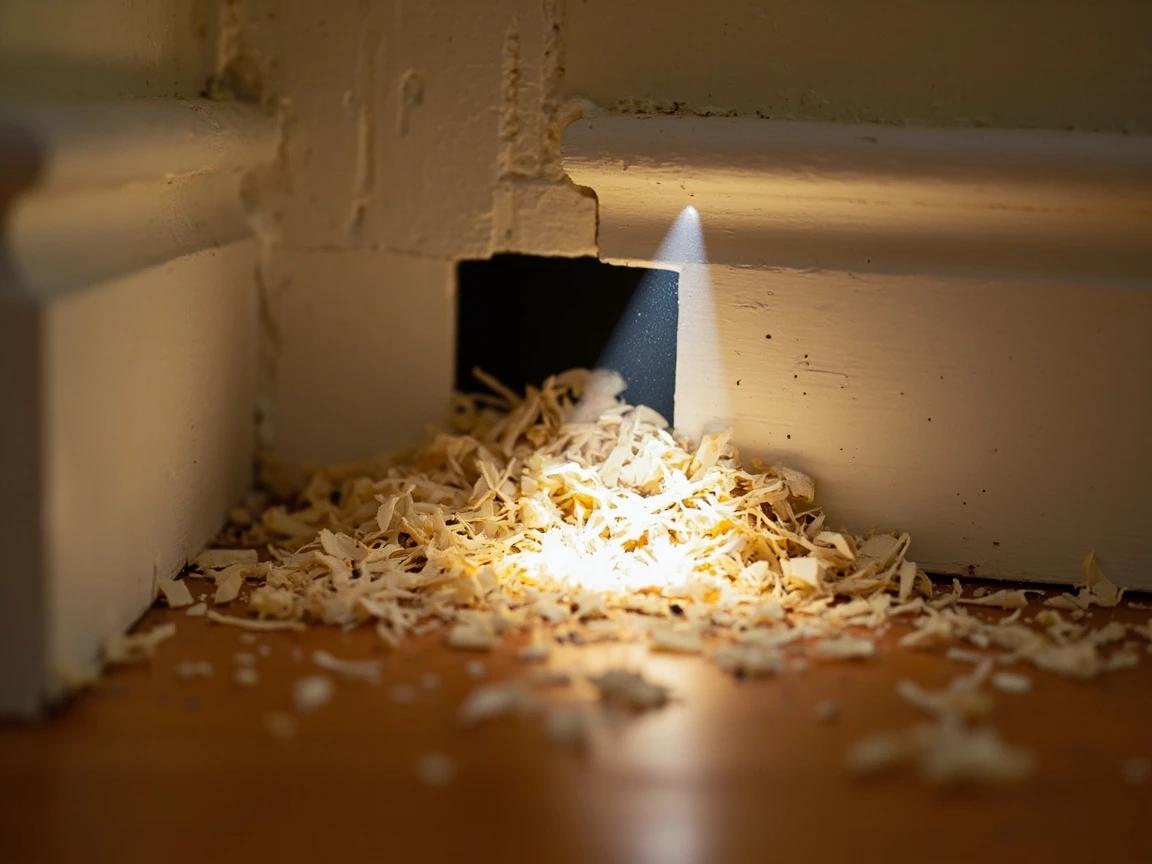
That sawdust-like pile is called frass — it's excavation debris the ants push out of kick-out holes. Finding fresh frass means an active nest is inches to feet away, usually straight up or behind the hole.
Track the Foragers at Night to Find the Nest
Two hours after dark, set out tracking stations — a bottle cap of diluted honey or 25 percent sugar water, plus a dab of canned tuna — along baseboards, under sinks, and near where you've seen ants. Check them after one to two hours with a dim or red light: recruited workers will form a trail you can follow toward the nest. Listen along suspect walls with a glass or stethoscope for a dry, crinkling rustle, tap the wall and listen for a startled surge, and check every area with a moisture history: under bathrooms, around the dishwasher, behind gutters, at the chimney flashing.
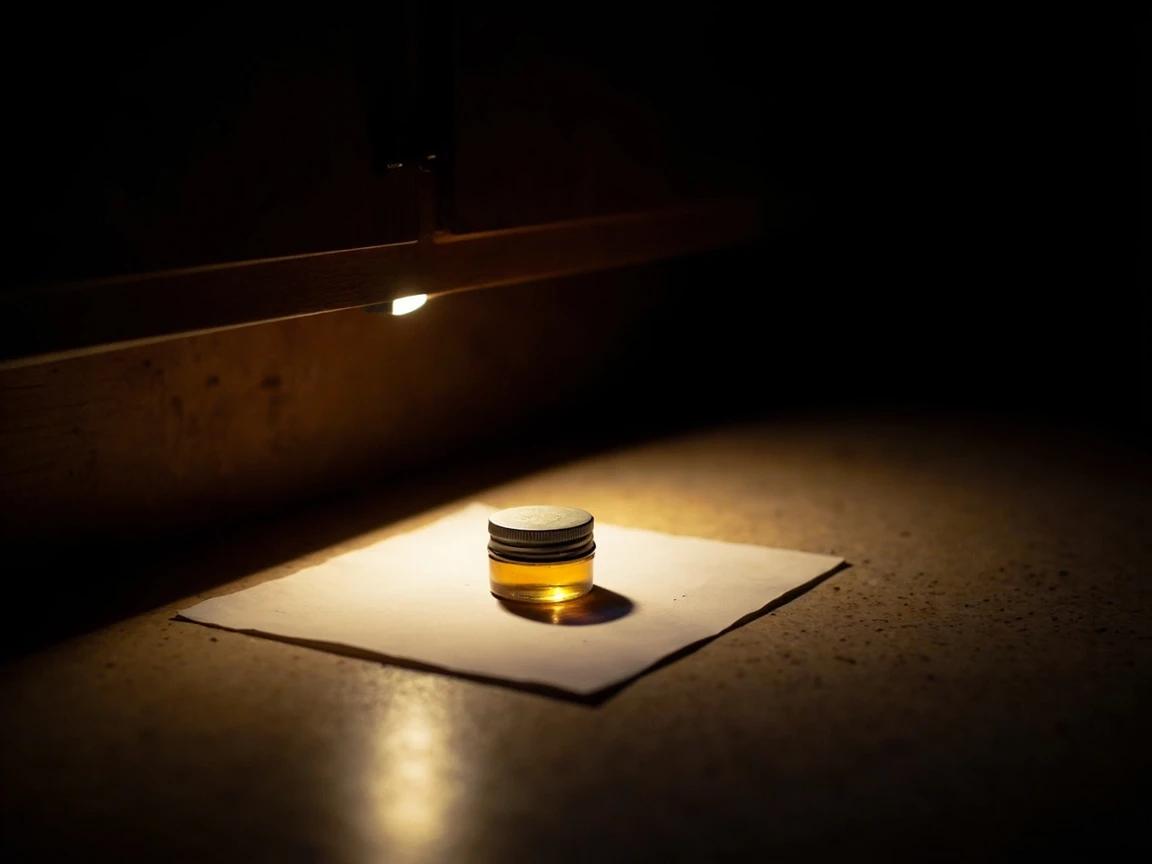
Ants follow structural edges — baseboards, sill plates, wiring runs, pipe chases. When a trail disappears into a wall, mark the spot with painter's tape; that's your treatment target for step 6.
Set Slow-Acting Baits — and Put the Spray Can Away
Place commercial carpenter ant gel or liquid bait directly beside the active trails and tracking stations — never on the nest itself — in both sweet and protein versions, because colonies switch food cravings with the season and brood cycle. The bait's whole design is that workers survive long enough to carry it home, share it mouth-to-mouth, and dose the larvae and queen. That's also exactly why you must not spray: repellent insecticides kill the couriers before delivery and panic the colony into budding — splitting into multiple satellite nests somewhere new.
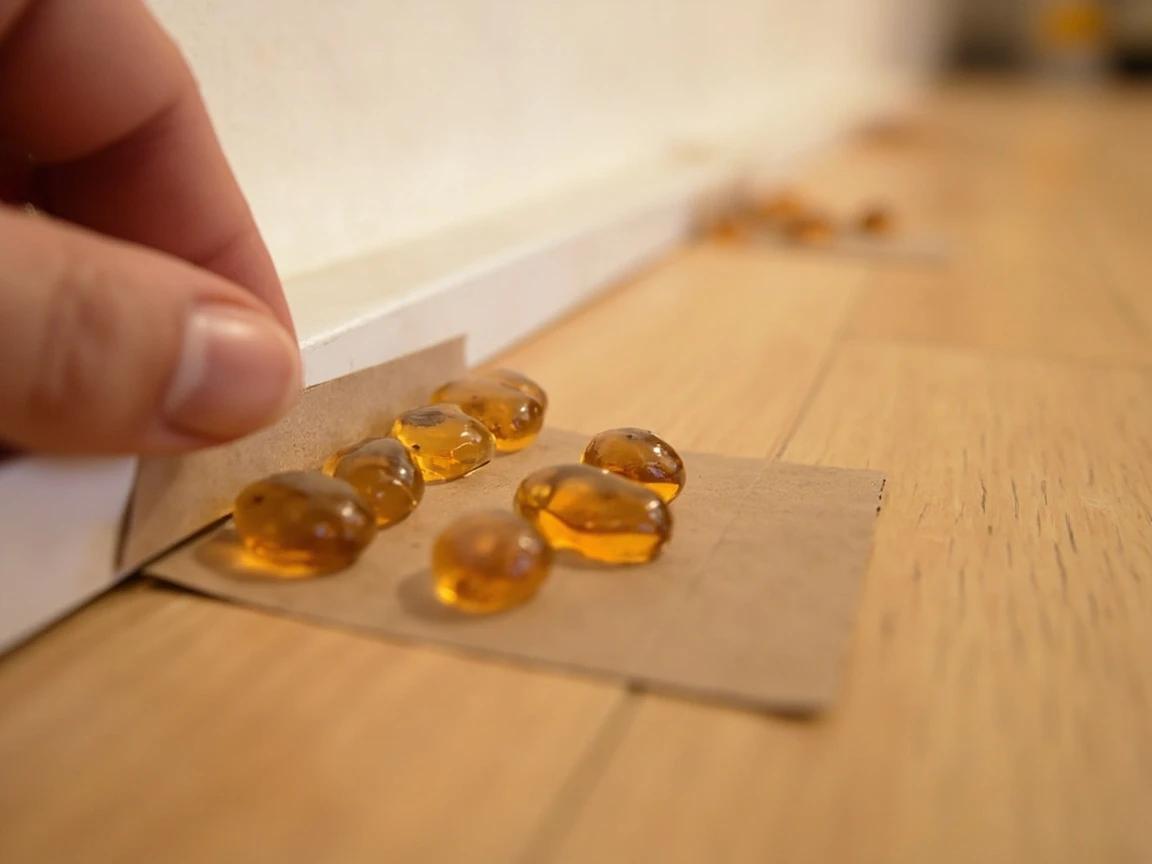
Resist killing the ants you see feeding at the bait — every one of them is a delivery truck. The more workers that feed and leave, the faster the colony collapses.
Refresh and Rotate the Baits Until Traffic Stops
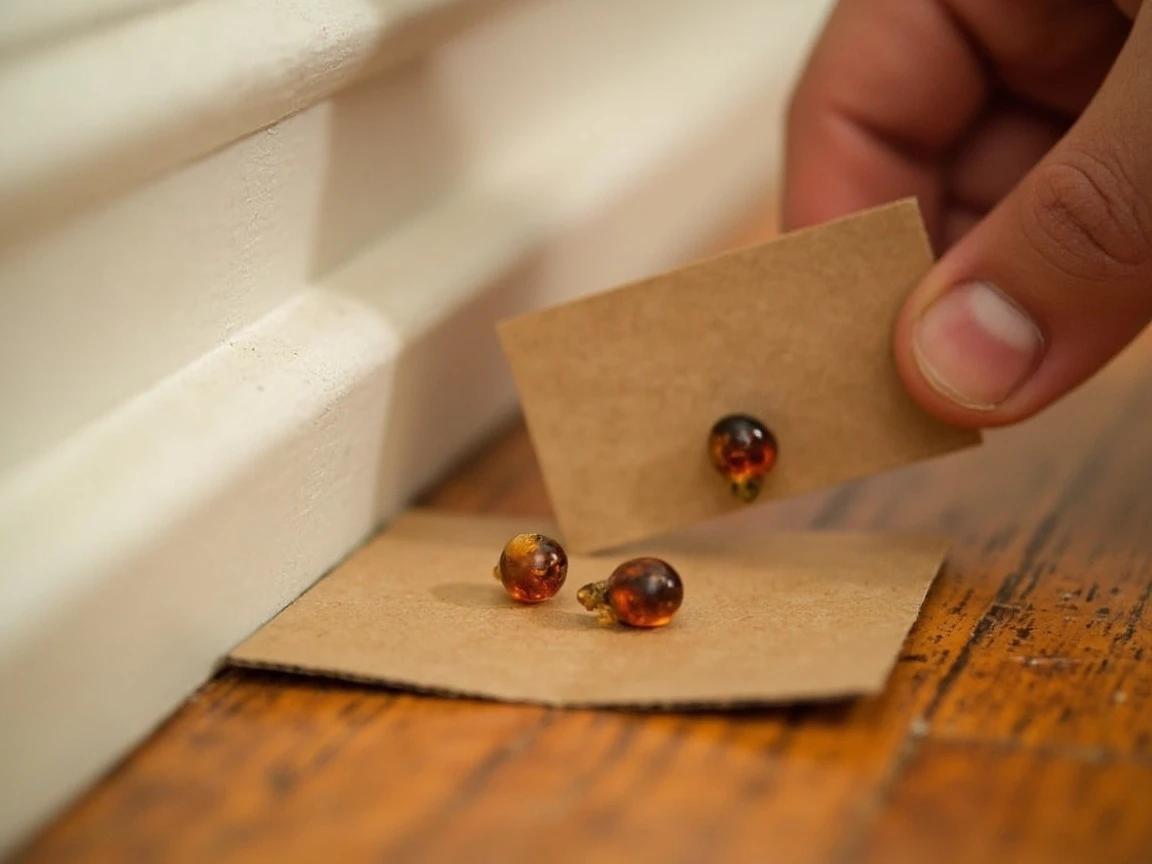
Gel and liquid baits lose their draw as they dry out, so replace them every two to three days, and swap between the sweet and protein formulas if interest fades — a colony ignoring sugar this week may mob protein instead. Don't scrub the floors near active bait placements yet; the ants' own scent trail is what funnels traffic to your poison. Expect heavy feeding for a few days, then a visible decline, with trails typically gone in one to three weeks.
Dust a Located Nest Void With Boric Acid
If your tracking pinned the nest to a specific wall bay or kick-out hole, add a direct treatment: load a bulb duster with boric acid and puff a light, even film — not piles — into the hole or into 1/8-inch holes drilled just above the baseboard into the suspect stud bay. Returning workers pick the dust up on their bodies and groom it off inside the nest. A light film is the goal; ants detour around visible heaps of powder.
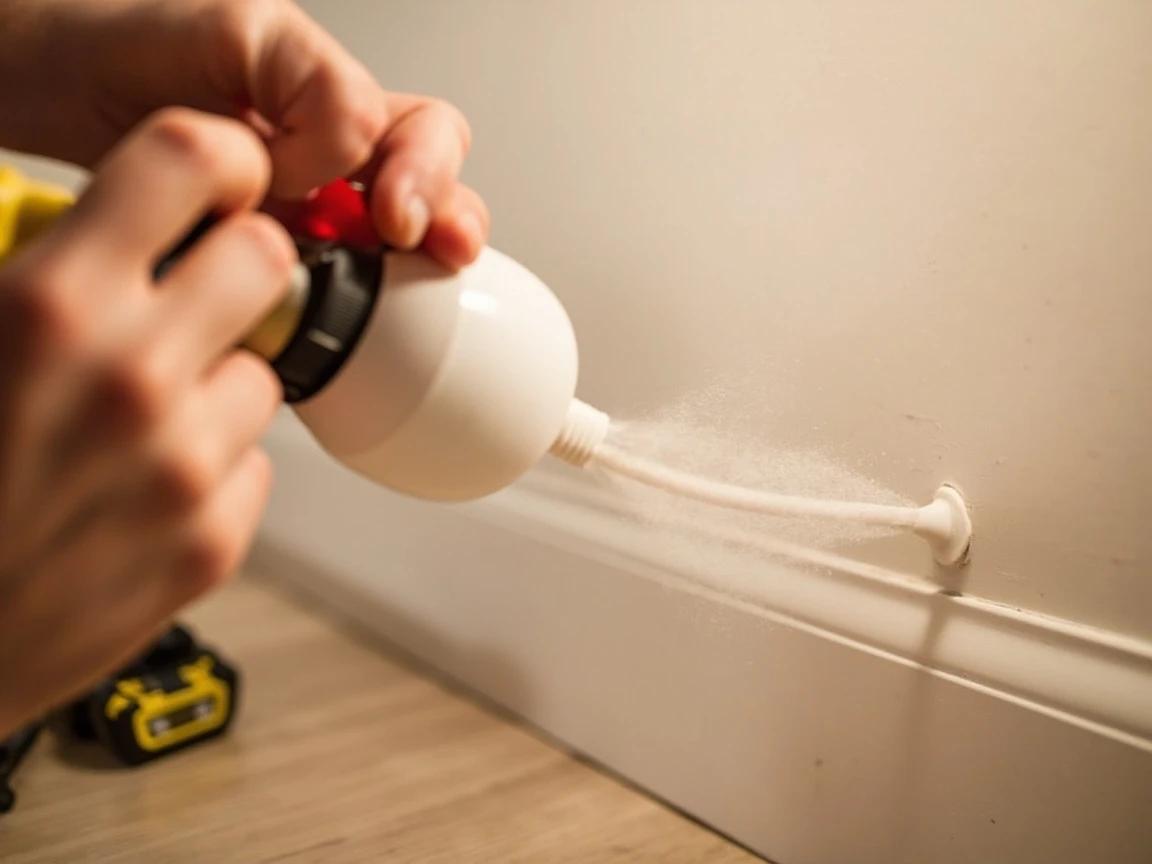
Kill power at the breaker before dusting anywhere near outlets or junction boxes, and use a plastic-tipped duster — metal tips and live terminals are a shock hazard.
Fix the Moisture That Invited Them In
The colony chose your house because something is wet, and until that's fixed, the next colony will make the same choice. Chase down the usual suspects: clogged or leaking gutters, rotted soffit and fascia boards, roof and chimney flashing, weeping plumbing joints under sinks, and condensation in poorly vented crawl spaces and attics. Cut out and replace any wood that's soft enough to push a screwdriver into — carpenter ants can't establish in sound, dry lumber.
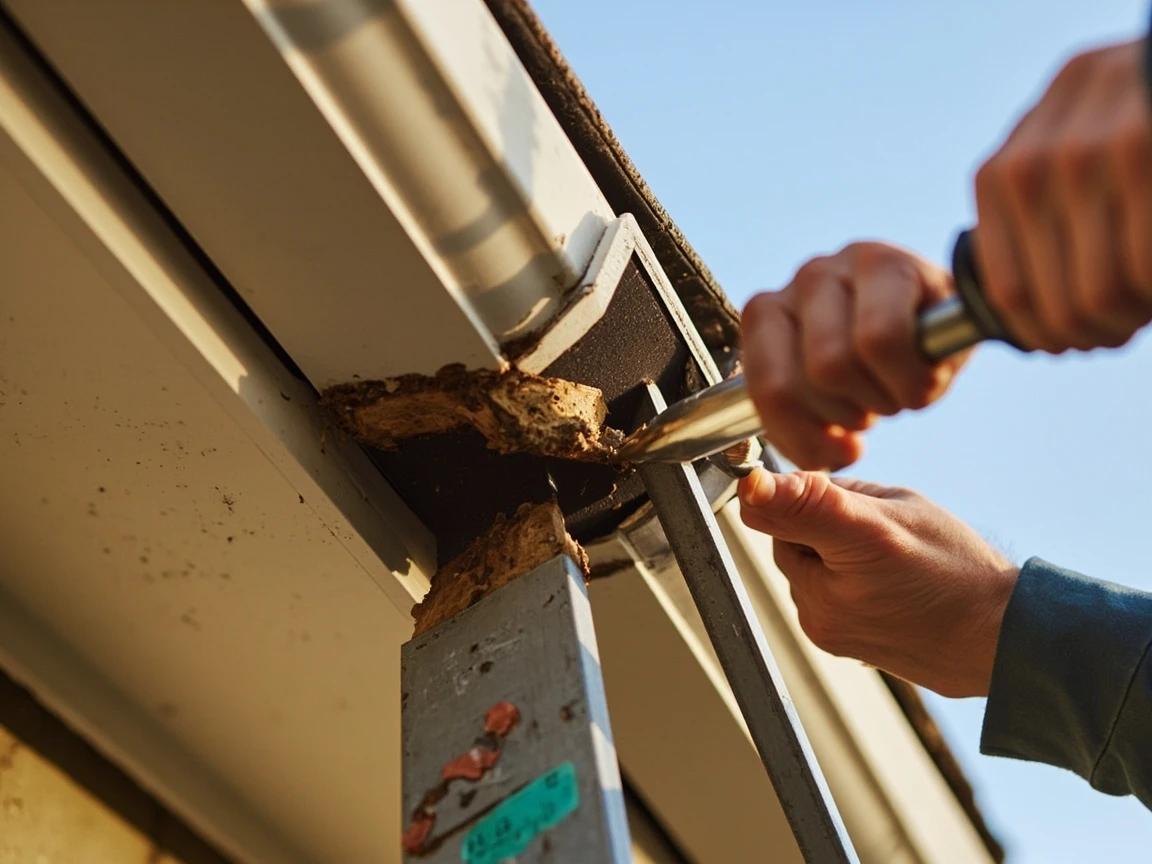
Ants found the damp spot before you did — treat the location of the nest as a free moisture inspection report and start your leak hunt exactly there.
Remove the Bridges Between Yard and House
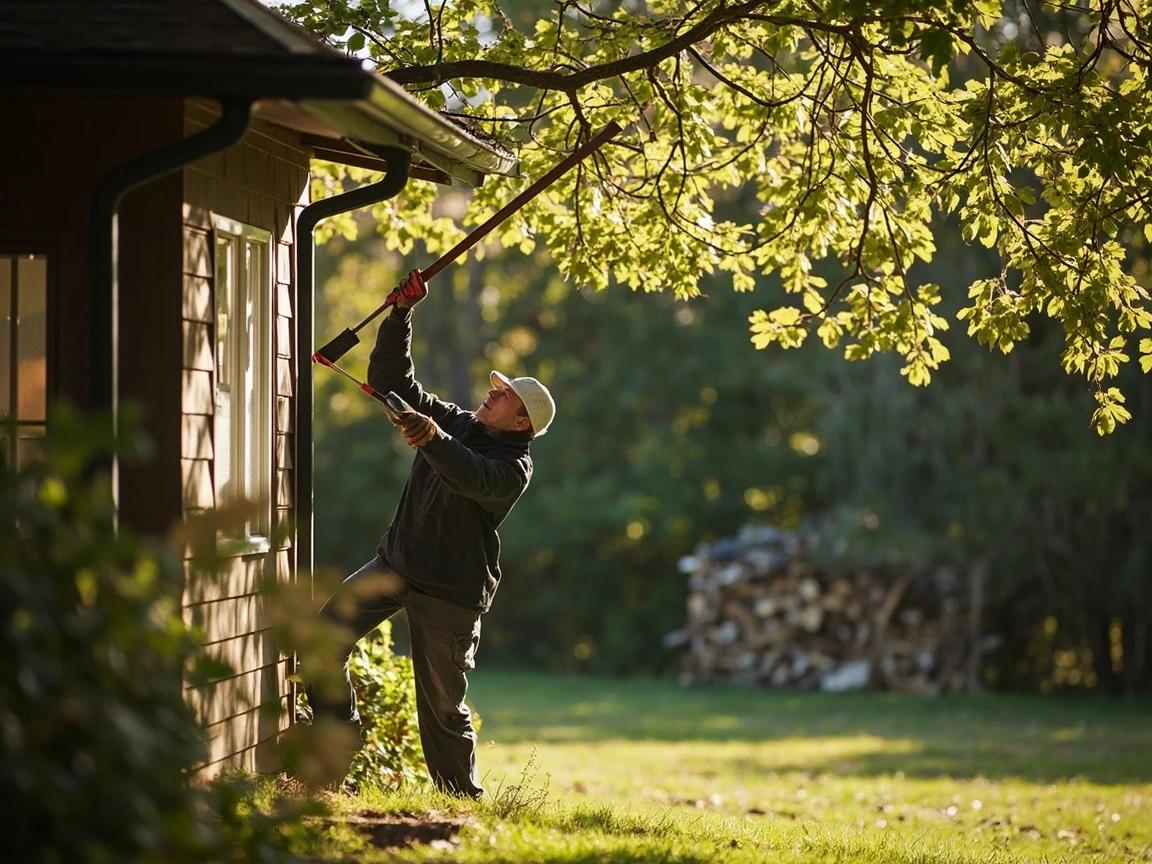
Carpenter ants commute along physical highways, so take them down: prune every branch and shrub until nothing touches the roof, siding, or deck; move firewood at least 20 feet from the house and up off the ground; and rake mulch back to leave a 6-inch gravel or bare-soil gap against the foundation. Then walk the exterior with caulk and seal the obvious entry points — cable and pipe penetrations, gaps where trim meets siding, and openings around the foundation sill.
Confirm the Win — and Watch for Spring Swarmers
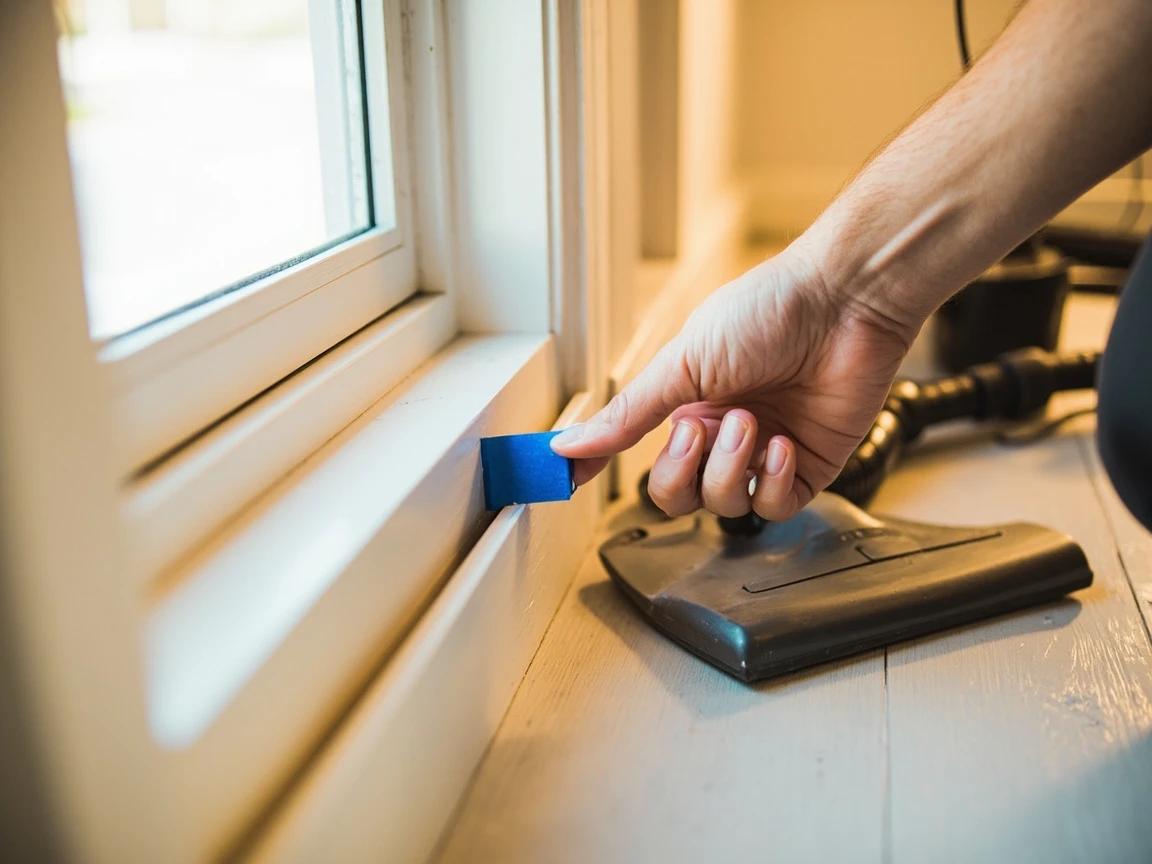
Declare victory only after two full weeks with no night trails and no fresh frass. Vacuum up the old frass piles, then stick a square of painter's tape lightly over each former kick-out hole — fresh frass or a reopened hole against clean tape is an unmissable early warning. Keep an eye out each spring: winged swarmers emerging indoors mean an established colony survived somewhere in the structure, and that's the moment to escalate to a professional rather than restart the bait cycle.
Log the date and location of the infestation in your phone. If ants reappear within a season at the same spot, you're dealing with a parent colony nearby outdoors — hunt for it in stumps, woodpiles, and dying trees within 100 yards.
Frequently Asked Questions
How do I tell carpenter ants from termites?
+
Look at the waist and the wings. Carpenter ants have a pinched, hourglass waist, elbowed antennae, and — on winged swarmers — front wings noticeably longer than the hind pair. Termites are straight-sided with no waist, have beaded straight antennae, and carry four equal-length wings much longer than their body. The debris differs too: carpenter ants push out frass that looks like wood shavings mixed with insect parts, while subterranean termites leave mud tubes, not sawdust.
Why shouldn't I just spray the carpenter ants I see?
+
Two reasons. Repellent sprays kill only the foragers you can see — a few percent of a colony that may number 3,000 or more — while the queen keeps producing. Worse, the pesticide's repellent scent panics the colony, which often splits and buds into several satellite nests in new locations, turning one problem into three. Slow-acting bait does the opposite: workers carry it home and share it until it reaches the queen.
Why do I only see a few big black ants at night?
+
Carpenter ants are mostly nocturnal foragers — a handful of large (1/4- to 1/2-inch) ants wandering the kitchen or bathroom after dark is the classic sign of a satellite colony nesting somewhere in the structure, often within a few dozen feet of moisture. A few ants in spring might be outdoor foragers that wandered in, but ants appearing indoors nightly, in winter, or carrying larvae mean the nest is inside.
Can I make my own carpenter ant bait with boric acid?
+
Use homemade sweets only for tracking, not killing. Diluted honey or 25 percent sugar water is perfect for creating a trail you can follow to the nest. For the lethal bait, commercial gel or liquid baits are the better tool because the dose is calibrated — the whole strategy depends on workers surviving long enough to carry the poison home, and homemade boric acid mixes are usually too strong, killing foragers before they deliver.
How long does it take to get rid of carpenter ants with bait?
+
Expect visible traffic to drop within days and disappear within one to three weeks if the colony is taking the bait. Satellite colonies backed by a large parent nest outdoors take longer and may need the outdoor nest baited too. Consider it won when you've seen no trails and no fresh frass for two full weeks — then keep watching each spring for winged swarmers, the sign of a survivor colony.
Sources & further reading
- FS1101: Carpenter Ants and Their Control — Rutgers NJAES
- Carpenter Ants — Colorado State University Extension
- Carpenter Ant Management (G1738) — Nebraska Extension
More Gardening Guides
View all →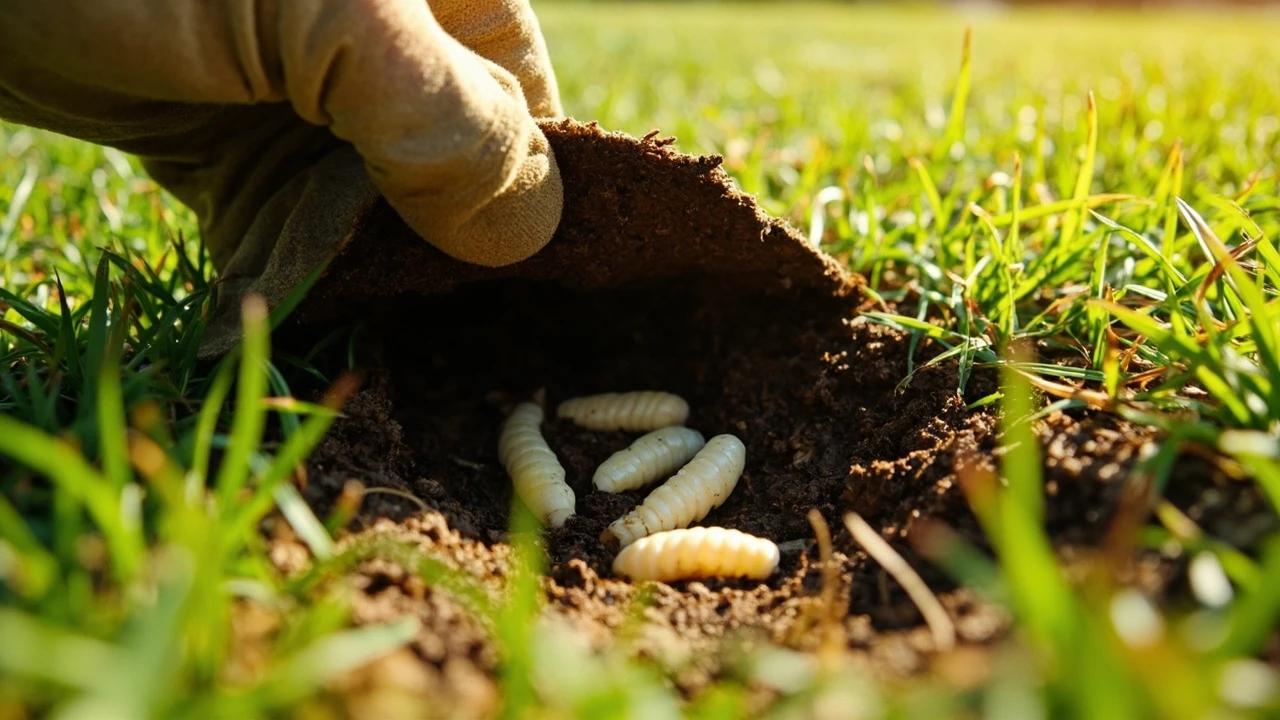 Easy1 hr
How to Control Grubs and Lawn Pests
White grubs — the C-shaped larvae of Japanese beetles, June bugs, and chafers — are the number one underground lawn pest in North America, and a heavy infestation can destroy an entire lawn in a single season by severing grass roots just below the surface. The good news is that a single well-timed application of preventive grub control in late spring or early summer eliminates 75-100% of grubs before they cause damage, and the whole job takes under an hour with a broadcast spreader. This guide covers confirming you actually have a grub problem, choosing between preventive and curative treatments, applying the product correctly, and maintaining a grub-resistant lawn year after year.
 Medium30 min
How to Safely Remove a Wasp or Hornet Nest
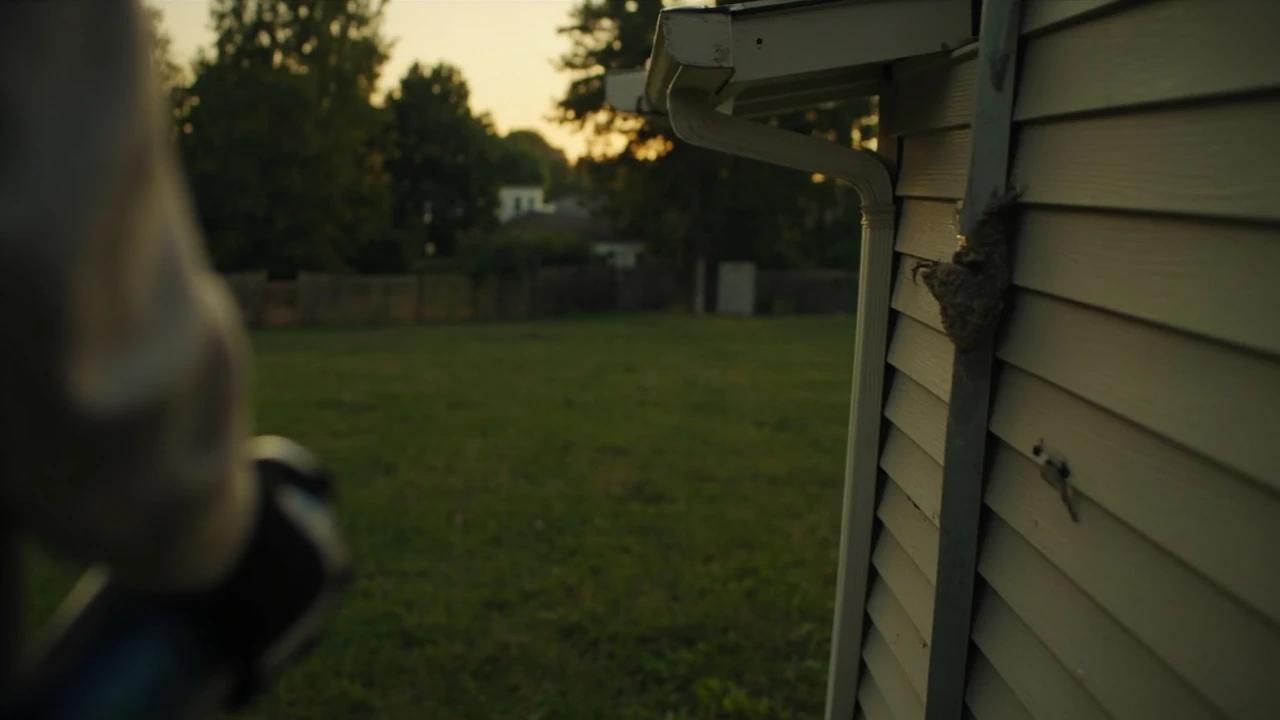
A small paper wasp nest under the eave is a legitimate $10 DIY job — if you identify the insect correctly, treat at dusk, and keep 20 feet between you and the nest. The same can of spray pointed at the wrong nest (yellowjackets in the ground, bald-faced hornets in a tree, anything inside a wall) earns you dozens of stings and a colony chewing into your living room. This guide teaches the identification that decides DIY versus pro, the dusk-treatment method that works, and the one mistake — sealing an active wall nest — that turns a $400 pro visit into drywall repair.
 Medium4 hrs
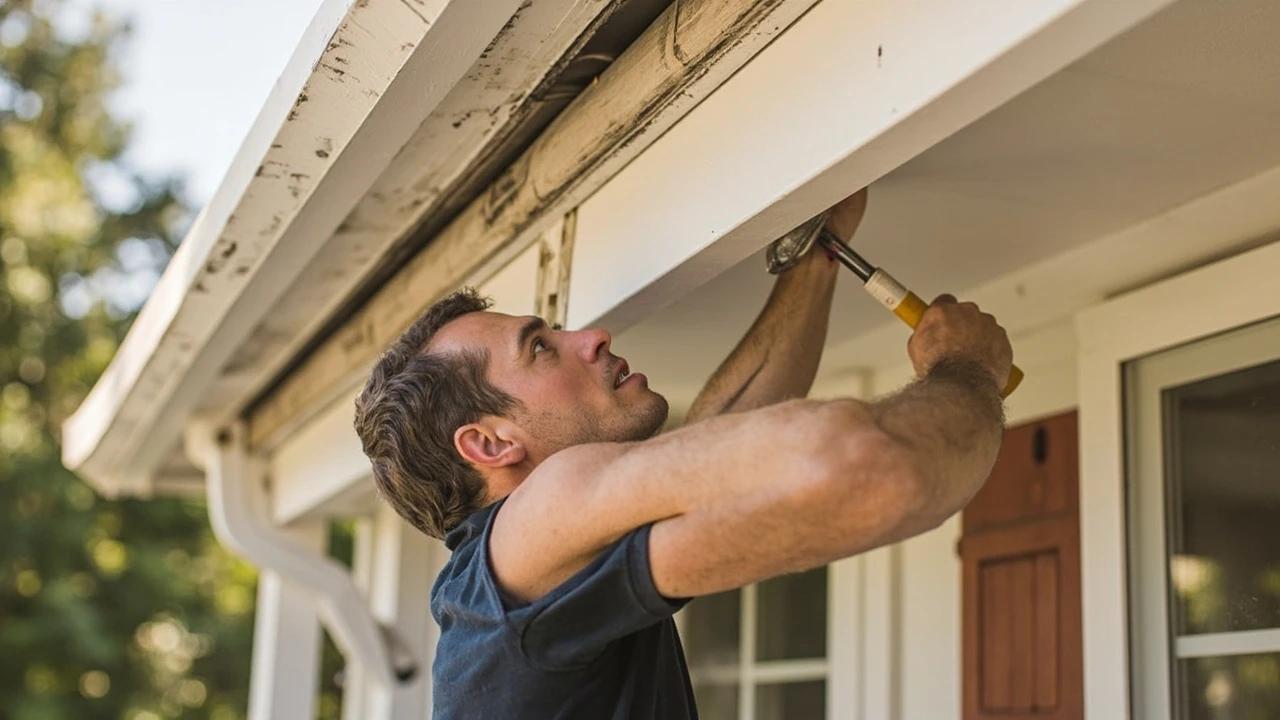
How to Repair a Soffit or Fascia Board
Peeling paint and soft, crumbling wood at the roof edge means the fascia (the vertical board behind the gutter) or soffit (the panel under the eave) is rotting — and every season you wait, the rot creeps toward the rafter tails it's nailed to. Swapping a damaged section is honest weekend carpentry: $50-150 in lumber and paint, basic tools, and one golden rule — find and fix the water source that caused the rot, or you'll be back on the ladder in two years.
You Might Also Like
 Easy30 min
How to Fix a Dripping Faucet
A dripping faucet wastes more than 3,000 gallons of water per year and can add $20 or more to your monthly water bill. The fix is almost always a worn cartridge, washer, or O-ring — parts that cost under $10 and take 20-30 minutes to replace with basic tools.
 Hard8 hrs
How to Paint Kitchen Cabinets
A professional cabinet refinish costs $3,000-8,000, but painting them yourself with the right prep and materials delivers the same transformation for under $200 in a long weekend. The secret is thorough degreasing, a bonding primer, and thin coats with proper dry time between each — skip any of those and the paint will chip within months. This guide walks through the full process from door removal and labeling to final reassembly, covering both brush and roller techniques for a smooth, factory-like finish.
 Medium6 hrs
How to Paint a Room
A fresh coat of paint is the fastest, cheapest way to transform any room — and doing it yourself saves $400-800 in labor for an average 12x12-foot bedroom. The job takes a weekend from prep to final coat, and the difference between an amateur-looking result and a professional finish comes down to technique, not talent. This guide covers prep, cutting in, rolling, and cleanup so you get clean lines and even coverage the first time.