How to Edge Garden Beds Cleanly
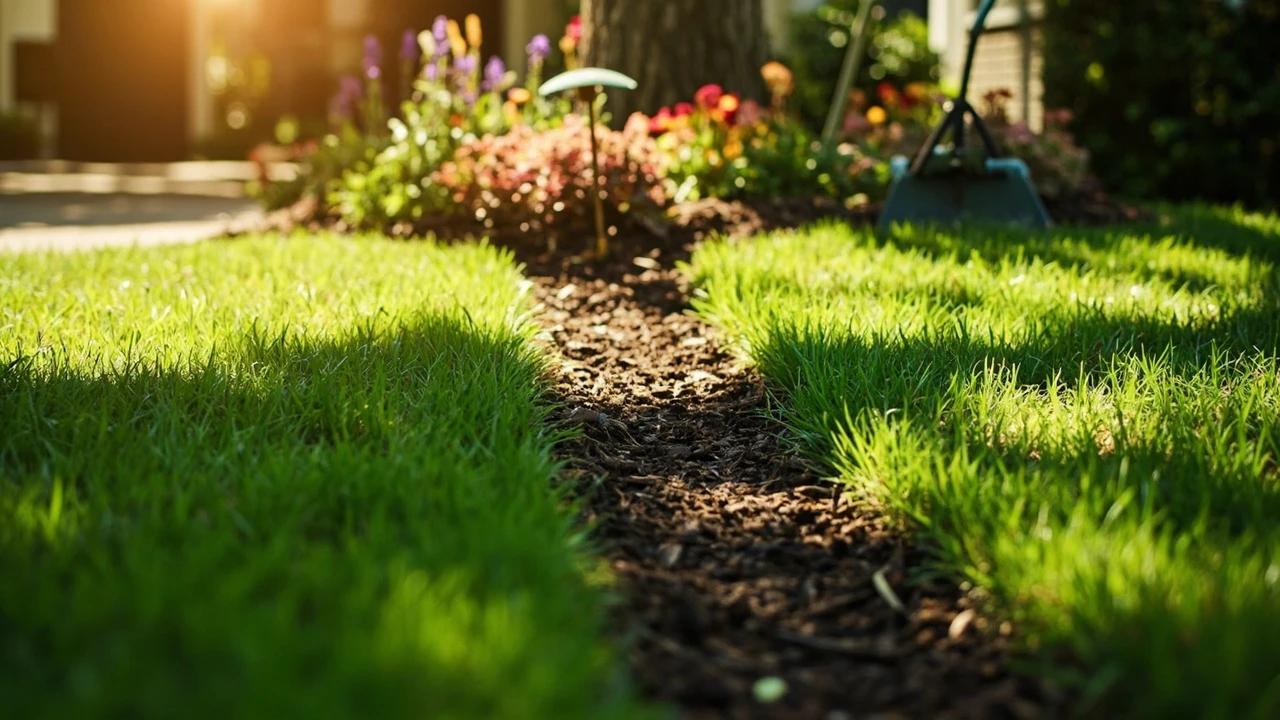

Crisp bed edges are the single fastest way to make a yard look professionally maintained — yet most homeowners never re-cut them after the original landscaping. A clean spade-cut trench takes about an hour per 50 linear feet, costs nothing beyond a sharp edger, and instantly separates turf from mulch so grass stops creeping into your plantings. This guide walks you through marking a smooth line, cutting a defined trench, removing sod, and maintaining the edge all season.
What You'll Need
🛠 Tools
📦 Materials
Safety First
- •Call 811 at least two business days before cutting any new bed edges — buried utility lines (gas, electric, cable) can be as shallow as 6 inches in residential yards.
Step-by-Step Instructions
Lay Out the Edge Line
For curved beds, lay a garden hose on the ground along the existing bed edge or where you want the new line — adjust it until the curves flow smoothly with no sharp kinks. For straight edges, drive two stakes at each end and run a taut string between them. Step back 10-15 feet and eyeball the line from several angles before committing. Once the shape looks right, mark it with landscape spray paint directly on the grass so the line stays visible after you move the hose.
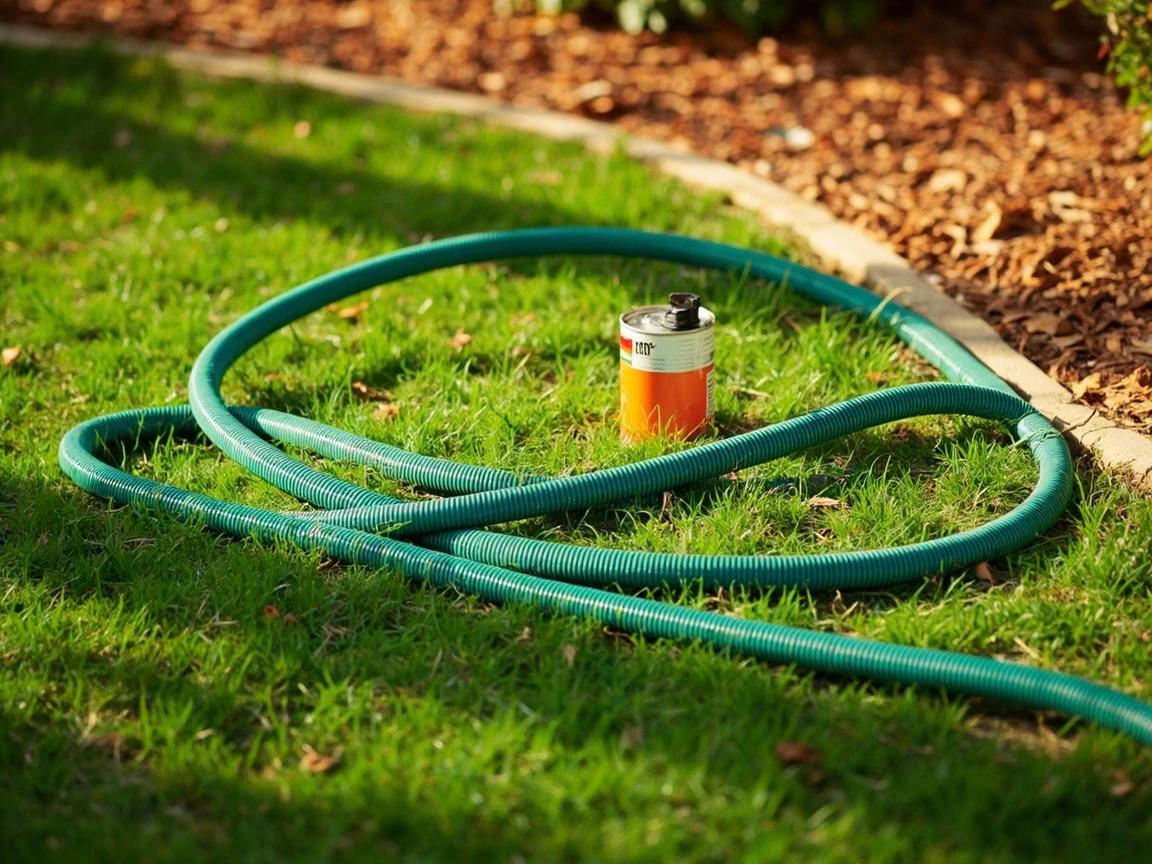
Stand at the corner of the house or end of the driveway to judge curves — you'll spot wobbles from a distance that you can't see up close.
Water the Soil If It's Dry
If the ground is hard or hasn't rained in a week, water along the marked edge line with a sprinkler or hose for 15-20 minutes the evening before you plan to edge. Moist soil cuts cleanly and ejects from the trench in solid strips, while dry soil crumbles and fights every cut. You want the top 6 inches damp but not muddy — if water pools on the surface, wait a few hours before starting.

Make the Vertical Cut with the Edger
Stand facing the bed with the lawn behind you. Place the flat blade of the half-moon edger on the marked line and drive it straight down 4-6 inches by stepping firmly on the shoulder of the blade with your foot. Pull the handle back slightly to lever the blade out, then move 4-6 inches along the line and repeat. Work in a steady rhythm — step, press, lever, slide. Keep the blade perfectly vertical on every plunge so the lawn side of the trench is a clean 90-degree wall.
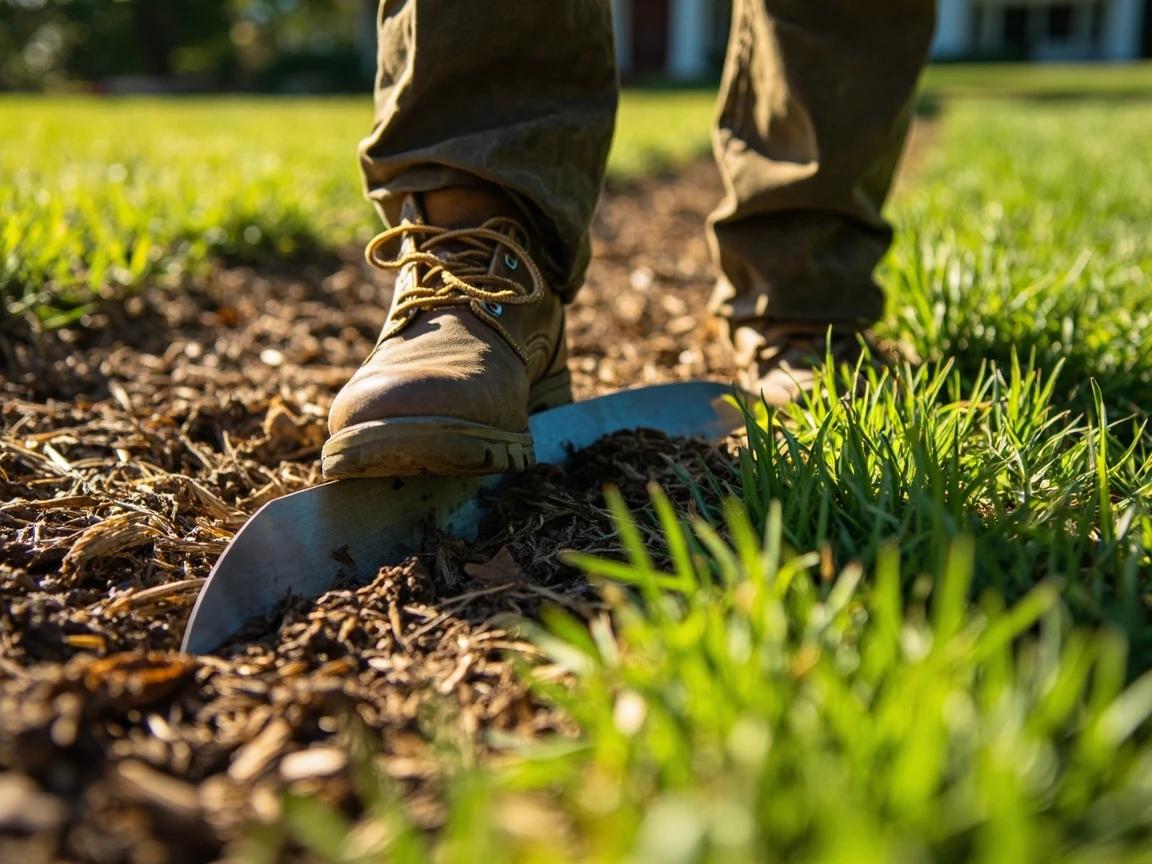
If the blade won't sink easily, rock it side to side once while pressing down — don't angle the cut, or you'll undercut the turf and leave a ragged lip.
Cut the Angled Relief Slice
Turn around so you're now standing on the lawn facing away from the bed. Starting from the vertical cut you just made, angle your spade at roughly 45 degrees toward the bed and slice into the soil to meet the bottom of the vertical cut. This creates a V-shaped or triangular wedge of sod and soil between the two cuts. Work in the same 4-6 inch increments along the full length of the edge. The angled cut gives grass roots nowhere to creep back into the bed and creates the visible trench line that defines the edge.

Remove the Sod Wedge
Pry up the triangular strip of sod and soil created by the two cuts — it should lift out in satisfying chunks. Use the spade to lever stubborn sections free, sliding the blade underneath to sever any remaining roots. Toss the sod strips into a wheelbarrow as you go. If you have a compost pile, stack the sod strips grass-side-down and they'll decompose into rich topsoil in 6-12 months. Continue along the full edge until the entire trench is clear and you can see a clean vertical wall on the lawn side and a sloped face on the bed side.

Don't throw away the sod — flip it upside down in a pile and cover with a tarp. In a few months you'll have free, nutrient-rich topsoil.
Clean and Define the Trench
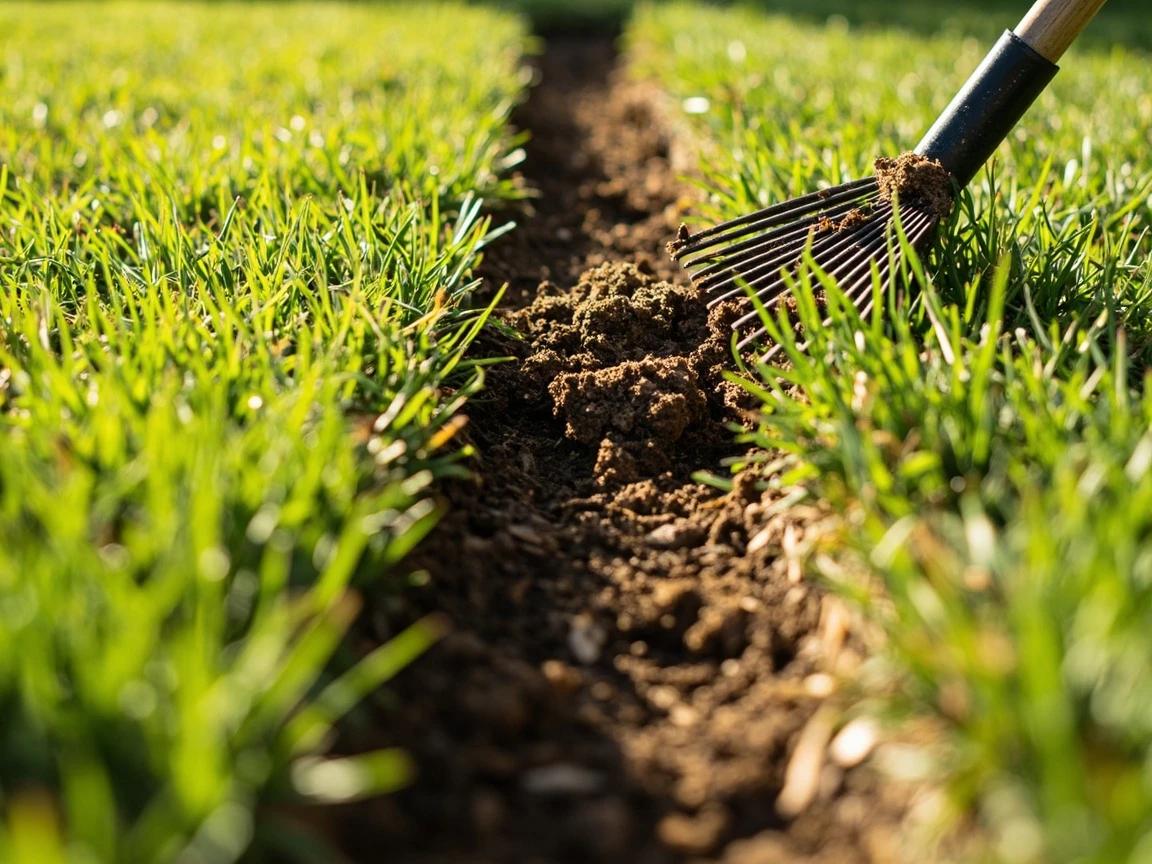
Use a garden rake or the flat edge of the spade to scrape loose soil and grass clippings out of the trench bottom. Brush debris off the vertical lawn wall so the crisp 90-degree line is fully visible. If you spot any sections where the vertical wall is uneven or the trench is shallower than 4 inches, go back with the edger and re-cut those spots. A consistent depth and a razor-sharp lawn wall are what make the edge look professional — this cleanup pass is what separates a good edge from a great one.
Spread Fresh Mulch to the Edge
Shovel 2-3 inches of fresh mulch across the bed, pushing it right up to — but not over — the vertical edge wall. The mulch surface should sit about 1 inch below the top of the trench so it doesn't spill onto the lawn during rain. Use the back of the rake to smooth the mulch into an even layer across the bed. The color contrast between fresh dark mulch and green lawn is what gives edged beds their dramatic, finished look. Avoid piling mulch against plant stems or tree trunks — keep a 2-3 inch gap around any woody stems.
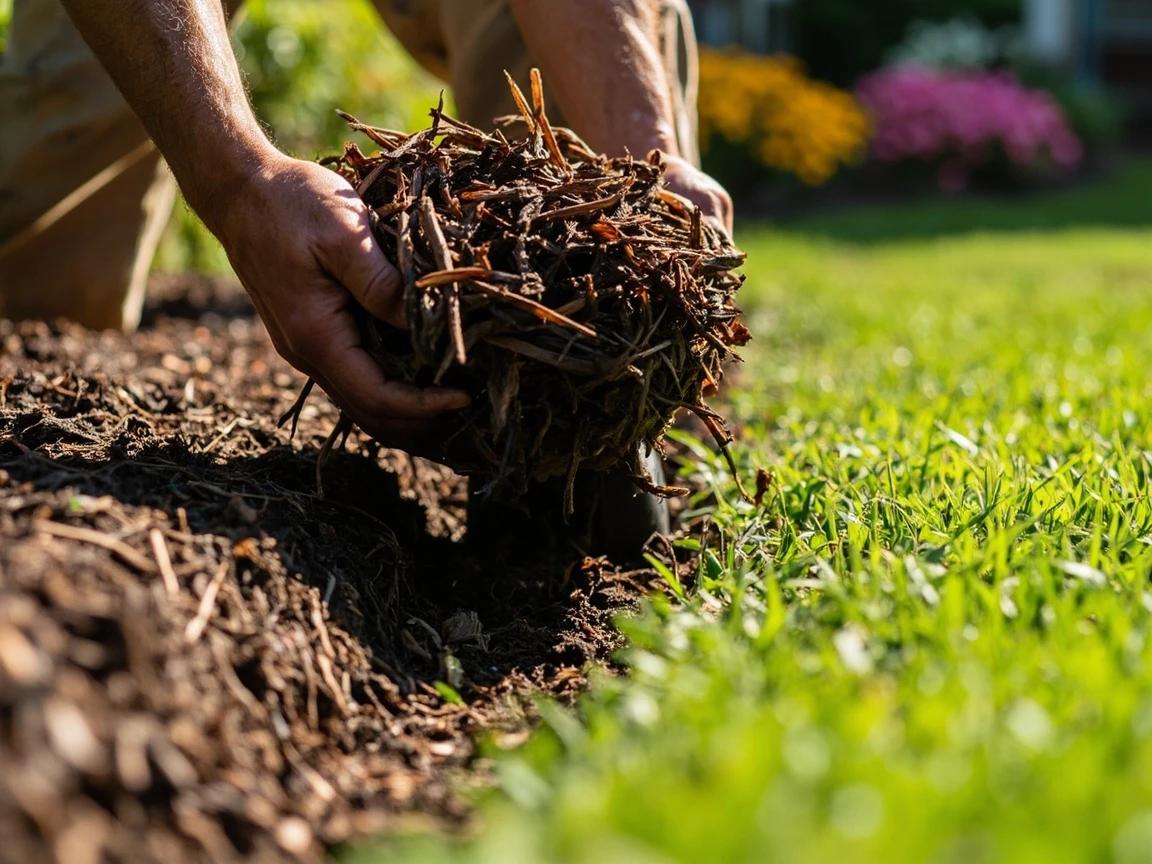
Never pile mulch higher than 3 inches — deeper layers trap moisture against roots and stems, promoting rot and fungal disease.
Maintain the Edge Every 4-6 Weeks
Re-edging takes a fraction of the time once the trench exists — every 4-6 weeks during the growing season, walk the edge with your half-moon edger and make a single pass, pushing the blade into the existing cut to slice off any grass runners that have crept over. This maintenance pass takes 10-15 minutes for a typical yard and keeps the edge looking as sharp as the day you cut it. After mowing, use a string trimmer held vertically along the lawn side of the trench for an even crisper finish between full re-edging sessions.
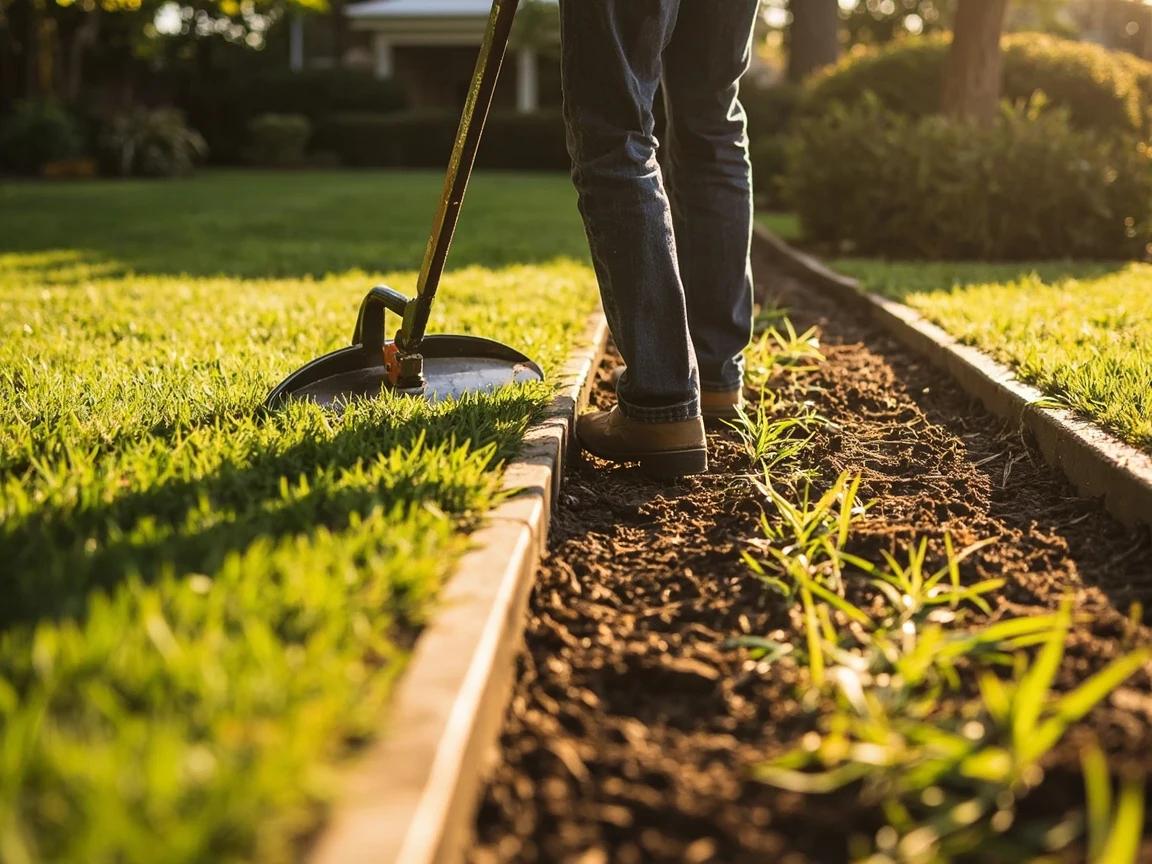
Set a recurring reminder on your phone for every 4 weeks from April through October — a quick maintenance pass prevents the bed edge from disappearing entirely.
Frequently Asked Questions
How deep should a garden bed edge be?
+
Four to six inches, cut with the blade held perfectly vertical so the lawn side of the trench is a clean 90-degree wall. That depth is what stops grass rhizomes from creeping across into the bed — a shallow scratch just gets overrun within a few weeks. Work in a rhythm: step down on the blade shoulder, lever it back, slide 4-6 inches along the line, repeat.
How often do I need to re-edge?
+
Every 4-6 weeks through the growing season, and it is far quicker than the first cut — a single pass with the edger dropped into the existing trench slices off the runners that crept over, typically 10-15 minutes for a whole yard. Between full passes, holding a string trimmer vertically along the lawn side of the trench keeps the line crisp after mowing.
How much mulch should go in the bed, and how close to the edge?
+
Two to three inches deep, pushed right up to the trench but not over it — keep the mulch surface about an inch below the top of the trench so rain does not wash it out onto the lawn. Critically, leave a 2-3 inch gap around any woody stem or tree trunk. Mulch piled against bark holds moisture there and invites rot; the volcano of mulch around a trunk is one of the most common and most damaging landscaping habits.
Is a spade-cut edge better than plastic or metal edging?
+
For most beds, yes. A cut trench costs nothing beyond the tool, never heaves out of the ground, and is trivially easy to reshape when you change a bed line. Installed edging is worth it where you need a hard barrier against aggressive spreading grass, but on a slope it needs proper staking and overlapped joints or the first winter's frost heave will buckle it.
Should I water the ground before edging?
+
If the soil is dry, yes — give it a soak the day before. A half-moon edger relies on you driving it with body weight, and baked summer soil either resists the blade entirely or shatters into ragged chunks instead of releasing a clean sod wedge. Slightly moist soil cuts cleanly with much less effort. Do not overdo it though; saturated ground smears rather than slices.
Sources & further reading
- Mulching Landscape Trees — Penn State Extension
- Excess Mulch Problems — University of Maryland Extension
More Gardening Guides
View all →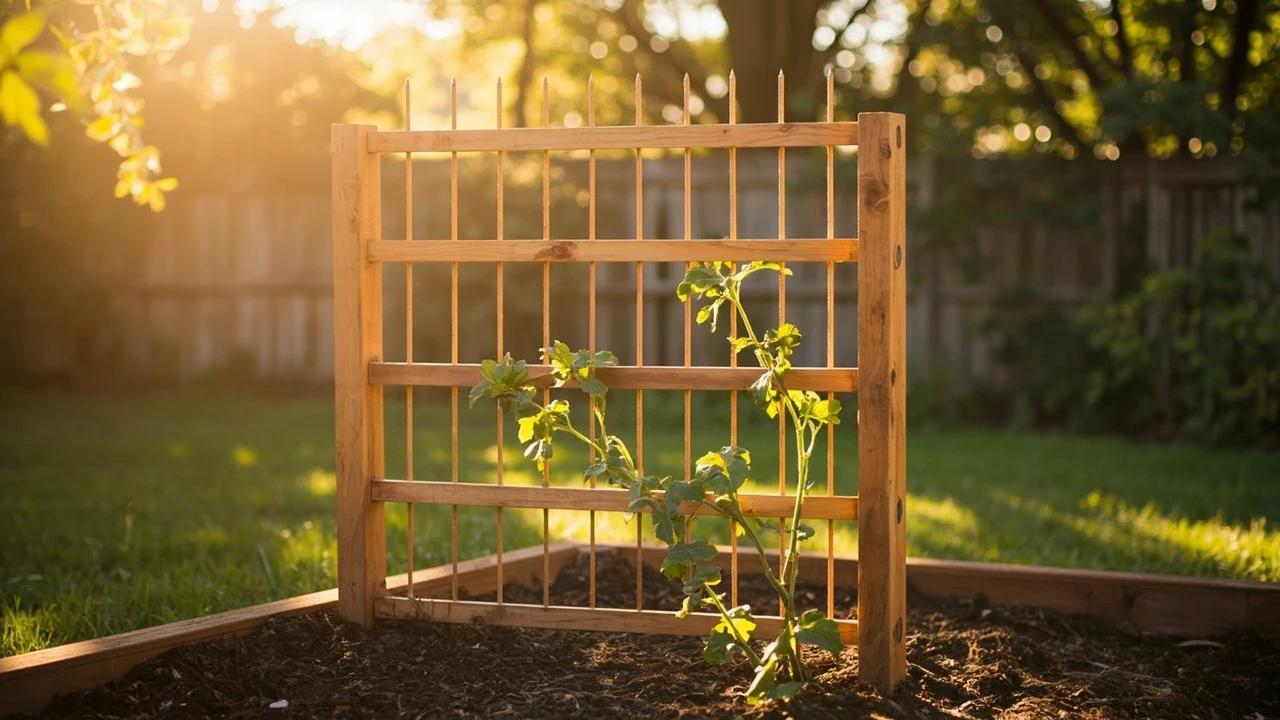 Medium3 hrs
How to Build a Simple Garden Trellis
A sturdy 6-foot cedar trellis turns a flat patch of soil into a vertical garden — doubling your growing space, improving airflow around climbers like peas, beans, and cucumbers, and giving roses, clematis, and morning glories a structure that lasts 10+ years. This guide walks you through a freestanding 4-foot-wide grid trellis built with two 4x4 posts and a 1x2 lattice for $40-90 in materials and an afternoon of work, no advanced carpentry required.
 Medium2 hrs
How to Build a Raised Garden Bed for Under $100
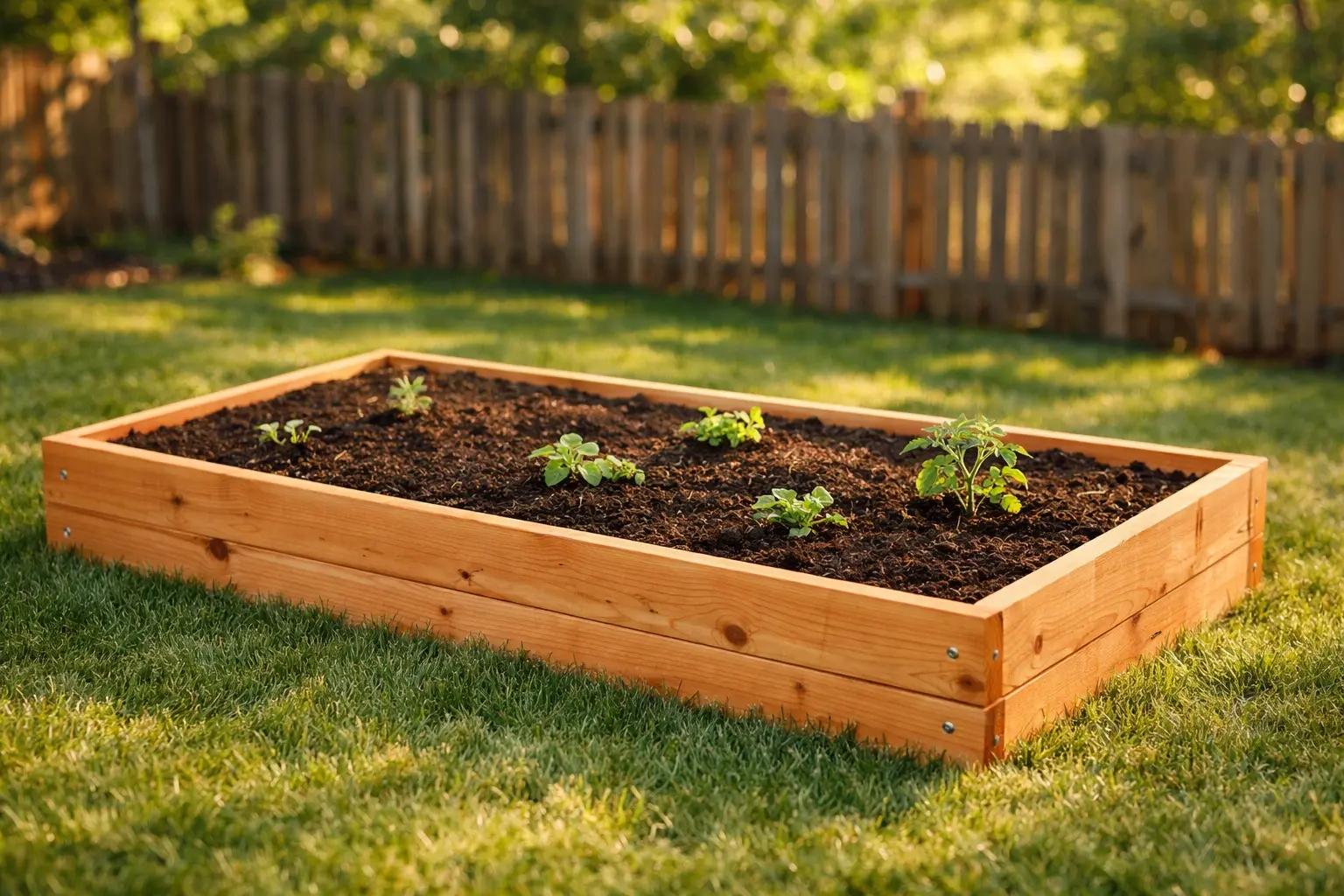
A raised garden bed gives you complete control over soil quality, drainage, and pest management — and it can double your yield compared to in-ground planting. This guide walks you through building a sturdy 4x8-foot cedar bed for under $100 in materials and about two hours of work, no advanced carpentry skills needed.
 Easy2h 30m
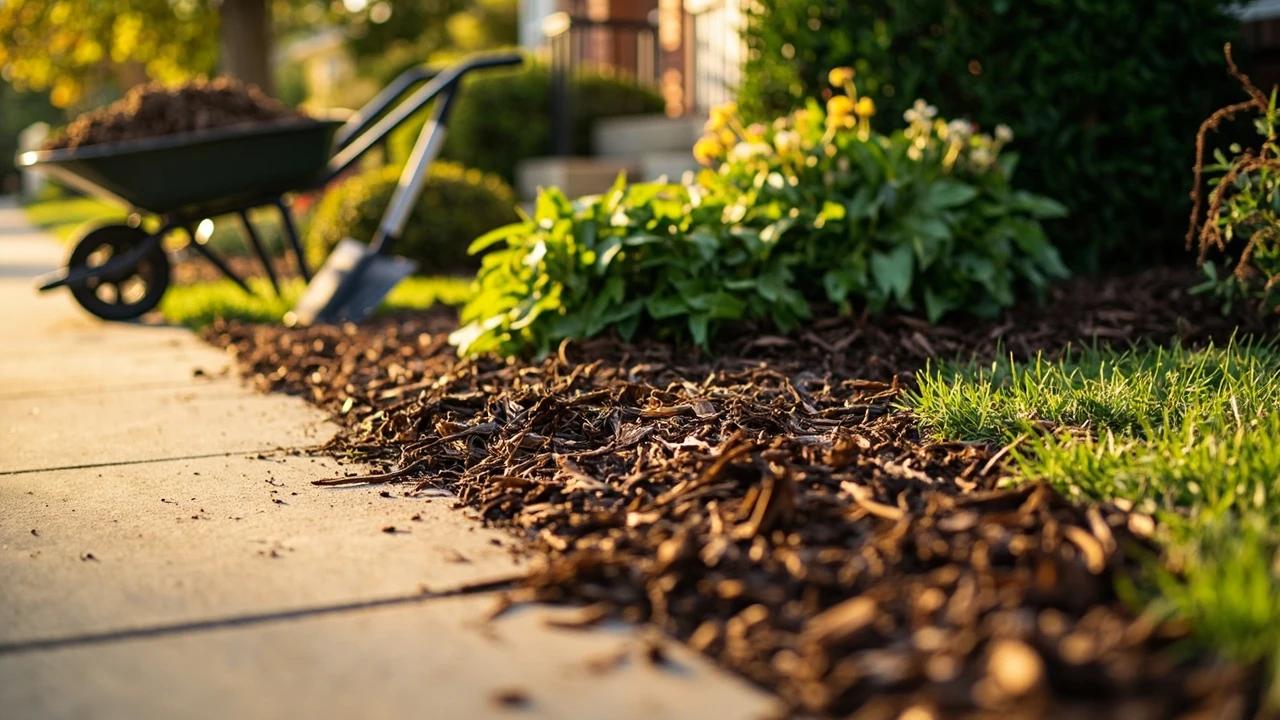
How to Mulch Flower Beds Properly
A 2-3 inch layer of mulch suppresses weeds, holds moisture in the soil through summer heat, and gives a bed that clean, finished look that makes the whole yard pop — but most homeowners do it wrong, piling mulch into volcanoes around tree trunks or laying it so thick it smothers roots. Done right, a weekend of mulching costs $50-150 for an average front yard, lasts 8-12 months, and cuts garden watering in half.
You Might Also Like
 Easy30 min
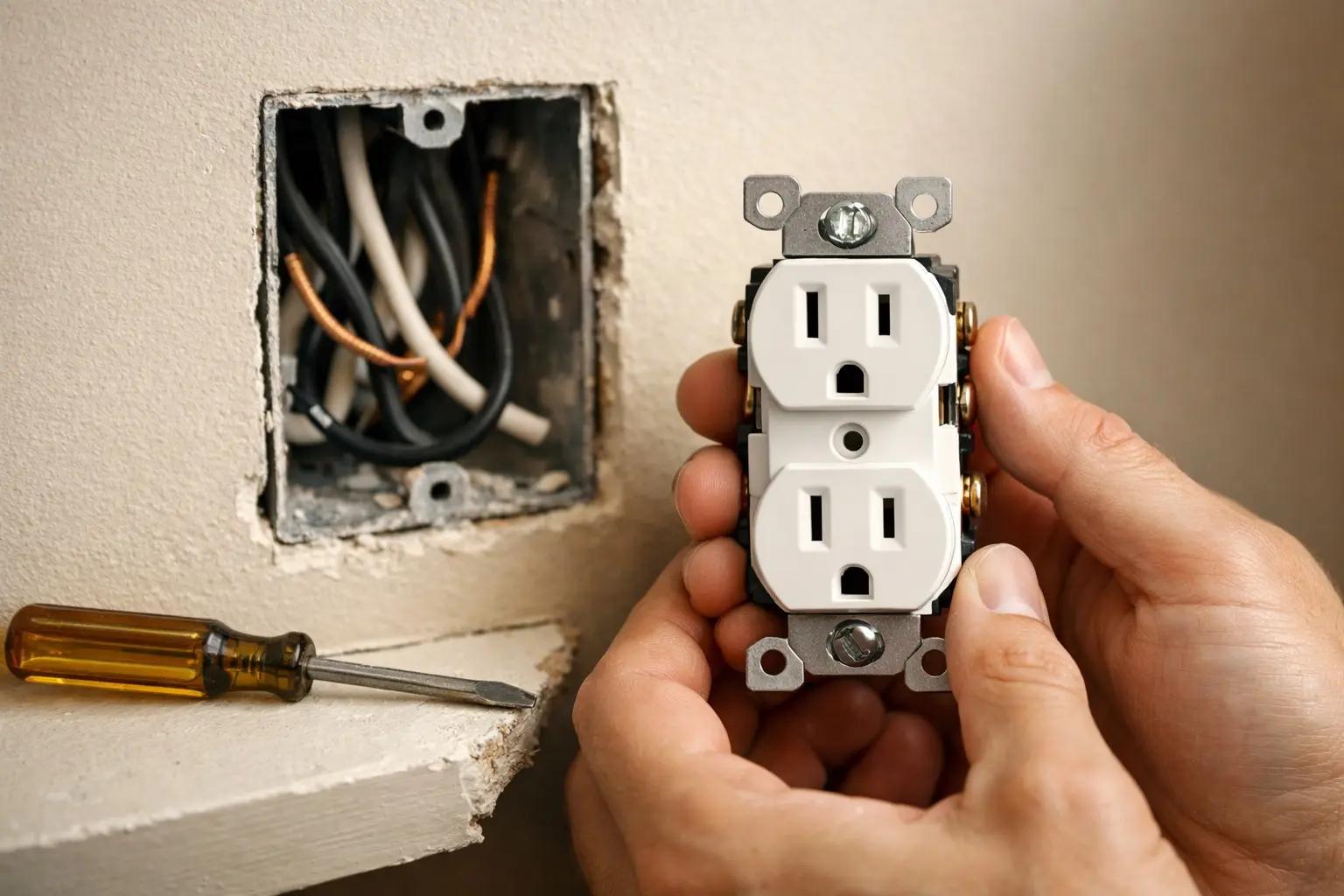
How to Replace an Electrical Outlet
A worn-out or discolored electrical outlet is one of the simplest electrical repairs you can tackle yourself — swapping one takes about 15-30 minutes and costs under $5 in parts versus $75-150 for an electrician visit. This guide walks you through safely replacing a standard duplex receptacle, including how to handle the wiring correctly and avoid the most common DIY mistakes.
 Medium45 min
How to Install a Ceiling Fan
Replacing a light fixture with a ceiling fan improves air circulation in summer and can reduce heating costs in winter by circulating warm ceiling air downward. Most installs take 45-60 minutes.
 Easy15 min
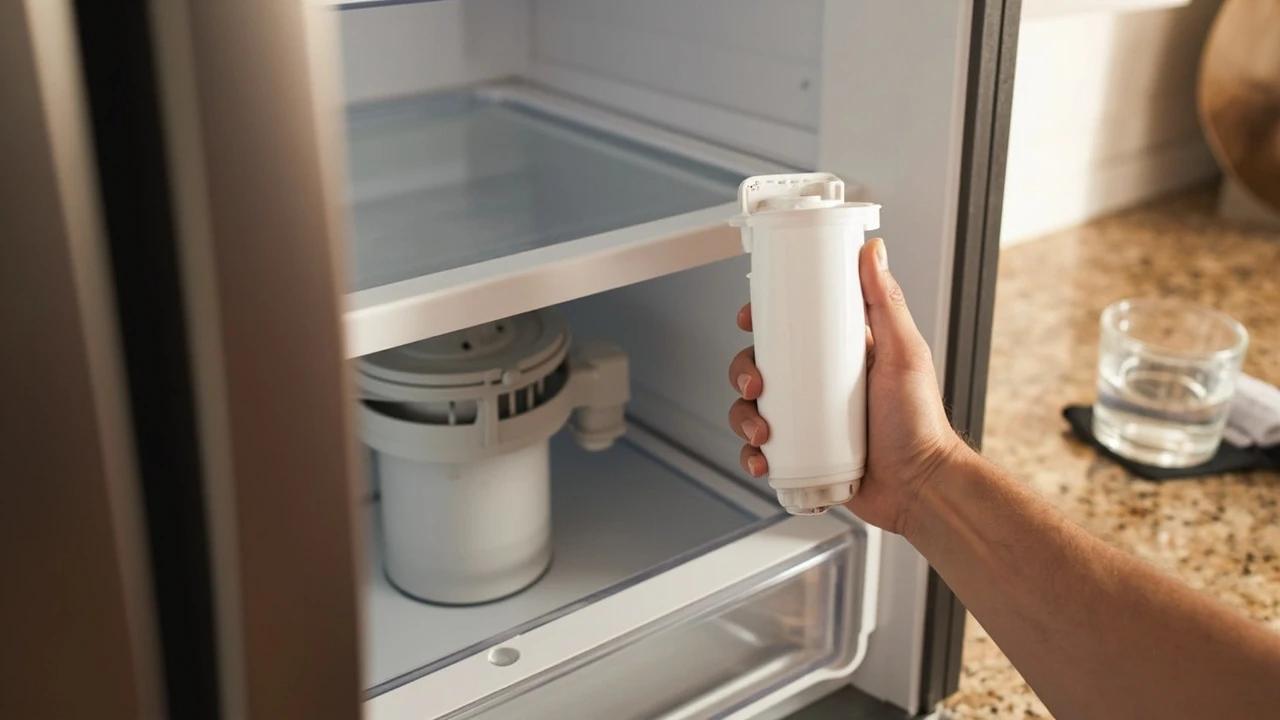
How to Replace a Refrigerator Water Filter
A clogged refrigerator water filter is the most common cause of slow dispensing, off-tasting water, and undersized ice cubes — and it is the easiest fix in your kitchen. Most filters are designed to be swapped in under five minutes with no tools, no shut-off valve, and no spilled water. This guide covers locating your filter, the two common removal styles (twist-in and push-in), inspecting the O-rings, flushing the new filter, and resetting the indicator light so you do not see the red "Replace" warning the next morning.