How to Prune Fruit Trees
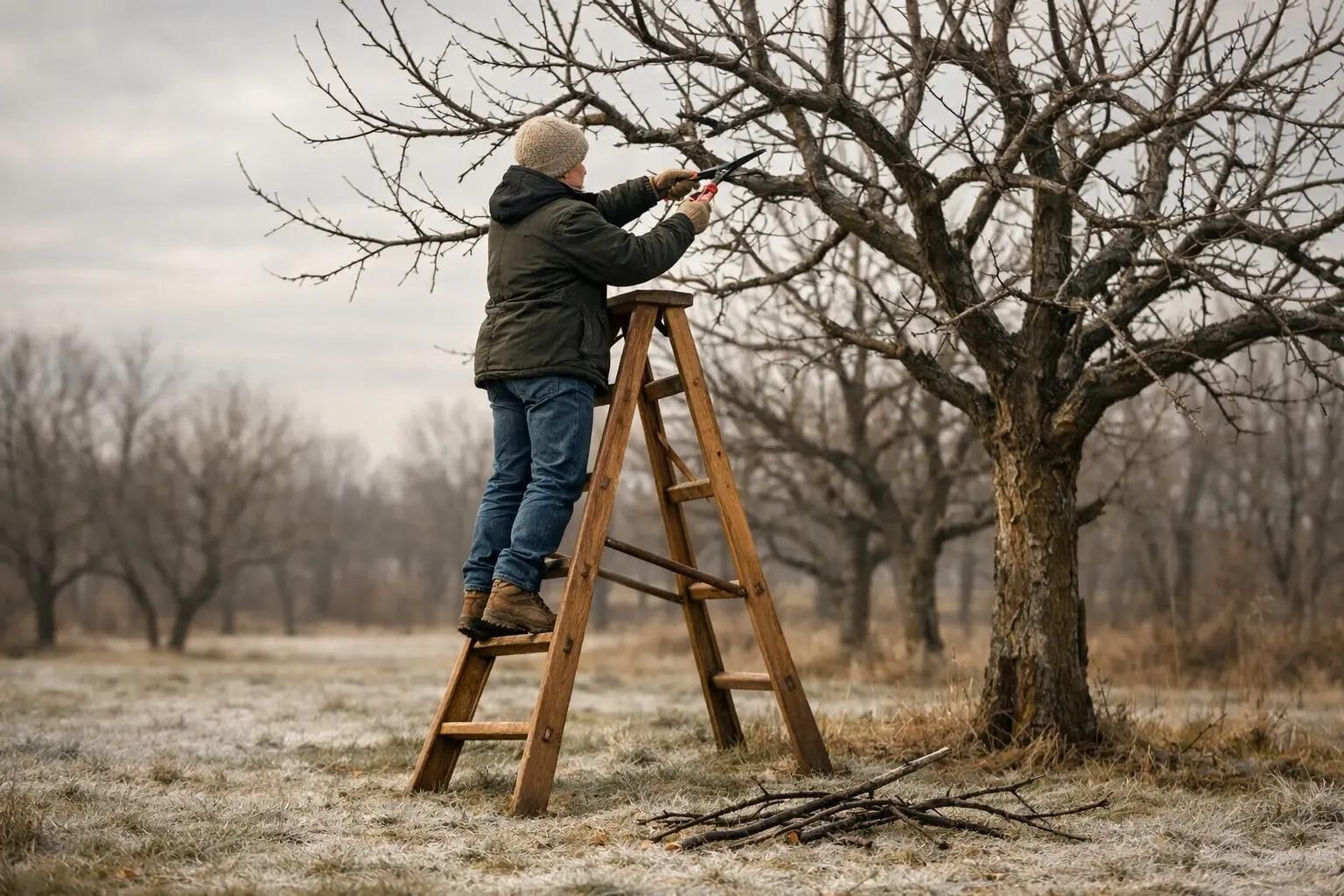

Regular pruning is the most important annual task for fruit tree health and productivity. Properly pruned trees produce larger, higher-quality fruit, resist disease better, and live significantly longer than unpruned trees.
What You'll Need
🛠 Tools
📦 Materials
Safety First
- •Use a stable 4-legged orchard ladder on level ground — never lean an extension ladder against branches.
- •Never stand on the top two rungs of any ladder.
- •Have someone steady the ladder and stay aware of falling branches.
- •Cut away from your body; wear safety glasses — falling debris is common.
Step-by-Step Instructions
Time Your Pruning Correctly
Prune deciduous fruit trees (apple, pear, peach, plum, cherry) during late winter dormancy, just before buds begin to swell — typically late February through mid-March in most climates. Dormant pruning minimizes stress, reduces disease exposure, and allows you to see the tree's structure clearly without leaves.
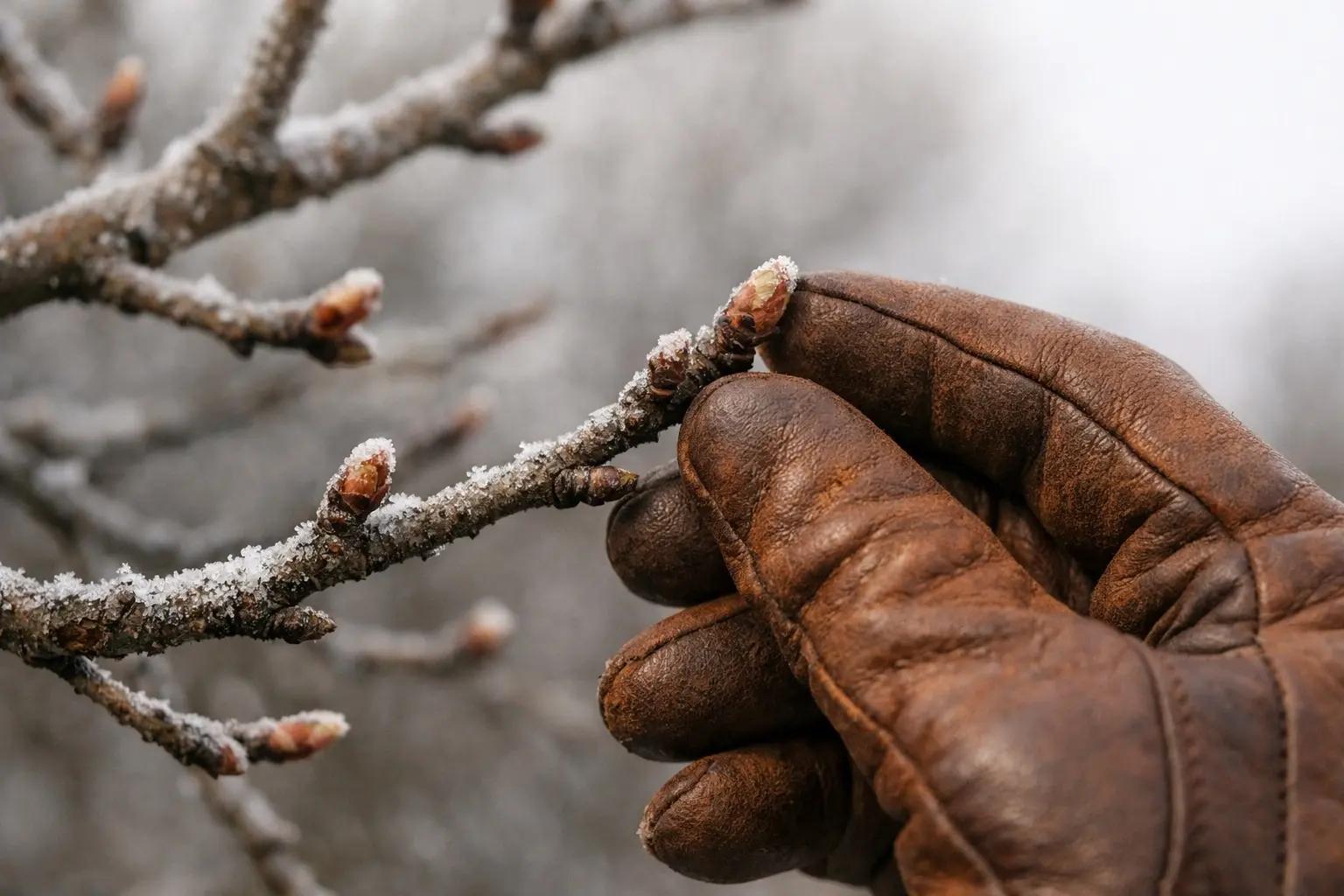
Cherries and other stone fruit prone to silver leaf are best pruned in summer, after harvest, when infection risk is lowest — not in cold, wet weather. Peaches are usually pruned in late winter to early spring. Apples and pears can be pruned any time during dormancy.
Sterilize Your Tools
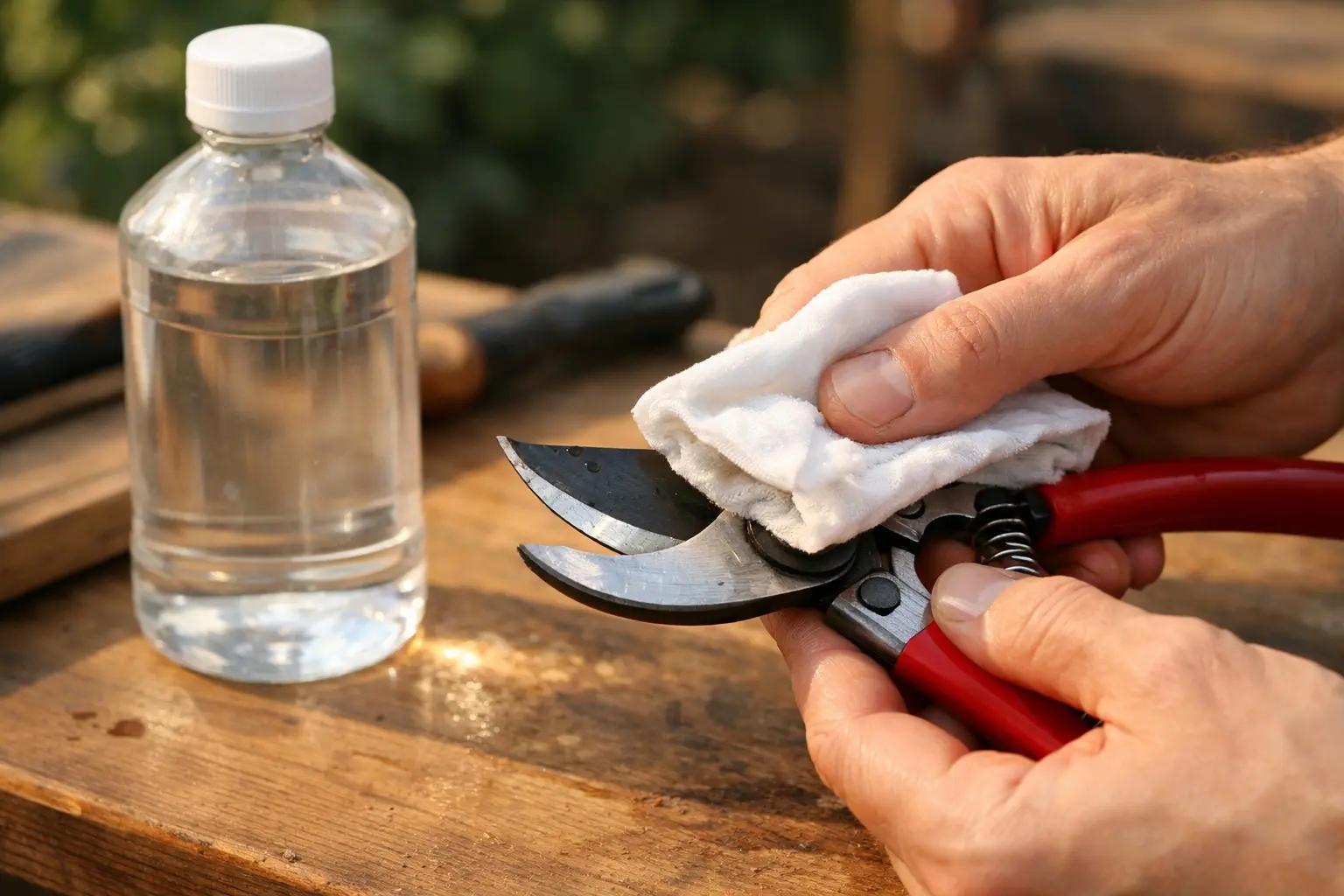
Before starting (and between each tree), wipe all blade surfaces with a cloth soaked in 70% isopropyl alcohol. Fire blight and other fungal diseases spread on contaminated pruning tools. This simple step prevents inadvertently inoculating healthy wood when making cuts.
Remove the Three Ds First
Start by removing any branches that are Dead (no spring buds, dark or hollow wood), Diseased (discolored or weeping bark, unusual growths, obvious cankers), or Damaged (broken, split, or rubbing against structures). These are removed regardless of tree structure considerations.
Remove Suckers and Water Sprouts
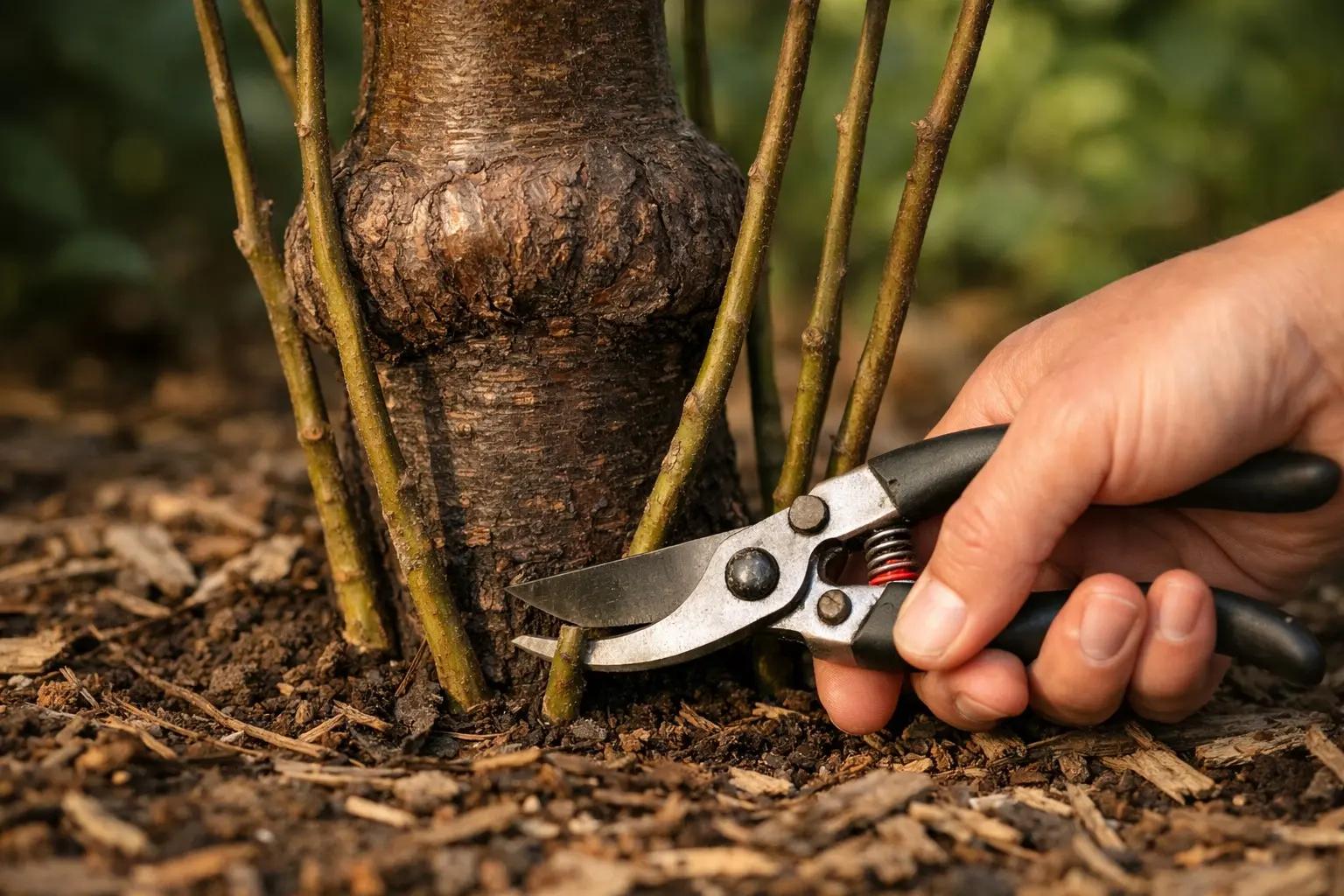
Suckers are vigorous vertical shoots growing from the rootstock at the tree's base (below the graft union — the slight bulge near the soil). Snip them flush at their base. Water sprouts are fast-growing vertical shoots that shoot straight up from established branches. They produce no fruit and block light from entering the canopy.
Open the Canopy for Light and Air
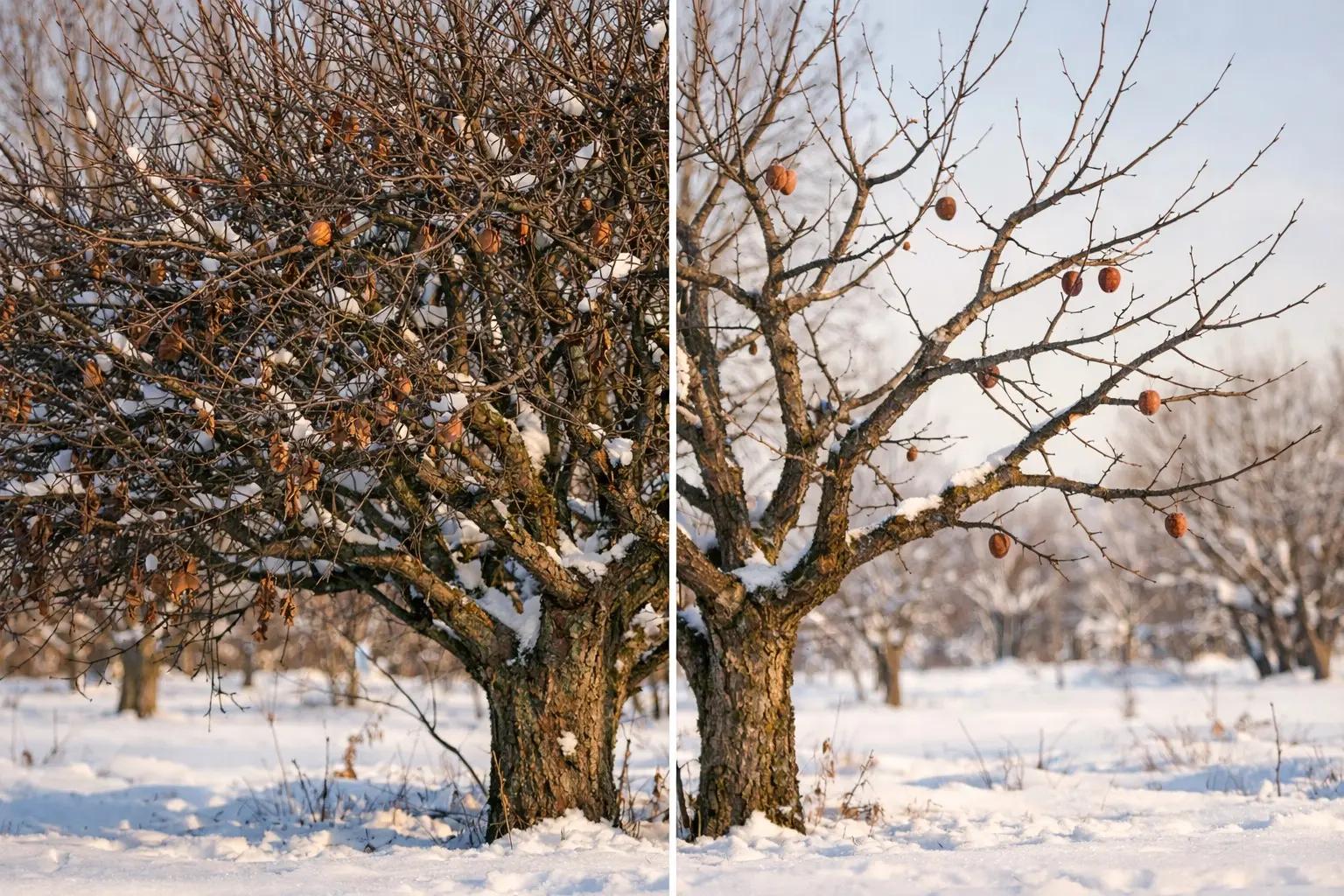
Step back and evaluate the tree's overall shape. The goal is an open vase or modified central-leader form that allows sunlight to reach inner branches and air to circulate freely. Remove branches that: cross through the tree center, grow straight down, are parallel directly above another branch, or are angled too low (below 18 inches from ground).
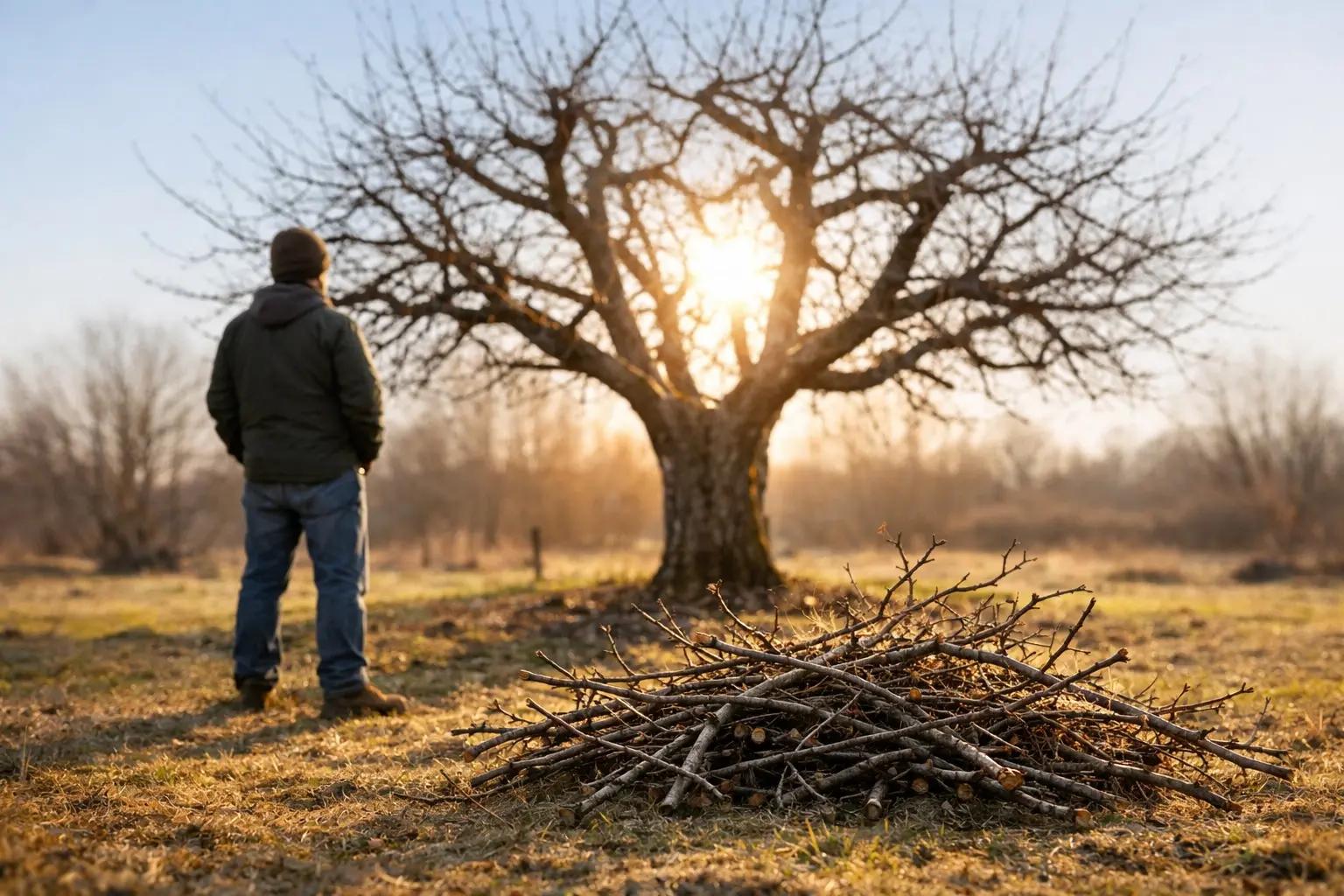
"If a bird can't fly through the center, it needs more pruning" is a useful visual test for whether a tree is sufficiently open.
Make Clean, Proper Cuts
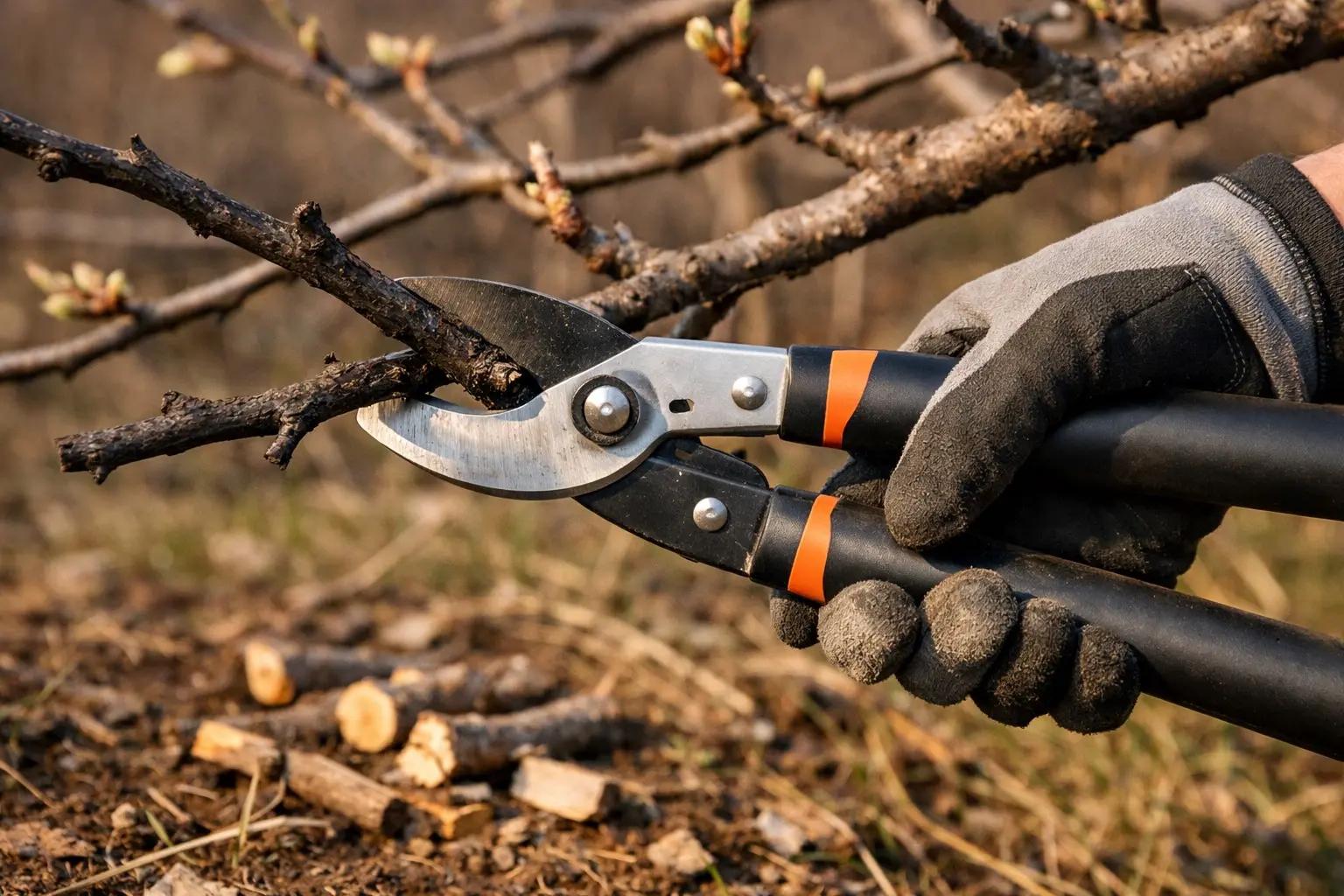
Cut branches back to a healthy lateral branch or outward-facing bud. Make cuts at a 45° angle slanting away from the bud so water sheds off. For large branches, use the three-cut method: (1) undercut one-third through the branch 12 inches from the trunk, (2) cut from above to remove the bulk of the branch, (3) make a final clean cut just outside the branch collar (the swollen ring where the branch meets the trunk).
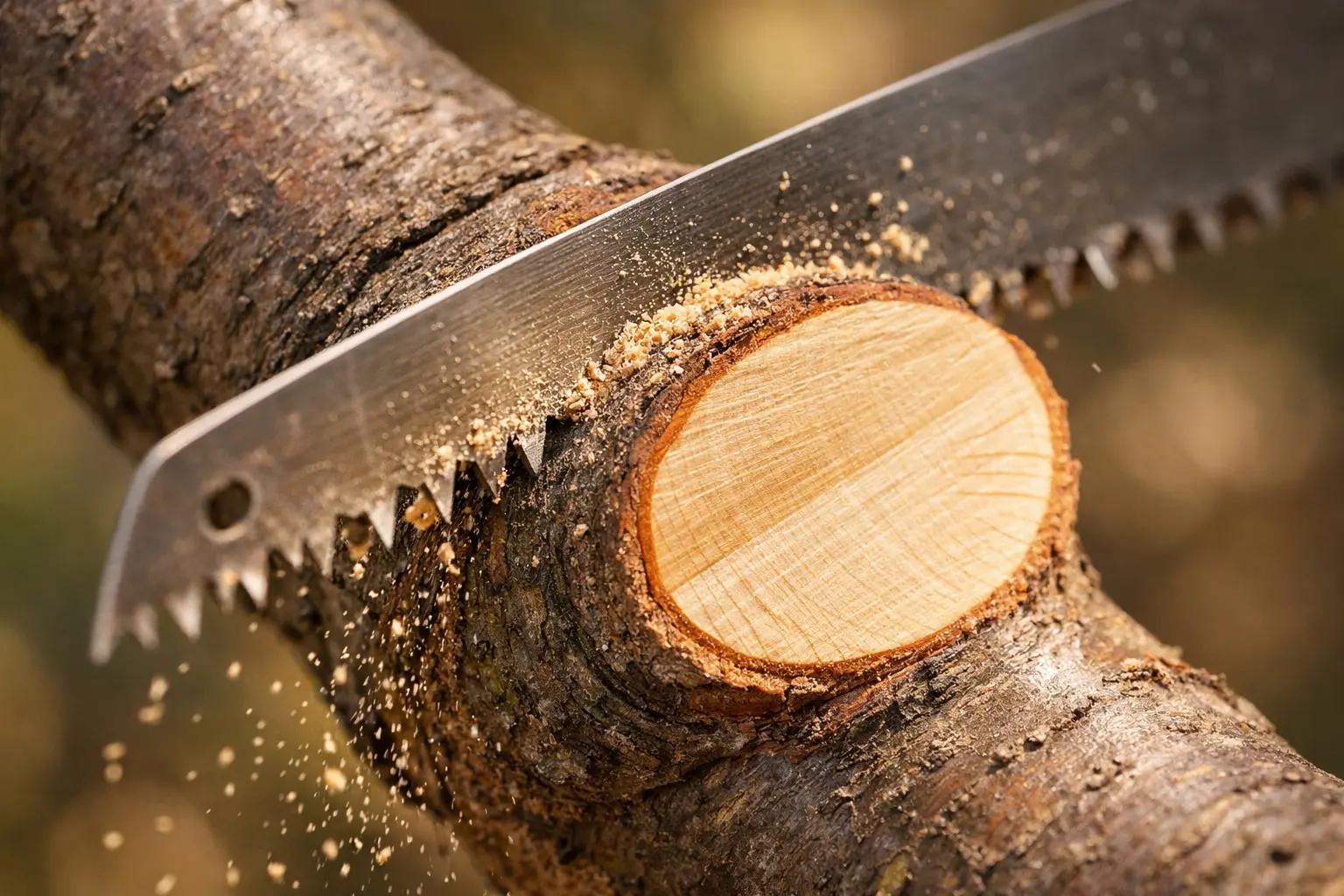
Never cut flush with the trunk. The branch collar contains specialized cells that compartmentalize and heal the wound. Flush cuts create much larger wounds that heal slowly and are vulnerable to rot and disease.
Limit Annual Removal to 25-30%
Never remove more than one-quarter to one-third of the live canopy in a single year. Heavy pruning stimulates vigorous water sprout regrowth and stresses the tree. If a tree is severely overgrown, spread major structural pruning across 2-3 seasons.
Clean Up and Dispose of Clippings
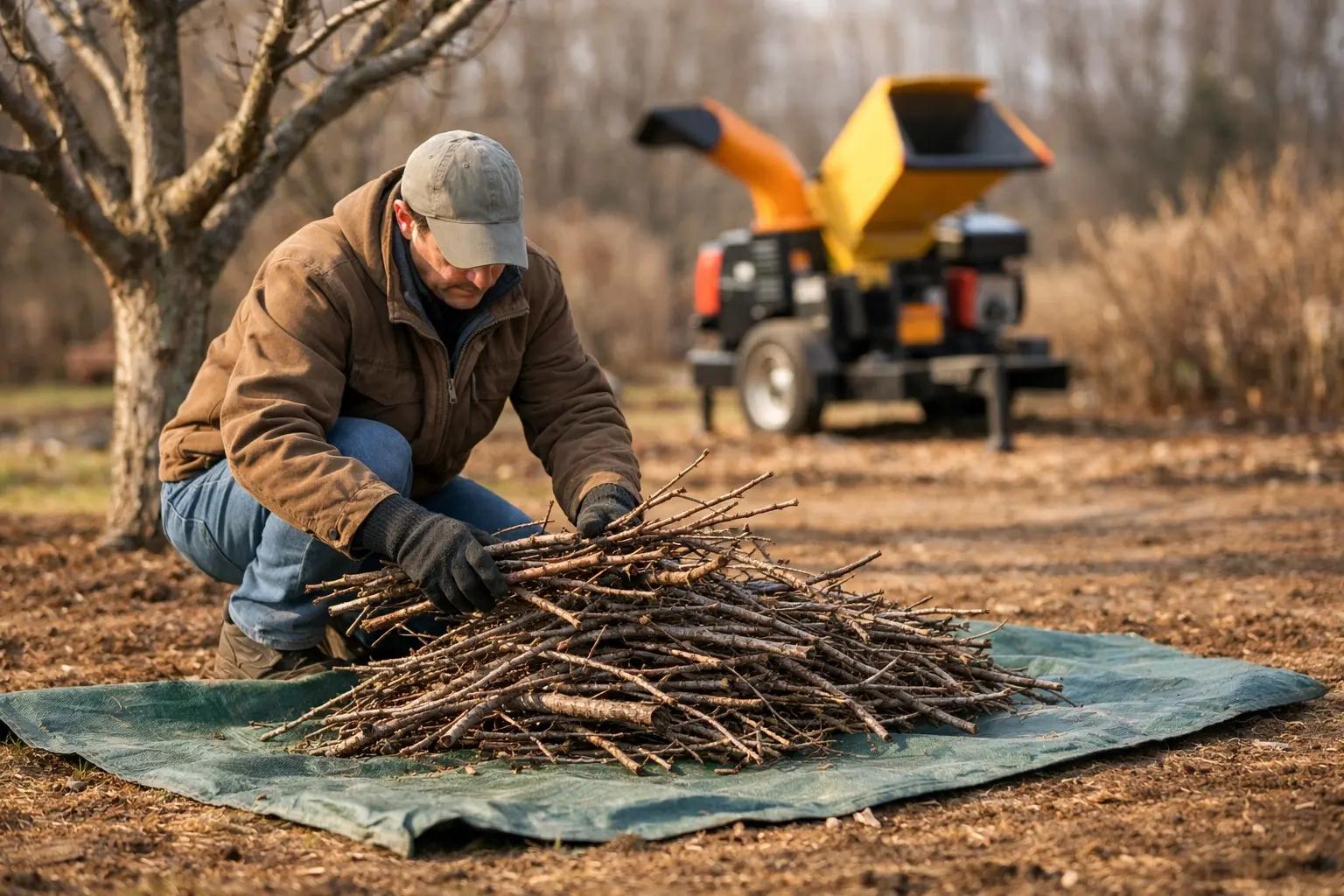
Remove all pruned material from under the tree — don't leave it on the ground, where it can harbor disease and pests. Do not compost diseased clippings. Dispose in yard waste bins or chip into mulch for non-diseased wood. Do not apply pruning sealant or wound paint, even on large cuts — modern arboriculture research (ISA) shows sealants trap moisture and interfere with the way a tree naturally seals off a wound. A clean, properly placed cut heals best left open.
Frequently Asked Questions
How long does it take to prune fruit trees?
+
This project typically takes about 2 hrs. The guide includes 8 steps with detailed instructions for each.
What tools do I need?
+
You will need: Bypass pruning shears (for stems up to 3/4"), Loppers (for branches up to 1.5"), Pruning saw (for larger branches), Sturdy 4-legged orchard ladder, Safety glasses, Thick work gloves. Materials include: 70% isopropyl alcohol (for tool sterilization).
Is this a good project for beginners?
+
This is a moderate-difficulty project. Some basic DIY experience is helpful, but the step-by-step instructions make it approachable for motivated beginners.
Sources & further reading
- Pruning trees and shrubs — University of Minnesota Extension
- Pruning and training apple trees — University of Minnesota Extension
More Gardening Guides
View all →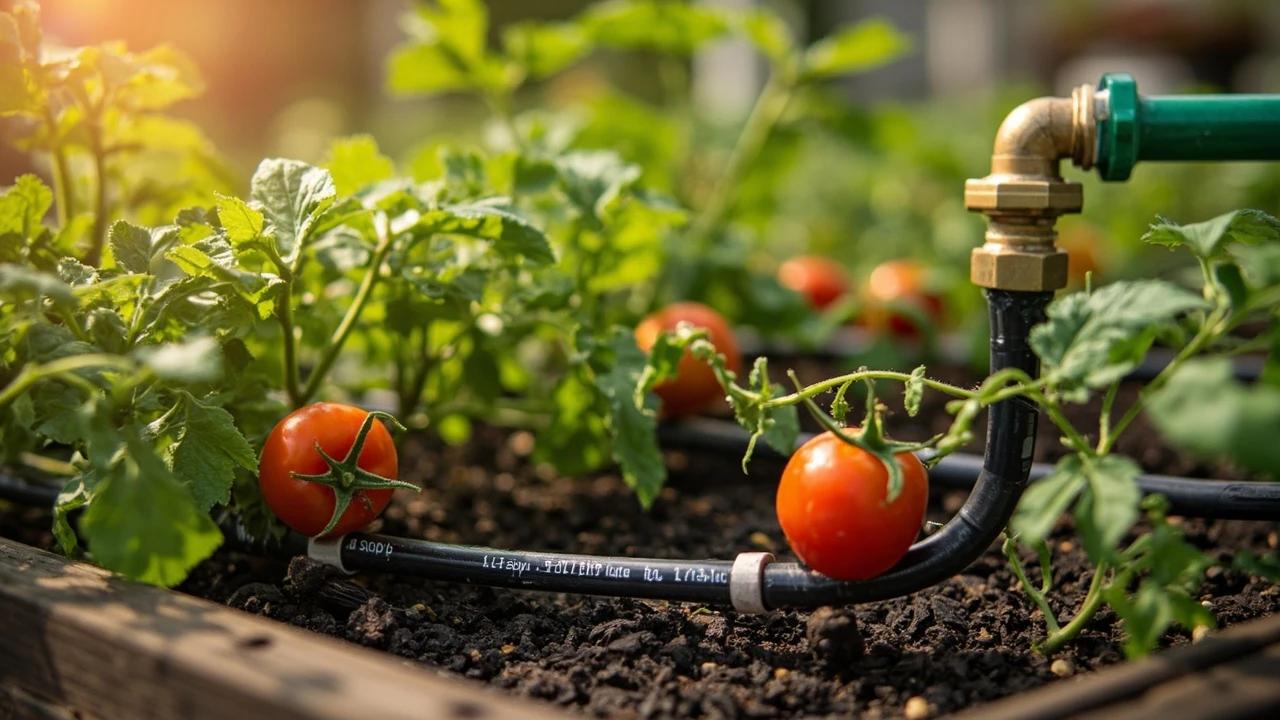 Easy2 hrs
How to Build a Drip Irrigation System
A drip irrigation system delivers water directly to the root zone of each plant, cutting water use by up to 50% compared to overhead sprinklers while eliminating the evaporation, runoff, and fungal leaf problems that come with them. A basic system for a 200-400 sq ft garden costs $40-80 in parts, installs in an afternoon with no special tools, and runs entirely off an outdoor spigot — no plumbing or electrical work required.
 Medium3 hrs
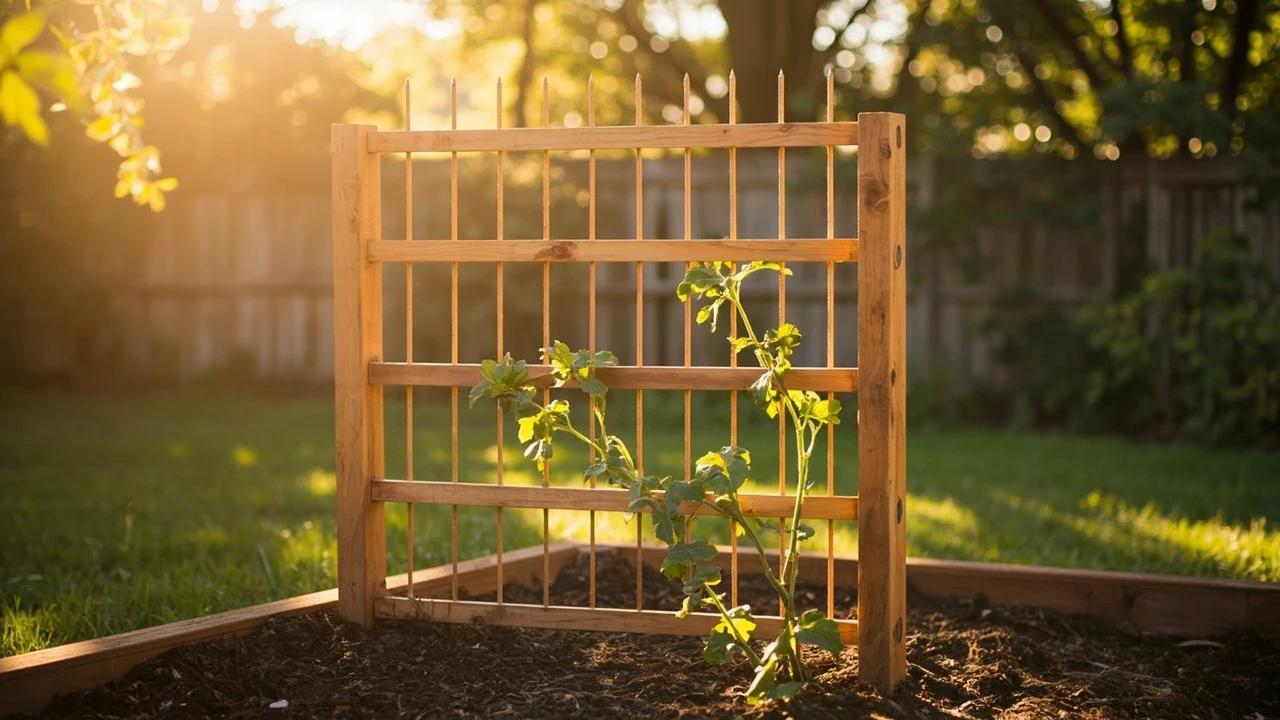
How to Build a Simple Garden Trellis
A sturdy 6-foot cedar trellis turns a flat patch of soil into a vertical garden — doubling your growing space, improving airflow around climbers like peas, beans, and cucumbers, and giving roses, clematis, and morning glories a structure that lasts 10+ years. This guide walks you through a freestanding 4-foot-wide grid trellis built with two 4x4 posts and a 1x2 lattice for $40-90 in materials and an afternoon of work, no advanced carpentry required.
 Medium2 hrs
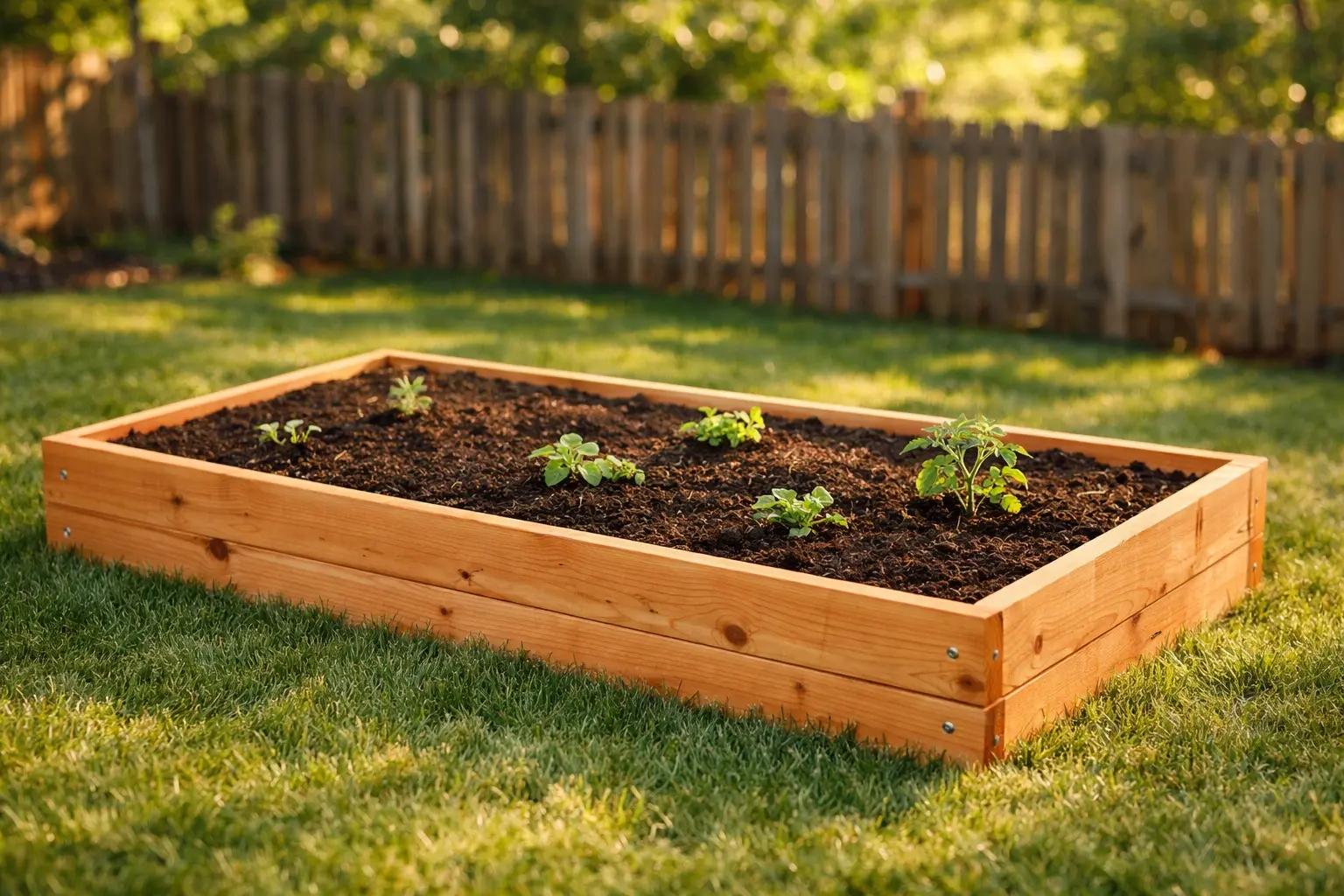
How to Build a Raised Garden Bed for Under $100
A raised garden bed gives you complete control over soil quality, drainage, and pest management — and it can double your yield compared to in-ground planting. This guide walks you through building a sturdy 4x8-foot cedar bed for under $100 in materials and about two hours of work, no advanced carpentry skills needed.
You Might Also Like
 Easy30 min
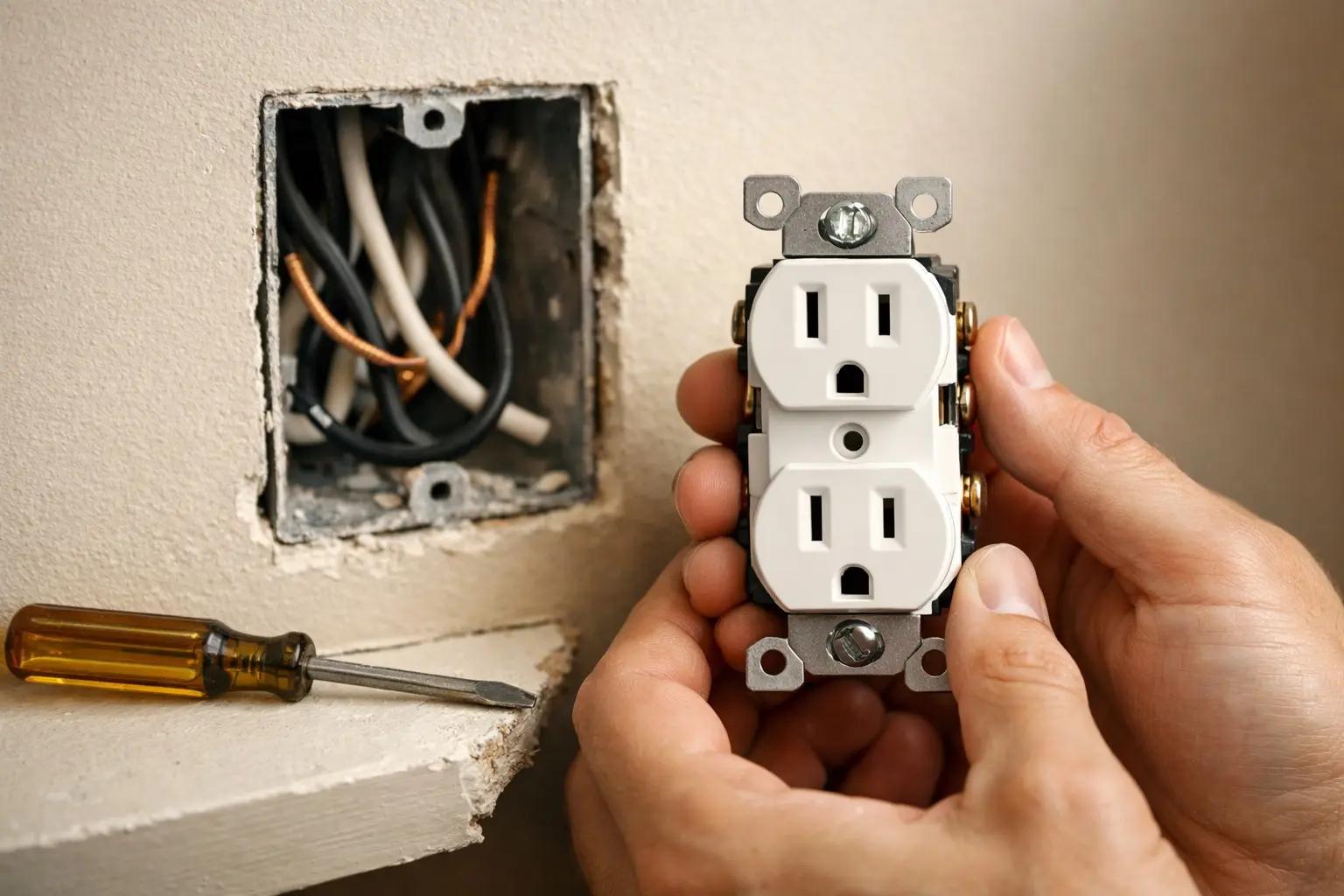
How to Replace an Electrical Outlet
A worn-out or discolored electrical outlet is one of the simplest electrical repairs you can tackle yourself — swapping one takes about 15-30 minutes and costs under $5 in parts versus $75-150 for an electrician visit. This guide walks you through safely replacing a standard duplex receptacle, including how to handle the wiring correctly and avoid the most common DIY mistakes.
 Medium30 min
How to Troubleshoot a Microwave That Won't Heat
A microwave that runs — light on, turntable spinning, timer counting down — but leaves food stone cold is one of the most common appliance failures, and about half the time the cause is something you can fix in five minutes for free. This guide walks the diagnosis from the easy stuff (demo mode, power level, a tripped GFCI, a dirty door latch) to reading the failure signature that tells you the high-voltage circuit is gone, then helps you make the repair-or-replace call with real numbers.
 Medium45 min
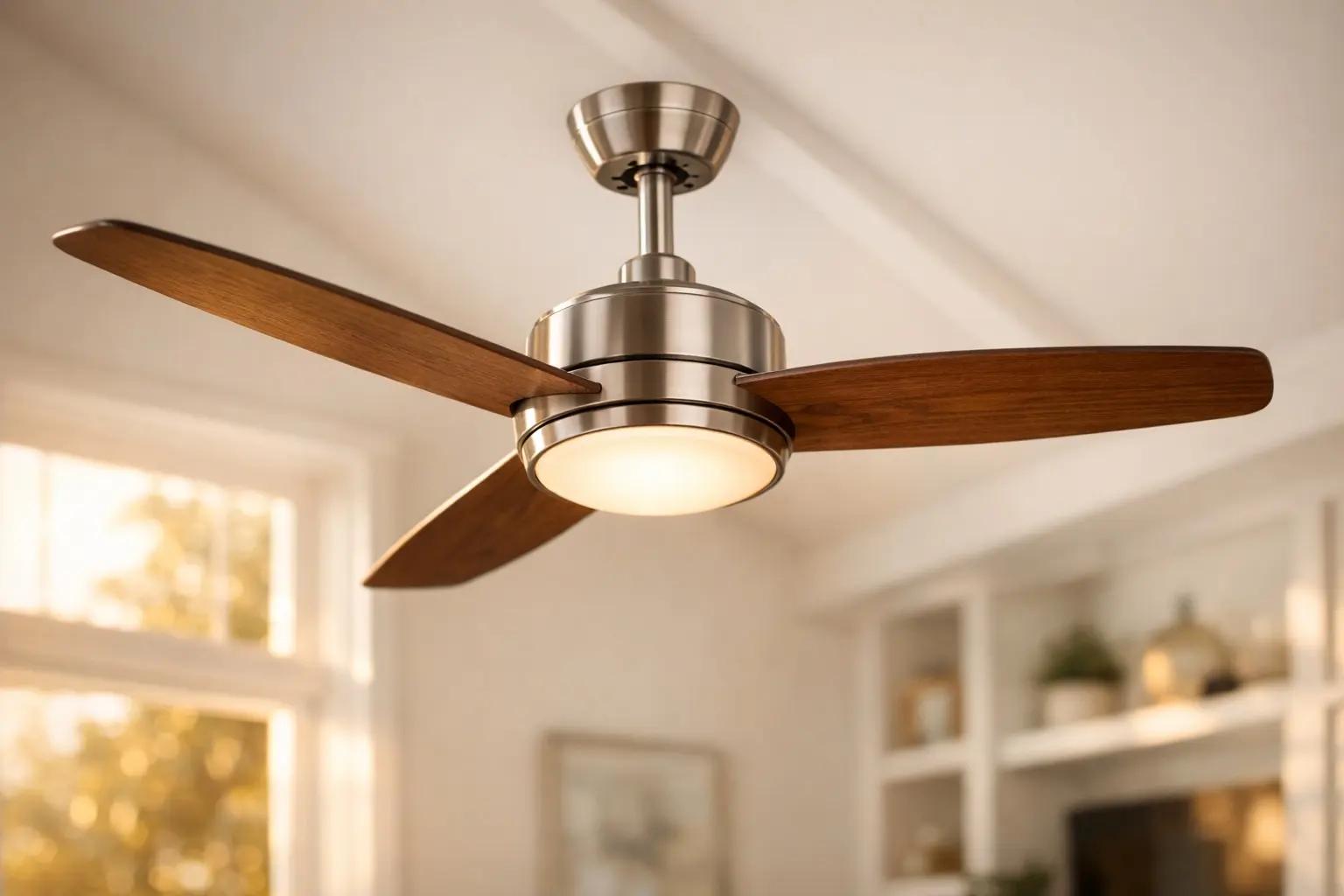
How to Install a Ceiling Fan
Replacing a light fixture with a ceiling fan improves air circulation in summer and can reduce heating costs in winter by circulating warm ceiling air downward. Most installs take 45-60 minutes.