How to Insulate an Attic
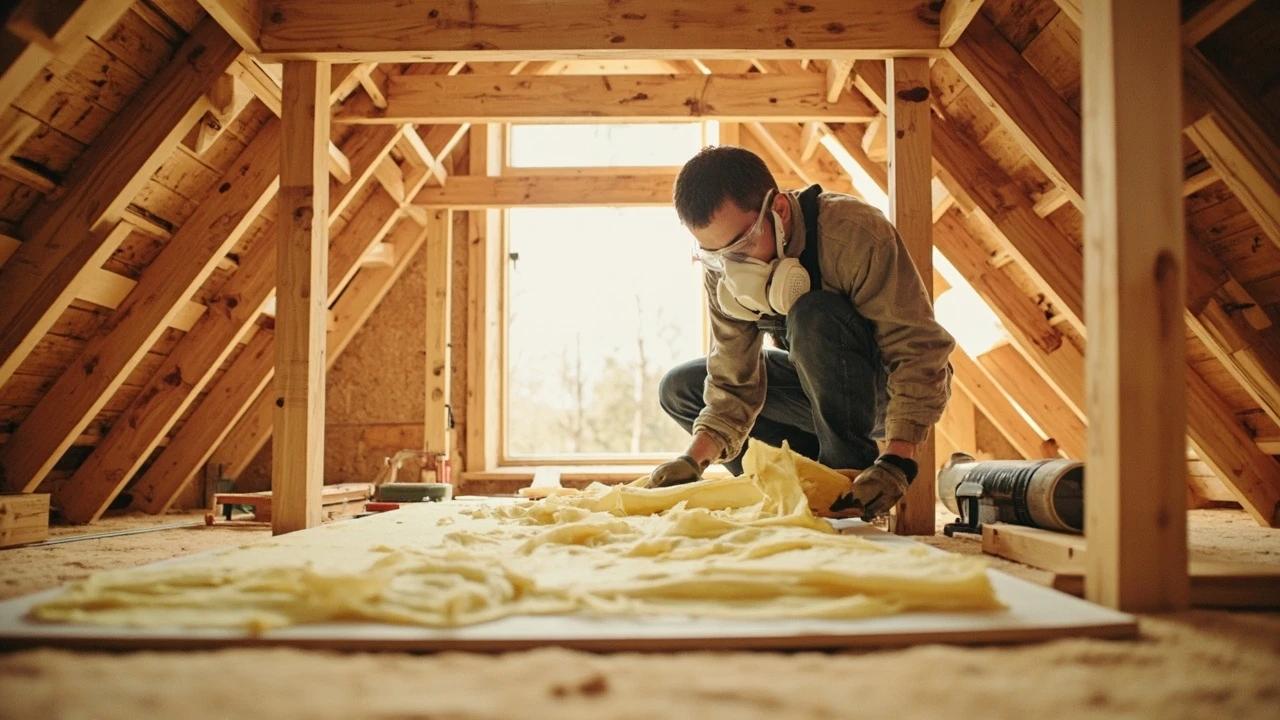

Adding attic insulation is the highest-payback weatherization project in most homes — but the step that actually saves money is the one DIYers skip: air-sealing the leaks before any insulation goes down. This guide does it in the right order — seal the penetrations and hatch, add baffles so you don't smother the soffit vents, keep insulation safely clear of recessed lights and the flue, then build the floor up to your climate zone's R-value target with batts or blown-in. Budget roughly $1 to $2 per square foot in materials and a weekend.
What You'll Need
🛠 Tools
📦 Materials
Safety First
- •Walk and kneel only on the joists or on planks laid across them — the drywall ceiling between joists will not hold your weight and you will fall through.
- •Fiberglass and cellulose shed irritating dust. Wear a respirator, sealed goggles, gloves, and long sleeves, and work in the cool part of the day — attics routinely hit 120 to 140 degrees.
- •Keep insulation at least 3 inches from non-IC-rated recessed lights and away from the metal flue, and never bury knob-and-tube wiring — all three are fire hazards.
Step-by-Step Instructions
Measure What You Have and Set an R-Value Target
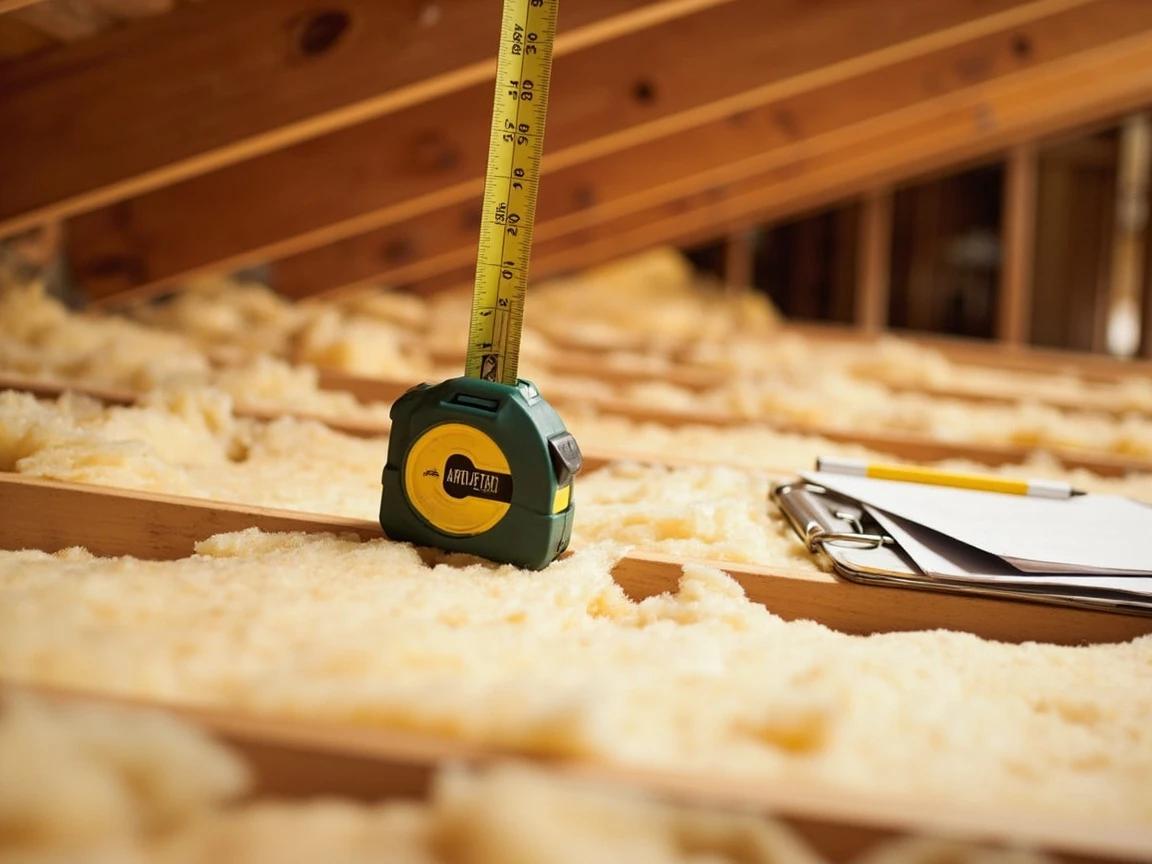
Climb up with a tape measure and check the depth of the existing insulation between the joists. If it sits level with or below the tops of the joists (joists are usually 2x6 through 2x10, so 5-1/2 to 9-1/4 inches), you have room to add more. Then find your climate zone's target: the Department of Energy recommends about R-30 in the warm South up to R-49 or R-60 in cold northern zones, which is roughly 14 to 18 inches of blown or batt insulation. Under-insulation often shows up as uneven room temperatures and rooms that never hold heat.
Gear Up and Set Safe Footing
Before you commit your weight to the attic, lay plywood sheets or planks across the ceiling joists to kneel and walk on — the drywall between the joists will not hold you and you will put a foot through the ceiling below. Put on a respirator, sealed goggles, gloves, and a long-sleeved shirt; both fiberglass and cellulose throw irritating dust. Set up a bright work light, and pick a cool morning — an afternoon attic can reach 120 to 140 degrees and becomes genuinely dangerous to work in.
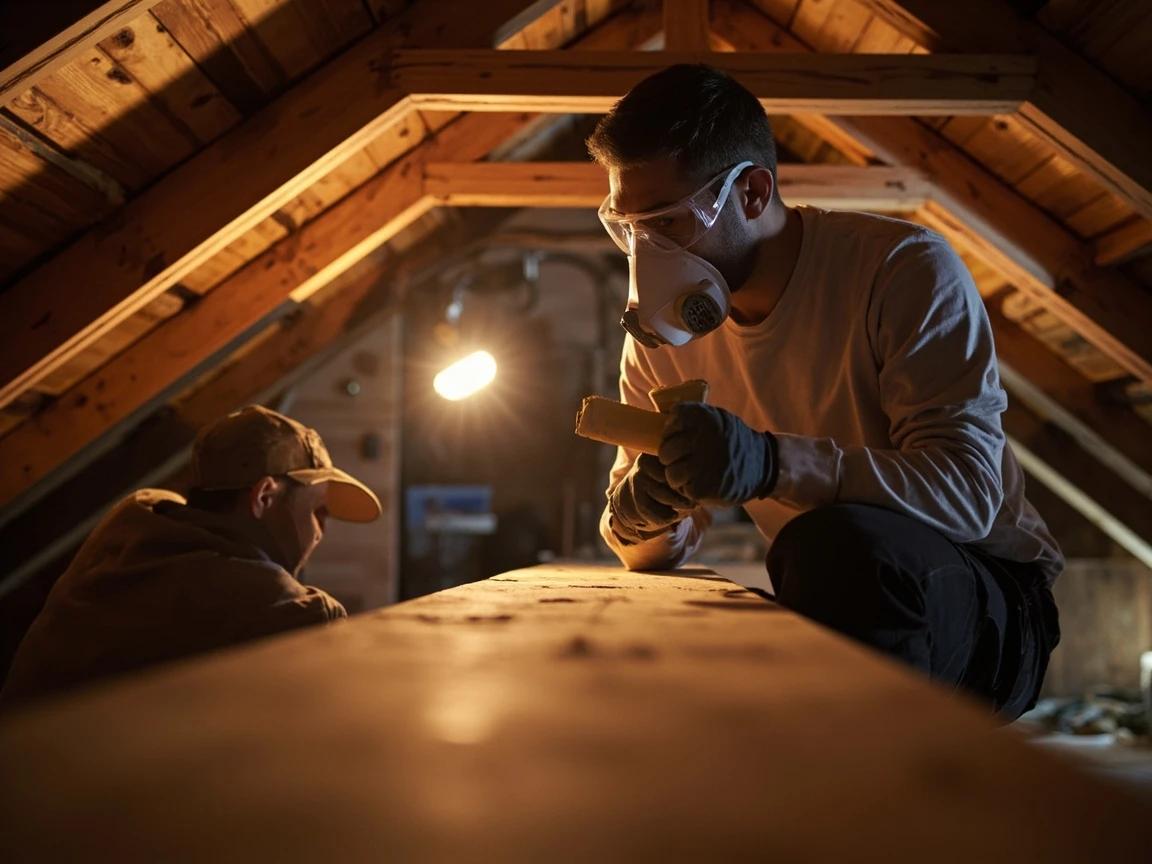
Never step between the joists. The ceiling drywall is not a floor — one misstep puts your leg through the room below and can cause a serious fall.
Clear the Hazards: Recessed Lights, the Flue, and Old Wiring
Walk the attic and deal with the fire hazards before any insulation goes near them. Non-IC-rated recessed light cans need a 3-inch clearance on all sides — if you can't confirm a can is IC-rated, keep insulation away from it or build a simple sheet-metal or hardware-cloth dam around it. Keep insulation off the metal furnace or water-heater flue, which needs a 1-inch air gap. And if you spot knob-and-tube wiring — white ceramic knobs with cloth-covered wires — stop and call an electrician, because it must never be buried.
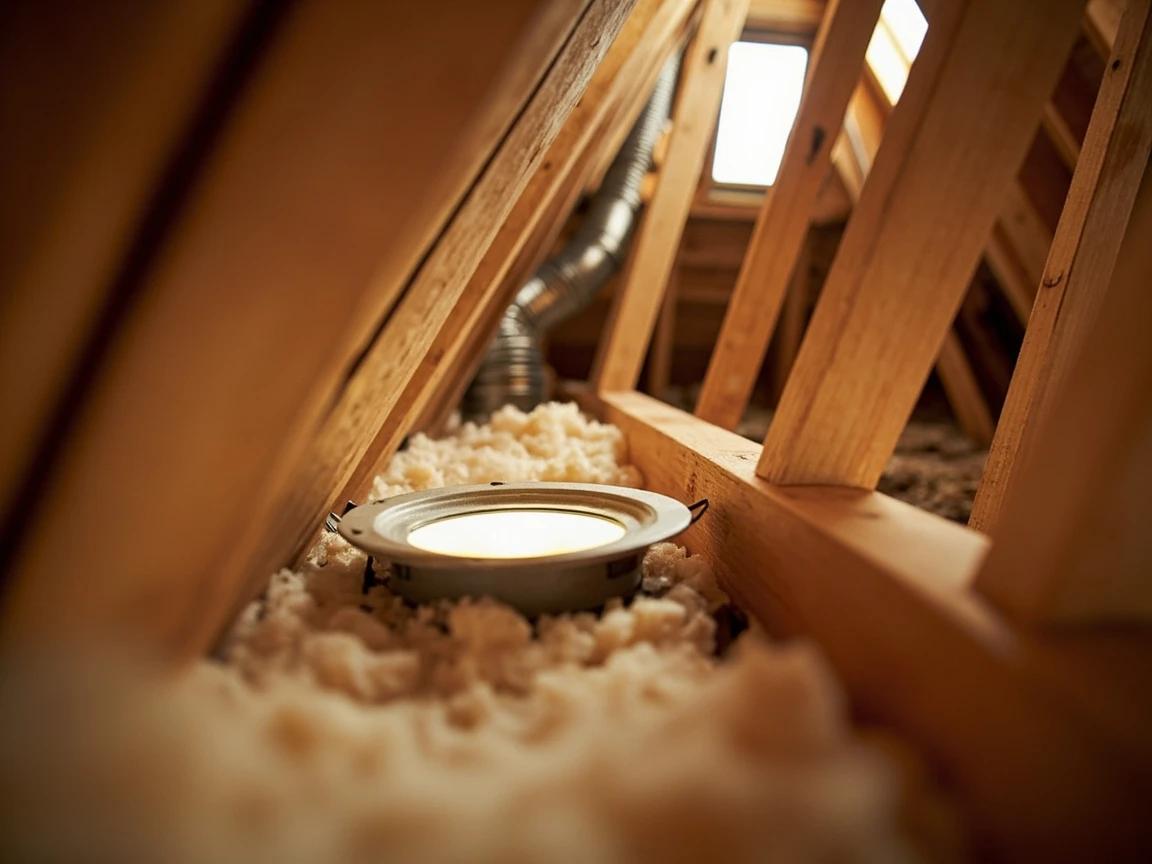
Buried non-IC recessed lights and covered knob-and-tube wiring are two of the most common causes of attic fires. When in doubt about a light's rating or the wiring's age, leave the gap and ask an electrician.
Air-Seal the Attic Floor First
This is the step that actually saves energy, and it has to happen before you cover the floor. Working from the penetrations outward, run a bead of caulk or expanding foam around every gap where air leaks up from the living space: plumbing vents and wiring holes, the top plates of interior walls, and the seam around the attic hatch. Around the chimney or flue, use fire-rated high-temperature caulk and a sheet-metal collar — never standard foam. This is the same air-first principle behind sealing drafty windows; the leaks you can't see are the ones costing you the most.
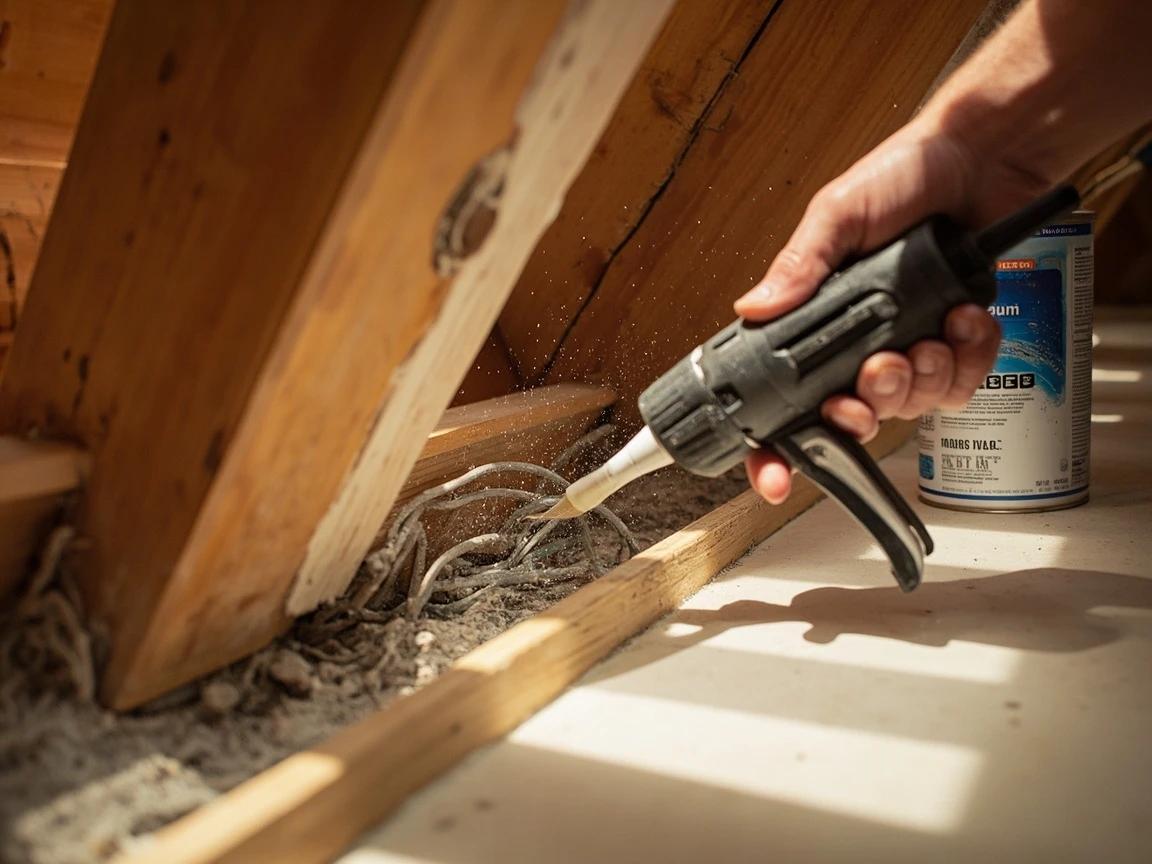
A pro trick: on a windy or cold day, hold a stick of lit incense near suspected leaks before you seal — the smoke will visibly stream toward the gaps where air is escaping, so you seal the ones that actually matter.
Install Baffles to Keep the Soffit Vents Open
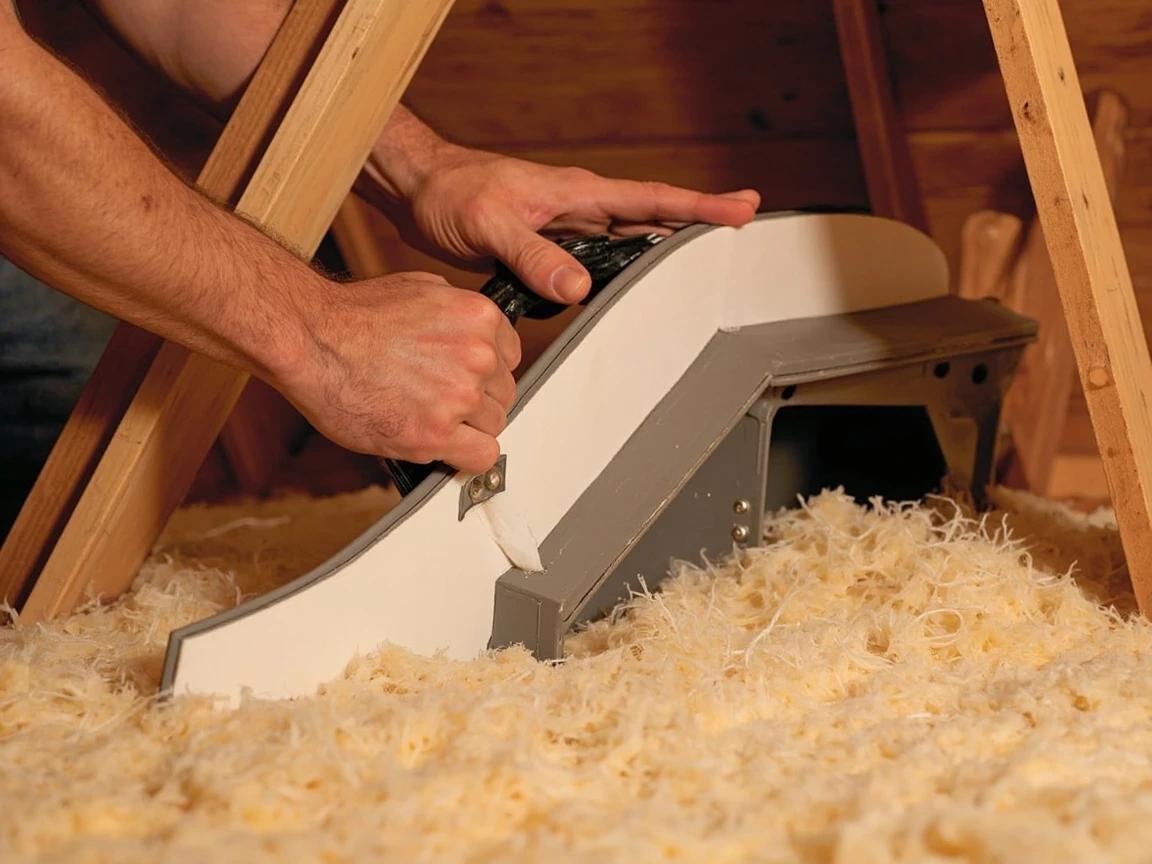
At the low edge of the attic, where the roof meets the exterior wall, staple a rafter vent baffle into each rafter bay above the wall's top plate. These foam or cardboard chutes hold a 1-to-2-inch air channel from the soffit vents up the underside of the roof, so the insulation you're about to add can't smother the attic's ventilation. Skip this and you trap moisture under the roof deck — which leads to mold, rot, and winter ice dams — no matter how good your insulation is.
Choose Batts or Blown-In
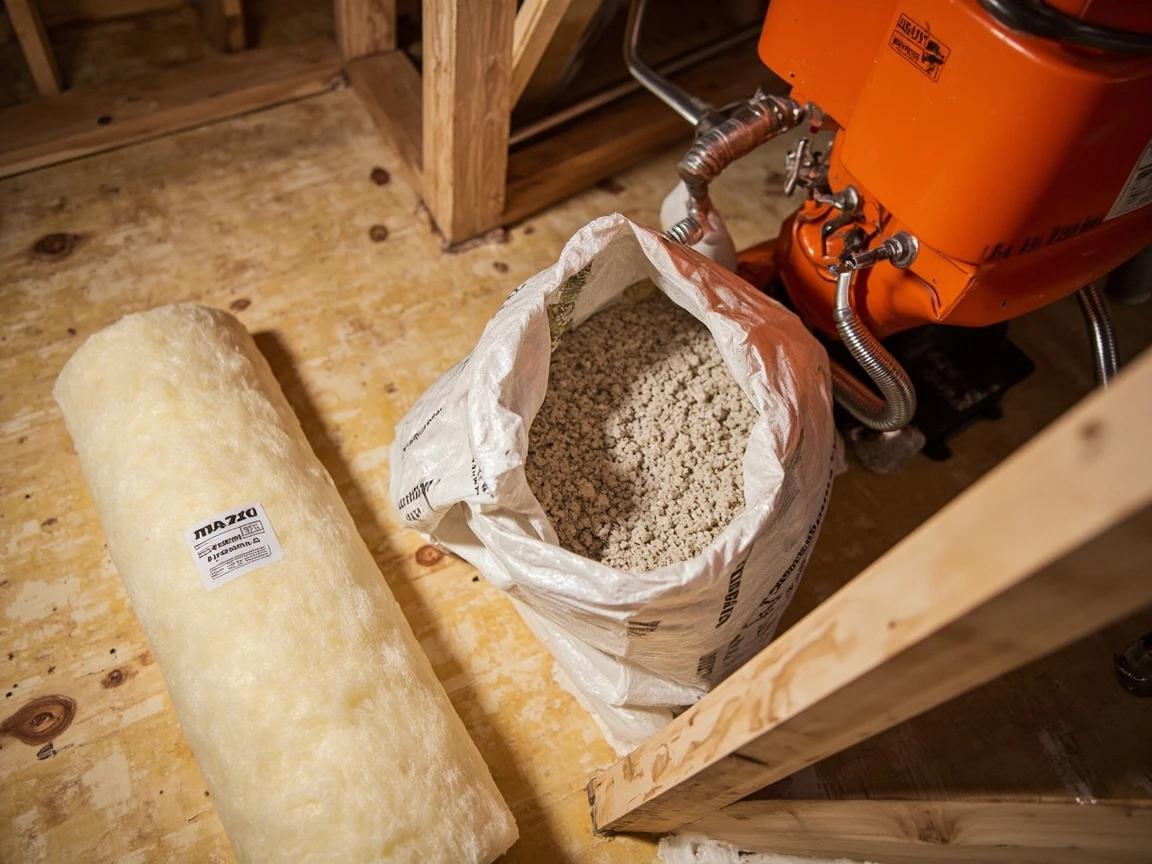
Both reach the same R-value at the right depth — the choice is about access and effort. Batts (faced or unfaced fiberglass or mineral wool) need no rental and suit small, walkable attics, but you have to cut them to fit and they leave gaps around obstructions. Blown-in cellulose or fiberglass covers far better, flows around wiring and boxes, and is much faster over a large attic; you rent a blowing machine (often free with a bulk purchase) and a helper feeds it bags while you run the hose. For a cluttered or hard-to-reach attic, blown-in is the more forgiving choice.
Lay Batts — or Add an Unfaced Layer Over Existing
If the attic is bare, lay faced batts with the paper or foil facing DOWN toward the heated living space, butted tight end to end with no gaps and without compressing them. If you're adding to existing insulation, use UNFACED batts (or blown-in) and run them PERPENDICULAR across the joists to bridge the gaps — never lay a second faced layer, because the extra vapor retarder traps moisture between the two. Cut batts a touch long with a utility knife against a board and friction-fit them around obstacles rather than forcing them.
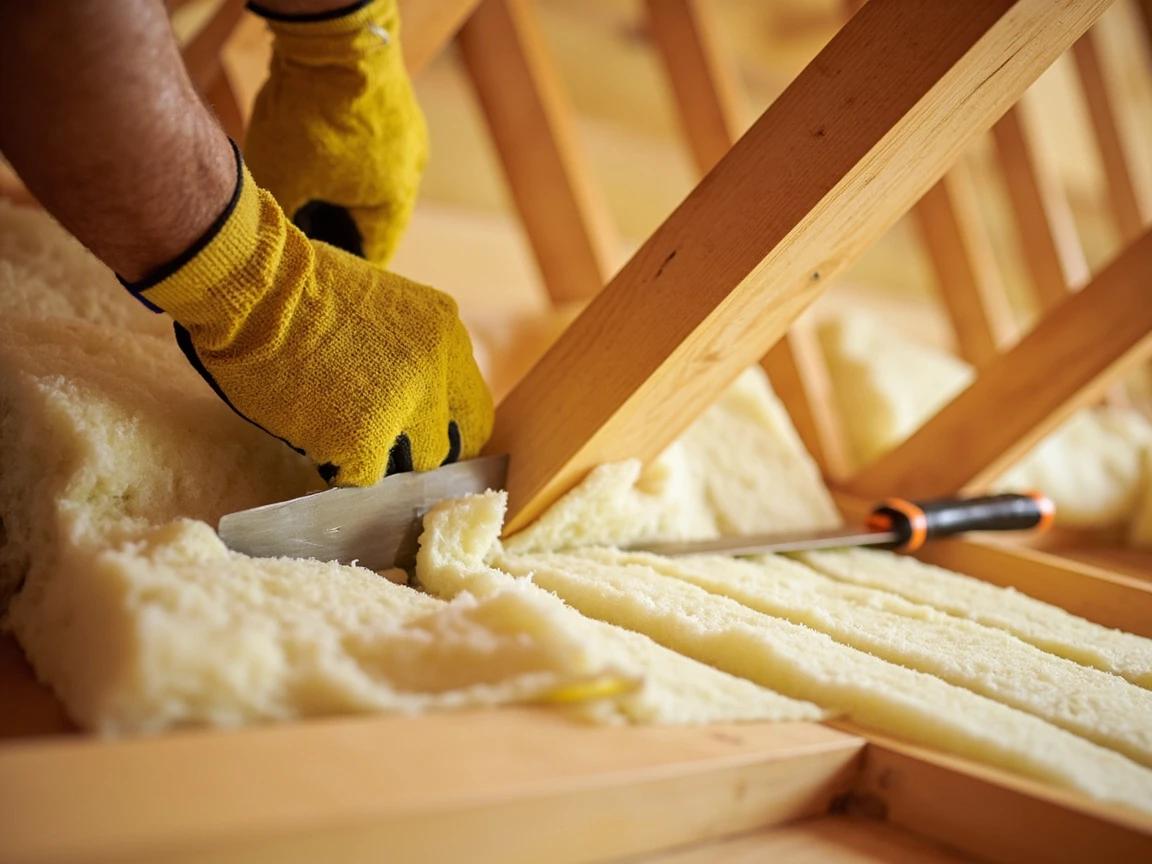
Don't compress insulation to make it fit under wiring or cross-bracing — compressed batts lose R-value fast. Slit the batt and tuck it around the obstruction instead, or switch to blown-in for those areas.
Blow In Loose-Fill to the Target Depth
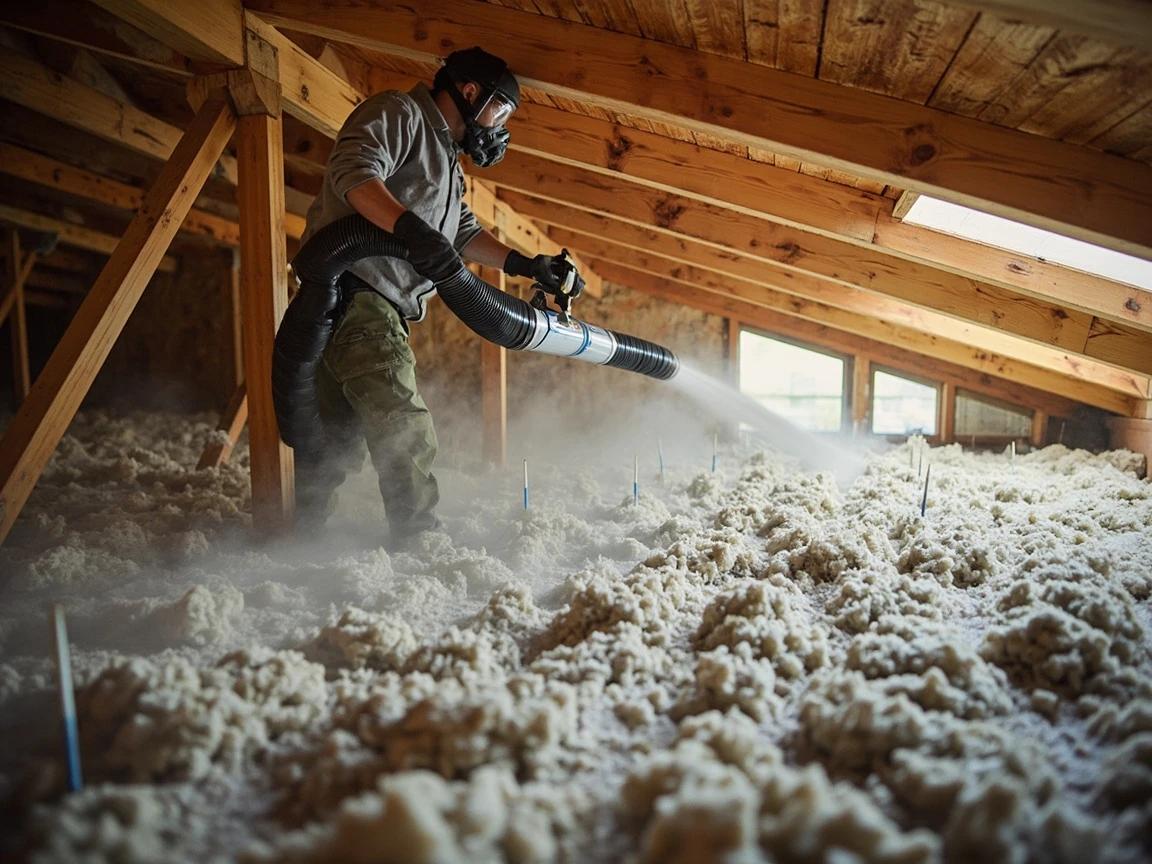
If you're blowing, push depth-marker stakes into the attic at your target inches in a few spots first, so you can see when you've hit the right depth. Start in the far corners and work backward toward the hatch so you're never wading through fresh fill. Keep the layer even with the depth markers, feather it into the baffles without blocking them, and maintain every clearance you set around the recessed cans, flue, and junction boxes. A helper feeding the hopper keeps the flow steady and the dust down.
Insulate the Hatch and Do a Final Pass
The attic access hatch is a big uninsulated hole in everything you just did. Glue or staple a rigid foam panel or a batt to the back of the hatch door, and run adhesive-backed weatherstripping around the frame so it seals when closed. Then do a final walk: confirm nothing covers the recessed cans or flue, the eave baffles are clear, and the depth is even across the whole floor. Bag up scraps and haul your planks back out.
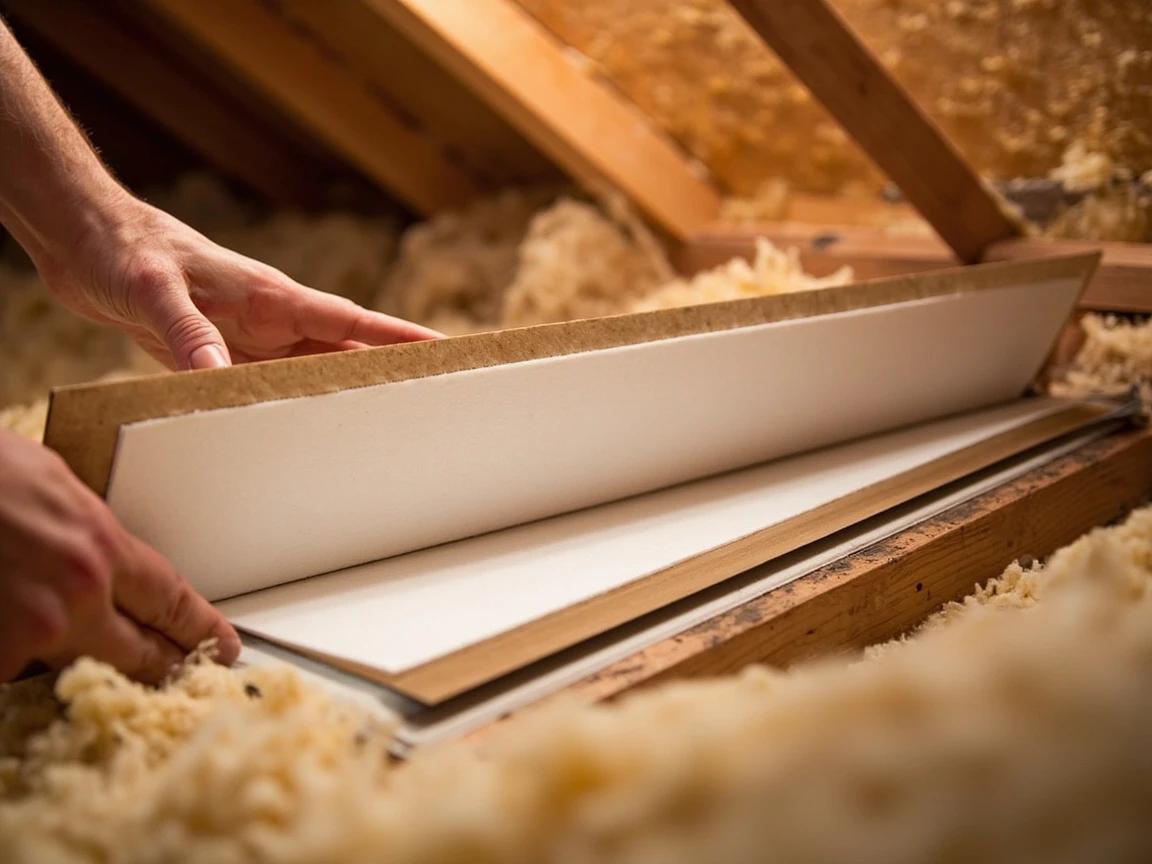
Add a couple of pull-handles and a foam gasket to the hatch while you're there — a hatch that's quick to open and seals tight is one you'll actually keep closed.
Frequently Asked Questions
Should I air-seal or add insulation first?
+
Air-seal first, every time. Insulation slows heat moving through the ceiling, but it does almost nothing to stop air leaking through the gaps around wires, pipes, and the attic hatch — piling insulation on top of unsealed leaks just filters the warm air on its way out. Seal those penetrations with caulk and foam first; ENERGY STAR credits the seal-and-insulate combination with about 15 percent off heating and cooling. The same air-first logic applies to sealing and insulating your ductwork.
How much attic insulation do I need?
+
It depends on your climate zone. The Department of Energy recommends roughly R-30 in the warm South, up to R-49 to R-60 in cold northern zones. In blown cellulose or fiberglass that's about 14 to 18 inches deep. A quick rule of thumb: if your existing insulation is level with or below the tops of the floor joists, you have room to add more.
Can I put new insulation right over the old?
+
Usually yes, and it's the easiest upgrade — but use UNFACED batts or blown-in on top, and run batts perpendicular across the joists to cover the gaps. Never add a second FACED layer: the kraft or foil facing is a vapor retarder, and two of them trap moisture between the layers. If the existing insulation is wet, moldy, or rodent-soiled, pull it out and fix the cause first.
Is it safe to insulate over recessed lights and old wiring?
+
Only if the recessed lights are IC-rated (rated for Insulation Contact). Non-IC cans need a 3-inch clearance or they overheat and can start a fire, and insulation must stay off the metal furnace or water-heater flue. And never bury knob-and-tube wiring — the old ceramic-knob, cloth-covered kind sheds its heat into open air by design, so covering it is a genuine fire hazard. Have an electrician handle it before you insulate.
Batts or blown-in — which is better for a DIYer?
+
Batts need no rental and suit small or easy-access attics, but they leave gaps around every obstruction. Blown-in cellulose or fiberglass covers far better and goes faster across a big attic — you rent a blower (often free with a bulk purchase) and need a helper to feed it. Both reach the same R-value at the correct depth; blown-in is more forgiving of a cluttered attic floor.
Sources & further reading
- Recommended Home Insulation R-Values — ENERGY STAR
- Insulation — U.S. Department of Energy
- Insulating and Air Sealing Existing Non-ICAT Recessed Lights — Building America Solution Center (U.S. DOE / PNNL)
More HVAC Guides
View all →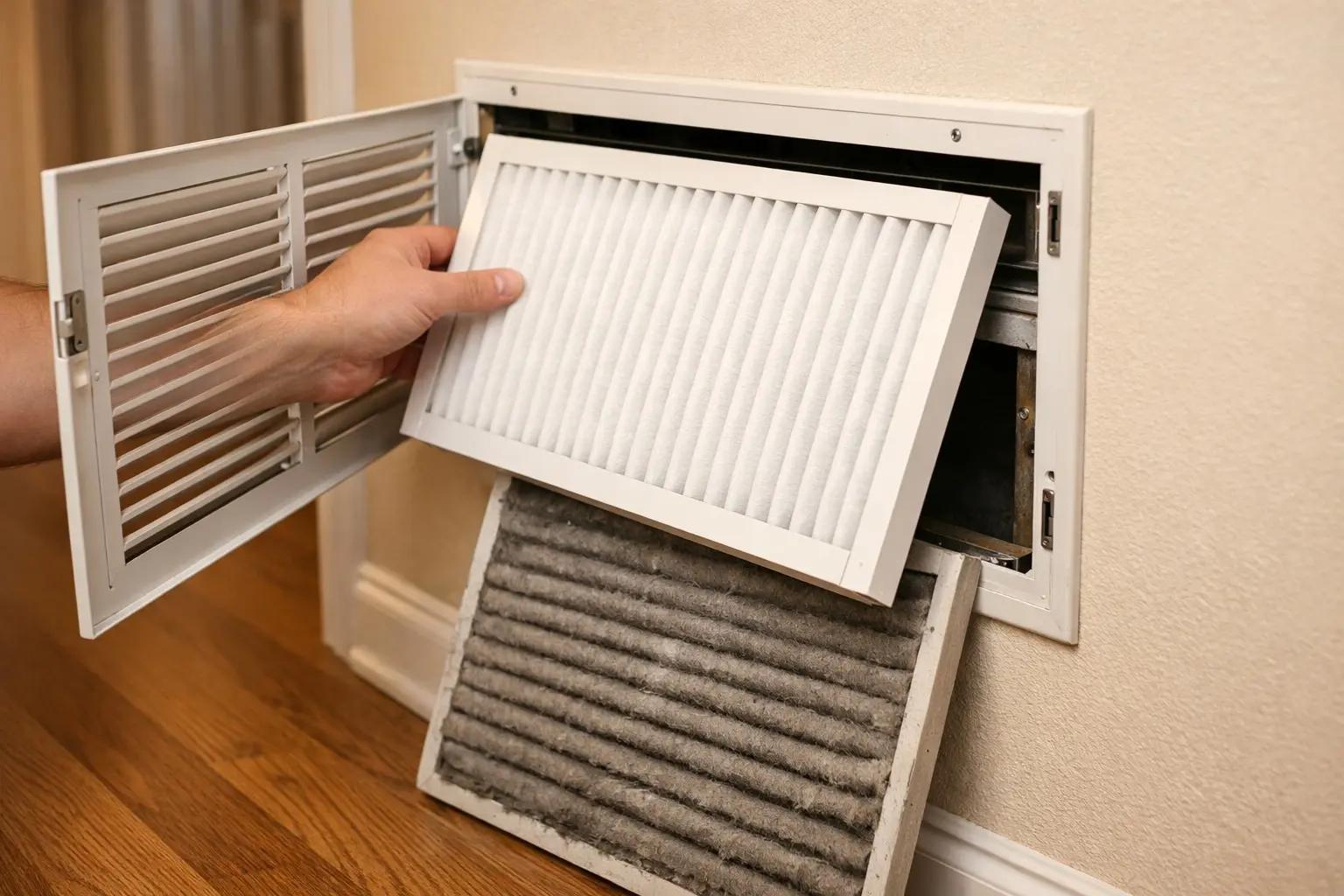 Easy10 min
How to Change Your HVAC Filter
A clogged HVAC filter forces your system to work harder, raising energy bills by 5-15% and shortening equipment life — and a replacement filter costs just $5-25. Changing it takes under 5 minutes with zero tools, yet it's the single most neglected piece of home maintenance. This guide shows you how to find your filter, pick the right replacement, install it correctly, and set a schedule so you never forget again.
 Medium2 hrs
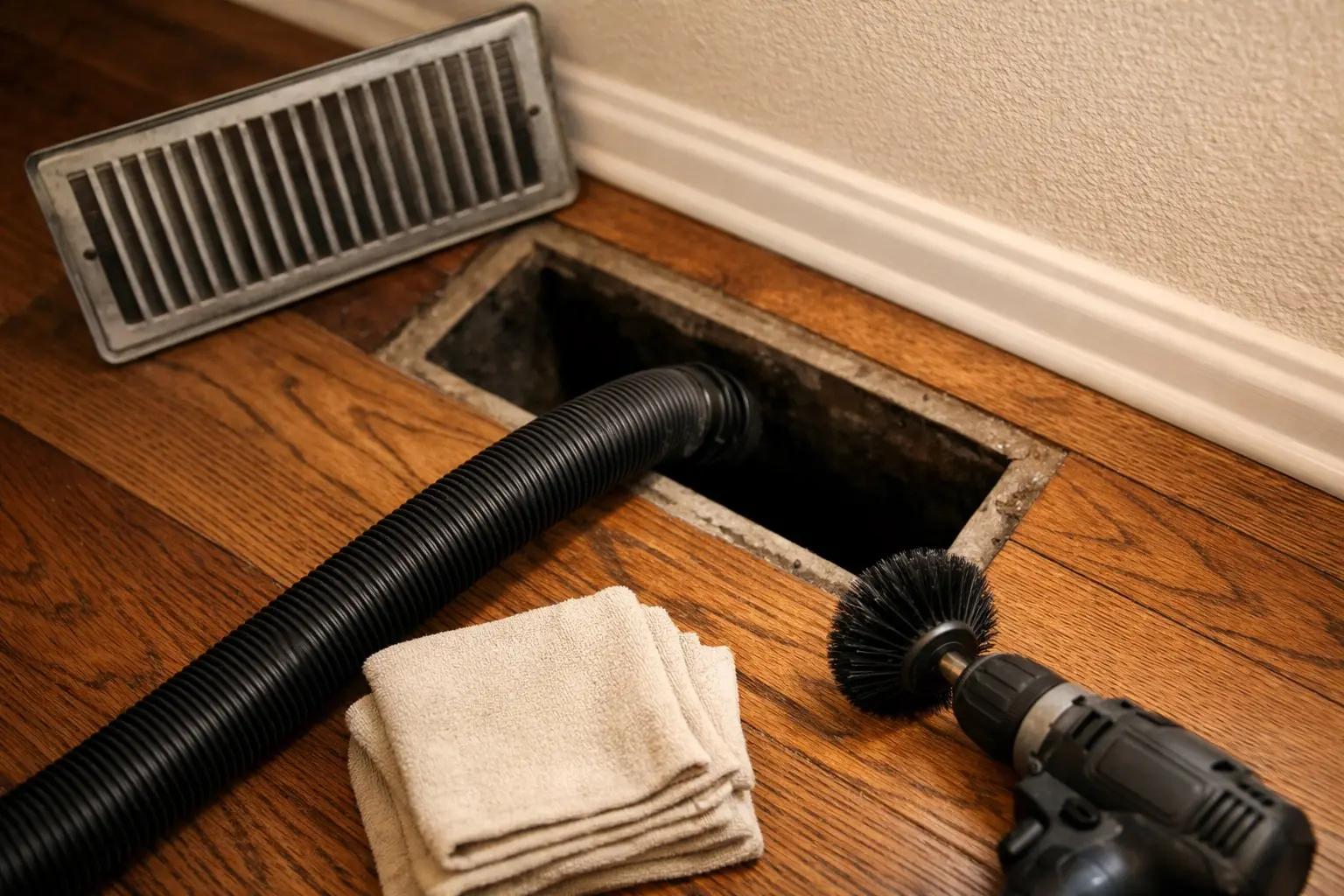
How to Clean Air Ducts Yourself
Dust, pet dander, and debris build up inside your ductwork over time, and cleaning the accessible sections near each register cuts down on dust that gets stirred back into rooms. The EPA does not recommend routine, calendar-based duct cleaning — clean when you can actually see buildup at the vents, not on a fixed schedule. Professional duct cleaning runs $300-500, but you can tackle the accessible sections yourself in about two hours with a vacuum, a brush, and a screwdriver. This guide walks you through removing vents, loosening buildup, vacuuming debris, and replacing your filter so your system runs cleaner and your air feels fresher.
 Easy1 hr
How to Clean and Maintain a Mini-Split
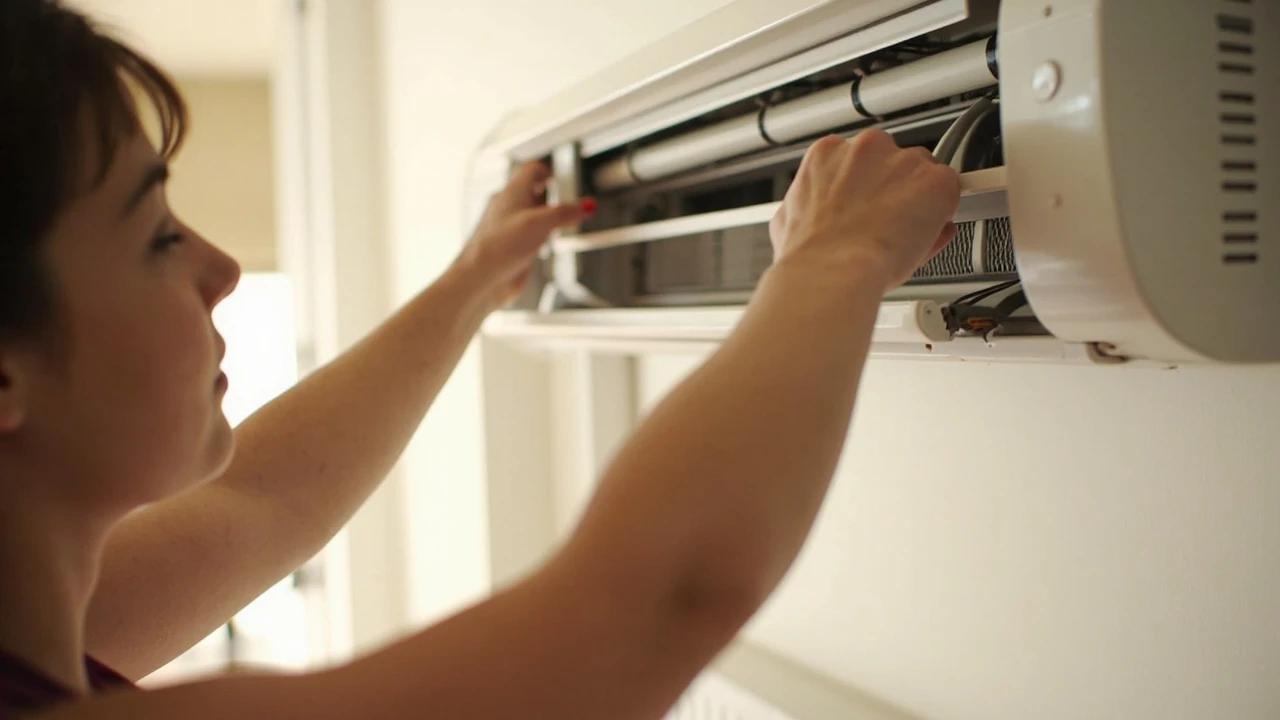
A ductless mini-split is the lowest-maintenance heating and cooling there is — right up until the filters mat over, the coil grows a musty film, and the drain line clogs and drips water down your wall. Twenty minutes of cleaning every few weeks during cooling season, plus one deeper pass each spring, keeps the air clean, the efficiency you paid for, and the mold out. This guide covers the whole routine for about $0-30 in supplies, and is honest about the two jobs (refrigerant and a moldy blower wheel) that belong to a pro.
You Might Also Like
 Easy30 min
How to Fix a Dripping Faucet
A dripping faucet wastes more than 3,000 gallons of water per year and can add $20 or more to your monthly water bill. The fix is almost always a worn cartridge, washer, or O-ring — parts that cost under $10 and take 20-30 minutes to replace with basic tools.
 Hard8 hrs
How to Paint Kitchen Cabinets
A professional cabinet refinish costs $3,000-8,000, but painting them yourself with the right prep and materials delivers the same transformation for under $200 in a long weekend. The secret is thorough degreasing, a bonding primer, and thin coats with proper dry time between each — skip any of those and the paint will chip within months. This guide walks through the full process from door removal and labeling to final reassembly, covering both brush and roller techniques for a smooth, factory-like finish.
 Medium6 hrs
How to Paint a Room
A fresh coat of paint is the fastest, cheapest way to transform any room — and doing it yourself saves $400-800 in labor for an average 12x12-foot bedroom. The job takes a weekend from prep to final coat, and the difference between an amateur-looking result and a professional finish comes down to technique, not talent. This guide covers prep, cutting in, rolling, and cleanup so you get clean lines and even coverage the first time.