How to Troubleshoot a Furnace That Won't Start
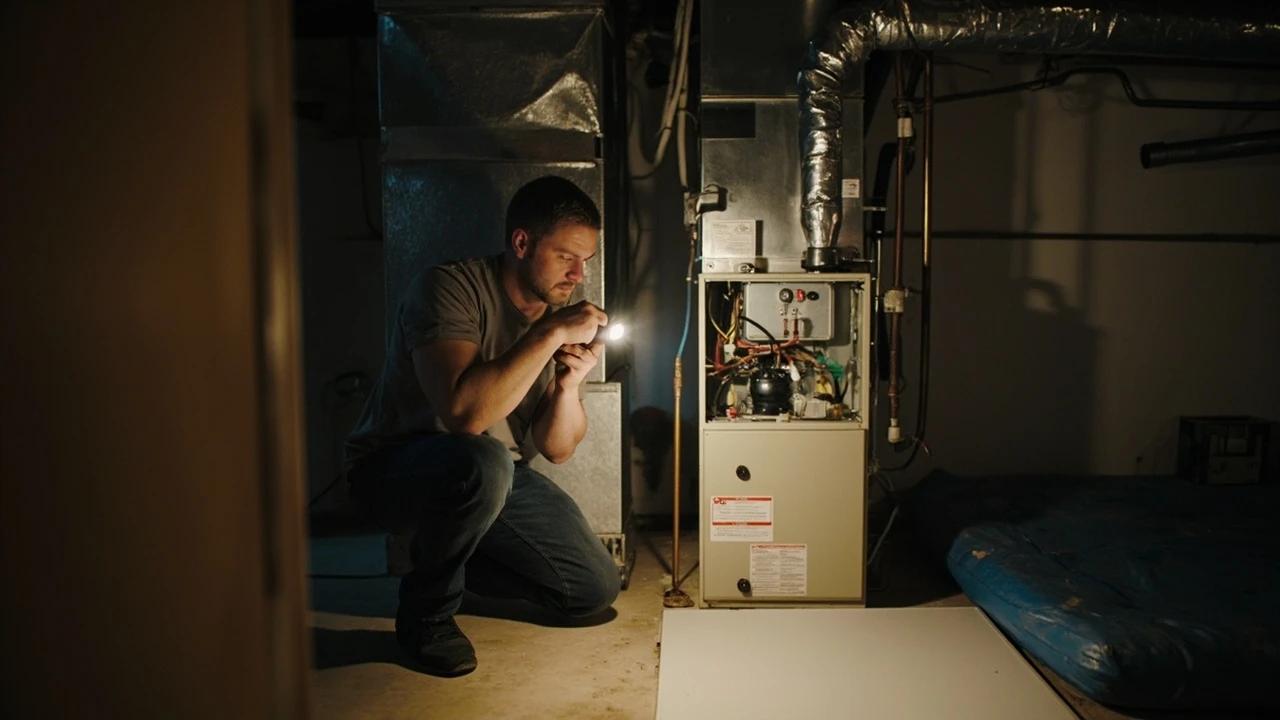

When a gas furnace won't fire, the cause is usually something simple and free to fix — a thermostat set wrong, a flipped power switch, a filter clogged solid, or a sooted flame sensor — not a dead furnace. This guide walks the checks in order of likelihood, starting with gas safety, so you can get the heat back in about 45 minutes without a $150 service call. It also draws a clear line at the repairs that are genuinely a pro's job.
What You'll Need
🛠 Tools
📦 Materials
Safety First
- •If you smell rotten eggs or sulfur, or hear hissing near the gas line, treat it as an emergency: do not touch any switch, thermostat, or flame. Leave the house and call your gas utility or 911 from outside.
- •Make sure your carbon monoxide detectors work. A yellow or flickering burner flame (it should burn steady blue), soot around the furnace, a CO alarm, or flu-like symptoms that ease when you leave home can signal incomplete combustion or a cracked heat exchanger — shut the furnace off and call a pro.
- •Cut power at the furnace switch or breaker before removing any panel or touching the flame sensor or igniter, and never bypass the blower-door safety switch. The igniter is fragile and the burner area stays hot after running — let it cool first.
Step-by-Step Instructions
First, Rule Out a Gas Leak
Before any troubleshooting, trust your nose. If you smell rotten eggs or sulfur, or hear hissing near the furnace or gas line, do not touch a switch, thermostat, or flame — leave the house and call your gas utility or 911 from outside. If there's no gas smell, confirm your carbon monoxide detectors are working, then cut power to the furnace at its switch or breaker before you open any panel.
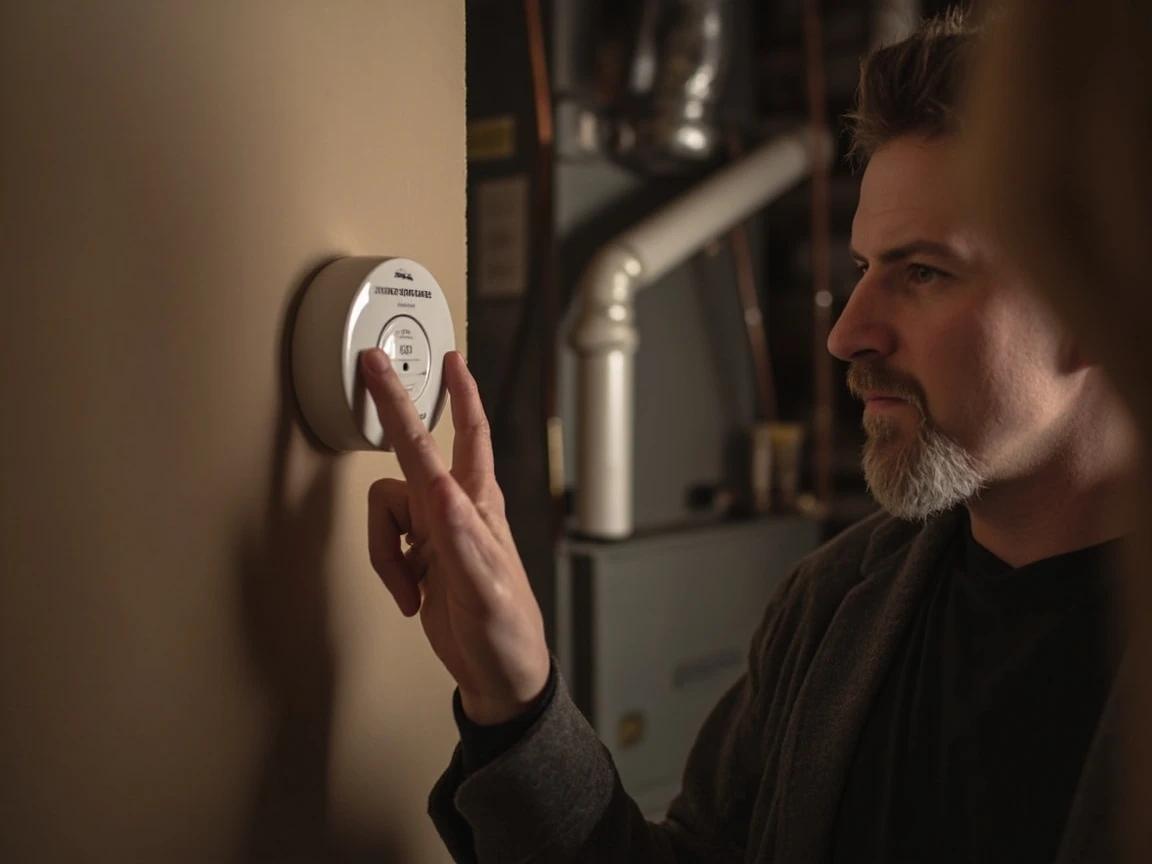
A rotten-egg gas smell is an emergency. Flipping a switch or lighting a flame can ignite leaked gas — get everyone out first and call from outside, never from inside the house.
Check the Thermostat
Most 'dead' furnaces are really a thermostat problem. Set it to HEAT — not COOL, OFF, or fan-only — and raise the setpoint at least 5 degrees above the current room temperature so it actually calls for heat. If it's a battery model, install fresh batteries (weak batteries are a classic no-heat cause), and make sure it isn't stuck in a vacation 'hold' or a programmed setback. If the display stays dark with fresh batteries or the furnace never responds no matter the setting, the thermostat itself may have failed — replacing a basic thermostat is a 30-minute job.
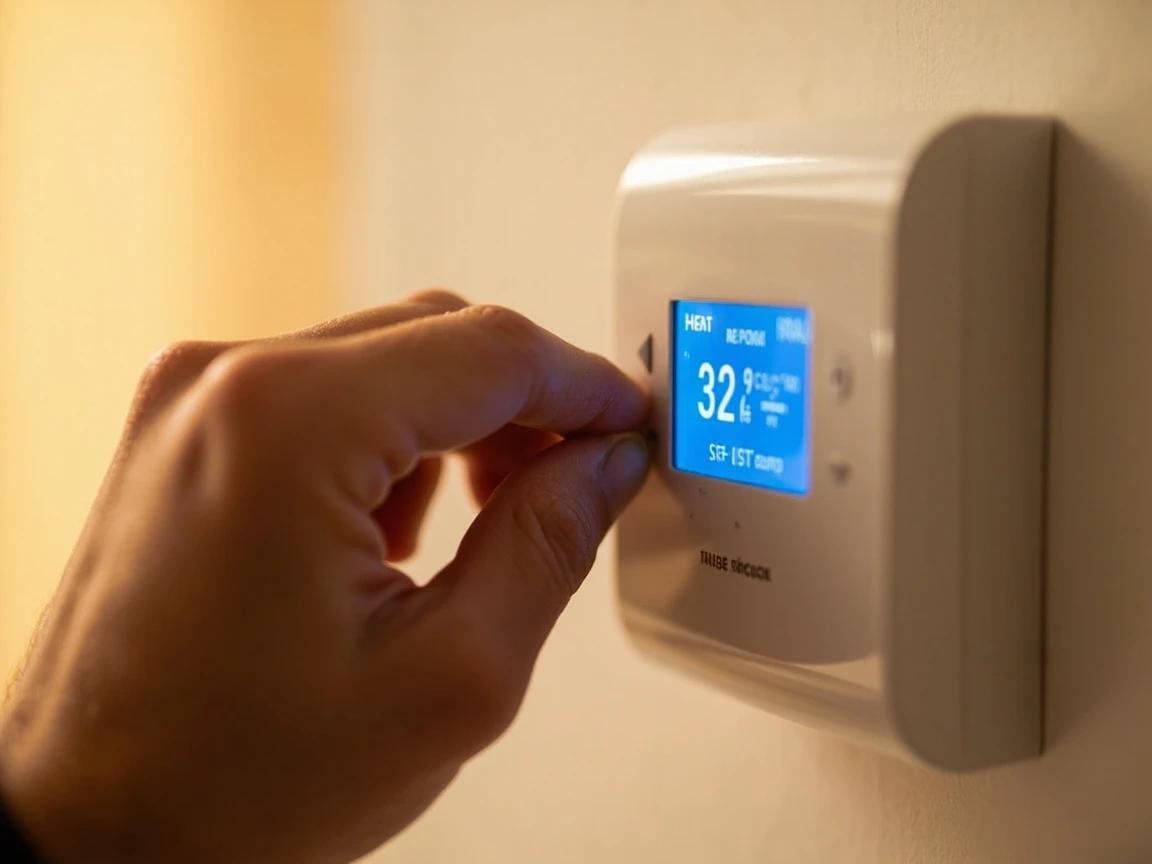
After raising the setpoint, wait a full minute. Most furnaces have a built-in delay before the burners fire, so give it time before deciding nothing happened.
Confirm Power — Switch, Breaker, and Blower Door
A furnace needs three power checks. Find the furnace power switch — it looks like an ordinary light switch in a metal box on or near the unit — and make sure it's ON, since it's easy for someone to flip it thinking it's a light. Check the breaker labeled 'furnace' or 'air handler' and, if it's tripped, push it fully OFF then back ON. Finally, make sure the blower compartment door is fully seated — a safety interlock behind it cuts all power when the panel is loose or off.
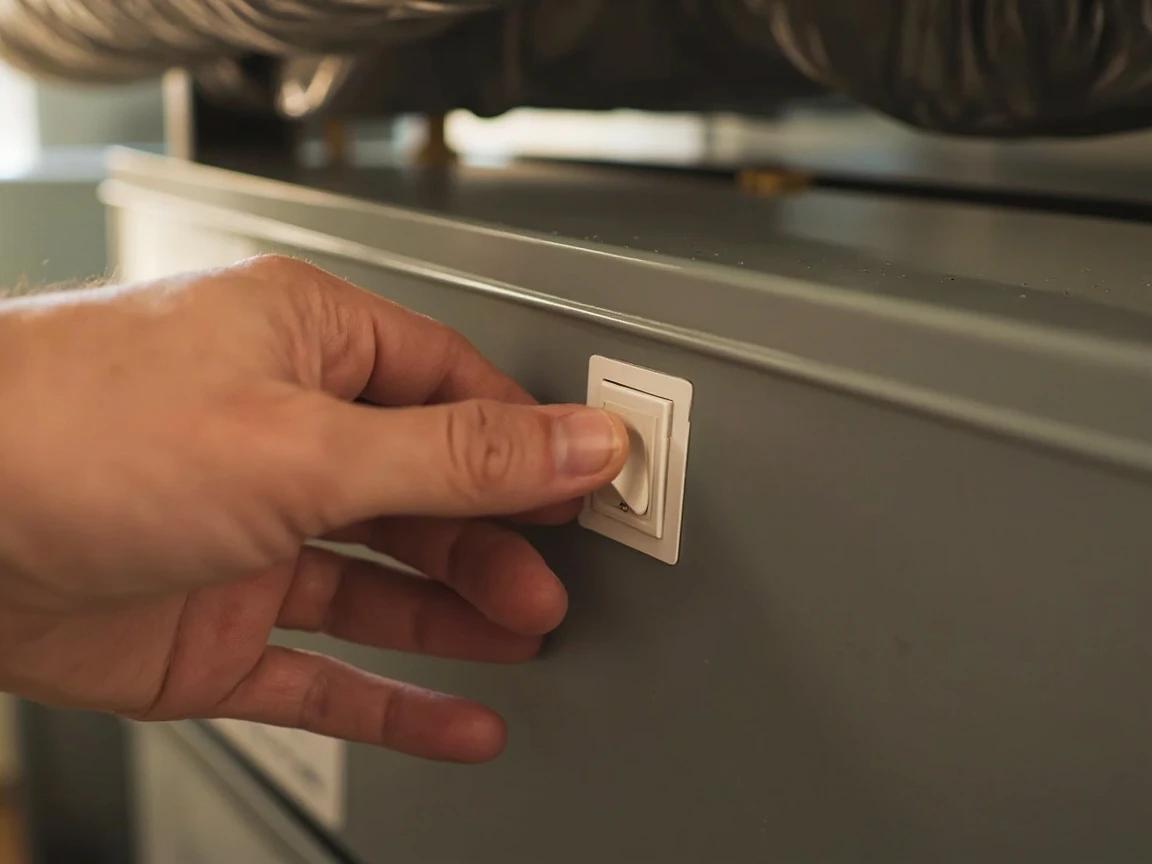
If the furnace went dead right after someone was in the basement or doing laundry, suspect a bumped power switch or a knocked-loose blower door before anything more complicated.
Replace a Clogged Air Filter
A filter packed solid with dust starves the furnace of airflow, which overheats the heat exchanger and trips the high-limit switch — so the furnace shuts down or won't stay running. Pull the filter from its slot at the return and hold it up to a light; if you can't see through it, replace it. Slide in a fresh filter with the airflow arrow pointing toward the furnace.
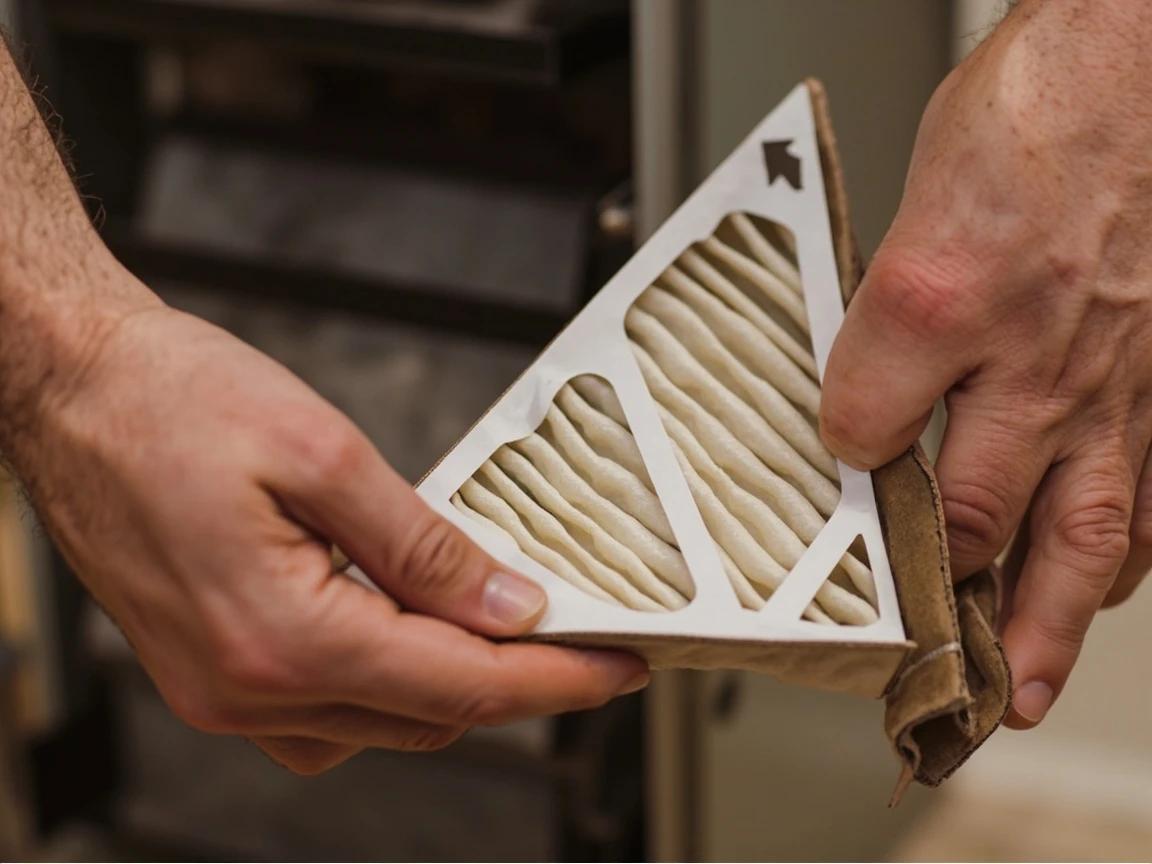
Check the filter every 1-3 months during heating season. A $15 filter changed on time prevents both no-heat lockouts and the overheating that cracks an expensive heat exchanger over time.
Make Sure the Gas Is On
Confirm gas is actually reaching the furnace. Follow the gas pipe to the shutoff valve near the unit — the handle should run parallel to the pipe (open), not across it (closed). Check that your other gas appliances, like the water heater or stove, are working, which confirms the supply isn't out; on propane, make sure the tank isn't empty. If the furnace was recently serviced, a valve left half-closed is a common culprit.
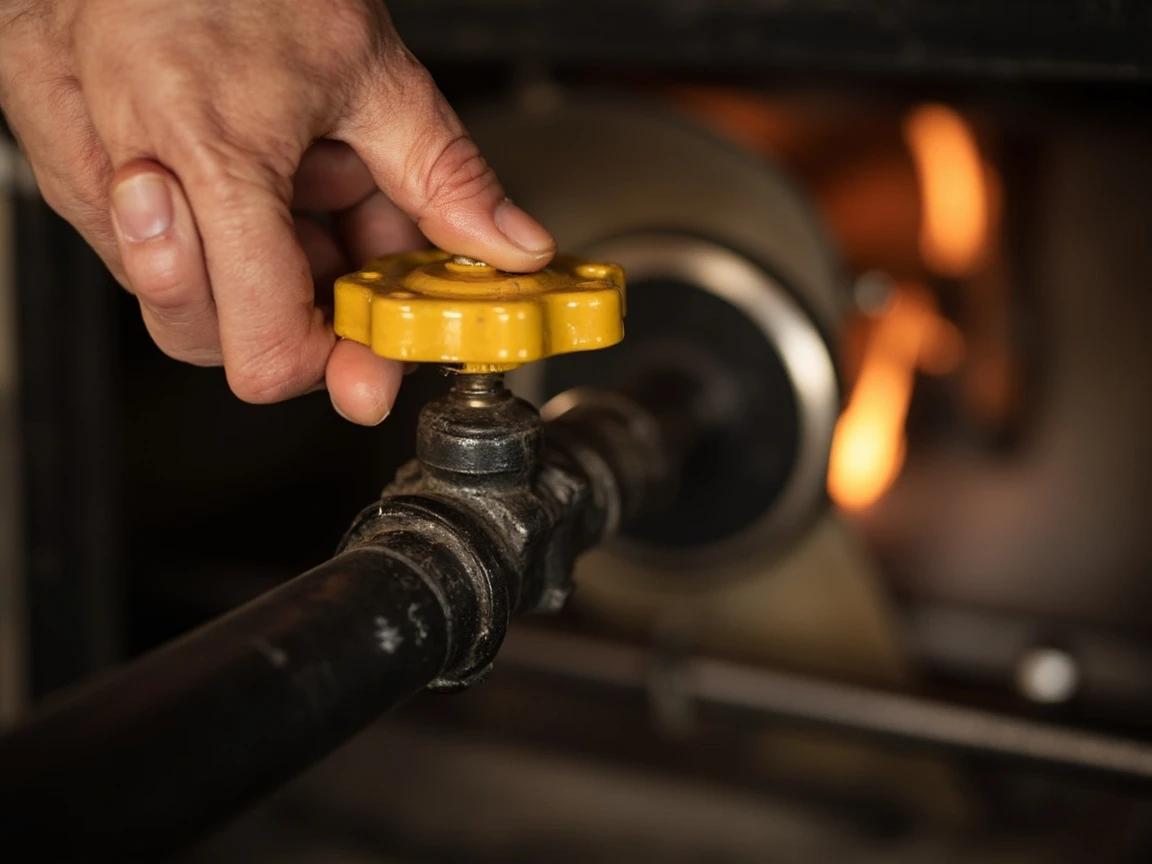
Turn the gas valve only to the fully parallel (open) position — never loosen a fitting or adjust the gas valve itself. If you smell gas at any point, stop and follow the leak protocol in Step 1.
Clear the Condensate Drain (High-Efficiency Furnaces)
A high-efficiency condensing furnace — the kind with white PVC exhaust pipes — drains acidic condensate through a small trap and tube. If that drain clogs, water backs up and a float switch shuts the furnace off to prevent an overflow. Find the float switch on the condensate trap or drain pan, and if the trap is full or the line is clogged, clear it with a wet/dry vacuum on the outlet end and flush the line until it drains freely; the float then drops and power is restored.
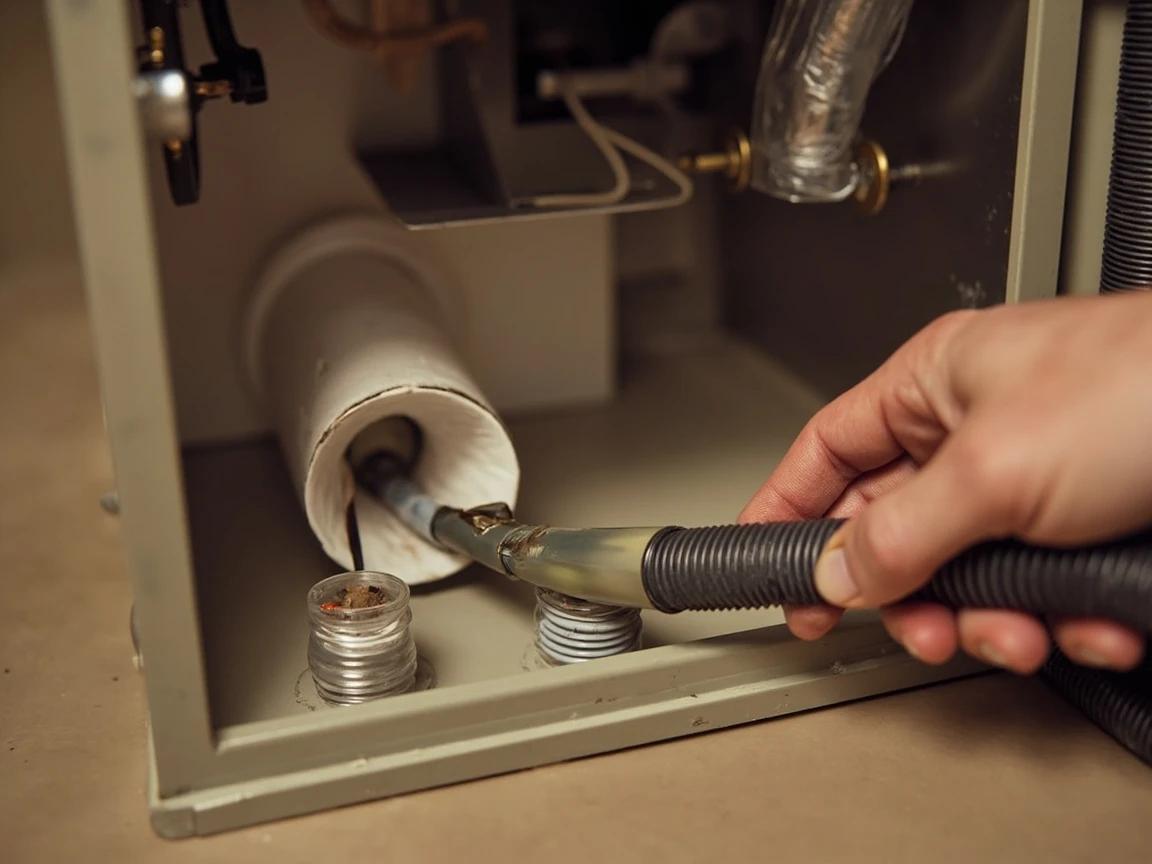
Pour a cup of water into the trap after cleaning to confirm it flows out freely. A yearly flush keeps algae and sediment from re-clogging the line and tripping the float switch.
Read the Control Board's Blink Code
Modern furnaces diagnose themselves. Look through the small sight window on the blower door (or open the panel) for a flashing LED on the control board and count the pattern — two blinks, a pause, then three blinks is a '2-3' code. Match that to the diagnostic chart printed on the inside of the furnace door, which translates it into the actual fault: open limit, pressure switch, flame-sense fault, ignition lockout, and so on.
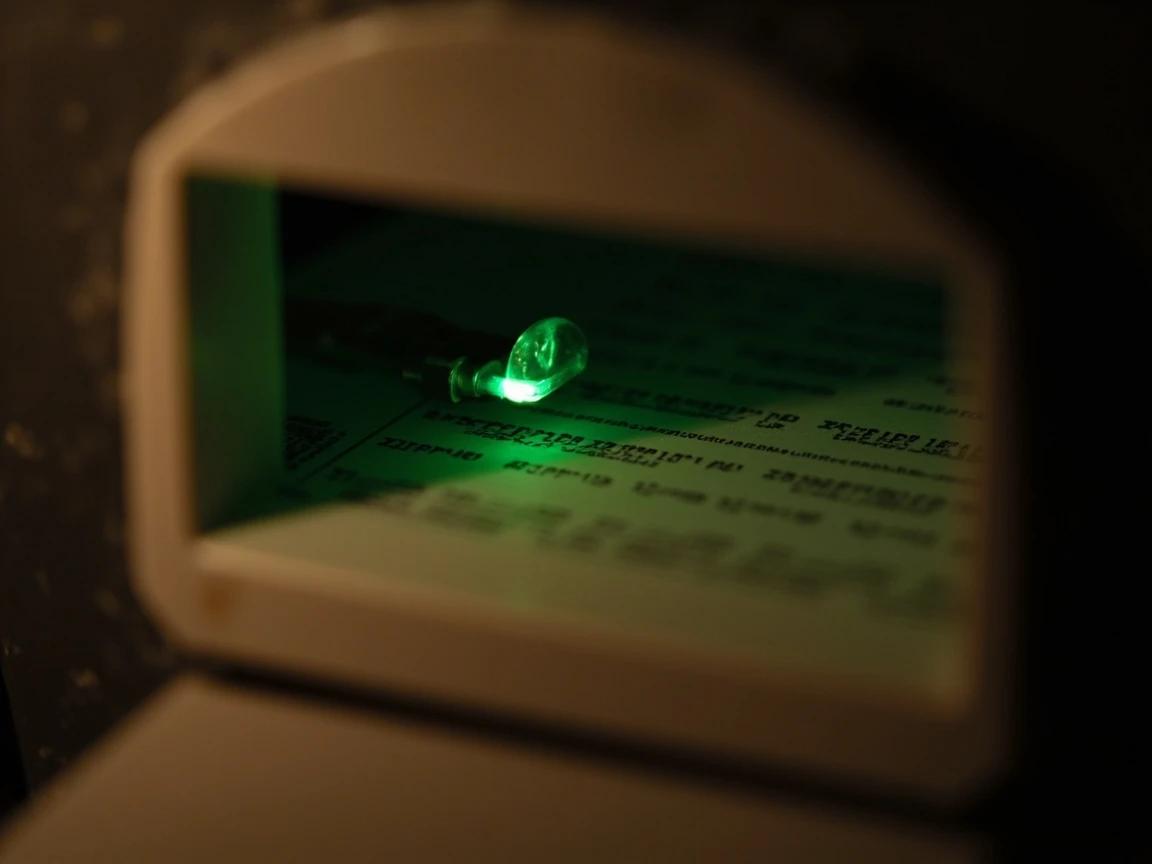
Snap a phone photo of both the blinking light and the code chart. It tells an HVAC tech exactly what's happening before they arrive — and confirms whether it's something on this list you can fix yourself.
Clean the Flame Sensor
If the furnace lights for a few seconds and then shuts off, a dirty flame sensor is the most common cause by far. With the power off, remove the access panel and find the flame sensor — a thin metal rod with a single wire, sitting in the path of the burner flames. Remove its mounting screw, slip off the wire, gently polish the metal rod with fine emery cloth or a Scotch-Brite pad, wipe it clean, and reinstall it. The carbon film that builds up keeps the sensor from reading the flame, so the furnace cuts the gas for safety.
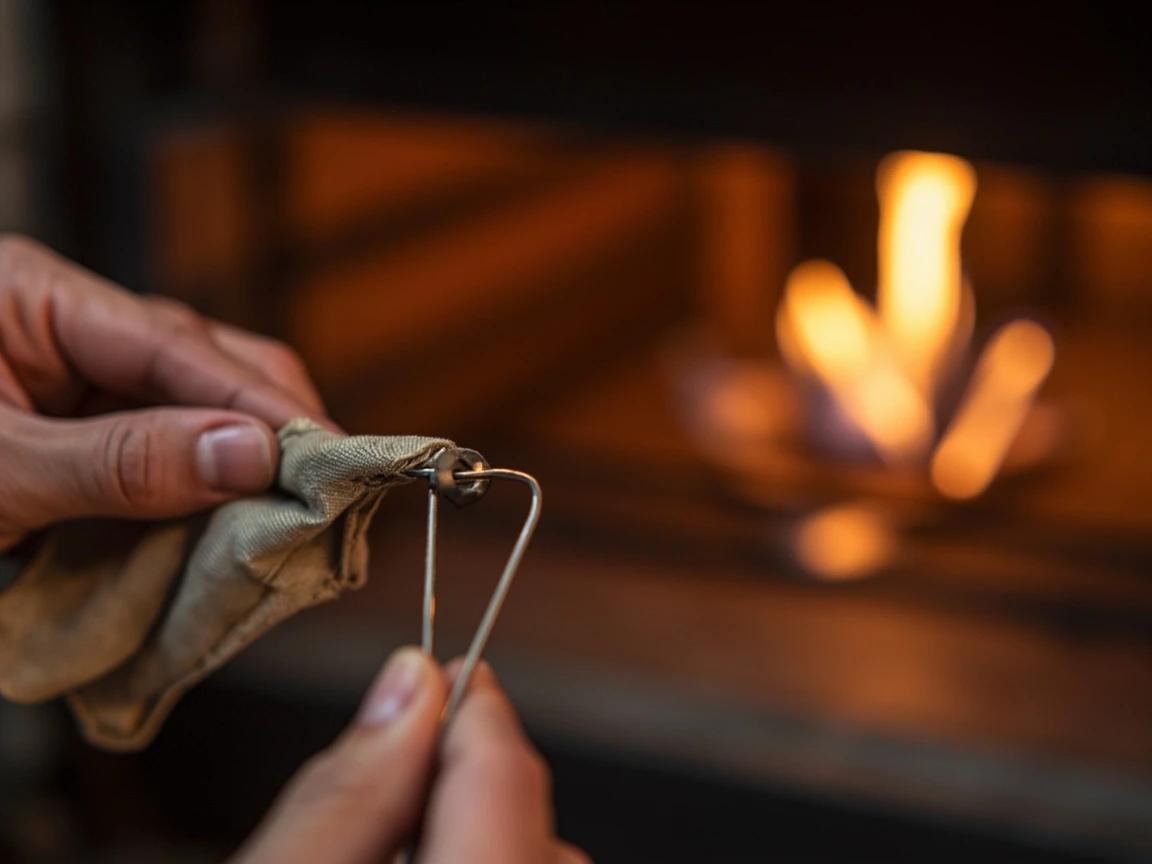
Skip coarse sandpaper or steel wool, and don't touch the cleaned rod with bare fingers — a light polish is all it needs, and skin oils foul it again quickly.
Reset, Watch the Ignition Sequence, and Know Your Limits
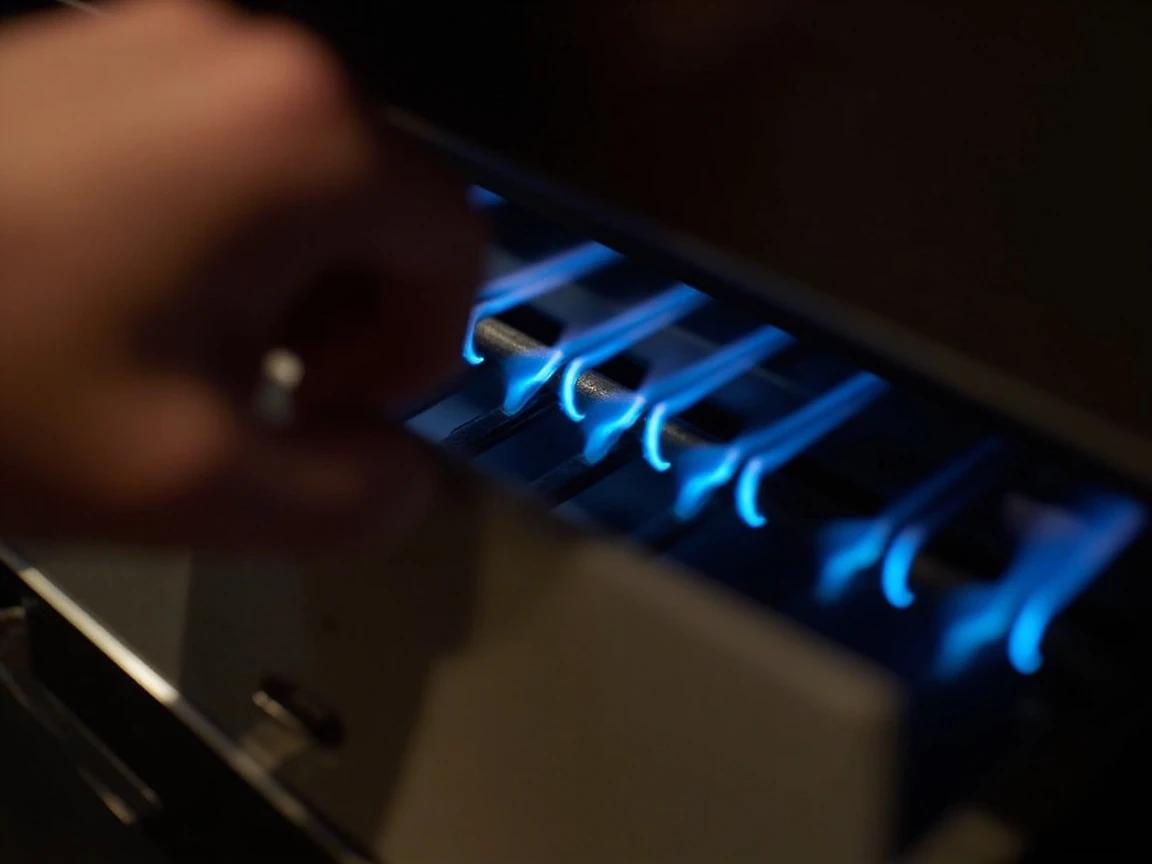
Restore power and trigger a call for heat, then watch the startup happen in order: the inducer fan spins up, the hot-surface igniter glows bright orange, the gas valve opens, the burners light with a row of steady blue flames, and the blower starts about a minute later. If the igniter never glows, it may be cracked (a fragile, replaceable part); if it glows but no flame follows, gas or the gas valve is the issue. If it lights and runs, you've fixed it — but if it locks out again and again, stop resetting and call a pro.
Frequently Asked Questions
Why does my furnace turn on then shut off after a few seconds?
+
That's the classic sign of a dirty flame sensor. The burners light, but the soot-coated sensor can't 'see' the flame, so the control board assumes ignition failed and shuts the gas off for safety — over and over. Cleaning the flame sensor fixes it most of the time; if it still short-cycles, suspect the gas valve, a flame-rod grounding problem, or the control board.
How do I reset my furnace?
+
Turn the furnace power switch (or its breaker) off, wait 30 seconds to a few minutes, and switch it back on — or drop the thermostat so it stops calling for heat, then restore it. Most gas furnaces have no universal red 'reset button.' If it lights and runs, great; if it keeps locking out, that's a real fault and resetting again won't fix it.
What does the blinking light on my furnace mean?
+
The LED on the control board flashes a diagnostic code. Count the pattern — two blinks, a pause, then three blinks is a '2-3' code — and match it to the chart printed inside the furnace's access panel. A slow steady blink often just means 'normal, no call for heat,' so always check the legend before assuming the worst.
How do I clean a furnace flame sensor?
+
Cut power to the furnace, remove the access panel, and find the flame sensor — a thin metal rod with a single wire, sitting in front of the burners. Remove its one mounting screw, slip off the wire, and lightly polish the metal rod with fine emery cloth or a Scotch-Brite pad (not coarse sandpaper or steel wool), wipe it clean, and reinstall it. Don't touch the cleaned rod with bare fingers — skin oil fouls it again.
Why won't my furnace ignite at all, with no flame?
+
If the igniter never glows orange on a call for heat, suspect a cracked hot-surface igniter, a tripped limit or door switch, or no power reaching the board. If it glows but no flame follows, the problem is the gas supply or gas valve. On a high-efficiency furnace, a full condensate trap will also block ignition through its float switch, so check that too.
Sources & further reading
- Furnace Not Igniting? Find Out Why and What to Do — Trane
- Furnace Not Turning On? 12 Causes & How to Fix It — Bryant
- Carbon Monoxide Information Center — U.S. Consumer Product Safety Commission
More HVAC Guides
View all → Easy45 min
How to Bleed a Radiator (and When You Must Not)
A radiator that is hot at the bottom and cold at the top has air trapped in it, and bleeding takes about five minutes per radiator with a key that costs a few dollars. But first you have to know which kind of radiator you own: hot-water radiators get bled, steam radiators never do. This guide covers the one-minute test that tells them apart, the full bleeding sequence, and what to do instead on a steam system.
 Medium10 hrs
How to Insulate an Attic
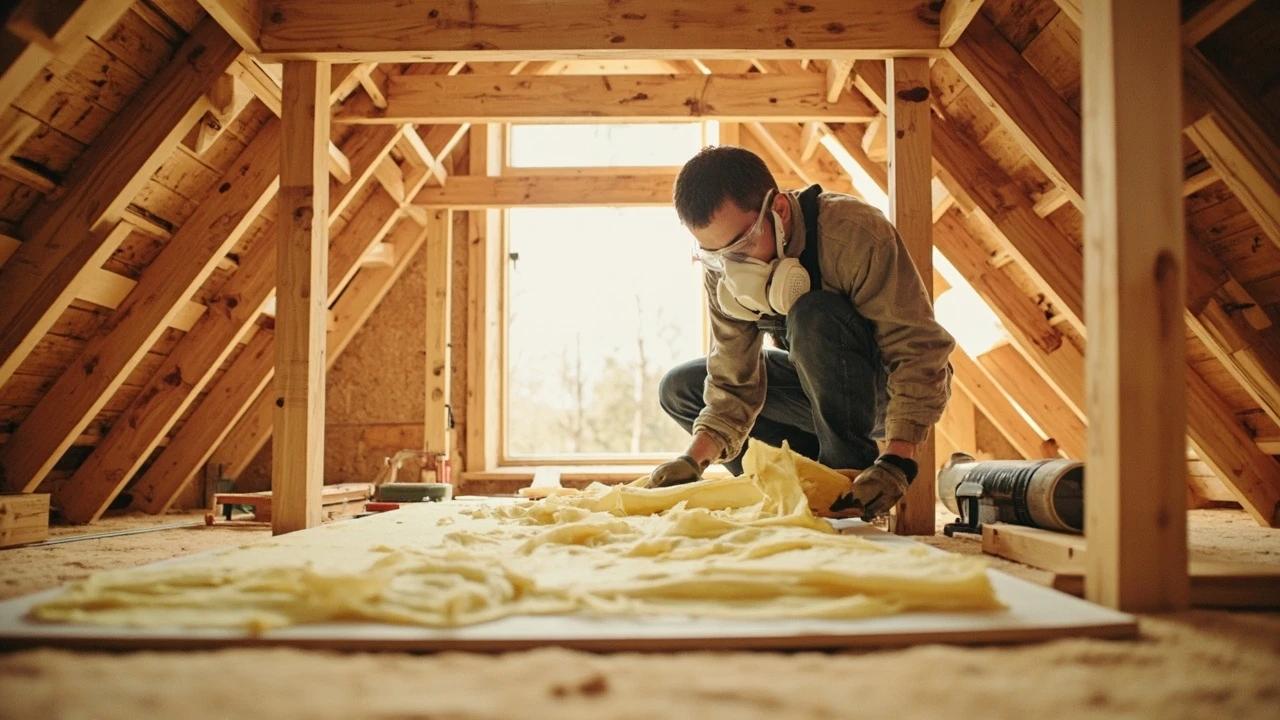
Adding attic insulation is the highest-payback weatherization project in most homes — but the step that actually saves money is the one DIYers skip: air-sealing the leaks before any insulation goes down. This guide does it in the right order — seal the penetrations and hatch, add baffles so you don't smother the soffit vents, keep insulation safely clear of recessed lights and the flue, then build the floor up to your climate zone's R-value target with batts or blown-in. Budget roughly $1 to $2 per square foot in materials and a weekend.
 Easy45 min
How to Install a Window AC Unit
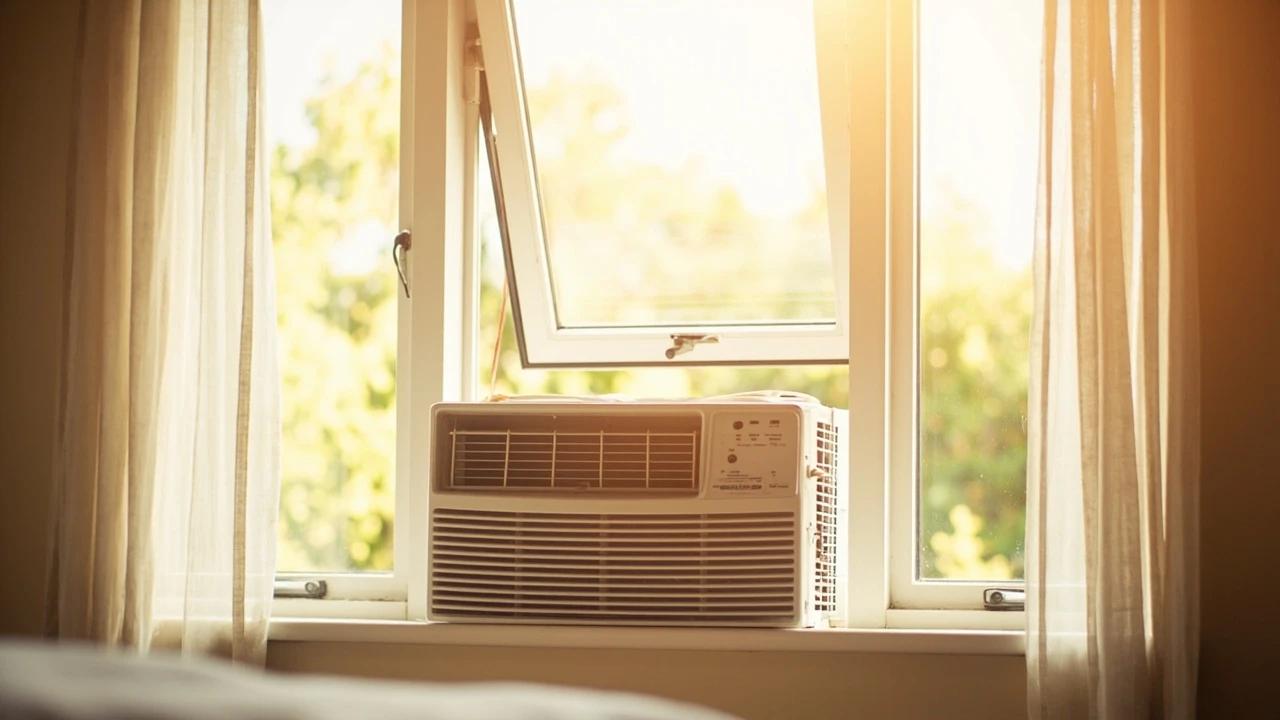
A window air conditioner can cool a room for a fraction of the cost of central AC — units start at $150 and installation takes about 30 minutes with no special tools. But a poorly installed unit wastes energy, leaks water inside, or worse, falls out the window. This guide walks you through measuring your window, positioning and securing the unit, sealing gaps for maximum efficiency, and testing the drainage so you stay cool all summer without surprises.
You Might Also Like
 Medium30 min
How to Troubleshoot a Microwave That Won't Heat
A microwave that runs — light on, turntable spinning, timer counting down — but leaves food stone cold is one of the most common appliance failures, and about half the time the cause is something you can fix in five minutes for free. This guide walks the diagnosis from the easy stuff (demo mode, power level, a tripped GFCI, a dirty door latch) to reading the failure signature that tells you the high-voltage circuit is gone, then helps you make the repair-or-replace call with real numbers.
 Medium45 min
How to Install a Ceiling Fan
Replacing a light fixture with a ceiling fan improves air circulation in summer and can reduce heating costs in winter by circulating warm ceiling air downward. Most installs take 45-60 minutes.
 Medium1 hr
How to Repair Scratches in a Hardwood Floor
Scratched hardwood almost never means refinishing the whole floor. This guide shows you how to match the fix to the damage — a touch-up marker for finish-level scratches, a wax fill stick for shallow ones, and stainable wood filler with stain and polyurethane for deep gouges — all for under $40 in supplies and about an hour of work.