How to Seal and Insulate Ductwork
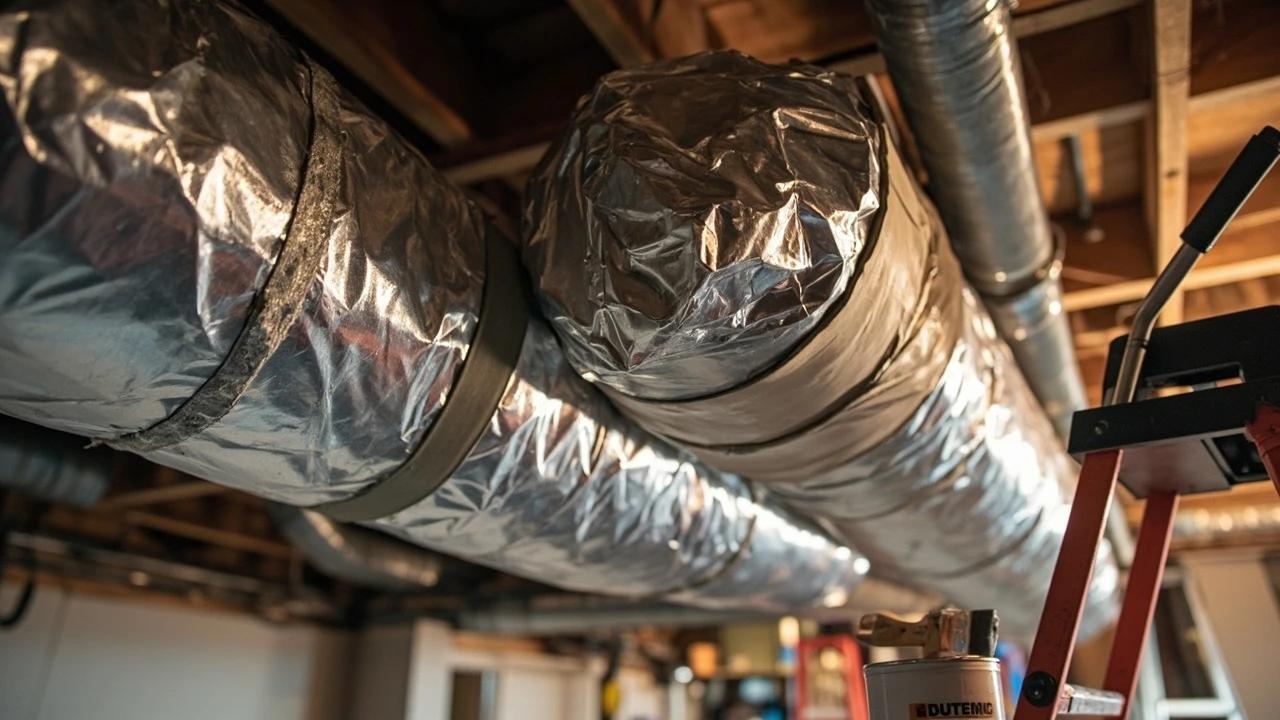

Leaky, uninsulated ducts in crawlspaces, basements, and attics leak 20-30% of your heated and cooled air before it ever reaches a register — that is money pouring out of joints and seams every time the system runs. Sealing leaks with mastic and wrapping ducts in R-8 foil-faced insulation is a weekend project that costs $80-150 in materials and typically pays itself back in a single heating or cooling season through lower energy bills.
What You'll Need
🛠 Tools
📦 Materials
Safety First
- •Turn off the HVAC system at the thermostat and at the breaker before working on ducts. A system that kicks on mid-repair can blow mastic and fiberglass dust into the air handler and spread it through the house.
- •Fiberglass insulation causes skin irritation and respiratory problems if inhaled. Always wear a long-sleeve shirt, gloves, safety glasses, and an N95 or better respirator when cutting and handling fiberglass duct wrap — and do not reuse the mask for other projects.
Step-by-Step Instructions
Turn Off the HVAC System and Inspect the Ducts
Before touching anything, switch the thermostat to OFF and flip the breaker for the furnace and air handler. Then walk or crawl along the entire duct run with a bright work light, looking for visible gaps at joints, elbows, branch take-offs, and where ducts meet the plenum at the air handler. Pay special attention to rectangular sheet-metal seams — they almost always leak along the long drive cleats and S-cleats where the sheets meet. Mark every leak point with a piece of masking tape or a sharpie so you do not forget any when you start applying mastic.

If you have trouble spotting leaks, turn the system fan to ON at the thermostat and run your hand slowly along the seams — you will feel air escaping from every gap. Just remember to turn the fan back off and kill power at the breaker before starting work.
Clean the Duct Surfaces
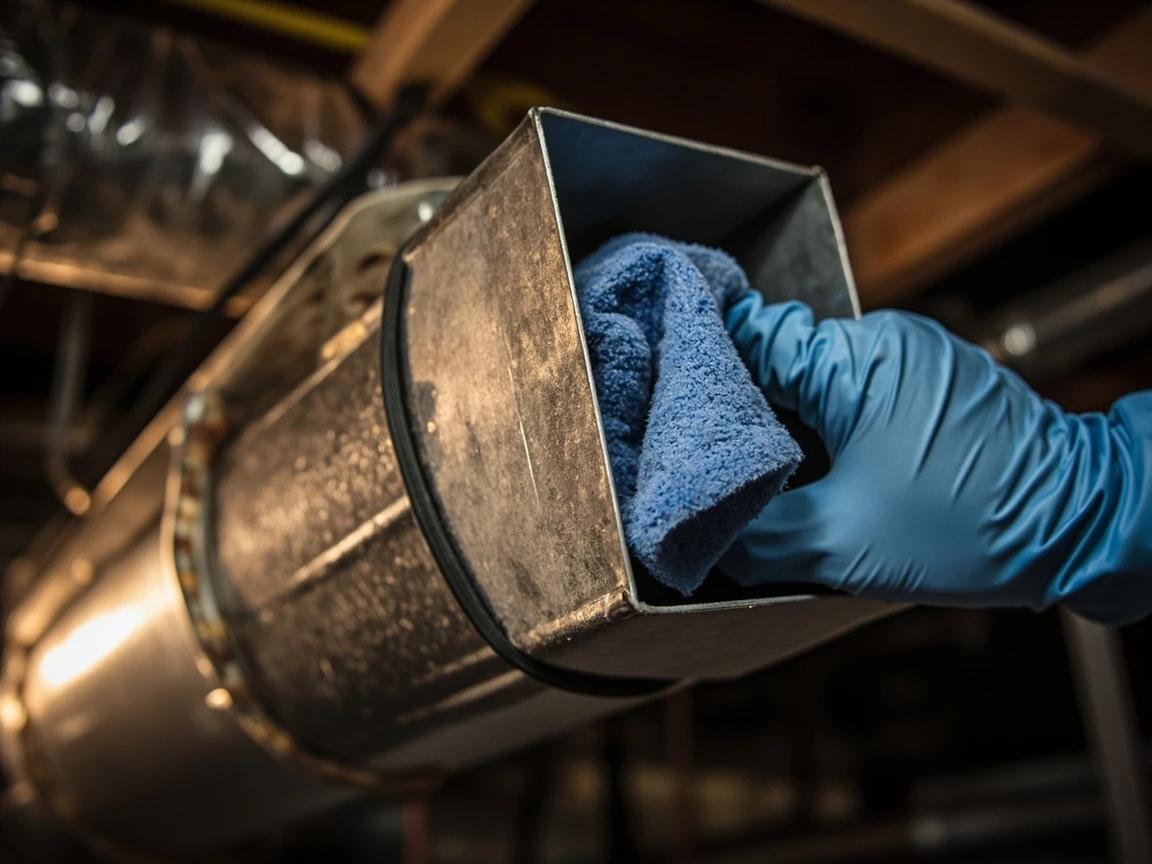
Mastic and foil tape bond chemically to clean metal — if you apply them over dust, grease, or cobwebs, you are sealing the dirt, not the duct, and the seal will peel off within weeks. Wipe down every seam, joint, and 2-inch band around each leak location with a dry shop rag or microfiber cloth. For greasy kitchen-adjacent ducts or years of grime, use a rag dampened with rubbing alcohol or soapy water and let the surface dry completely before moving on. Do not skip this step — it is the single biggest reason DIY duct sealing fails.
Bridge Wide Gaps with Fiberglass Mesh Tape
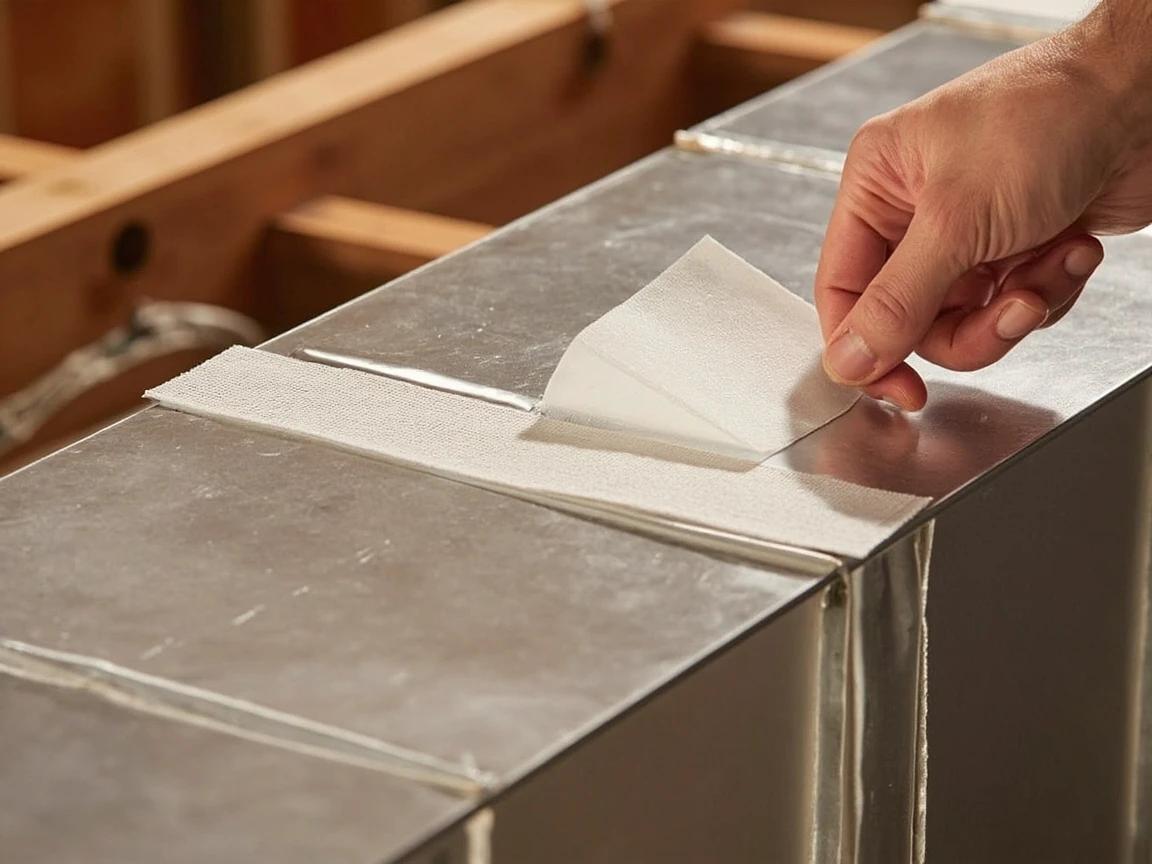
Mastic is a thick paste, but it cannot bridge gaps wider than about 1/8 inch on its own — it will sag and crack. For any visible gap, split seam, or hole wider than that, first press a strip of 2-inch fiberglass mesh tape over the opening. The mesh gives the mastic something to grip and prevents the seal from sinking into the gap as it cures. For large holes or where the duct has pulled apart, cut an oversized patch of mesh tape that overlaps the hole by at least 2 inches on all sides.
Apply Mastic to Every Seam and Joint
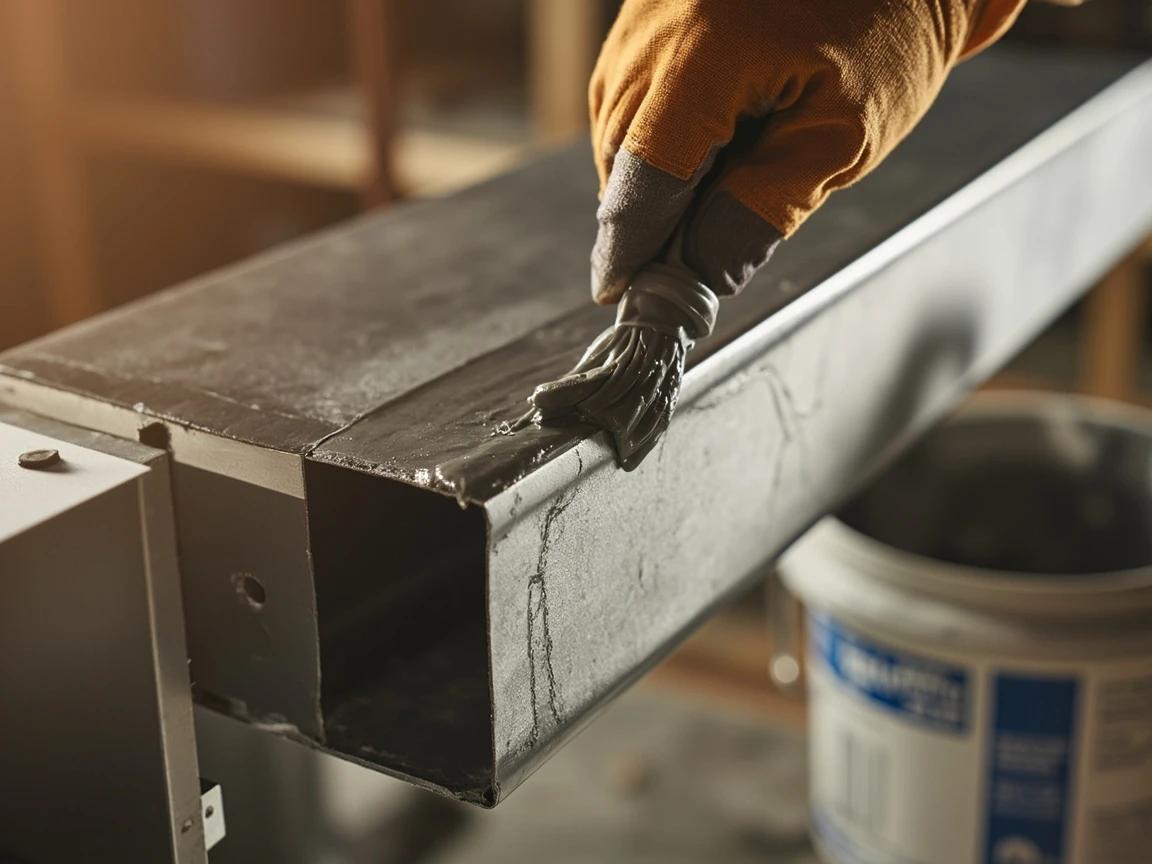
Open the mastic bucket, dip a disposable chip brush about an inch deep, and spread a nickel-thick layer over every seam, joint, elbow, and branch connection — including the ones that do not appear to be leaking. Mastic should extend at least 1 inch on either side of each seam to create a wide sealing band. Work the paste into the crevices and around protruding screws. It will feel like frosting a cake with cold icing — messy but satisfying. The mastic is gray when wet and cures to a slightly darker color over 24 hours, forming a permanent, flexible seal.
Never use cloth duct tape for sealing HVAC ducts. Despite the name, standard duct tape dries out and falls off within 6-12 months in hot attic or cold crawlspace conditions. Use only UL 181-rated foil HVAC tape or mastic — the rating is printed directly on the tape or mastic container.
Seal Round Ducts and Flex Connections with Foil Tape
For round sheet-metal ducts, joints to take-off collars, and flex duct connections, UL 181-rated aluminum foil HVAC tape is faster and cleaner than mastic. Pull off a length, press it firmly along the seam starting at one point and working around the circumference, burnishing it with the back of a spoon or the rounded edge of a plastic scraper as you go. Burnishing is what activates the acrylic adhesive — tape that is just patted on will lift within months. Overlap the ends of the tape by at least 1 inch and avoid stretching the tape as you apply it.
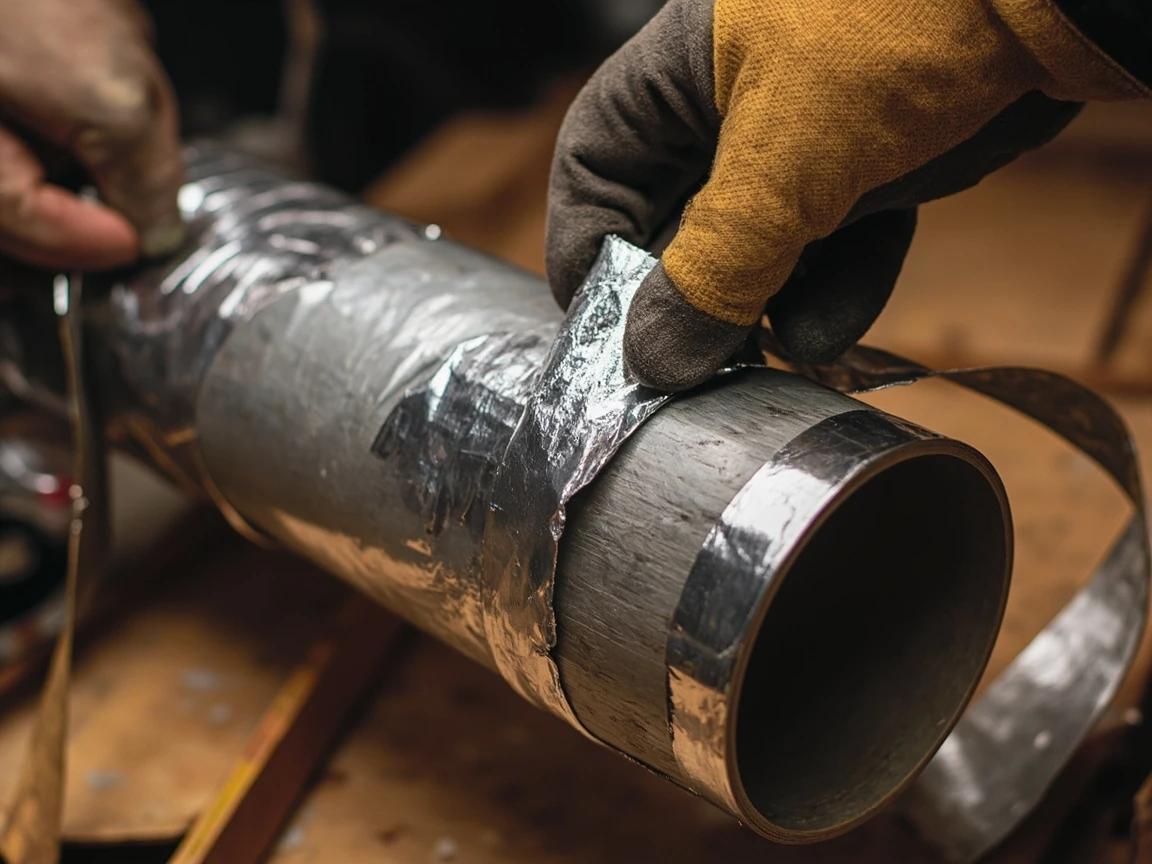
Foil tape works best above 50°F — if your basement or crawlspace is colder than that, the adhesive will not grab properly. Warm the tape and duct with a hair dryer before applying, or save this job for a warmer day. Mastic is much more forgiving of cold temperatures.
Let the Mastic Cure Before Insulating
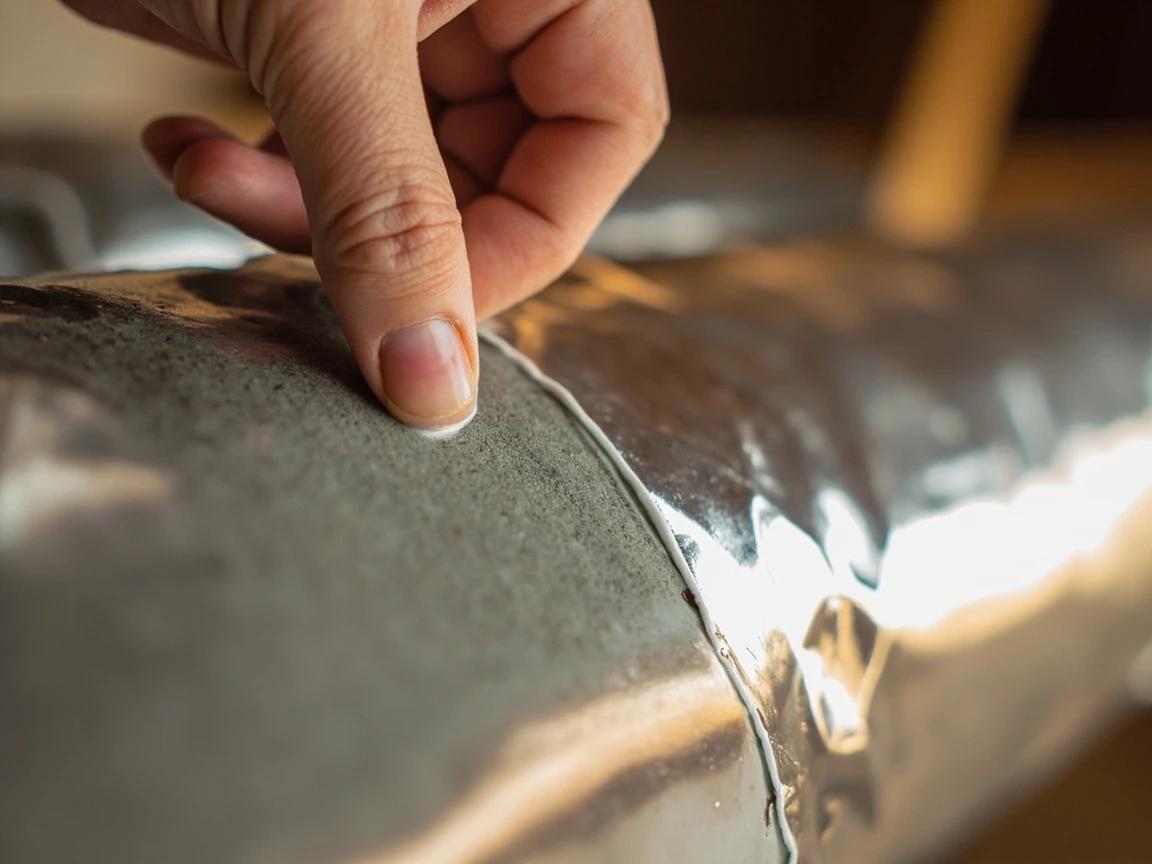
Water-based duct mastic needs at least 24 hours to skin over and another 24-48 hours to fully cure, especially in cool or humid conditions. Wrapping insulation over uncured mastic traps moisture, delays curing, and can cause the seal to fail. While you wait, this is a good time to measure your duct runs and cut your insulation to length so you are ready to go as soon as the mastic sets. A fingertip-pressed corner that does not leave a dent is cured enough to proceed.
Measure and Cut the Foil-Faced Duct Wrap
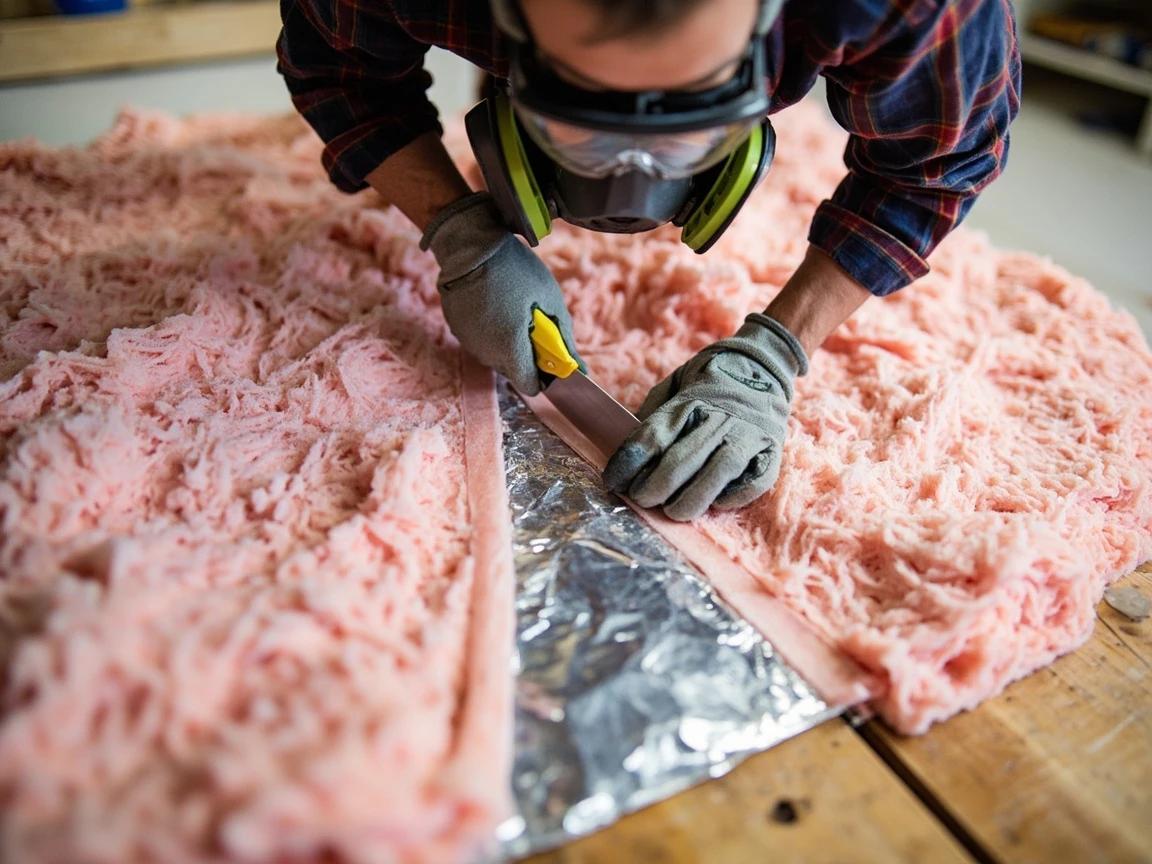
R-8 foil-faced fiberglass duct wrap comes in 48-inch-wide rolls. To wrap a rectangular duct, measure the full perimeter (add up all four sides) and add 2 inches for overlap — that is your cut length. For round ducts, wrap a string around the duct to get the circumference and add the 2-inch overlap. Lay the wrap foil-side down on a clean surface, mark your cut line with a sharpie, and cut through the fiberglass cleanly with a sharp utility knife. Wear a respirator, gloves, and long sleeves during this step — the cut edges release fiberglass dust.
Wrap the Ducts and Seal the Seams
Wrap the cut insulation snugly around the duct, fiberglass side against the metal and foil facing out. Do not compress the fiberglass — crushing it collapses the air pockets that give it R-value, and a squashed R-8 wrap can perform at R-4 or less. Bring the long edges together and tape the seam with UL 181 foil tape, then tape every cross-seam where two sections of wrap meet end-to-end. On horizontal runs, add a zip tie every 24 inches to keep the wrap from sagging over time. On vertical runs, tape is usually enough.
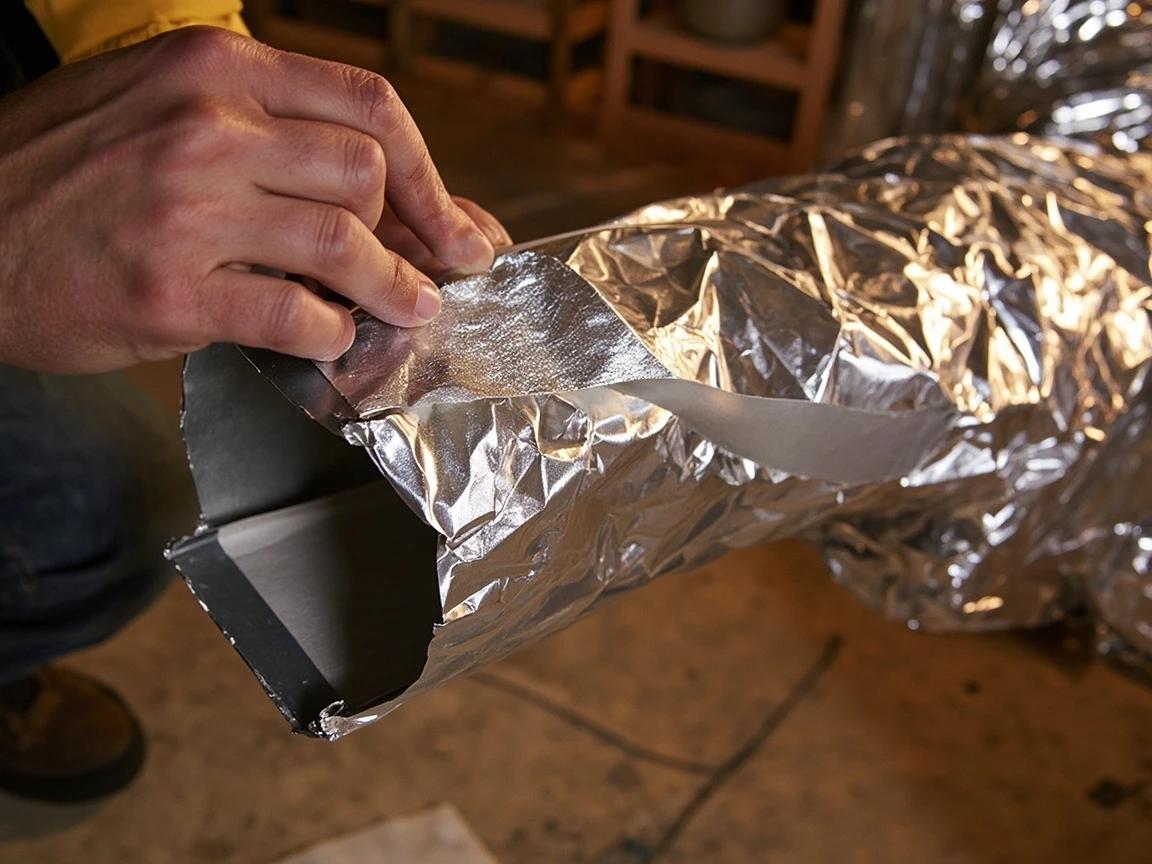
Butt the cut edges of adjacent wrap sections together firmly — do not leave any gaps between sections and do not overlap the fiberglass (only overlap the foil facing). Gaps leak conditioned air and allow warm humid crawlspace air to contact the cold metal duct, which causes condensation, drips, and eventually mold inside the wrap.
Seal the Foil Facing at Every Joint and Overlap
Go back over your wrapped ducts and run a strip of UL 181 foil tape along every longitudinal seam, every butt joint between sections, and every place the foil facing was punctured by a zip tie or staple. The foil facing is not just for looks — it is a vapor barrier that prevents humid air from reaching the cold metal duct. A single unsealed 3-inch gap in the facing can let enough humidity through to condense pints of water during the cooling season, soaking the fiberglass and destroying its insulating value. Burnish every tape edge firmly to seal it.
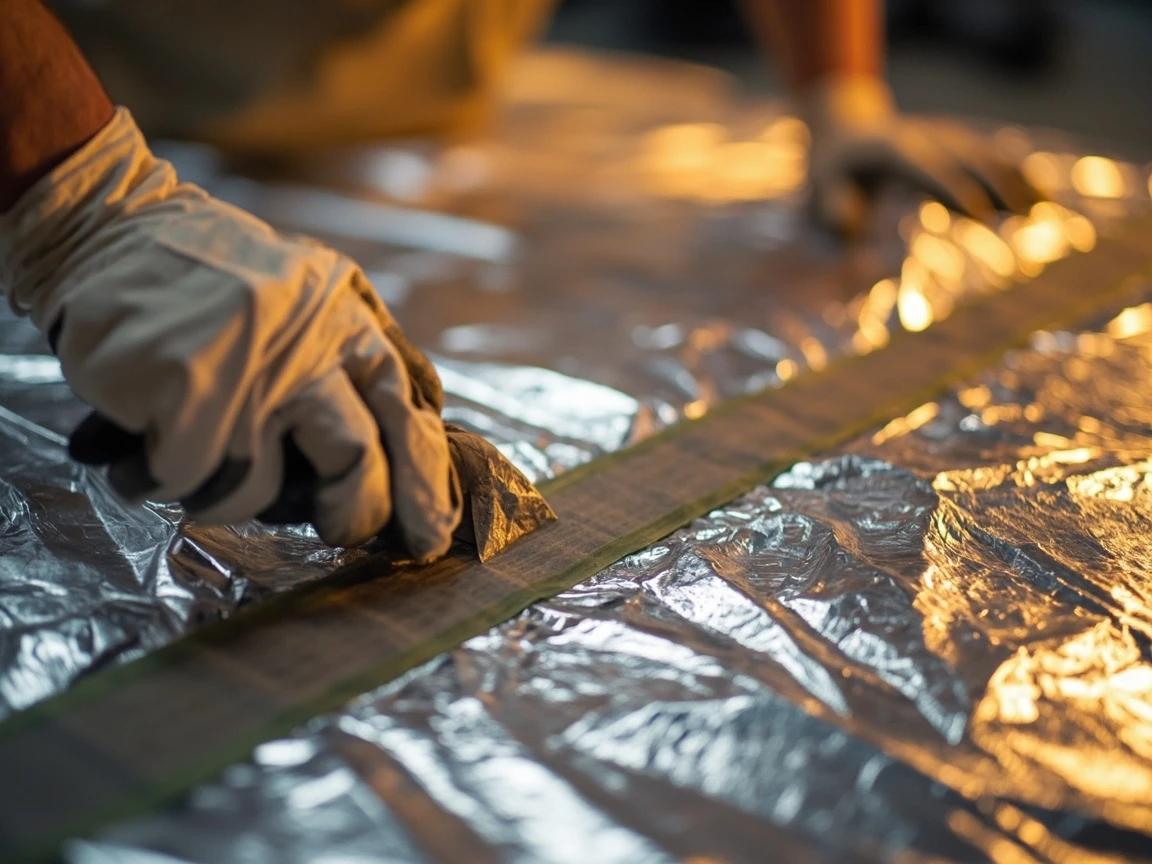
Do not use the insulation to cover access panels, cleanout ports, or flue pipes on the furnace. Blocking these creates a fire or carbon monoxide hazard. Leave all service access points uncovered and keep insulation at least 1 inch away from any gas-appliance flue or B-vent.
Turn the System Back On and Verify
Flip the breaker back on, turn the thermostat to HEAT or COOL, and let the system run for 15-20 minutes. Walk the full duct run one more time and feel for cold or warm spots on the foil facing — those indicate spots where you missed a seal or left a gap in the insulation. Then check a few registers in the rooms served by the treated ducts — you should feel a stronger airflow than before because less air is leaking along the way. In a week or two, watch your energy bill and listen to how often the system cycles; a sealed and insulated duct run typically runs 15-30% less to hold the same setpoint.
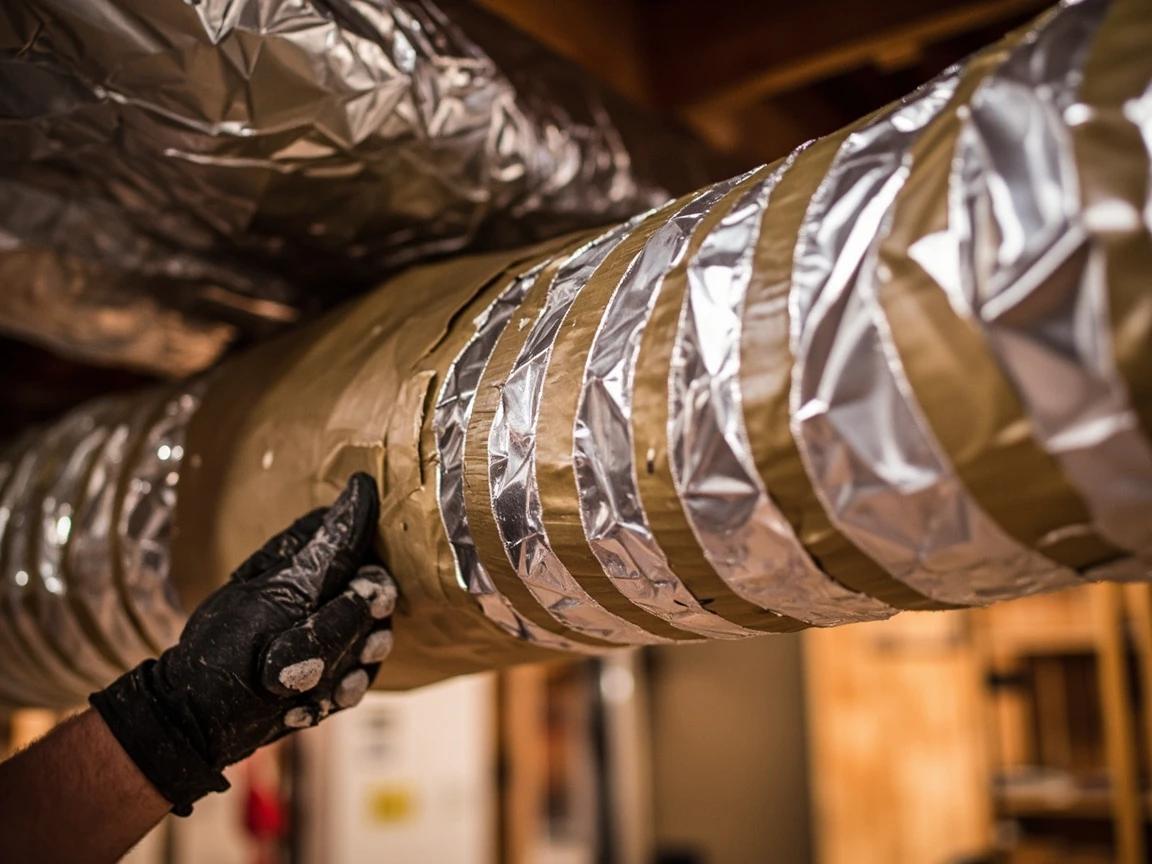
If you can feel a temperature difference on the foil facing itself, the wrap is either too thin or compressed in that spot — add a second layer of R-8 over the cold zone or loosen the compressed section and re-tape. Duct wrap is cheap; a cold spot is a leak that runs 24/7 every heating and cooling season.
Frequently Asked Questions
How long does it take to seal and insulate ductwork?
+
This project typically takes about 4 hrs. The guide includes 10 steps with detailed instructions for each.
What tools do I need?
+
You will need: Bright LED work light or headlamp (for seeing into crawlspaces, attics, and behind ducts), Utility knife with fresh blades (for cutting insulation and tape), Disposable chip brushes or throwaway paint brushes (for applying mastic — plan to throw them away after), Tape measure, Shop rag or microfiber cloth (for cleaning duct surfaces), Caulking gun (only needed if using tubed mastic instead of bucket mastic), Scissors (for trimming foil tape and insulation facing), Safety glasses, N95 or better dust mask / respirator, Nitrile or latex gloves, Long-sleeve shirt and pants (fiberglass irritates bare skin). Materials include: 1-gallon tub of water-based duct sealant mastic (UL 181-rated — brands like RCD Mastic #6 or Hardcast), Fiberglass mesh tape (2-inch wide — for bridging gaps wider than 1/8 inch before mastic application), UL 181A-P or 181B-FX rated aluminum foil HVAC tape (do not use cloth duct tape — it fails within a year), R-8 foil-faced fiberglass duct wrap insulation (1.5" thick, 48" wide rolls — buy 10-20% extra for overlap), Foil-backed self-adhesive insulation strips (for awkward corners and irregular fittings), 11-inch cable zip ties or plier-applied insulation staples (for mechanically fastening wrap), Sharpie or marker (for marking cut lines on insulation).
Is this a good project for beginners?
+
This is a moderate-difficulty project. Some basic DIY experience is helpful, but the step-by-step instructions make it approachable for motivated beginners.
Sources & further reading
- Duct Sealing — ENERGY STAR
- Minimizing Energy Losses in Ducts — U.S. Department of Energy
More HVAC Guides
View all → Medium3 hrs
How to Balance Uneven Room Temperatures
If your bedroom runs 8 degrees colder than the living room or the upstairs cooks while the basement freezes, you can fix most of it in an afternoon without calling a pro. This guide walks you through diagnosing the problem, adjusting vents and trunk dampers, sealing duct leaks, and rebalancing airflow — the same process an HVAC tech would charge $750–$2,000 for.
 Easy45 min
How to Replace a Thermostat (Non-Smart)
A faulty or outdated thermostat can cause uneven temperatures and inflate your energy bill by 10-20%. Swapping it for a new programmable or basic digital thermostat is a 30-minute job that requires only a screwdriver and costs $20-50 for the part. This guide walks you through safely disconnecting the old unit, labeling wires, mounting the new thermostat, and verifying your HVAC system responds correctly.
 Easy45 min
How to Install a Window AC Unit
A window air conditioner can cool a room for a fraction of the cost of central AC — units start at $150 and installation takes about 30 minutes with no special tools. But a poorly installed unit wastes energy, leaks water inside, or worse, falls out the window. This guide walks you through measuring your window, positioning and securing the unit, sealing gaps for maximum efficiency, and testing the drainage so you stay cool all summer without surprises.
You Might Also Like
 Medium30 min
How to Troubleshoot a Microwave That Won't Heat
A microwave that runs — light on, turntable spinning, timer counting down — but leaves food stone cold is one of the most common appliance failures, and about half the time the cause is something you can fix in five minutes for free. This guide walks the diagnosis from the easy stuff (demo mode, power level, a tripped GFCI, a dirty door latch) to reading the failure signature that tells you the high-voltage circuit is gone, then helps you make the repair-or-replace call with real numbers.
 Medium45 min
How to Install a Ceiling Fan
Replacing a light fixture with a ceiling fan improves air circulation in summer and can reduce heating costs in winter by circulating warm ceiling air downward. Most installs take 45-60 minutes.
 Easy15 min
How to Replace a Refrigerator Water Filter
A clogged refrigerator water filter is the most common cause of slow dispensing, off-tasting water, and undersized ice cubes — and it is the easiest fix in your kitchen. Most filters are designed to be swapped in under five minutes with no tools, no shut-off valve, and no spilled water. This guide covers locating your filter, the two common removal styles (twist-in and push-in), inspecting the O-rings, flushing the new filter, and resetting the indicator light so you do not see the red "Replace" warning the next morning.