How to Fix an Ice Maker
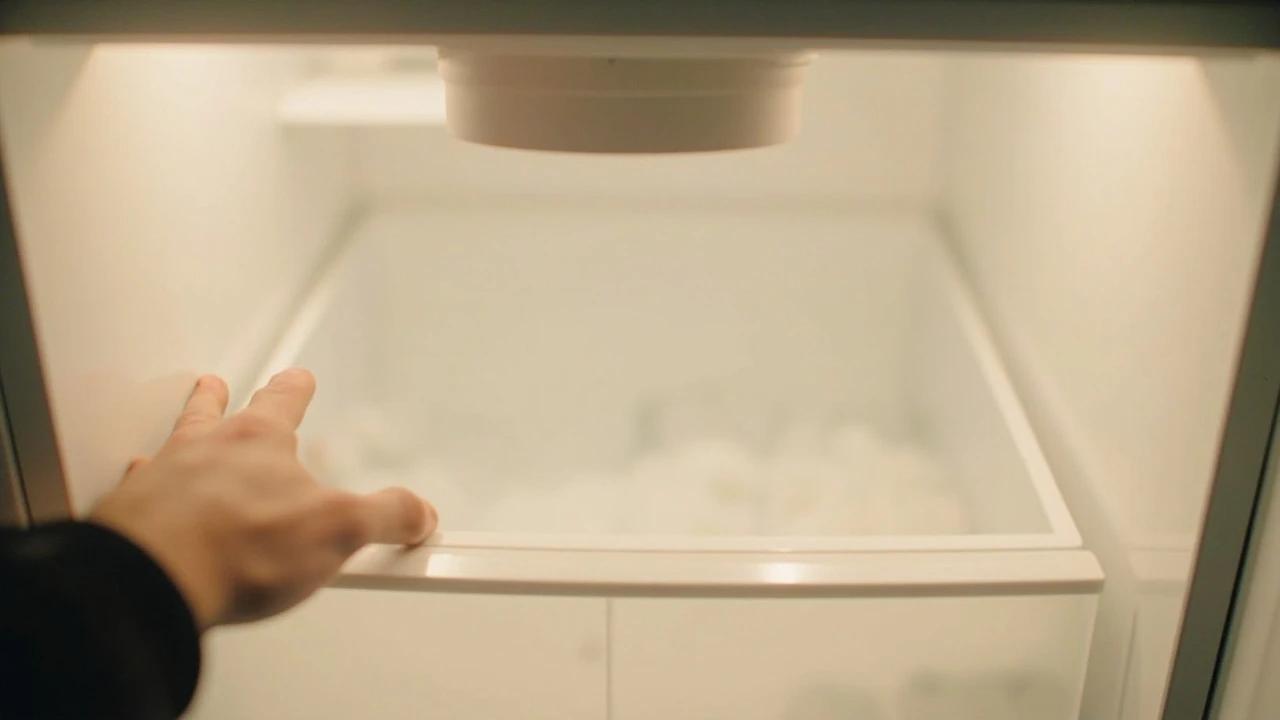

A refrigerator ice maker that quits is almost always a cheap, fixable problem — not a dead appliance. The trick is to work the causes cheapest-first instead of replacing parts at random: nine times out of ten it's a clogged water filter, a frozen fill tube, or a freezer that's drifted too warm, all of which cost little or nothing to fix. This guide walks the full diagnostic flow in order, from the free checks to swapping the inlet valve or ice-maker module, so you replace a part only after you've proven it's the culprit.
What You'll Need
🛠 Tools
📦 Materials
Safety First
- •Unplug the refrigerator before testing or replacing any electrical part (the water inlet valve, the ice-maker module). The dispenser circuits are live.
- •Shut off the water supply at the valve before disconnecting the supply line, or you'll flood the floor.
- •Never chip stuck ice loose with a knife, screwdriver, or ice pick — you can puncture the water lines or the plastic mold. Thaw it instead.
Step-by-Step Instructions
Confirm the Ice Maker Is On and the Freezer Is Cold Enough
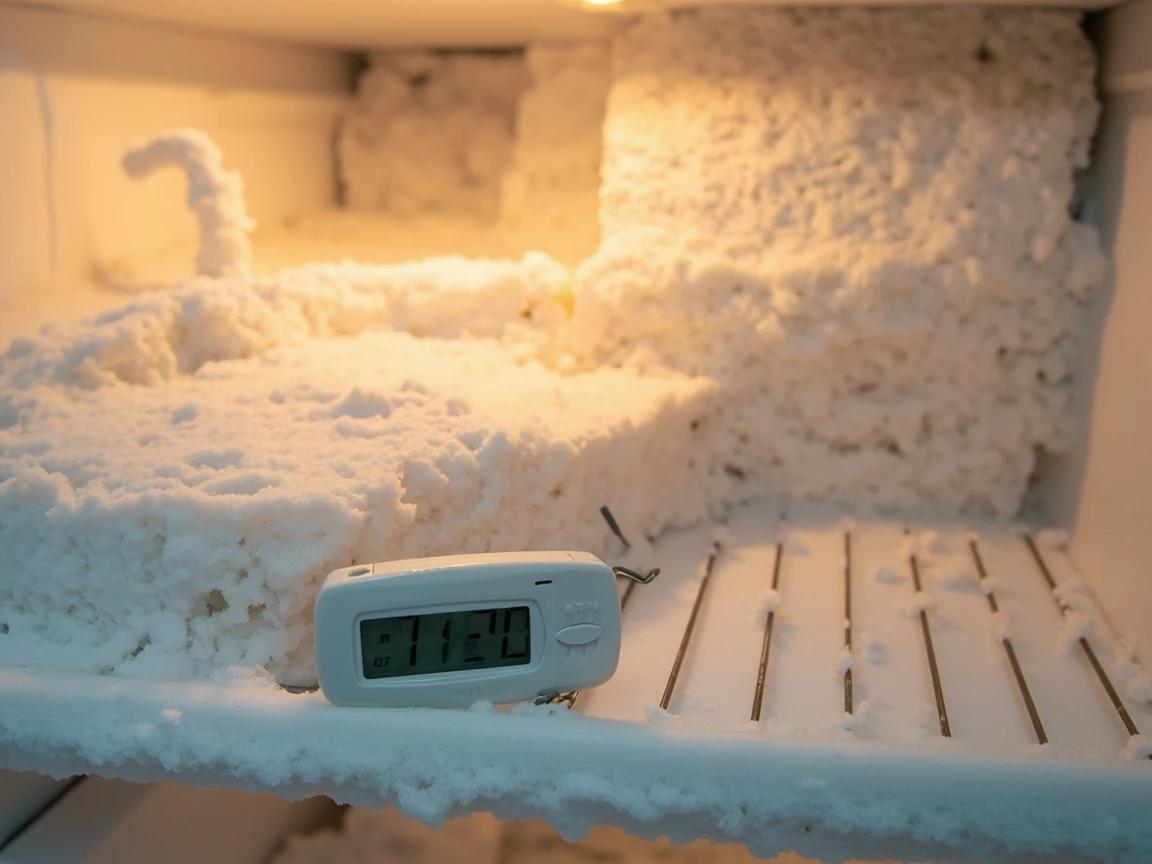
Start with the two free checks that catch most cases. Make sure the ice maker is actually switched on — lower the wire control arm to its down position, flip the on/off switch, or check that the display shows the ice maker enabled. Then put a thermometer in the freezer: it needs to hold 0 degrees F (-18 degrees C), because the ice mold's thermostat needs the mold to chill to roughly 14 to 16 degrees F before it will start a harvest cycle. A freezer that has drifted to about 15 degrees F or warmer will make little or no ice no matter what else you do; anywhere at 15 degrees F or colder, including a common 10 degrees F setting, is comfortably within range.
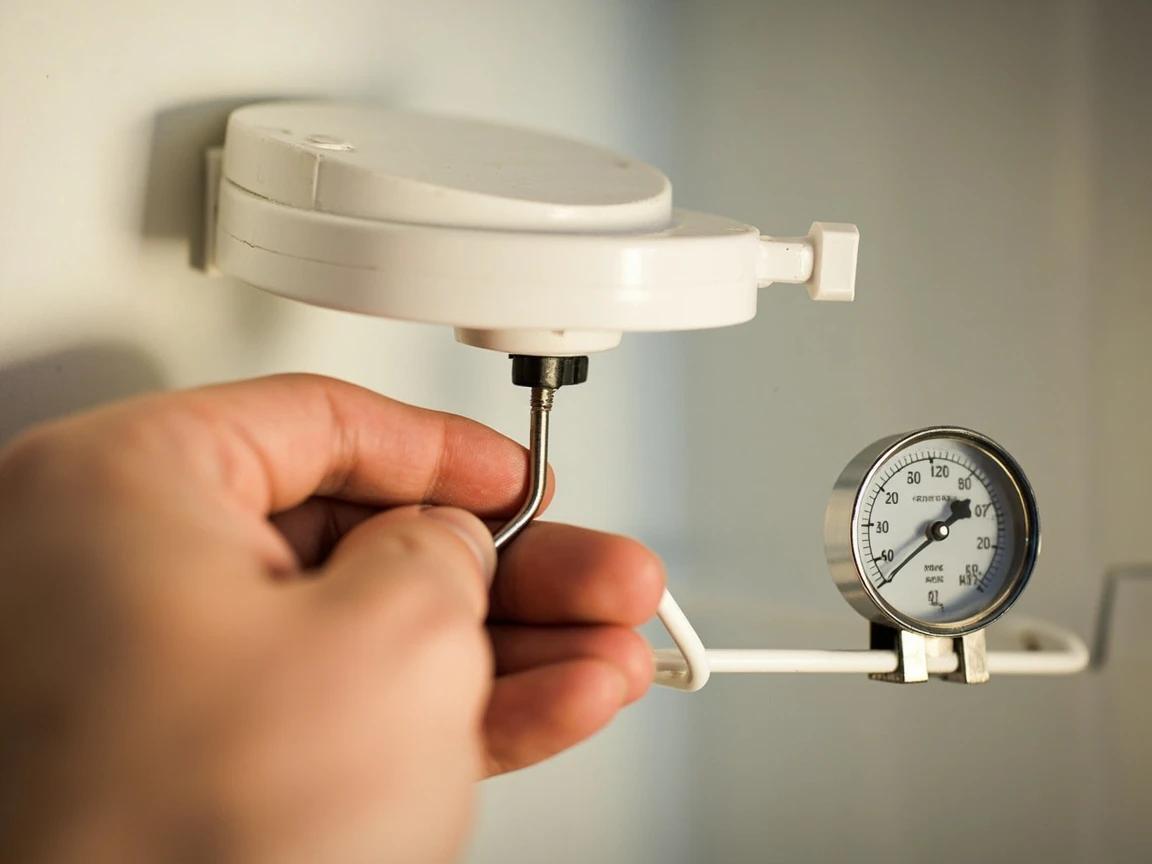
An over-stuffed freezer blocks the cold air that the ice maker needs and the vents that circulate it. If yours is packed solid, clear some space around the ice maker and the rear vents before you troubleshoot anything else.
Clear Any Jam in the Bin or Ejector
Pull out the ice bin and look for cubes that have fused into a clump or a stray cube wedged in the ejector arm — a jam stalls the whole cycle. Dump the bin, break up any frozen-together mass in the sink, and make sure the ejector blades and the bin auger turn freely before you slide it back in. Wipe out any slush so it doesn't refreeze into a new jam.
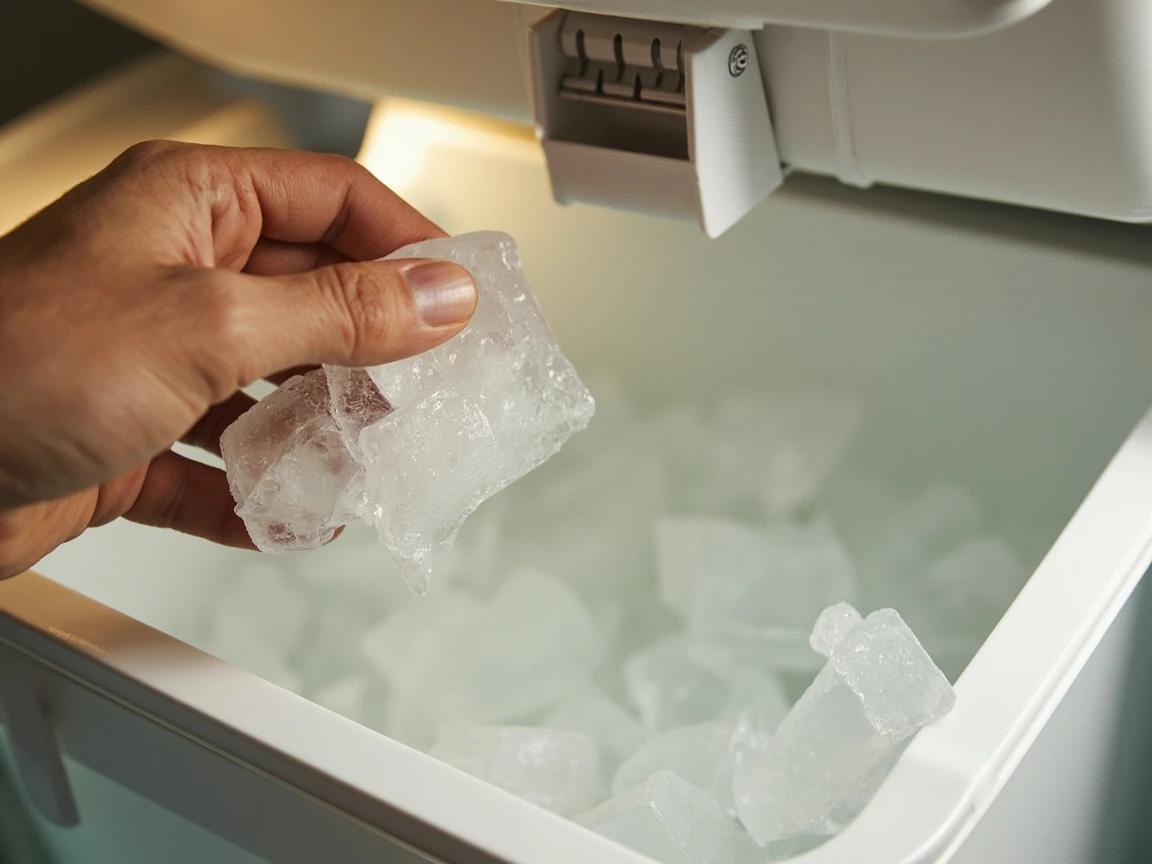
Don't pry stuck ice out with a knife or screwdriver. It's easy to crack the plastic mold or puncture a water line — let a jam thaw, or use warm water, instead of chipping.
Check and Replace the Water Filter
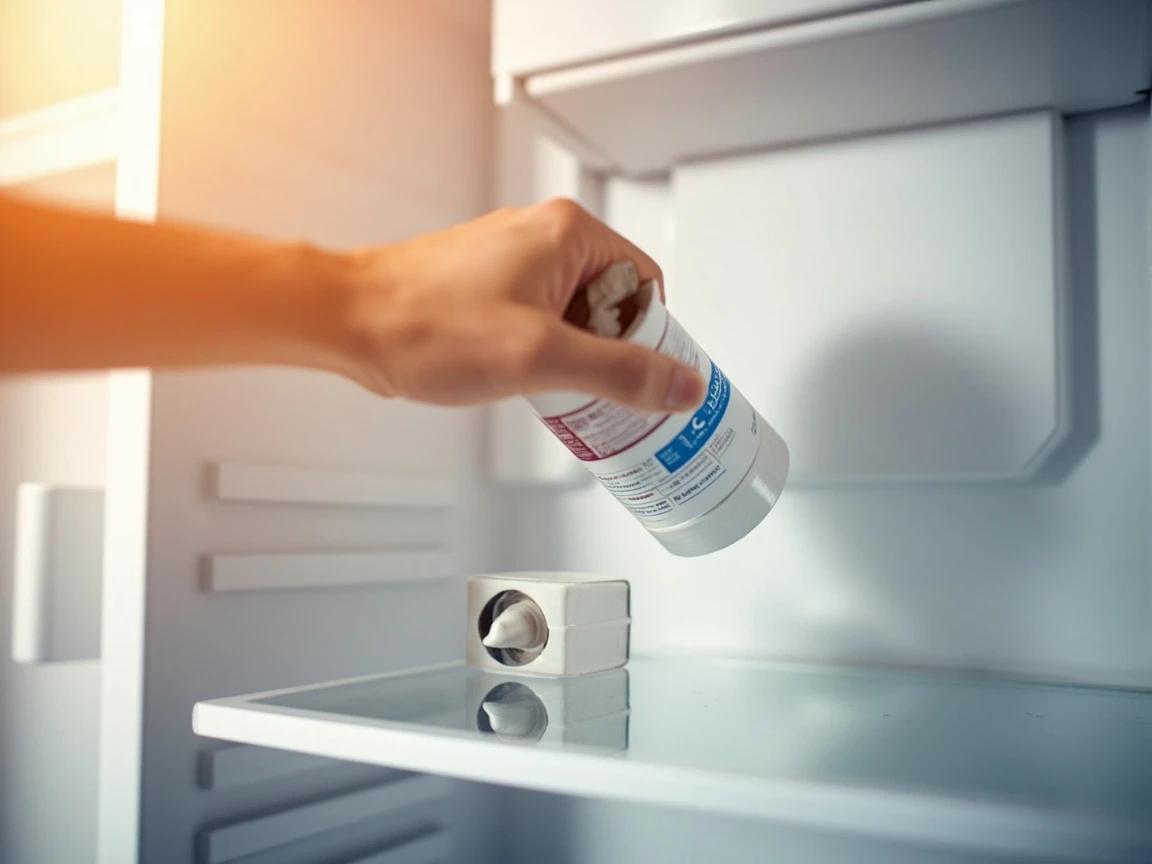
A clogged water filter is the single most common reason an ice maker slows down or stops — it restricts the flow the ice maker needs. Filters should be changed about every 6 months, so if you can't remember the last time, that's your prime suspect. Swap in a fresh one and run a few quarts through the dispenser to clear air from the line. The full procedure is in how to replace a refrigerator water filter.
Inspect the Water Supply Line and Shutoff Valve
Pull the fridge out and trace the water line back to its shutoff valve. Confirm the valve is fully open, and straighten any kink in the soft plastic or copper line — a kink behind the fridge quietly chokes the flow. The ice maker needs at least about 20 psi at the valve to work; if your home is on a well or has low pressure, that can be the whole problem. Check the line fittings for drips while you're back there.
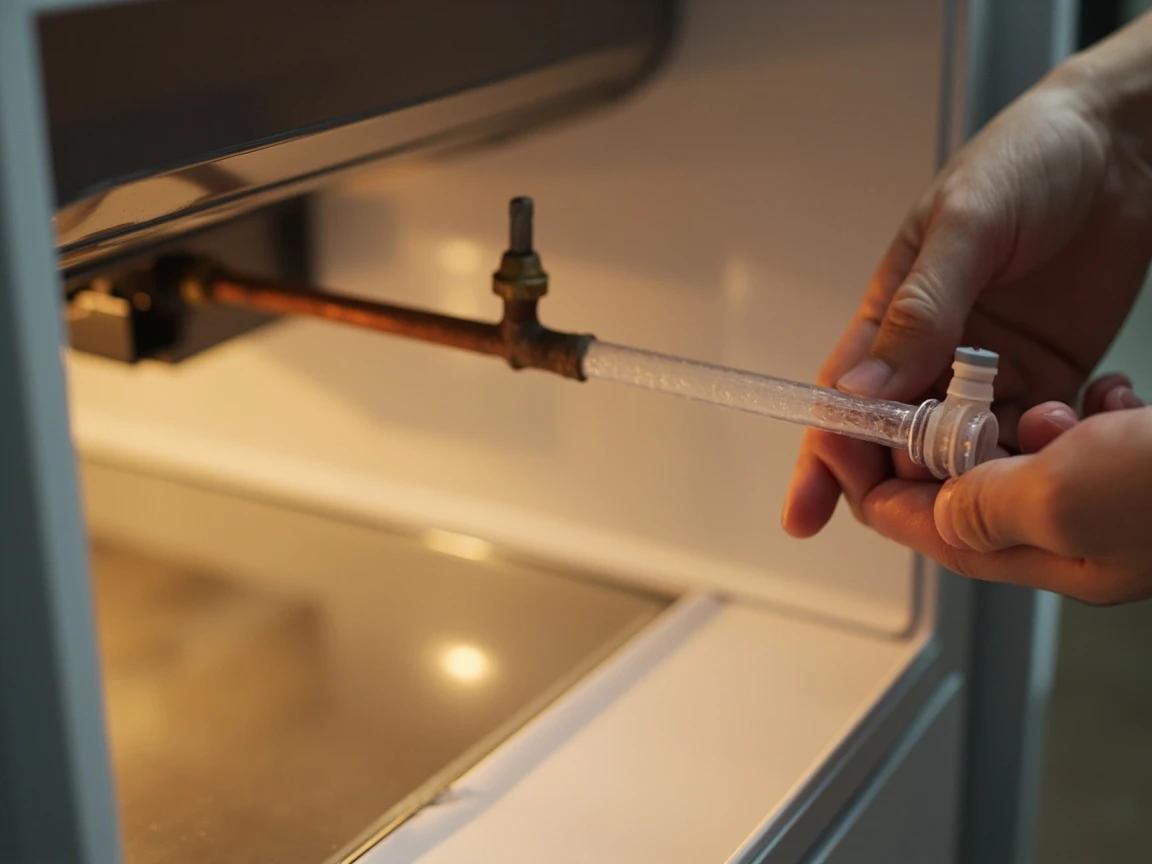
Thaw a Frozen Fill Tube
The fill tube is the small tube that delivers water to the ice mold, and it freezes shut surprisingly often — even on a fridge at the right temperature. If the filter is fresh and the line is open but the mold isn't filling, aim a hair dryer on low at the fill tube at the back of the ice maker for a few minutes to melt the hidden plug (or trickle warm water through it). Keep the dryer moving and don't let it touch the plastic.
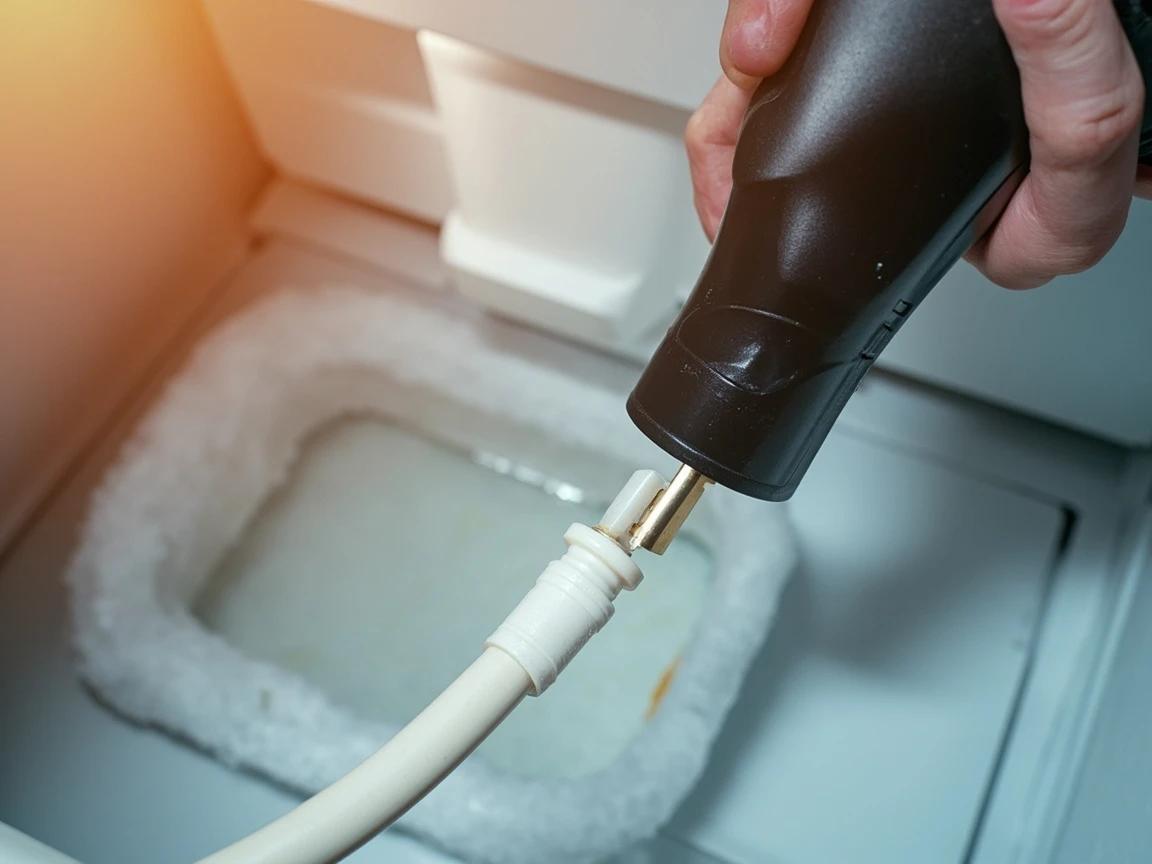
If the fill tube refreezes within a day or two, the water valve is dribbling after it shuts (a slow leak) or the freezer is too cold — that recurring freeze-up is a clue, not just a nuisance.
Check the Control Arm or Bin-Full Sensor
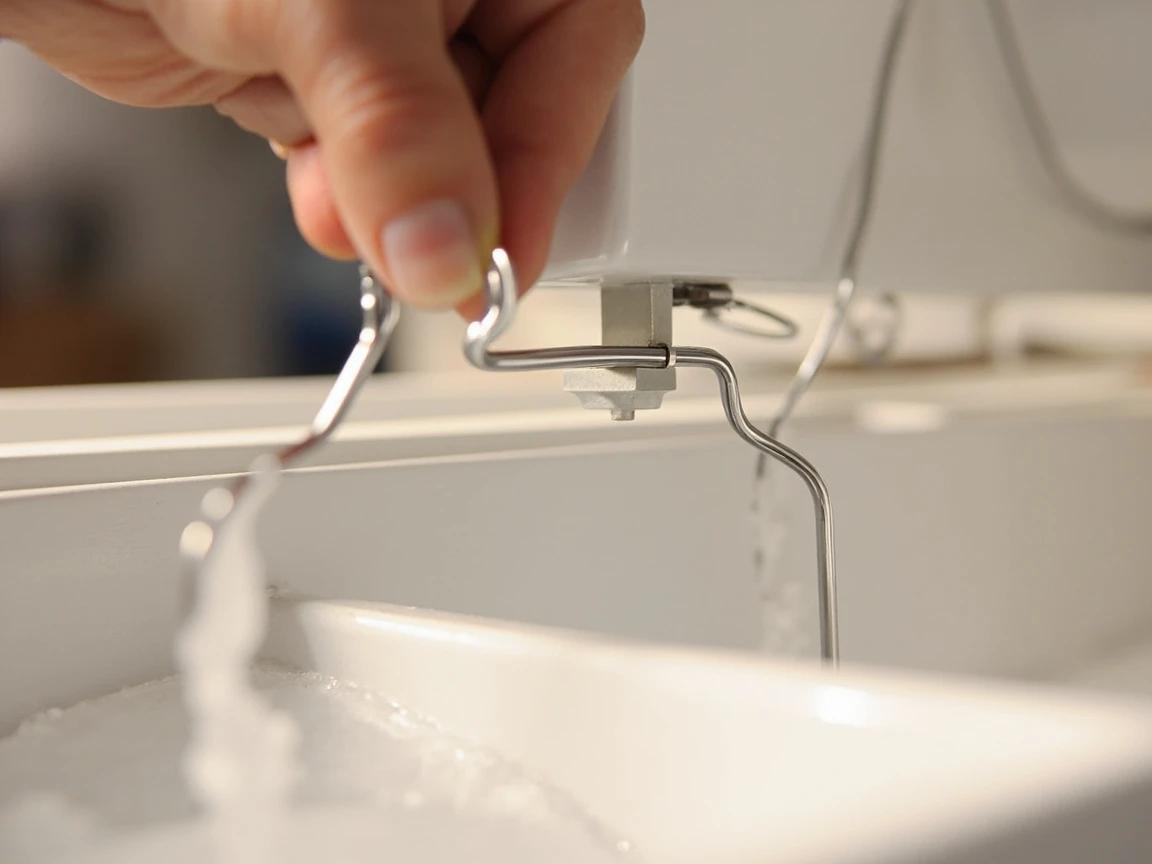
Every ice maker has a way to sense a full bin and shut off — either a spring-loaded wire shutoff arm or an infrared beam across the bin. If the wire arm is stuck in the raised (off) position, or something is blocking the sensor's beam, the ice maker thinks the bin is full and stops. Move the arm through its full travel to confirm it springs back freely, and wipe any frost off an optical sensor's two little windows.
Test the Water Inlet Valve
If the filter is fresh, the line is open with good pressure, and the fill tube is clear but no water reaches the maker, the water inlet valve is the likely failure. It's an electrically-operated solenoid valve at the lower back of the fridge where the supply line connects. Unplug the refrigerator and shut off the water, then set a multimeter to ohms and probe the valve's solenoid terminals — a healthy coil reads roughly 500 to 1,500 ohms. An open or out-of-range reading means replace the valve.
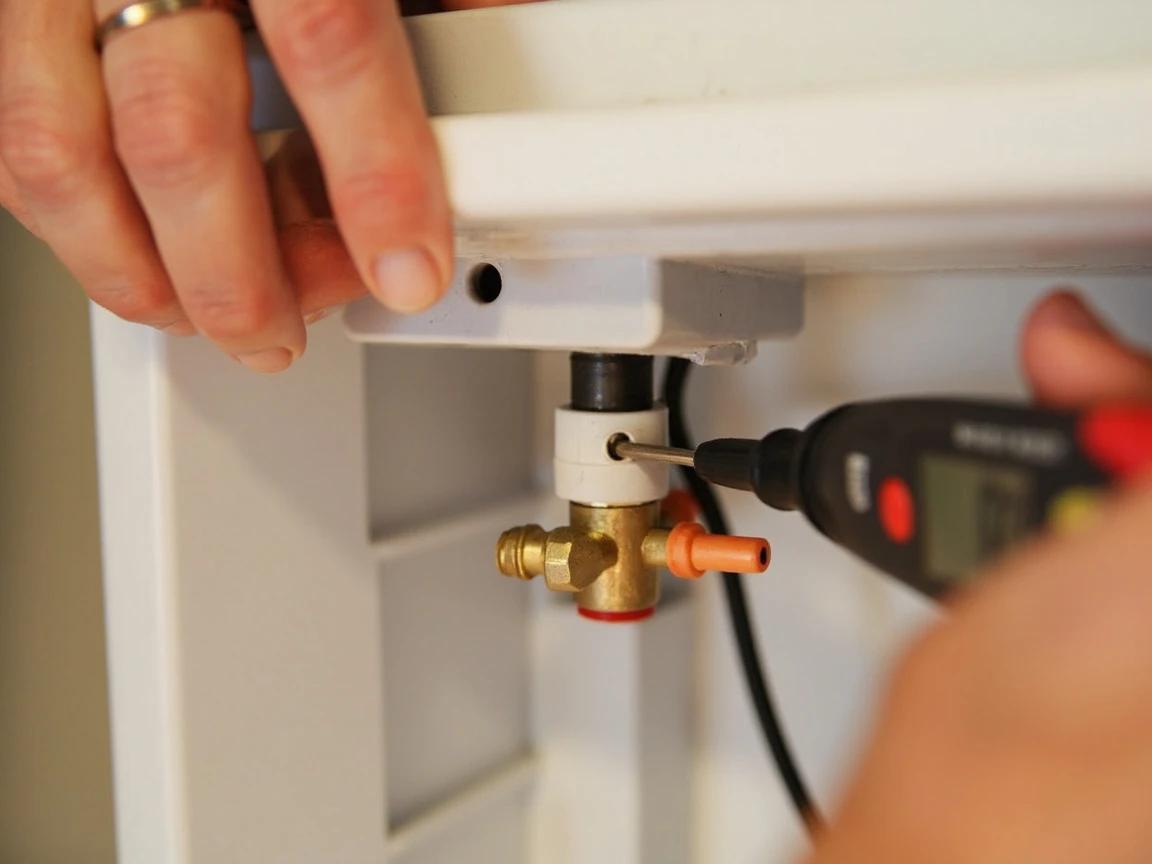
Unplug the fridge before you touch the inlet valve's wiring, and shut off the water before you loosen the supply fitting. The valve carries line voltage and the line is under pressure.
Reset the Ice Maker — or Replace the Module
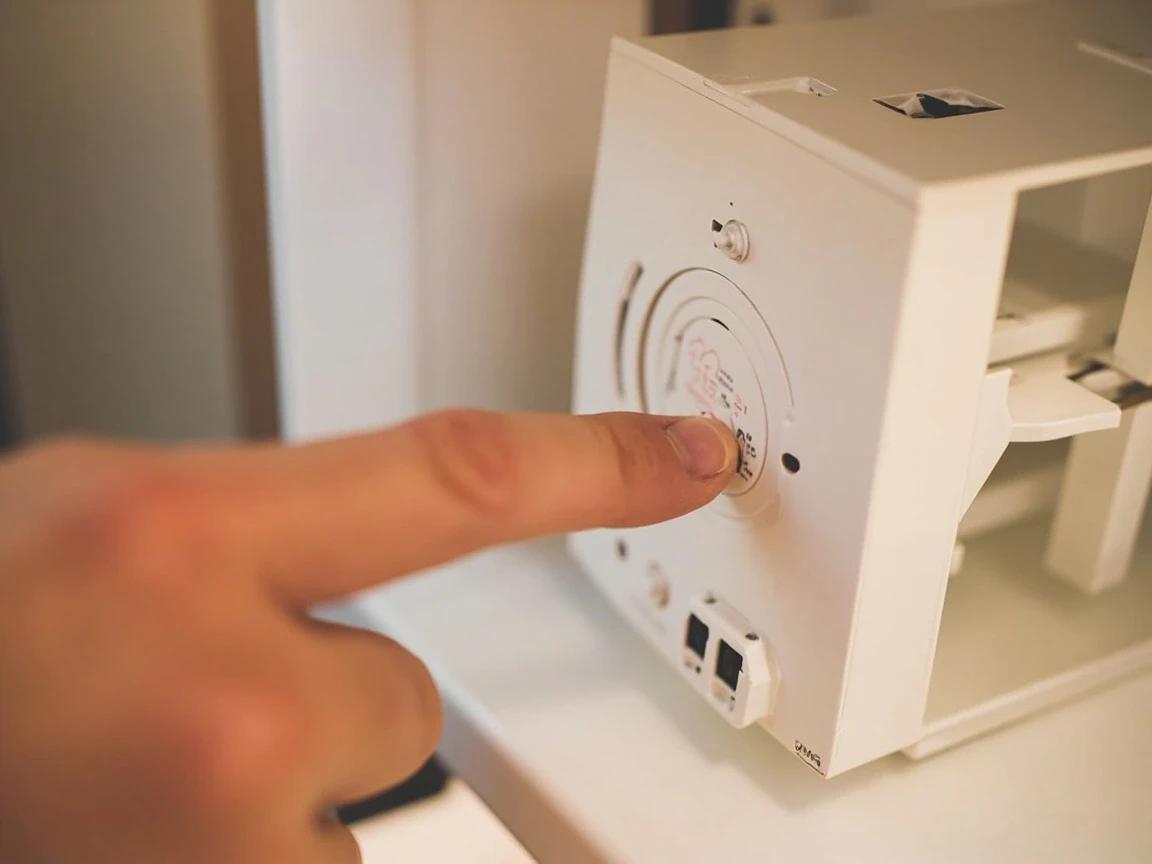
If water fills the mold but no cubes drop, force a reset: turn the ice maker off for 10 seconds and back on, or hold the reset button 5 to 10 seconds until it runs a harvest cycle. If it still won't cycle — the harvest motor is dead, the mold heater failed, or the control board is gone — the fix on most fridges is to swap the entire plug-in ice-maker module, a model-matched assembly that unscrews and unplugs in about 15 minutes. Give any repair 2 to 24 hours to make the first full batch.
Rule Out a Bigger Cooling Problem
If the freezer as a whole can't hold 0 degrees F, no ice-maker part will fix it — you're treating a symptom. A freezer that's slowly warming usually traces back to dust-clogged condenser coils or a struggling cooling system, so clean the refrigerator's condenser coils and work through why a refrigerator isn't cooling before you spend money on ice-maker parts. Fix the cold first, and the ice usually follows.
Frequently Asked Questions
Why did my ice maker suddenly stop making ice?
+
The three most common culprits are a clogged water filter past its 6-month life, a frozen fill tube, or a freezer that has drifted above 0 degrees F. Work them cheapest-first: check the filter and freezer temperature, then thaw the fill tube, before you assume the ice maker itself has failed. A refrigerator water filter is the single most common cause and the easiest thing to rule out.
What temperature should my freezer be for the ice maker to work?
+
0 degrees F (-18 degrees C). The ice maker's mold thermostat needs the mold to chill to roughly 14 to 16 degrees F before it will start a harvest cycle and release the cubes, so a freezer that has drifted to roughly 15 degrees F or warmer makes little or no ice; a freezer at 10 degrees F (a common setting) is comfortably colder than that and works fine. If the whole freezer can't hold 0, that's the real problem to fix first — see why a refrigerator isn't cooling.
How do I reset my ice maker?
+
Most ice makers have a reset: turn it off (raise the wire arm or flip the switch) for about 10 seconds, then back on; or press and hold the reset button for 5 to 10 seconds until the unit cycles. Cycling the control arm up and down a few times can also trigger a manual harvest. Then give it 2 to 24 hours to refill and produce the first full batch.
My ice maker isn't getting any water — what's wrong?
+
Check three things in order: a clogged filter, a kinked or closed water-supply line, and a frozen fill tube. If the filter is fresh, the line is open with good pressure (at least about 20 psi), and the tube is clear but still no water arrives, the water inlet valve — a solenoid at the lower back of the fridge — has likely failed. Unplug the fridge and shut off the water, then test the valve for about 500 to 1,500 ohms or replace it.
Is it worth fixing an ice maker, or should I replace the fridge?
+
Almost always worth fixing. Most repairs are free or cheap — a reset, a $30 to $50 filter, or thawing the fill tube costs nothing. A new water inlet valve or plug-in ice-maker module runs roughly $20 to $100 and is a straightforward DIY swap on most refrigerators. Replacing an entire fridge over a dead ice maker rarely pencils out.
Sources & further reading
- Ice Maker Not Working — Troubleshooting — Whirlpool
- Refrigerator — Explanation of Icemaker Thermostat — GE Appliances
- Ice Maker Not Making Ice — Troubleshooting — iFixit
- How to Reset an Ice Maker — iFixit
More Appliance Repair Guides
View all →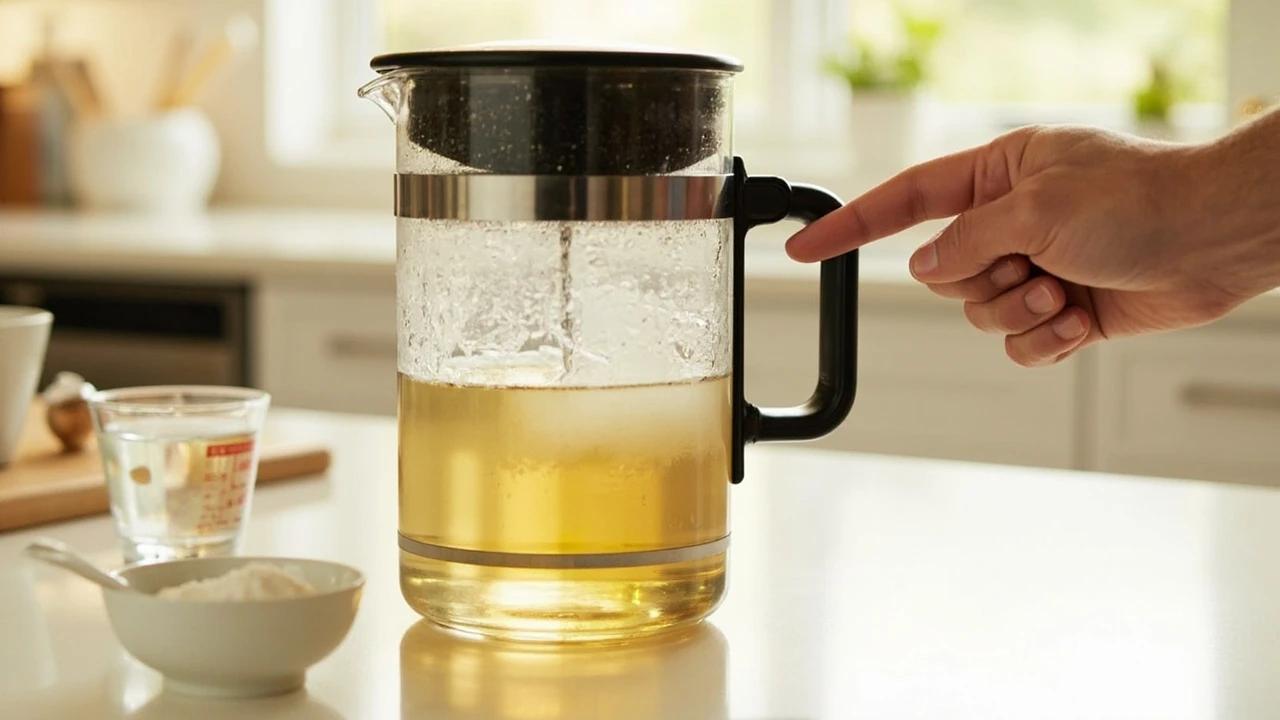 Easy1 hr
How to Descale a Coffee Maker
Slow brewing, lukewarm coffee, a sputtering carafe, or a flashing "Descale" light all point to the same culprit: a layer of calcium and magnesium scale clinging to the inside of your heating element and water lines. Left unchecked, scale doubles your brew time and eventually burns out the heater. The fix takes about an hour, costs under $5 in white vinegar (or $1 in citric acid), and is the same procedure for drip machines, Keurigs, and most pod brewers — with a few small differences this guide will walk you through end to end.
 Medium2h 30m
How to Install a Dishwasher
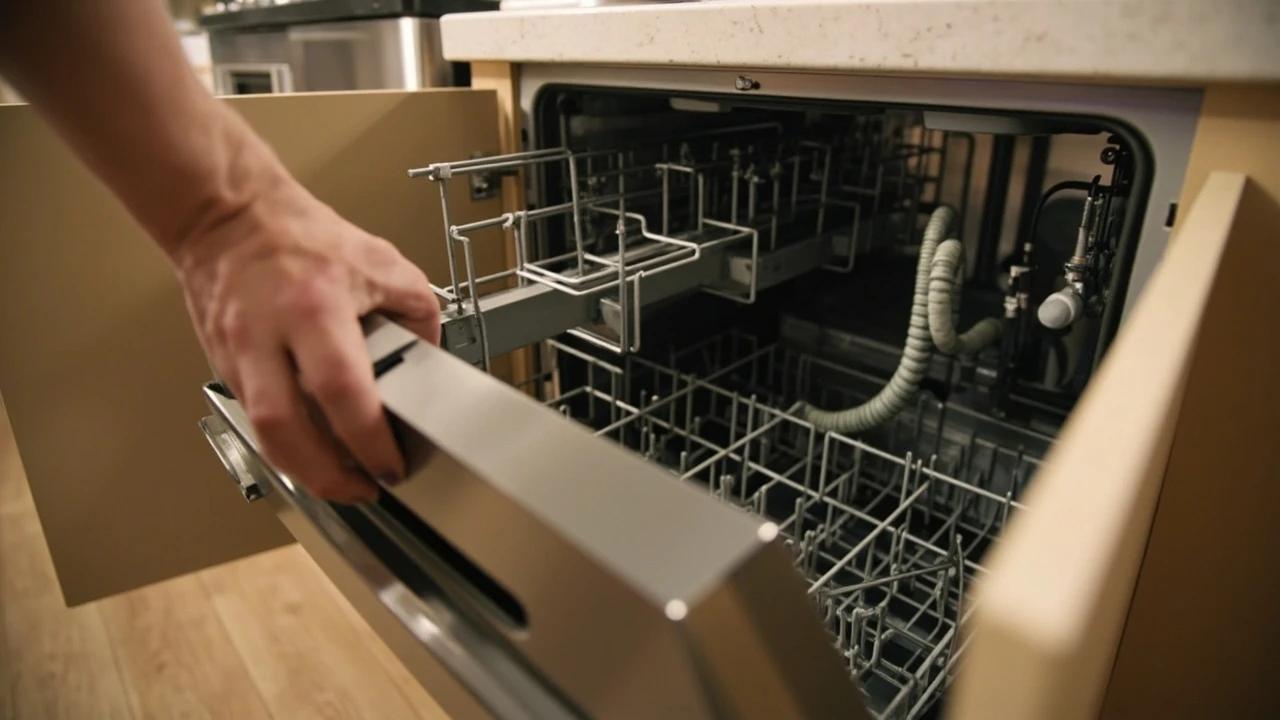
Installing a dishwasher yourself saves the $150 to $250 that delivery crews charge for hookup, and once the cabinet opening already has water, drain, and power, it's a roughly two-hour job that comes down to three connections. The catch is the small details that cause callbacks — forgetting the disposal knockout plug, skipping the drain-hose high loop, and overtightening the fittings. This guide walks the full replacement: pull the old unit, prep the new one, make the three connections, level it, secure it, and leak-test so it runs dry and quiet the first time.
 Easy25 min
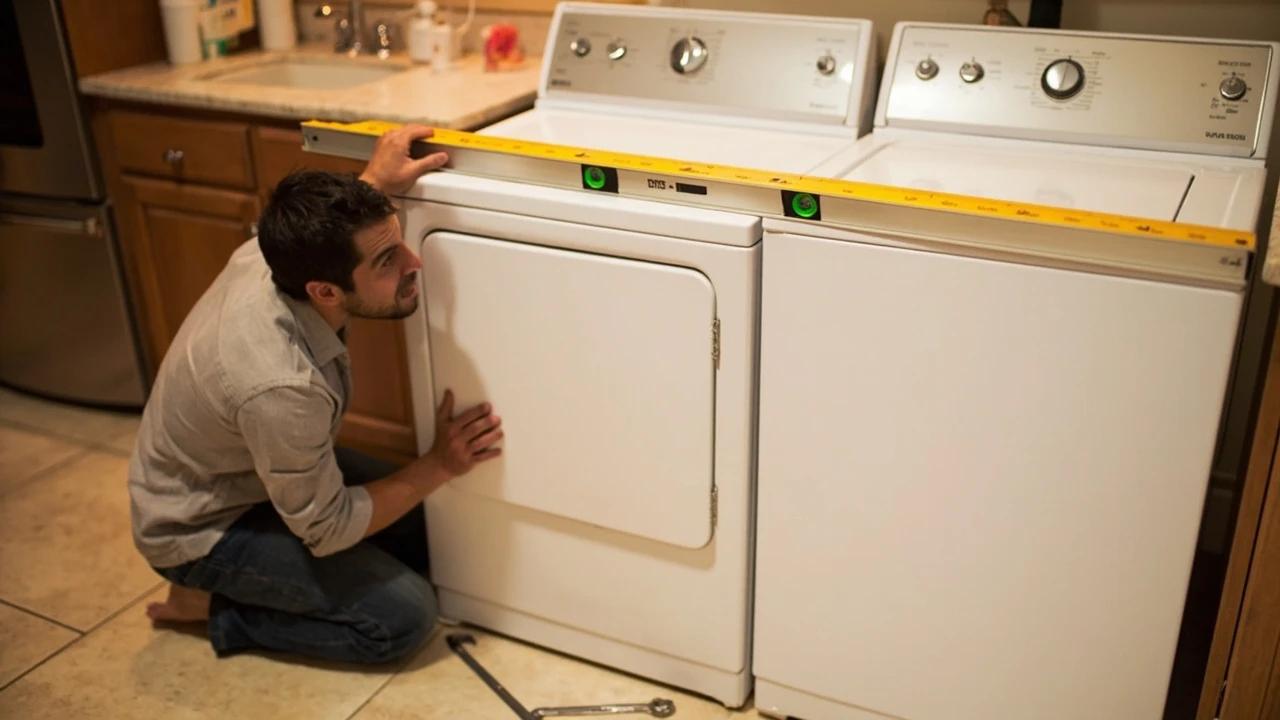
How to Level a Washing Machine to Stop Shaking
A washer that walks across the laundry room on the spin cycle, hammers the wall behind it, or sounds like a jet engine taking off is almost never broken — it is unlevel, and the drum is throwing the wet load off-axis because the cabinet is rocking on its feet. The fix is a 20-minute job with a $5 bubble level and a pair of pliers (no parts, no service call). Skipping it is genuinely expensive: the constant out-of-balance shaking shortens the life of the bearings, the suspension rods, and the shock absorbers, and a $300 bearing replacement is a real possibility on a washer that runs unlevel for a year. This guide covers both front-loaders and top-loaders, plus the stacked combo unit that vibrates loose every six months.
You Might Also Like
 Easy30 min
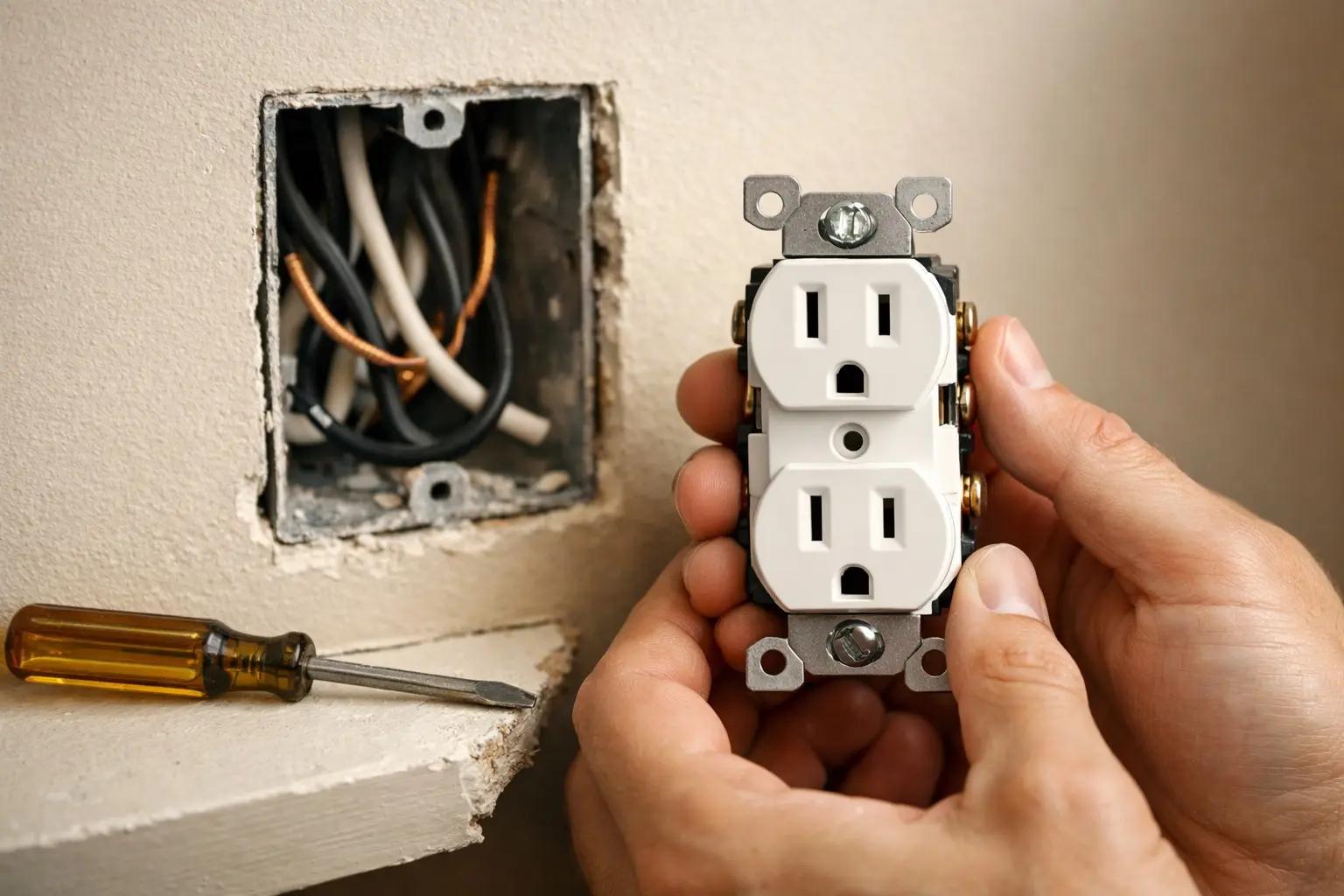
How to Replace an Electrical Outlet
A worn-out or discolored electrical outlet is one of the simplest electrical repairs you can tackle yourself — swapping one takes about 15-30 minutes and costs under $5 in parts versus $75-150 for an electrician visit. This guide walks you through safely replacing a standard duplex receptacle, including how to handle the wiring correctly and avoid the most common DIY mistakes.
 Medium45 min
How to Install a Ceiling Fan
Replacing a light fixture with a ceiling fan improves air circulation in summer and can reduce heating costs in winter by circulating warm ceiling air downward. Most installs take 45-60 minutes.
 Medium1 hr
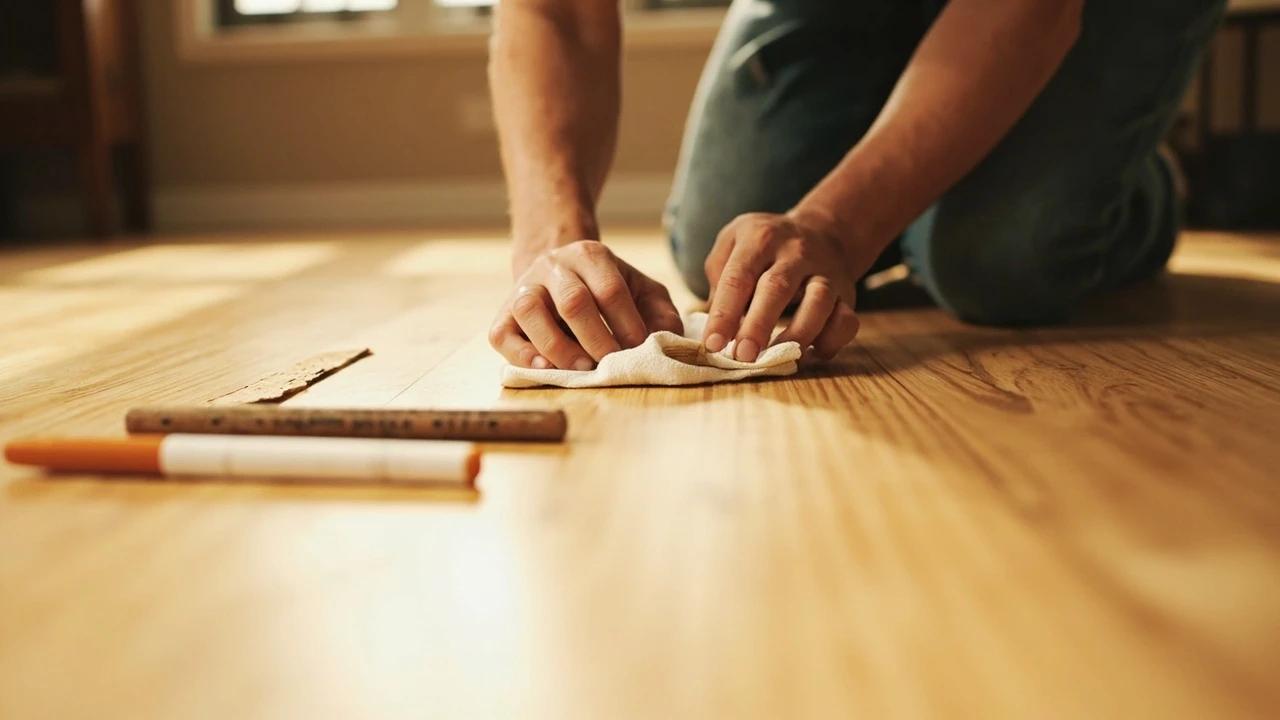
How to Repair Scratches in a Hardwood Floor
Scratched hardwood almost never means refinishing the whole floor. This guide shows you how to match the fix to the damage — a touch-up marker for finish-level scratches, a wax fill stick for shallow ones, and stainable wood filler with stain and polyurethane for deep gouges — all for under $40 in supplies and about an hour of work.