How to Fix Low Water Pressure
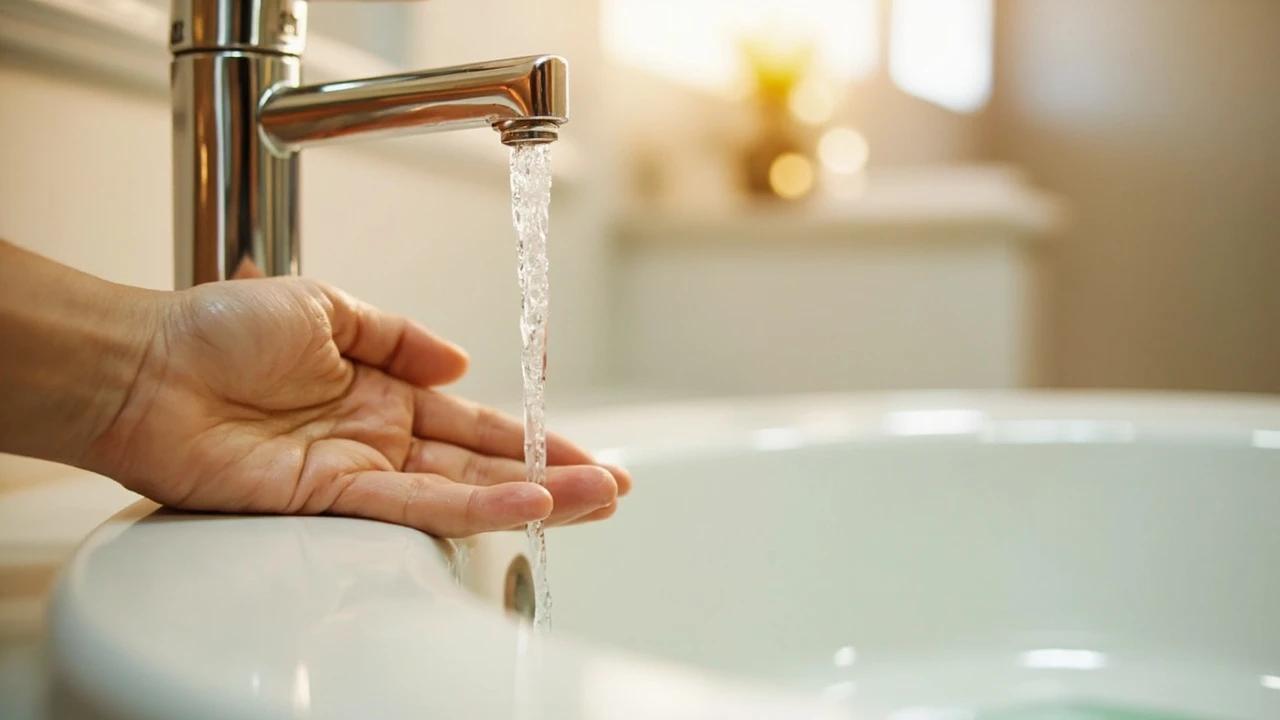

Weak, trickling water usually has a cheap, findable cause — a clogged aerator, a half-closed valve, or a tired pressure-reducing valve — long before it means re-piping the house. This guide walks the diagnosis in order: first pin down whether it's one fixture or the whole house (and hot-only or both), then work each cause with a $12 pressure gauge as your guide. Most fixes are free or under $30; you'll also learn the few signs that mean it's time to call a plumber.
What You'll Need
🛠 Tools
📦 Materials
Safety First
- •If you drain or work on the water heater, treat the water as scalding: shut the heater off (turn a gas unit to 'pilot' or switch off the electric breaker) and let it cool first. Never re-energize an electric heater with the tank empty — the element burns out in seconds.
- •Never crank whole-house pressure above 80 psi to force stronger flow. High pressure damages faucets, toilet fill valves, and the water heater's relief valve, and can burst a supply hose while you're away. Above 80 psi, code requires a pressure-reducing valve.
Step-by-Step Instructions
Pin Down the Scope: One Fixture or the Whole House?
Before changing anything, figure out how widespread the problem is, because it points straight to the cause. Open several fixtures around the house — kitchen, bathrooms, tub — and note whether the weak flow is at just one or everywhere, then check whether it's the hot side, the cold side, or both. One fixture means a local clog or valve; the whole house means a main valve, the pressure-reducing valve, or the supply; hot-only points at the water heater or its shutoff.
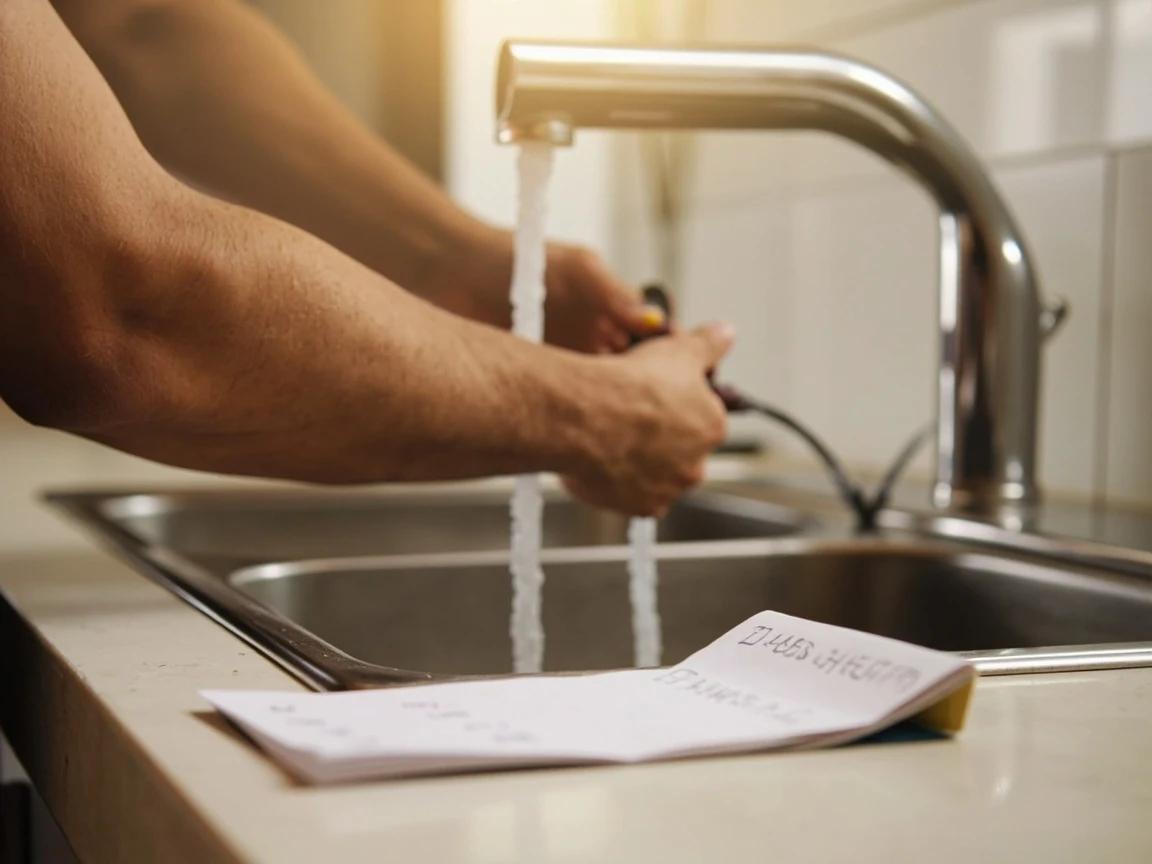
If pressure dropped suddenly right after a plumbing repair or a utility visit, suspect a shutoff valve someone left partly closed — that's the five-second fix people skip right past.
Clean the Aerator and Showerhead
If only one faucet is weak, the cause is almost always a clogged aerator — the small screen at the tip of the spout that traps mineral scale and grit. Unscrew it by hand or with tape-wrapped pliers, and you'll usually find the mesh packed with white or rust-colored deposits. Soak the parts in white vinegar for an hour to dissolve the buildup, scrub the screen with an old toothbrush, and reassemble. Clean a weak showerhead the same way — unscrew and soak it, or tie a vinegar-filled bag over it overnight.
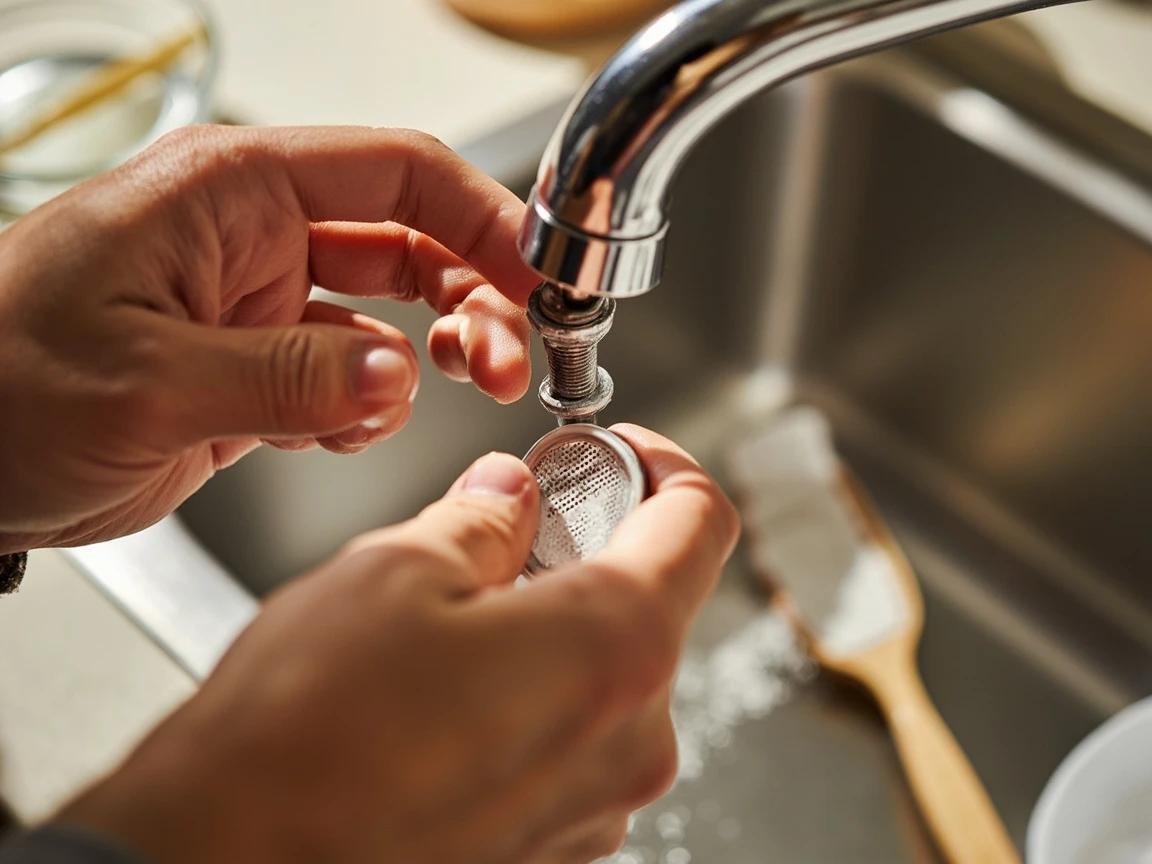
Run the faucet for a few seconds with the aerator removed. If the flow is strong without it, the aerator was the problem; if it's still weak, the restriction is upstream.
Open the Fixture Shutoff Valves and Check the Supply Lines
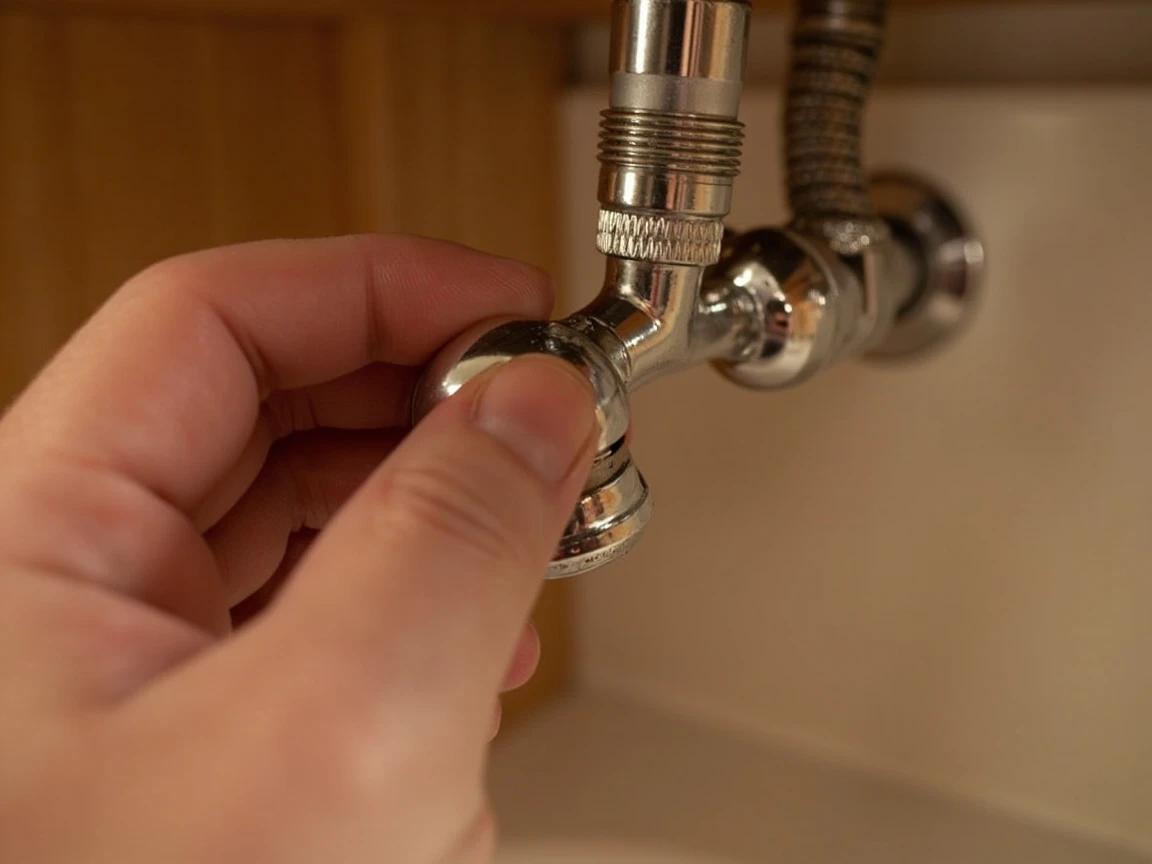
Look under the sink (or behind the toilet) for the small shutoff valves on the wall and make sure each is turned fully counterclockwise to open — a half-closed stop throttles just that fixture. Inspect the braided supply lines for sharp kinks, and if a faucet is weak on both hot and cold, suspect a clogged or failing cartridge inside it. These angle-stop valves can also scale up internally, so if one won't deliver full flow even wide open, it may need replacing.
Confirm the Main Shutoff and Meter Valve Are Fully Open
For whole-house low pressure, go to the main shutoff where the water line enters the house — often in a basement, crawlspace, garage, or near the water heater. Older gate valves (the round wheel type) are easy to leave half-closed or to seize partway shut, so open it fully. If you can reach the meter valve on the street side, check that it's wide open too; utility crews sometimes leave it throttled after work.
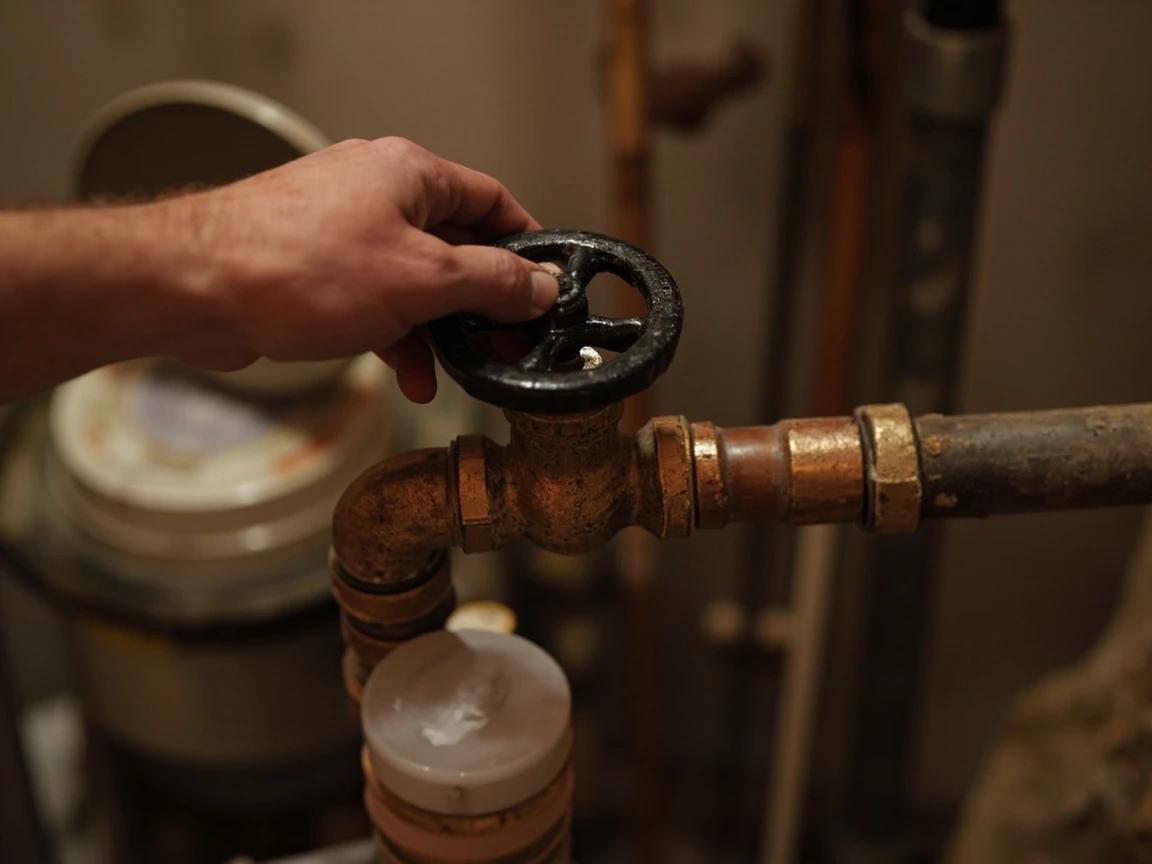
Don't force a stiff, corroded old main valve. If it won't budge or weeps when you turn it, stop and call a plumber — snapping a brittle gate valve floods the house with no easy way to shut the water off.
Measure Your Pressure With a Gauge
Buy a water-pressure test gauge ($10-15) that screws onto a garden-hose thread. Attach it to an outdoor hose bib or the washing machine's cold-water connection, make sure no water is running anywhere, and open the tap fully. Healthy household pressure reads 40-60 psi, with 50-60 the sweet spot; below 40 is genuinely low, and above 80 is high enough to damage fixtures and needs a pressure-reducing valve to bring it down.
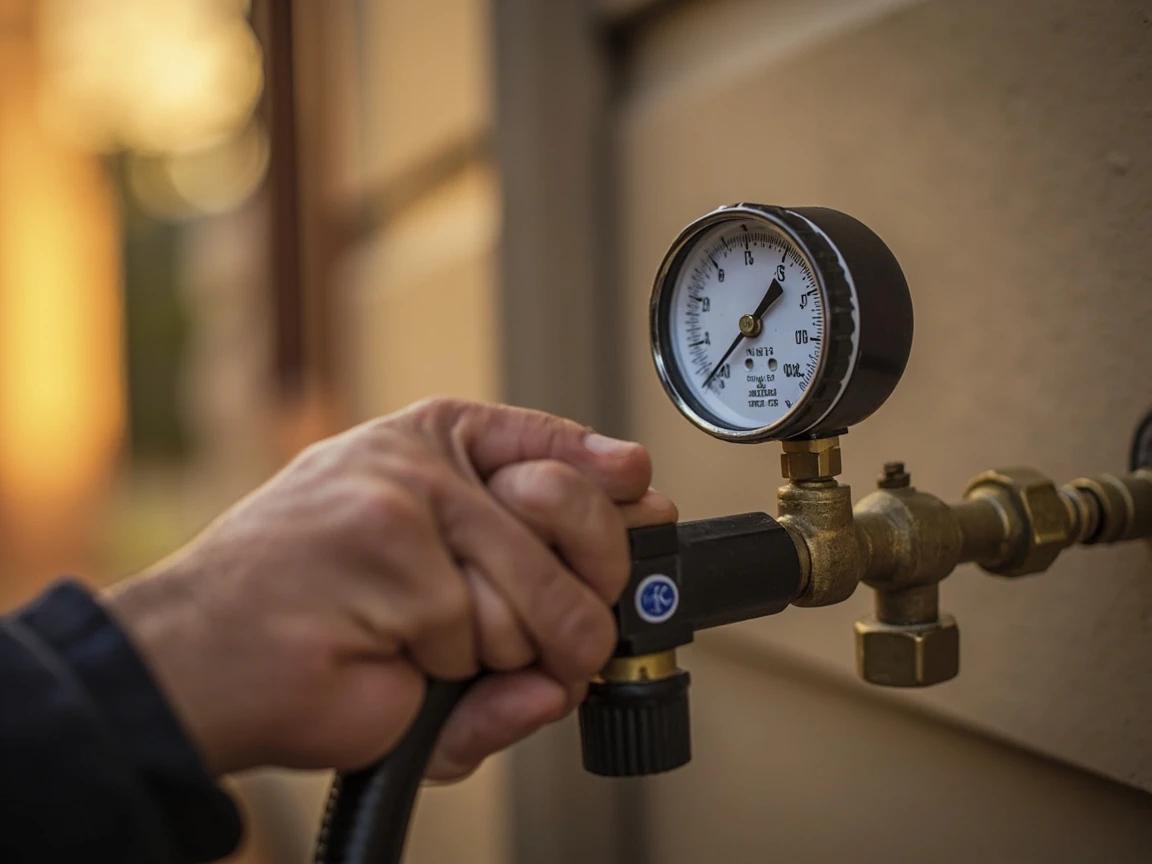
Test during morning or evening peak demand. That's when marginal city pressure shows its true low — a single reading at 3 p.m. can look fine and still leave you weak at shower time.
Check and Adjust the Pressure-Reducing Valve (PRV)
Many homes on city water have a pressure-reducing valve — a bell-shaped brass fitting on the main line just past the shutoff. If your gauge reads low everywhere, find the PRV's adjustment screw, loosen its lock nut, and turn the screw clockwise in small quarter-turns to raise pressure, re-checking the gauge after each. If turning the screw makes no difference at all, the PRV has failed internally — they wear out roughly every 7-12 years — and needs to be replaced.
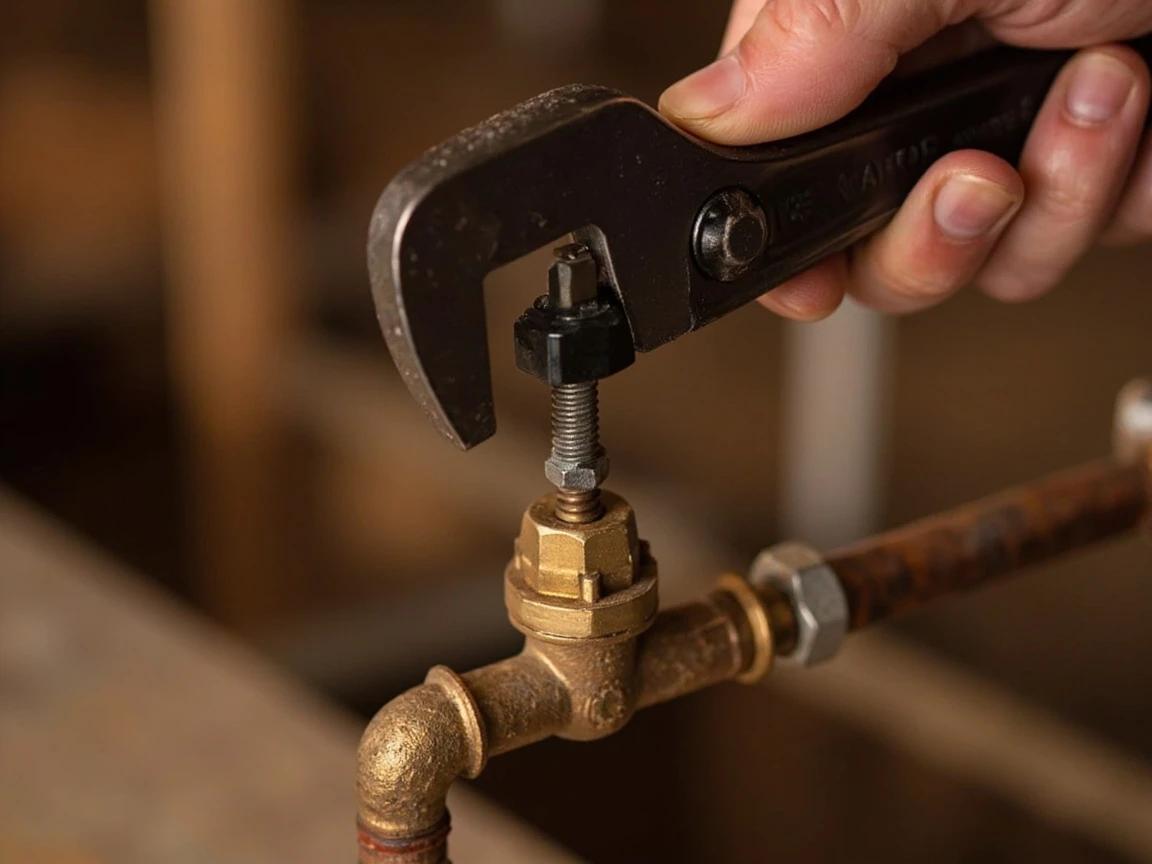
Raise pressure gradually and never above 80 psi. Over-pressurizing stresses every fixture, the water heater, and its relief valve, and can rupture a washing-machine hose when no one's home to catch it.
Rule Out a Clogged Whole-House Filter or Water Softener
If you have a whole-house sediment filter, a clogged cartridge is a very common and easily missed cause. Shut off the housing, unscrew the sump, and swap in a fresh pleated cartridge — they need changing every 3-6 months. If you have a water softener, set it to 'bypass' and see whether pressure returns; fouled resin or a unit stuck mid-regeneration can choke flow to the entire house.
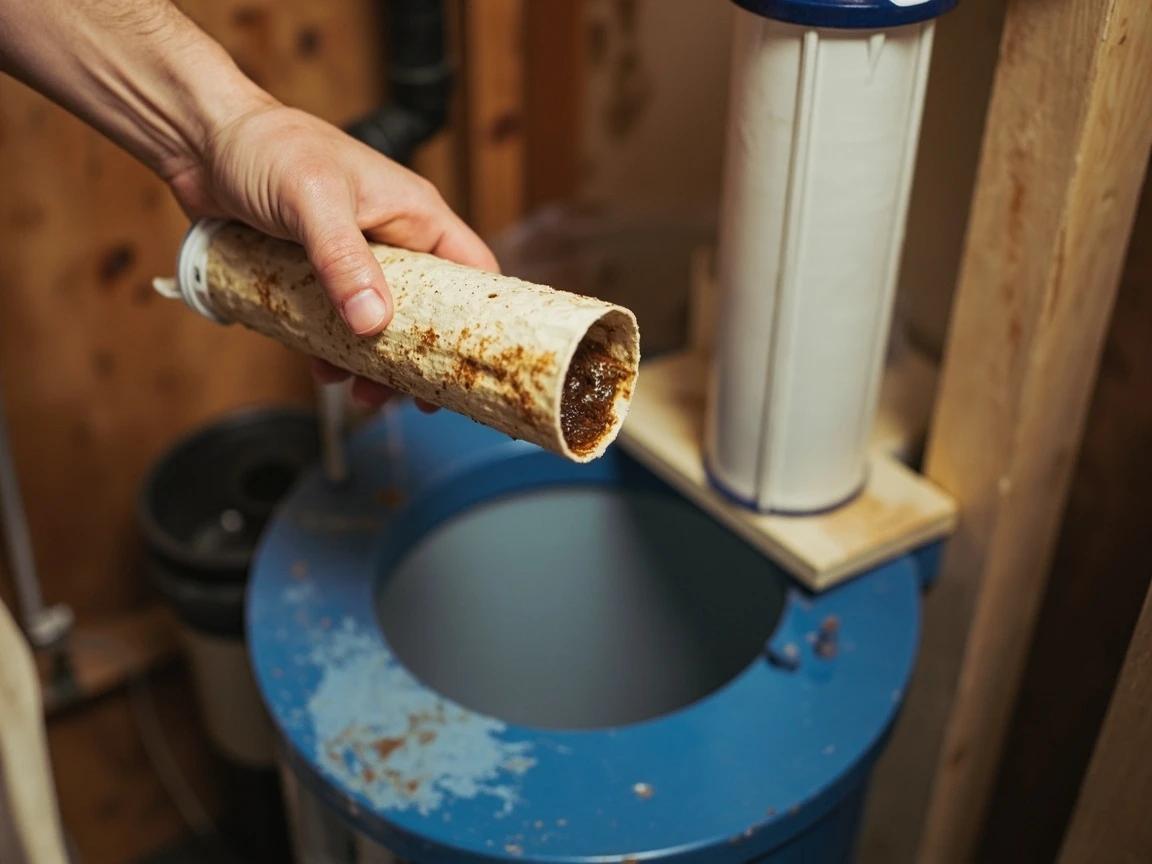
Write the next change date on the filter housing with a marker. A neglected sediment filter is one of the most common reasons whole-house pressure quietly fades over a few months.
For Hot-Only Pressure Loss, Check the Water Heater
If only the hot side is weak, the cause is on the hot plumbing. First confirm the shutoff valve on top of the water heater is fully open — a frequent culprit right after any heater service. Next, sediment in the tank bottom can restrict flow, so drain and flush the tank: shut the heater off, connect a hose to the drain valve, and run several gallons until it comes out clear. In older homes, corroded galvanized nipples at the heater connections narrow over time and may need swapping for brass or dielectric unions.
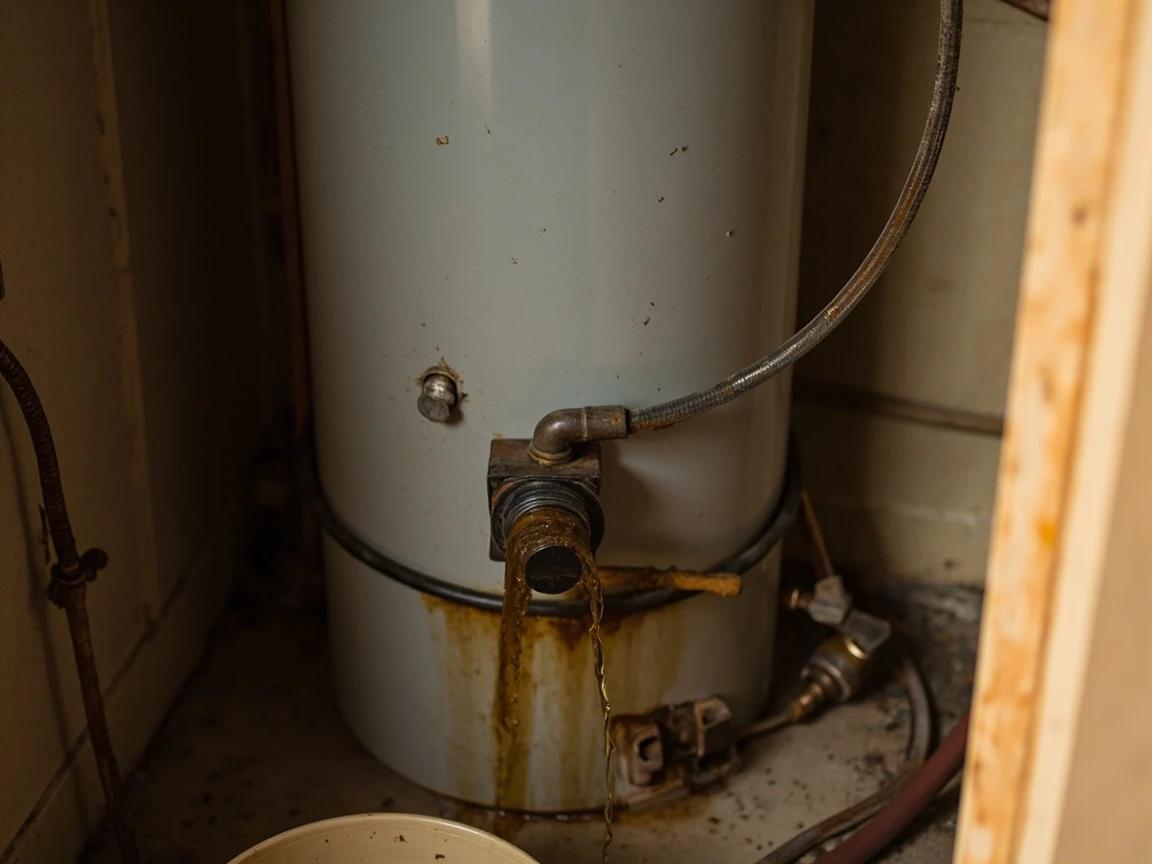
The water is scalding. Turn a gas heater to 'pilot' or switch off the electric breaker and let the tank cool before draining, and never re-energize an electric heater until the tank is completely refilled — a dry element burns out in seconds.
Rule Out a Hidden Leak and the Deeper Causes
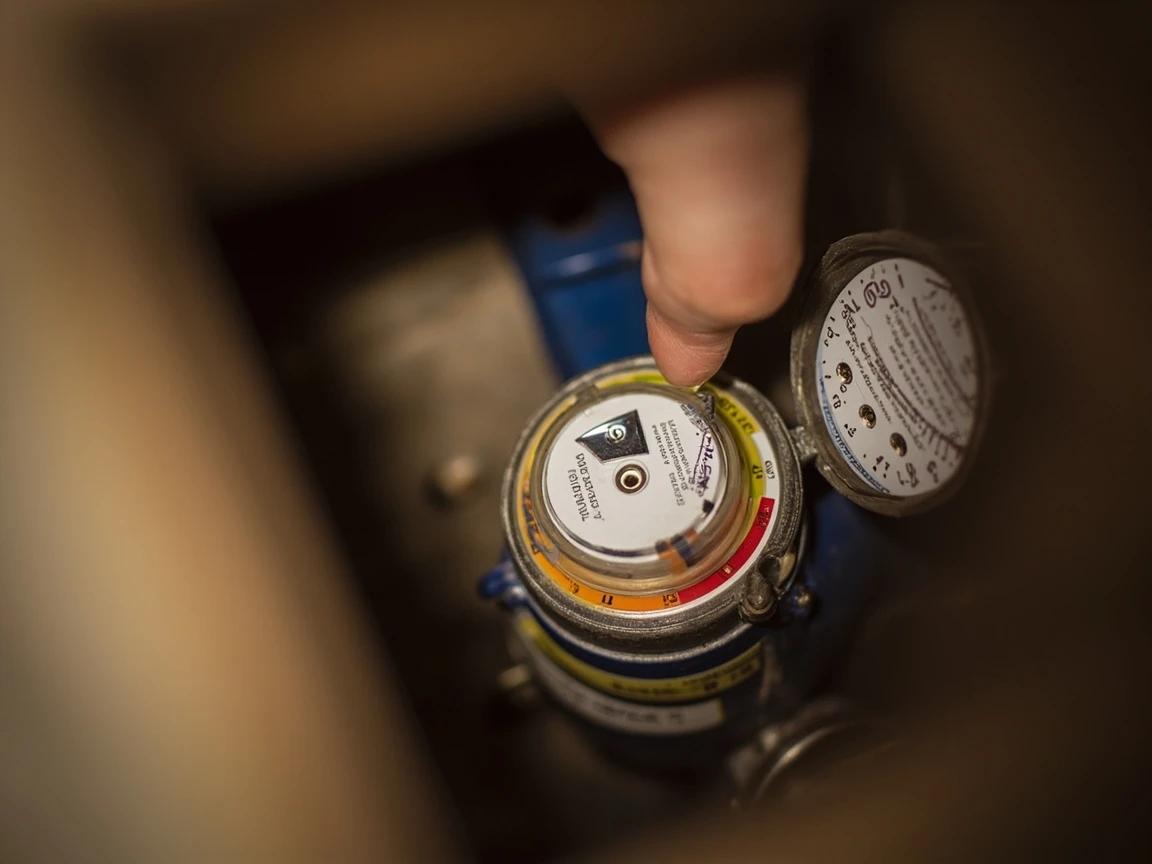
If everything checks out but pressure is still weak, test for a hidden leak: shut off every fixture and water-using appliance, then watch the water meter's small leak-indicator dial — any movement means water is escaping in a wall, slab, or yard line. A whole-house decline that crept in over years in an older home usually means corroded galvanized supply pipe narrowing from the inside, which calls for re-piping. On well water, weak pressure points to the pressure tank or pump rather than your indoor plumbing.
Frequently Asked Questions
What is normal water pressure for a house?
+
Healthy residential water pressure runs 40-80 psi, with 50-60 psi the comfortable sweet spot. Below 40 psi feels weak and is considered low; under 30 is very low and below most building-code minimums. Above 80 psi is high enough to damage fixtures and appliances, and code requires a pressure-reducing valve to bring it down.
Why do I suddenly have low water pressure throughout the whole house?
+
A sudden whole-house drop almost always traces to a valve or regulator, not your pipes. The usual culprits are a main shutoff or street-side meter valve left partly closed after a repair, or a pressure-reducing valve that has failed. If the drop was gradual over months or years, suspect a clogged whole-house filter, scaling pipes, or a slowly failing PRV instead.
Why is only my hot water pressure low?
+
If cold flows fine but hot is weak, the problem is on the hot side. The most common causes are a partially closed shutoff valve on top of the water heater (often left that way after service), sediment built up in the bottom of the tank, or corroded galvanized nipples at the heater connections. Flushing the tank and fully opening that valve fixes most cases.
How do I check my home's water pressure?
+
Buy a water-pressure test gauge for $10-15 that screws onto a garden-hose thread. Attach it to an outdoor hose bib or the washing machine's cold-water connection, make sure nothing else is running, and open the tap fully to read the dial. Test during morning or evening peak demand for a worst-case reading; 40-60 psi is the target.
Can a water softener or whole-house filter cause low water pressure?
+
Yes — both are common, easily overlooked causes. A whole-house sediment filter cartridge clogs over 3-6 months and chokes flow to the entire home until you replace it. A water softener with fouled resin, or one stuck mid-regeneration, does the same; set the softener to 'bypass' to confirm whether it's the restriction before servicing it.
Sources & further reading
- What Causes Low Water Pressure In Your House? — Bob Vila
- Troubleshooting Water Pressure and Flow — Portland Water Bureau
- Service Water Pressure (WaterSense Technical Sheet) — U.S. EPA WaterSense
More Plumbing Guides
View all →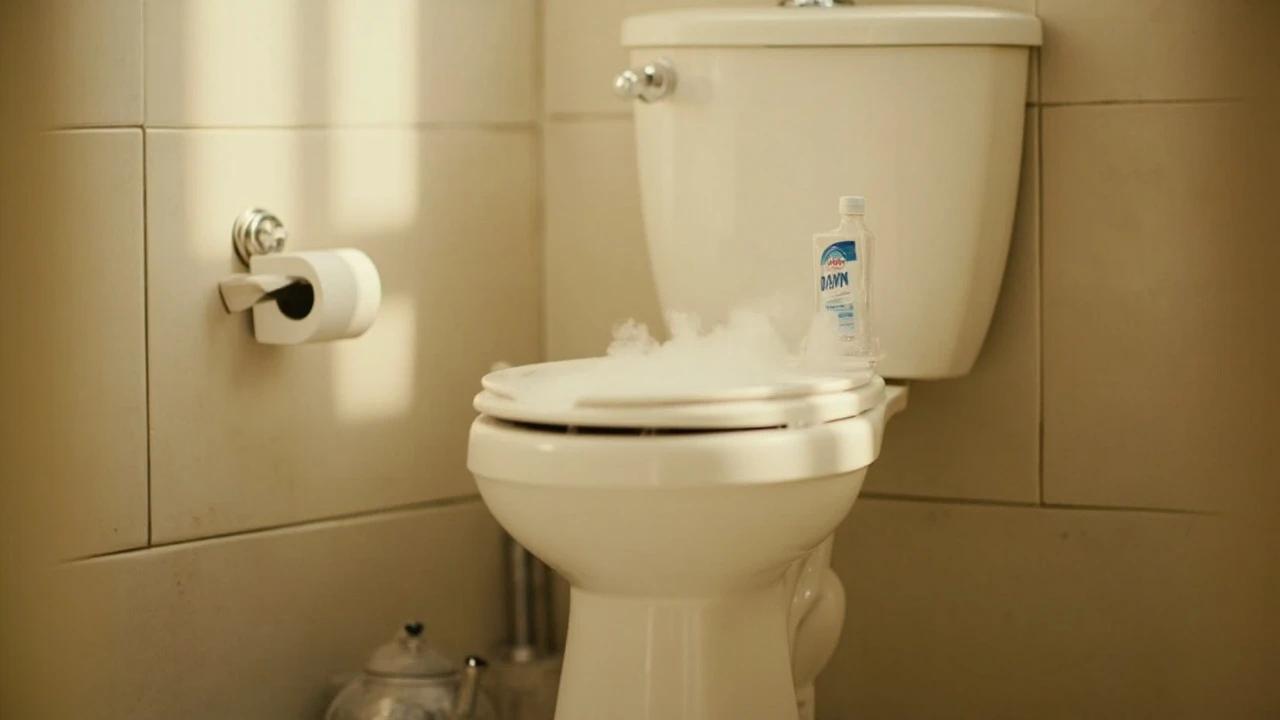 Easy45 min
How to Unclog a Toilet Without a Plunger
It's 11 PM, the toilet won't flush, and the plunger is at your in-laws' house. Dish soap and a gallon of hot tap water will clear most clogs in 30 minutes for about a dollar — no plumber, no panic, no overflowing bowl. This guide walks through stopping the water first, the dish-soap method, the baking-soda-and-vinegar backup, and the wire-hanger snake for stubborn clogs, plus the boiling-water mistake that cracks porcelain and turns a $1 fix into a $400 toilet replacement.
 Medium1h 30m
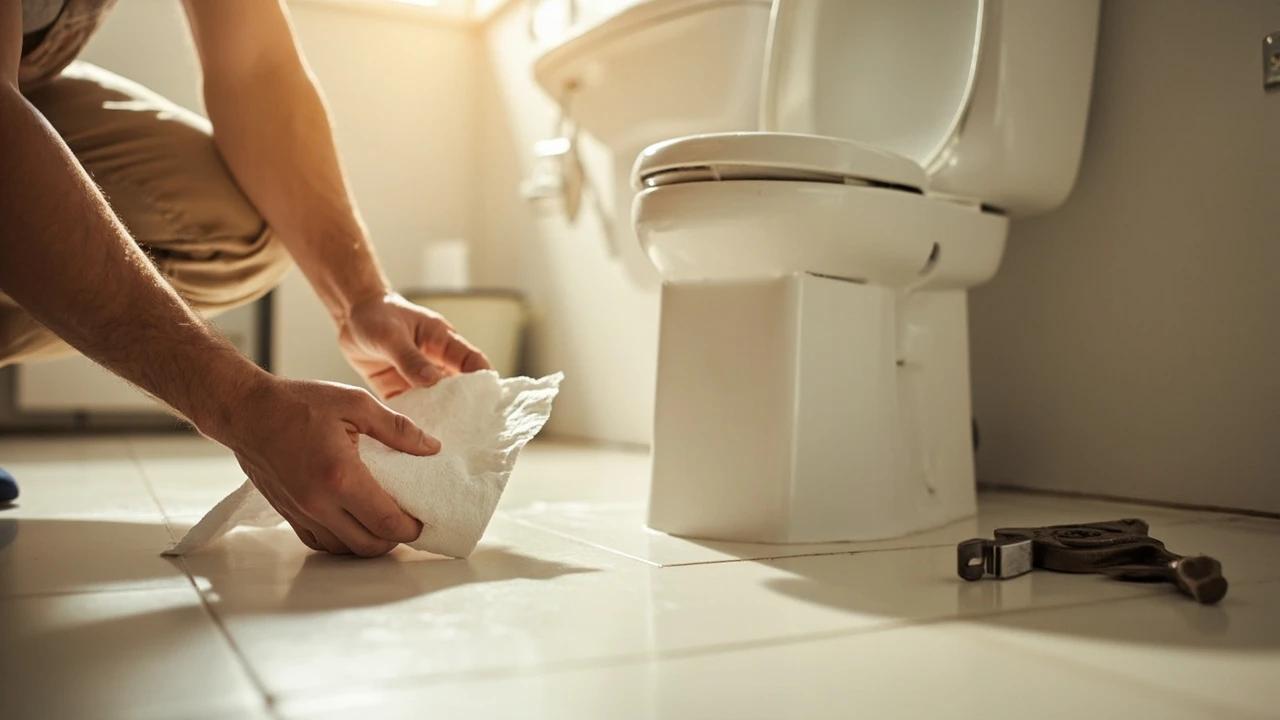
How to Fix a Toilet Leaking at the Base
Water pooling around the bottom of the toilet is one of those leaks that punishes procrastination — every flush pushes dirty water under the flooring, and a $10 wax ring problem quietly becomes a $1,000 subfloor repair. This guide diagnoses where the water is really coming from first, then walks the fix in order: snug the bolts, and only if needed, pull the toilet and replace the seal.
 Easy30 min
How to Fix a Dripping Faucet
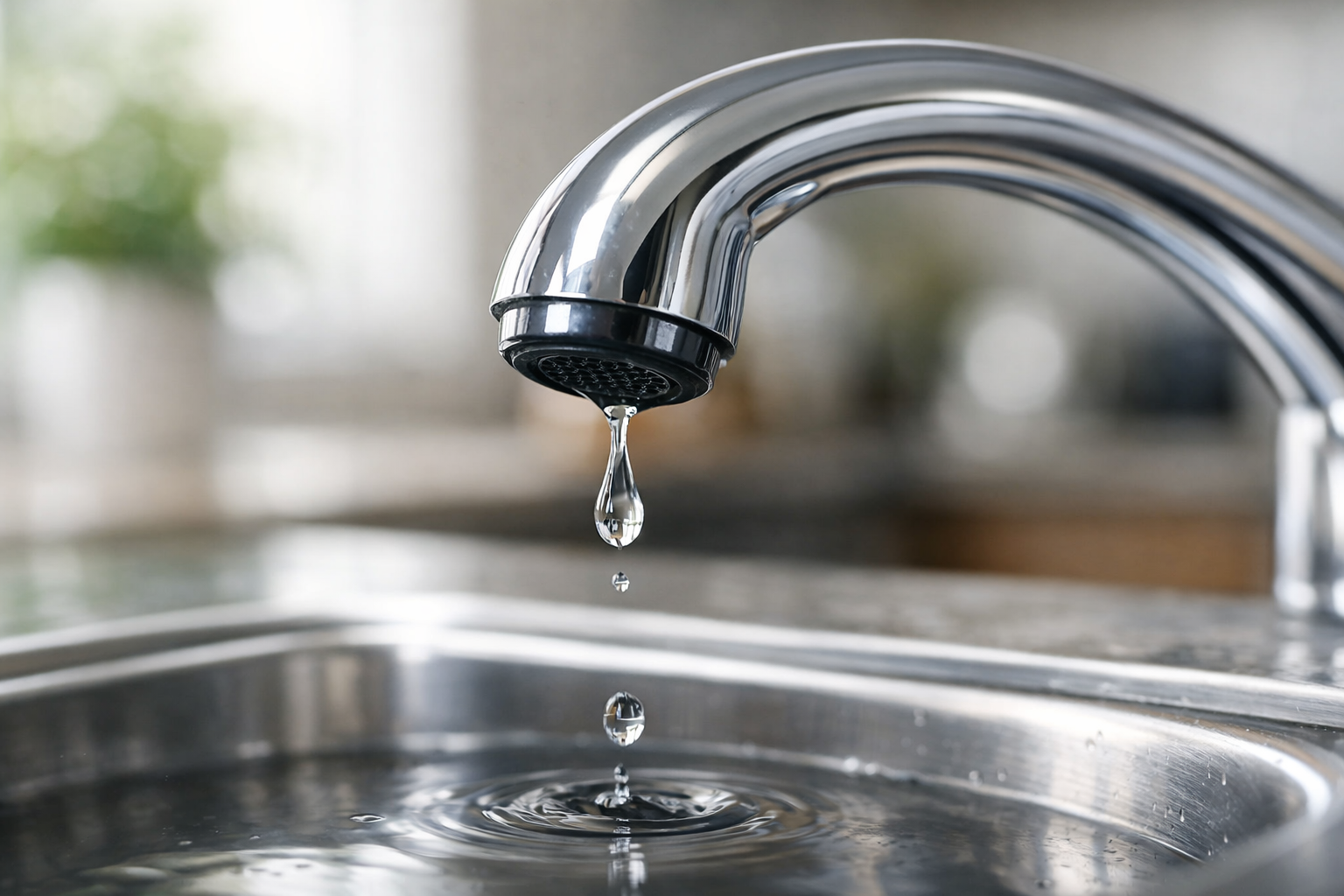
A dripping faucet wastes more than 3,000 gallons of water per year and can add $20 or more to your monthly water bill. The fix is almost always a worn cartridge, washer, or O-ring — parts that cost under $10 and take 20-30 minutes to replace with basic tools.
You Might Also Like
 Hard8 hrs
How to Paint Kitchen Cabinets
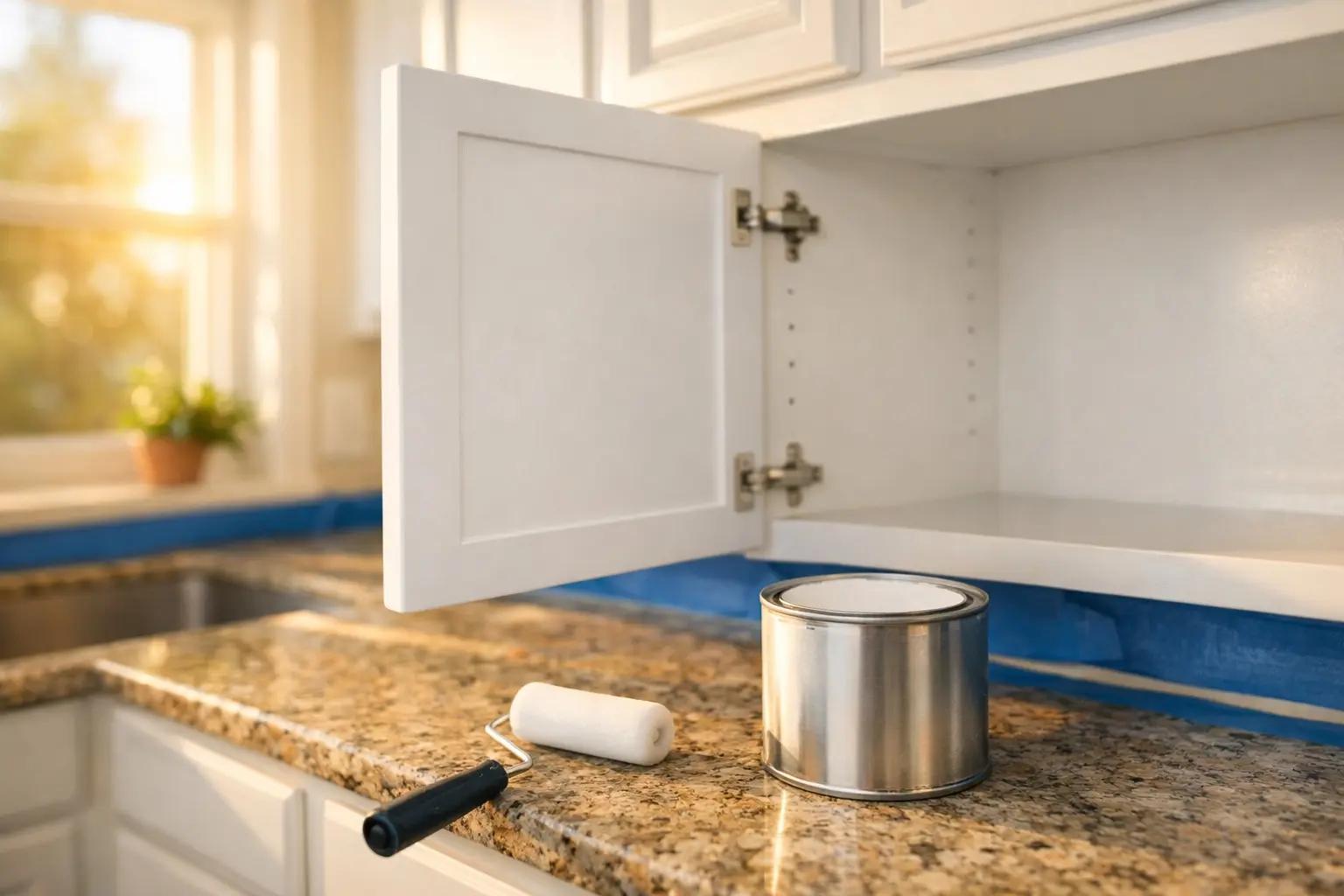
A professional cabinet refinish costs $3,000-8,000, but painting them yourself with the right prep and materials delivers the same transformation for under $200 in a long weekend. The secret is thorough degreasing, a bonding primer, and thin coats with proper dry time between each — skip any of those and the paint will chip within months. This guide walks through the full process from door removal and labeling to final reassembly, covering both brush and roller techniques for a smooth, factory-like finish.
 Easy30 min
How to Replace an Electrical Outlet
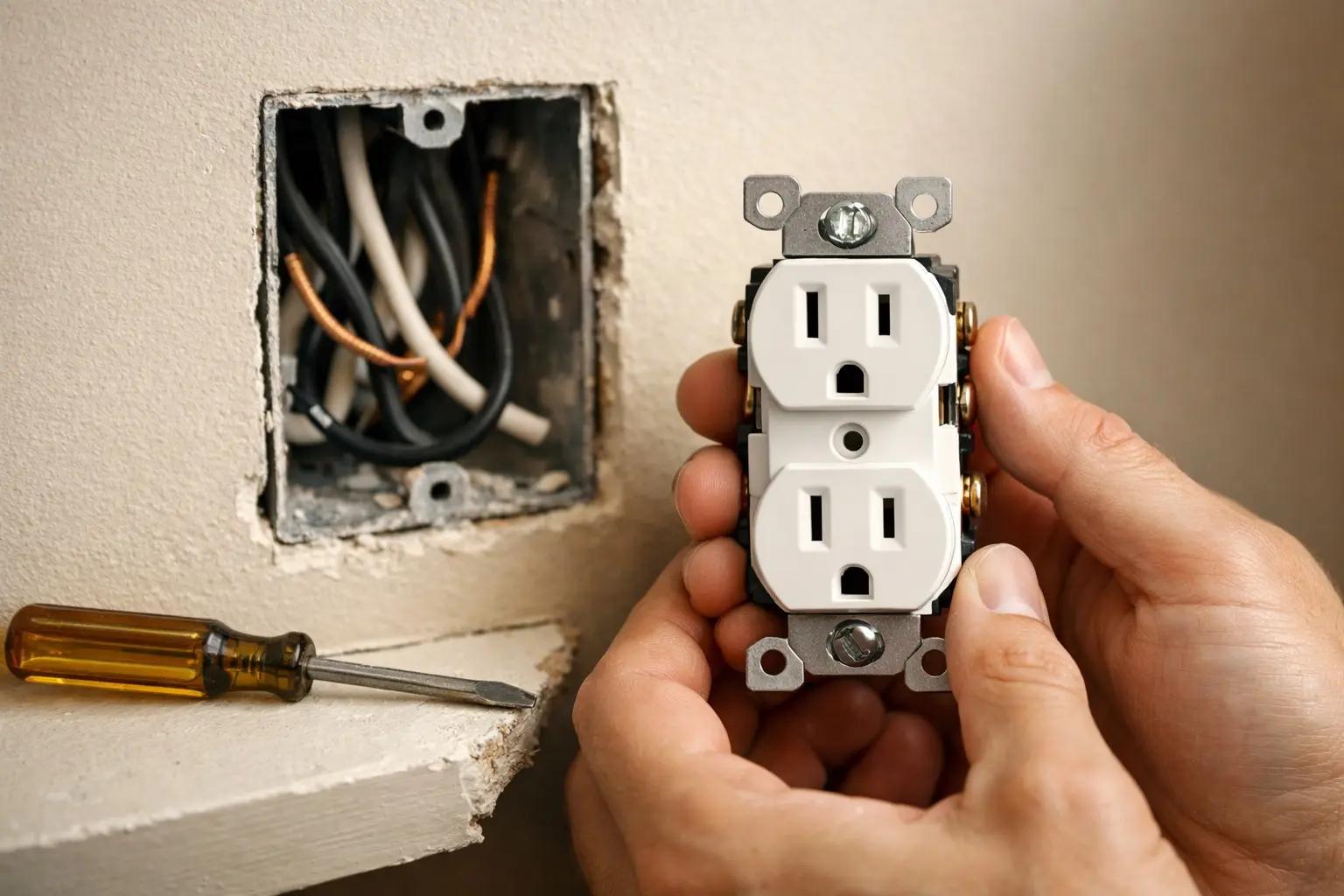
A worn-out or discolored electrical outlet is one of the simplest electrical repairs you can tackle yourself — swapping one takes about 15-30 minutes and costs under $5 in parts versus $75-150 for an electrician visit. This guide walks you through safely replacing a standard duplex receptacle, including how to handle the wiring correctly and avoid the most common DIY mistakes.
 Medium6 hrs
How to Paint a Room
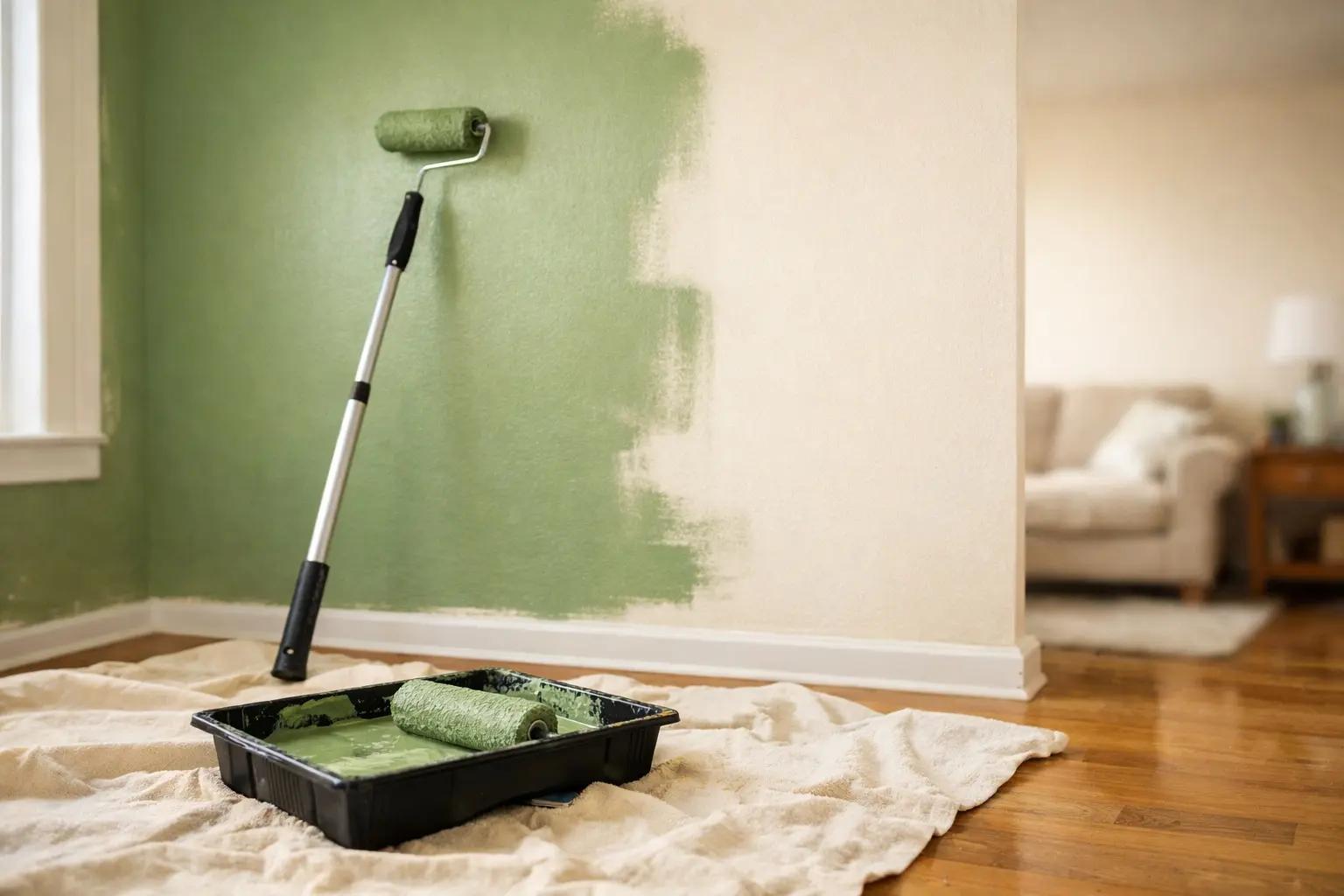
A fresh coat of paint is the fastest, cheapest way to transform any room — and doing it yourself saves $400-800 in labor for an average 12x12-foot bedroom. The job takes a weekend from prep to final coat, and the difference between an amateur-looking result and a professional finish comes down to technique, not talent. This guide covers prep, cutting in, rolling, and cleanup so you get clean lines and even coverage the first time.