How to Repair a Shower Diverter Valve
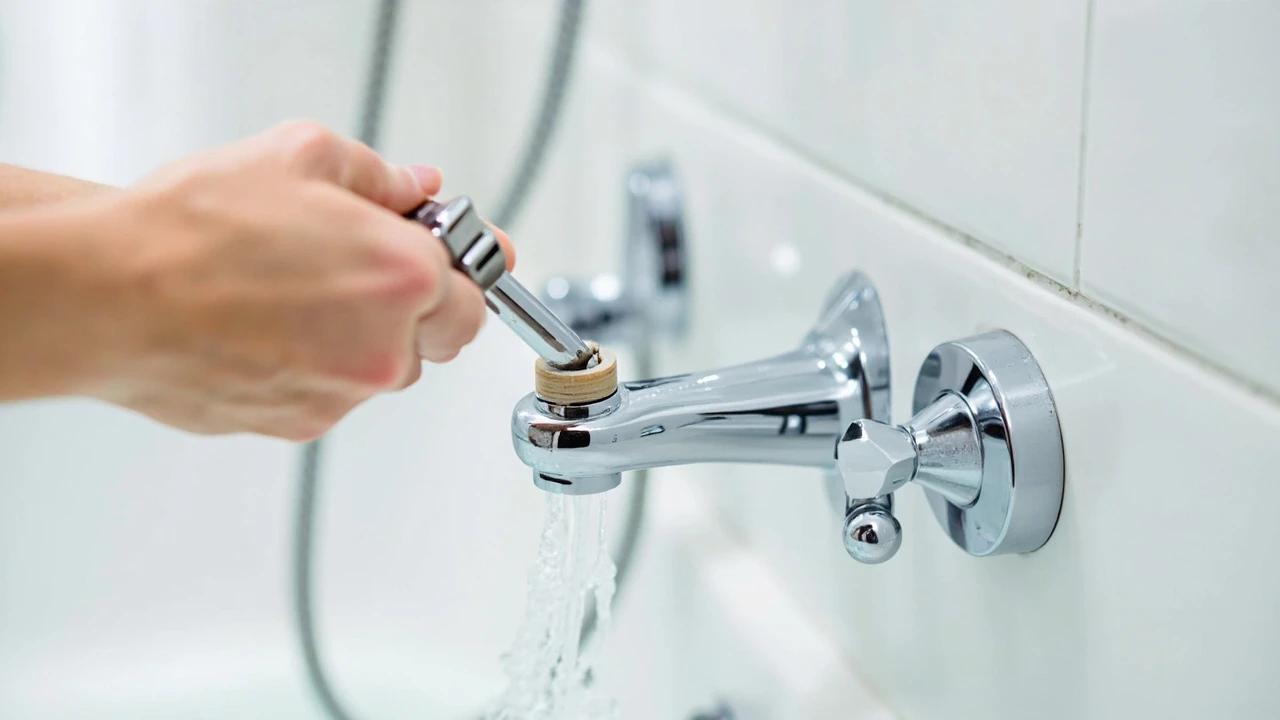

When you pull the diverter knob and water still pours from the tub spout instead of the showerhead, the fix is usually a worn washer or mineral buildup — not a $200 plumber visit. This guide covers the three most common diverter types (tub spout, three-valve, and two-valve) and walks you through cleaning, replacing washers, and swapping the diverter if needed, all in under an hour with basic tools.
What You'll Need
🛠 Tools
📦 Materials
Safety First
- •Turn off the water supply before disassembling any diverter components. Use the shower shutoff valves if they exist, or shut off the main water supply to the house.
- •Plug the drain with a rag or drain cover before removing any small parts — washers, springs, and screws will roll straight down an open drain and are nearly impossible to retrieve.
Step-by-Step Instructions
Identify Your Diverter Type
Before picking up a wrench, identify which of the three common diverter types you have. A tub spout diverter has a pull-up knob on top of the tub spout itself — this is the most common type in tub-shower combos. A three-valve diverter has a separate handle between the hot and cold knobs that you rotate to switch between tub and shower. A two-valve diverter uses one knob for temperature and a second knob or lever that diverts the water. The repair approach differs for each type, so confirming yours now saves wasted effort later.
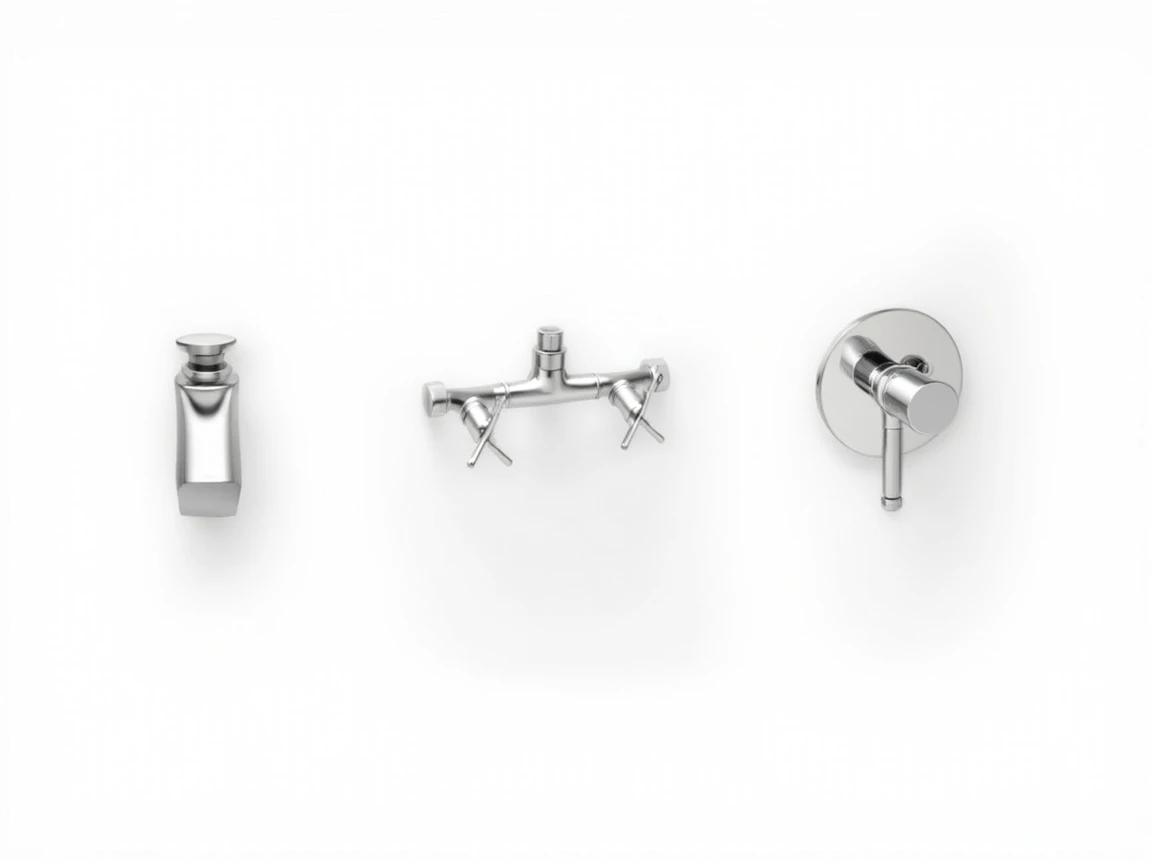
Take a photo of your diverter with your phone before starting. If you need to buy replacement parts, showing the photo to the hardware store staff is faster and more reliable than trying to describe it.
Shut Off the Water and Plug the Drain
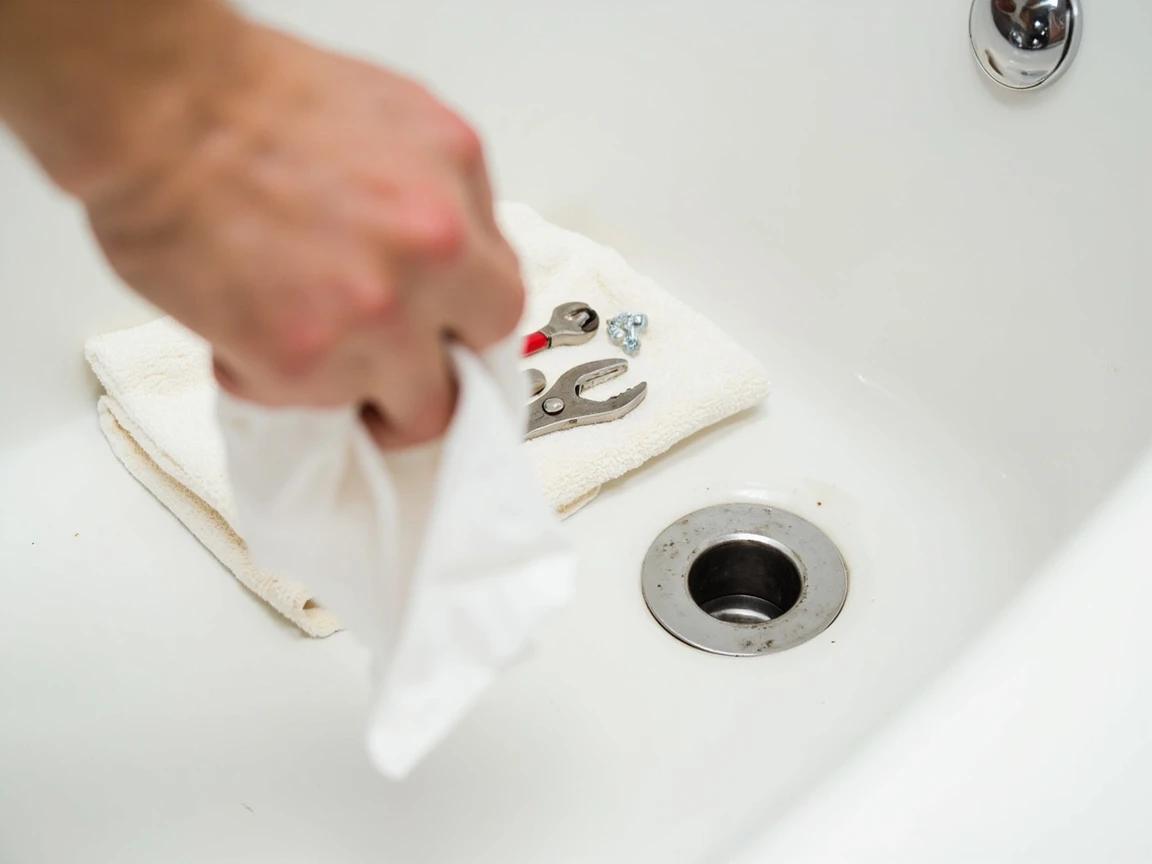
Turn off the water supply using the shutoff valves behind the shower access panel, or shut off the main water supply to the house if dedicated shutoffs are not available. Open the tub faucet to drain any remaining water in the lines. Stuff a rag or washcloth into the drain opening to prevent small parts from falling in — this is critical, since you will be handling tiny washers, springs, and screws that are nearly impossible to fish out of a drain pipe. Lay a towel in the tub to protect the surface and give you a clean workspace for small parts.
Remove the Diverter Components
For a tub spout diverter: look underneath the spout near the wall for a small hex screw or slot — loosen it with an Allen wrench or flat-head screwdriver, then twist and pull the spout straight off the pipe. If there is no set screw, the spout unscrews counterclockwise from a threaded pipe nipple. For a wall-mount three-valve or two-valve diverter: pop off the decorative handle cap with a flat-head screwdriver, remove the screw underneath, and pull the handle off. Then unscrew the trim plate (escutcheon) to access the valve stem behind the wall. Use an adjustable wrench to unscrew the valve stem from the valve body — turn counterclockwise.
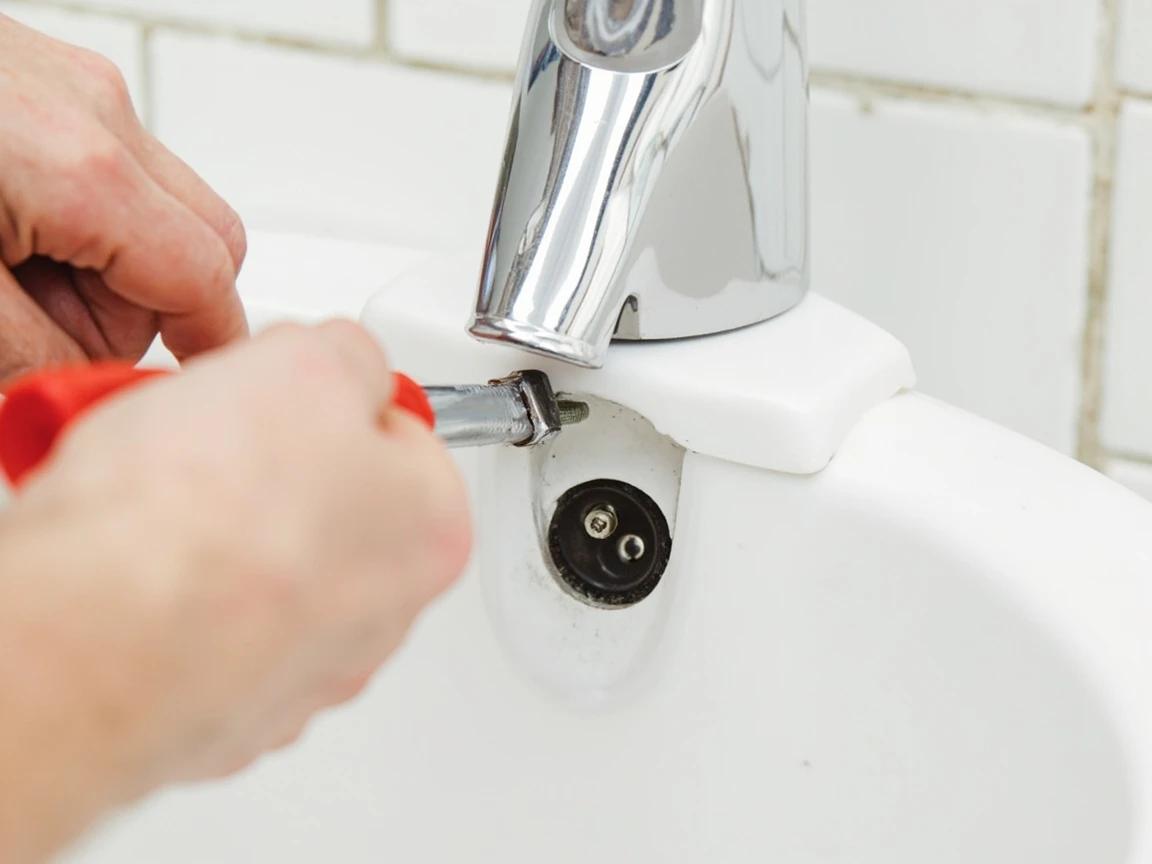
When removing a threaded tub spout, grip it firmly and turn slowly — never use a pipe wrench directly on the chrome finish, as it will crush and scar the spout. Wrap the spout in a rag first, then grip with channel-lock pliers if needed.
Inspect for Mineral Buildup and Clean
Examine the diverter mechanism for white or green crusty deposits — this is calcium and lime buildup from hard water, and it is the most common reason a diverter sticks or fails to fully redirect water. For a tub spout diverter, look inside the spout at the gate mechanism. For a valve stem diverter, inspect the washer seat and the stem itself. Submerge the affected parts in a bowl of white vinegar for 30-60 minutes, then scrub away softened deposits with an old toothbrush or small wire brush. For stubborn buildup on a tub spout that you cannot remove from the wall, fill a plastic bag with vinegar, rubber-band it around the spout so the diverter is submerged, and let it soak for an hour.
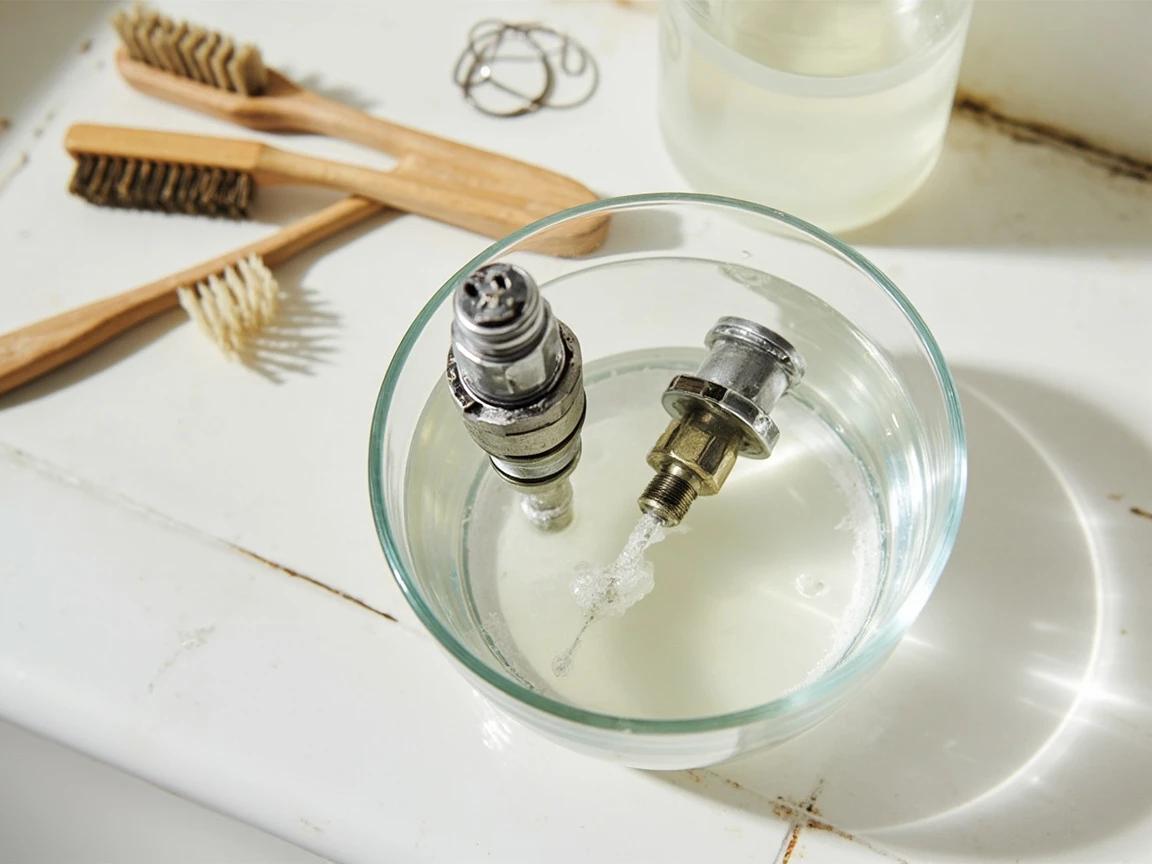
If your diverter sticks after cleaning, the problem is usually a worn washer — not residual buildup. Move on to the next step before assuming the entire unit needs replacement.
Replace the Washer, O-Ring, or Seat Spring
This is the fix for a diverter that will not stay up or leaks water past the seal. For a tub spout diverter, pry out the old rubber washer or gate seal with needle-nose pliers and press in the replacement — these are typically available in universal repair kits from Danco for under $5. For a valve stem diverter, unscrew the brass screw at the bottom of the stem, remove the old rubber washer, and install the new one — make sure it sits flat without any wrinkles or folds. Apply a thin coat of plumber's grease to the new washer and O-ring before reassembly. This lubrication helps the diverter slide smoothly and extends the life of the rubber by reducing friction.
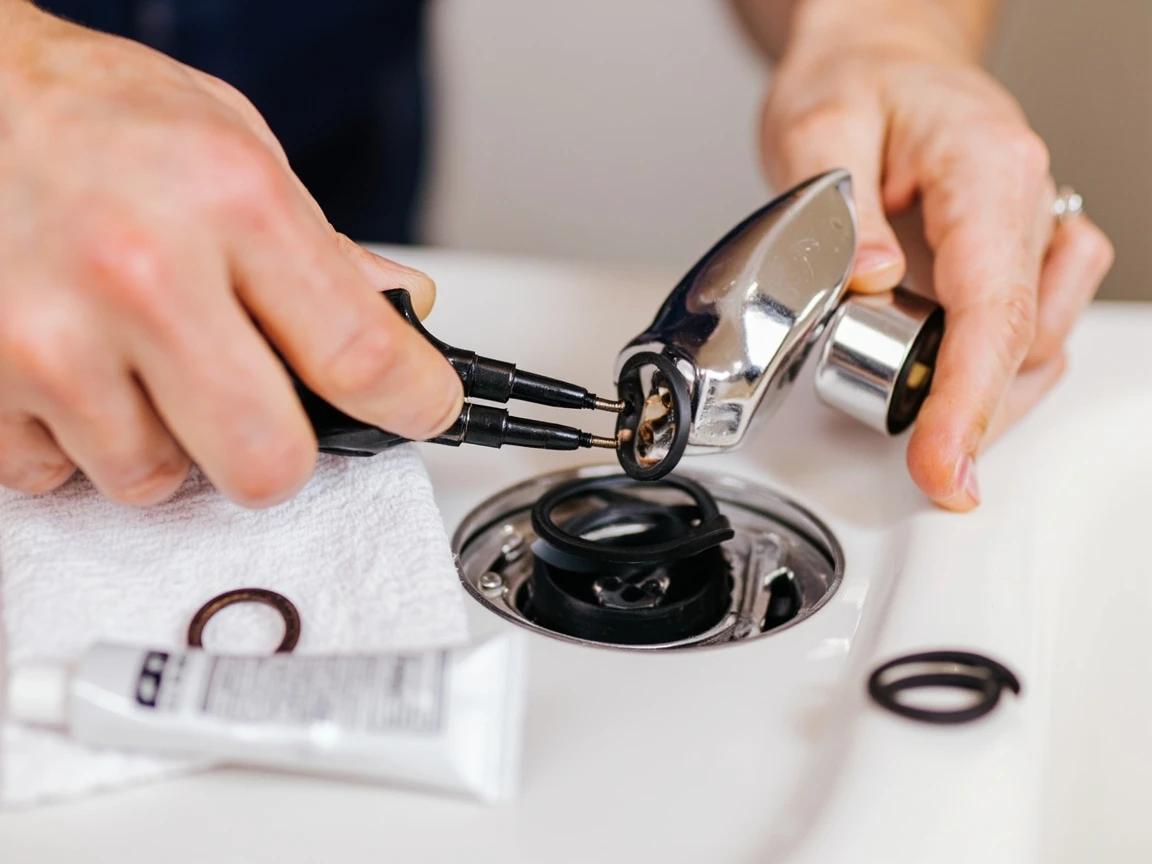
Bring the old washer to the hardware store to match the exact size and thickness. Diverter washers come in dozens of sizes — guessing usually means a second trip.
Reassemble and Apply Thread Seal Tape
For a threaded tub spout, wrap 3-4 turns of Teflon tape clockwise around the pipe nipple threads before threading the spout back on — this prevents leaks at the joint and makes future removal easier. Thread the spout on by hand first, then snug it with an adjustable wrench using the rag-wrap technique to protect the finish. For a valve stem diverter, slide the stem back into the valve body and tighten clockwise with a wrench until snug — do not overtighten, as this can crush the new washer. Reattach the escutcheon plate and handle, making sure the handle is oriented correctly (typically "up" or "left" for shower mode).
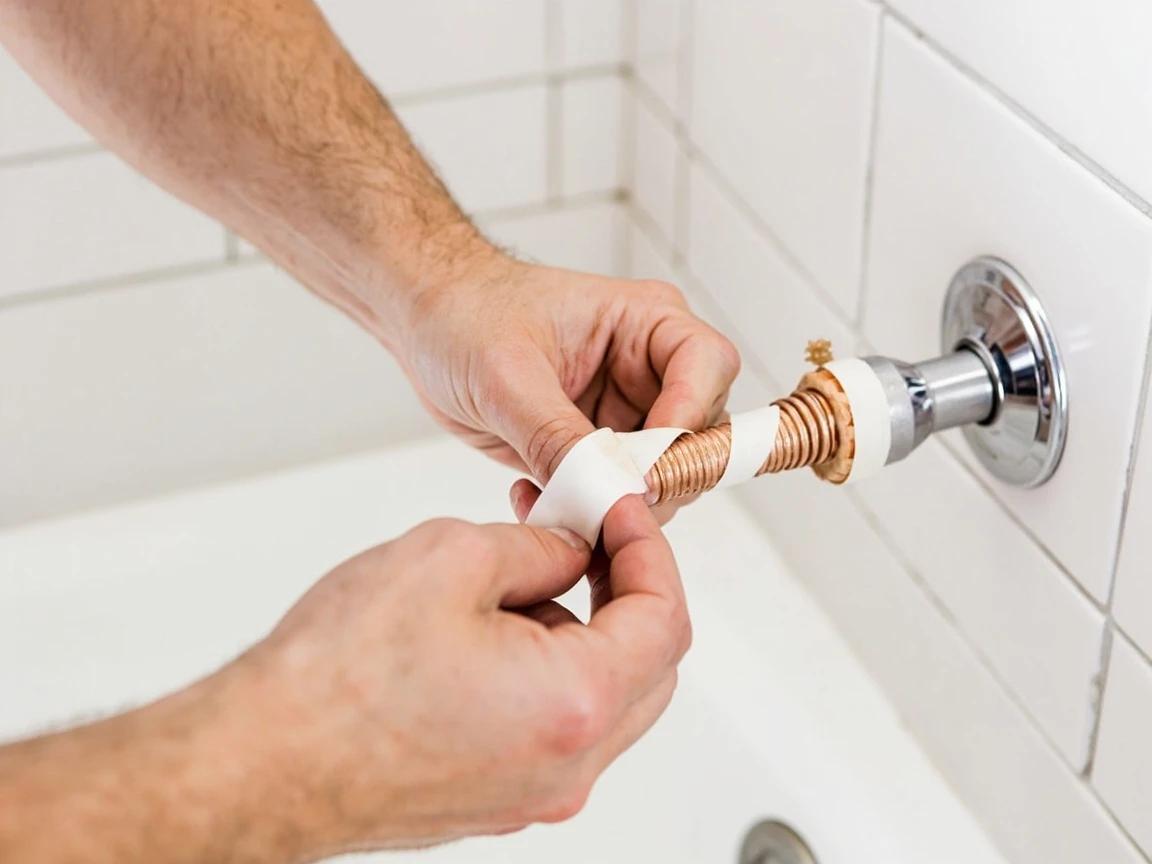
Do not overtighten the tub spout or valve stem. Overtightening crushes the washer flat prematurely (causing a repeat leak in weeks) and can crack the valve body or strip the pipe threads.
Turn On the Water and Test the Diverter
Remove the drain plug rag and turn the water supply back on slowly. Open the tub faucet and let it run for 30 seconds to flush any debris. Pull the diverter knob up (or turn the diverter handle) — water should switch fully from the tub spout to the showerhead with only a minimal trickle remaining at the tub spout (a small drip is normal and protects the diverter from excess pressure). Check for leaks around the spout connection at the wall, around the valve stem escutcheon, and at the handle. If you see dripping at the wall connection, turn off the water and add another wrap of Teflon tape. If the diverter still will not stay engaged or leaks heavily from the tub spout, the internal gate or valve body may be damaged and the entire unit needs replacement.
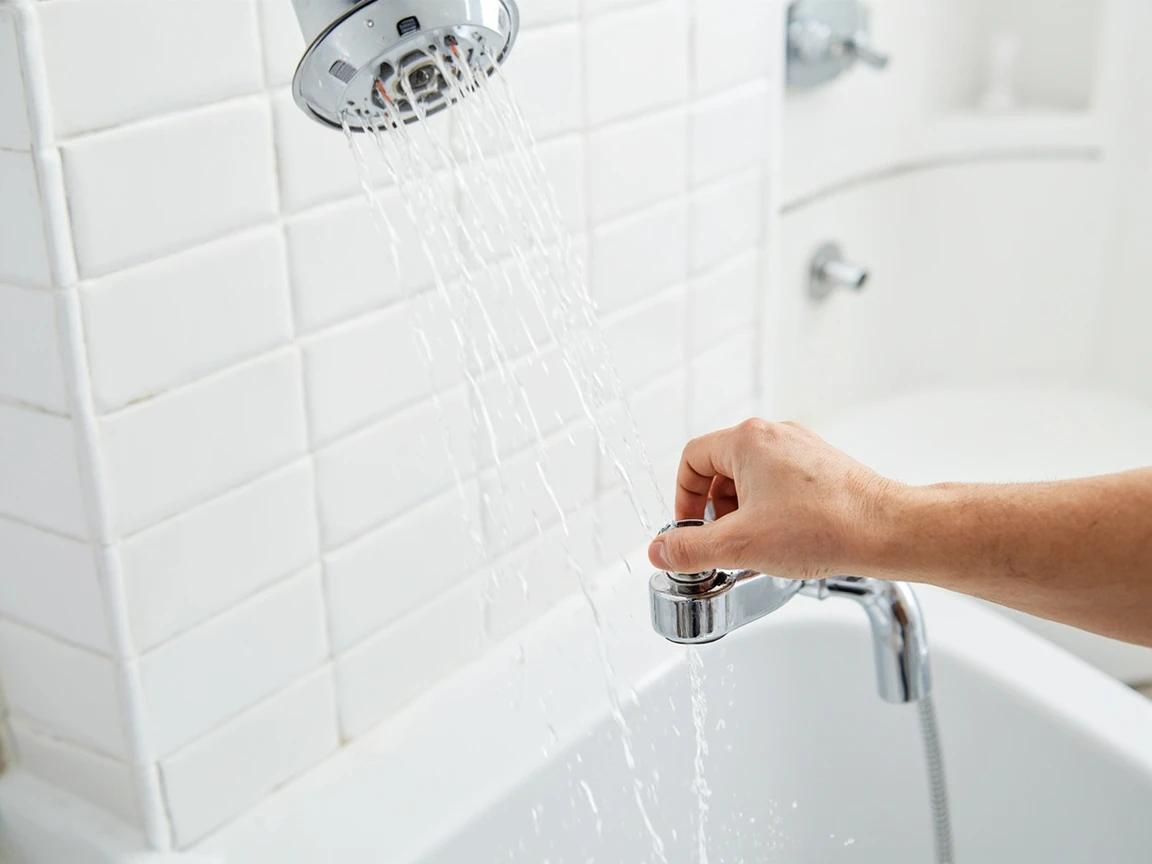
A small trickle from the tub spout while the shower is running is normal and by design — it relieves pressure on the diverter seal and extends its life. Only be concerned if significant water volume comes from the tub spout instead of the showerhead.
Frequently Asked Questions
Why does water still come out of the tub spout when the shower is running?
+
The diverter is not fully sealing off the spout outlet. Two causes account for nearly all of it: calcium and lime deposits from hard water have crusted the gate or stem so it cannot travel its full range, or the rubber washer that makes the seal has flattened and hardened with age. Clean first and replace the washer second — in that order, because a vinegar soak often fixes it without any parts at all.
How do I know which type of shower diverter I have?
+
Look at where the control is. A pull-up knob on top of the tub spout itself is a tub-spout diverter, the most common type in tub-shower combos. A separate handle sitting between the hot and cold knobs that you rotate is a three-valve diverter. A single temperature knob plus a second knob or lever that redirects the water is a two-valve diverter. The repair differs for each, so confirm before you buy anything — and photograph it for the hardware store.
How do you clean mineral buildup off a shower diverter?
+
Submerge the removed parts in a bowl of plain white vinegar for 30 to 60 minutes, then scrub the softened deposits off with an old toothbrush or a small wire brush. For a tub spout you cannot get off the wall, fill a plastic bag with vinegar and rubber-band it around the spout so the diverter sits submerged, and leave it about an hour. If the diverter still sticks after a proper soak, the washer is worn rather than dirty.
Can I fix the diverter without replacing the whole tub spout?
+
It depends on the type. Three-valve and two-valve diverters come apart, so the washer, O-ring, or seat spring is a serviceable part costing a few dollars. On many tub-spout diverters the gate mechanism is built into the spout casting and is not separately replaceable, in which case swapping the spout is the repair — still an inexpensive part. Clean and inspect before deciding.
Do I need to shut the water off to repair a shower diverter?
+
Yes, before you take anything apart. Also plug or cover the tub drain first — diverter repairs involve small washers, O-rings, screws, and seat springs, and an open drain is exactly where they end up. A rag pressed into the drain works as well as a stopper.
Sources & further reading
- How To Repair a Shower Diverter — This Old House
- How to Fix a Shower Diverter — Mr. Rooter Plumbing
More Plumbing Guides
View all →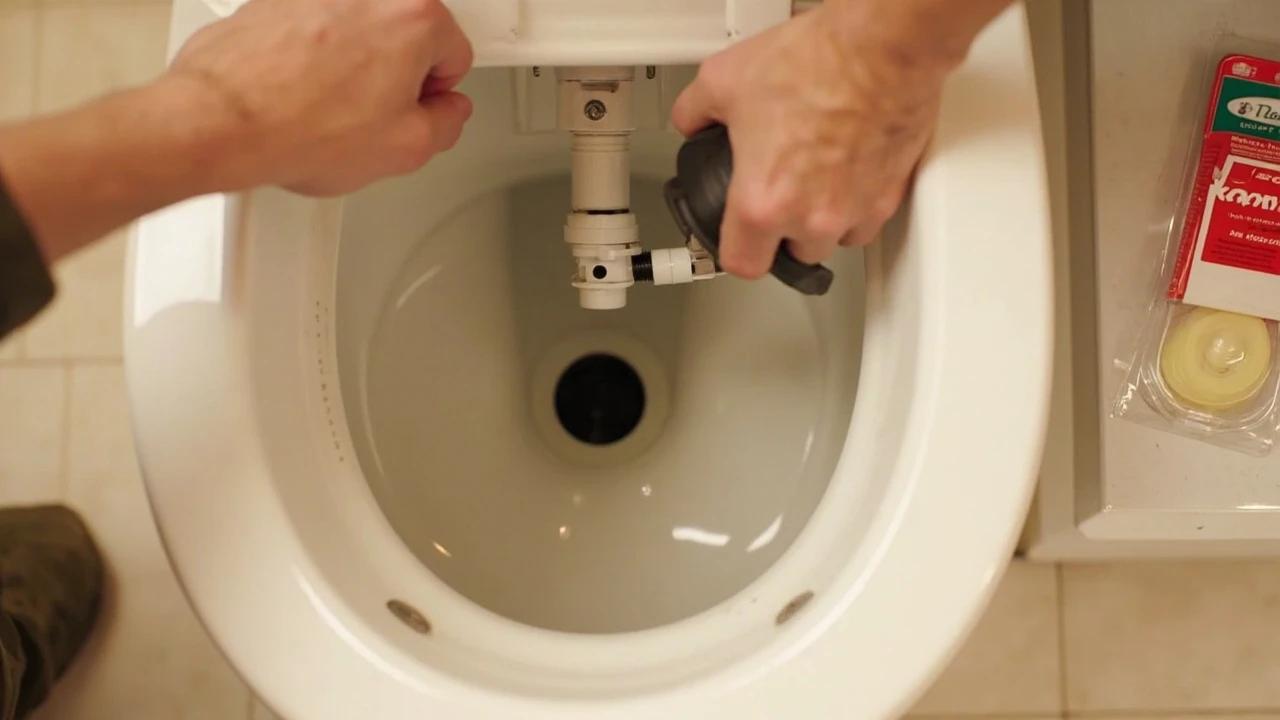 Easy25 min
How to Replace a Toilet Flapper Valve
A worn-out flapper is the cause of roughly 90% of "phantom flush" and running-toilet problems, and replacing it is the single cheapest plumbing fix in the house — $5 to $15 for a new flapper and 20 minutes of your time. A leaking flapper wastes 200 gallons of water per day at the high end, which can add $30 to $50 a month to a typical water bill. This guide covers sizing the right replacement, cleaning the valve seat so the new flapper actually seals, and dialing in the chain length so the toilet stops running for good.
 Easy30 min
How to Fix a Dripping Faucet
A dripping faucet wastes more than 3,000 gallons of water per year and can add $20 or more to your monthly water bill. The fix is almost always a worn cartridge, washer, or O-ring — parts that cost under $10 and take 20-30 minutes to replace with basic tools.
 Medium1 hr
How to Fix Low Water Pressure
Weak, trickling water usually has a cheap, findable cause — a clogged aerator, a half-closed valve, or a tired pressure-reducing valve — long before it means re-piping the house. This guide walks the diagnosis in order: first pin down whether it's one fixture or the whole house (and hot-only or both), then work each cause with a $12 pressure gauge as your guide. Most fixes are free or under $30; you'll also learn the few signs that mean it's time to call a plumber.
You Might Also Like
 Medium1 hr
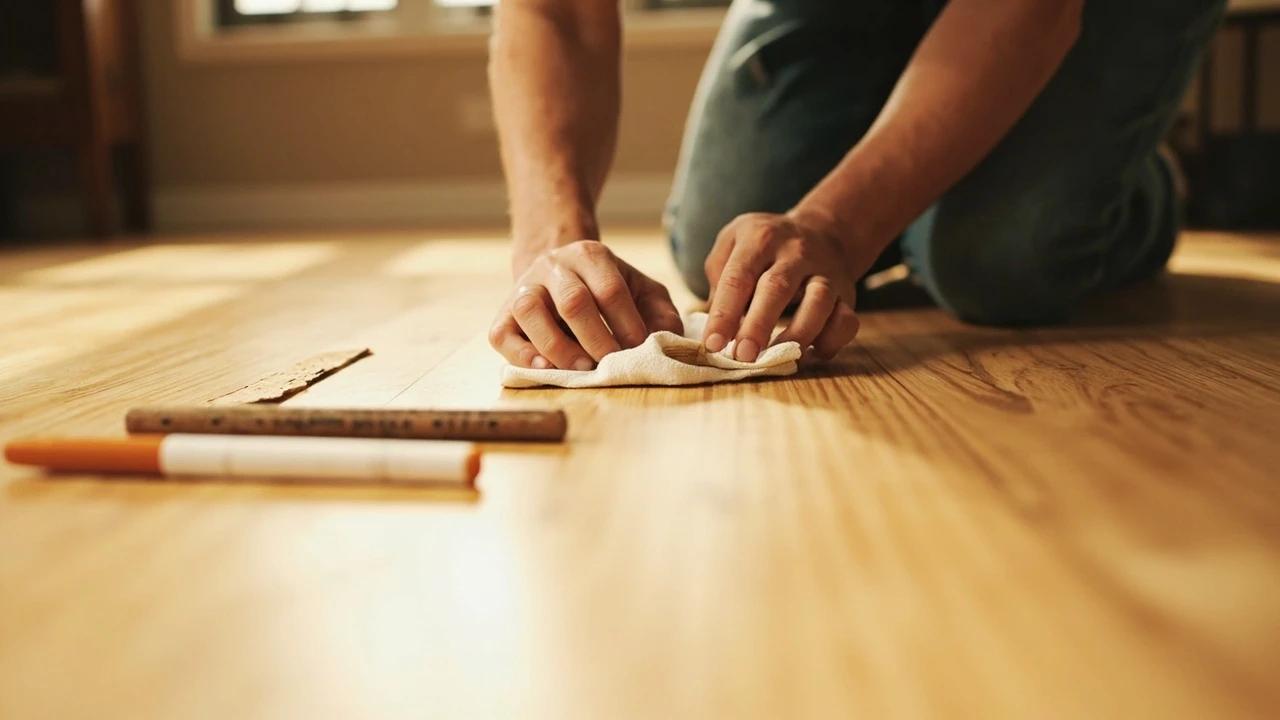
How to Repair Scratches in a Hardwood Floor
Scratched hardwood almost never means refinishing the whole floor. This guide shows you how to match the fix to the damage — a touch-up marker for finish-level scratches, a wax fill stick for shallow ones, and stainable wood filler with stain and polyurethane for deep gouges — all for under $40 in supplies and about an hour of work.
 Easy25 min
Best Deck Stain: Transparent vs Semi vs Solid
There is no "best" deck stain — there is the right stain for your sun exposure, wood condition, and how often you want to redo the job. Transparent stains last 1-2 years but let the natural grain show. Solid stains last 4-7 years but look like paint. This guide walks the four opacity levels and the oil-vs-water choice so you pick the one that matches your deck and your tolerance for re-staining.
 Easy45 min
How to Install a Smart Thermostat
A smart thermostat is one of the highest-ROI upgrades you can make to your home — it learns your schedule, adjusts automatically when you're away, and typically saves about 8% on heating and cooling bills — the figure ENERGY STAR verifies from real-home data, roughly $50 a year — so the $120-250 device usually pays for itself within a few years. If your old thermostat has labeled wires behind it, the swap takes about 30-45 minutes with nothing more than a screwdriver and your phone. This guide covers checking compatibility, labeling wires, mounting the new base, connecting everything, and walking through the app setup so your system is running smart the same day.