How to Descale a Coffee Maker
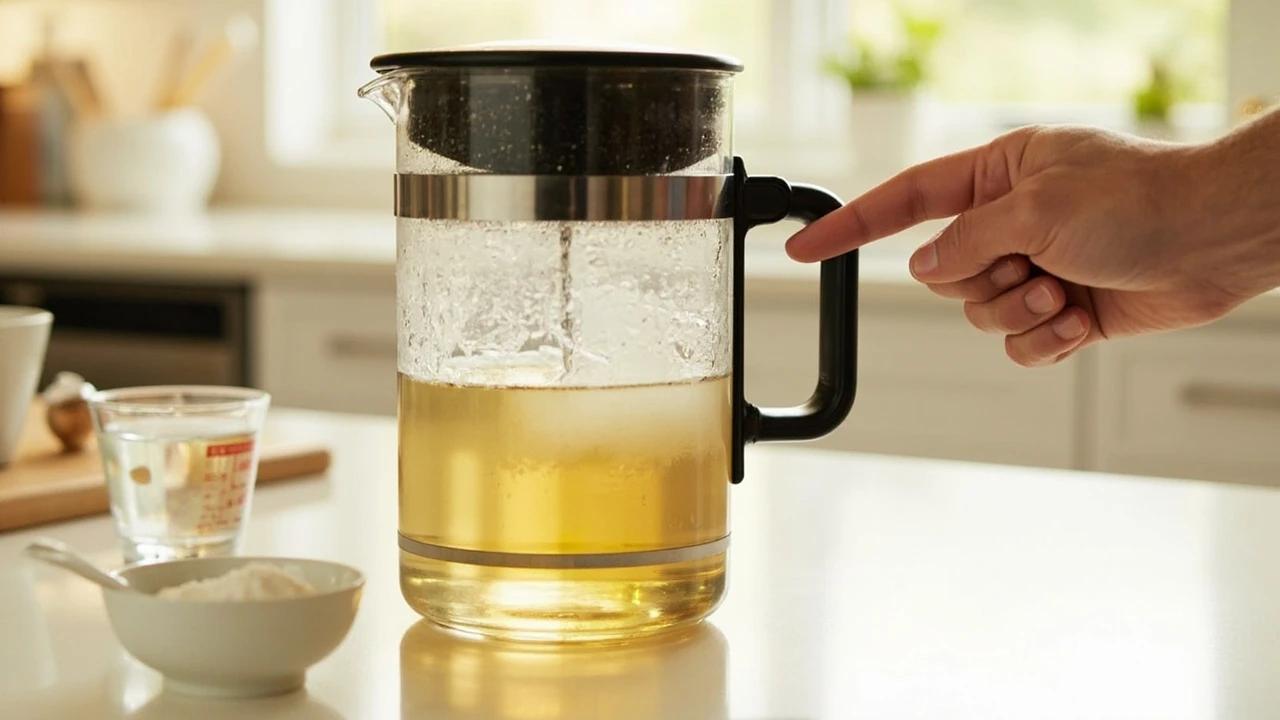

Slow brewing, lukewarm coffee, a sputtering carafe, or a flashing "Descale" light all point to the same culprit: a layer of calcium and magnesium scale clinging to the inside of your heating element and water lines. Left unchecked, scale doubles your brew time and eventually burns out the heater. The fix takes about an hour, costs under $5 in white vinegar (or $1 in citric acid), and is the same procedure for drip machines, Keurigs, and most pod brewers — with a few small differences this guide will walk you through end to end.
What You'll Need
🛠 Tools
📦 Materials
Safety First
- •Never run vinegar through an espresso machine with an aluminum boiler — the acid corrodes aluminum and will void the warranty. Use food-grade citric acid or the manufacturer-branded descaler instead.
- •Do not skip the rinse cycles. Residual vinegar will make the next 3-5 pots of coffee taste sharp and unpleasant, and the smell can linger in the plastic reservoir for weeks if you only rinse once.
- •Unplug the machine before disassembling the K-Cup holder or removing the showerhead screen on a drip maker, and let it cool first — internal parts and any leftover water can be hot enough to scald.
Step-by-Step Instructions
Empty and Disassemble the Machine
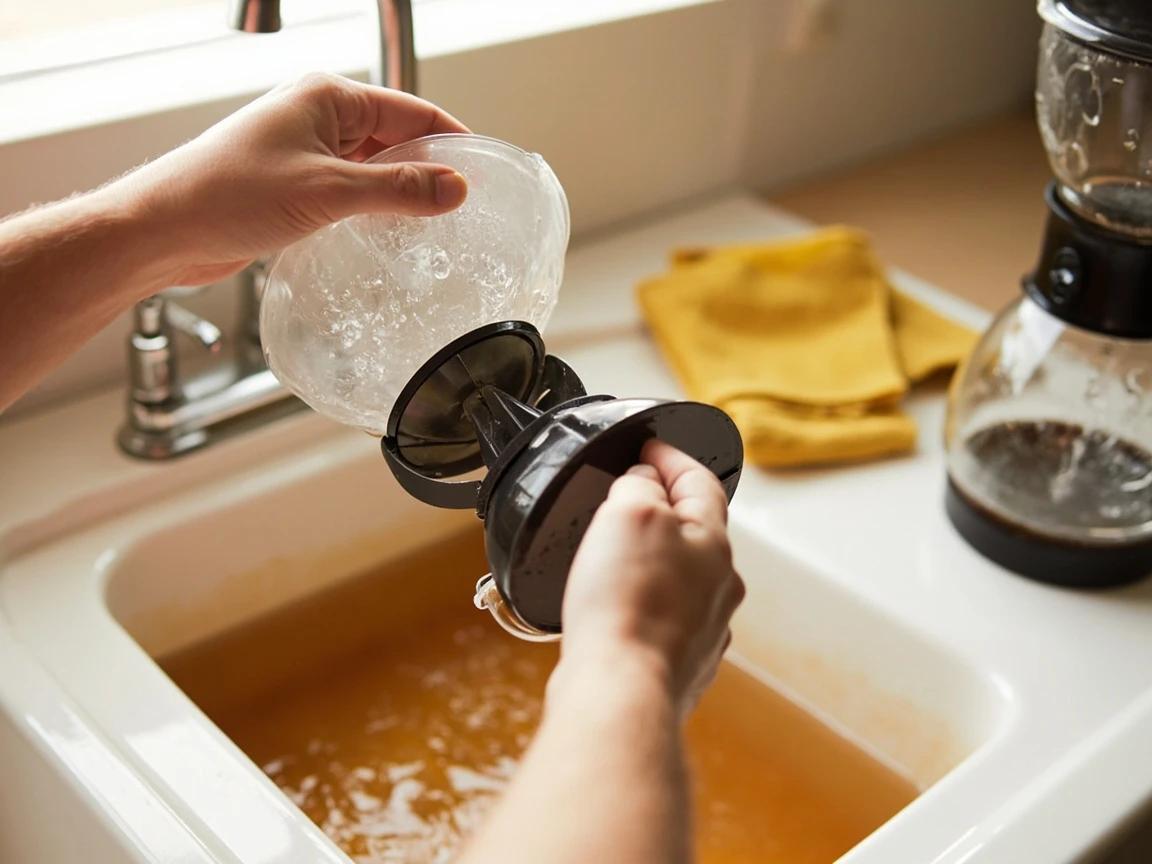
Pour out any leftover water in the reservoir, dump used grounds and the paper filter from the basket on a drip machine, and remove the K-Cup pod and pod holder on a Keurig. Wash the carafe, filter basket, and drip tray in hot soapy water — this removes coffee oils that would otherwise mix with the descaler and create a sticky brown residue inside the lines. Rinse everything well and air-dry while you mix the descaler in step 2.
Mix the Descaling Solution
For a 12-cup drip maker, mix 4 cups (1 quart) distilled white vinegar with 4 cups water in a glass measuring cup — that is the standard 1:1 ratio. For a Keurig, fill the removable water reservoir halfway with vinegar, then top off to the MAX line with water. If you prefer citric acid, dissolve 2-3 teaspoons of food-grade citric acid powder per quart of warm water and stir until completely dissolved (about 30 seconds). Citric acid is the smarter choice for espresso machines and any model with an aluminum boiler.
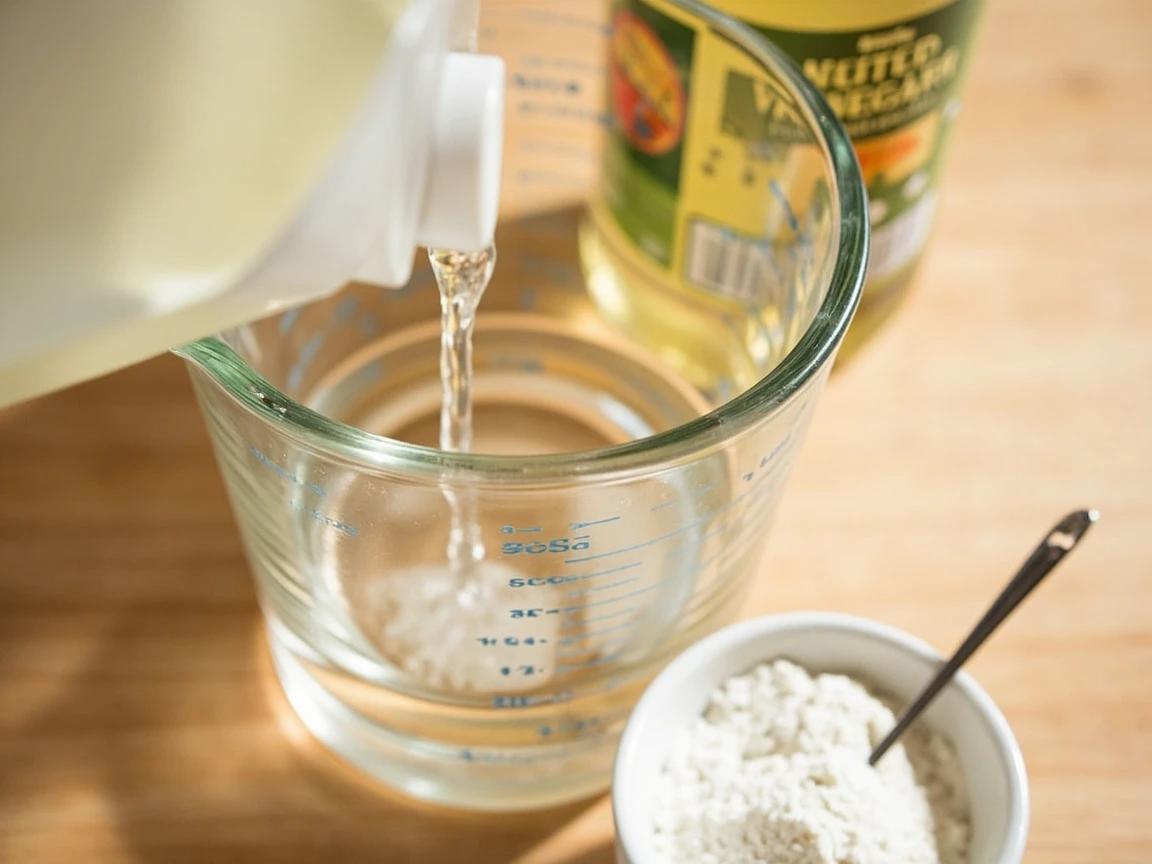
A 32-ounce jug of store-brand distilled white vinegar costs about $2 and will descale your machine 4-6 times. A 1-pound bag of food-grade citric acid is around $8 and lasts a year of monthly cleanings.
Pour the Solution Into the Reservoir
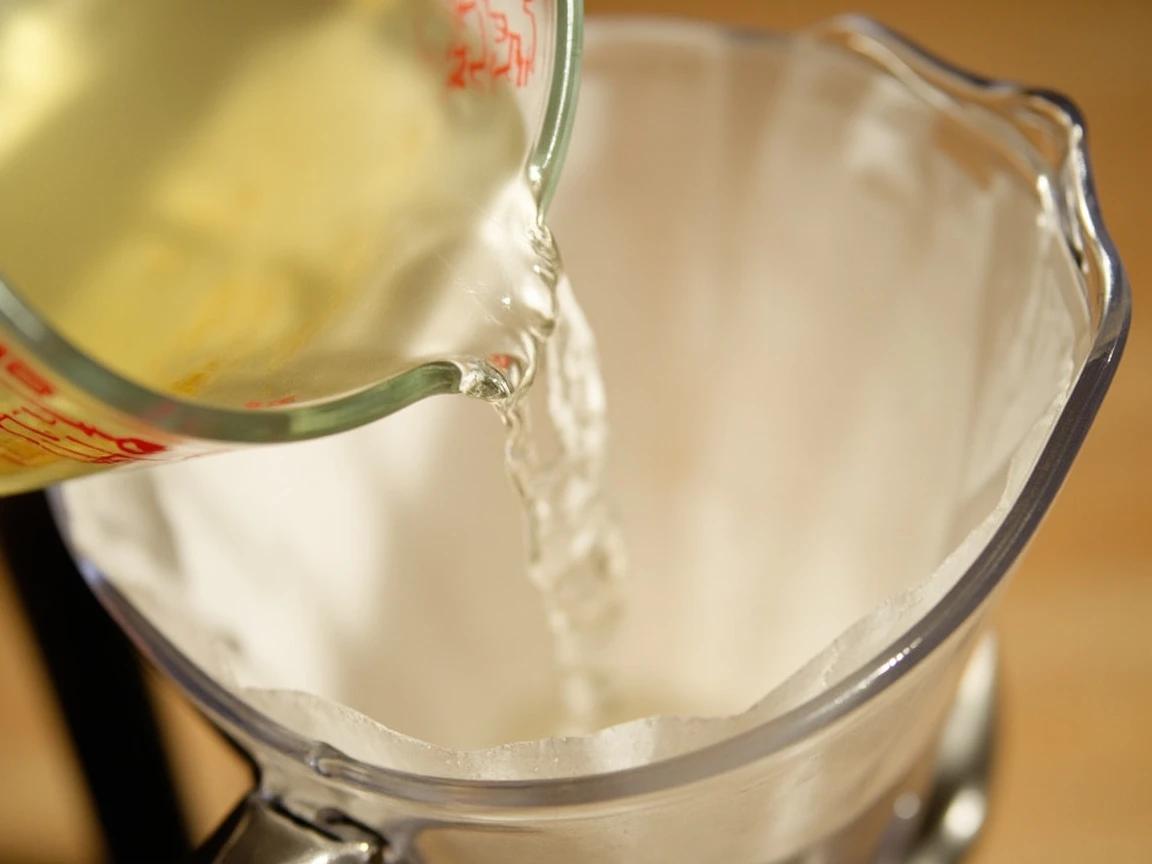
Pour the mixed solution into the water reservoir up to the maximum fill line — do not exceed it, since the descaler expands slightly as it heats. Place an empty paper filter in the basket of a drip maker (this catches any loose scale flakes that flush out of the showerhead). On a Keurig, leave the K-Cup holder empty and put a large mug on the drip tray to catch the output.
Run a Half Brew Cycle
Press the brew button and let the machine run until about half the reservoir has cycled through into the carafe (or mug for a Keurig). On a 12-cup drip, that is roughly 6 cups of liquid through; on a Keurig, two or three large 10-oz brews. Then turn the machine off — but leave the partially full carafe and the half-empty reservoir in place. The hot solution sitting inside the heating element and tubing is what does the actual descaling work.
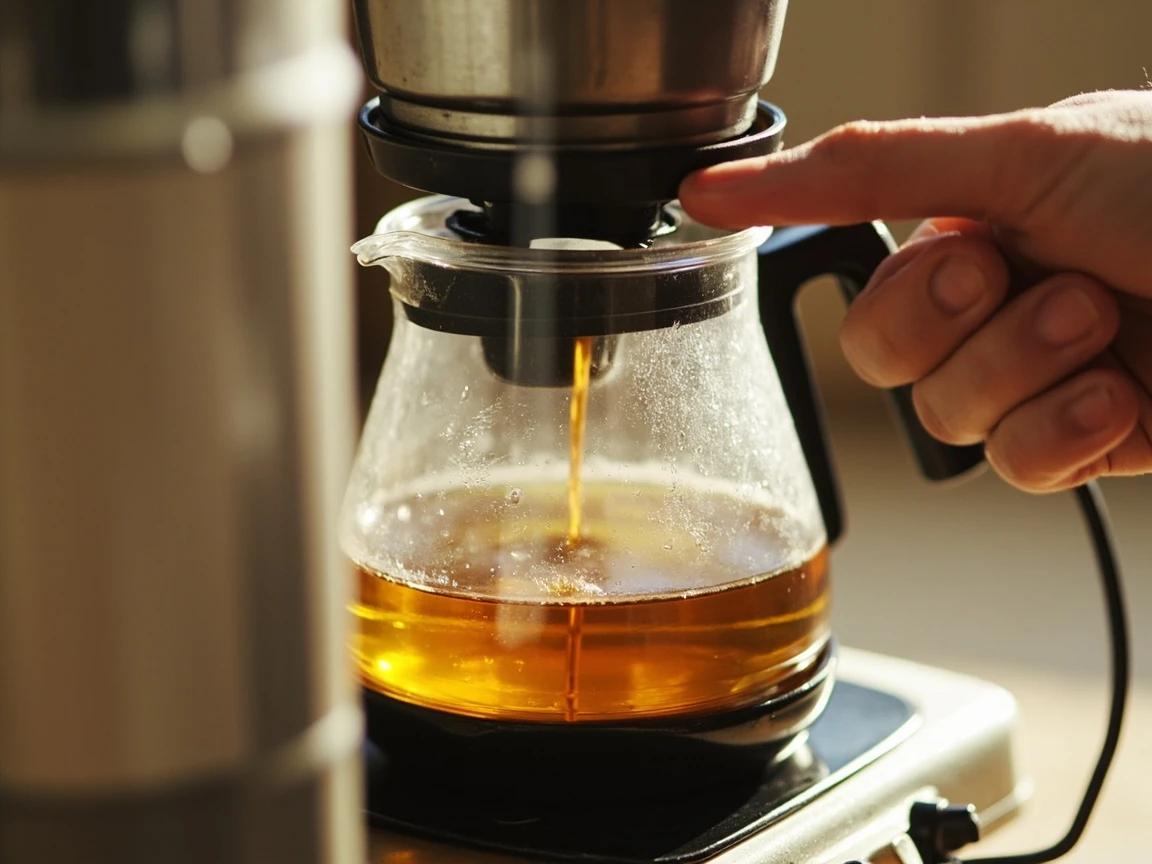
Let the Solution Soak for 30-60 Minutes
Walk away for at least 30 minutes — an hour is better, especially if you have not descaled in a year or longer. The acid needs contact time to break down the mineral deposits; rushing this step is the most common reason a "descale" only restores half the lost performance. Set a kitchen timer or phone alarm so you do not forget. The longer the soak, the more scale comes free in step 6.
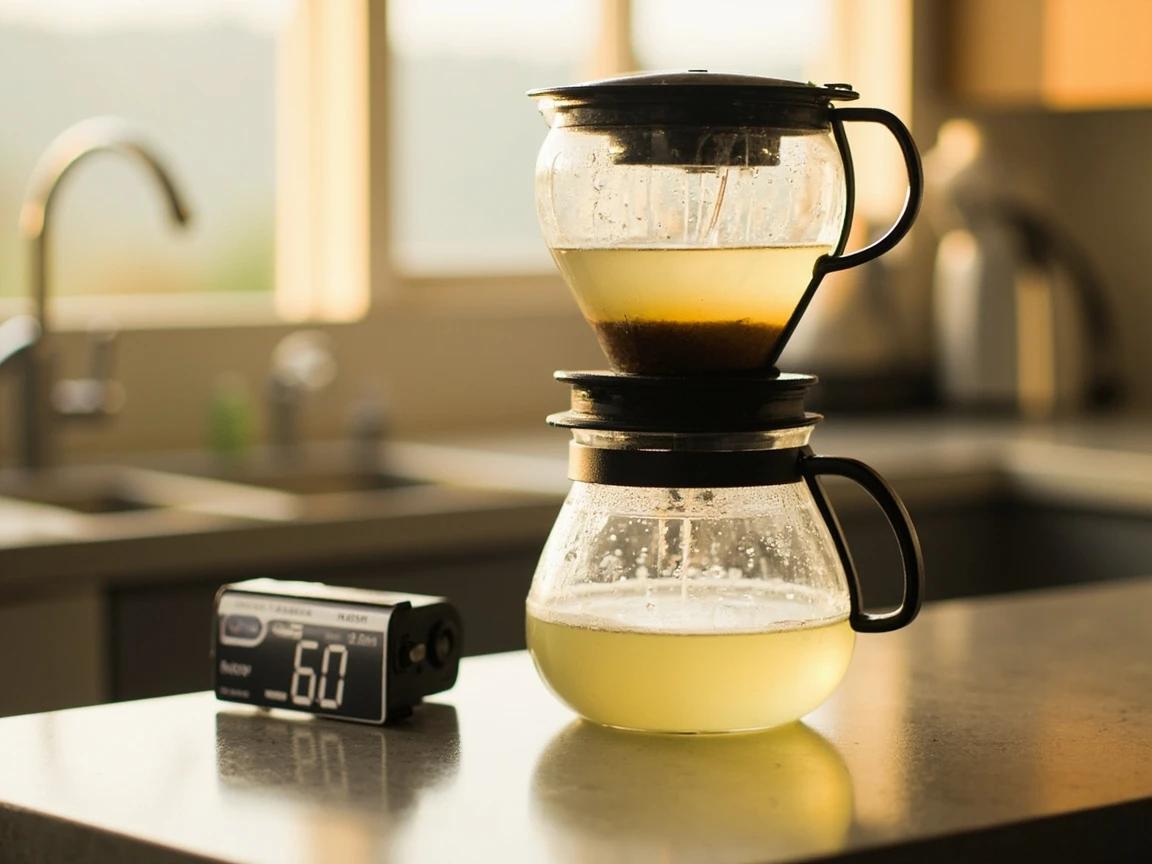
If your machine has not been descaled in over a year, double the soak time to 90 minutes and watch for cloudy white flakes appearing in the carafe when you finish the cycle in step 6 — those are the calcium deposits flushing free.
Finish the Brew Cycle
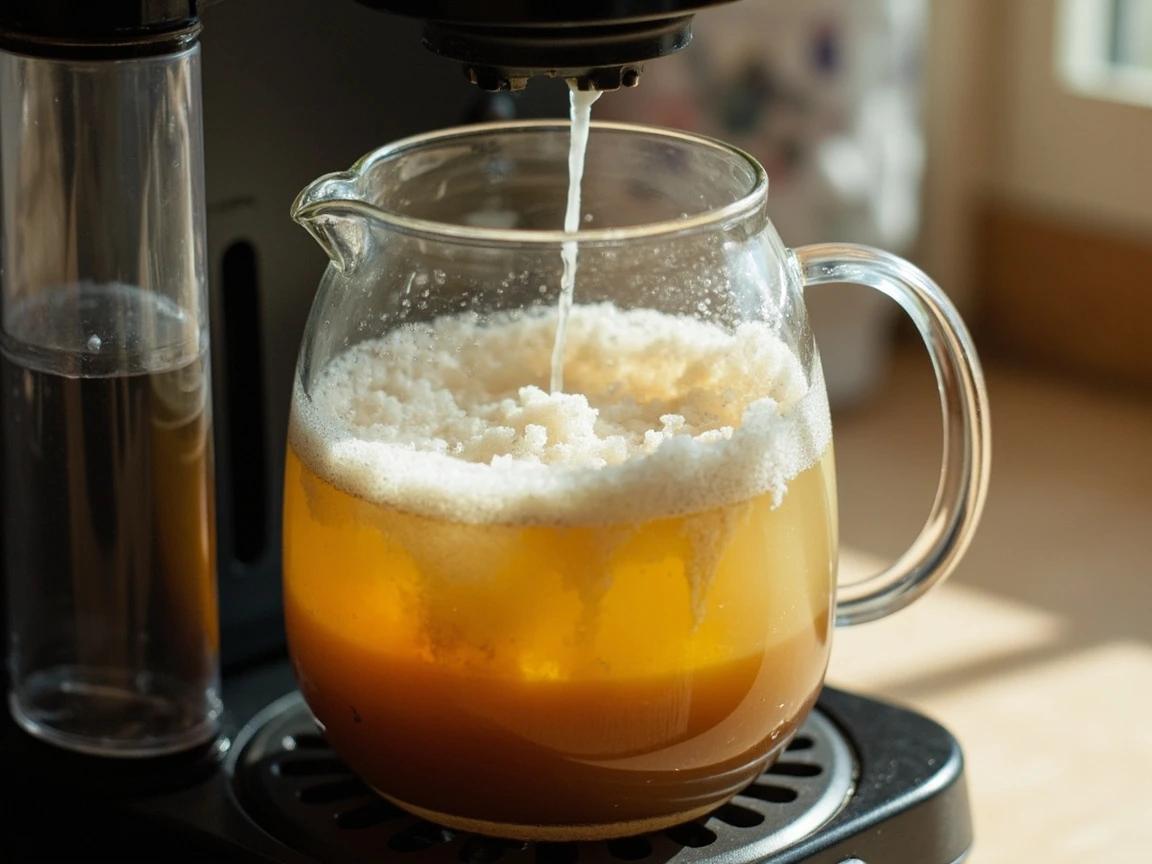
Turn the machine back on and let it run until the reservoir is empty. The output will be cloudy or have small white flakes — that is dissolved scale, and seeing it means the descaler worked. Pour the contents of the carafe down the drain (the diluted vinegar is also a fine drain cleaner), and dump out the catch mug for a Keurig. Do not drink any of this output even if it looks clear.
Run the First Rinse Cycle With Fresh Water
Empty the carafe back into the sink, then refill the reservoir to the MAX line with filtered or distilled water — never tap water, since municipal water is the source of the scale you just removed. Run a complete brew cycle with the empty paper filter still in place. Pour out the rinse water and repeat with another full reservoir. The second pass is critical: vinegar absorbs into rubber gaskets and plastic, and one rinse rarely flushes it all out.
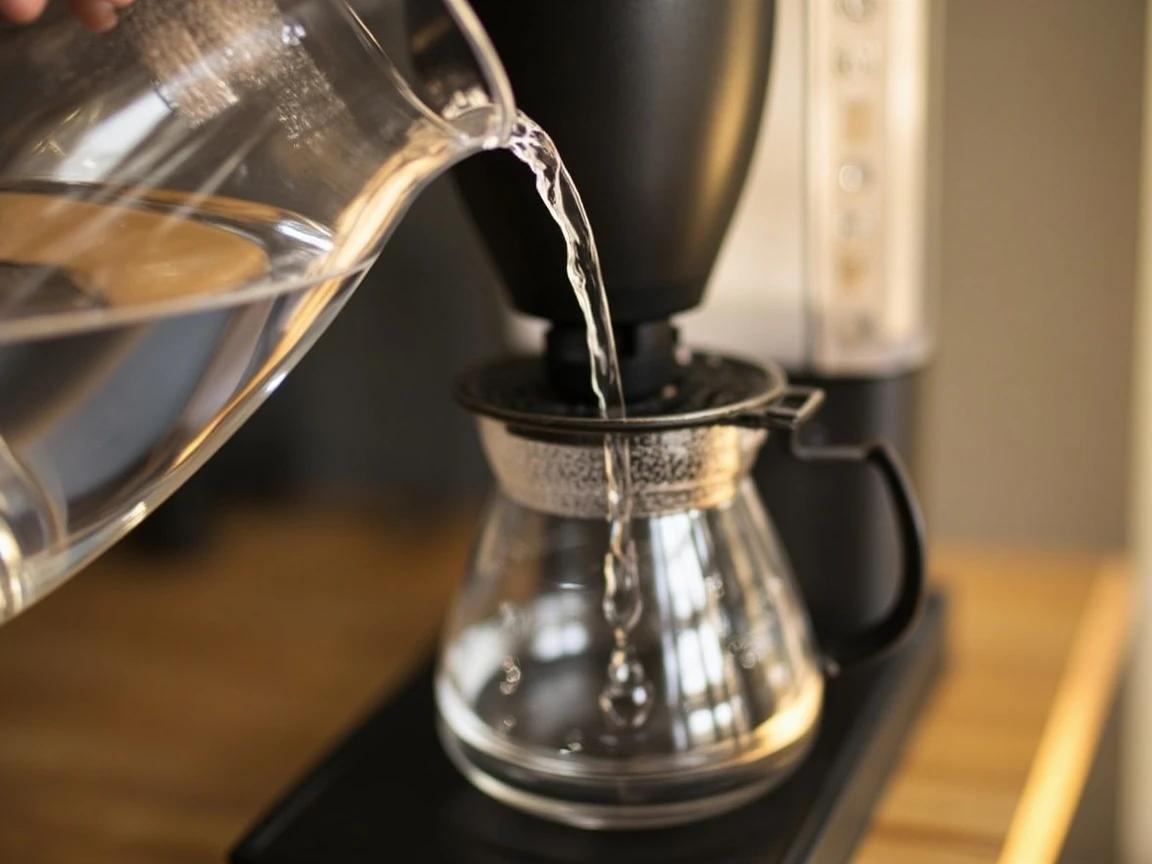
Skipping or shortening the rinse cycles is the number one complaint about home descaling — your next pot of coffee will taste sharply of vinegar for several brews. Do at least two full reservoirs of fresh-water flushing, three if you used vinegar.
Run a Third Rinse and Smell-Test
Run one more full reservoir of fresh water through the machine. After the cycle ends, pour a small amount of the rinse water into a clean cup and smell it — there should be no detectable vinegar or sour scent. If you can still smell vinegar, run a fourth and even fifth rinse cycle. Citric acid users typically only need 2 rinse cycles; vinegar users often need 3-4.
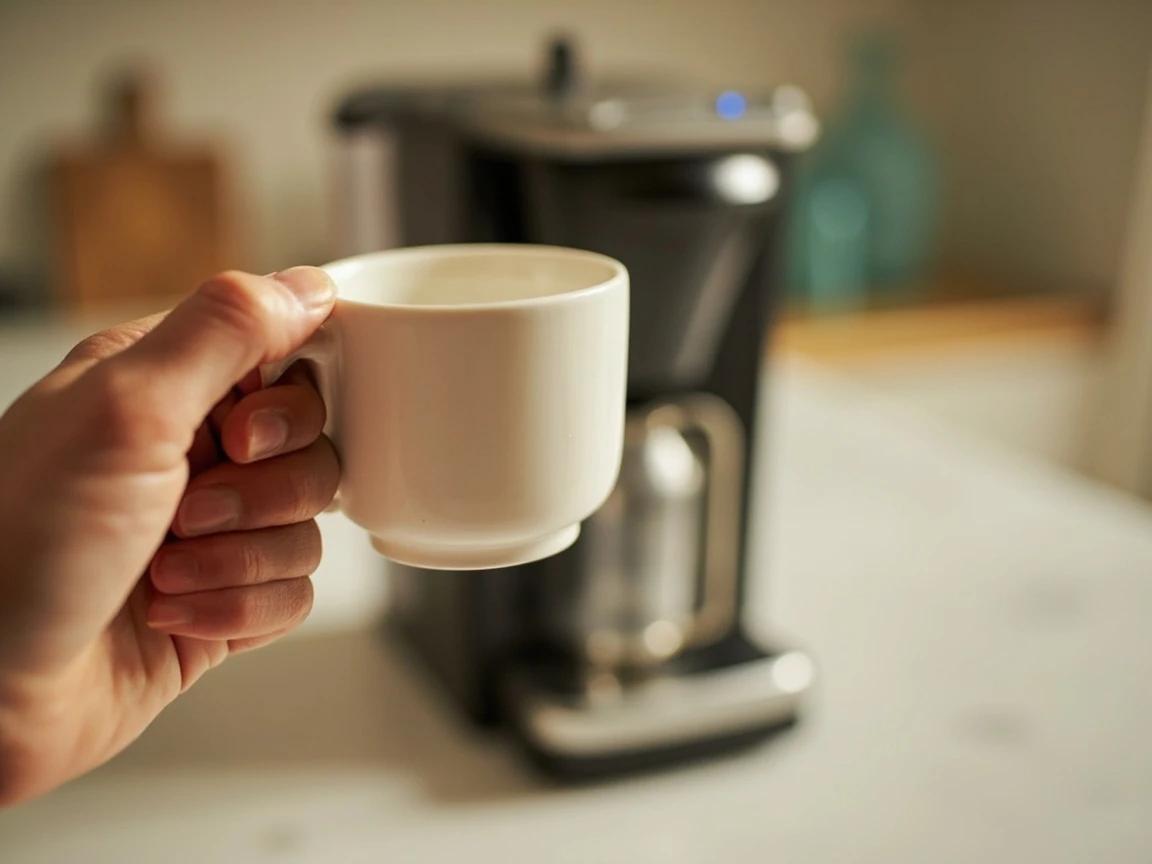
Reset the Descale Indicator and Reassemble
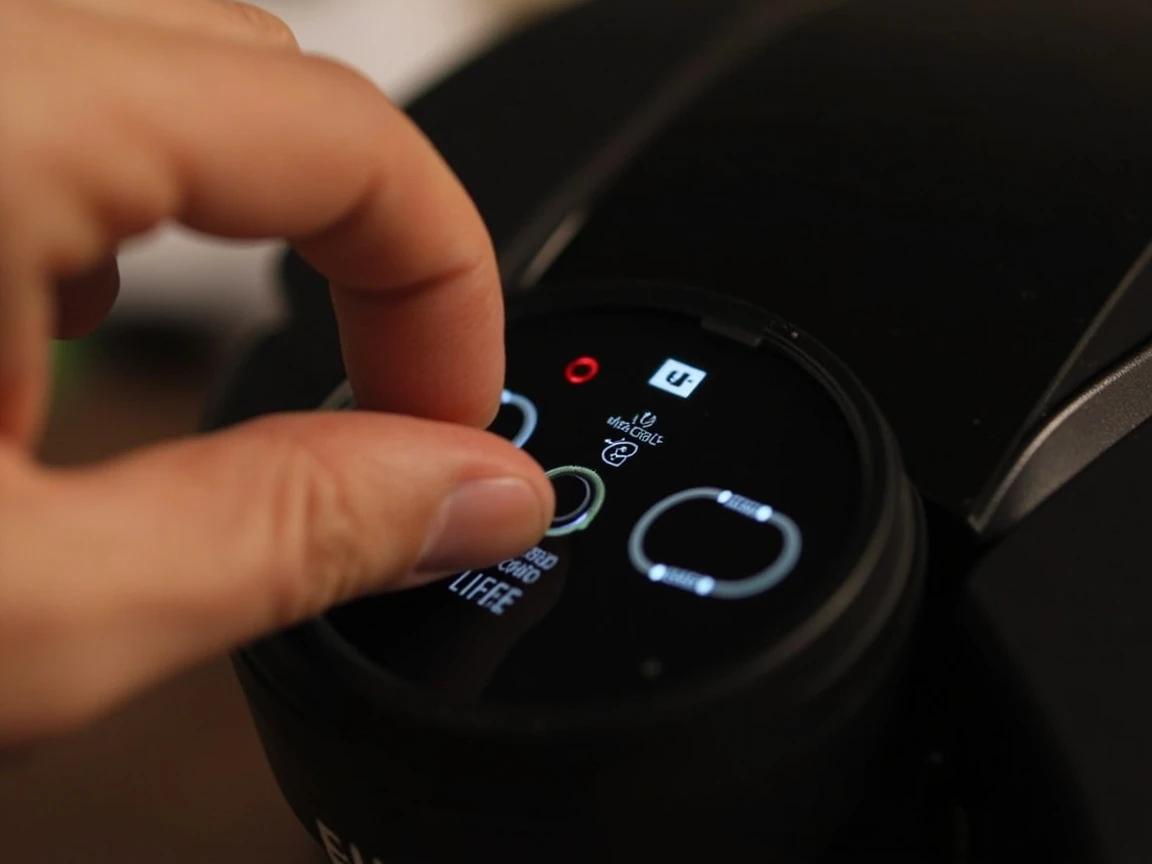
If your machine has a "Descale" light, reset it now. On most Keurig models, unplug for 5 minutes, plug back in, then press and hold the 8 oz and 10 oz buttons together for 5 seconds until the light turns off. On Cuisinart, hold the "Clean" button for 3 seconds. On Mr. Coffee, run one final brew cycle with plain water and the light auto-clears. Wipe down the machine exterior with a damp microfiber cloth, reinstall the cleaned filter basket, drip tray, and pod holder, and brew one more pot of plain water before making real coffee — a final taste-test pass.
Write the descale date on a small piece of masking tape stuck to the bottom of the reservoir, or set a recurring 60-day reminder on your phone. Most people forget when they last descaled, and the next reminder usually comes from the coffee tasting bad — by then you have already lost a few weeks of decent coffee.
Frequently Asked Questions
How often should I descale my coffee maker?
+
Every 1-3 months if you brew daily, or every 3-6 months for occasional use. If you have hard water (above 7 grains per gallon — most US municipal supplies), aim for monthly. Many modern Keurigs and drip machines have a "Descale" indicator light that triggers based on brew counts; trust the light over the calendar if you have one.
Is vinegar or citric acid better for descaling?
+
Citric acid is gentler, odorless, and rinses out faster — most baristas prefer it for daily-driver machines. Vinegar is cheaper and works fine for basic drip makers, but it lingers in plastic and rubber gaskets and can flavor the next several pots if you under-rinse. Use 2-3 teaspoons of food-grade citric acid per quart of water as a 1:1 substitute for the vinegar in any descaling recipe.
Can I use vinegar in my Keurig?
+
Yes, vinegar is safe for all standard Keurig home models (K-Classic, K-Mini, K-Slim, K-Elite, K-Supreme, K-Duo). Use a 50/50 mix of distilled white vinegar and water. Avoid vinegar in commercial Keurig K-3000/K-4000 office models and any espresso-style machine with an aluminum boiler — those need citric acid or the OEM Keurig Descaling Solution.
My "Descale" light won't turn off after I cleaned it. What now?
+
Most machines need a manual reset. On a Keurig, unplug for 5 minutes, plug back in, then press and hold the 8 oz and 10 oz buttons together for 5 seconds. On Cuisinart and Mr. Coffee drip models, hold the "Clean" button for 3-5 seconds after the cycle completes. If the light persists, the descale was incomplete — run another half-cycle of vinegar/citric acid solution and let it soak longer (90 minutes instead of 30).
Why does my coffee still taste like vinegar after descaling?
+
You did not rinse enough. Vinegar soaks into porous plastic and rubber gaskets and slowly leaches back out over multiple brews. Run at least 3 full reservoirs of fresh, filtered water through the machine — using tap water for rinses re-deposits minerals and defeats the descaling. If the taste persists after 5 rinse cycles, soak the removable reservoir overnight in a baking-soda-and-water solution to neutralize the acid.
Sources & further reading
- How to Descale your Keurig Coffee Maker — Keurig
- How to clean and descale a coffee maker — KitchenAid
- How to Use Citric Acid to Descale Your Coffee Machine — The Kitchn
More Appliance Repair Guides
View all →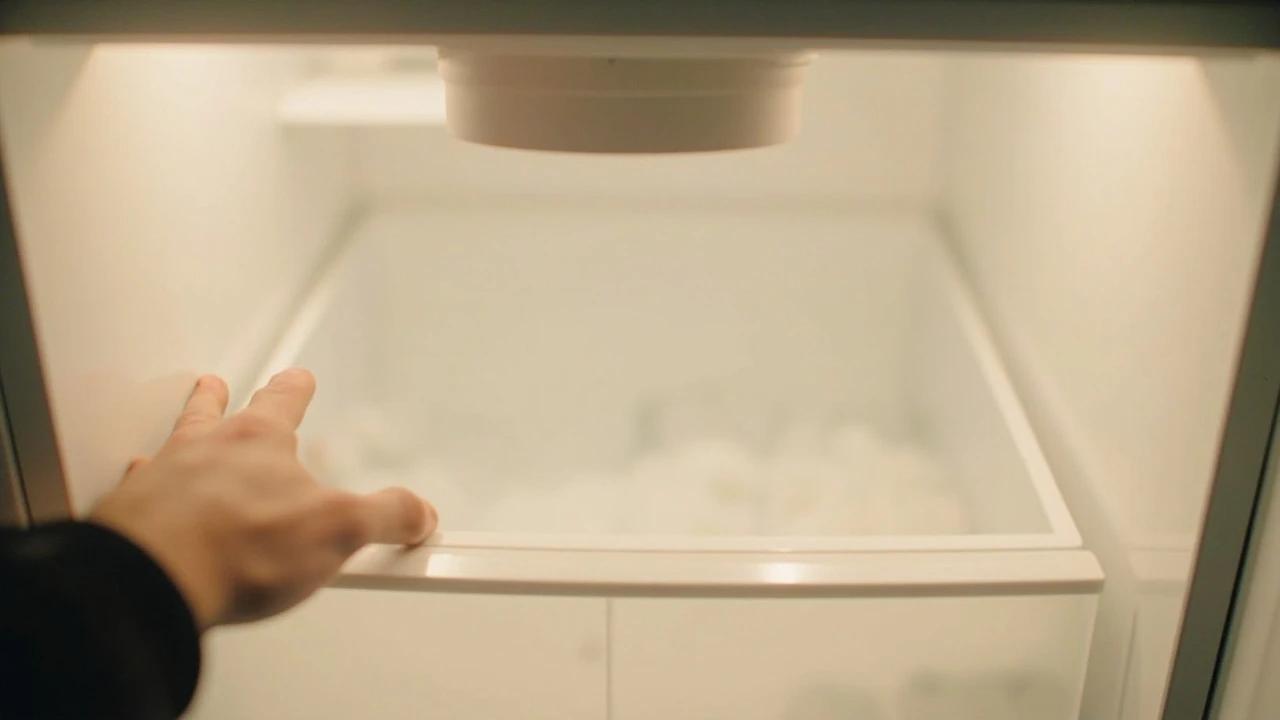 Medium1 hr
How to Fix an Ice Maker
A refrigerator ice maker that quits is almost always a cheap, fixable problem — not a dead appliance. The trick is to work the causes cheapest-first instead of replacing parts at random: nine times out of ten it's a clogged water filter, a frozen fill tube, or a freezer that's drifted too warm, all of which cost little or nothing to fix. This guide walks the full diagnostic flow in order, from the free checks to swapping the inlet valve or ice-maker module, so you replace a part only after you've proven it's the culprit.
 Easy25 min
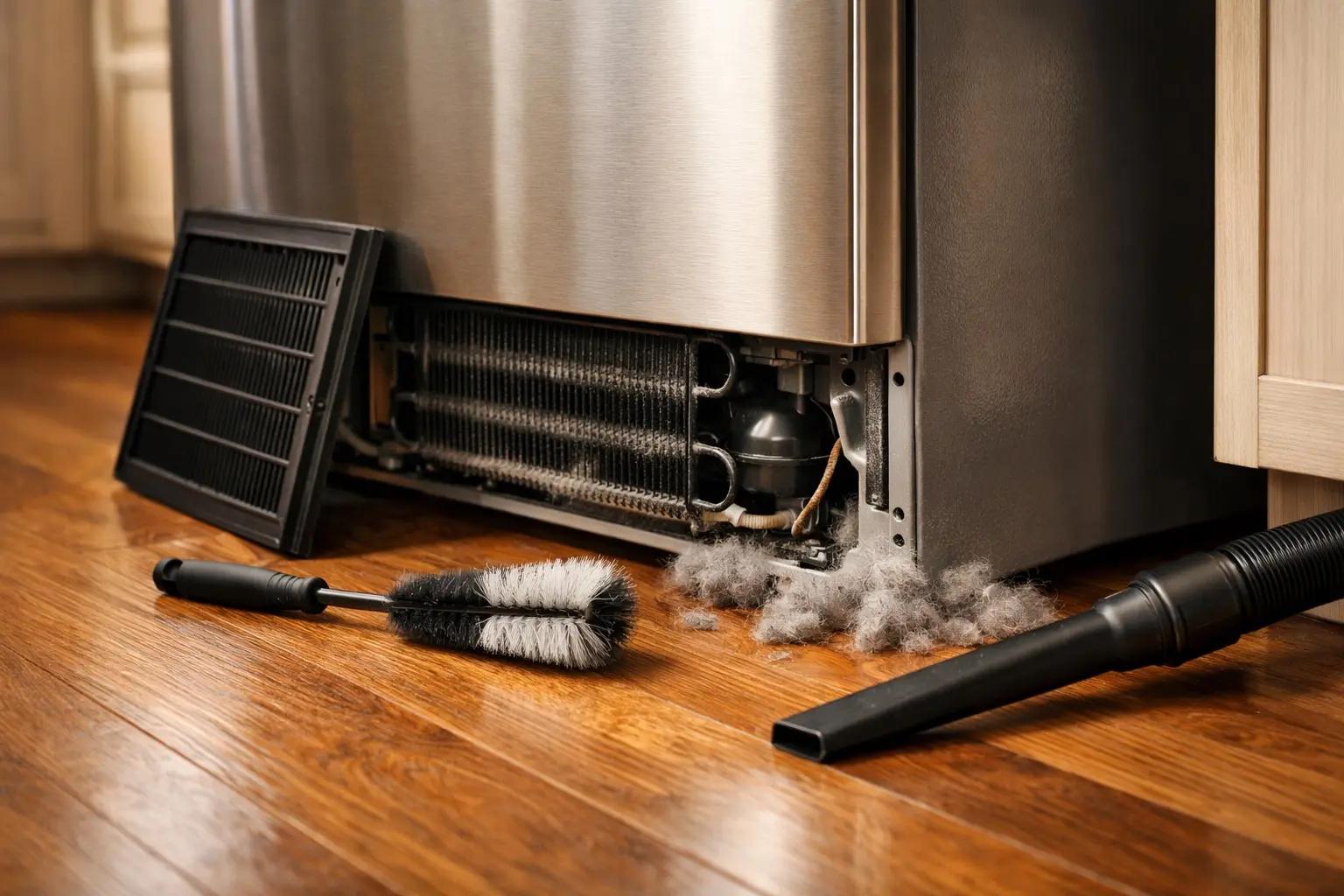
How to Clean a Refrigerator Condenser Coil
Dirty condenser coils are the number-one cause of refrigerator inefficiency — they force the compressor to run longer and harder, driving up your electricity bill by 10-25% and shortening the appliance's lifespan. Cleaning them takes about 20 minutes with a brush and vacuum, and the improvement in cooling performance is immediate. This guide covers locating coils on both bottom-mount and rear-mount models, safe cleaning technique, and a maintenance schedule to keep your fridge running at peak efficiency.
 Easy45 min
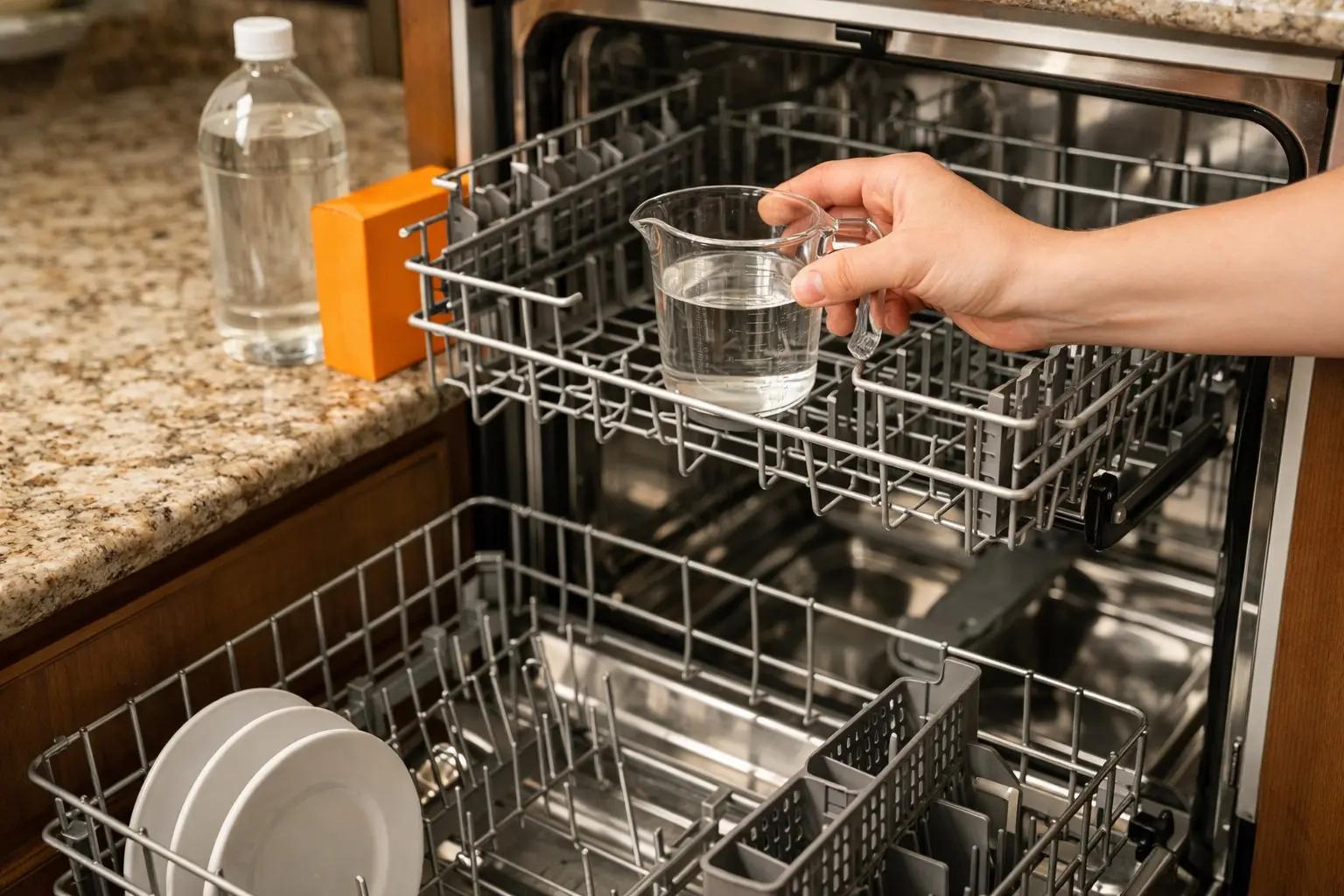
How to Deep Clean a Dishwasher
A dishwasher that smells, leaves residue on glasses, or doesn't drain properly is almost always a cleaning problem, not a mechanical one — and a deep clean takes about 30 minutes of hands-on work plus two empty cycles. Food particles, grease, mineral deposits, and mold accumulate in the filter, spray arms, and door gasket over time, reducing cleaning performance and creating odors. This guide walks through every hidden spot so your dishwasher runs like new.
You Might Also Like
 Medium6 hrs
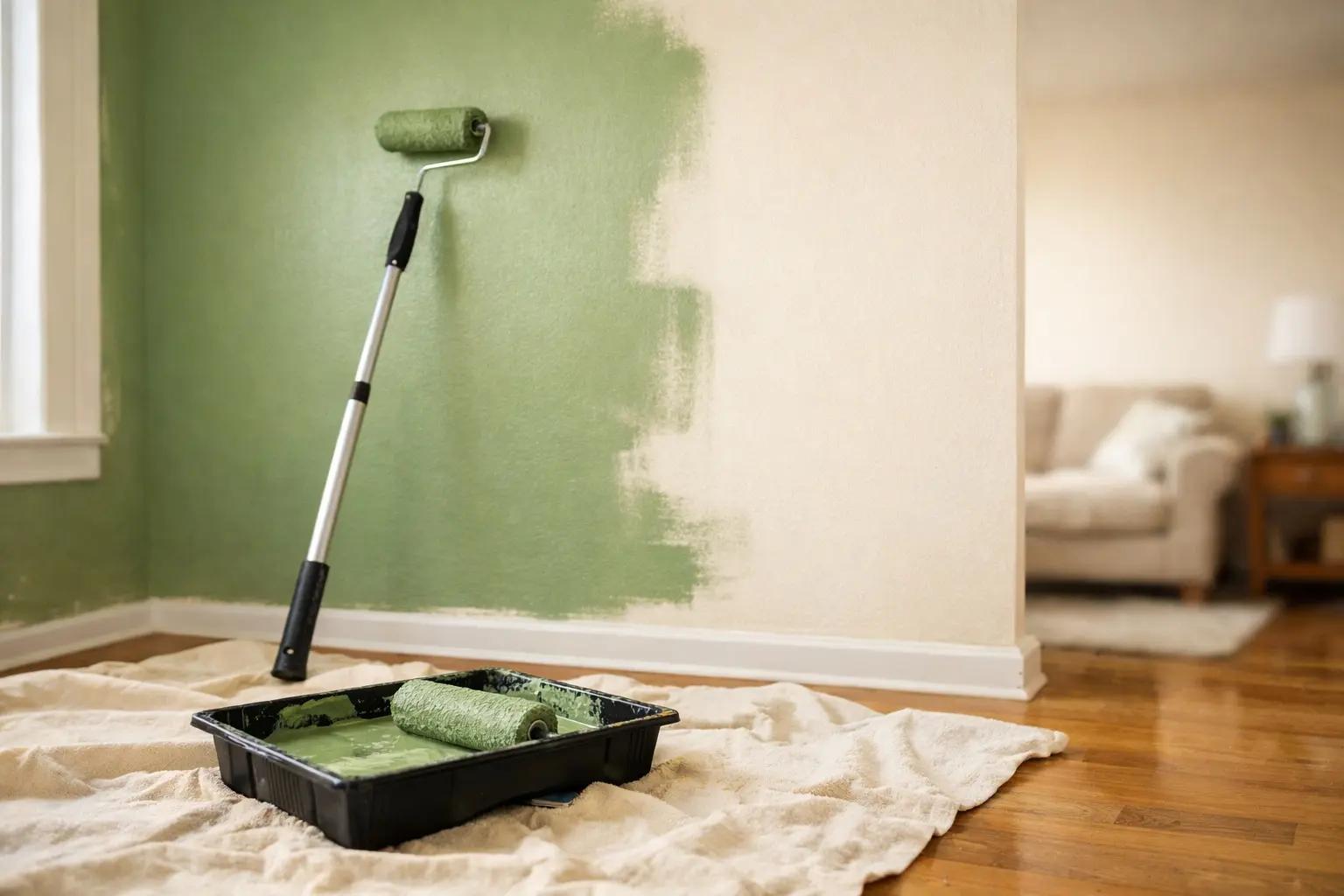
How to Paint a Room
A fresh coat of paint is the fastest, cheapest way to transform any room — and doing it yourself saves $400-800 in labor for an average 12x12-foot bedroom. The job takes a weekend from prep to final coat, and the difference between an amateur-looking result and a professional finish comes down to technique, not talent. This guide covers prep, cutting in, rolling, and cleanup so you get clean lines and even coverage the first time.
 Easy30 min
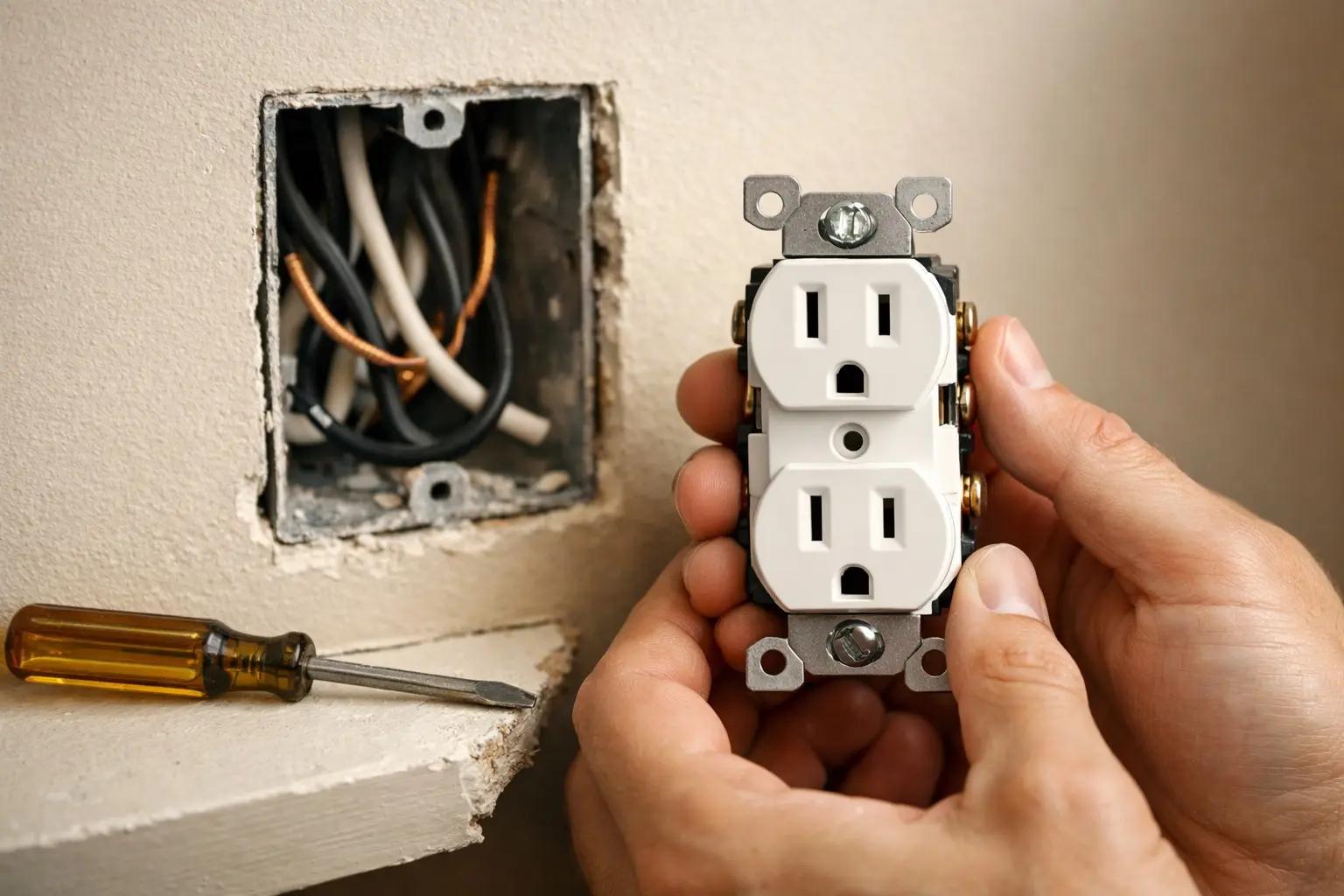
How to Replace an Electrical Outlet
A worn-out or discolored electrical outlet is one of the simplest electrical repairs you can tackle yourself — swapping one takes about 15-30 minutes and costs under $5 in parts versus $75-150 for an electrician visit. This guide walks you through safely replacing a standard duplex receptacle, including how to handle the wiring correctly and avoid the most common DIY mistakes.
 Medium45 min
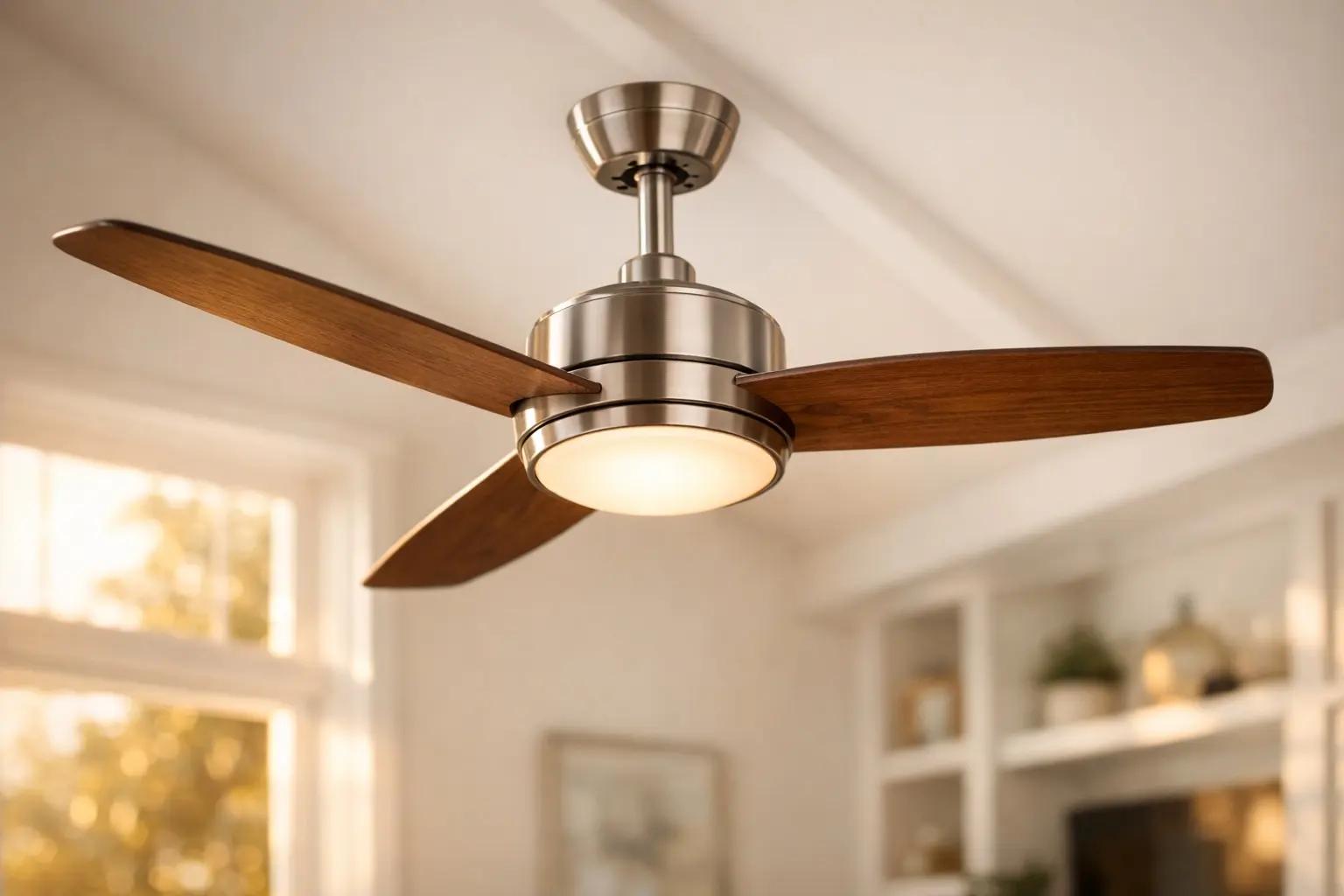
How to Install a Ceiling Fan
Replacing a light fixture with a ceiling fan improves air circulation in summer and can reduce heating costs in winter by circulating warm ceiling air downward. Most installs take 45-60 minutes.