How to Inspect Your Roof for Damage


Most roof failures announce themselves months in advance — a few lifted shingles, a stripe of missing granules, a rust line on the flashing — to anyone who actually looks. The good news: you can catch nearly all of it from the ground with binoculars and from inside the attic with a flashlight, no roof-walking required. This free 60-minute inspection, done twice a year and after every big storm, is the difference between a $300 repair and a $12,000 replacement.
What You'll Need
🛠 Tools
Safety First
- •This is a from-the-ground and from-the-attic inspection — stay off the roof. Walking a roof risks a fall and can crack brittle shingles underfoot; everything in this guide is visible without leaving the ground or the attic hatch.
- •In the attic, step only on the joists or laid decking — never between them. The drywall ceiling between joists will not hold your weight.
- •After a storm, watch for downed power lines before walking the perimeter, and never inspect during lightning, high wind, or while the roof is icy.
Step-by-Step Instructions
Pick the Right Time and Grab Binoculars
Inspect twice a year (spring and fall) and after any storm with serious wind or hail. Choose early morning or late afternoon — low-angle raking light throws shadows that make lifted shingles, dents, and waves jump out in a way flat midday light hides. Bring binoculars or use your phone camera's zoom, and start a notes list; you're going to photograph and log everything suspicious so you can compare next season.

Photograph the same views every inspection from the same spots. A side-by-side comparison makes slow changes — creeping granule loss, a curling patch spreading — obvious at a glance.
Circle the House and Read the Shingles
Walk the full perimeter 30-40 feet out and glass every roof plane. You're looking for missing shingles or tabs (exposed black underlayment), cracked or torn shingles, and curling — edges cupping upward or centers rising while the edges stay flat, both signs of age. Pay attention to the pattern: damage clustered in one area usually means a wind event; even wear across the whole roof means age. Check the yard and bushes for shingle pieces while you walk.
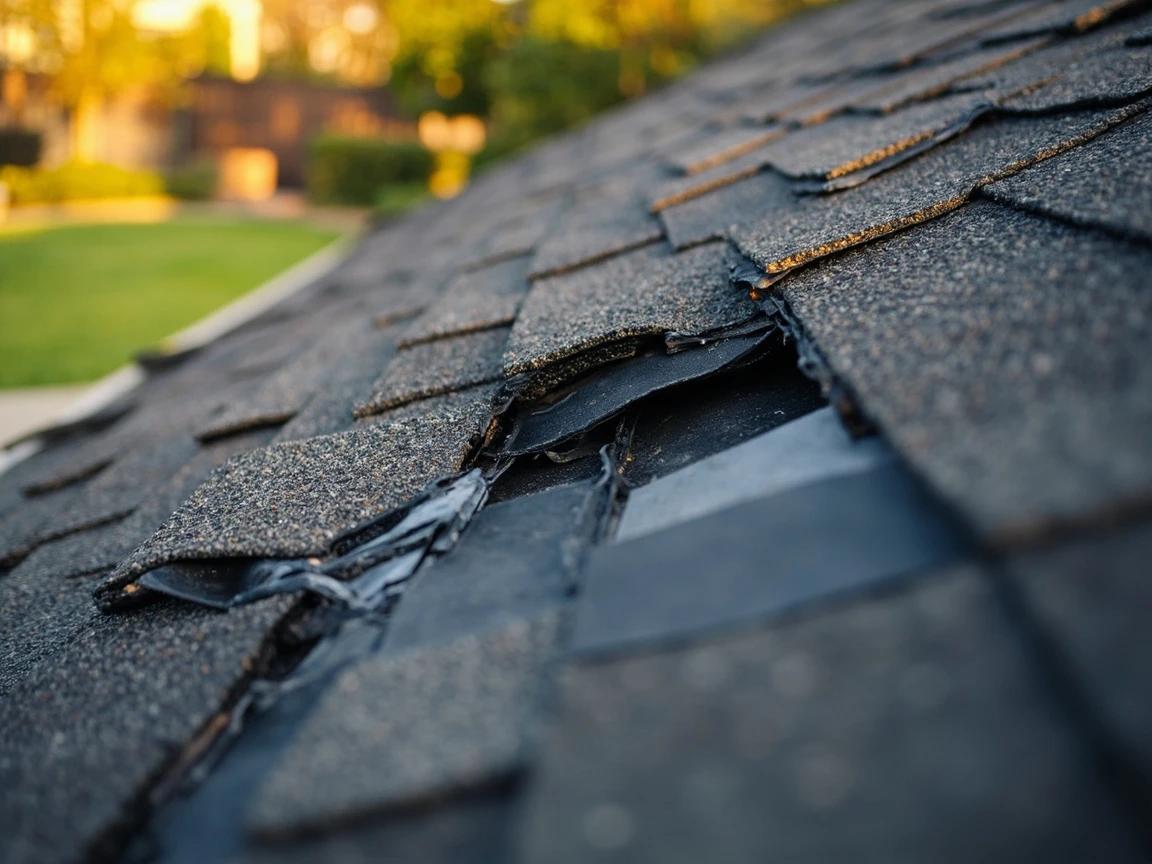
Look for Granule Loss and Bald Spots
Shingle granules are the sandy armor that protects the asphalt from UV. Scan for darker, shiny patches where granules have worn away — they often start where water concentrates, below valleys and roof edges. Then check the evidence at ground level: a layer of granules in the gutters or piling up below downspout outlets means the roof is shedding its protection. Light shedding on a newer roof is normal; heavy shedding on a 15+ year roof means the shingles are near the end.

Sight the Ridge Line for Sagging
Stand 50 feet back where you can see the full ridge — the top line of the roof — and sight along it like a carpenter sighting a board. It should read straight and crisp. Any dip, wave, or belly means trouble below the shingles: water-weakened decking, undersized framing, or a structural problem, and it will not improve on its own. Repeat for the eaves and any long horizontal lines on each side of the house.

A sagging ridge or visible dip in a roof plane is a structural red flag — skip the DIY monitoring and have a roofer or structural contractor evaluate it promptly. Decking rot spreads, and the repair cost climbs with it.
Check the Flashing at Every Penetration
Flashing — the metal that seals the chimney, plumbing vent pipes, skylights, and roof valleys — fails more often than the shingles around it. Glass each penetration and look for rust streaks, lifted or bent metal, separated step flashing climbing the chimney sides, and cracked or shrunken sealant lines. Rubber vent-pipe boots deserve special attention: the rubber cracks with UV after 10-15 years and is one of the most common sources of mystery leaks.
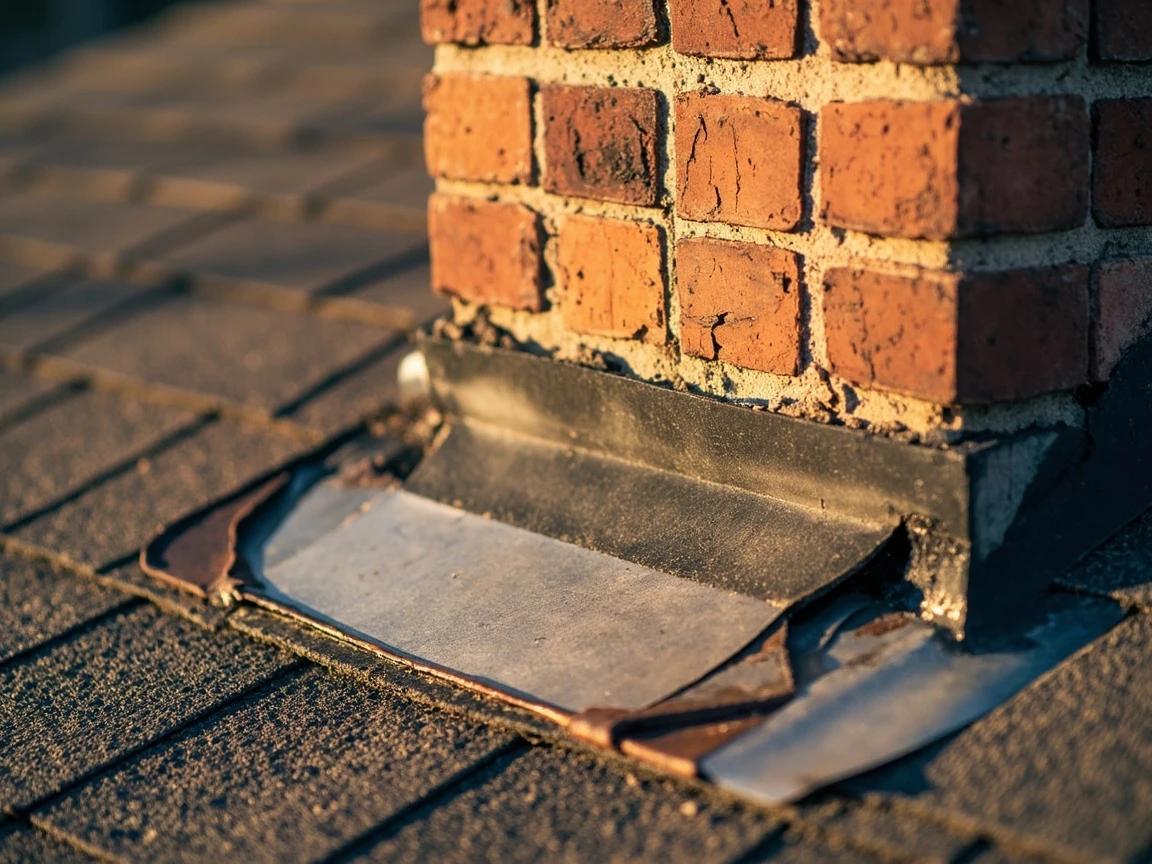
Inspect the Roof Edges: Gutters, Soffits, and Fascia
From the ground (or two steps up a stepladder — no higher), look along the roof's edges. Gutters pulling away, water stains striping the fascia boards behind them, peeling paint, and soft or discolored soffit panels under the eaves all point to water escaping where it shouldn't. Dark streaks down the siding below the roofline tell the same story. These edge symptoms often show up before anything looks wrong on the roof surface itself.
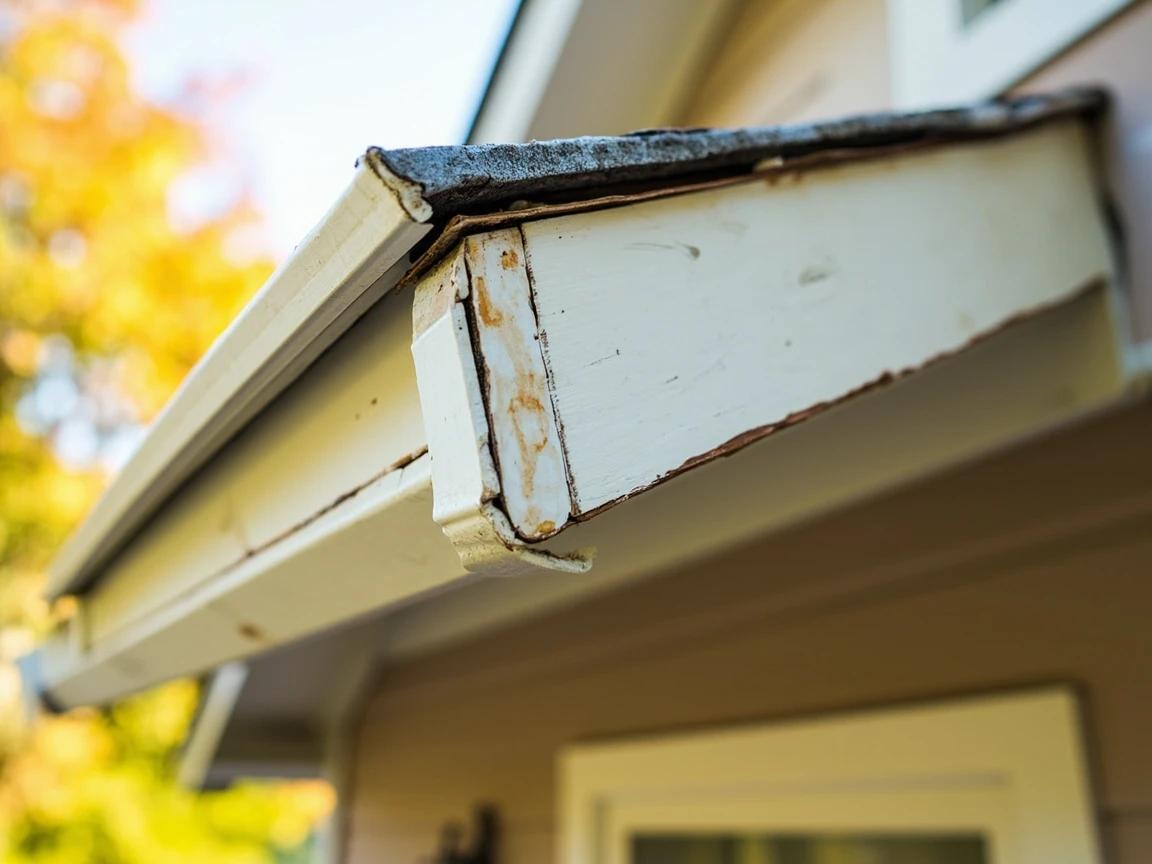
Go Into the Attic With a Flashlight
The attic tells you whether water is actually getting through. First, lights off: look up at the underside of the roof for pinpoints of daylight — any visible light is a hole (small nail holes matter less than gaps at penetrations, but log them all). Then with the flashlight, sweep the decking for dark water stains, streaks down the rafters, damp or matted insulation, rusted nail tips, and white mineral deposits. A musty smell is a moisture finding even when nothing looks wet.
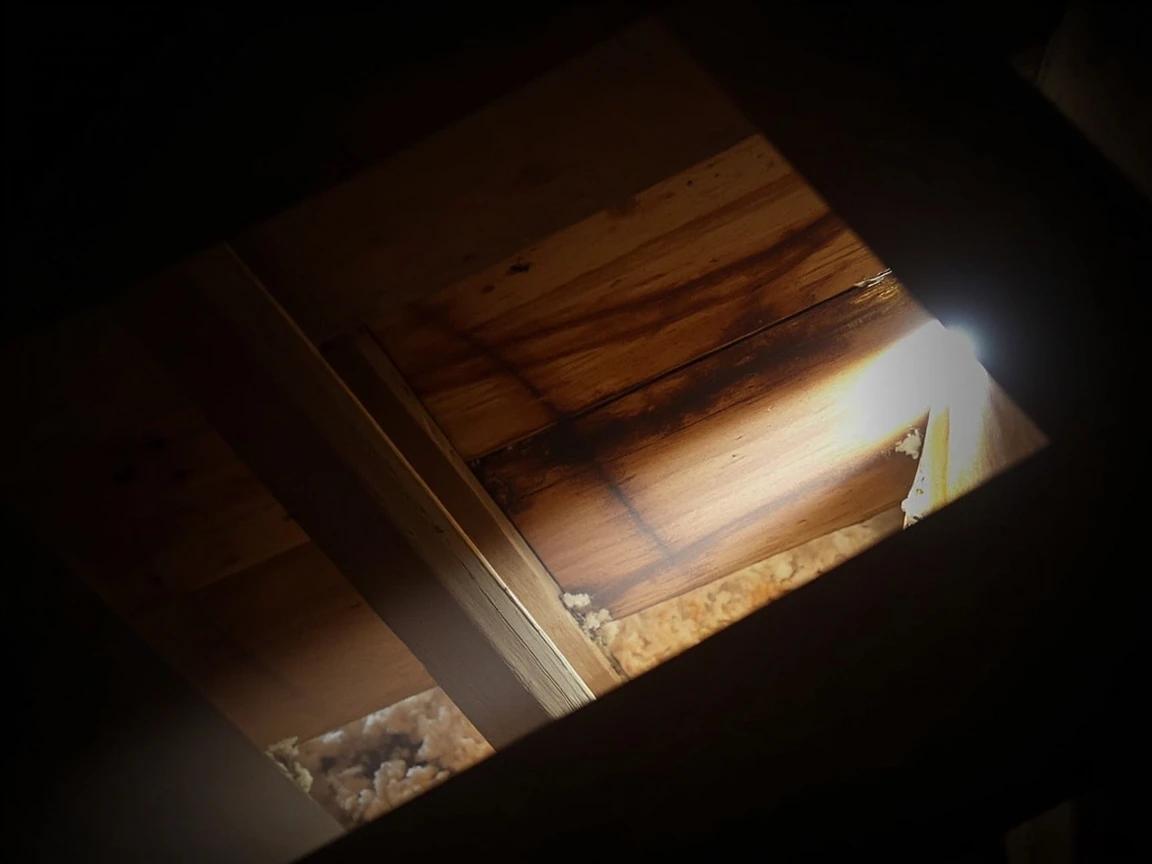
Step only on the joists or laid decking boards, never on the drywall between them, and mind roofing nails poking through overhead. If insulation covers the joists, stay at the hatch and inspect by flashlight from there.
Scan the Ceilings and Walls Inside
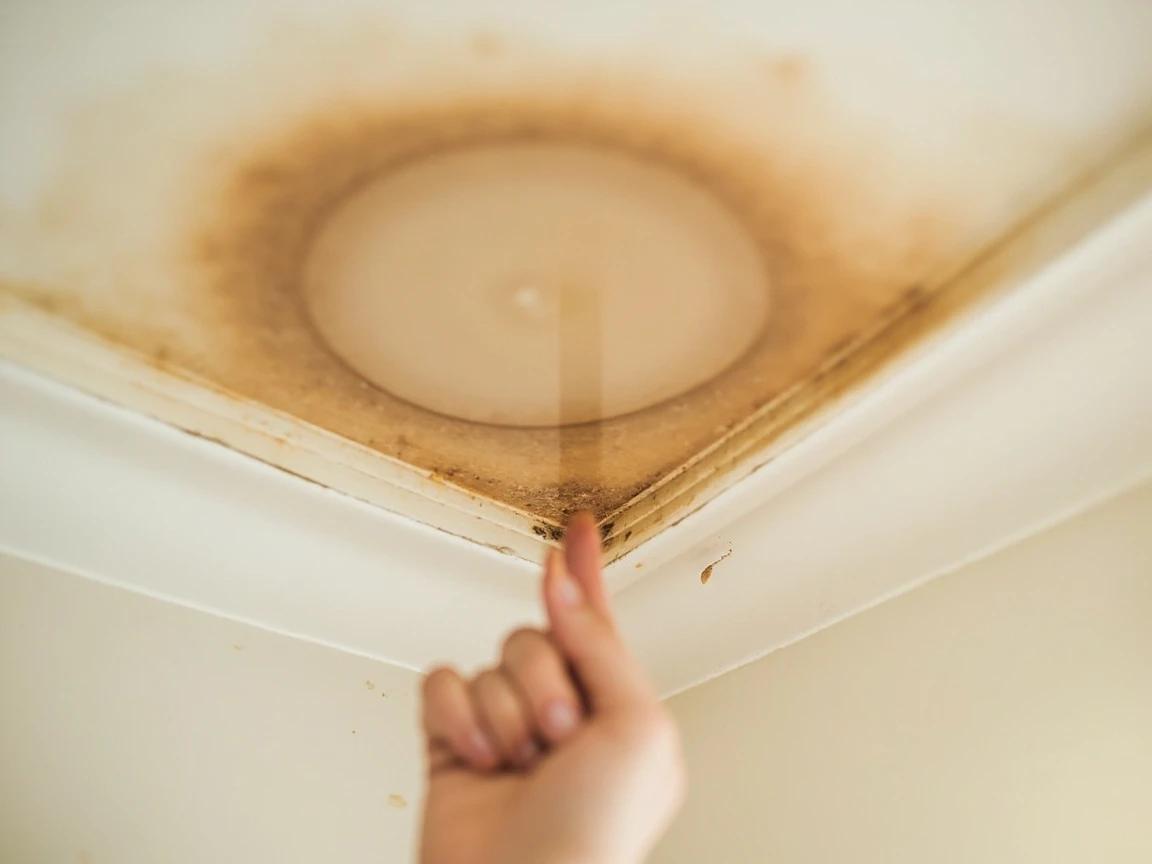
Finish inside the living space. Walk the top floor and look for tan or brown rings on ceilings, bubbling or peeling paint near exterior walls, and stains around skylights, the chimney chase, and bathroom fans — water travels along framing, so a stain often appears several feet from the actual roof hole. Press a suspicious stain gently: dampness means an active leak that needs a roofer now, not at the next inspection.
Document, Decide, and Schedule
Review your photos and notes against three buckets. Monitor: minor curling, light granule shedding, one suspect spot — recheck next season with comparison photos. Repair soon: a few missing tabs, one bad vent boot, a small flashing gap — these are $150-500 fixes that prevent four-figure decking repairs. Call a pro now: storm clusters, sagging, active leaks, daylight in the attic, or a roof past 15-20 years. For storm damage, call your insurer promptly with your dated photos — claims have time windows.

Keep every inspection's photos in one dated album. If you ever file a storm claim, before/after documentation is the single strongest card you can hold with the adjuster.
Frequently Asked Questions
How often should I inspect my roof?
+
Twice a year — spring and fall — plus after any major storm with high wind or hail. The seasonal checks catch slow wear like granule loss and curling before it leaks; the post-storm check catches sudden damage while an insurance claim is still straightforward to document and file.
Can I inspect my roof without getting on it?
+
Yes, and you should. Binoculars from 30-40 feet back reveal missing tabs, curling, granule loss, and flashing problems, and the attic shows you whether water is actually getting in. Roofers walk roofs with fall protection and the experience to not crack shingles underfoot — for a homeowner, the ground-plus-attic inspection finds the same problems at zero risk.
What does wind damage look like on a roof?
+
Wind damage shows up as clusters: a patch of missing or creased shingles in one area (usually near the ridge or edges) rather than even wear across the whole roof. Look for tabs folded back or torn off, exposed black underlayment, and shingle pieces in the yard. Creased shingles that lifted in the wind and flapped will leak even though they're still attached.
What are roof granules and why are they in my gutters?
+
The sandy coating on asphalt shingles shields the asphalt from UV. A small amount of shedding is normal — especially on a new roof — but heavy granule accumulation in gutters and at downspout outlets on an older roof means the shingles are wearing out. The tell on the roof itself is dark, shiny 'bald' patches where the asphalt shows through.
When should a roof be professionally inspected?
+
Get a pro inspection when your roof passes 15-20 years old, after any hail event or major windstorm (insurers expect documented, prompt claims), before buying or selling a home, and whenever your own inspection turns up multiple warning signs or an interior stain you can't trace. Many roofers inspect free or cheap; an independent certified inspector gives you an opinion with no repair sale attached.
Sources & further reading
- How to Conduct a Roof Inspection from the Ground — GAF
- How to Identify Roof Damage and What to Look For — GAF
- Roof Inspection Checklist — National Roof Certification & Inspection Association
More Roofing & Siding Guides
View all →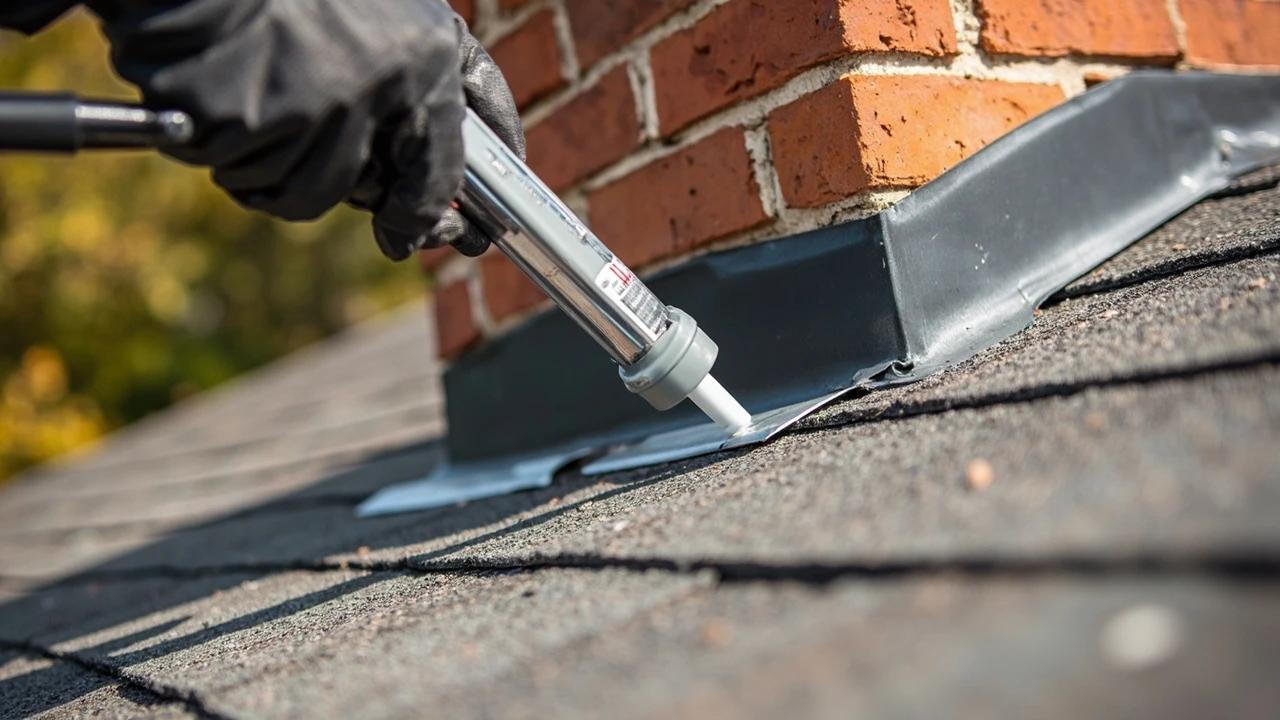 Medium2 hrs
How to Seal Roof Flashing Leaks
When a roof leaks, the flashing — not the shingles — is the culprit most of the time: a cracked rubber vent boot, a lifted piece of step flashing, or a failed bead of sealant at the chimney. These are $10-40 fixes if you catch them early, versus thousands once water rots the decking below. This guide shows you how to trace the leak to its flashing, make the right repair with the right sealant (not a smear of roofing tar), and test it — plus the honest line between a walkable one-story repair and a roofer's job.
 Medium1h 30m
How to Replace a Damaged Roof Shingle
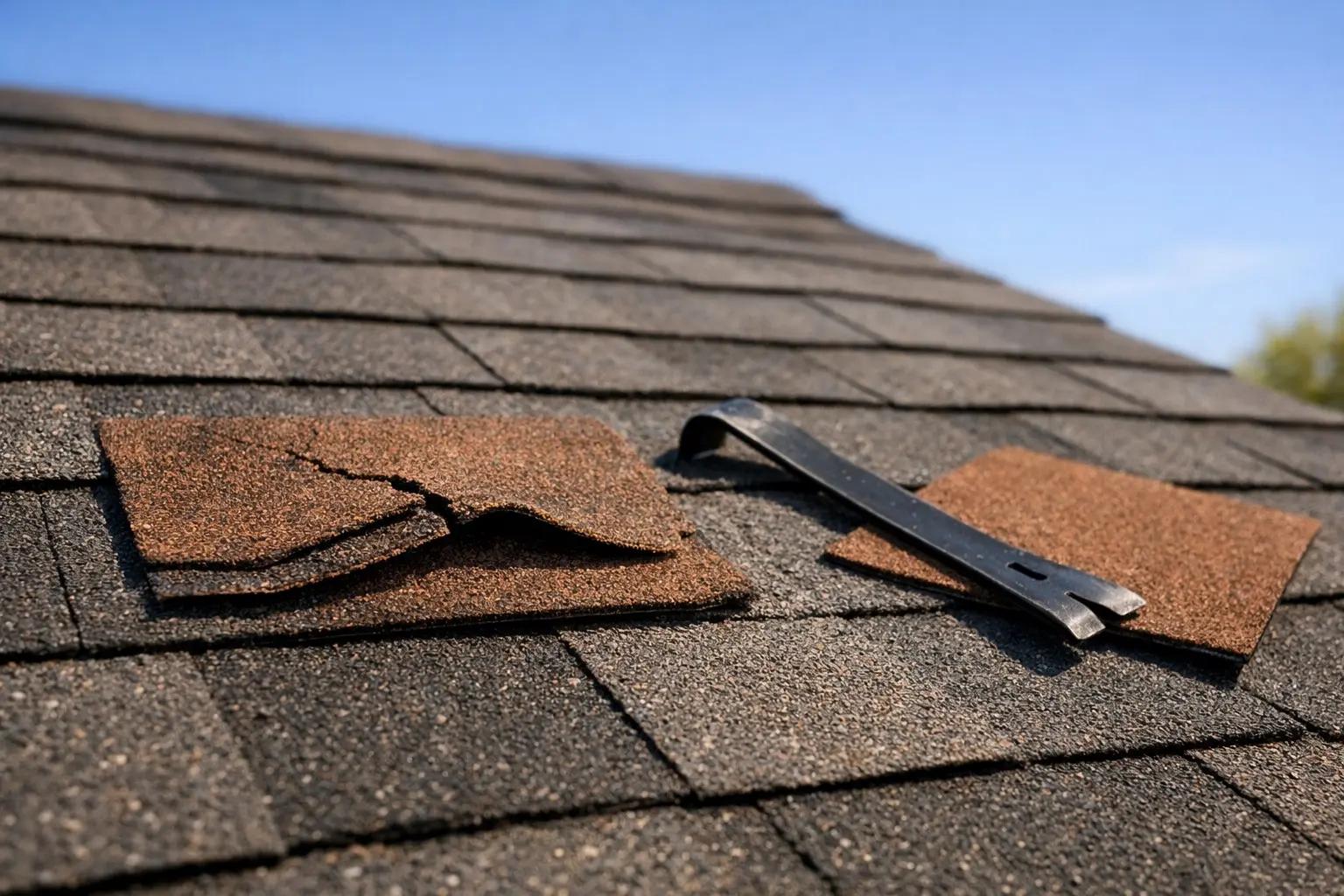
A cracked, curled, or missing shingle is more than cosmetic — it exposes the underlayment and roof deck to water, leading to leaks, mold, and structural rot that can cost thousands to repair. Replacing a single asphalt shingle takes about 60-90 minutes and under $50 in materials, versus $150-400 for a professional service call. This guide walks you through safe ladder setup, removing the old shingle without damaging surrounding ones, and sealing the replacement so it lasts.
 Medium2 hrs
How to Clean Gutters Safely
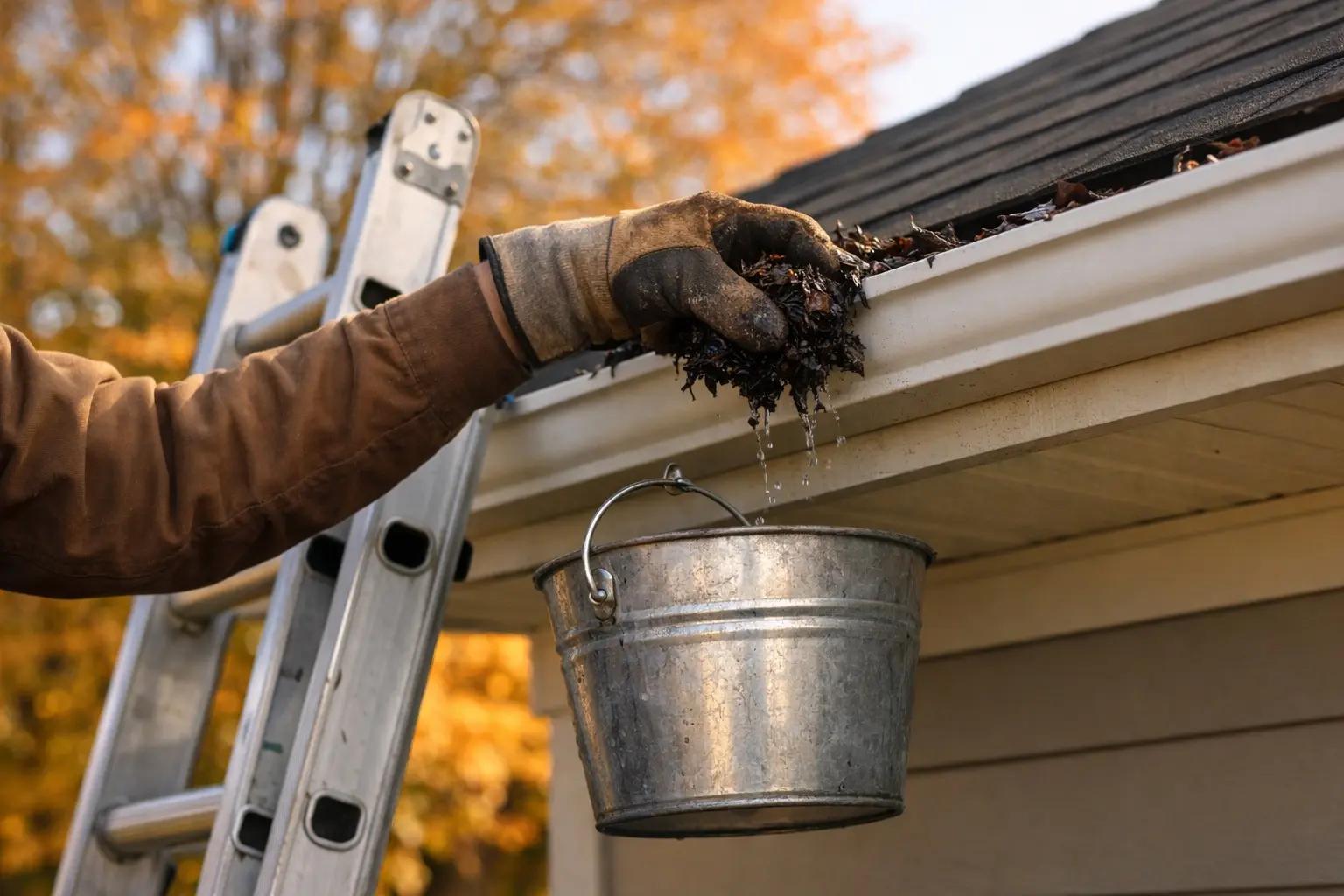
Clogged gutters cause water to overflow against the fascia, soffit, and foundation — leading to thousands of dollars in rot and water damage. Cleaning them twice a year takes about 1-2 hours and costs nothing if you already own a ladder, versus $150-300 for a professional service. This guide focuses on doing the job safely, because gutter cleaning is one of the top causes of ladder-related injuries at home.
You Might Also Like
 Medium6 hrs
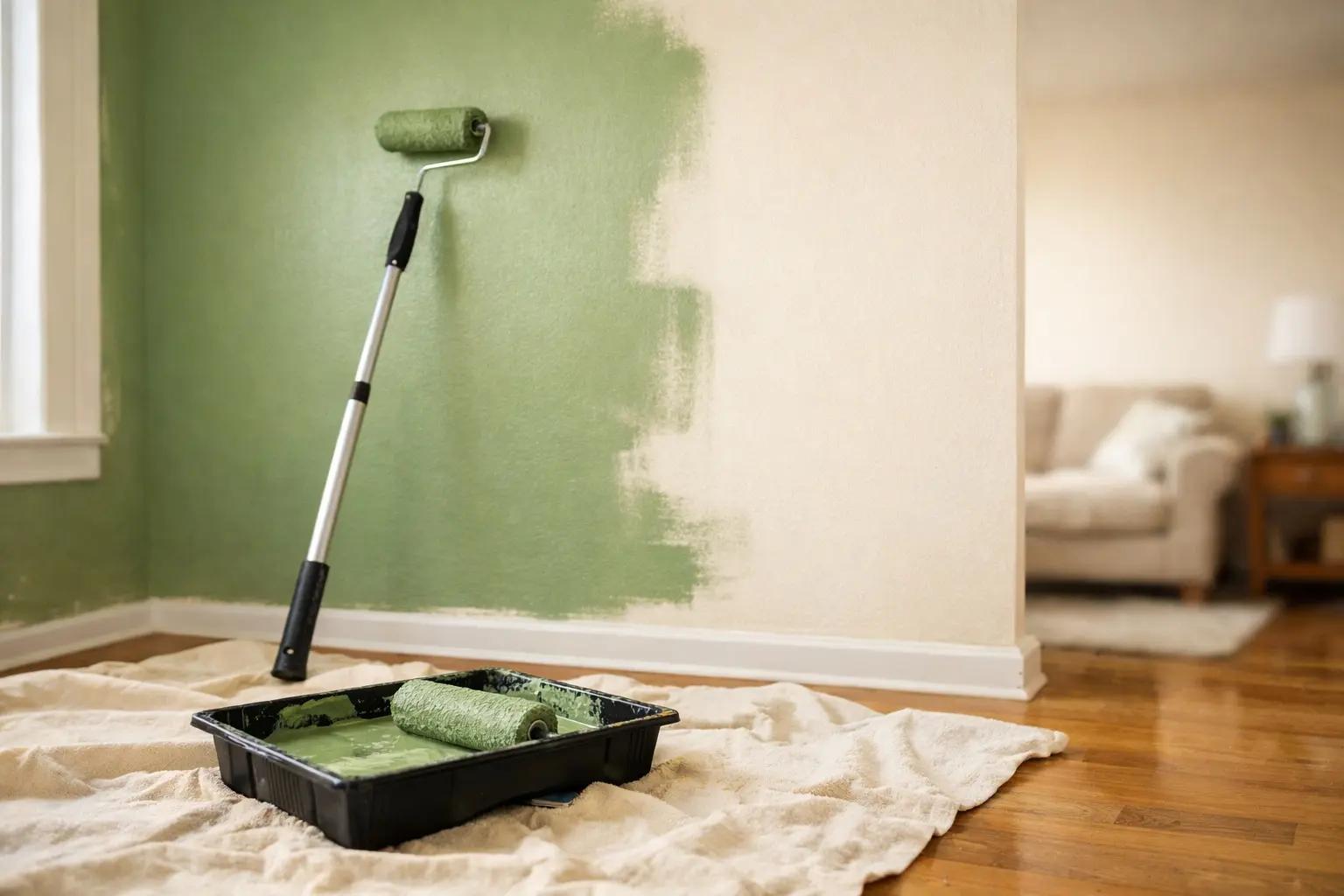
How to Paint a Room
A fresh coat of paint is the fastest, cheapest way to transform any room — and doing it yourself saves $400-800 in labor for an average 12x12-foot bedroom. The job takes a weekend from prep to final coat, and the difference between an amateur-looking result and a professional finish comes down to technique, not talent. This guide covers prep, cutting in, rolling, and cleanup so you get clean lines and even coverage the first time.
 Medium30 min
How to Troubleshoot a Microwave That Won't Heat
A microwave that runs — light on, turntable spinning, timer counting down — but leaves food stone cold is one of the most common appliance failures, and about half the time the cause is something you can fix in five minutes for free. This guide walks the diagnosis from the easy stuff (demo mode, power level, a tripped GFCI, a dirty door latch) to reading the failure signature that tells you the high-voltage circuit is gone, then helps you make the repair-or-replace call with real numbers.
 Medium45 min
How to Install a Ceiling Fan
Replacing a light fixture with a ceiling fan improves air circulation in summer and can reduce heating costs in winter by circulating warm ceiling air downward. Most installs take 45-60 minutes.