How to Install a Bathroom Exhaust Fan
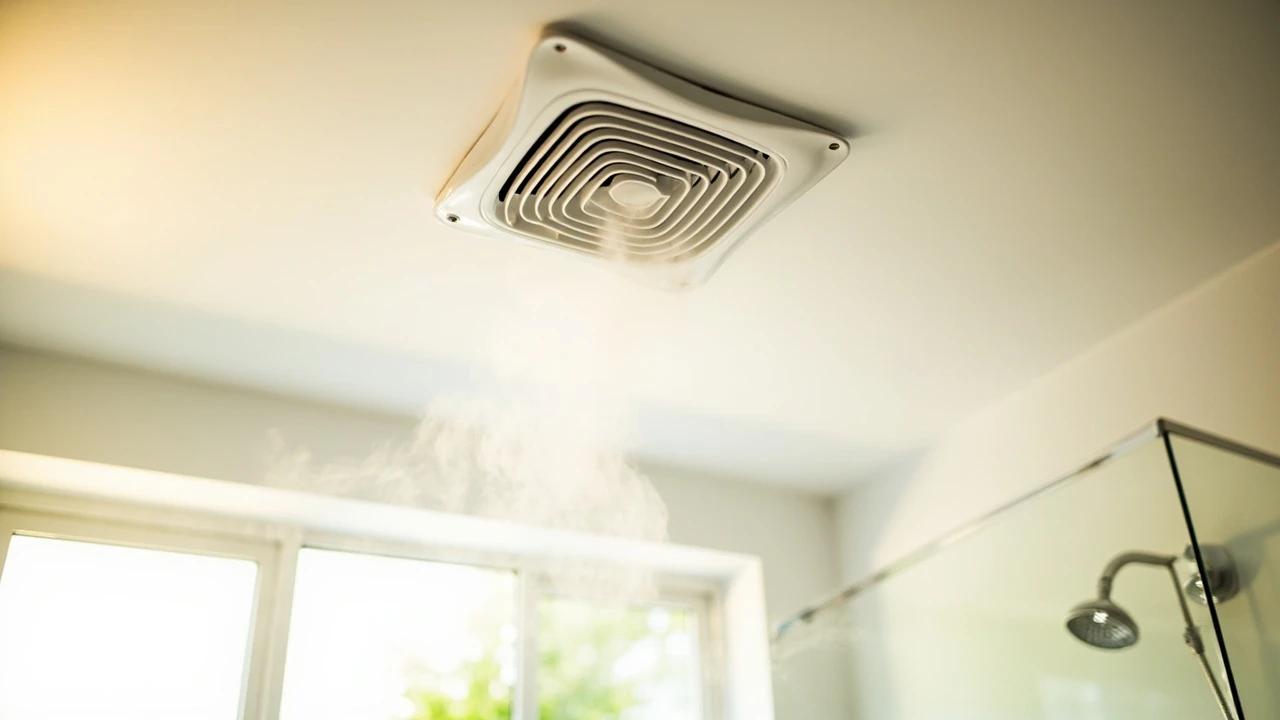

Replacing a loud, underpowered bathroom fan with a modern quiet model is one of the highest-impact upgrades you can make for under $150 — it kills mold-causing moisture, clears steam in a minute, and runs whisper-quiet while it does it. This guide walks you through a like-for-like replacement in an afternoon, covering CFM sizing, wiring, and ductwork so you end up with a fan that actually does its job.
What You'll Need
🛠 Tools
📦 Materials
Safety First
- •Always shut off power at the breaker and verify with a non-contact voltage tester before touching any wires — the fan's switch leg can still be live even when the fan is off.
- •Old fan housings often contain years of lint and dust — wear a respirator and goggles when you pull the grille, because disturbed debris rains straight down into your face.
- •Never vent the exhaust into an attic, soffit, crawl space, or between joists — trapped moisture causes mold, rot, and ceiling stains within a single season.
Step-by-Step Instructions
Size the Fan for Your Bathroom
Measure the length and width of the bathroom and multiply to get square footage. ASHRAE 62.2 sets a flat baseline of 50 CFM of intermittent mechanical ventilation for any bathroom with a tub or shower, regardless of floor area. The Home Ventilating Institute (HVI) recommends sizing fans at about 1 CFM per square foot of floor area (with a 50 CFM minimum) as an industry rule of thumb, which generally lands you on a standard 50, 80, or 110 CFM fan — a 7×10 bathroom (70 sq ft) typically ends up in the 80 CFM tier. For bathrooms larger than about 100 sq ft, or if you have a jetted or whirlpool tub, follow the tub manufacturer’s published CFM recommendation and check local mechanical code, which can require 80–110 CFM or higher. While you're shopping, look for a sone rating of 1.0 or lower for bedrooms and master baths — anything louder is miserable to listen to twice a day.
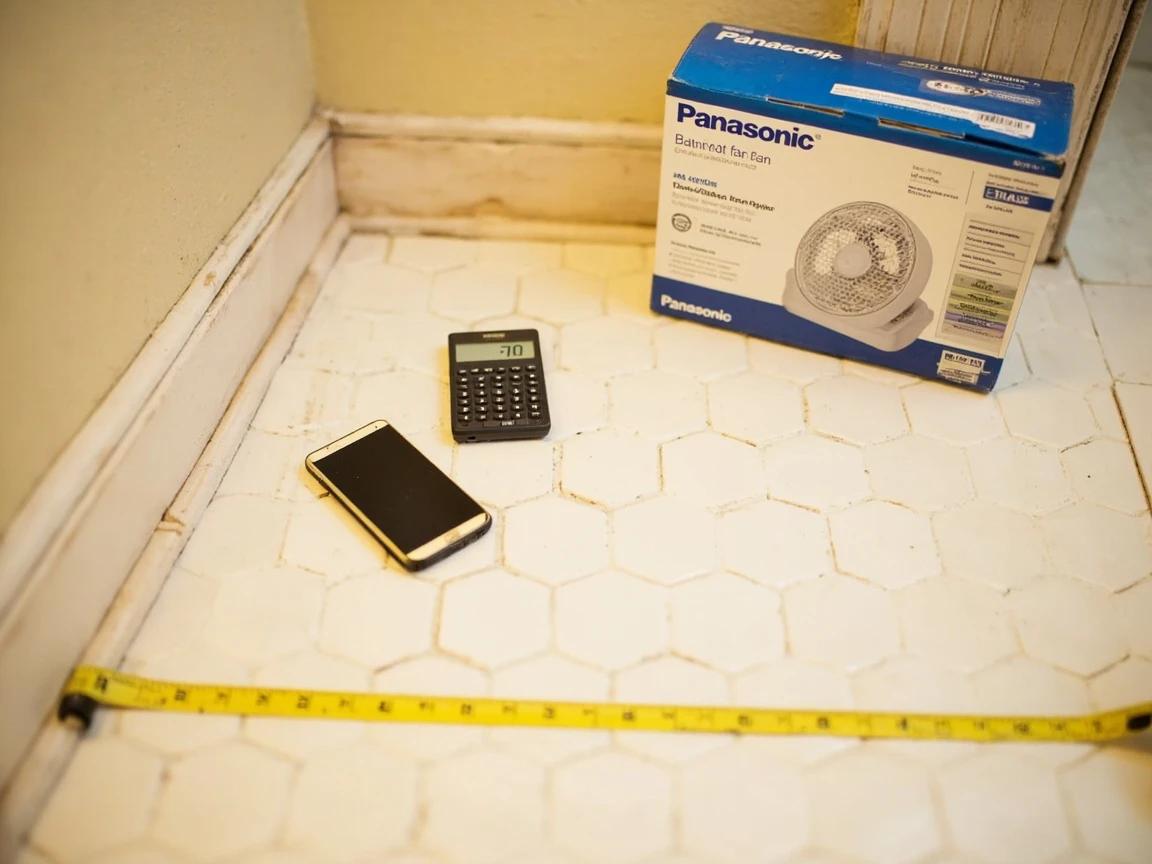
Check the existing housing's rough-opening dimensions before you buy a new fan — matching the hole size saves you from patching and re-cutting drywall.
Shut Off Power and Verify
Flip the breaker that feeds the bathroom fan switch at your main electrical panel and turn the fan and lights on in the bathroom to confirm they're dead. Climb the ladder with a non-contact voltage tester, pop the grille off the old fan, and hold the tester against every wire inside the housing — it should stay silent. Only then do you touch anything.
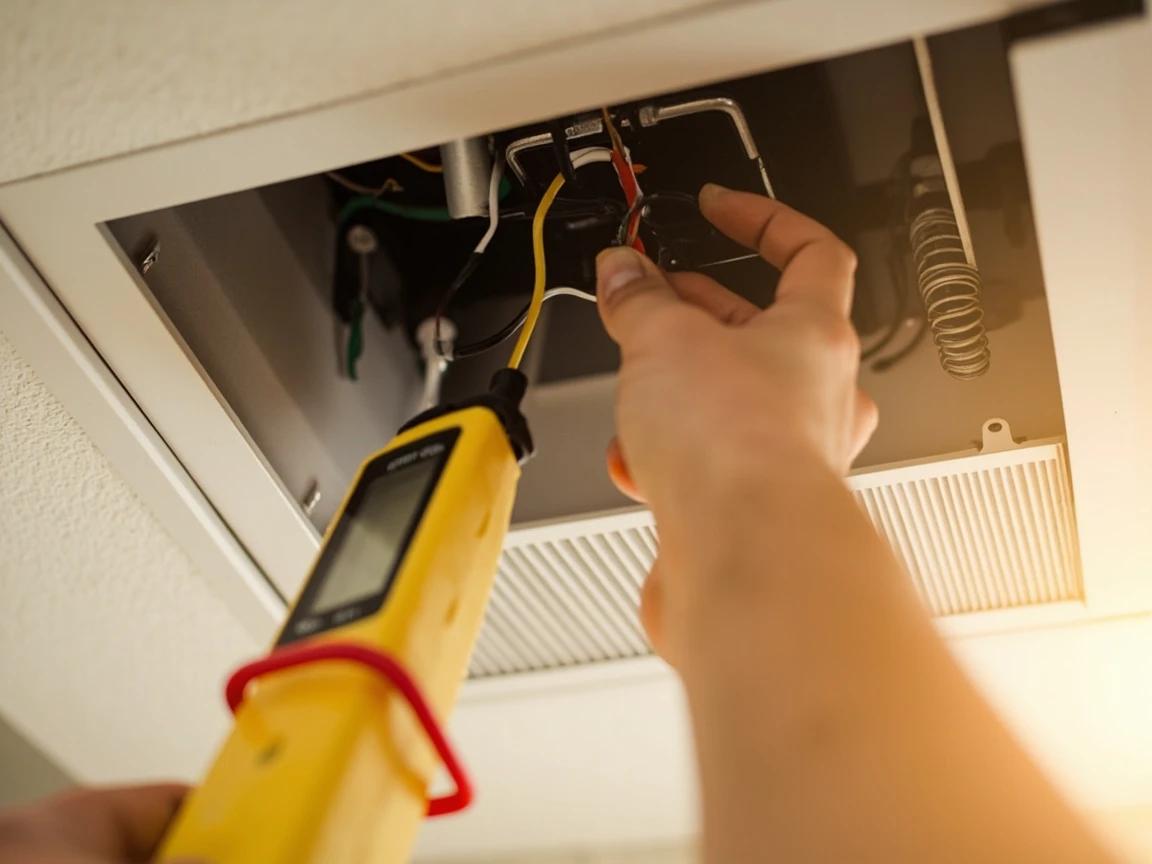
The switch leg can remain energized even when the fan is off — never skip the voltage test, and tape a note over the breaker so nobody flips it back while you're working.
Remove the Old Fan
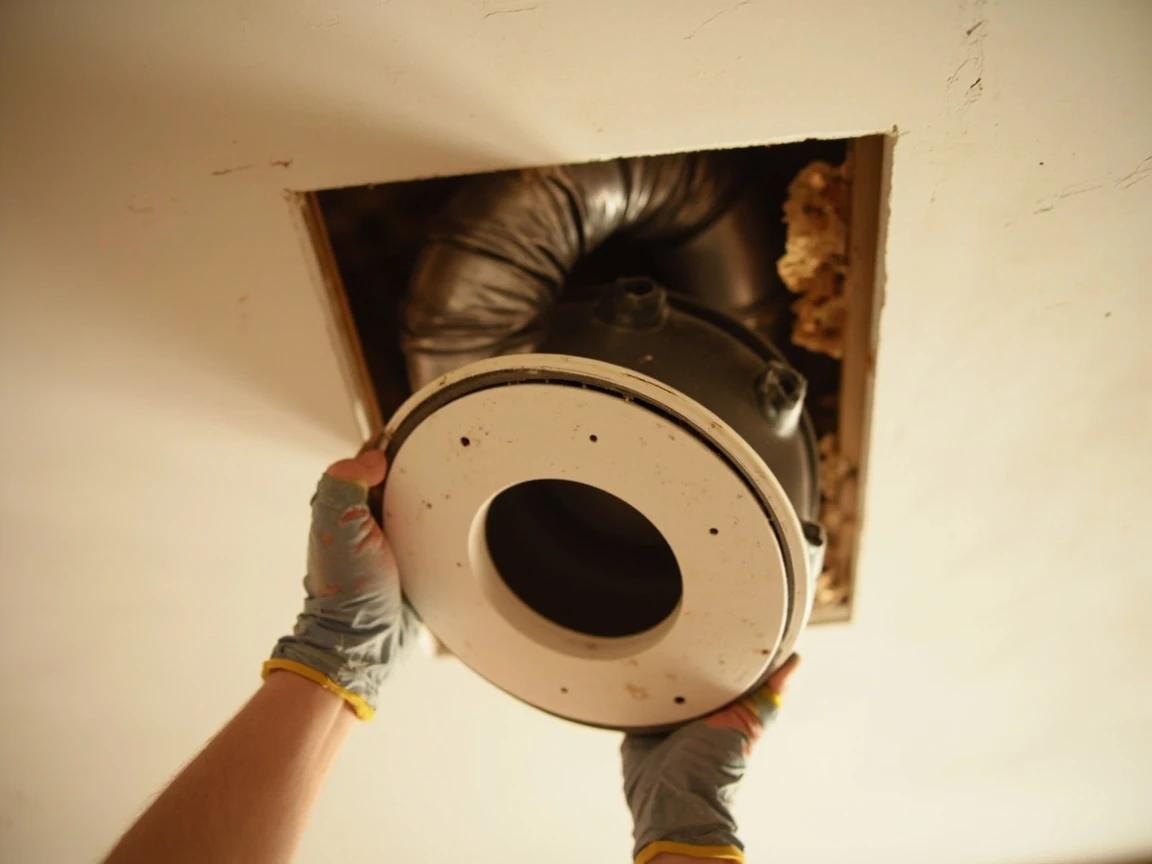
Unplug the motor from the integrated outlet in the housing (most modern fans plug right in) or unscrew the wire-nut connections if it's direct-wired, noting which color went where. Slide out the motor assembly, then disconnect the flexible duct from the exhaust port and pull the Romex out of the internal clamp. Finally, unscrew the housing from the ceiling joist it's fastened to and lower the whole box out of the hole.
Check the Ceiling Opening
Test-fit the new housing in the existing hole. If it drops in with a little slack, you're golden. If the hole is too small, trace the new housing footprint on the ceiling and enlarge the opening with a drywall saw, cutting just shy of the line and filing to fit. If the hole is too big, screw a scrap of drywall to the joist above to shrink the opening — you can always mud and paint later.
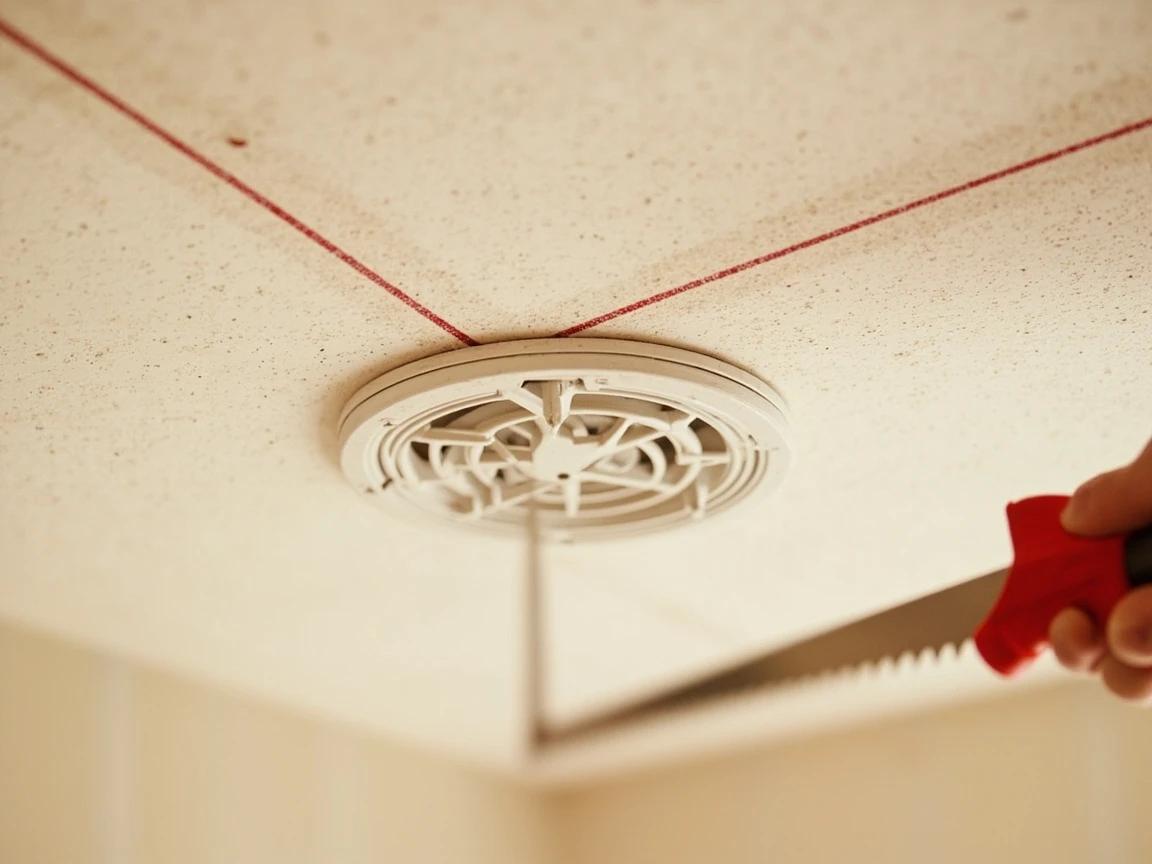
Spread an old bedsheet on the floor below before you cut — drywall dust gets into every tile grout line and is a nightmare to mop out.
Connect the Duct
From above (in the attic if you have access) or by working through the ceiling hole, slip the flexible or rigid duct over the new fan's exhaust collar. Secure it with a hose clamp, then wrap the joint tightly with UL 181 foil HVAC tape — not cloth duct tape, which fails within a year. A zip tie alone is not a code-compliant seal; you can use a zip tie temporarily to hold the duct in place while you tape, but the finished joint must be foil-taped. If you're running new duct, use rigid 4-inch metal pipe and keep the run as short and straight as possible; every 90° elbow cuts airflow by 30%.
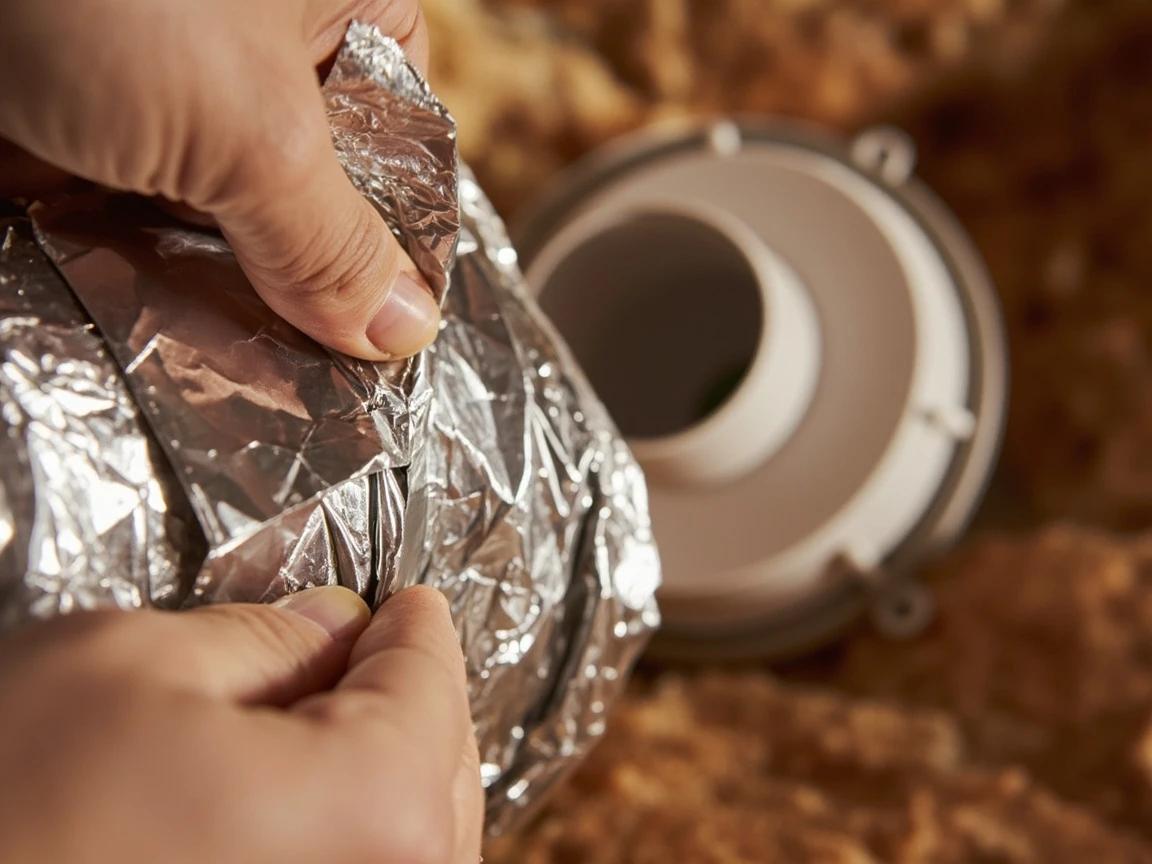
Never terminate the duct in the attic or soffit — always run it to a roof cap or gable vent with a damper, and keep the termination at least 3 feet from any window or door.
Mount the Housing to the Joist
Feed the existing electrical cable through the internal strain-relief clamp on the new housing and tighten the clamp screw. Position the housing in the ceiling hole with the flange tight against the joist and drive 1-1/4 inch drywall screws through the mounting flange into the wood. The housing should feel rock-solid — any wobble will transmit vibration and make the fan sound loud regardless of the sone rating.
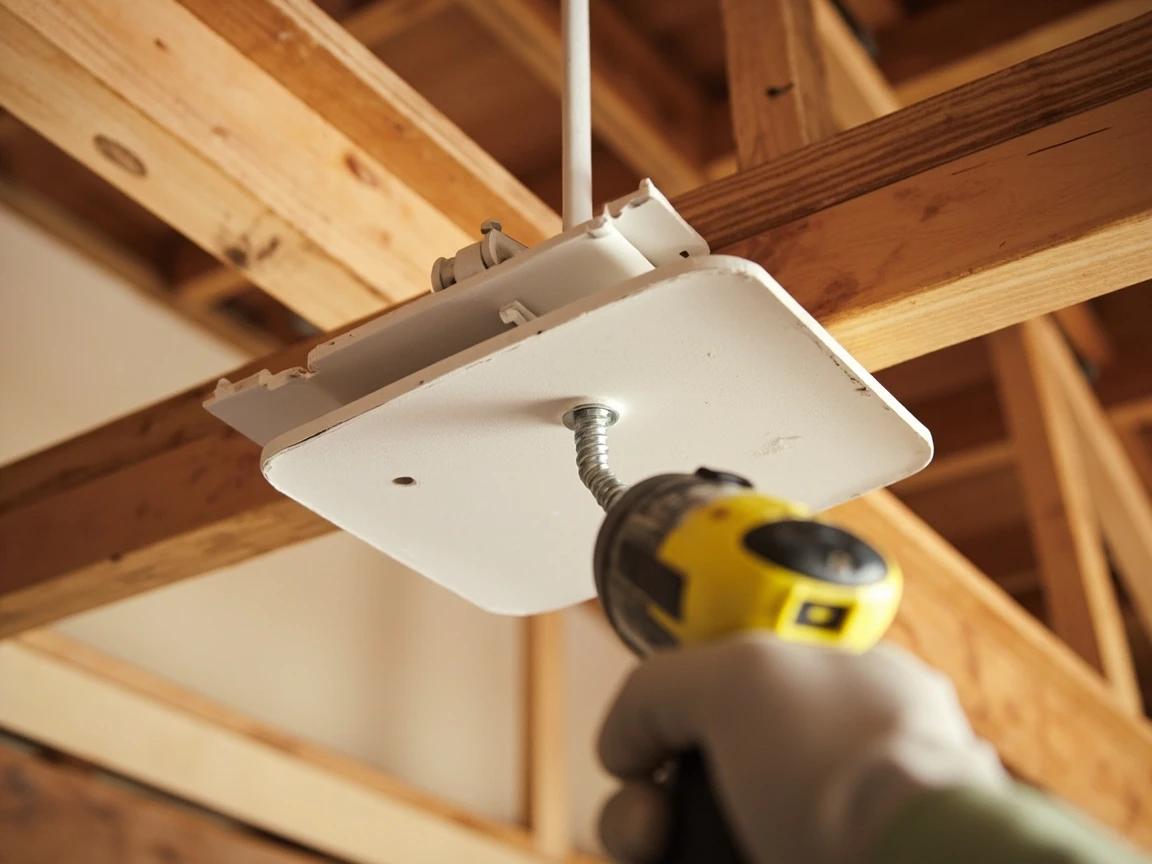
Make the Wire Connections
Inside the housing's wiring compartment, strip 3/4 inch of insulation off the house wires if needed. Connect black-to-black (hot), white-to-white (neutral), and ground-to-ground (green or bare copper) using yellow wire nuts, twisting clockwise until tight, then give each wire a firm tug to confirm it won't pull loose. Tuck the connections neatly into the compartment and replace the cover plate.
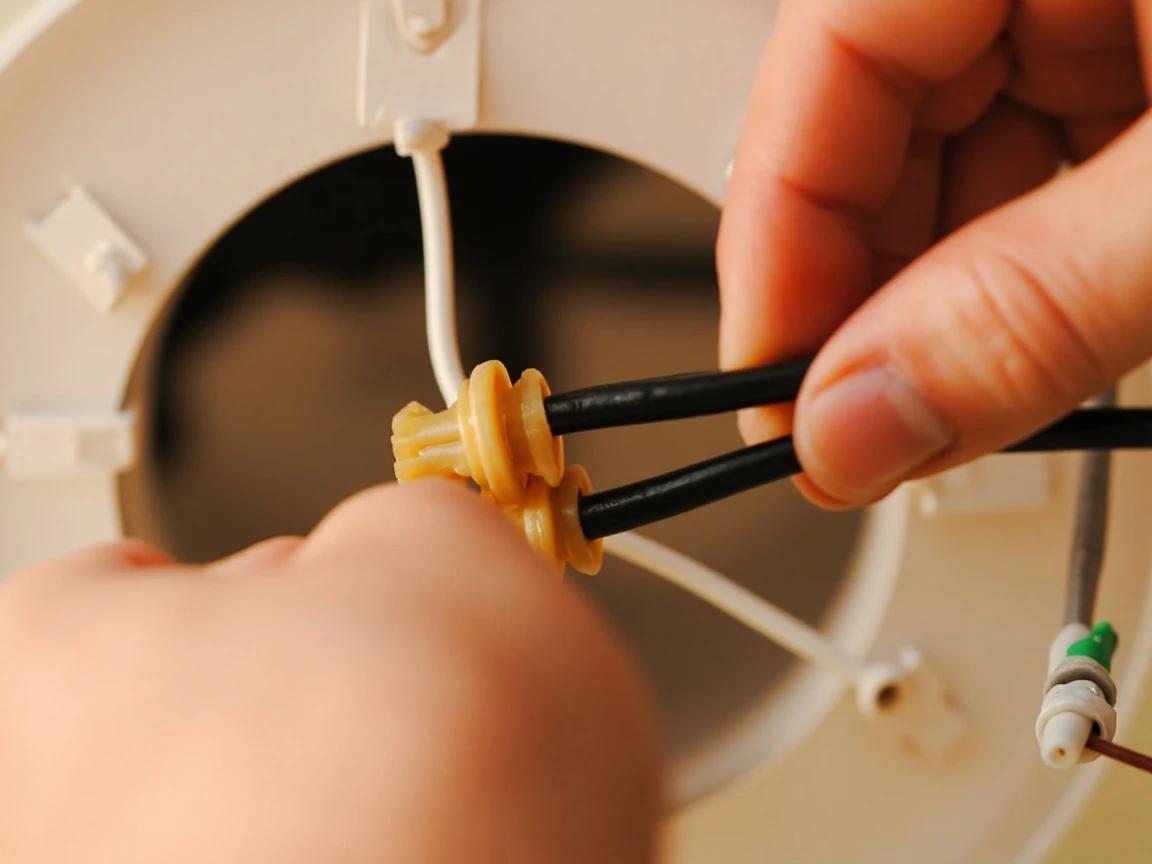
If your new fan has more wires than the old one (e.g., a separate light or heater), you may need to run 14/3 cable and add a second switch — plan for that before you open the walls.
Install the Motor and Grille
Plug the motor assembly into the integrated outlet inside the housing and screw it into place with the provided mounting screws. Squeeze the grille's spring-steel mounting wires together and push them into the matching slots in the housing until the grille seats flush against the ceiling. Run a thin bead of silicone caulk around the outside edge of the grille only if required by the manufacturer — most modern grilles seat cleanly without it.
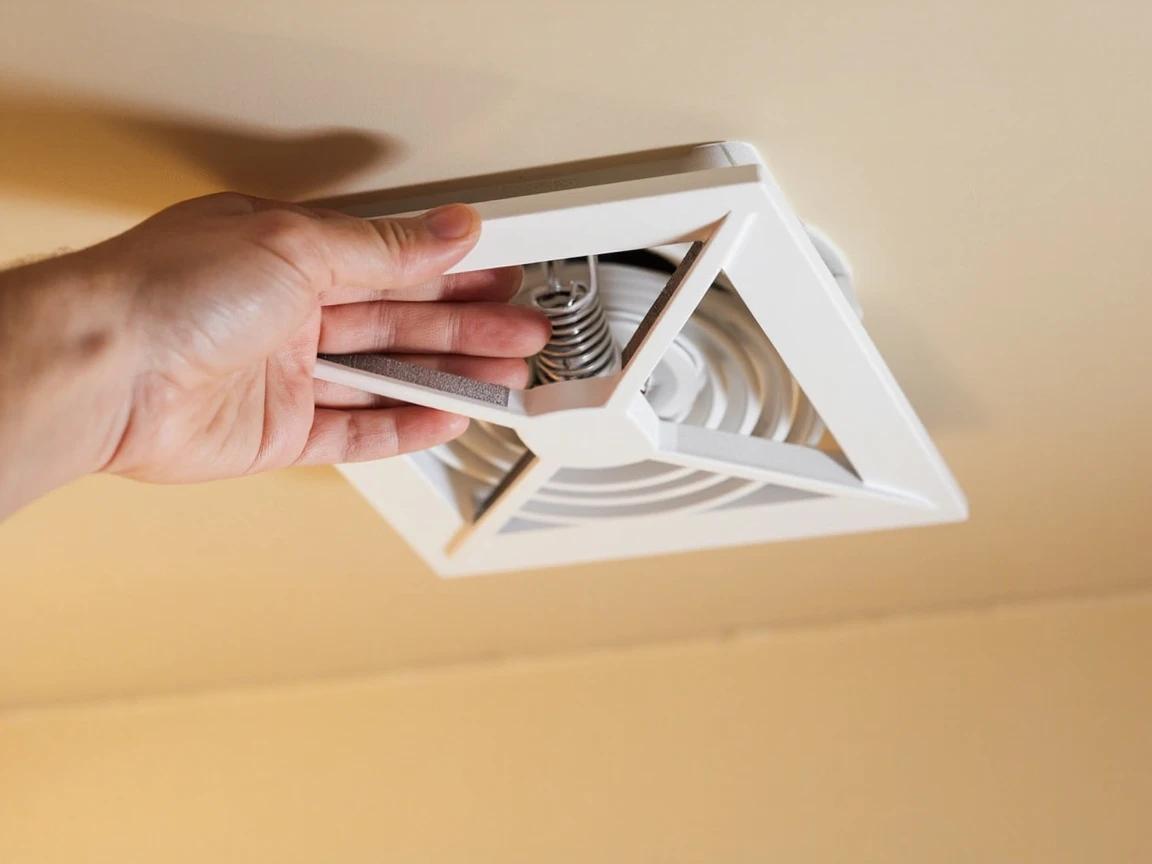
Test and Confirm the Venting Path
Flip the breaker back on and turn the fan switch — it should start quietly and draw a steady stream of air (hold a tissue to the grille to see it pull in). Run the shower for 5 minutes with the door closed and watch how fast steam clears; you should see a noticeable difference within 60 seconds. Finally, go outside and confirm the exterior vent flap is opening, proving the moist air is actually leaving the building envelope and not dumping into your attic.
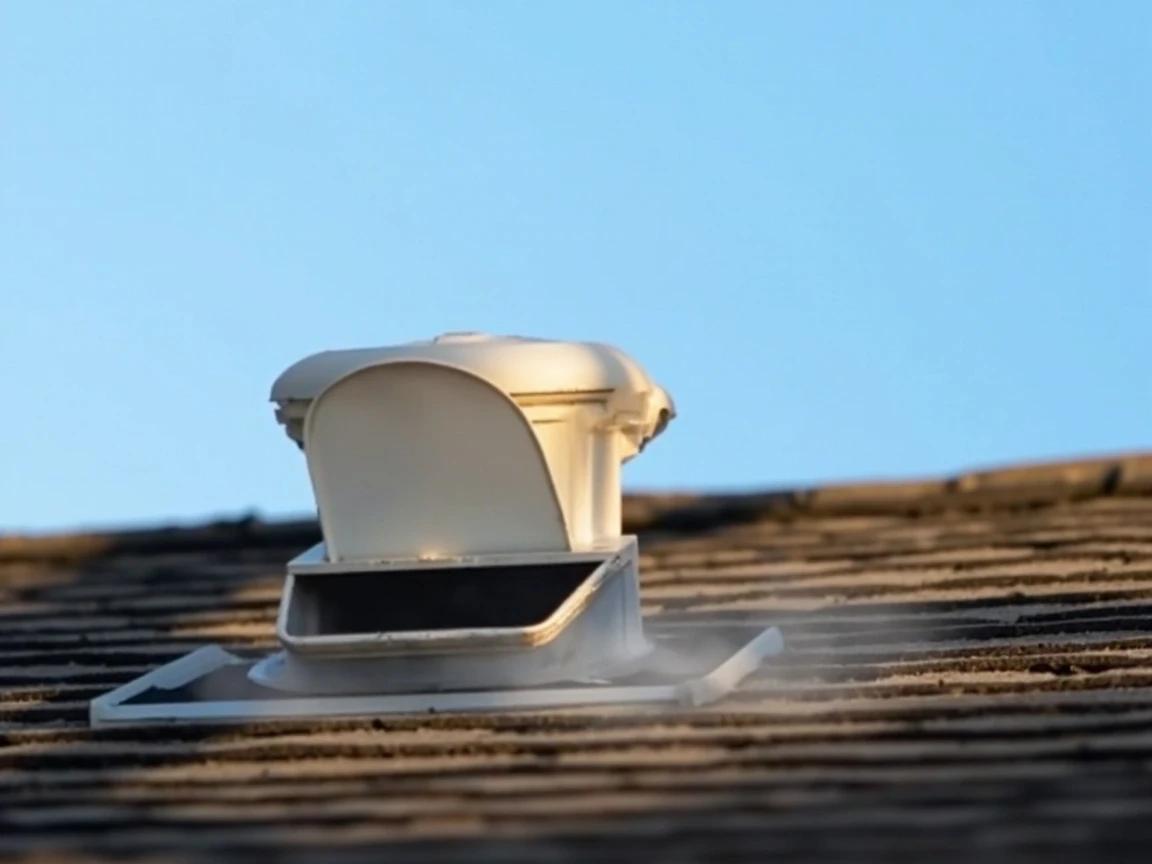
Run the fan for 15–20 minutes after every shower — a timer switch ($25 at any hardware store) automates this and pays for itself the first time it prevents a moldy ceiling.
Frequently Asked Questions
What size CFM bathroom exhaust fan do I need?
+
ASHRAE 62.2 sets a baseline of 50 CFM of intermittent mechanical ventilation for any bathroom with a tub or shower, regardless of floor area. The Home Ventilating Institute (HVI) recommends sizing fans at about 1 CFM per square foot of floor area (with a 50 CFM minimum) as a rule of thumb, which generally lands you on a standard 50, 80, or 110 CFM fan. For bathrooms larger than about 100 sq ft, or if you have a jetted or whirlpool tub, follow the tub manufacturer’s published sizing guidance and check your local mechanical code, which can require 80–110 CFM or higher. For master baths, also look for a sone rating of 1.0 or lower so the fan is quiet enough to actually use.
Can I install a bathroom exhaust fan myself?
+
Yes — a like-for-like replacement (using the existing duct and electrical) is a 3-hour DIY project for anyone comfortable shutting off a breaker and making basic wire-nut connections. New installations that require running new electrical, cutting new ductwork, or installing a roof cap are significantly harder and may need a permit; check your local building code first.
Where can I vent a bathroom exhaust fan?
+
Vent through the roof (with a roof cap) or through a gable wall (with a wall vent). Never terminate the duct in an attic, soffit, crawl space, or between joists — moist bathroom air dumped into those spaces causes mold, rot, and ceiling stains within a single season. Keep the exterior termination at least 3 feet from any window or door.
Do I need a permit to replace a bathroom exhaust fan?
+
Most jurisdictions don't require a permit for like-for-like replacement that reuses existing wiring and ductwork. Permits are typically required when you add a new circuit, cut new framing, or install a new exterior vent termination. Always check with your local building department before starting if you're unsure.
How long should I run a bathroom exhaust fan after a shower?
+
Run the fan for 15-20 minutes after every shower or bath — this clears the steam and brings indoor humidity back below 50%, which is the threshold above which mold spores start growing on grout, drywall, and ceilings. A $25 timer switch automates this and pays for itself the first time it prevents a moldy ceiling.
Sources & further reading
- Home Ventilation Guidance — Home Ventilating Institute
- Improving Indoor Air Quality — U.S. Environmental Protection Agency
More Electrical Guides
View all → Medium3 hrs
How to Install Outdoor Landscape Lighting
Low-voltage landscape lighting transforms a yard after dark — highlighting walkways, trees, and architectural features while adding real security value — and it's one of the most approachable electrical projects a homeowner can tackle because the entire system runs on safe 12-volt power. A typical 8-to-10 fixture installation costs $150-300 in materials and takes an afternoon. This guide walks you through planning the layout, sizing the transformer, running burial-rated wire, connecting fixtures, and testing for voltage drop before you bury everything.
 Easy1h 30m
How to Install Under-Cabinet Lighting
Adding LED strip lights beneath your kitchen cabinets is one of the highest-impact upgrades you can do in a single afternoon — it eliminates countertop shadows, makes food prep safer, and instantly modernizes the space. This guide covers plug-in LED strip lights, which require zero electrical wiring and cost $25-60 for an average kitchen.
 Easy25 min
How to Replace a Light Switch
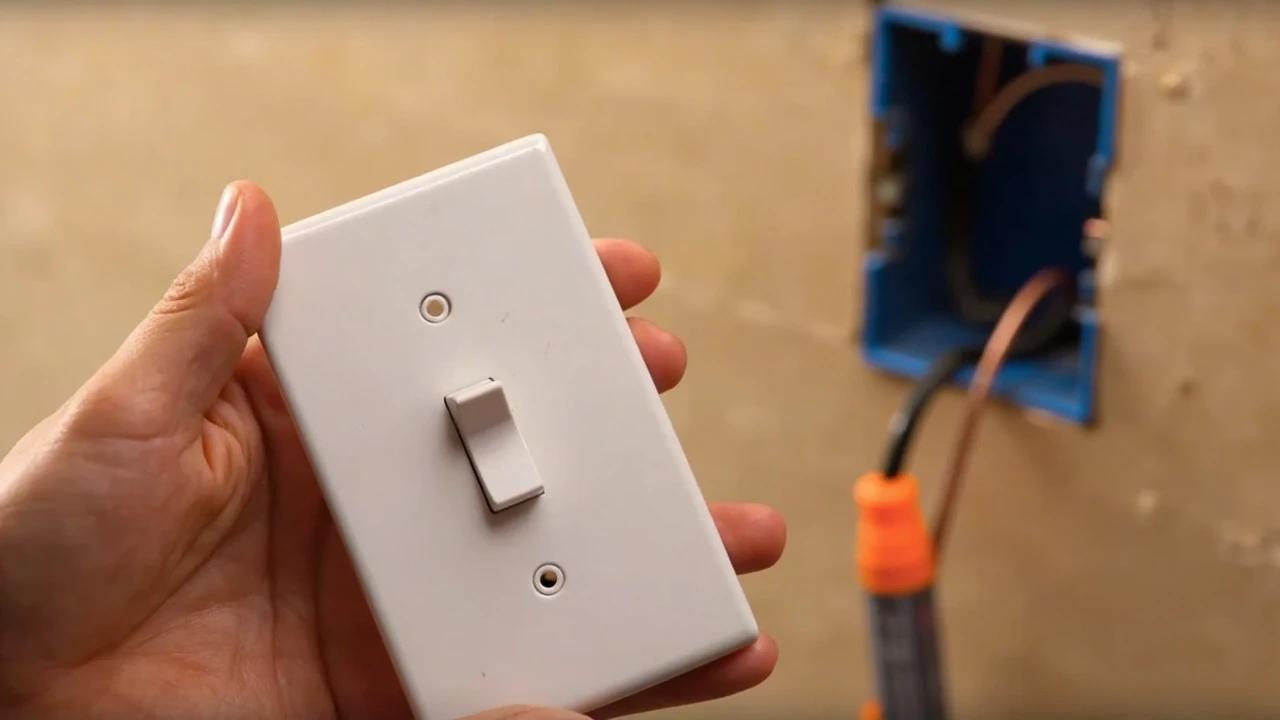
A worn, cracked, or misbehaving light switch is one of the easiest electrical fixes in the house — the job takes about 20-30 minutes, costs $2-10 in parts, and replaces a device that an electrician would charge $100-150 to swap. This guide walks through safely replacing a standard single-pole toggle or decora switch, from cutting the power to wiring the new device and testing the circuit.
You Might Also Like
 Medium6 hrs
How to Paint a Room
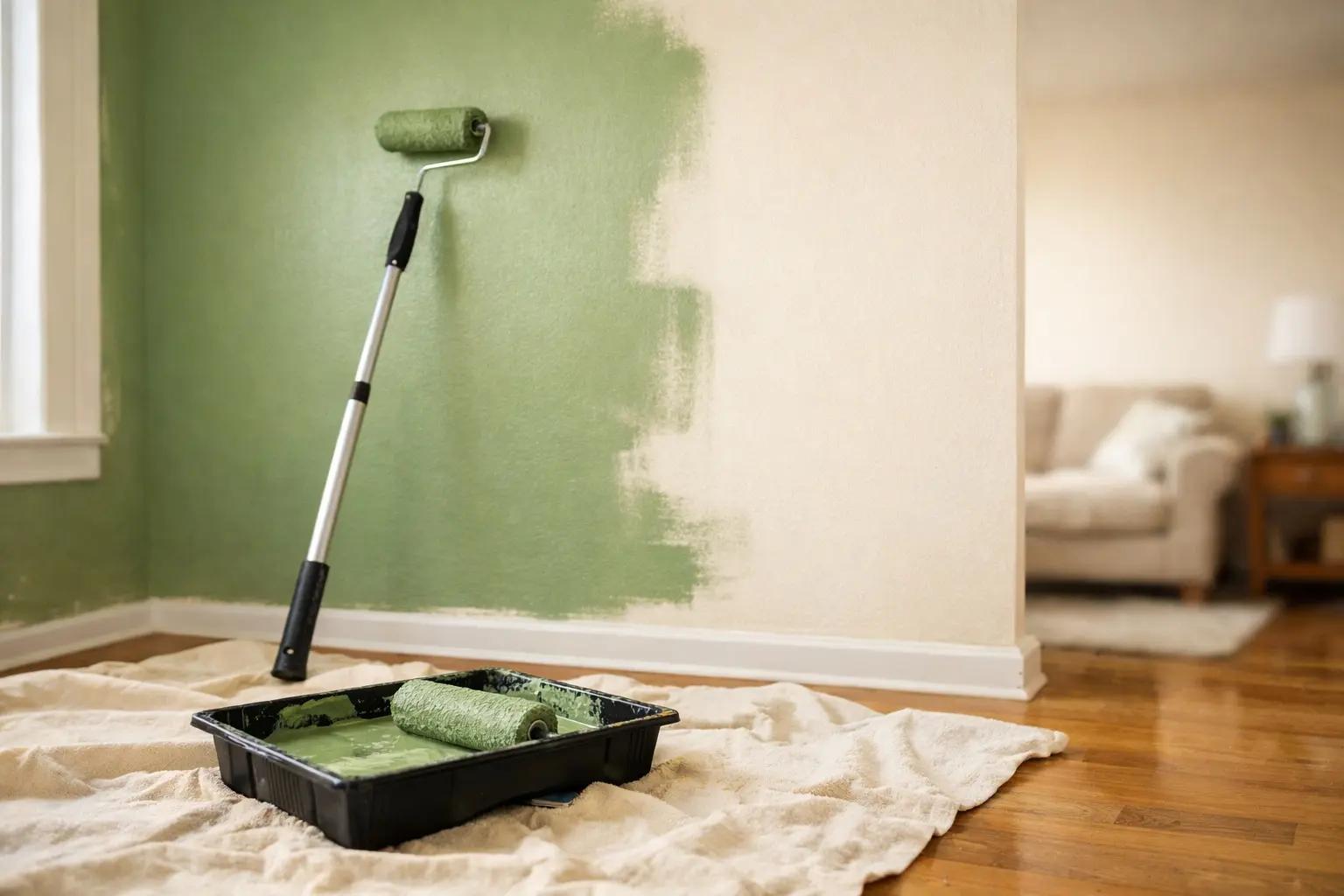
A fresh coat of paint is the fastest, cheapest way to transform any room — and doing it yourself saves $400-800 in labor for an average 12x12-foot bedroom. The job takes a weekend from prep to final coat, and the difference between an amateur-looking result and a professional finish comes down to technique, not talent. This guide covers prep, cutting in, rolling, and cleanup so you get clean lines and even coverage the first time.
 Medium30 min
How to Troubleshoot a Microwave That Won't Heat
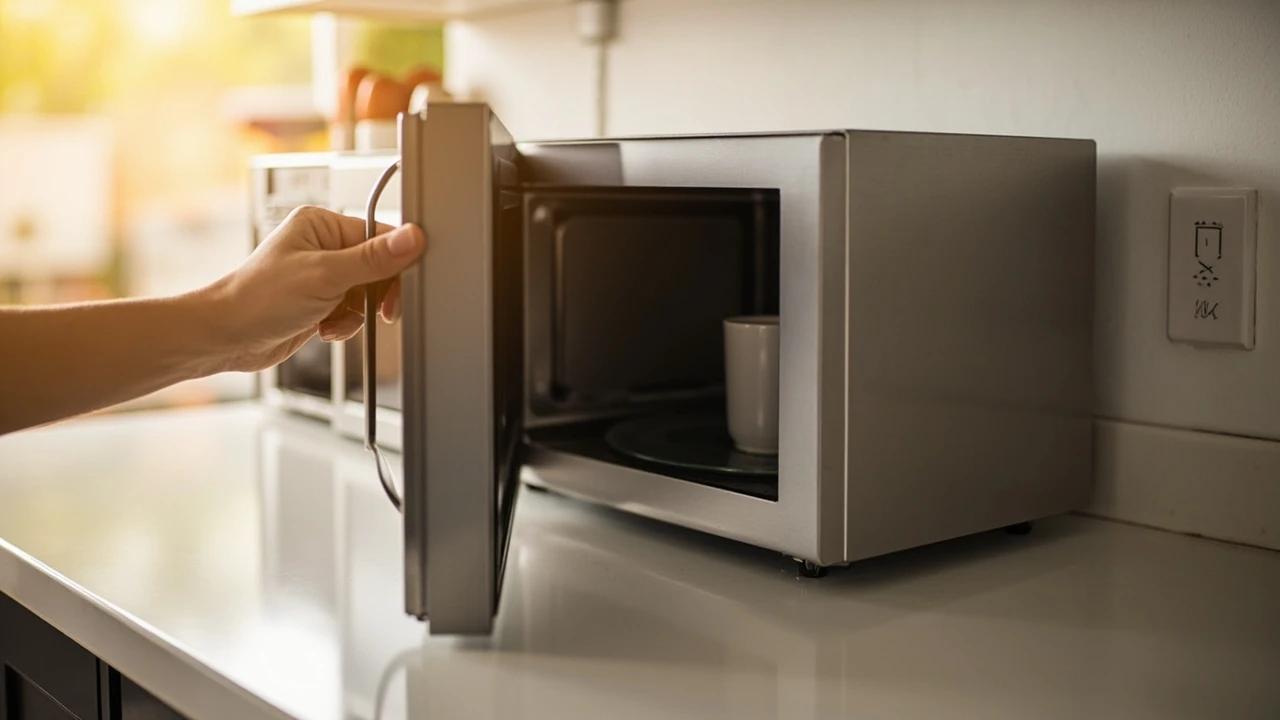
A microwave that runs — light on, turntable spinning, timer counting down — but leaves food stone cold is one of the most common appliance failures, and about half the time the cause is something you can fix in five minutes for free. This guide walks the diagnosis from the easy stuff (demo mode, power level, a tripped GFCI, a dirty door latch) to reading the failure signature that tells you the high-voltage circuit is gone, then helps you make the repair-or-replace call with real numbers.
 Easy15 min
How to Replace a Refrigerator Water Filter
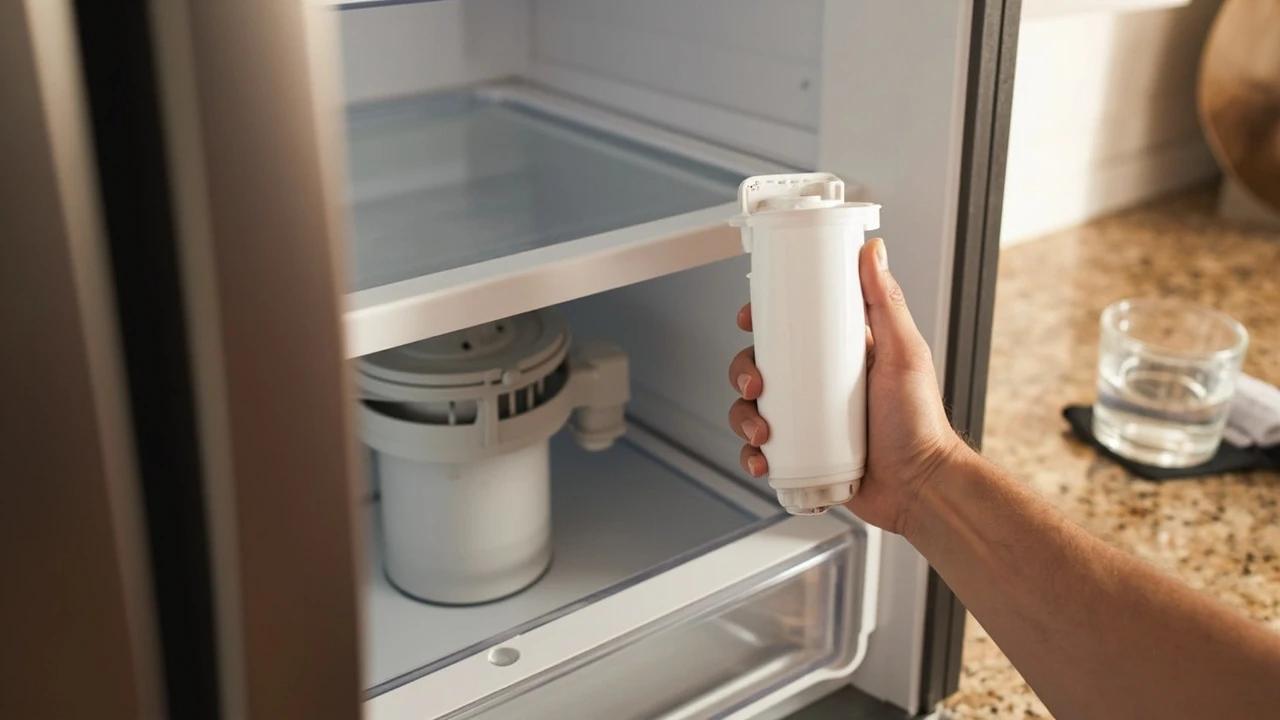
A clogged refrigerator water filter is the most common cause of slow dispensing, off-tasting water, and undersized ice cubes — and it is the easiest fix in your kitchen. Most filters are designed to be swapped in under five minutes with no tools, no shut-off valve, and no spilled water. This guide covers locating your filter, the two common removal styles (twist-in and push-in), inspecting the O-rings, flushing the new filter, and resetting the indicator light so you do not see the red "Replace" warning the next morning.