How to Replace a Damaged Roof Shingle
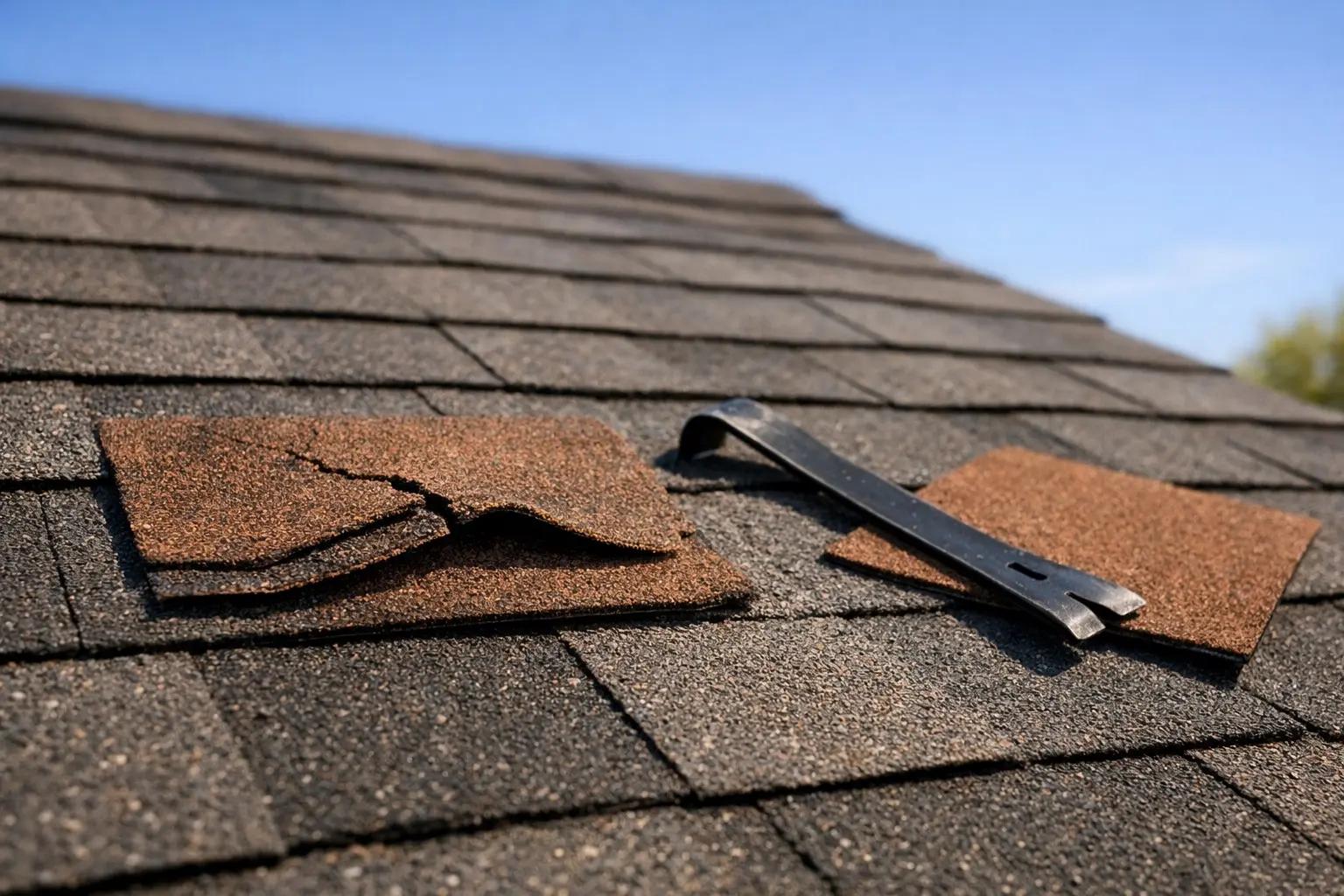

A cracked, curled, or missing shingle is more than cosmetic — it exposes the underlayment and roof deck to water, leading to leaks, mold, and structural rot that can cost thousands to repair. Replacing a single asphalt shingle takes about 60-90 minutes and under $50 in materials, versus $150-400 for a professional service call. This guide walks you through safe ladder setup, removing the old shingle without damaging surrounding ones, and sealing the replacement so it lasts.
What You'll Need
🛠 Tools
📦 Materials
Safety First
- •Falls from roofs and ladders are the leading cause of serious injury during home repairs. Always use a fall protection harness on any roof with a pitch of 6/12 or steeper, and anchor to a structural member rated for at least 5,000 lbs — never to gutters, ridge caps, or sheathing.
- •Never work on a wet, icy, or windy roof. Moisture eliminates traction, and wind can catch loose shingles and throw you off balance. Choose a dry, calm day between 50-80°F — cold makes shingles brittle and crack-prone, heat makes them soft and tear-prone.
- •If the roof is steeply pitched (8/12 or greater), multi-story, or the damage is extensive (more than 2-3 shingles), hire a professional roofer. Know your limits.
Step-by-Step Instructions
Inspect the Damage from the Ground
Before climbing up, use binoculars to scan the roof from the ground and identify which shingles are damaged. Look for curling edges, visible cracks, missing tabs, or dark exposed patches where granules have worn away. Note the location relative to landmarks like vents, chimneys, or valleys so you can find the spot quickly once you're on the roof. Check the weather forecast — you need a dry, calm day between 50-80°F for the best results.
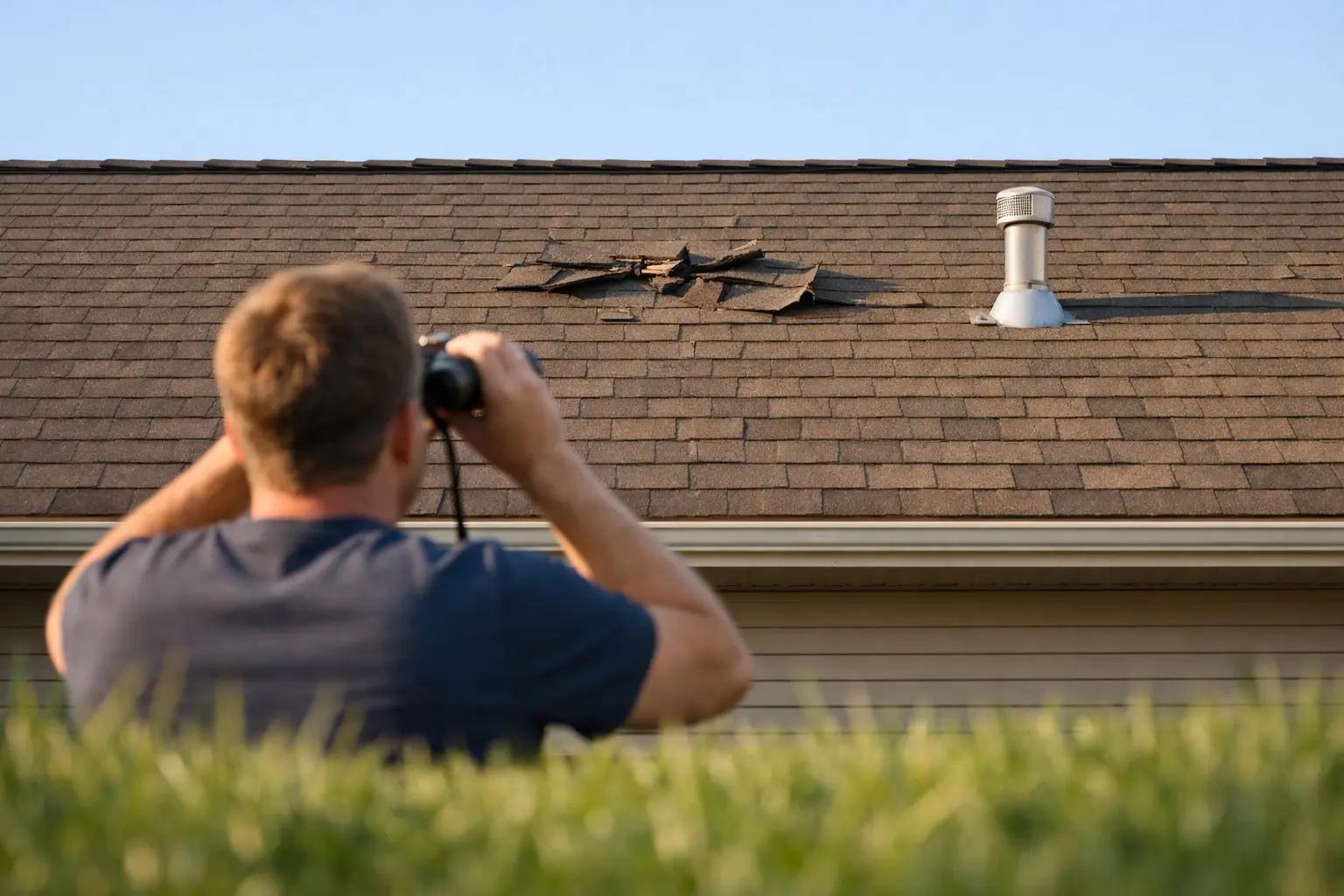
Also check your attic for water stains or daylight coming through the deck — this tells you exactly where the leak is, even if the exterior damage is hard to spot from the ground.
Set Up Safe Roof Access
Place your extension ladder on firm, level ground following the 4-to-1 rule: for every 4 feet of height, the base should be 1 foot away from the house. The top of the ladder must extend at least 3 feet above the roof edge. Lock all extension latches. If you're using a ladder stabilizer, attach it now to keep the ladder off the gutters. Put on your work gloves, safety glasses, and non-slip shoes. For roofs with a pitch of 6/12 or steeper, strap on your fall protection harness and attach the lanyard to a roof anchor secured to a structural rafter.
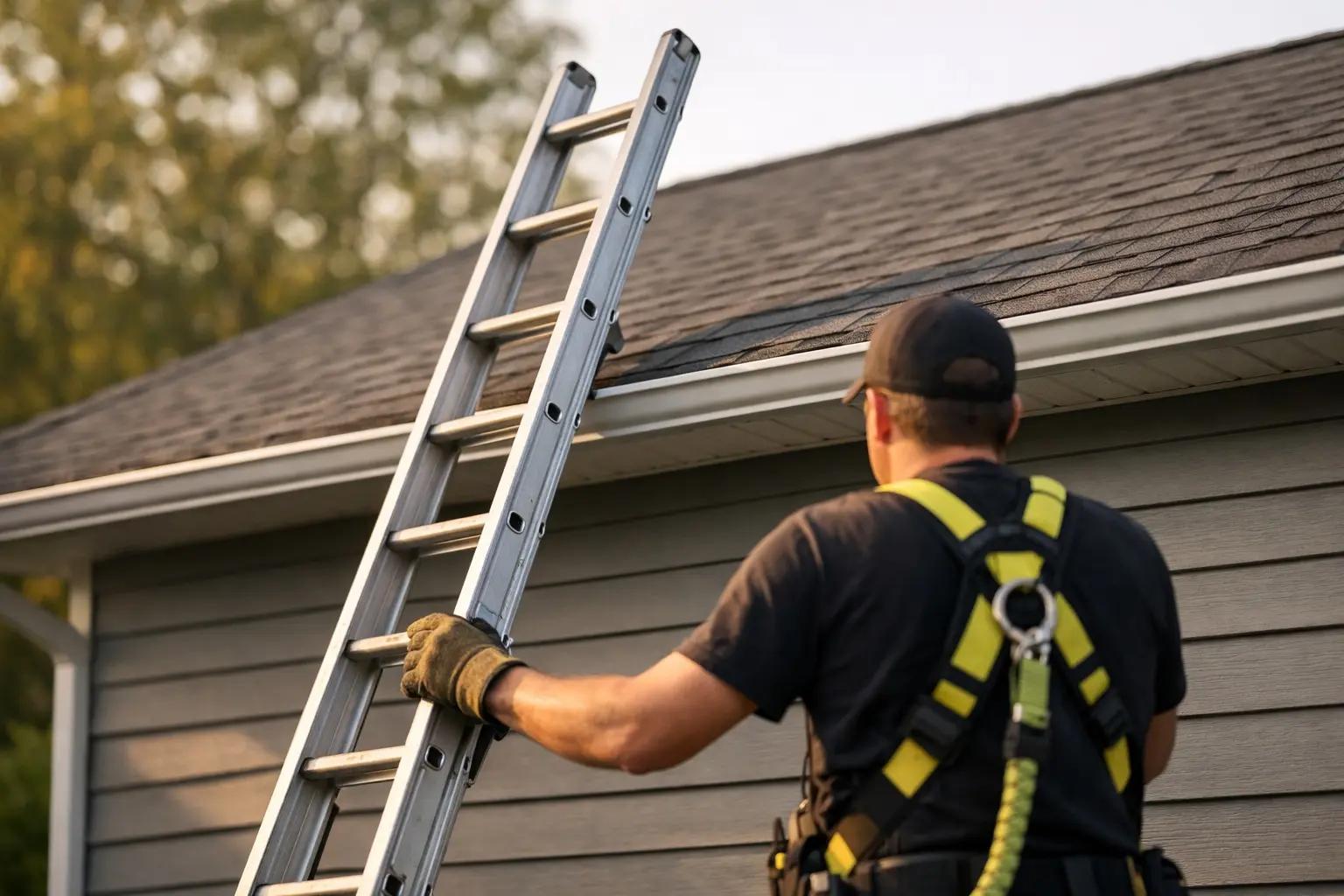
Never climb onto a roof without telling someone. Always have a spotter on the ground who can hold the ladder base and call for help if needed.
Break the Sealant Bond on Overlapping Shingles
Locate the damaged shingle and identify the two rows above it — you need to lift both to access all the nails. Using a stiff putty knife or the flat pry bar, carefully slide the tool under the shingle directly above the damaged one and gently pry upward to break the adhesive sealant strip. Work slowly along the entire width. Repeat for the shingle two rows above, since the nails holding your target shingle are hidden under that row as well. Lift gently and only as far as needed — forcing shingles too far back will crack them.
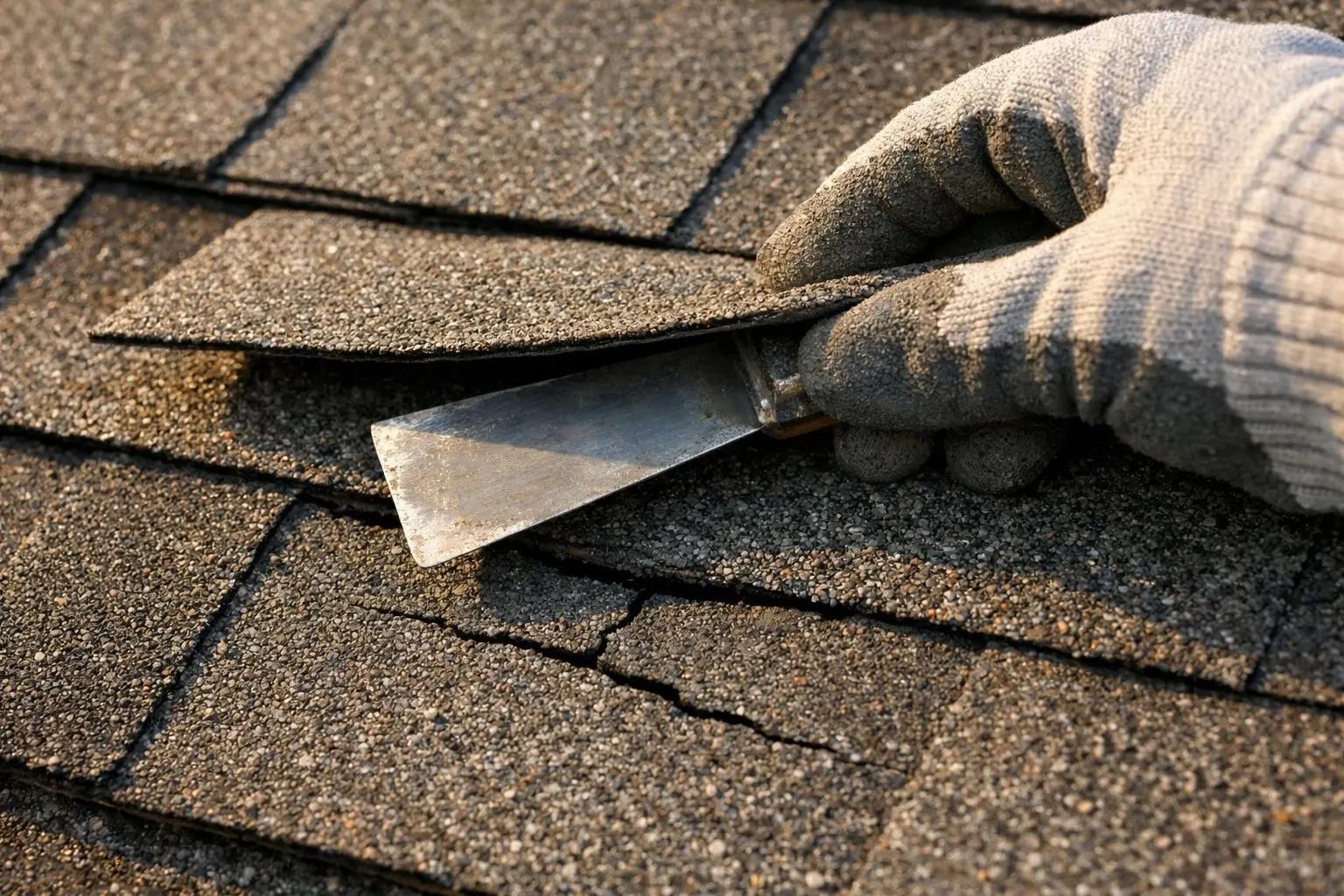
If it's a warm day and the sealant is very sticky, work in the early morning when the roof is cooler and the adhesive is firmer. In cold weather, be extra gentle — cold shingles are brittle and crack easily.
Remove the Nails Holding the Damaged Shingle
Lift the shingle course above the damaged one and locate the roofing nails — typically 4 to 6 per shingle, driven just below the adhesive strip line. Slide the flat pry bar under each nail head and pry straight up to pull it out cleanly. Also remove any nails from the row above that pass through the top edge of the damaged shingle. Pull nails straight out rather than at an angle to avoid tearing the surrounding shingles or enlarging the nail holes in the deck. Count the nails as you remove them so you know you got them all.
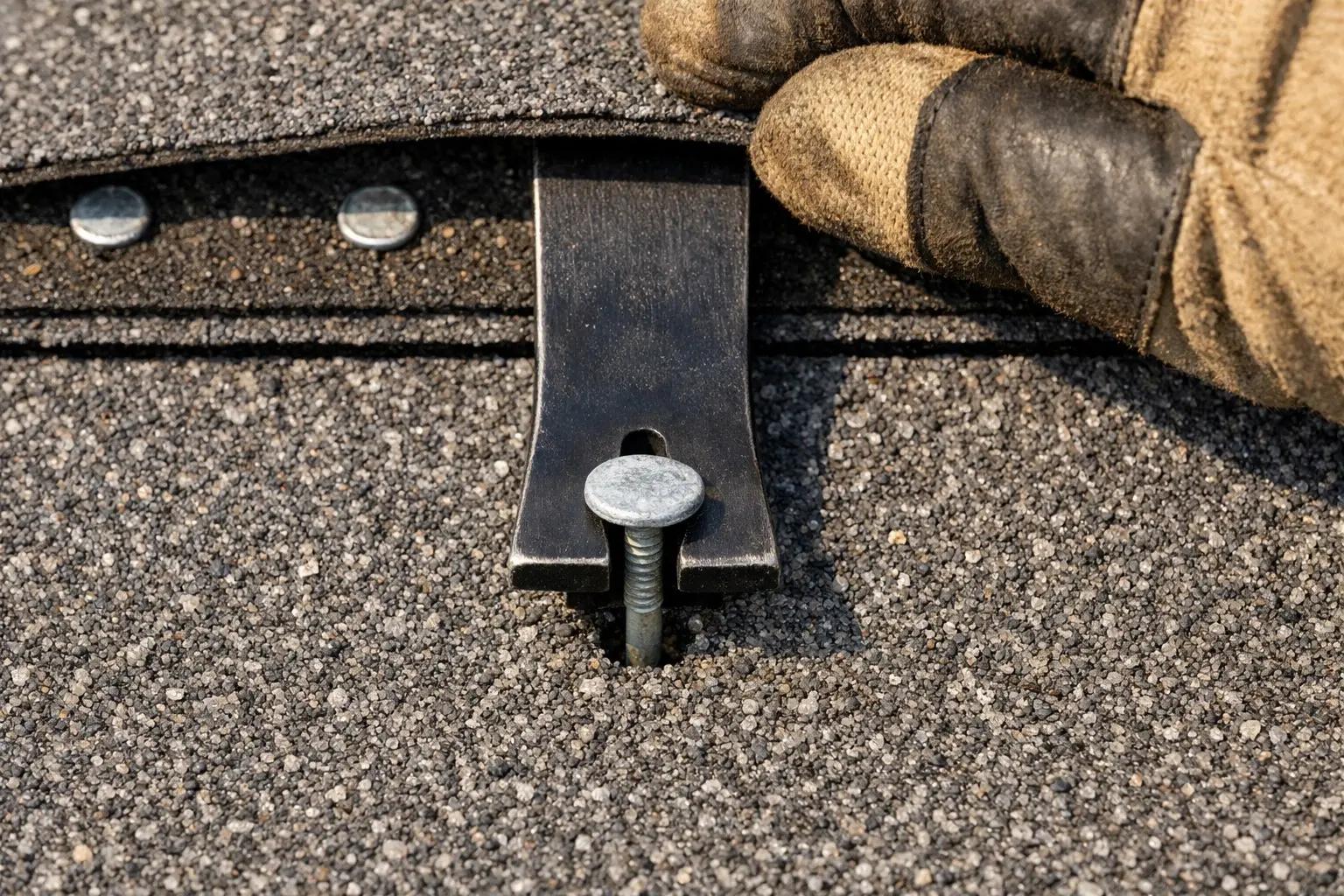
Do not pry nails sideways — this tears the surrounding shingles and creates new damage. If a nail won't pull cleanly, tap the pry bar under the head with your hammer and lever it straight up.
Slide Out the Damaged Shingle
With all nails removed, carefully slide the damaged shingle out from under the overlapping rows. If it's stuck on residual sealant, use the utility knife to cut it free rather than forcing it. Once the shingle is out, inspect the exposed underlayment (tar paper or synthetic membrane) for tears, holes, or water stains. If the underlayment is damaged, patch the area with roofing cement or a piece of self-adhesive ice-and-water shield membrane before installing the replacement.
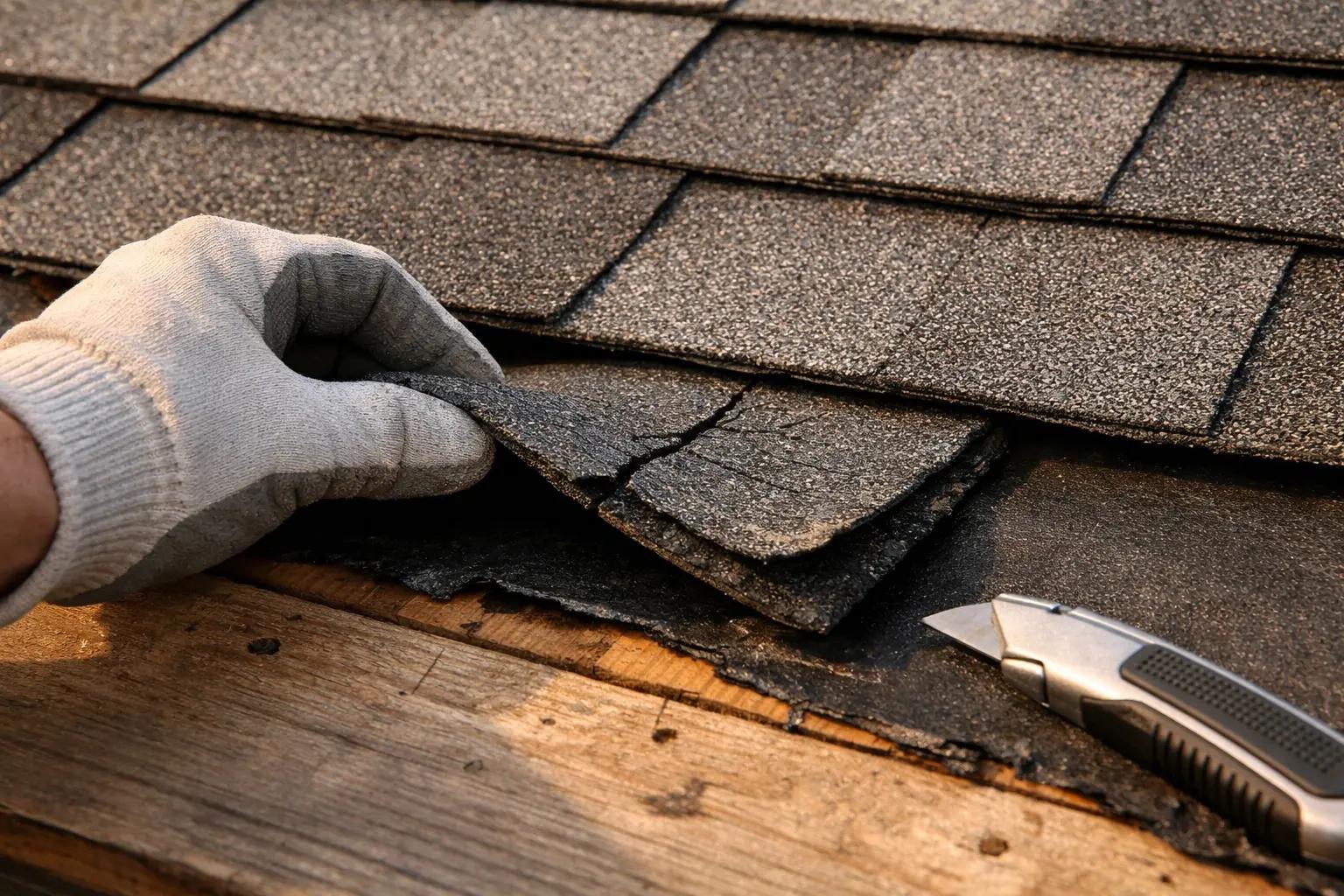
If the underlayment looks intact but you see daylight or staining from inside the attic, apply a generous coat of roofing cement over the area as extra insurance before laying the new shingle.
Cut and Fit the Replacement Shingle
Place the replacement shingle next to the gap and mark it with a permanent marker and carpenter's square if it needs trimming. Cut with tin snips for a clean, straight edge. The replacement should be the same width as the gap or about 1/4 inch narrower to slide in easily. If you're lucky enough to have leftover shingles from the original roof installation, use those — they'll be an exact color match. New shingles from the same manufacturer and product line will be close but may look slightly different until they weather.
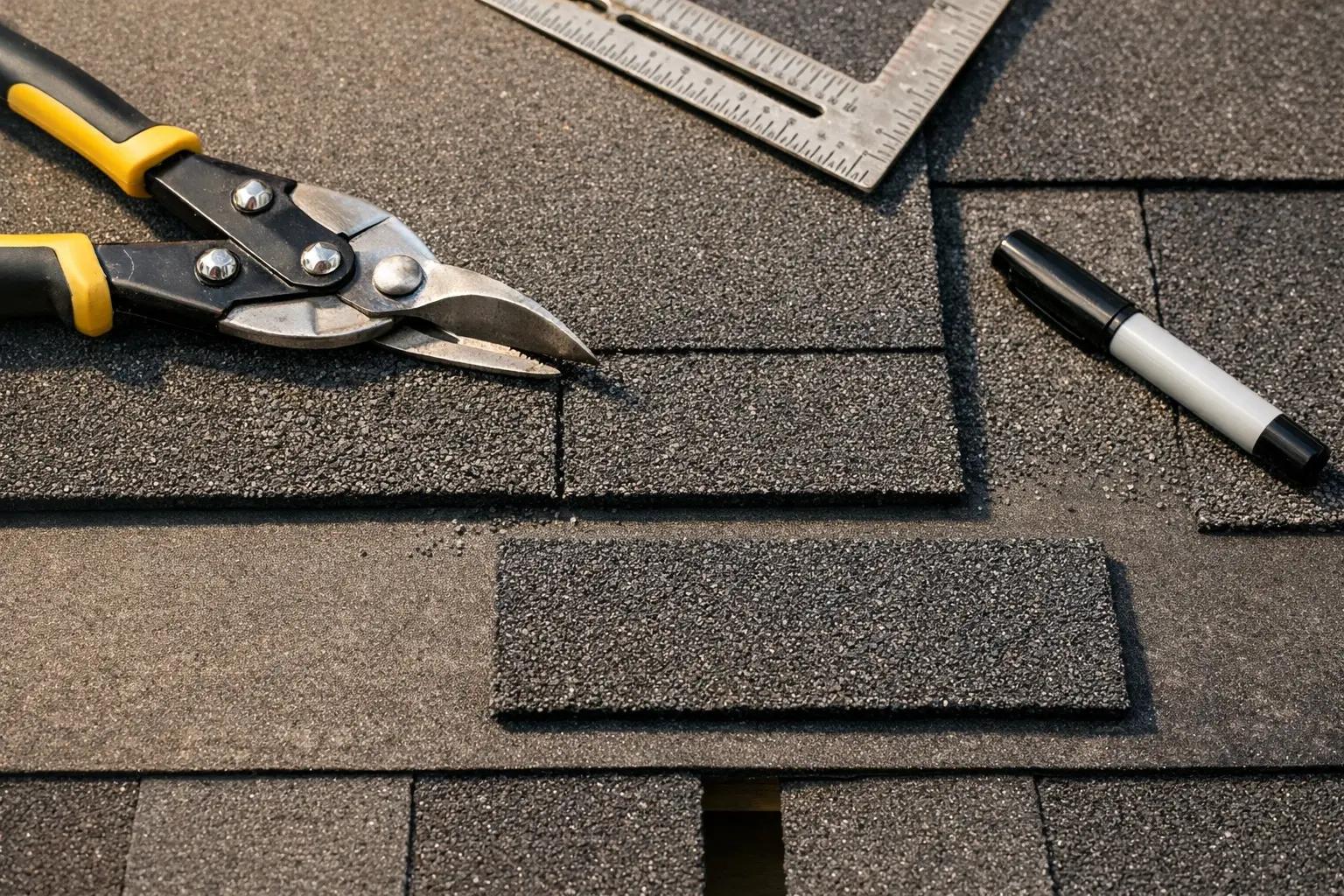
Slide the New Shingle into Position
Lift the overlapping shingle row and slide the new shingle into the gap, pushing it up until the bottom edge aligns evenly with the adjacent shingles on either side. The top edge should sit just below the adhesive strip line of the shingle above it. Check alignment from a few feet back — the bottom tabs should form a straight, continuous line with the rest of the course. If the shingle won't slide in easily, trim another 1/8 inch off the width.
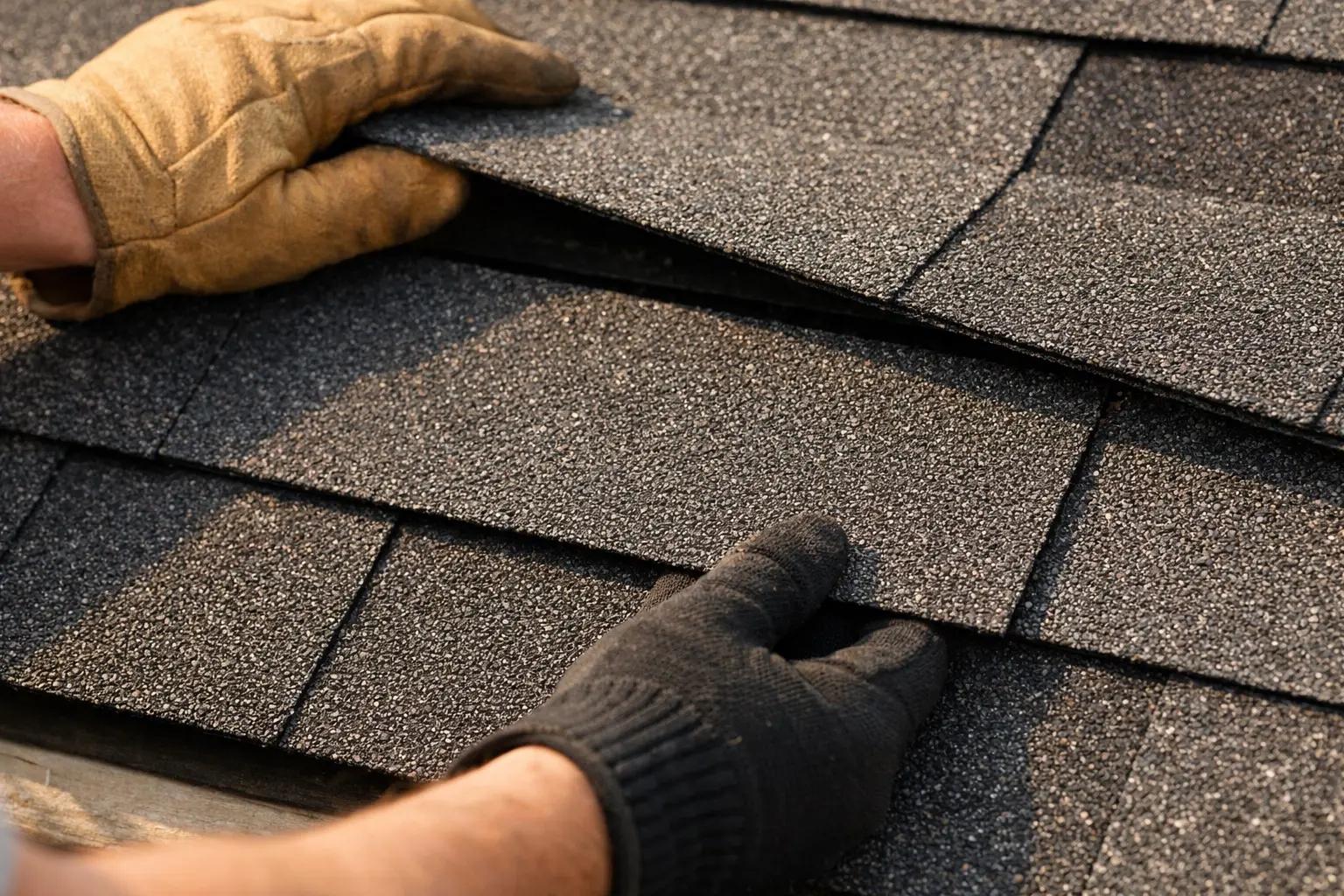
Nail the Replacement Shingle
Drive 4 to 6 galvanized roofing nails through the new shingle, placing them just below the adhesive strip line — about 5/8 to 1 inch below the top of the exposed portion. Most manufacturers print a nailing line on the shingle; follow it. Space nails evenly, with one near each end and the rest distributed across the width. Drive nails flush with the shingle surface — overdriven nails tear through the material and have no holding power, while underdriven nails will catch on the overlapping shingle above.
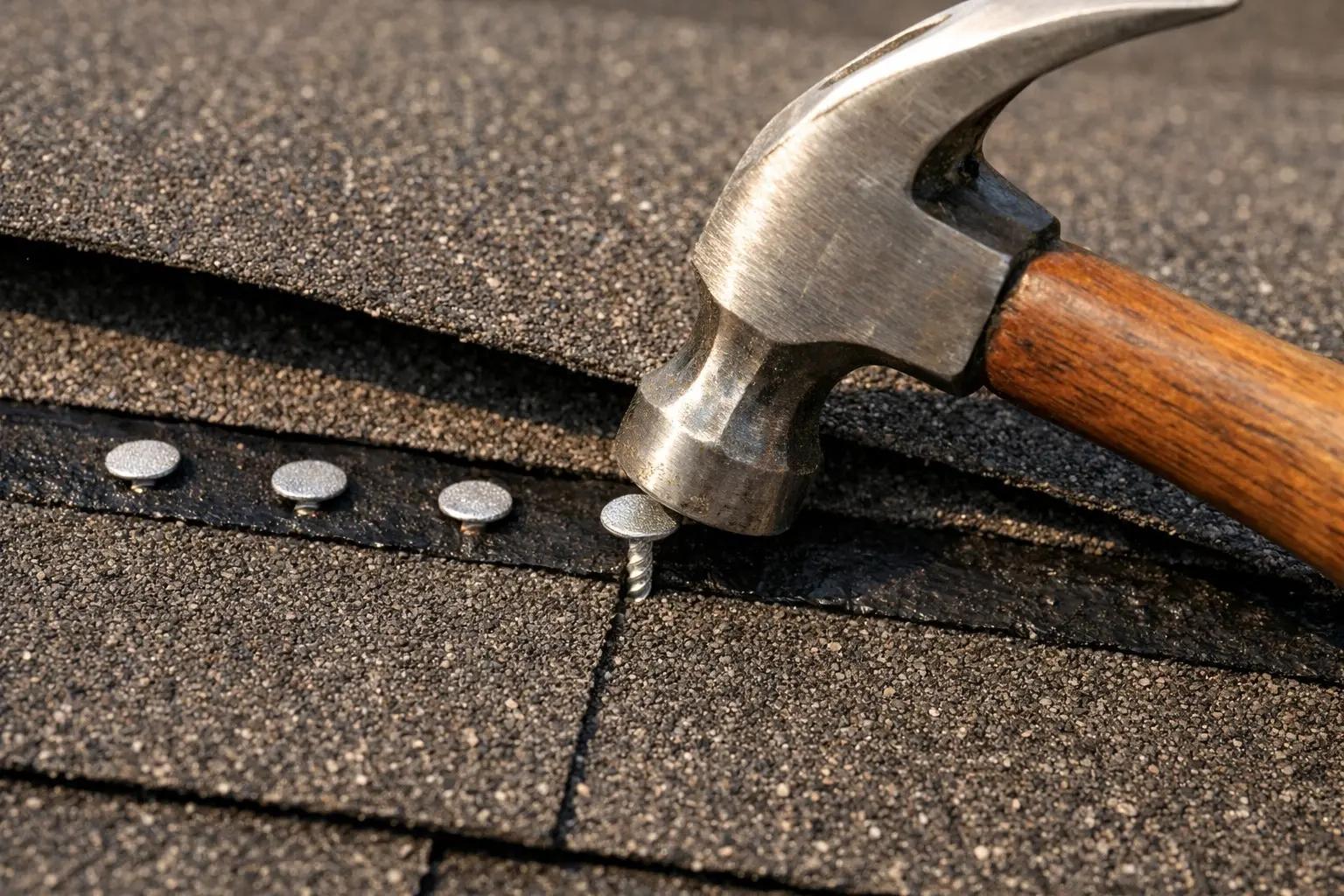
Do not nail too high on the shingle — this fails to penetrate the underlying shingle layer and drastically reduces wind resistance. Always nail on or just below the manufacturer's printed nailing line.
Seal the Nails and Re-Bond the Shingle Edges
Load your caulking gun with roofing cement and apply a small dab (about the size of a quarter) over each exposed nail head to waterproof the penetrations. Then press the overlapping shingle courses back down into place and apply a thin bead of roofing cement under any edges that were disturbed during the repair to re-bond the sealant strips. Don't over-apply — excess roofing cement cracks over time and can channel water rather than repel it. A thin, targeted bead is all you need. Press firmly to seat the bond.
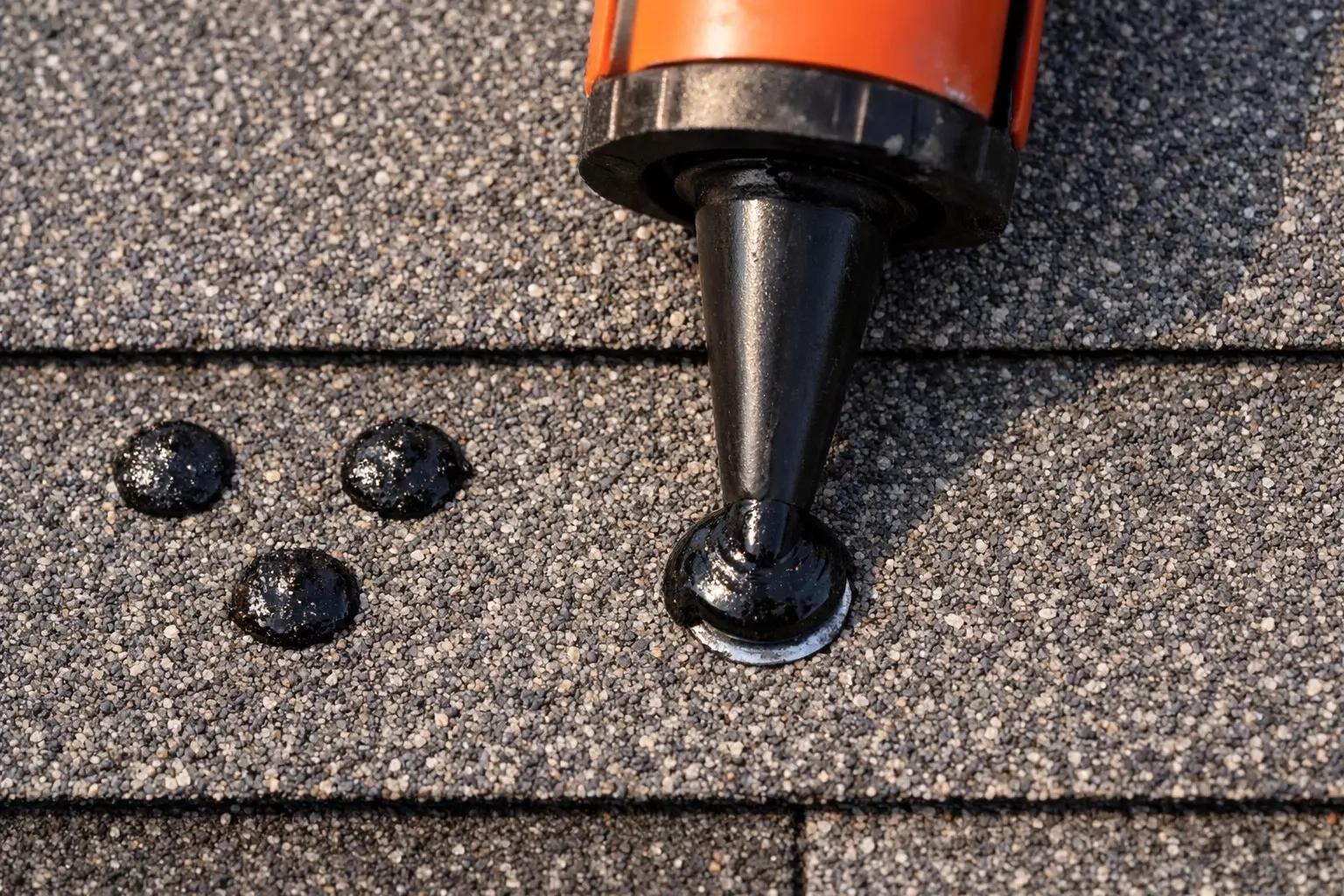
The sun's heat will activate the factory adhesive strips within a few days, creating a permanent bond. If you're working in cooler weather (below 60°F), the roofing cement you apply is especially important since the adhesive strips won't self-seal as quickly.
Inspect the Surrounding Area and Clean Up
Before climbing down, check all shingles within a few feet of the repair. Re-seal any that were loosened by injecting roofing cement underneath with the caulking gun and pressing them flat. Look for cracked or lifted shingles that might need attention next. Collect any old nails and debris from the roof and gutters — a stray roofing nail in the driveway means a flat tire. Climb down carefully, clean and store your tools, and check the repair area from the ground with binoculars after the next rain to confirm there are no leaks.
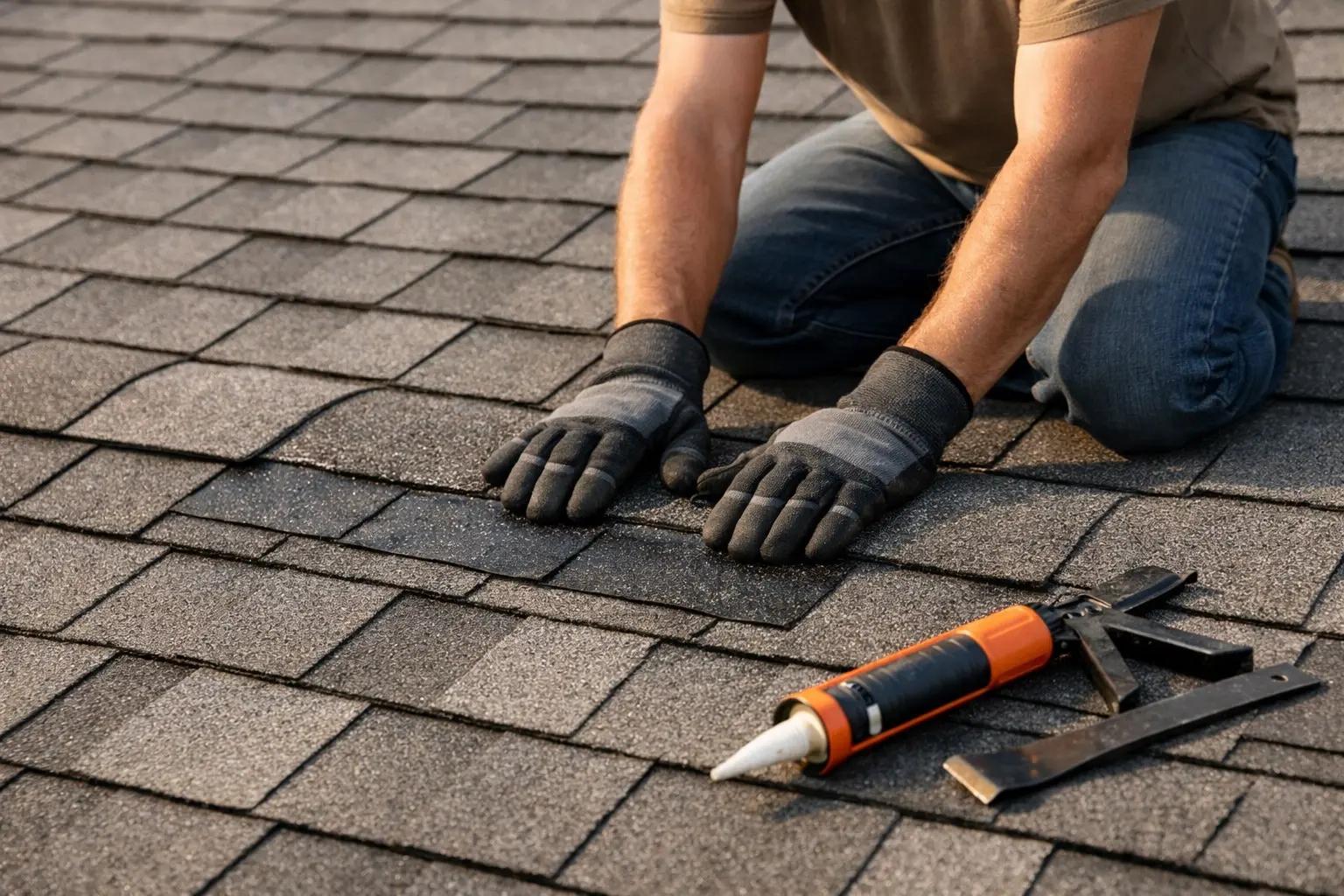
Save any leftover replacement shingles in a dry place (garage shelf or attic). Having matching shingles on hand makes future repairs much faster and avoids the color-matching headache.
Frequently Asked Questions
How much does it cost to replace one roof shingle?
+
A single asphalt shingle replacement costs about $20-50 in materials if you DIY: roughly $30-40 for a small bundle of matching shingles (you can't buy individual shingles at most stores), $5 for a tube of roofing cement, and $5 for a small box of 1-1/4-inch galvanized roofing nails. Hiring a roofer for the same job runs $150-400 minimum due to a service-call fee.
What's the best temperature to replace roof shingles?
+
Aim for a dry, calm day between 50-80°F. Below 50°F asphalt shingles are brittle and crack when you flex them; above 85°F they become soft, tear easily, and lose granules under foot traffic. Never work on a wet, icy, or windy roof — moisture eliminates traction and wind catches loose shingles.
How many nails hold each roof shingle?
+
Standard 3-tab asphalt shingles are held by four 1-1/4-inch galvanized roofing nails per shingle, driven through the nailing strip about 6 inches in from each side and just above the cutouts. Architectural (laminated) shingles are often nailed with six per shingle — always follow the nailing pattern printed on the shingle wrapper. In high-wind zones (110+ mph), code calls for six nails per shingle regardless of type.
Can I match an old discontinued shingle color?
+
Exact matches are rare for shingles older than 5-7 years because manufacturers update colorways and granules weather differently. For an inconspicuous spot a "close enough" match works — choose the closest available color blend. For a highly visible front-facing slope, consider sourcing from a less visible slope of your own roof and using the new shingle to fill the hidden spot.
When should I call a professional roofer instead of DIY?
+
Call a pro for: roof pitches steeper than 8/12, multi-story homes without safe access, more than 2-3 damaged shingles in one area (which usually means underlayment damage), any visible rot or sag in the deck, or if you're uncomfortable on ladders. A $200 service call beats a fall from a roof every time.
Sources & further reading
- How To Repair and Replace Roof Shingles — This Old House
- How to Replace Damaged Shingles — Family Handyman
- 1926.501 - Duty to have fall protection — OSHA
More Roofing & Siding Guides
View all →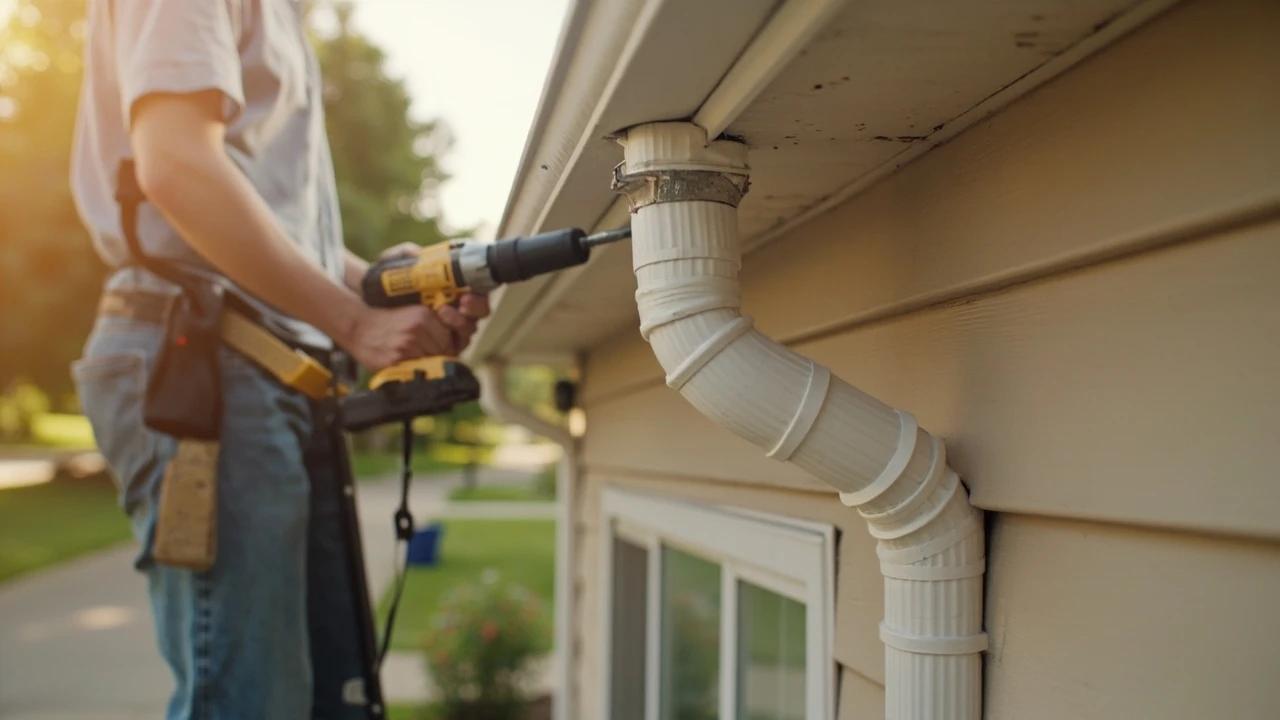 Easy1h 30m
How to Replace a Downspout
A crushed, leaking, or detached downspout dumps roof water right at your foundation — the single most common cause of wet basements — and replacing one is among the easiest exterior repairs there is. Parts are standard at any home center ($25-60 for a typical run with elbows and straps), the only real tools are a hacksaw and a drill, and the whole swap takes about 90 minutes. The trick that separates a dry wall from a streaky one is assembly order: every upper piece slips INSIDE the piece below it.
 Medium4 hrs
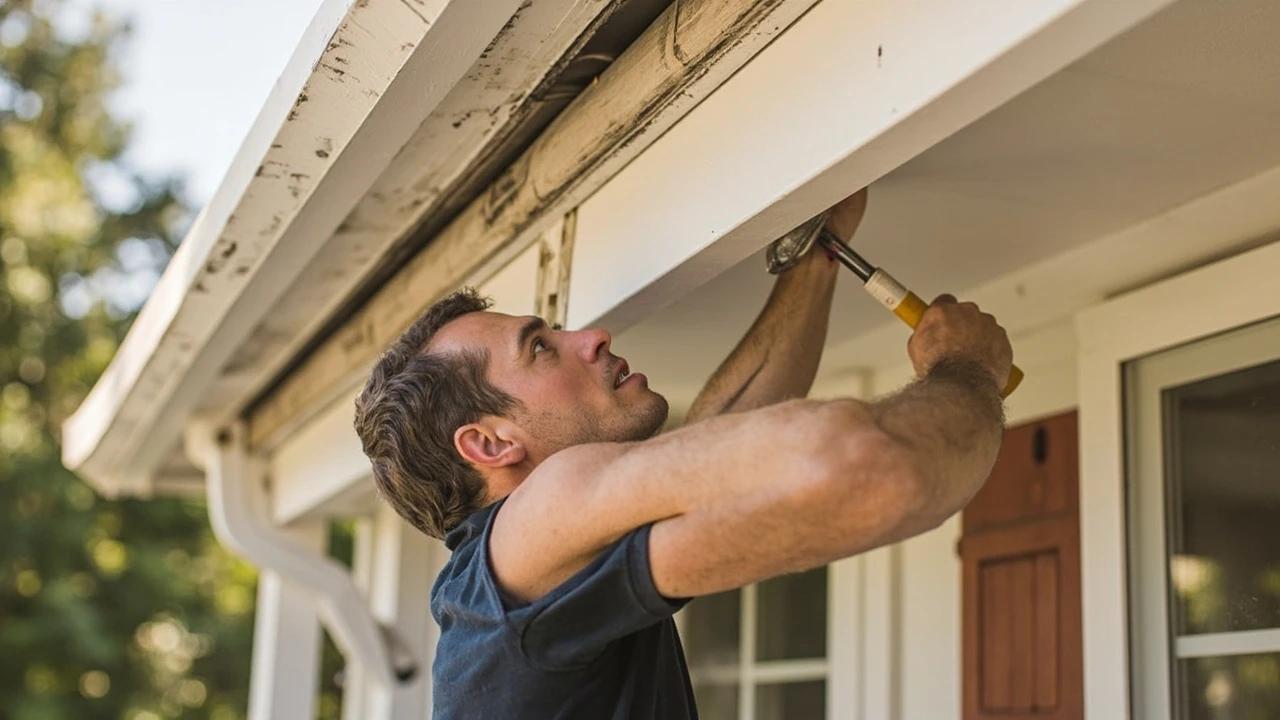
How to Repair a Soffit or Fascia Board
Peeling paint and soft, crumbling wood at the roof edge means the fascia (the vertical board behind the gutter) or soffit (the panel under the eave) is rotting — and every season you wait, the rot creeps toward the rafter tails it's nailed to. Swapping a damaged section is honest weekend carpentry: $50-150 in lumber and paint, basic tools, and one golden rule — find and fix the water source that caused the rot, or you'll be back on the ladder in two years.
 Medium2 hrs
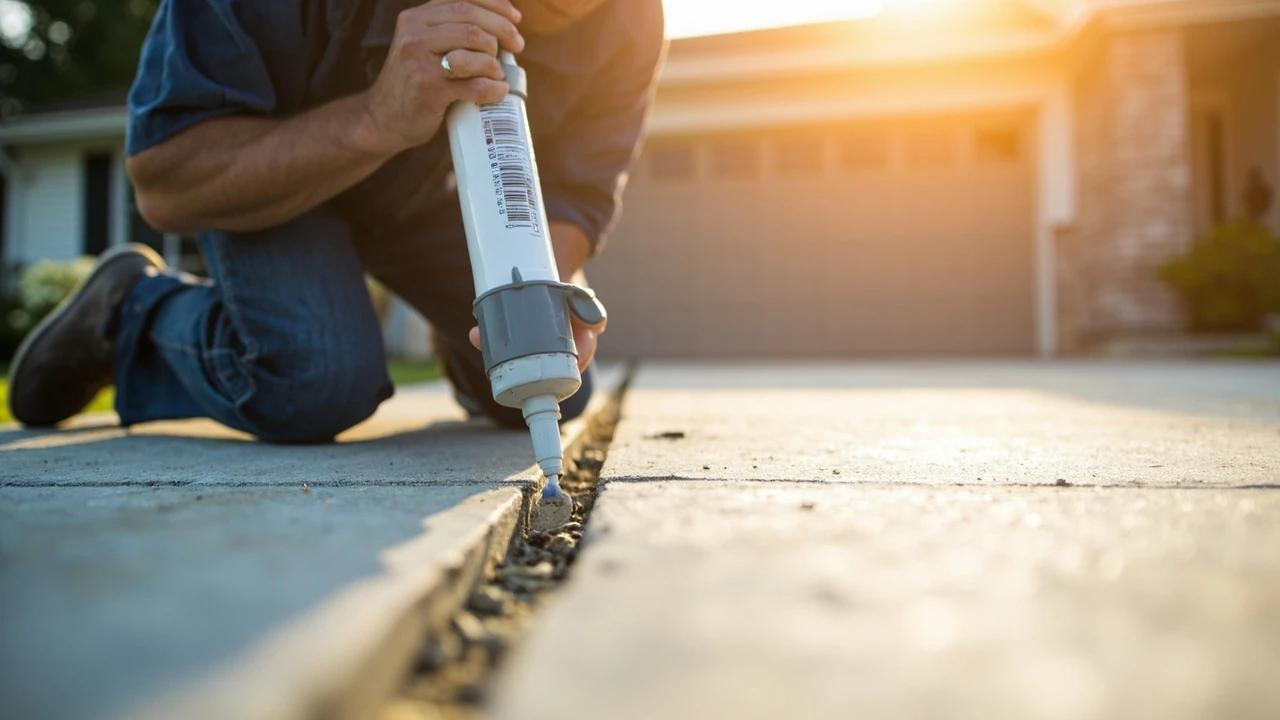
How to Patch Cracks in a Concrete Driveway
Every crack in a concrete driveway is a water channel, and every winter that water freezes, expands, and pries the crack wider — which is why a $15 tube of polyurethane sealant today beats a $5,000 replacement in five years. The fix depends entirely on crack width: pourable filler for hairlines, backer rod and flexible caulk for the middle sizes, vinyl patcher for wide or crumbling sections. This guide sorts your cracks into the right bucket and walks each repair start to finish.
You Might Also Like
 Easy30 min
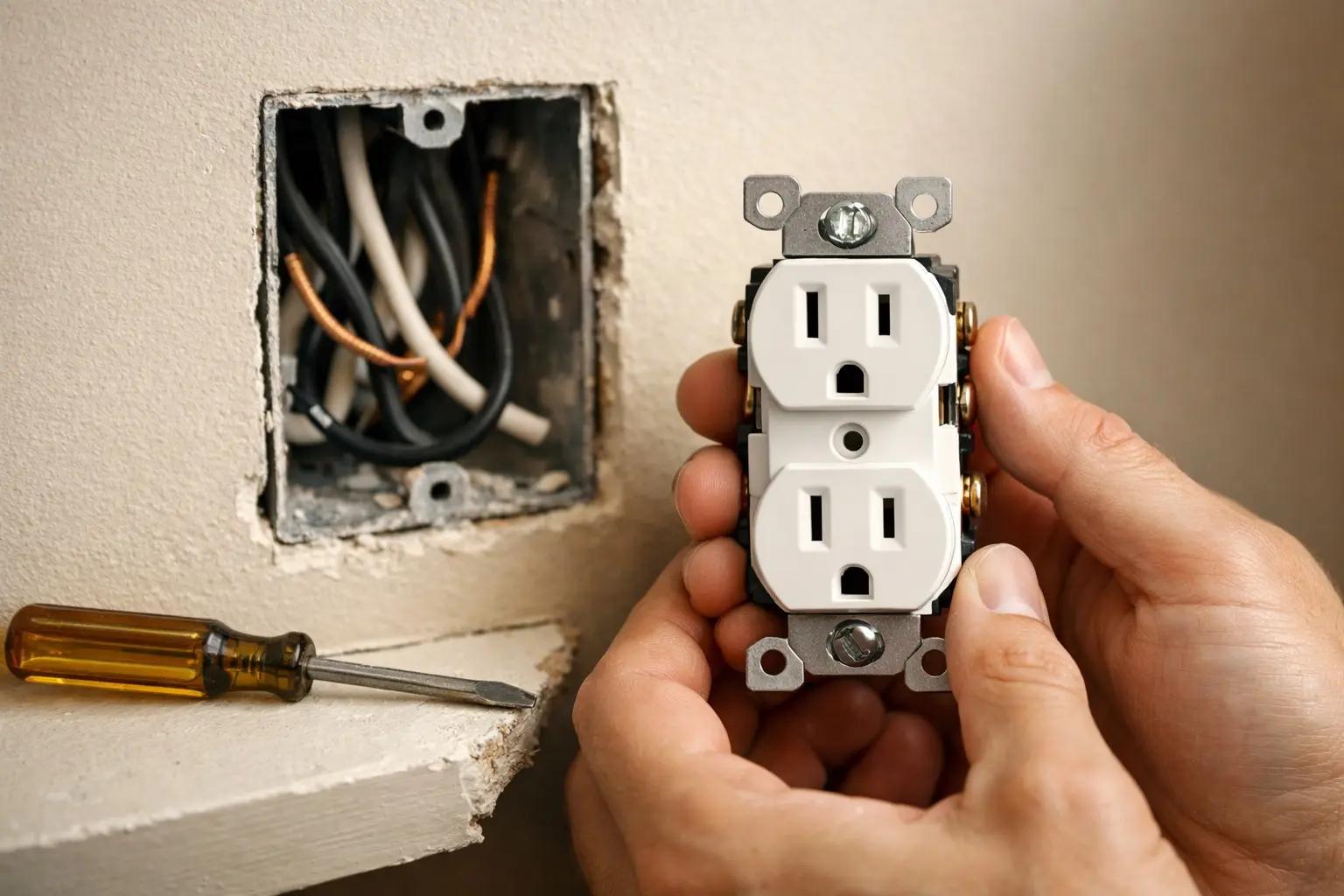
How to Replace an Electrical Outlet
A worn-out or discolored electrical outlet is one of the simplest electrical repairs you can tackle yourself — swapping one takes about 15-30 minutes and costs under $5 in parts versus $75-150 for an electrician visit. This guide walks you through safely replacing a standard duplex receptacle, including how to handle the wiring correctly and avoid the most common DIY mistakes.
 Medium30 min
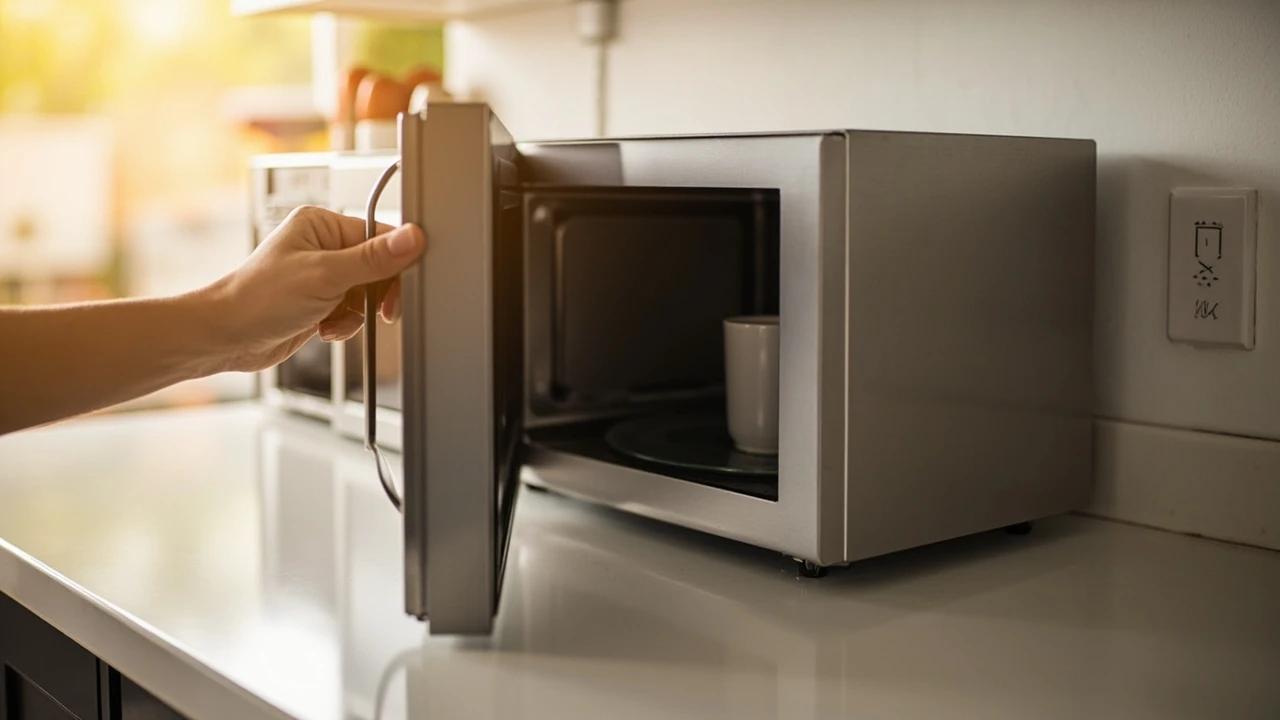
How to Troubleshoot a Microwave That Won't Heat
A microwave that runs — light on, turntable spinning, timer counting down — but leaves food stone cold is one of the most common appliance failures, and about half the time the cause is something you can fix in five minutes for free. This guide walks the diagnosis from the easy stuff (demo mode, power level, a tripped GFCI, a dirty door latch) to reading the failure signature that tells you the high-voltage circuit is gone, then helps you make the repair-or-replace call with real numbers.
 Medium45 min
How to Install a Ceiling Fan
Replacing a light fixture with a ceiling fan improves air circulation in summer and can reduce heating costs in winter by circulating warm ceiling air downward. Most installs take 45-60 minutes.