How to Install a Water Shut-Off Valve
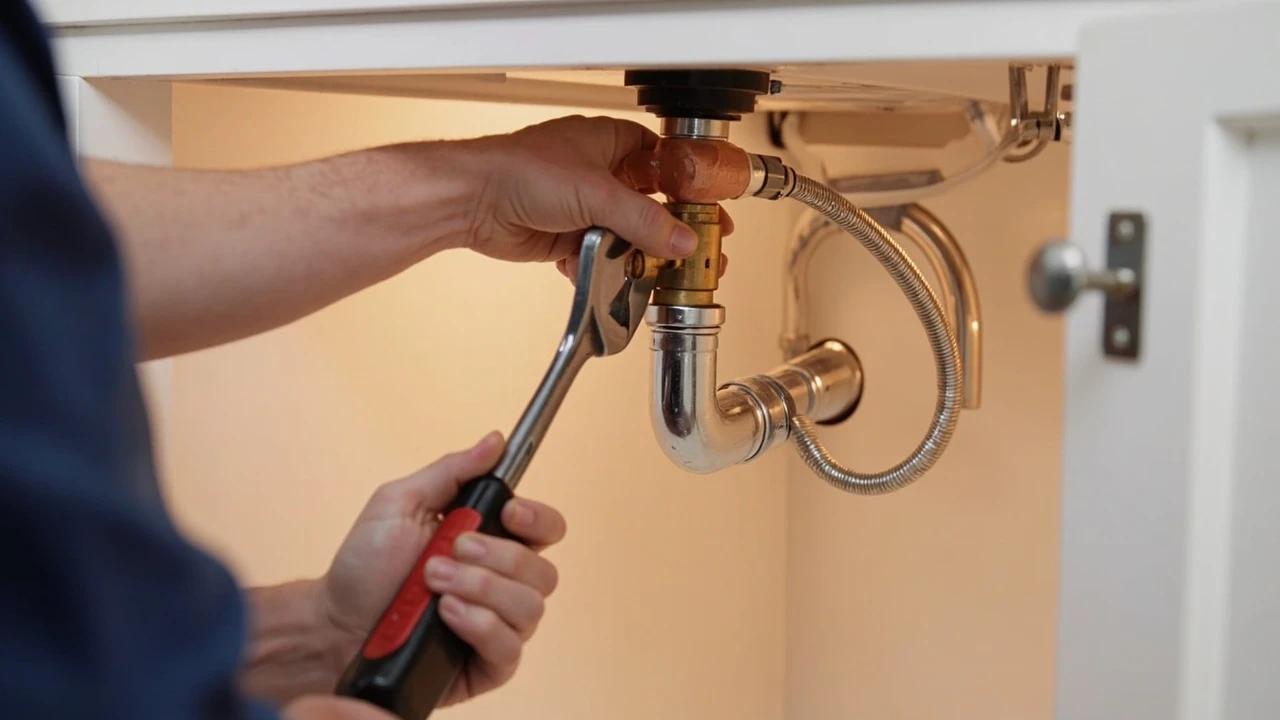

Every sink, toilet, and appliance water line should have its own shut-off valve so you can kill the water to one fixture without shutting down the whole house. Installing a compression-fit quarter-turn ball valve on an existing copper or CPVC line is a straightforward job that takes about an hour and costs under $15 in parts — compared to $150-300 for a plumber call. This guide covers the most common scenario: replacing an old gate valve or adding a new valve under a sink or behind a toilet.
What You'll Need
🛠 Tools
📦 Materials
Safety First
- •Turn off the main water supply to the house before cutting any pipe. Open a faucet on the lowest level to drain residual pressure. Even with the main off, water trapped in the lines will drain out when you cut — have a bucket and towels ready.
- •Copper pipe edges are razor-sharp after cutting. Always deburr the inside and outside of the cut pipe before handling it further. Wear work gloves when handling freshly cut pipe.
Step-by-Step Instructions
Shut Off the Main Water Supply and Drain the Lines
Locate your home's main water shut-off valve — typically near the water meter at the street-side wall of your basement, crawl space, or utility closet. Turn it fully clockwise (or lever to perpendicular) to shut off all water to the house. Then open the faucet nearest to your work area and let it run until it stops — this drains residual water and pressure from the pipes. Open the faucet on the lowest level of your home as well to help drain the system by gravity. Place a bucket and towels under the pipe you will be cutting, because some water will remain trapped in the line no matter how well you drain.
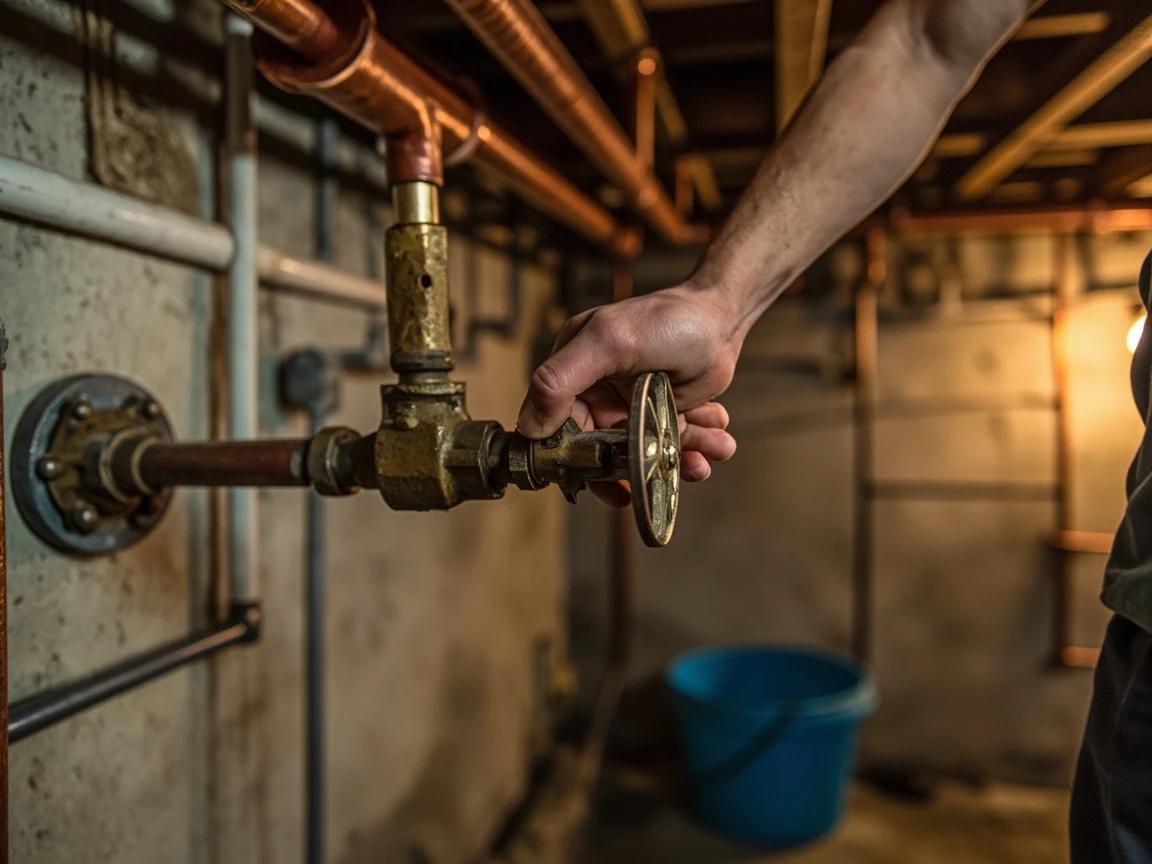
If your main shut-off valve is an old gate valve that does not fully stop the water flow, you can still work — just have extra towels ready and work quickly once you cut the pipe. This is actually a great reason to upgrade your main shut-off to a quarter-turn ball valve as a separate project.
Remove the Old Valve or Disconnect the Supply Line
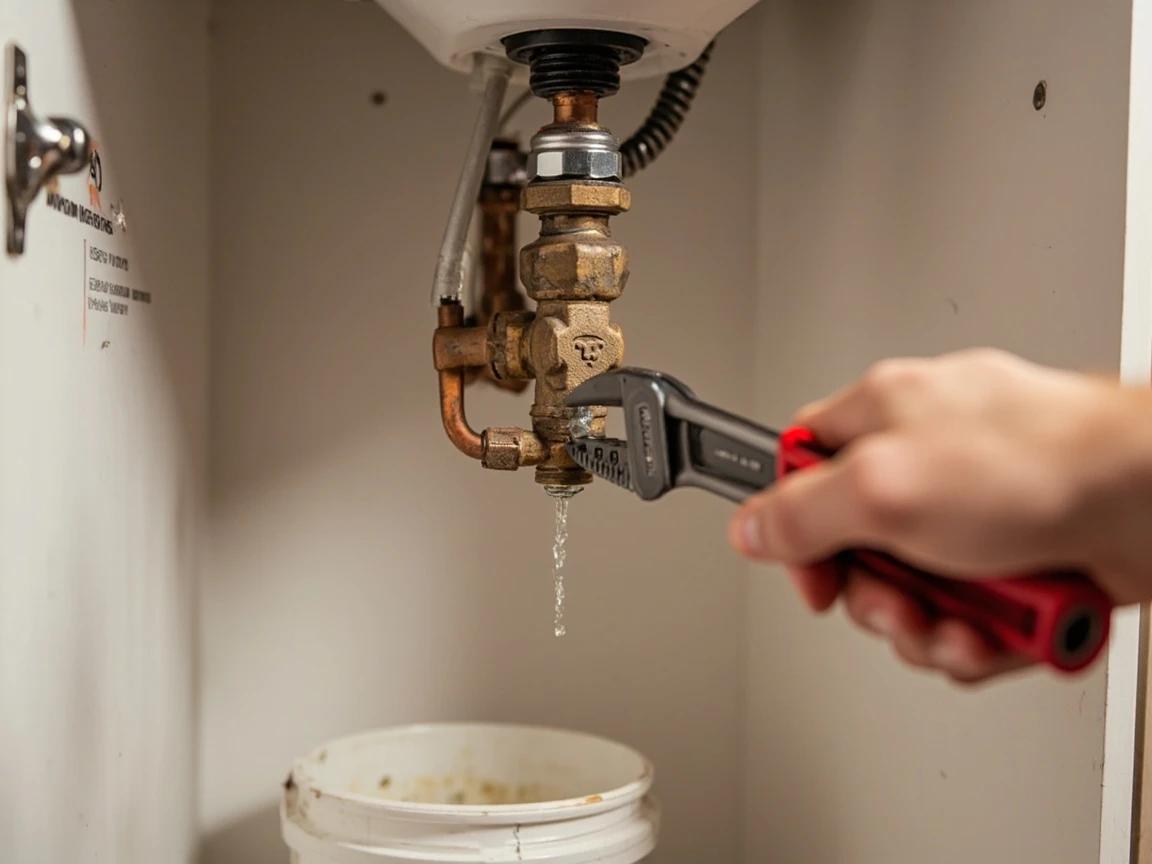
If you are replacing an old valve, use an adjustable wrench to unscrew the compression nut connecting the supply line to the valve outlet, then unscrew the compression nut connecting the valve to the pipe stub-out from the wall. If the old ferrule (brass compression ring) is stuck on the pipe, do not try to pry it off — you can cut the pipe just behind it with a tubing cutter to get a fresh section. If you are adding a valve where none exists, simply disconnect the supply line from the pipe stub-out. Have your bucket underneath to catch any remaining water that drains out.
Cut the Pipe Clean with a Tubing Cutter
If you need a fresh pipe end — either because the old ferrule is stuck or the pipe is damaged — use a mini tubing cutter to make a clean, square cut. Clamp the cutter onto the pipe where you want to cut, tighten the knob until the cutting wheel contacts the pipe, and rotate the cutter around the pipe. After each full rotation, tighten the knob a quarter turn and rotate again. Repeat until the cutter slices through. The key is patience — forcing the cutter bends the pipe and creates an oval end that will not seal properly. You need at least 1 inch of straight pipe extending from the wall to seat the compression fitting.
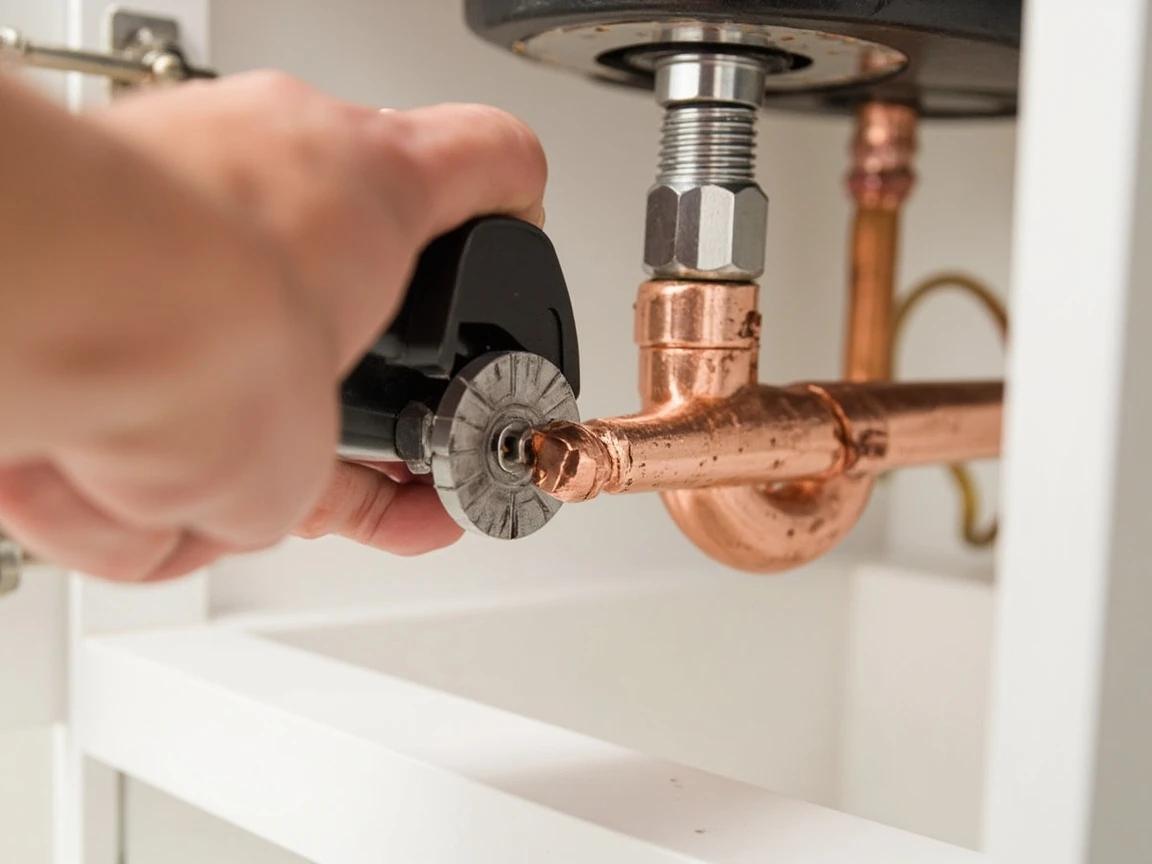
Do not use a hacksaw to cut copper pipe for a compression fitting — hacksaw cuts leave a rough, angled edge that prevents the ferrule from sealing. A tubing cutter produces the perfectly square, burr-free cut that compression fittings require.
Deburr and Clean the Pipe End
After cutting, the inside edge of the pipe will have a small raised burr that restricts water flow and can prevent the ferrule from seating. Use the triangular reamer blade on the back of your tubing cutter (or a separate deburring tool) to scrape away the inside burr by rotating it inside the pipe opening. Then wrap a strip of emery cloth around the outside of the pipe and sand the last inch until it is bright and shiny — this removes oxidation and ensures the compression ferrule makes full metal-to-metal contact for a watertight seal. Wipe the pipe clean with a dry rag to remove any grit or copper shavings.
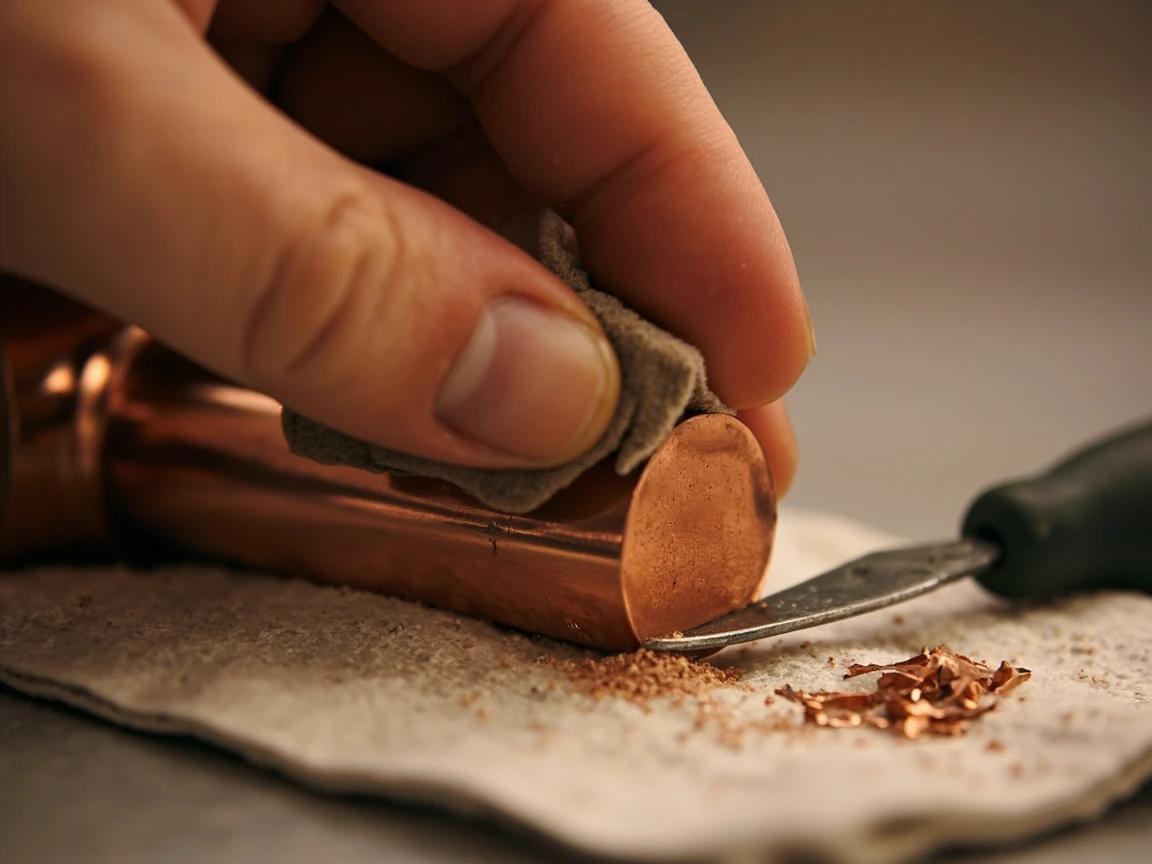
A properly cleaned pipe end is the single most important factor in preventing leaks. If the pipe looks dull, green, or has mineral deposits, keep sanding until you see bright copper. This step takes 30 seconds and prevents the most common cause of compression fitting leaks.
Slide On the Compression Nut and Ferrule
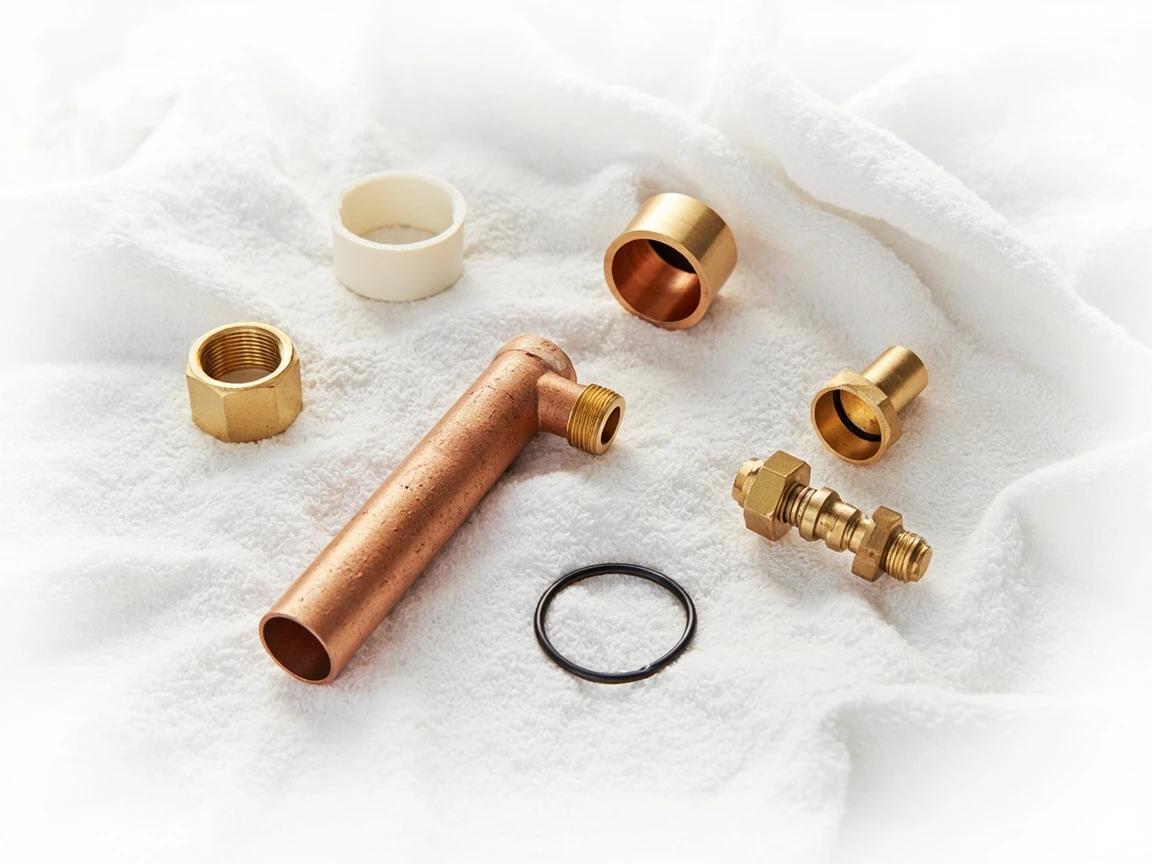
Before attaching the valve, slide the compression nut onto the pipe first with the threaded end facing away from the wall. Then slide the brass compression ferrule (also called a compression ring or olive) onto the pipe behind the nut. The ferrule is the small brass ring that came with your valve — it sits between the nut and the valve body and gets crushed into a tight seal when you tighten the nut. Make sure both pieces slide freely on the pipe before proceeding. If the pipe has a slight bend that prevents them from sliding, gently straighten the pipe with your hands.
Attach the Shut-Off Valve and Tighten the Compression Fitting
Push the valve body onto the pipe end until it seats firmly against the ferrule. Hold the valve with one hand to prevent it from spinning, then slide the compression nut up and thread it onto the valve body by hand — tighten it finger-tight first. Using an adjustable wrench, tighten the compression nut an additional one-half to three-quarters of a turn past finger-tight. This is enough to crush the ferrule into a seal without deforming it. Resist the urge to crank it down further — overtightening is the most common cause of compression fitting failure, as it cracks the ferrule or distorts the pipe and creates a leak that gets worse over time.
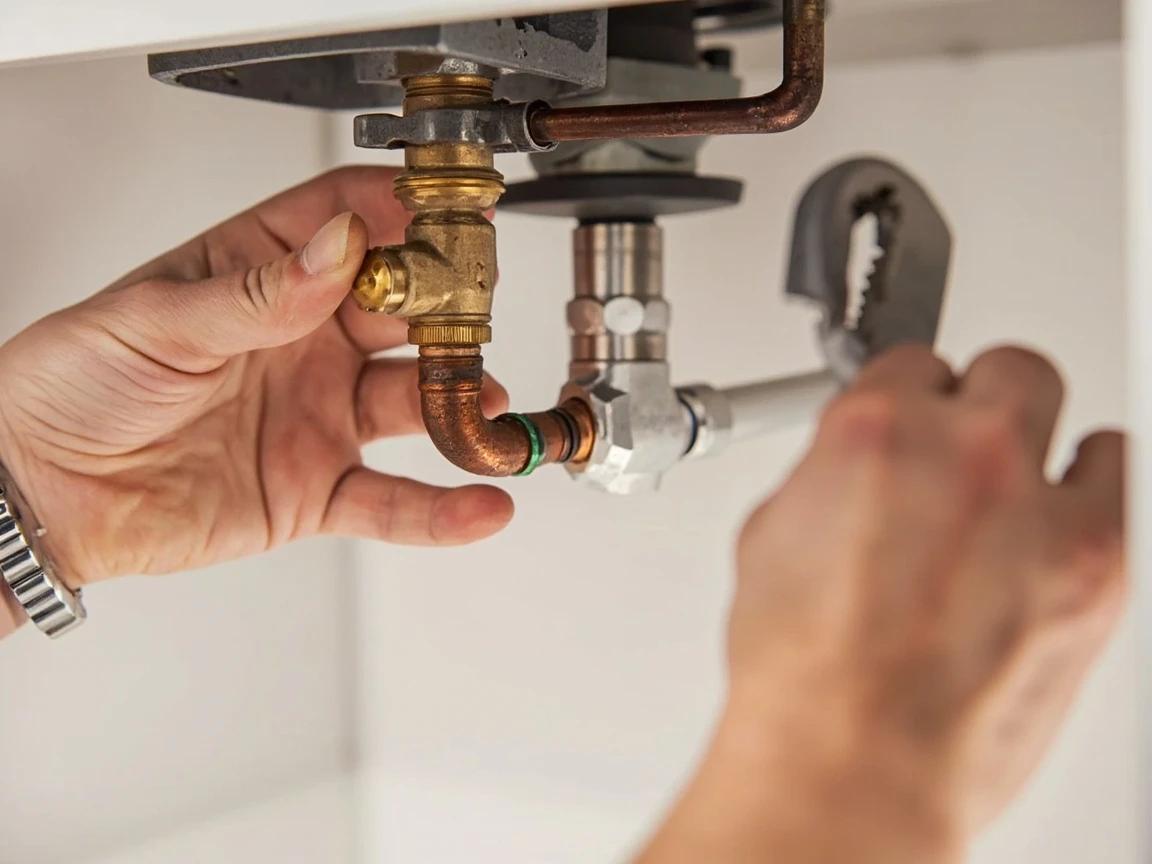
Do not overtighten the compression nut. One-half to three-quarters of a turn past finger-tight is enough. If you overtighten and it leaks, you cannot fix it by tightening more — you will need a new ferrule and possibly a new cut on the pipe.
Connect the Supply Line to the Valve Outlet
Attach your new braided stainless steel supply line to the valve's outlet port. Most quarter-turn valves have a 3/8-inch compression outlet — match your supply line fitting to this size. Thread the supply line's compression nut onto the valve outlet by hand, then tighten with an adjustable wrench — again, one-half to three-quarters turn past finger-tight. Connect the other end of the supply line to the fixture's inlet (faucet tailpiece or toilet fill valve) and hand-tighten, then snug with a wrench. Use Teflon tape on any threaded (non-compression) connections — wrap 3-4 turns clockwise around the male threads before connecting.
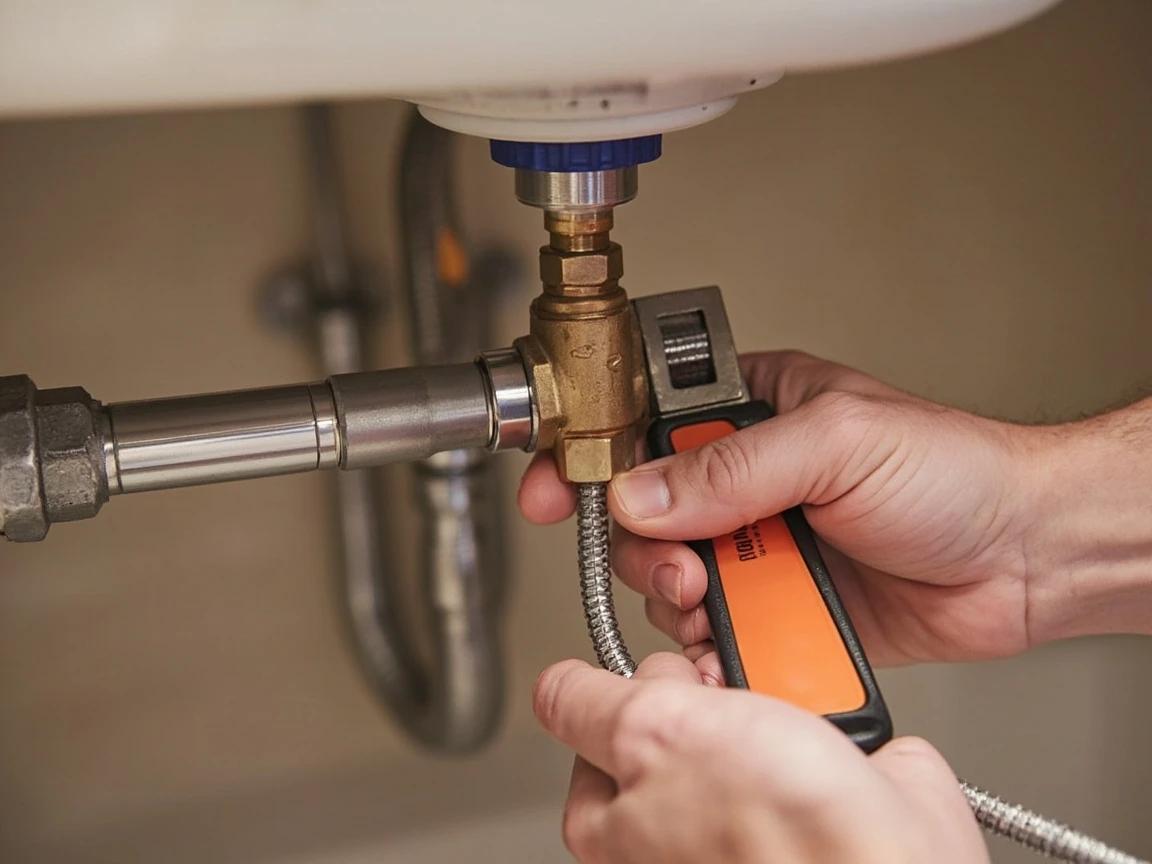
Always replace the supply line when you replace a shut-off valve. Old supply lines — especially the chrome-plated corrugated copper type — are the most common source of under-sink floods. Braided stainless steel lines cost $5-8 and last decades.
Turn On the Water and Check for Leaks
Make sure the new shut-off valve is in the open position (handle parallel to the pipe). Turn the main water supply back on slowly — open it a quarter turn and wait 10 seconds, then open fully. Let the faucet run for 30 seconds to flush any debris from the lines. Now carefully inspect every connection point: the compression fitting at the wall, the valve-to-supply-line connection, and the supply-line-to-fixture connection. Run your finger around each joint and check for moisture. If you see a drip at a compression fitting, try tightening the nut an additional quarter turn — but no more. Dry the area completely with a towel, lay a paper towel beneath the connections, and check again in 30 minutes to confirm everything stays dry.
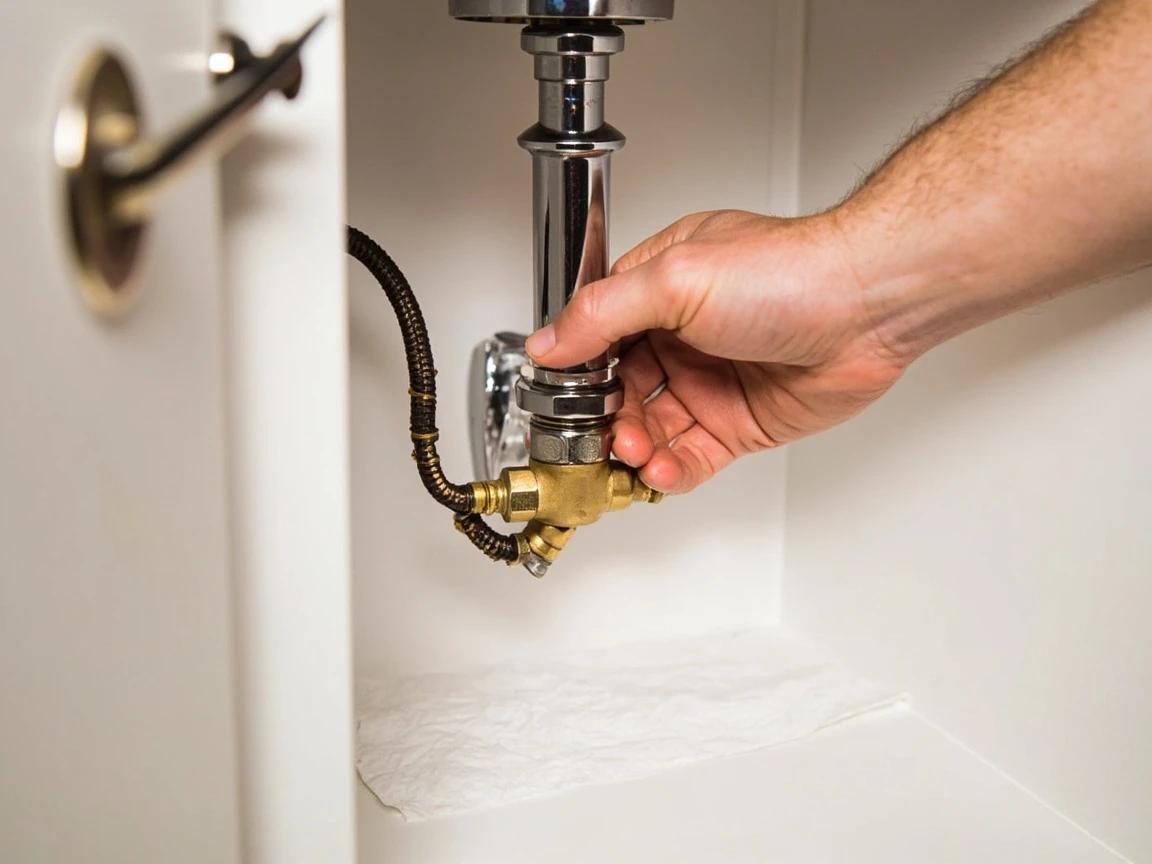
The paper towel test is the most reliable leak detection method for small drips. Leave a dry paper towel under the connections for 30 minutes after turning the water back on. Even the smallest drip will leave a visible wet spot that your eyes might miss on a chrome fitting.
Frequently Asked Questions
How tight should a compression fitting be?
+
Hand-tight, then one-half to three-quarters of a turn with a wrench — no more. That is enough to crush the brass ferrule into a seal without distorting it. Overtightening is the single most common cause of compression-fitting failure, and it is the one mistake you cannot fix by tightening further: once the ferrule is cracked or the pipe is deformed, you need a fresh ferrule and usually a fresh cut. If a new joint weeps, give it a quarter turn more and stop there.
Do I have to shut off water to the whole house to replace a shut-off valve?
+
Yes, if you are cutting into the pipe — the fixture's own valve is the part you are removing, so there is nothing downstream to isolate it. Close the main, then open a faucet near the work area and another on the lowest level of the house to drain residual pressure by gravity. Water stays trapped in the line no matter how well you drain it, so keep a bucket and towels under the pipe when you make the cut.
What is the difference between a quarter-turn ball valve and an old gate valve?
+
A ball valve turns 90 degrees from fully open to fully closed and gives you an unambiguous visual: handle parallel to the pipe is open, perpendicular is closed. A gate valve uses a multi-turn wheel that raises an internal gate, and after years of sitting untouched those gates corrode, seize, or stop sealing completely — which is why so many people discover their old shut-off will not actually shut off. That is the main reason to upgrade.
Should I reuse the old supply line?
+
No — replace it while everything is apart. Old supply lines are the most common source of under-sink floods, especially the chrome-plated corrugated copper type, which work-hardens and splits without warning. A braided stainless steel line costs $5-8 and lasts decades. Match the length and both fitting sizes to your fixture, and do not stretch a line that is slightly too short.
Can I use a compression shut-off valve on PEX or CPVC pipe?
+
Not the standard copper compression valve, no. PEX needs crimp rings or expansion fittings and the matching tool, and CPVC needs solvent-cement fittings — a compression ferrule will not seal reliably on either. Galvanized steel is threaded and needs its own approach. Identify the pipe material before you buy the valve; getting this wrong is the most common reason the part goes back to the store.
Sources & further reading
- Adding Sink Shutoff Valves — This Old House
- How to Replace a Shutoff Valve (DIY) — Family Handyman
More Plumbing Guides
View all →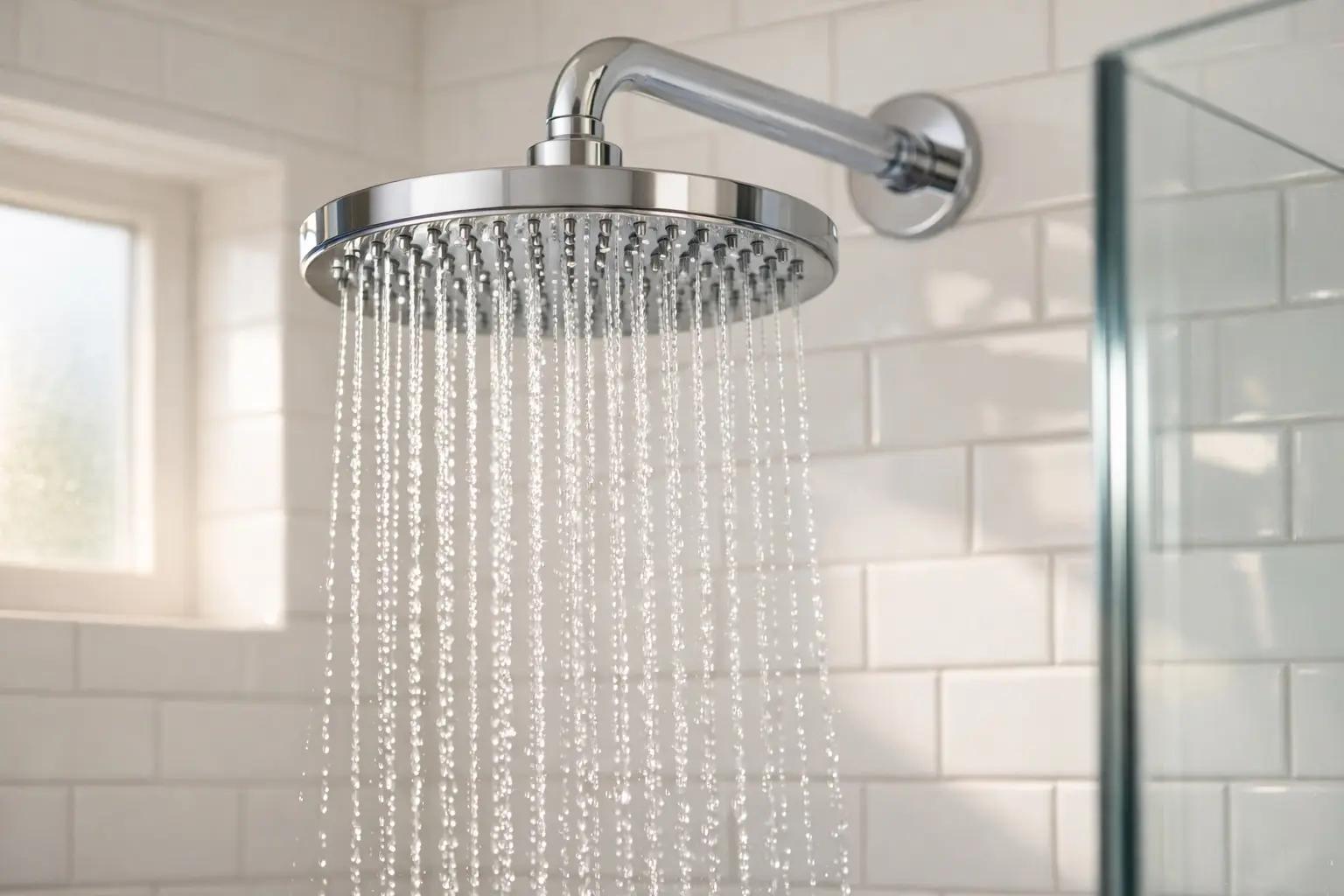 Easy15 min
How to Replace a Shower Head
Swapping out a shower head is one of the simplest plumbing upgrades you can do — no special tools, no shutting off the main water supply, and it takes about 15 minutes. A modern low-flow shower head can cut your water usage by 40% while actually improving pressure, saving $70+ per year on water and energy bills.
 Medium1h 30m
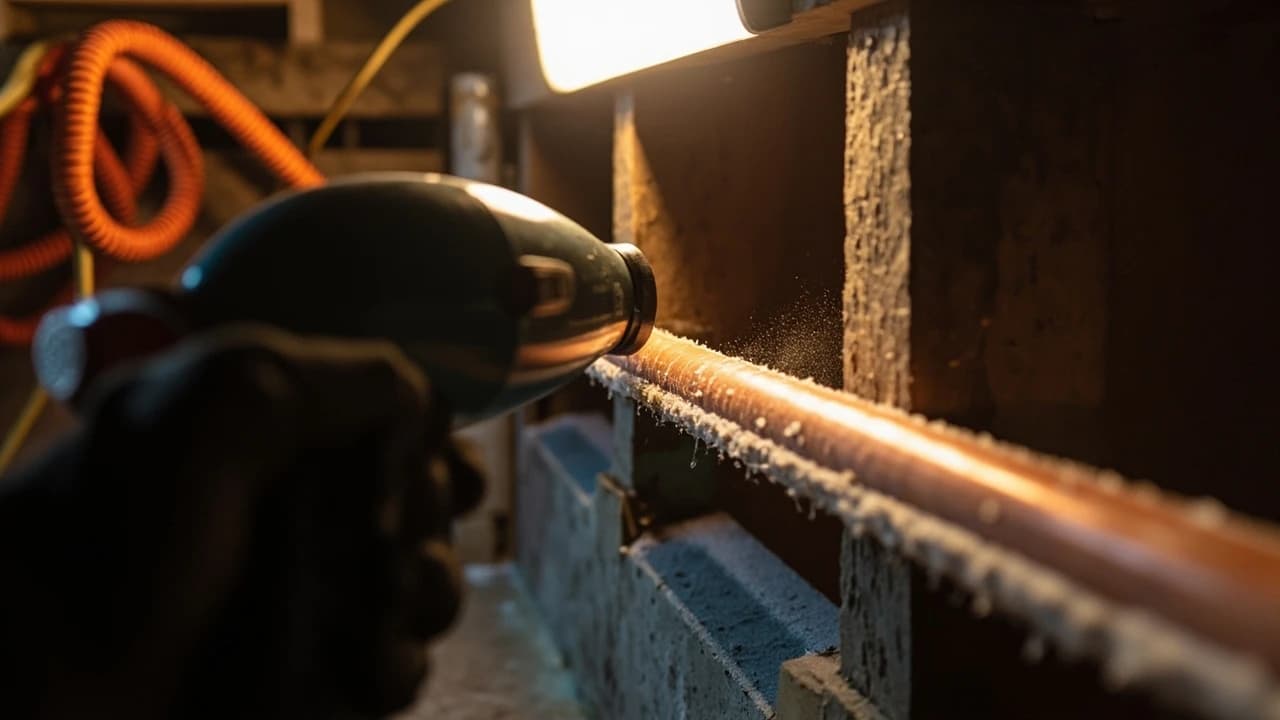
How to Thaw Frozen Pipes Safely
A frozen pipe is a burst pipe waiting to happen — the ice itself rarely splits the metal, but the water pressure trapped between the ice plug and a closed faucet does. This guide covers finding the frozen section, inspecting it for damage before you add any heat, and thawing it with tools you almost certainly already own. Most accessible pipes clear in 30 to 45 minutes.
 Easy30 min
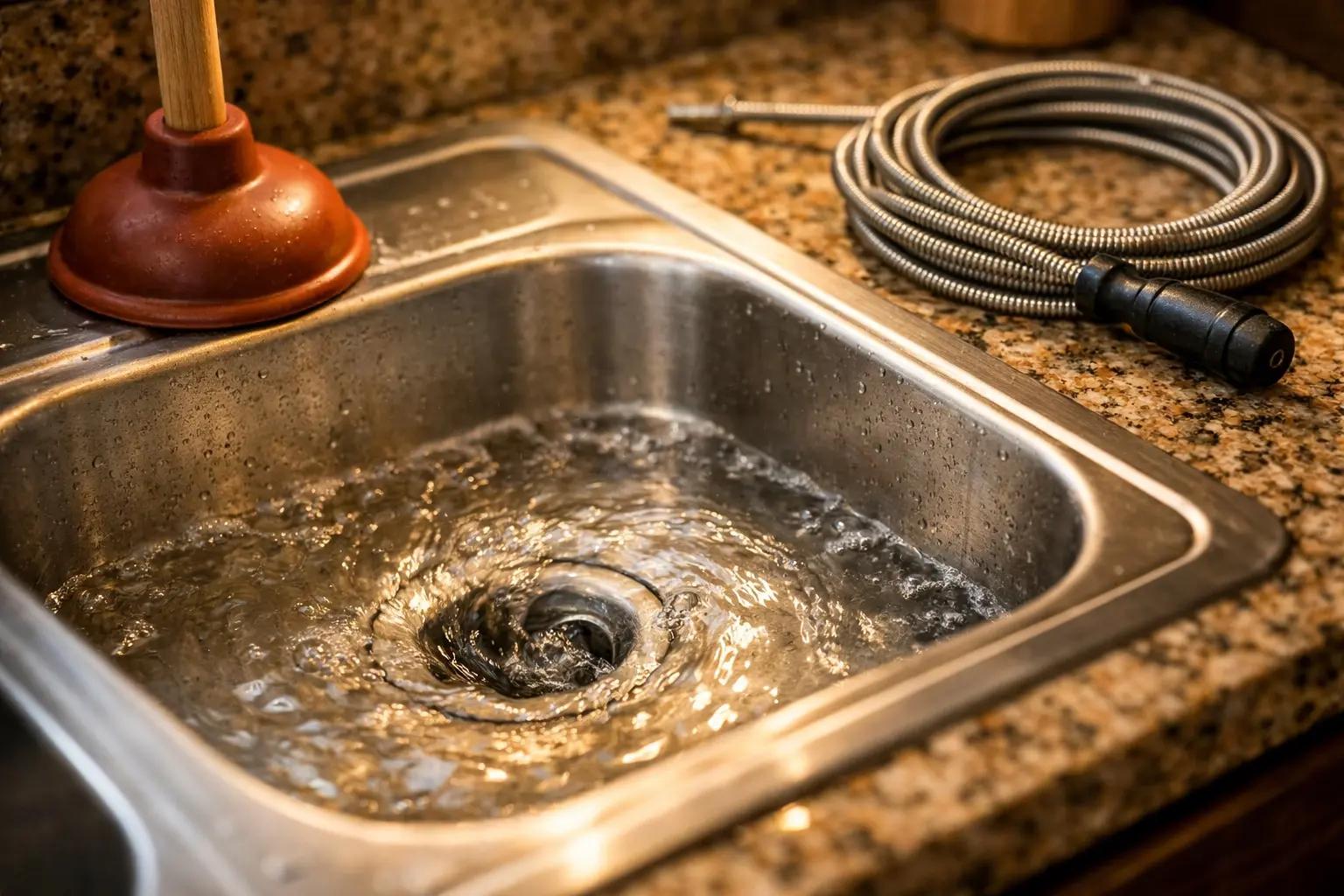
How to Unclog a Drain
A slow or fully blocked drain is one of the most common household plumbing issues — and usually one of the cheapest to fix yourself. Most clogs can be cleared in under 30 minutes with tools you already own, saving the $150-300 a plumber would charge for the same job.
You Might Also Like
 Medium6 hrs
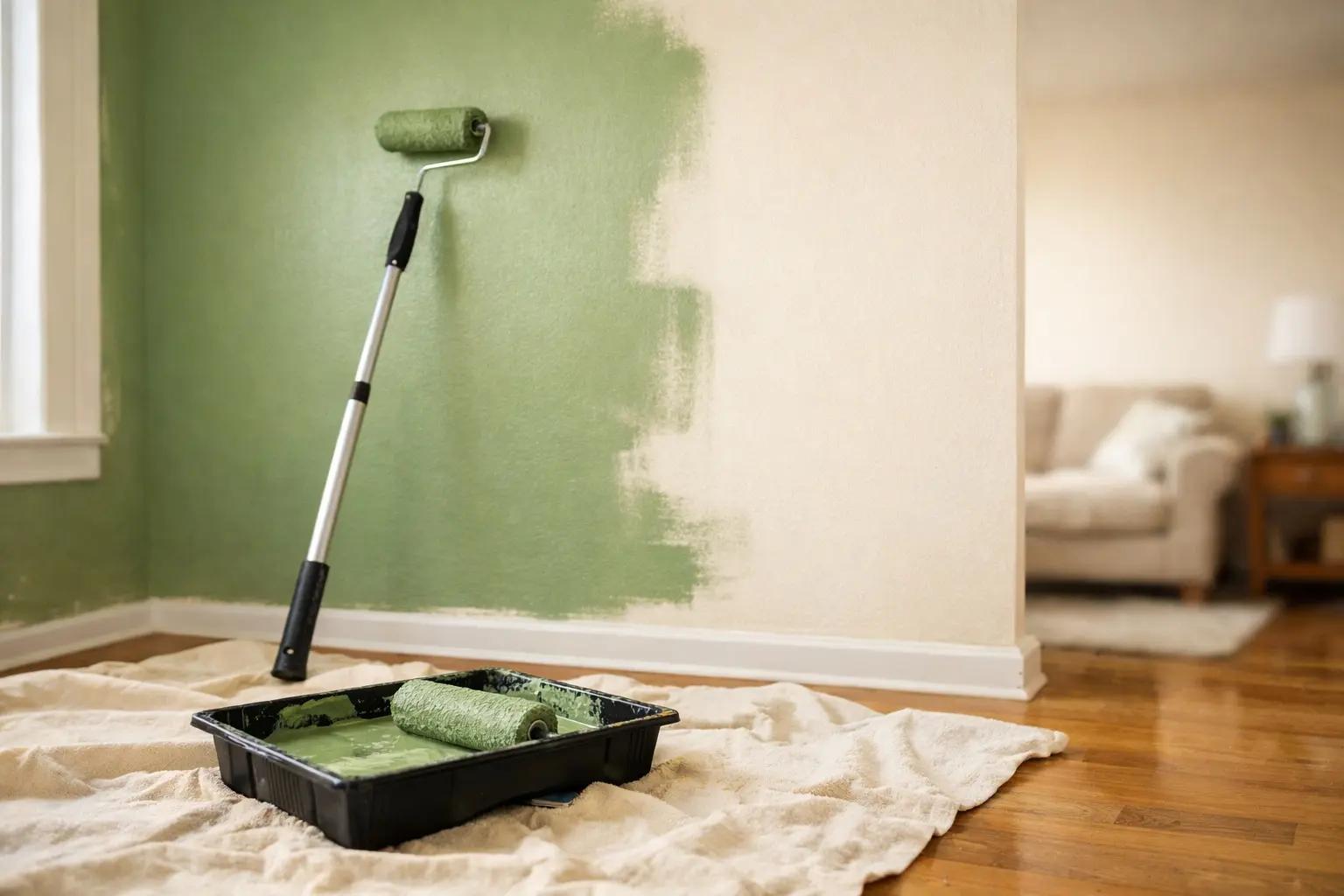
How to Paint a Room
A fresh coat of paint is the fastest, cheapest way to transform any room — and doing it yourself saves $400-800 in labor for an average 12x12-foot bedroom. The job takes a weekend from prep to final coat, and the difference between an amateur-looking result and a professional finish comes down to technique, not talent. This guide covers prep, cutting in, rolling, and cleanup so you get clean lines and even coverage the first time.
 Easy30 min
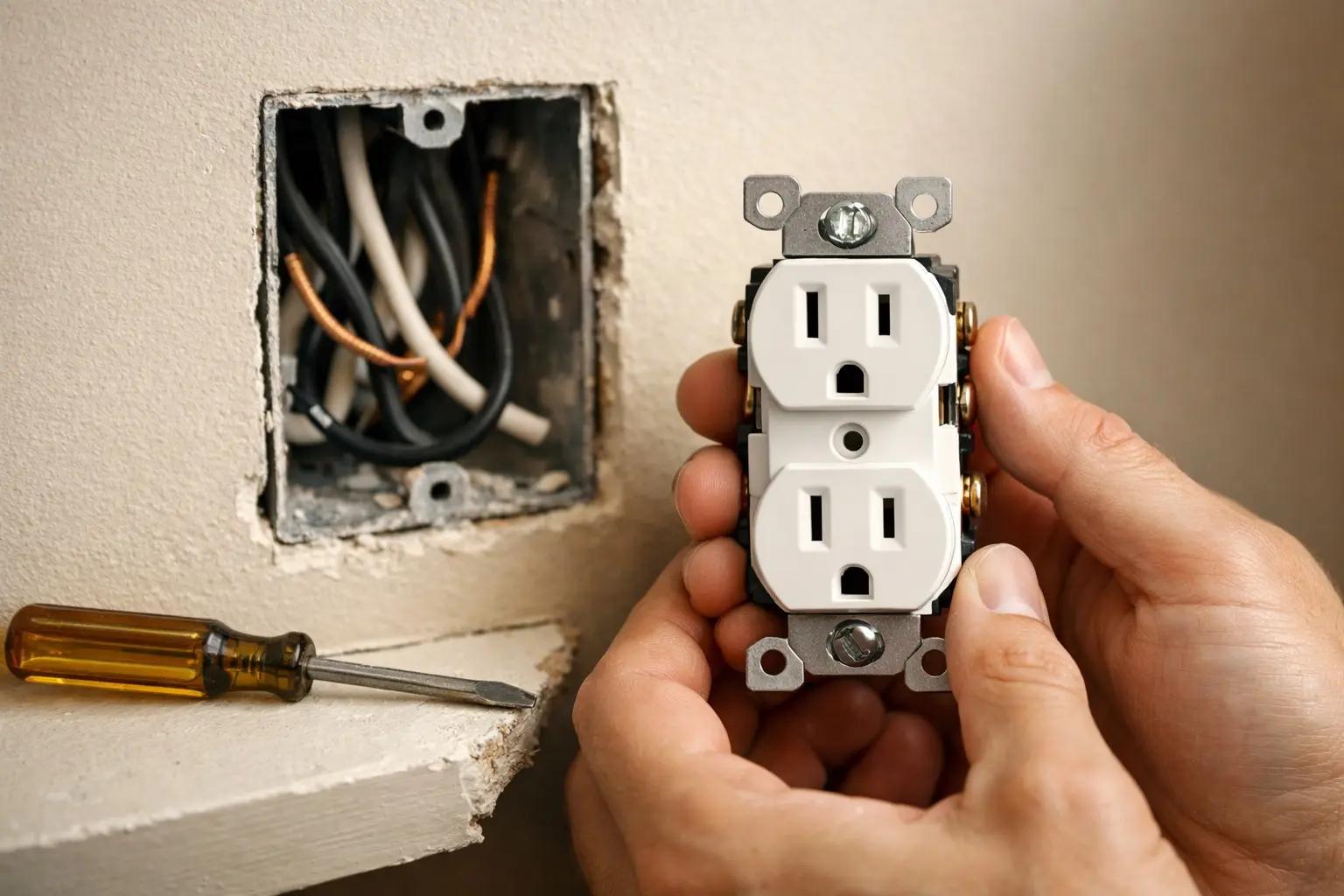
How to Replace an Electrical Outlet
A worn-out or discolored electrical outlet is one of the simplest electrical repairs you can tackle yourself — swapping one takes about 15-30 minutes and costs under $5 in parts versus $75-150 for an electrician visit. This guide walks you through safely replacing a standard duplex receptacle, including how to handle the wiring correctly and avoid the most common DIY mistakes.
 Medium30 min
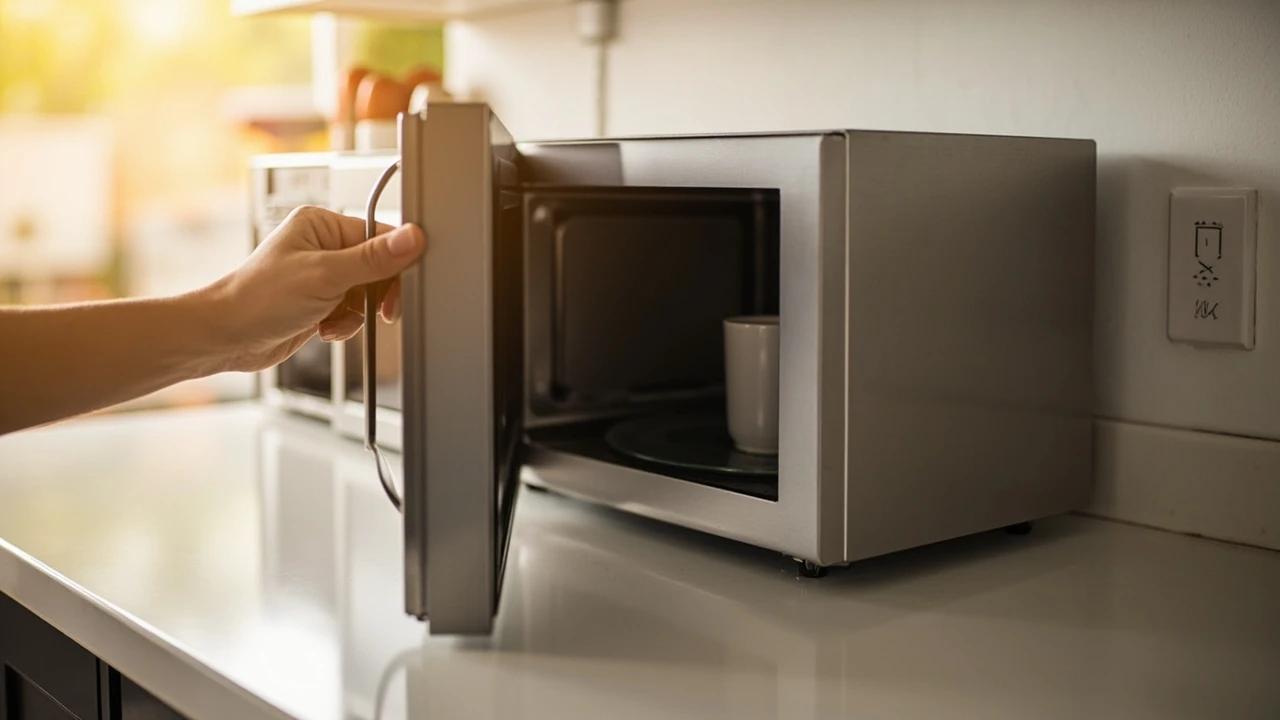
How to Troubleshoot a Microwave That Won't Heat
A microwave that runs — light on, turntable spinning, timer counting down — but leaves food stone cold is one of the most common appliance failures, and about half the time the cause is something you can fix in five minutes for free. This guide walks the diagnosis from the easy stuff (demo mode, power level, a tripped GFCI, a dirty door latch) to reading the failure signature that tells you the high-voltage circuit is gone, then helps you make the repair-or-replace call with real numbers.