How to Clean Air Ducts Yourself
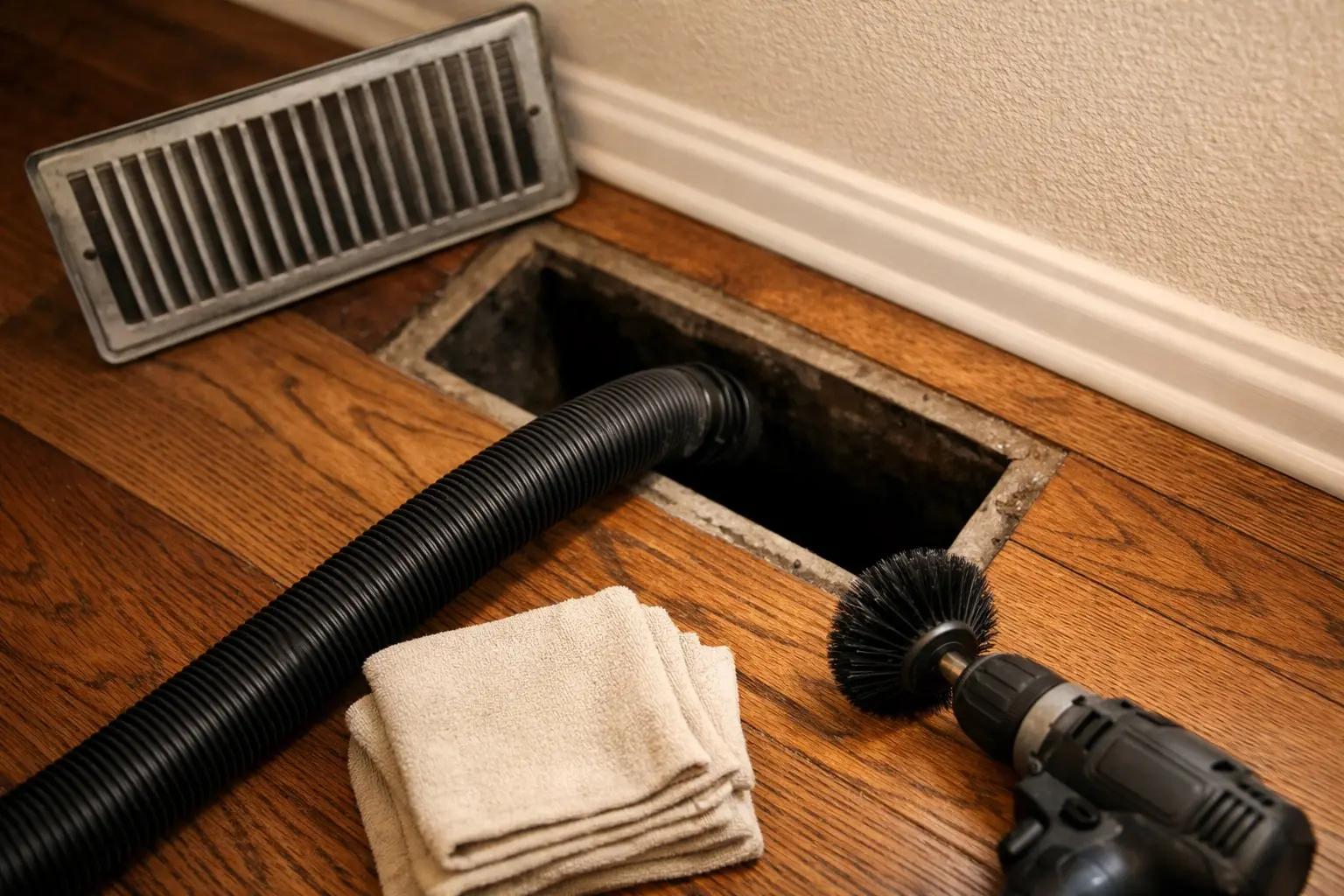

Dust, pet dander, and debris build up inside your ductwork over time, and cleaning the accessible sections near each register cuts down on dust that gets stirred back into rooms. The EPA does not recommend routine, calendar-based duct cleaning — clean when you can actually see buildup at the vents, not on a fixed schedule. Professional duct cleaning runs $300-500, but you can tackle the accessible sections yourself in about two hours with a vacuum, a brush, and a screwdriver. This guide walks you through removing vents, loosening buildup, vacuuming debris, and replacing your filter so your system runs cleaner and your air feels fresher.
What You'll Need
🛠 Tools
📦 Materials
Safety First
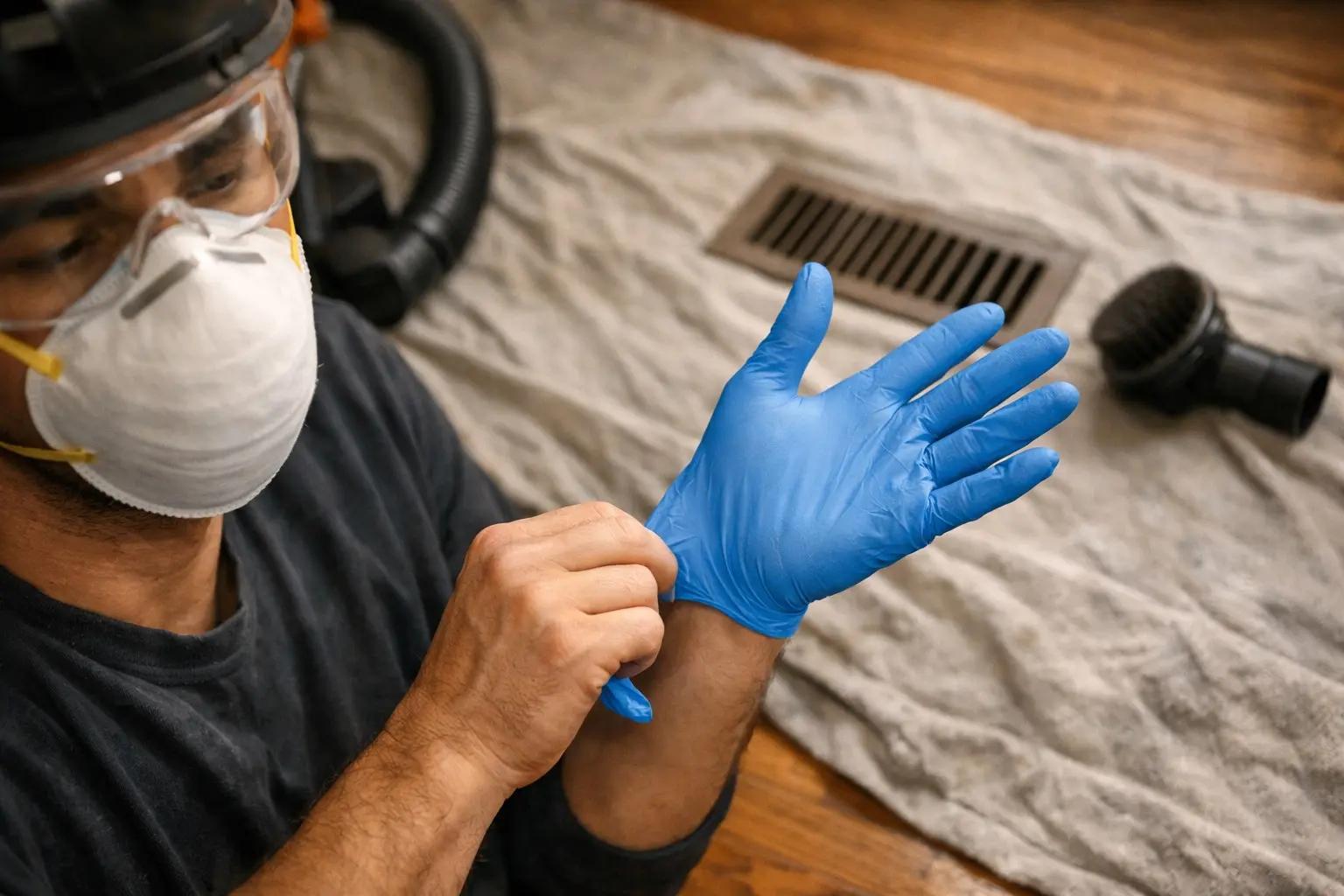
- •Wear an N95 mask and safety glasses — duct dust contains allergens, mold spores, and fine particulates that irritate lungs and eyes.
- •If you see visible mold growth (black or green patches) or smell musty odors inside the ducts, stop cleaning and call a professional — disturbing mold without containment spreads spores throughout the house.
- •Never use chemical sprays, bleach, or aerosol duct cleaners inside ducts unless specifically recommended by your HVAC manufacturer — residues release harmful fumes when the system runs.
- •Be gentle with flexible ducts (the foil or plastic spiral kind) — they tear easily, and a hole reduces airflow and efficiency.
Step-by-Step Instructions
Turn Off the HVAC System
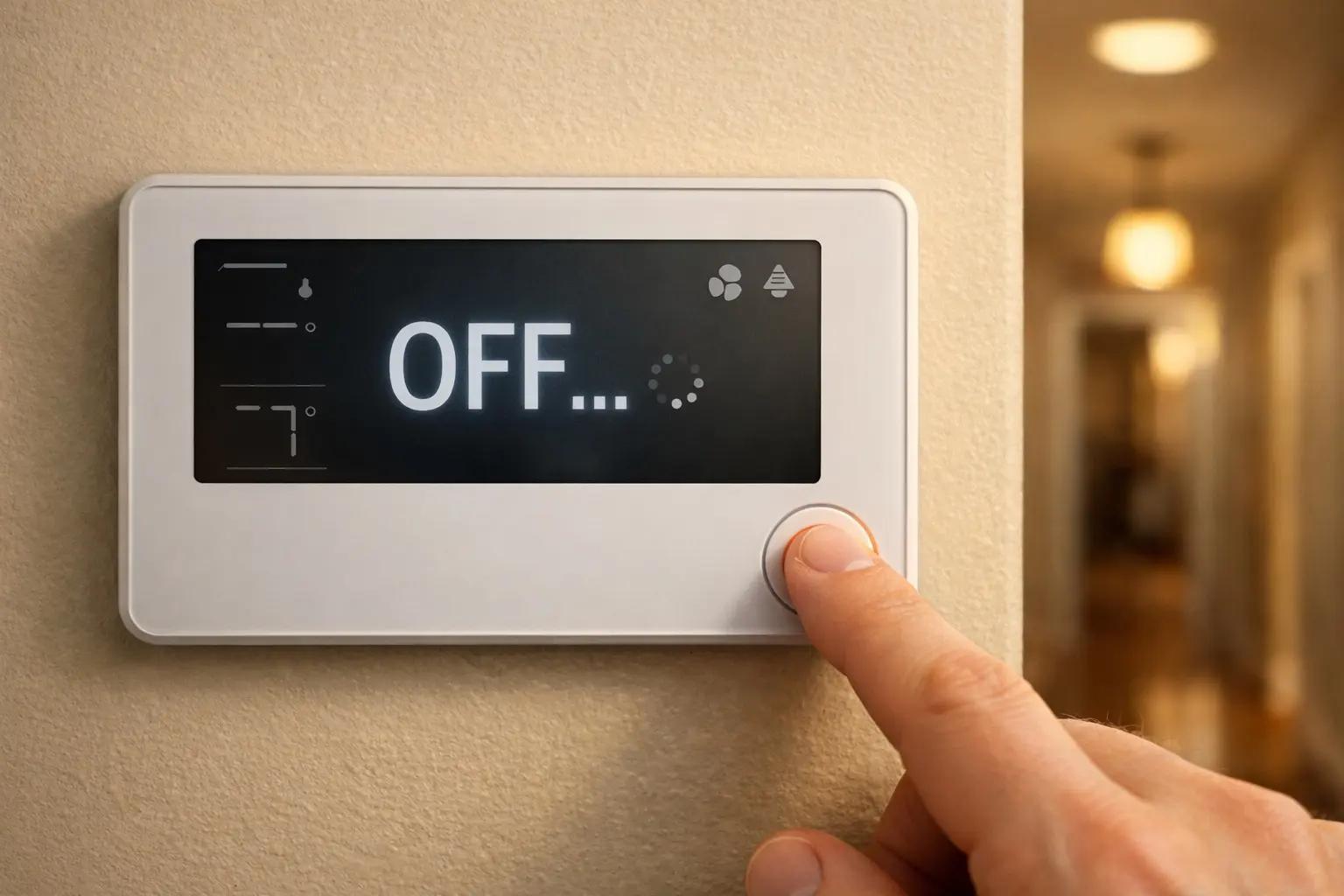
Go to your thermostat and switch the system to OFF, including the fan. This prevents the blower from running while vent covers are removed, which would pull unfiltered dust directly into the system and blow loosened debris into your living spaces. It also keeps the motor from overheating if you accidentally block airflow during cleaning. Leave the system off for the entire cleaning process.
Lay Down Drop Cloths and Put On Safety Gear
Spread drop cloths or old towels around each vent you plan to clean — duct dust falls fast once you start removing covers. Put on your N95 mask, safety glasses, and disposable gloves before touching any vents. Duct dust is a mix of skin cells, pet dander, dust mites, and sometimes mold spores, so protection matters more here than in most cleaning jobs. If you have allergies or asthma, consider running a portable air purifier in the room while you work.
Remove the Vent Covers
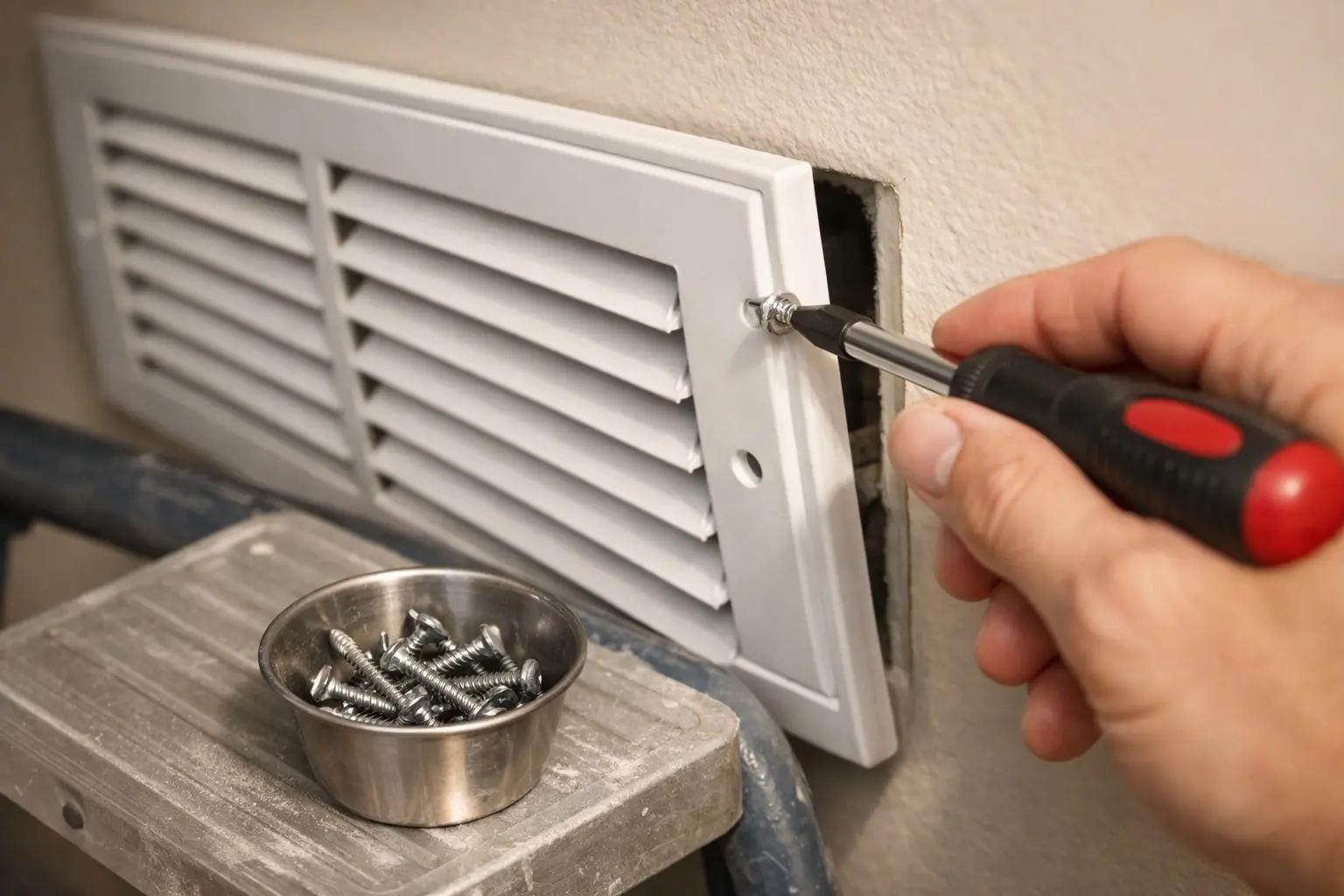
For floor vents, simply lift the metal grille straight up — most sit in the opening by gravity. For wall and ceiling vents, use a screwdriver to remove the mounting screws (usually two), then pull the grille away from the wall. Keep screws in a small bag or cup so you don't lose them. Set each grille aside on a drop cloth. Take note of which cover came from which vent — they're not always interchangeable, especially between rooms with different duct sizes.
Take a quick phone photo of each vent location before removing the cover — it helps you match covers back to the right openings, especially if your house has a mix of sizes.
Wash the Vent Covers
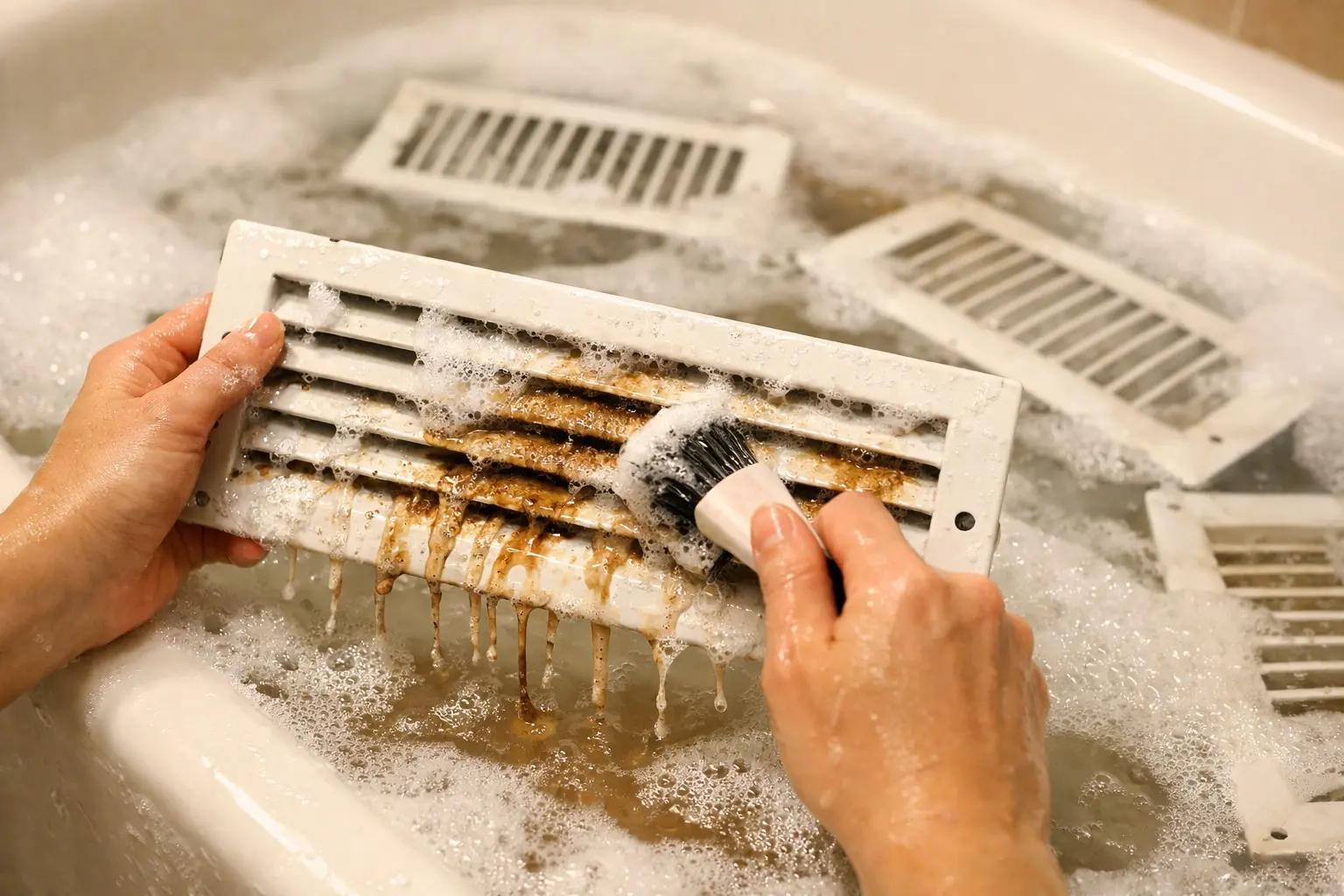
Fill a bucket or bathtub with warm water and a few drops of dish soap. Submerge each vent cover and let it soak for 10-15 minutes to loosen caked-on dust and grease. Scrub both sides with a stiff brush or old toothbrush, paying attention to the gaps between louvers where dust compacts. Rinse thoroughly under running water, shake off the excess, and stand them upright on a towel to air-dry while you clean the ducts. They need to be fully dry before reinstalling — moisture inside ducts promotes mold growth.
Vacuum Inside Each Duct Opening
With the vent covers removed, insert your vacuum hose as far as it will reach into each duct opening — typically 2-3 feet. Use a crevice attachment or narrow nozzle to get into corners and along the bottom where dust settles heaviest. Move the hose slowly, working in straight lines toward the opening so you pull debris out rather than pushing it deeper. A shop vacuum with strong suction works best, but a household vacuum with a long hose attachment works for light buildup. Vacuum the edges of the duct opening where the grille normally sits — this lip collects a surprising amount of grime.
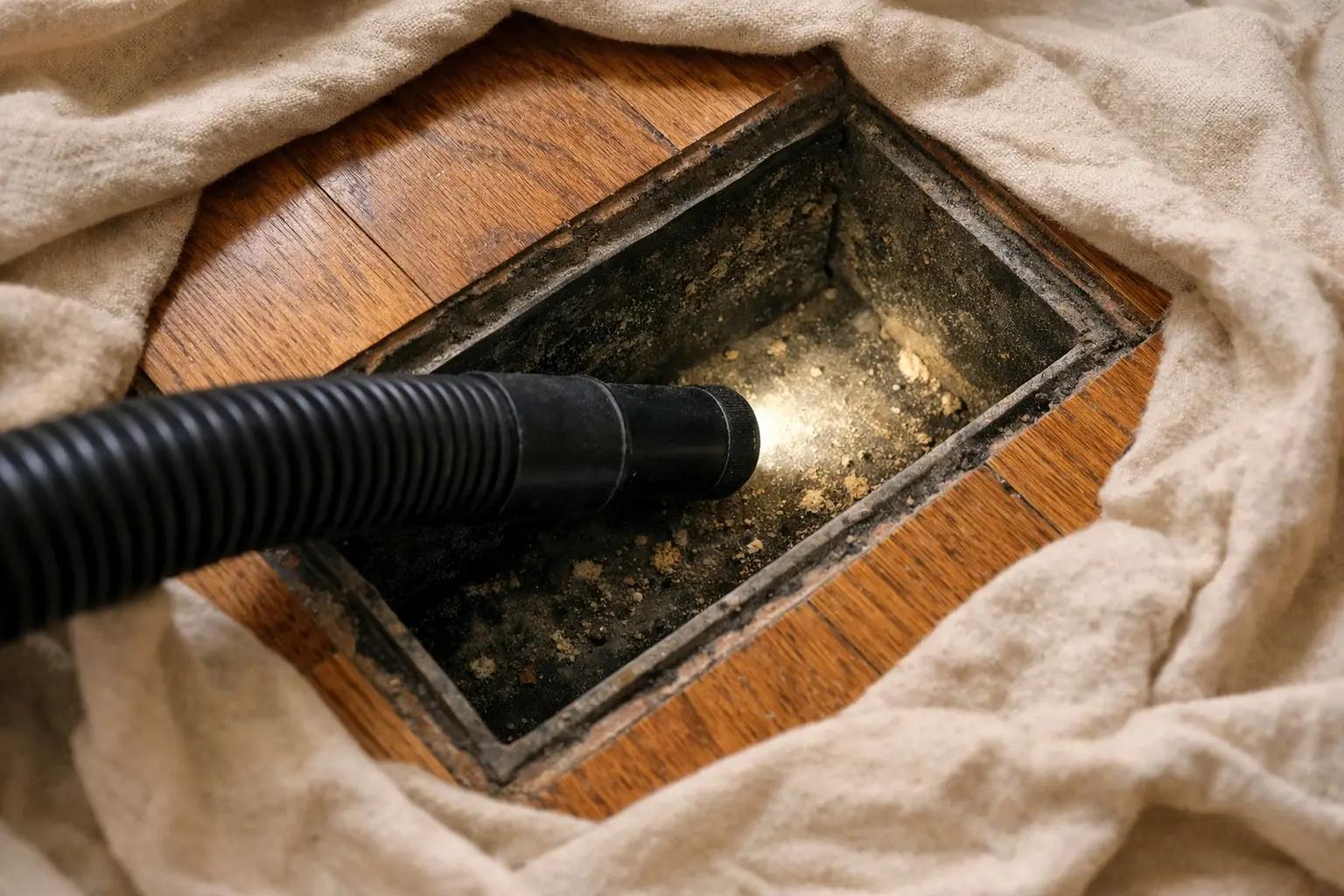
Shine a flashlight into the duct before and after vacuuming — seeing the difference is motivating, and it helps you spot areas you missed or any signs of mold that need professional attention.
Brush the Duct Walls to Loosen Stubborn Buildup
Insert a stiff-bristle brush (a toilet brush works well for round ducts, a long-handled scrub brush for rectangular ones) into each duct and scrub the walls with a twisting motion to loosen dust that the vacuum couldn't grab. Work the brush in and out several times, reaching as deep as the brush handle allows. Don't force the brush past turns or bends — you're only cleaning the accessible straight runs from each vent. Be gentle with flex duct (the ribbed foil or plastic kind) to avoid puncturing it. After brushing, vacuum each duct opening again to remove everything you loosened.
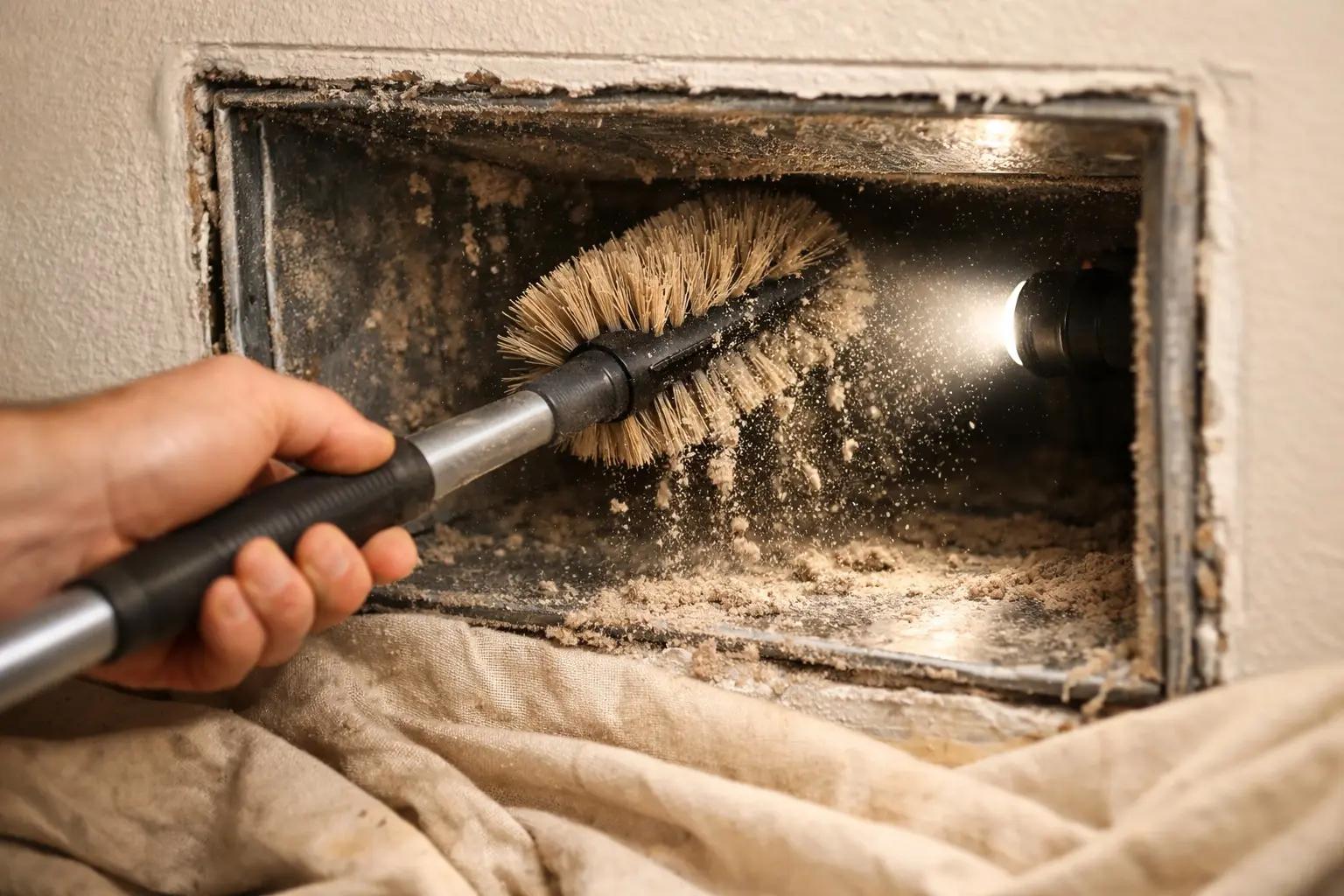
Flexible ducts (thin foil or plastic with wire spiral ribs) tear easily. Use only gentle pressure and never jam a brush past resistance. A punctured flex duct leaks conditioned air into your attic or walls, raising energy bills.
Wipe Down the Duct Openings
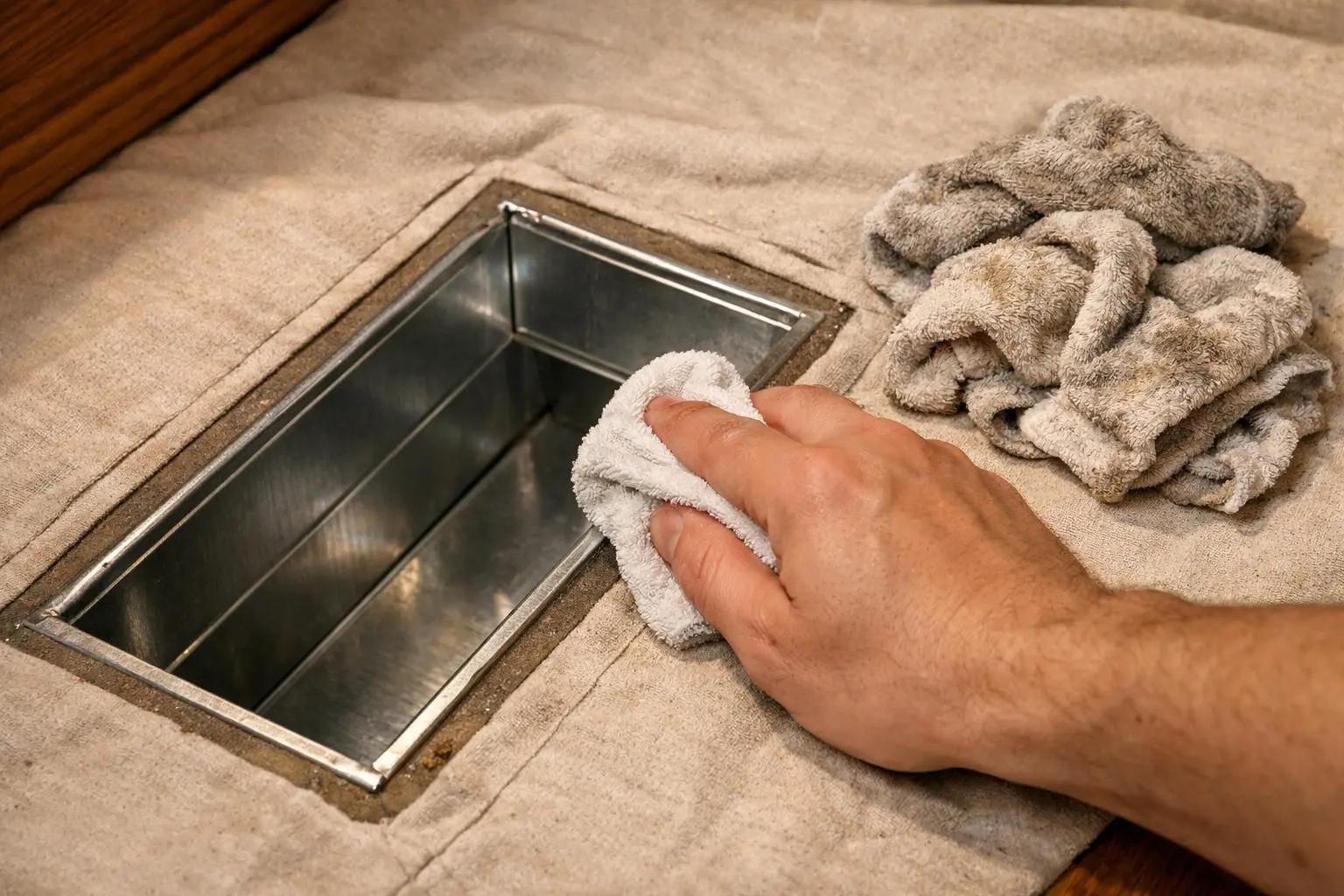
Dampen a microfiber cloth with warm water (no soap needed) and wipe the inside edges of each duct opening as far as you can comfortably reach — about the first 12 inches. This catches the fine dust layer that vacuuming and brushing leave behind. Wipe the wall or floor surface around each opening too, since dust escapes during cleaning. Use a fresh cloth or rinse frequently so you're not just smearing dust around. Let the surfaces air-dry for a few minutes before reinstalling the covers.
Clean the Return Vent and Blower Compartment
The return vent (the largest grille in your house, usually in a hallway or near the thermostat) deserves extra attention — it pulls in all the air your system circulates. Remove its cover, vacuum deep inside the return duct, and brush the walls. If you can access the blower compartment at your furnace or air handler, open the access panel and carefully vacuum around the blower fan, motor, and housing. Dust left here recirculates into your freshly cleaned ducts as soon as the system starts. Wipe accessible surfaces with a damp cloth.
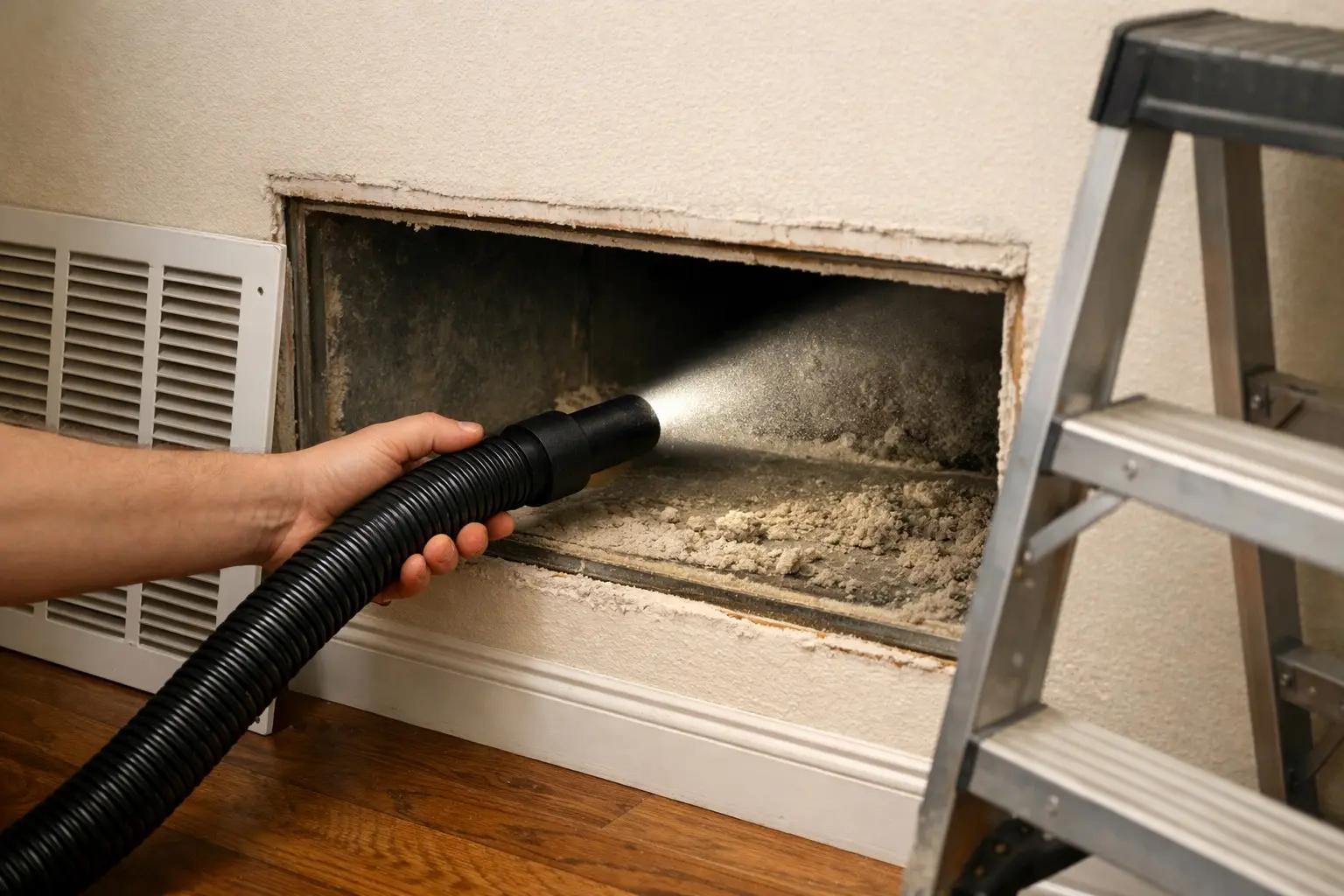
The blower compartment is the single biggest source of recirculated dust. Even if you skip cleaning some supply vents, always clean the return and blower area — it has the highest payoff for air quality.
Replace the HVAC Filter
Slide out the old filter from the return vent or air handler filter slot and discard it in a trash bag. Check the printed size on the frame (e.g., 16x25x1) and install a fresh replacement — MERV 11 or MERV 13 is ideal for homes with pets or allergies. Make sure the airflow arrow on the new filter points toward the air handler (into the wall for return grilles, toward the blower for air handler slots). A new filter after duct cleaning prevents loosened dust that settled deeper in the system from circulating into your home.
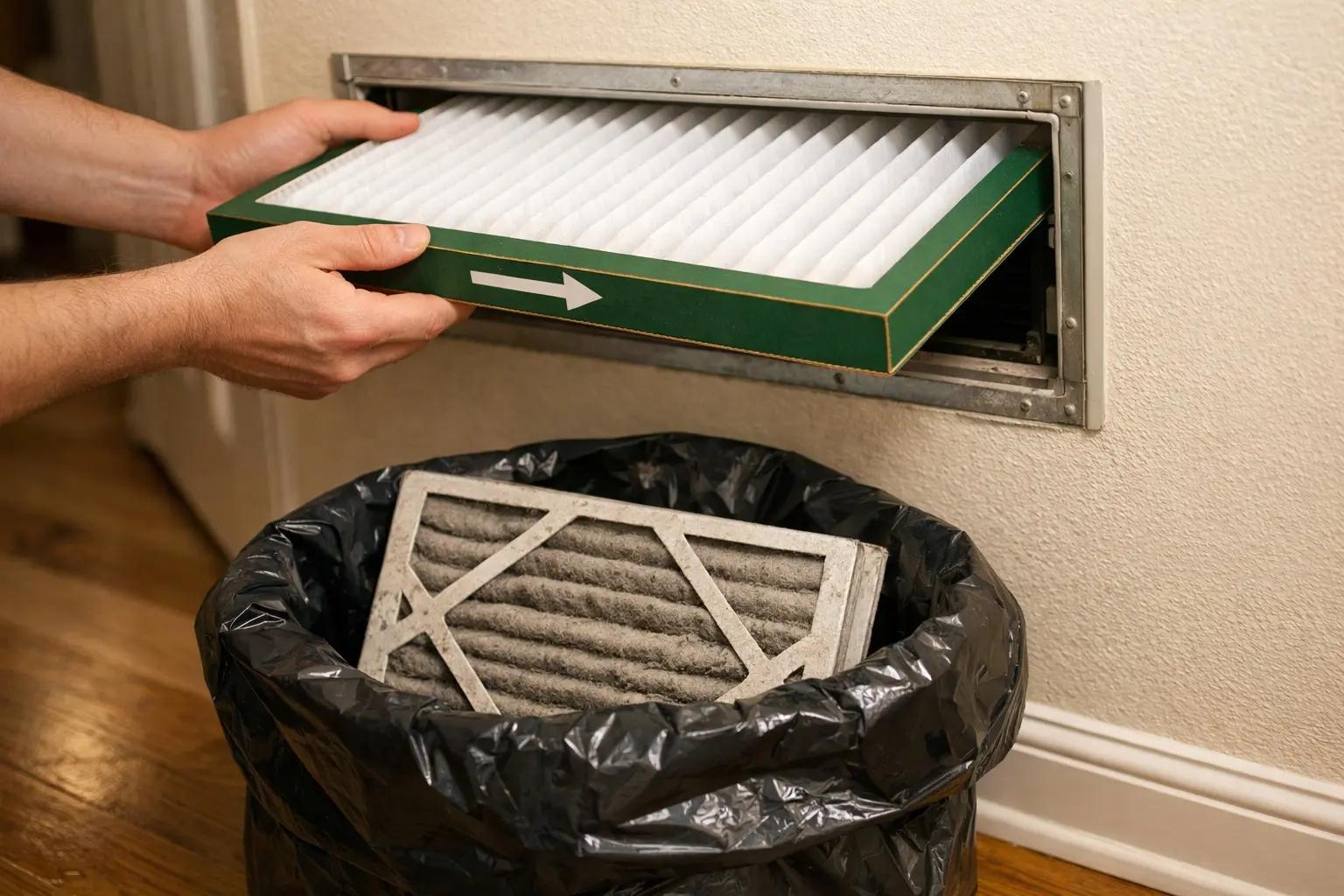
Never run the HVAC system without a filter, even briefly. Unfiltered air coats the evaporator coil with dust, which reduces cooling efficiency and can cause the coil to freeze.
Reinstall Vent Covers and Test the System
Make sure the vent covers are completely dry, then set floor grilles back into their openings and screw wall or ceiling grilles back into place. Double-check that each cover sits flush — a crooked grille lets unfiltered air leak around the edges. Go to the thermostat and switch the system back to AUTO or your normal heating/cooling mode. Let it run for 15-20 minutes and walk through the house checking each vent for normal airflow. A faint dust smell for the first few minutes is normal as residual dust burns off, but it should clear quickly.
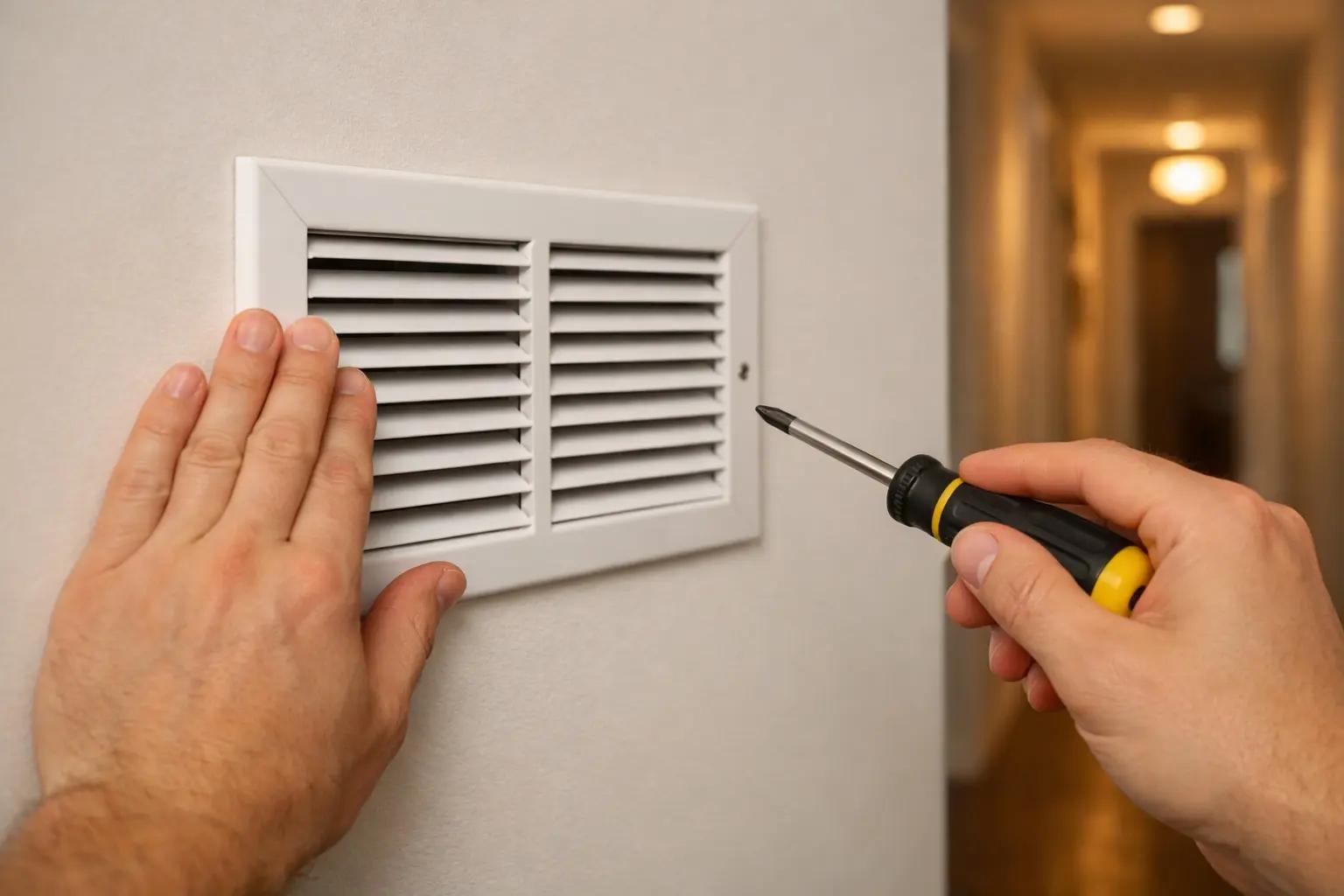
Rather than cleaning on a fixed schedule, inspect your vents a couple of times a year (shine a flashlight in) and clean again only when you see buildup — the EPA does not recommend routine timed duct cleaning. Between times, vacuum the visible portion of each vent monthly when you vacuum the floors.
Frequently Asked Questions
How long does it take to clean air ducts yourself?
+
This project typically takes about 2 hrs. The guide includes 10 steps with detailed instructions for each.
What tools do I need?
+
You will need: Shop vacuum with hose attachment (or household vacuum with a long hose), Screwdriver (Phillips or flathead, depending on your vent screws), Stiff-bristle brush or toilet brush (for manual scrubbing inside ducts), Microfiber cloths, Flashlight (to inspect inside ducts), Stepladder (for wall and ceiling vents). Materials include: Replacement HVAC filter (sized to match your current filter), Paper towels or old rags, Bucket of warm soapy water (dish soap works fine), Disposable N95 respirator mask, Safety glasses or goggles, Disposable gloves, Drop cloths or old towels (to protect flooring around vents).
Is this a good project for beginners?
+
This is a moderate-difficulty project. Some basic DIY experience is helpful, but the step-by-step instructions make it approachable for motivated beginners.
Sources & further reading
More HVAC Guides
View all →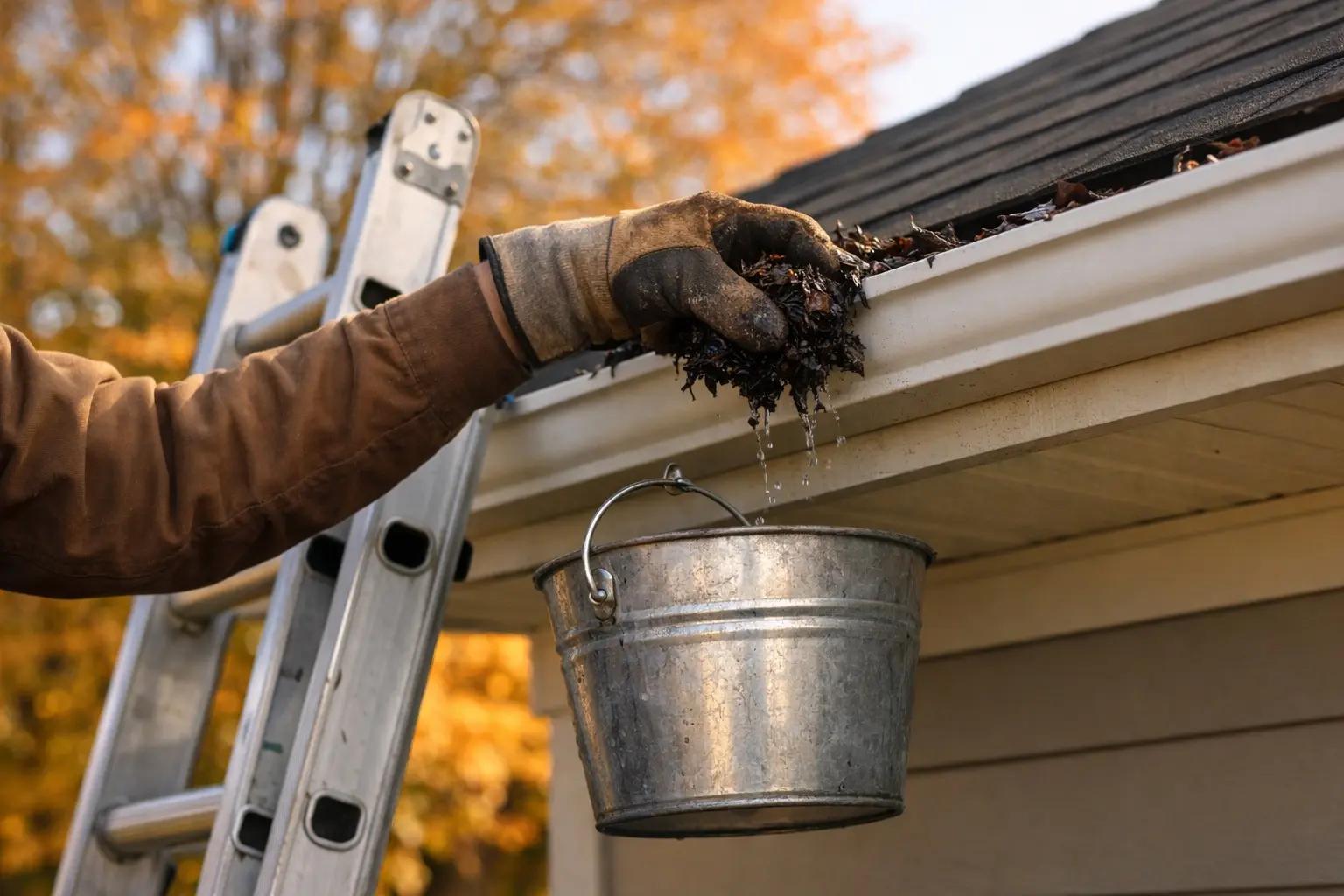 Medium2 hrs
How to Clean Gutters Safely
Clogged gutters cause water to overflow against the fascia, soffit, and foundation — leading to thousands of dollars in rot and water damage. Cleaning them twice a year takes about 1-2 hours and costs nothing if you already own a ladder, versus $150-300 for a professional service. This guide focuses on doing the job safely, because gutter cleaning is one of the top causes of ladder-related injuries at home.
 Easy1 hr
How to Clean and Maintain a Mini-Split
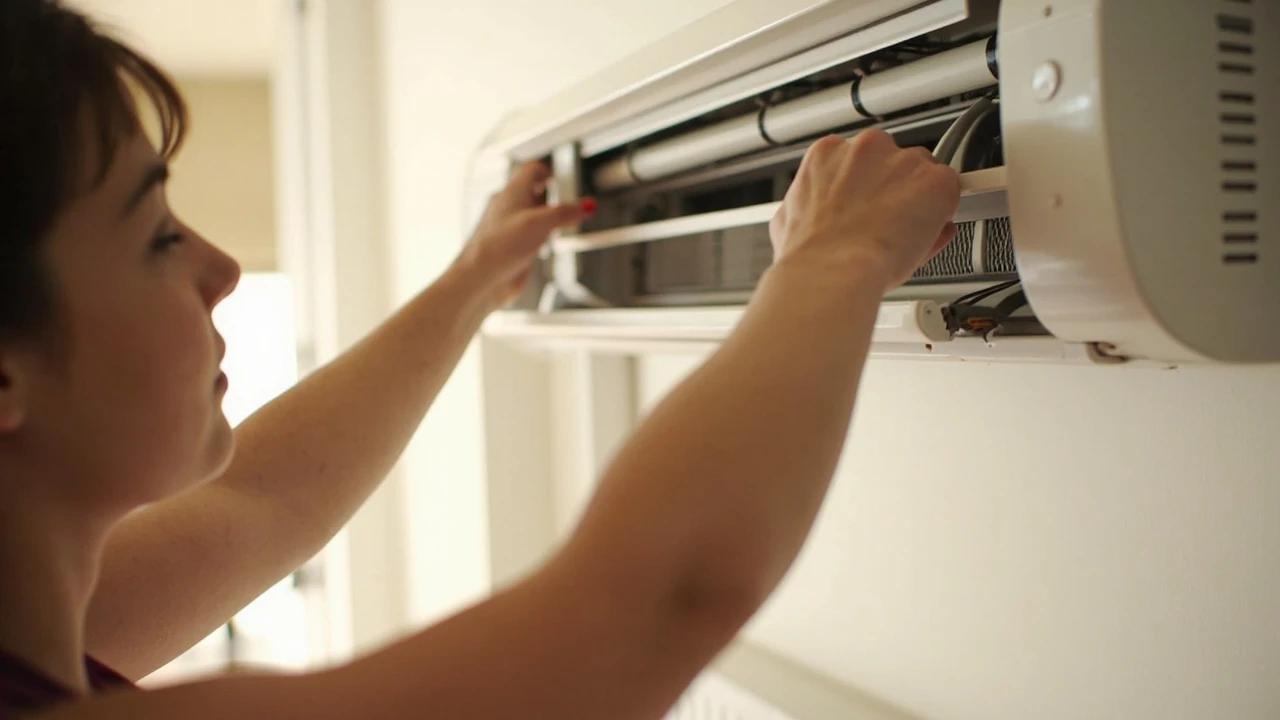
A ductless mini-split is the lowest-maintenance heating and cooling there is — right up until the filters mat over, the coil grows a musty film, and the drain line clogs and drips water down your wall. Twenty minutes of cleaning every few weeks during cooling season, plus one deeper pass each spring, keeps the air clean, the efficiency you paid for, and the mold out. This guide covers the whole routine for about $0-30 in supplies, and is honest about the two jobs (refrigerant and a moldy blower wheel) that belong to a pro.
 Easy10 min
How to Change Your HVAC Filter
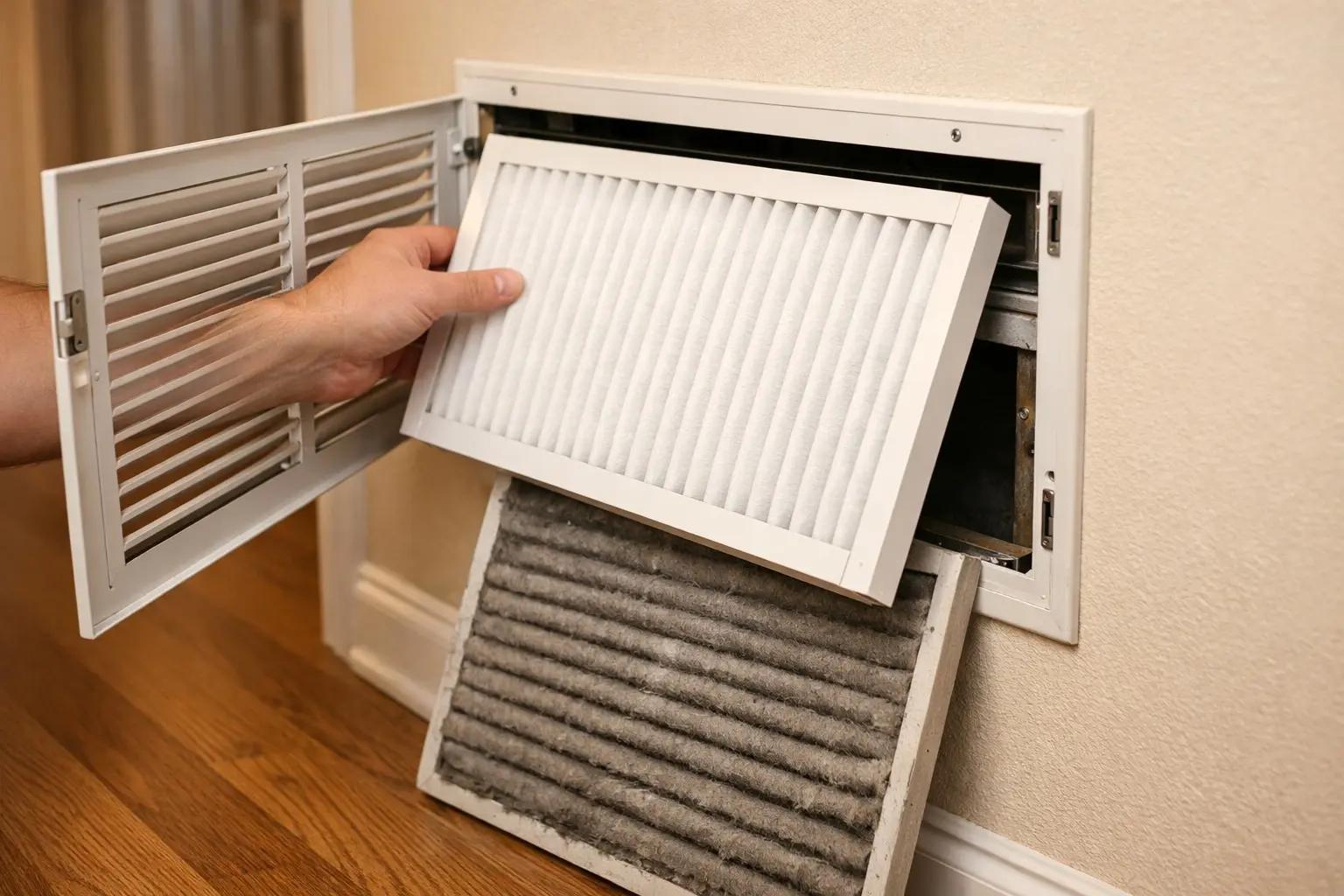
A clogged HVAC filter forces your system to work harder, raising energy bills by 5-15% and shortening equipment life — and a replacement filter costs just $5-25. Changing it takes under 5 minutes with zero tools, yet it's the single most neglected piece of home maintenance. This guide shows you how to find your filter, pick the right replacement, install it correctly, and set a schedule so you never forget again.
You Might Also Like
 Medium30 min
How to Troubleshoot a Microwave That Won't Heat
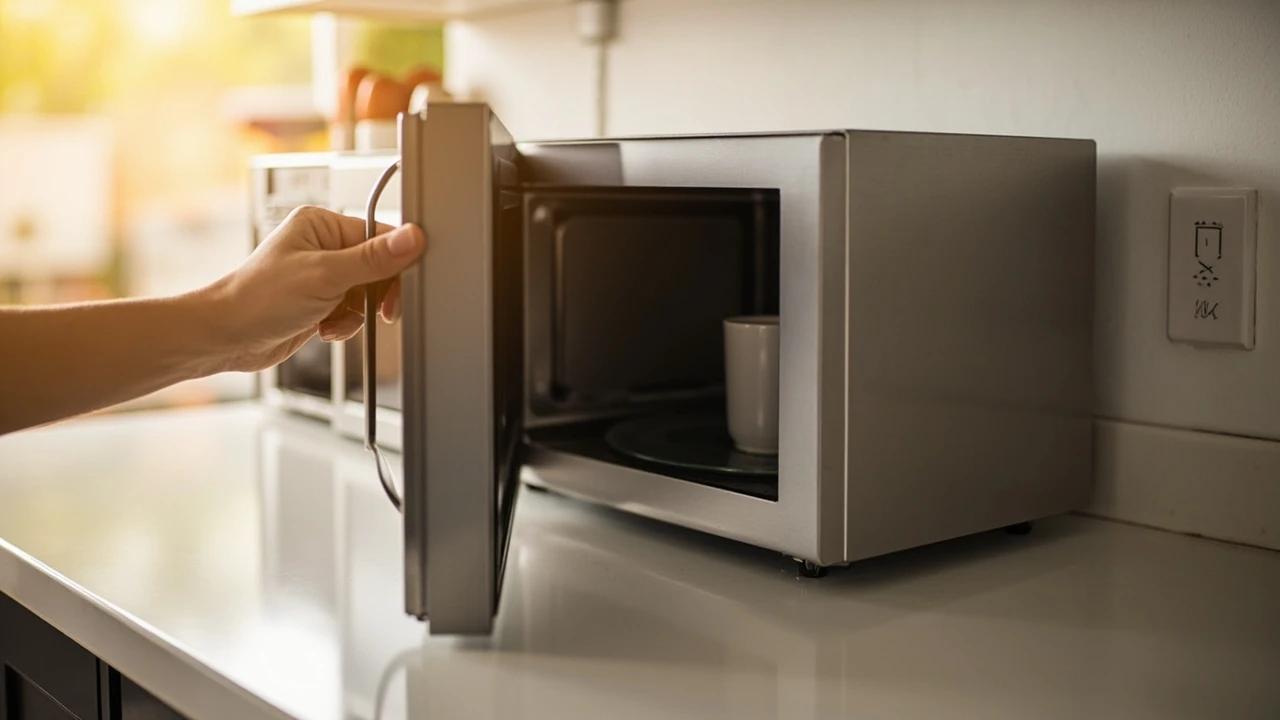
A microwave that runs — light on, turntable spinning, timer counting down — but leaves food stone cold is one of the most common appliance failures, and about half the time the cause is something you can fix in five minutes for free. This guide walks the diagnosis from the easy stuff (demo mode, power level, a tripped GFCI, a dirty door latch) to reading the failure signature that tells you the high-voltage circuit is gone, then helps you make the repair-or-replace call with real numbers.
 Easy30 min
How to Replace an Electrical Outlet
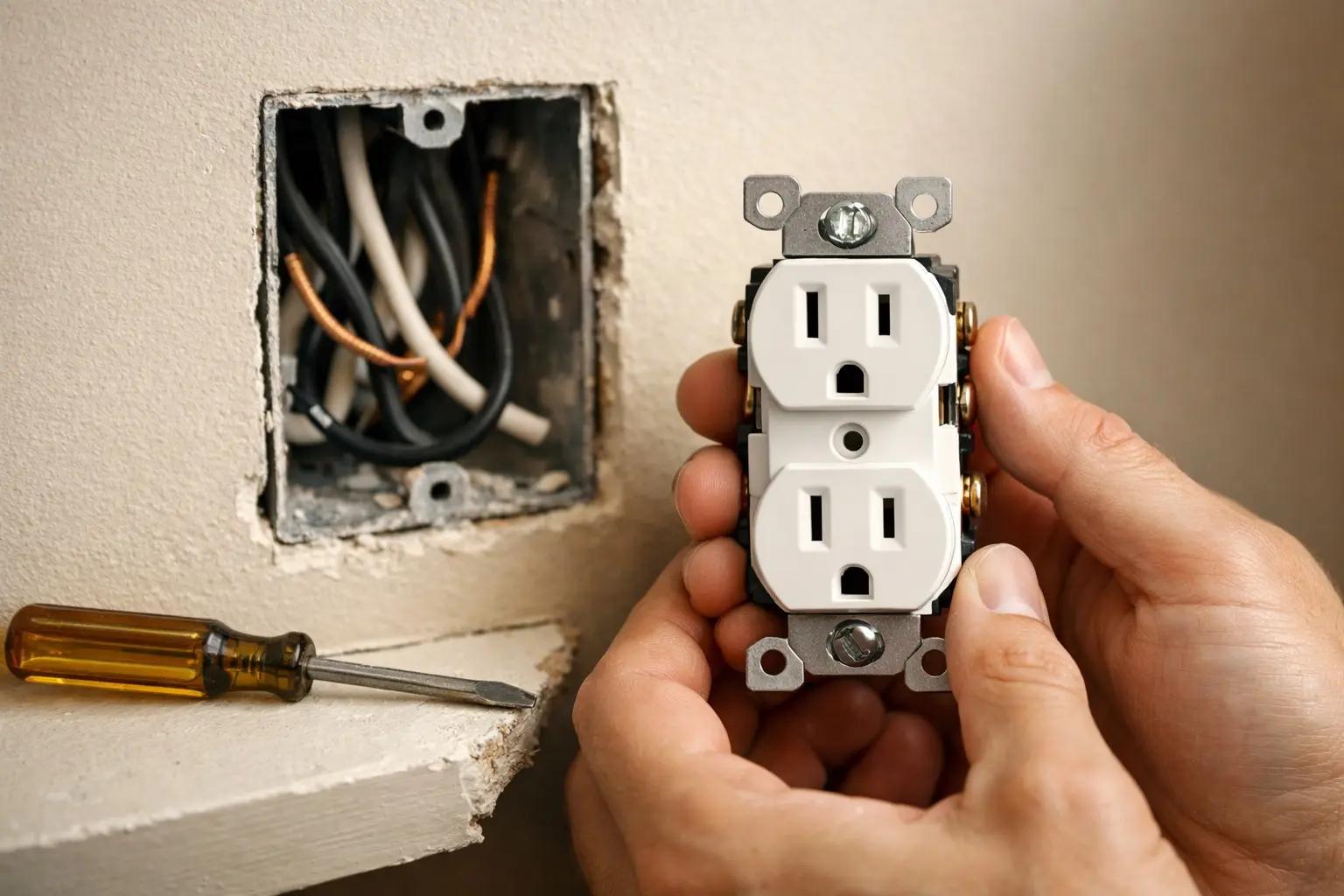
A worn-out or discolored electrical outlet is one of the simplest electrical repairs you can tackle yourself — swapping one takes about 15-30 minutes and costs under $5 in parts versus $75-150 for an electrician visit. This guide walks you through safely replacing a standard duplex receptacle, including how to handle the wiring correctly and avoid the most common DIY mistakes.
 Medium45 min
How to Install a Ceiling Fan
Replacing a light fixture with a ceiling fan improves air circulation in summer and can reduce heating costs in winter by circulating warm ceiling air downward. Most installs take 45-60 minutes.